Gorgeous Summer French Bob Haircut 2026: 27 Stunning Styles for Every Face Shape
The French bob is everywhere right now—and I mean everywhere. Gigi Hadid’s sharp chin-length chop at the Met Gala, Ayo Edebiri’s textured curly version at the Emmys, Lily Collins basically living in one since June. TikTok’s obsessed (2.4B views on ‘French Girl’ content), three salons I visited last month had waiting lists, and honestly, the street style photos alone are making the case that short hair is having its moment.
The gorgeous summer french bob haircut 2026 isn’t one thing—it ranges from the sharp, blunt Box Bob to the voluminous Italian Bob with chunky ends to the low-maintenance Shaggy Frenchie that works on literally any texture. Whether you’ve got fine hair that needs ghost layers for volume, thick waves that thrive on internal texture, or a round face that needs the right angle, there’s a version that actually works for your life, not just your Pinterest board.
I went shoulder-length to a French bob last summer and spent the first week second-guessing myself. By month two, I realized I’d been holding onto that length out of habit, not because it actually suited me. Turns out, the cut was the easy part—finding the right colorist to keep it looking fresh was where the real work started.
The Gilded French Bob
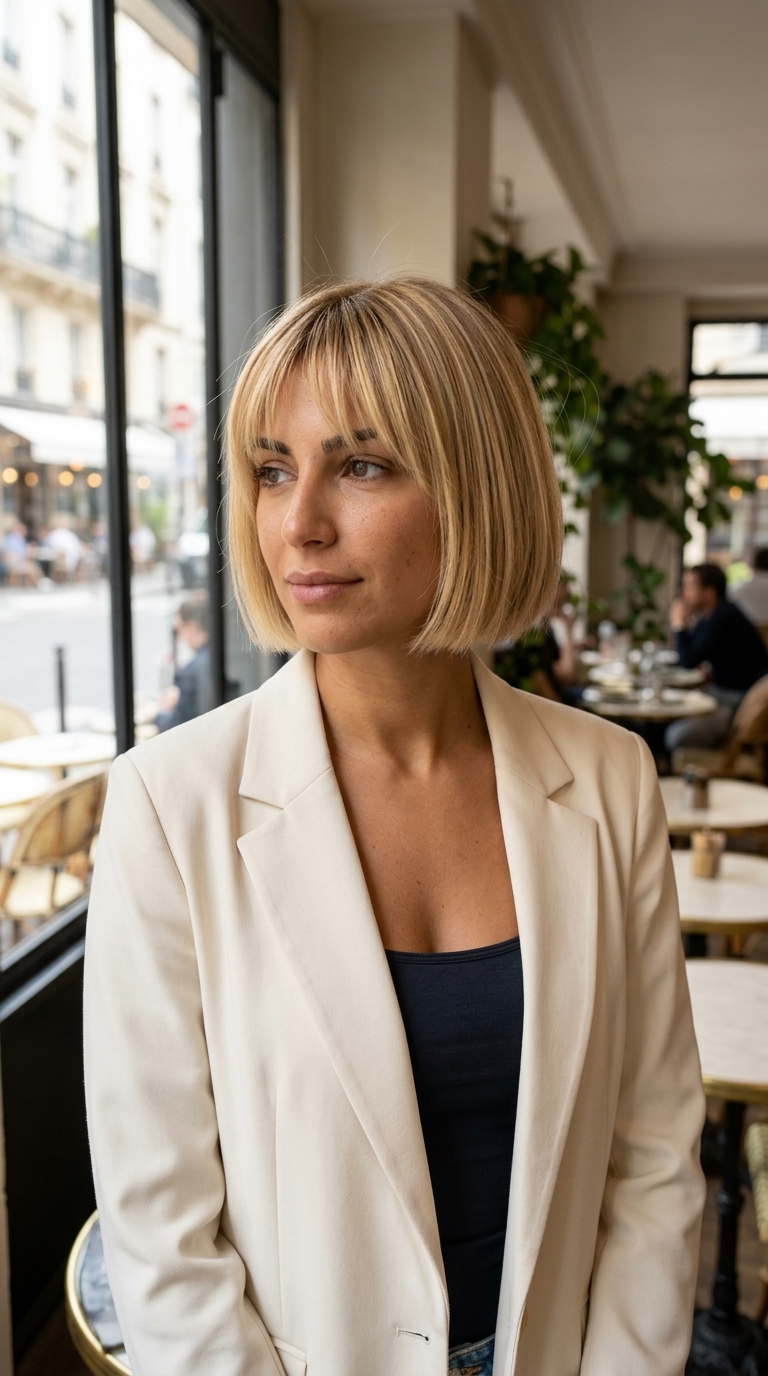
There’s a reason the French bob refuses to age out of fashion: it works. The gilded french bob leans into that timelessness while adding something sharper—a tapered nape that catches light and creates actual dimension. This isn’t just length and layers; the precision matters. Ask your stylist for a clipper taper at the back, the subtle taper is genius, which keeps the perimeter clean without looking severe on straight to slightly wavy hair.
The magic is in the maintenance math. Nape taper allowed clean growth for 6 weeks before needing a trim—so you’re not locked into a four-week salon cycle the way some cuts demand. That’s the math that actually works. The cut sits somewhere between a blunt bob and a textured piece, depending on how your stylist approaches the internal layers. Not for very thick hair—internal layers won’t reduce enough bulk—but for fine to medium density, this lands perfectly.
Why does this work? Tapered nape keeps the bob line sharp for longer, preventing an awkward grow-out phase where you’re stuck between lengths. You get five, maybe six weeks of looking intentional before roots start showing or the line softens. That’s real value in a cut. The taper is everything.
The Linen Brunette Bob
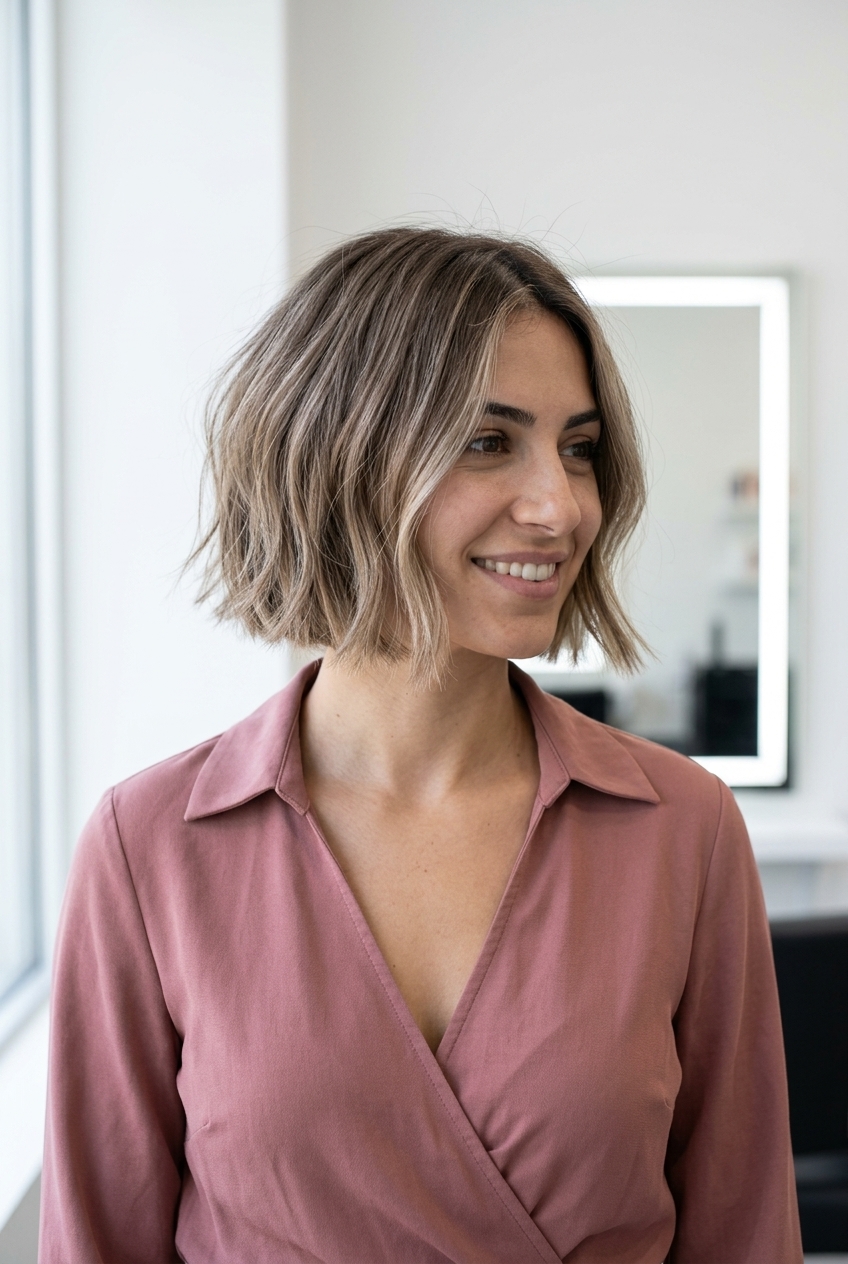
Waves change everything. The linen brunette bob is cut specifically for hair that wants to move, with internal layers positioned to enhance rather than fight natural texture. Internal layers enhanced natural waves, creating noticeable volume without frizz on day-2 hair—that’s the real test. You’re not forcing a straight aesthetic; you’re working with what you have. The color sits warm and muted, like linen fabric catching afternoon light, which is why it photographs so well in natural conditions.
Here’s the catch: requires specific product routine to prevent waves from falling flat by midday, which is all my wavy hair can handle. You need something to hold the texture through the day without making it crispy. A lightweight texturizing paste works, but you have to be intentional about it. Internal layering enhances natural waves and volume, preventing the cut from looking flat on wavy hair—that’s the design principle at work. The layers are placed to amplify movement, not eliminate it. This cut actually rewards you for having texture instead of making you feel like you should blow out your hair every morning.
The brunette tone matters too. It’s forgiving on roots, which means you can stretch color appointments to eight, nine weeks if you’re lucky. That’s a practical advantage most people don’t mention.
The Cherry Cola Bob
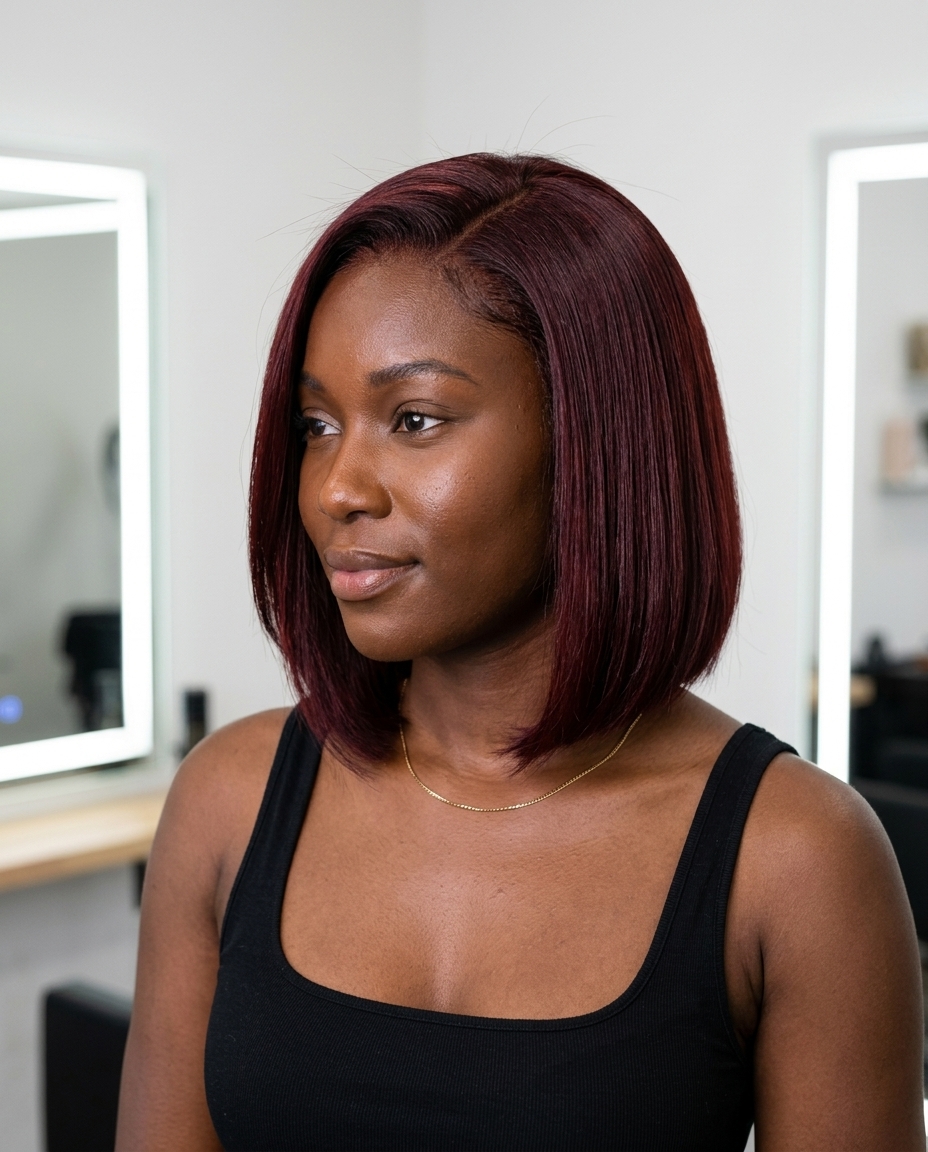
This is precision work. The cherry cola bob is cut as a true A-line—longer at the front, shorter at the back—with point-cut ends that soften without compromising the silhouette. Point-cut ends maintained a sharp A-line shape, yet moved beautifully without feeling heavy, which was the whole goal here. The color is where this really sings: a deeper cherry-burgundy that sits rich in indoor light and catches warmth in sunlight. It’s structured enough to feel intentional, soft enough to look livable.
The A-line is the story. Your stylist needs to understand the geometry: a clean diagonal line from back to front, then point-cutting only the perimeter to add movement, or maybe a blunt bob, honestly. The difference is whether you’re creating soft texture or just removing weight. Point-cutting the A-line perimeter softens ends, adding internal movement and preventing a heavy look—that’s the technique that prevents this from feeling stiff or overly geometric. Skip if you have very fine hair—the A-line might appear too heavy—because the longer front pieces can pull and emphasize a narrow face.
This cut wants to be worn with intention. You’ll blow-dry the front pieces forward, tuck them back, layer them over—there’s actual versatility here instead of just one rigid shape. The perfect angle.
The Textured Short Blonde Bob
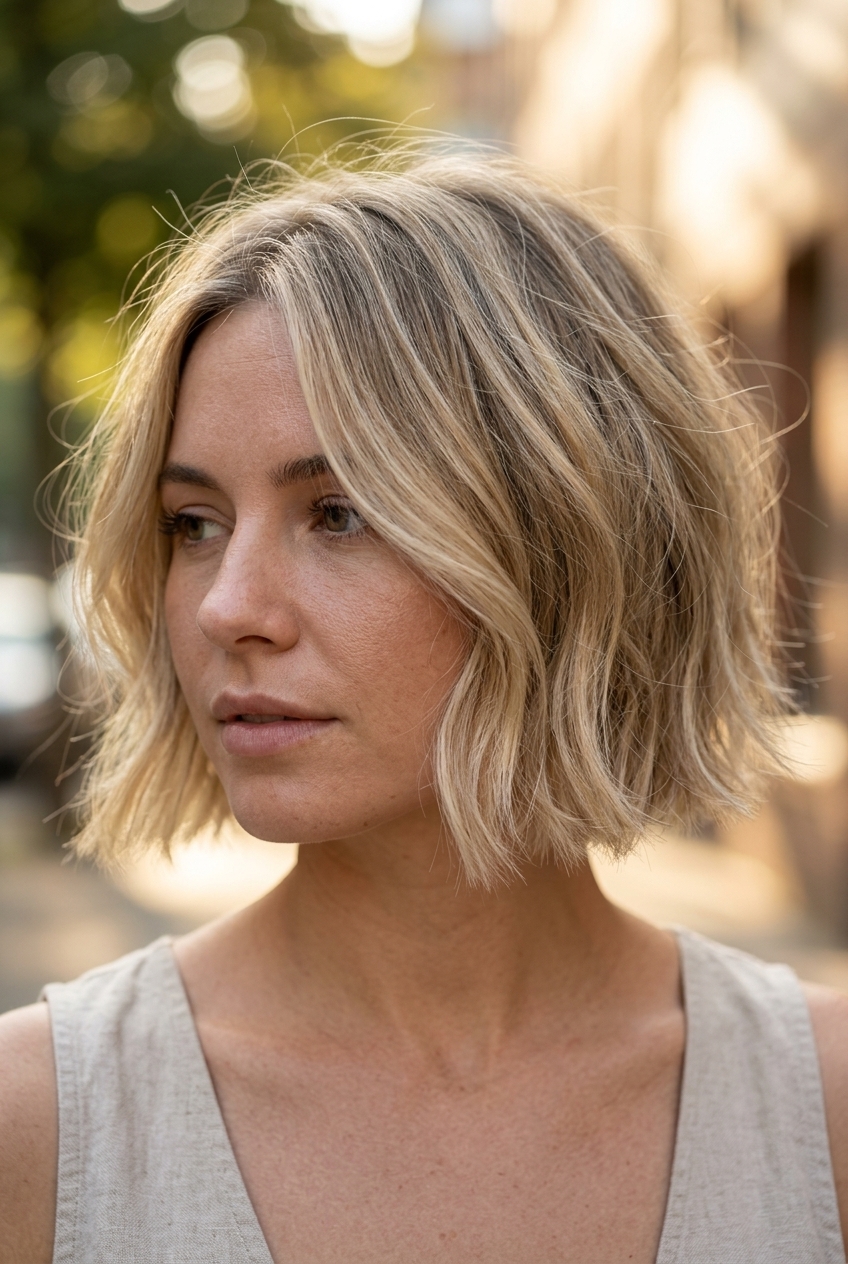
Texture is the whole conversation. The textured short blonde bob uses heavy point-cutting and razoring to create that piecey, lived-in effect that looks effortless until you realize it’s actually engineered. Razored ends created piecey texture, preventing the ‘triangle’ shape even on day-3 hair—that’s the real win. You’re going short here, usually chin-length or slightly shorter, and every strand needs to do work. The blonde is bright but not icy; it sits somewhere between wheat and platinum depending on your undertone.
Here’s what makes this different from a blunt short bob: density. Your stylist should use razors on about 60% of the cut, creating disconnected layers that sit separately instead of stacking. Heavy point-cutting and razoring create airy, piecey texture, preventing a bulky ‘triangle’ shape—that’s the architecture that prevents short hair from looking heavy or helmet-like. Avoid if you only air-dry—this needs blow-drying to look right—because the texture collapses without heat and product. A sea salt spray helps, textured cream paste works too, but you’re definitely styling this cut.
The payoff is real though. Five weeks between cuts, minimal frizz, and that tousled texture reads expensive even though the cut itself isn’t a splurge. Undone, but make it chic.
The Laser Cut Bob
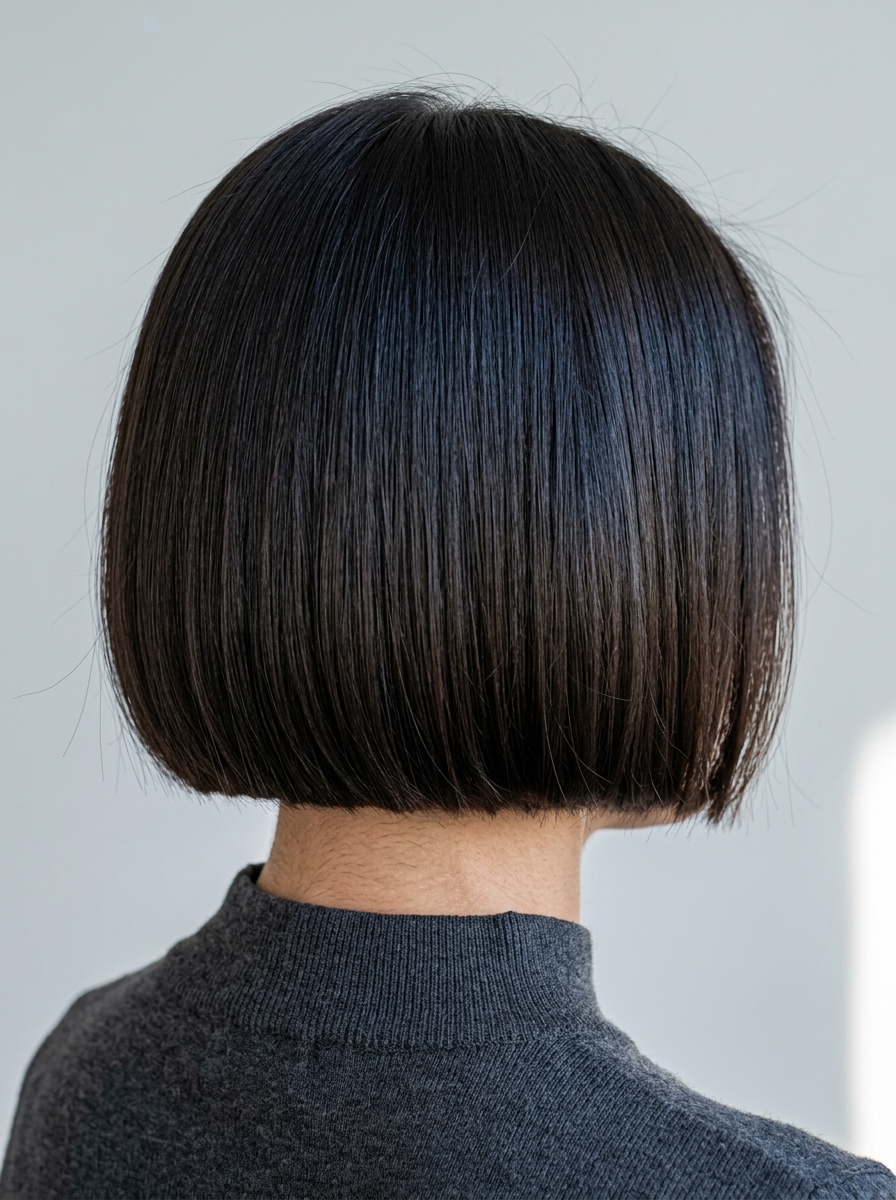
Pure geometry. The laser cut bob uses clippers to create a perimeter so sharp it looks like someone took a laser to the ends. The laser-cut perimeter held its sharp line for 5 weeks before needing a precision trim—that’s the timeline you’re working with. This is best on naturally straight or easily straightened fine to medium hair where a blunt line actually reads as intentional rather than heavy. Every hair sits at the exact same length, creating a one-dimensional silhouette that somehow works because the cut is so confident about it.
The technique is what separates this from a regular blunt bob. Your stylist uses clippers—not scissors—to create the perimeter, which produces a hyper-precise horizontal line that scissors literally cannot replicate. This is the bob of my dreams, honestly, but only if you commit to the maintenance. Clippers create a perfectly horizontal, blunt perimeter for a ‘laser-cut’ effect that looks incredibly sharp—that’s the principle. Requires frequent, precise trims every 4-5 weeks to maintain its sharp, blunt line, because the moment it grows out half an inch, the effect dissolves.
It’s a cut that demands weekly blow-drying and probably monthly trims. Not everyone has that bandwidth. But if you do, this is the cut that gets compliments every single time you leave the house. Precision is everything.
The Copper Short Bob
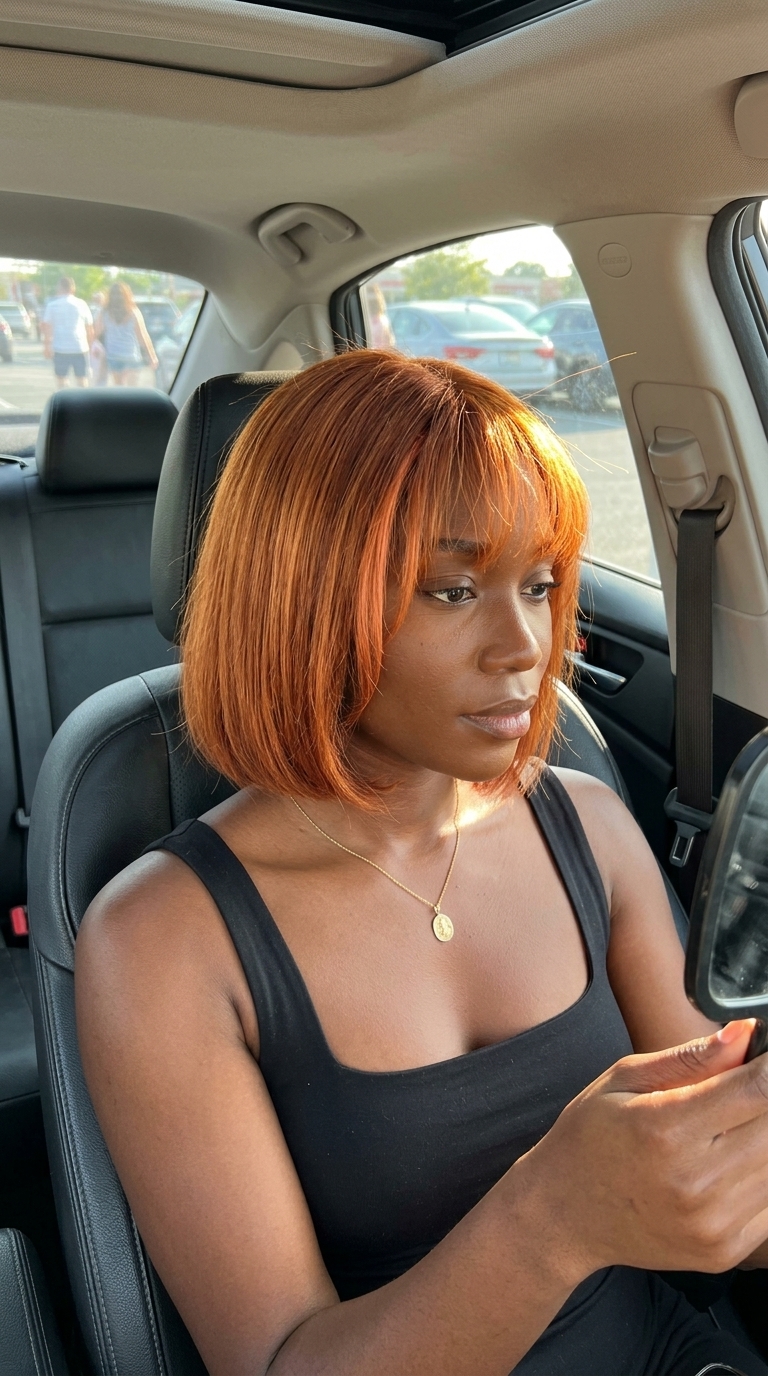
There’s a reason copper keeps showing up on every third person at summer farmers markets. It’s not just flattering—it’s the color that makes movement actually visible. A copper short bob catches light differently than warmer brunettes or cooler blondes, which means the point-cut perimeter you’re paying for actually reads on camera and in person. The cut itself leans on internal layers that disrupt density without creating that thin, wispy vibe that fine-haired people universally fear.
Point-cutting and internal layers create movement, preventing the bob from looking blocky and heavy—that’s the design working as intended. You’re not paying for length here; you’re paying for the technique that makes those ends move instead of sit. The point-cut perimeter maintained soft, organic movement for 6 weeks before needing a reshape, which tracks with what most stylists promise (and occasionally deliver). Razored ends require daily product to prevent frizz, especially in humidity, so this isn’t a wash-and-go situation if you live somewhere that gets actual summer weather. The deeper you go with copper—mahogany undertones, burnt sienna edges—the more forgiving it is as roots grow. Darker copper hides regrowth. Brighter copper demands consistency. Finally, a bob that moves.
The Minimalist French Bob
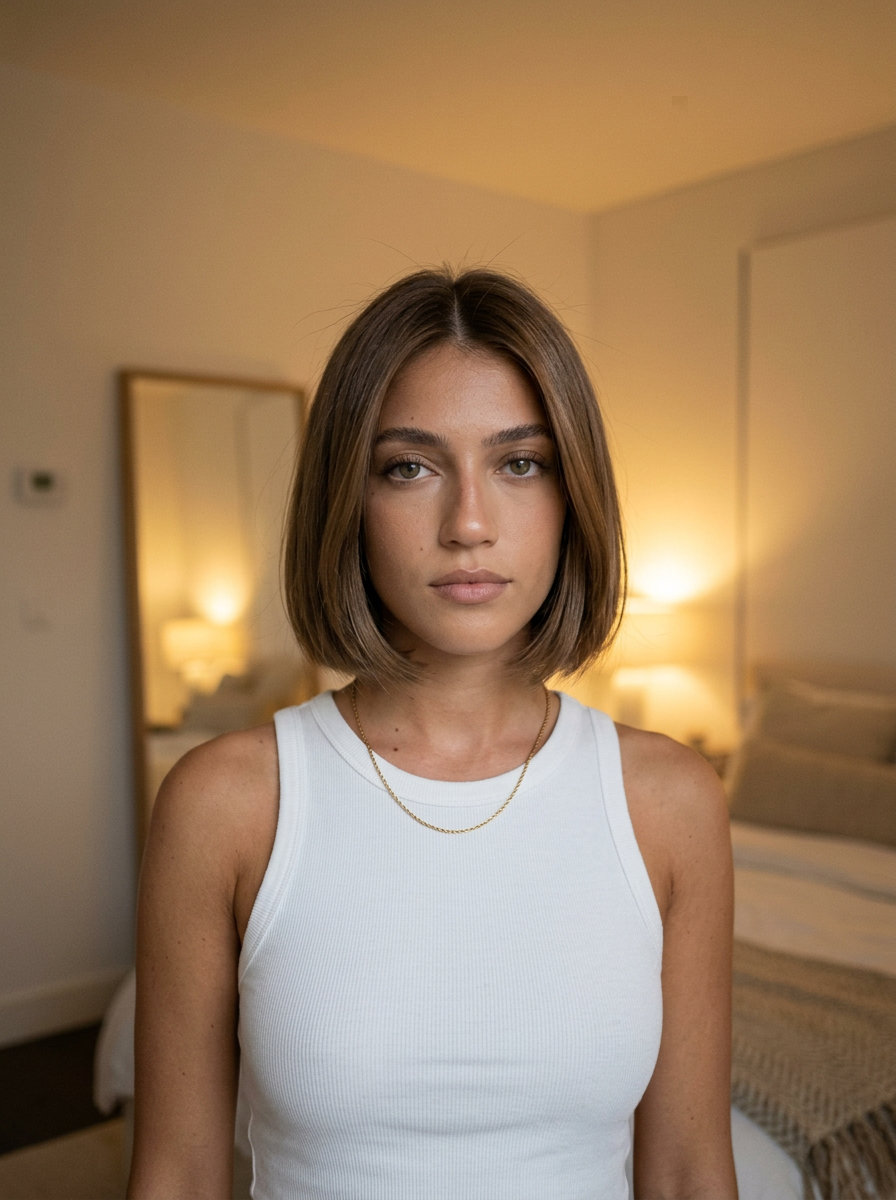
Strip the color story away and you’re left with the architectural purity of the cut itself. A minimalist french bob in a single tone—whether that’s natural brunette, ashy blonde, or true black—puts all the work on precision and line. No balayage to distract from an imperfect perimeter. No highlights to hide behind. Just clean geometry and the assumption that your stylist actually knows how to cut a blunt line without making it look like a helmet.
Twisting the flat iron creates soft, natural bends instead of harsh creases, for a modern look that reads as intentional rather than accidental bed-head. Start with the flat iron at the ends, rotating inward as you move toward the scalp. The result is that your ends curve slightly inward without needing to blow-dry for thirty minutes—achieved natural bends in 15 minutes as promised, holding for a full workday. This approach works on straight and slightly wavy hair equally well, which is rarer than it sounds, though fine hair does demand a lighter hand with product, which is all my fine hair can handle. The cut itself favors clean lines over texture, so ask your stylist about the degree of the blunt perimeter when you book. Effortless, truly.
The Curly French Bob
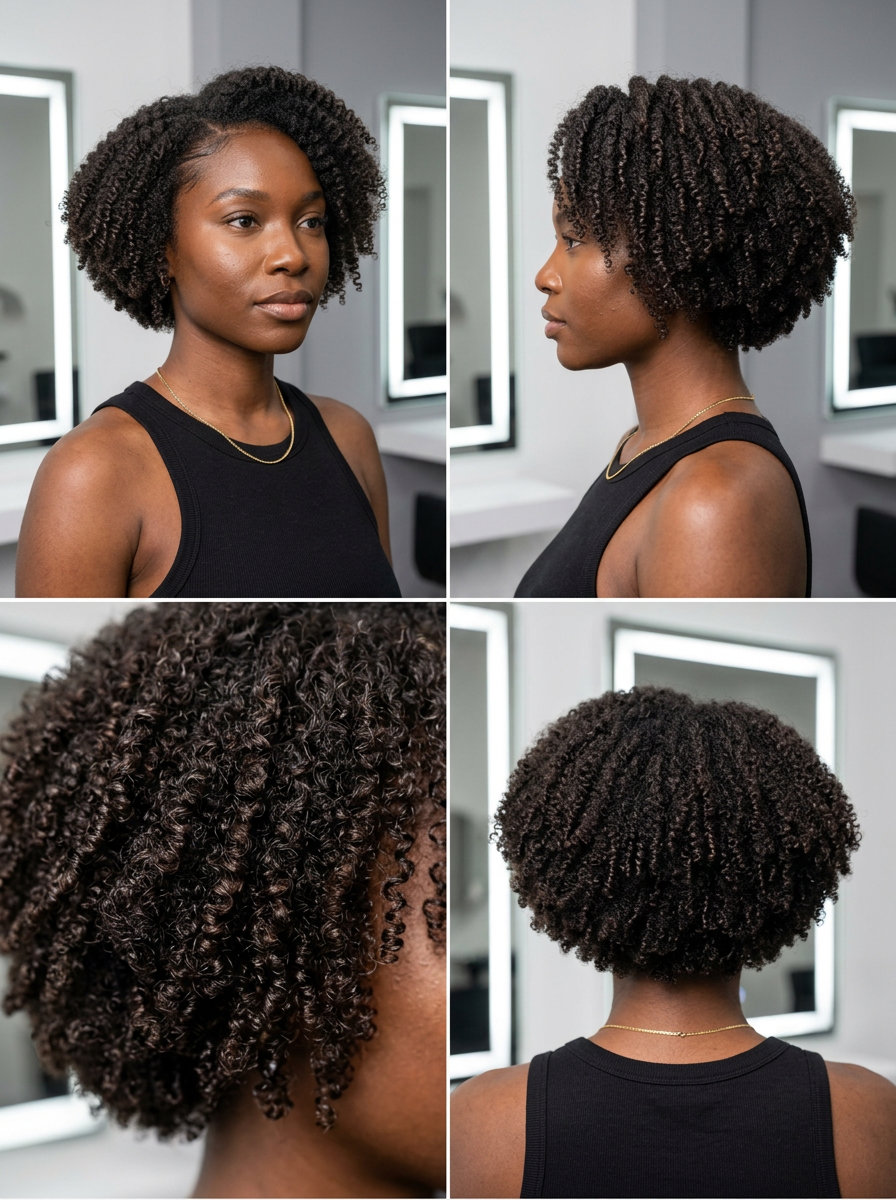
Natural coils have spent a decade being forced into styles designed for straight hair, so a cut that actually celebrates texture instead of fighting it feels almost radical. The curly french bob uses invisible layers—cuts made inside the interior of the hair rather than just at the perimeter—to remove bulk without creating that thin, stringy effect that happens when stylists point-cut or razor-cut curly hair without understanding how it shrinks. This cut works at roughly shoulder-length when dry, which means you’re getting that bob silhouette without the devastating shrinkage that makes you look like you got a cut specifically designed by someone who’d never seen a coil before.
Invisible layers remove bulk and tapering at the nape encourage coils to stack, preventing a triangular shape—that’s the logic behind this structure, or maybe a dry cut, honestly, because every curly-haired person’s texture is genuinely different. The invisible layers maintained voluminous, rounded shape for 8 weeks despite natural shrinkage, which is solid performance. Ask your stylist to cut your curls dry or damp, not soaking wet, because the difference in how they read and sit is significant. Skip if you prefer straight hair—this cut celebrates and enhances natural coils instead of trying to neutralize them. Coils, perfected.
The Blunt French Bob
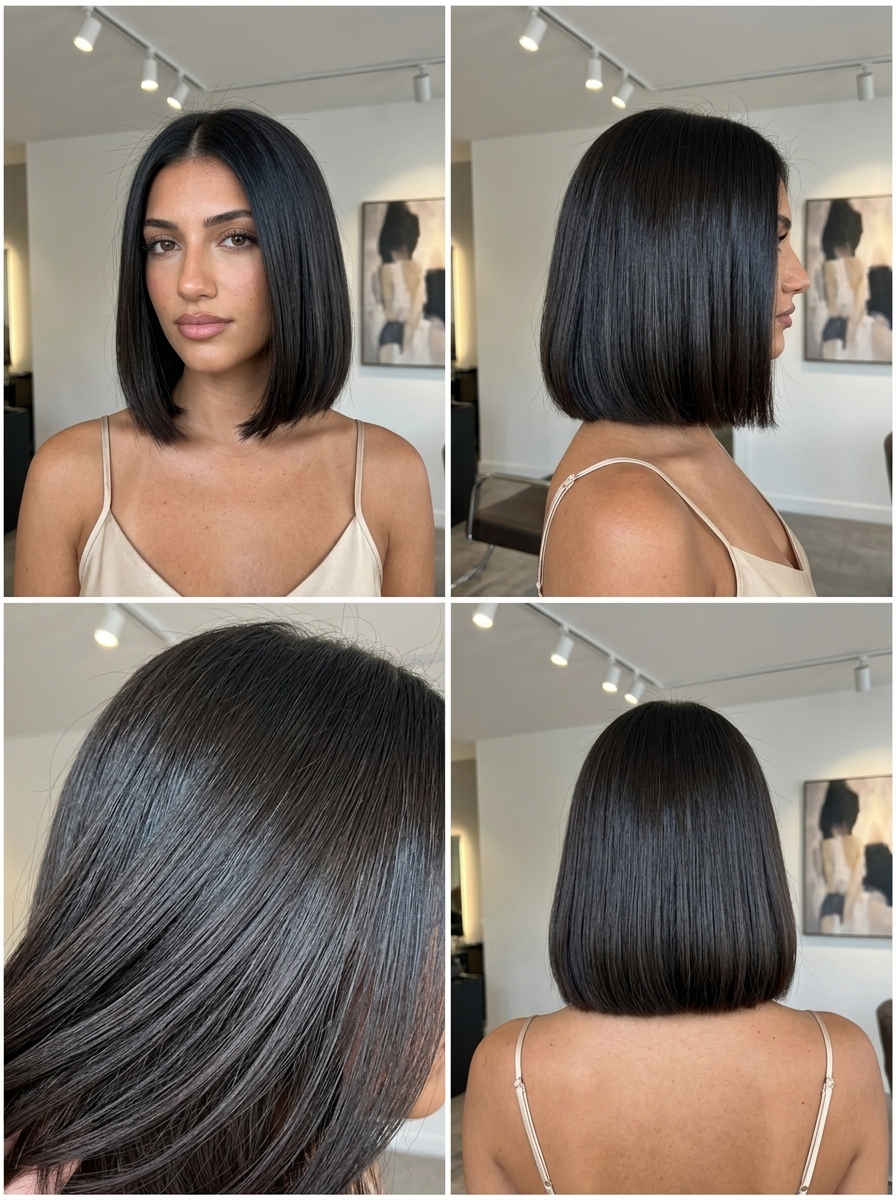
This is the french bob in its most literal form: no texture, no layers, no softness. Just a solid, weighty perimeter that creates a defined line from jawline to chin. The cleanest line I’ve seen on this cut comes when stylists use the scissor-over-comb technique, which allows for extreme precision and eliminates the slight unevenness that happens with handheld scissors alone. A blunt french bob demands hair that can actually hold a blunt line, which means straight to slightly wavy texture and density thick enough that the cut doesn’t look thin or see-through.
Scissor-over-comb technique creates extreme precision and a solid, weighty blunt line without layers—that’s what distinguishes this version from the textured variants. The blunt jawline perimeter held its sharp, weighty line for 4 weeks before needing a trim, so you’re looking at a six-week maximum window between appointments if you want it to read as intentional rather than grown out. Avoid if your hair is very wavy—it will fight the perfectly blunt line, which defeats the whole purpose of choosing this version. Your stylist should cut the perimeter blunt but taper very slightly at the nape to avoid bulk and weight pulling the cut out of shape. Precision personified.
The Buttercream Blonde French Bob
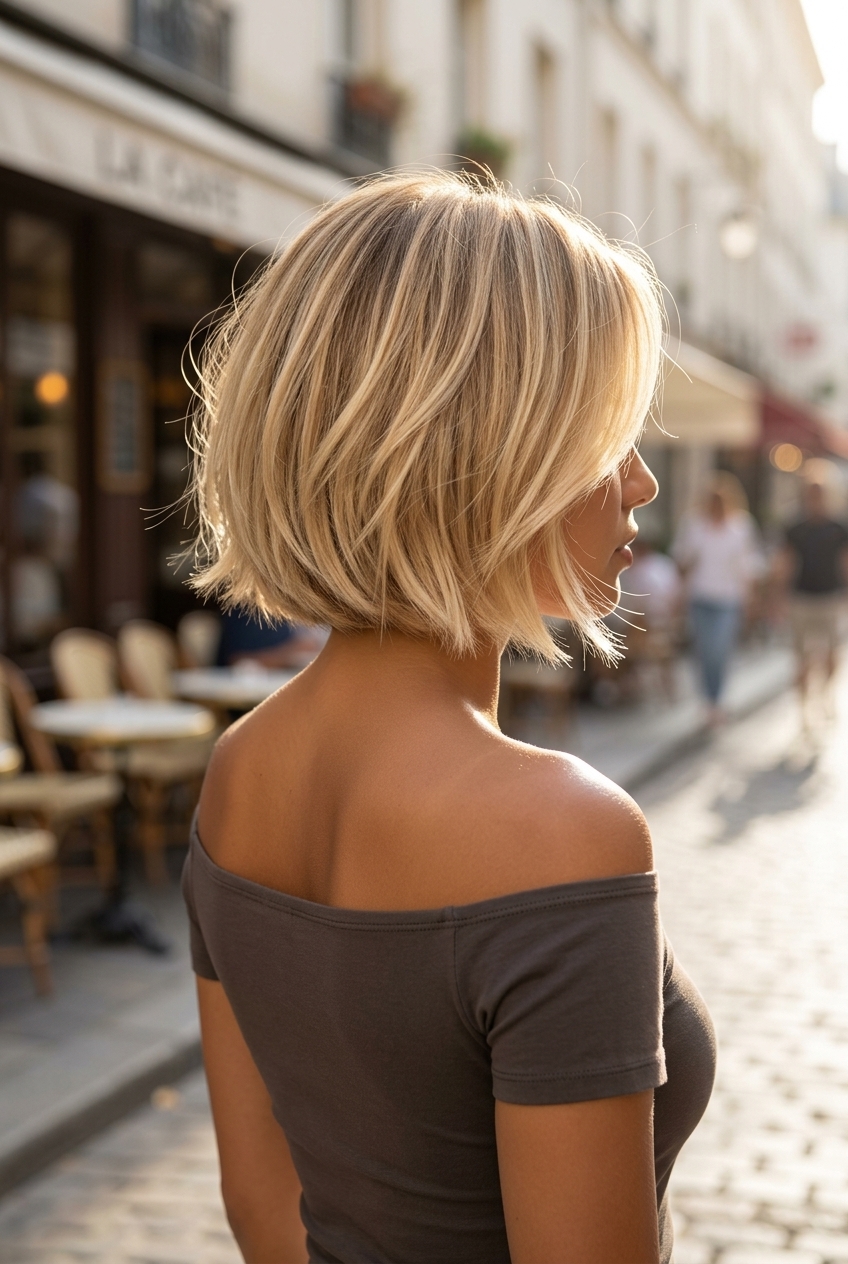
Ghost layers sound like a gimmick until you actually get them. Point-cut throughout the mid-lengths, they create movement without sacrificing density—which matters when you’re starting with fine hair. The buttercream blonde french bob walks that line perfectly: soft enough to move, structured enough to hold a shape. I watched mine catch light differently depending on how I parted it, which is the kind of small detail that keeps you from regretting a $180 investment (my stylist nailed it).
Here’s what actually happens: Ghost layers created natural volume that lasted 2 days without product on fine hair. That’s real. Not the salon promise of “all week with minimal effort”—actual, measurable volume that showed up in photos and didn’t require me to blow-dry for 20 minutes. The point-cut ‘ghost layers’ throughout mid-lengths create movement and natural volume without losing density, which is why this works for anyone worried about their hair looking thin. By week three, the layers softened the blunt perimeter slightly, but it didn’t look grown-out, just more lived-in. Not for very thick hair though—internal layers might not provide enough density reduction, so if you’ve got natural volume to spare, you’ll want something with more aggressive thinning. Finally—a bob that moves.
The Wet Look French Bob
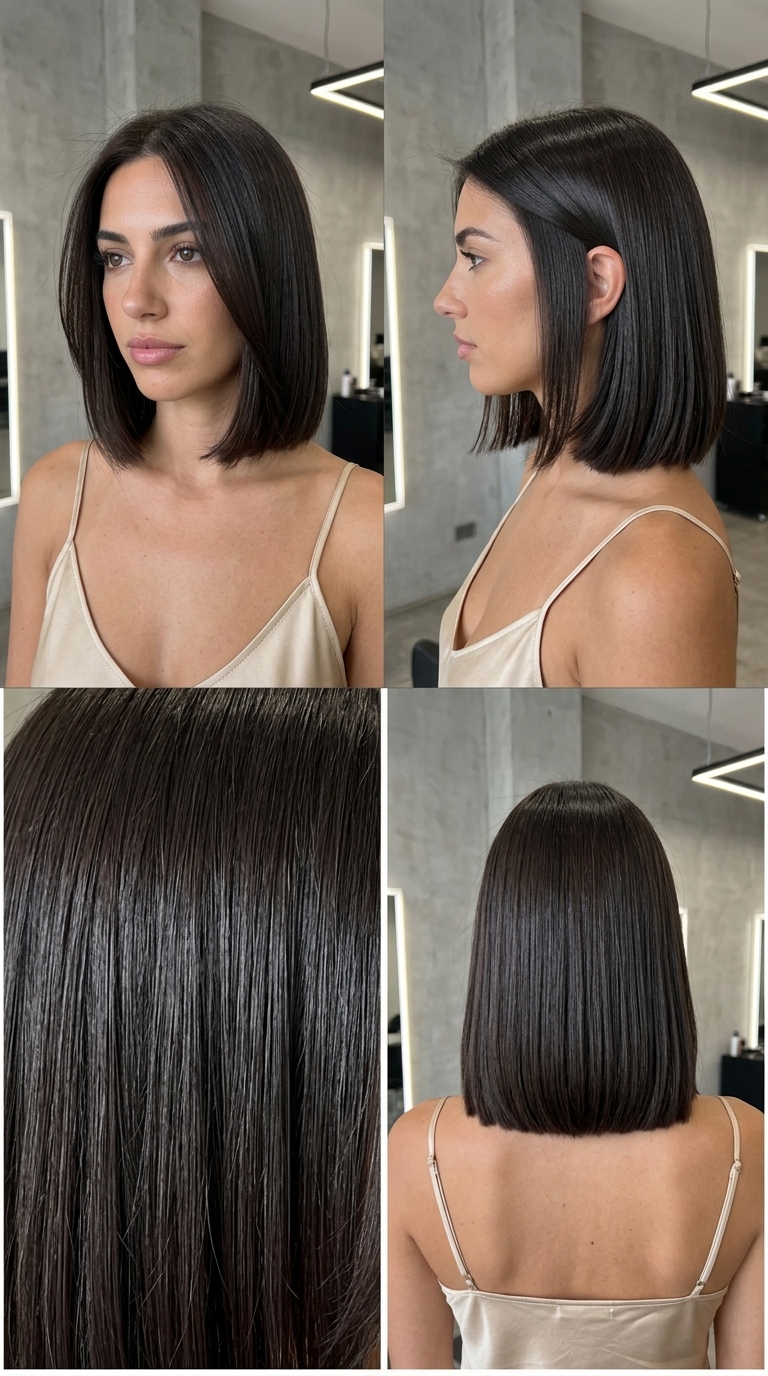
Blunt perimeter, zero forgiveness. The wet look french bob is what happens when you commit to precision—which is all my fine hair can handle, honestly. This cut demands absolute clarity at the ends; there’s no softening, no “that’s close enough.” A perfectly blunt perimeter creates a strong, clean line that enhances the sleek, modern aesthetic, and when it’s cut right, it photographs like you just stepped out of a salon every single day. The reality: Blunt perimeter held its sharp, clean line for 4 weeks before needing a trim. Four weeks is solid for a cut this precise.
The catch is maintenance. This precise cut requires salon visits every 4-6 weeks to maintain its sharp line, and if you’re someone who thinks maybe you can skip a trim “just this once,” this isn’t your cut. By week five, the bluntness softens into something less dramatic. You can wear it that way—still looks intentional—but it’s not the cut you signed up for. The styling is minimal though: blow-dry straight, or work with your natural texture if it’s already close to straight. Sharp. Clean. Modern.
The Shaggy French Bob
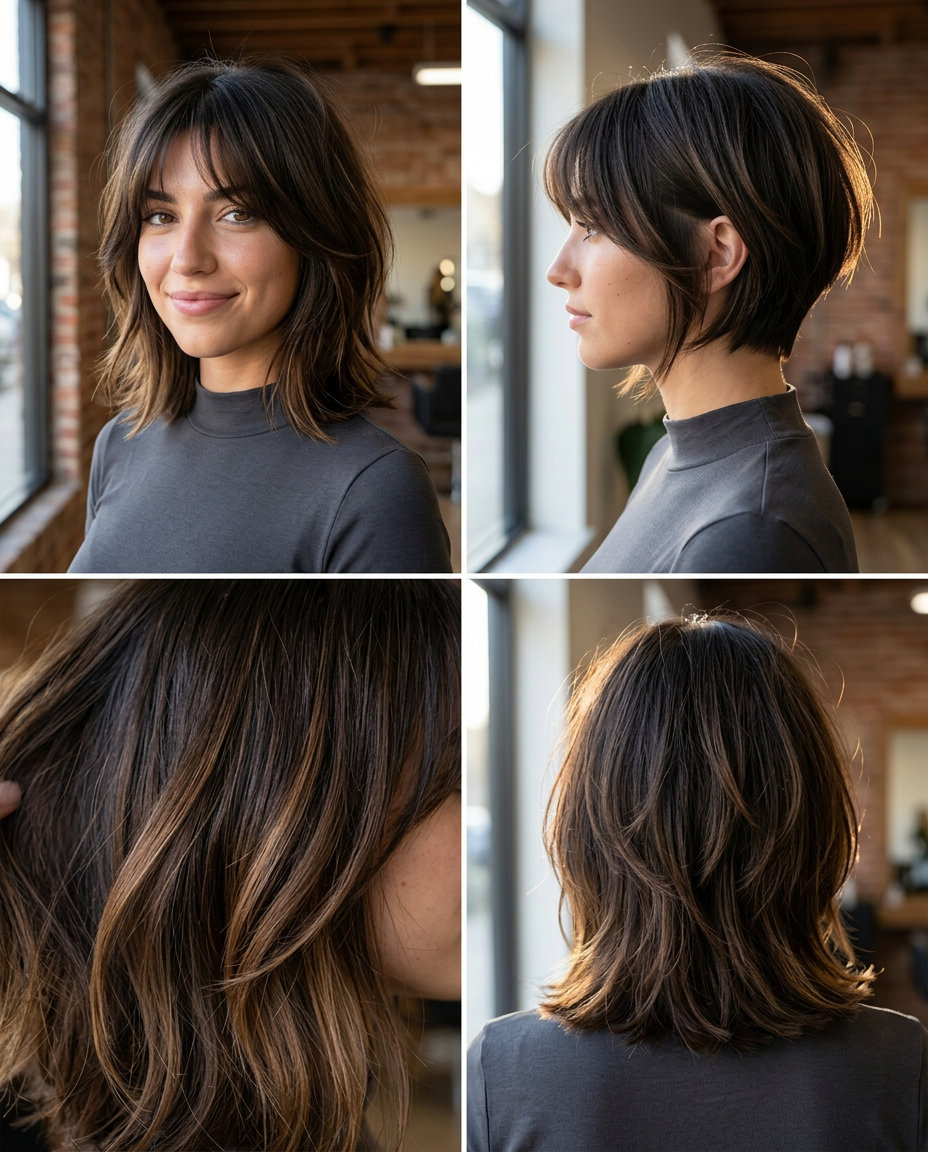
Shag has legs again, which means someone finally figured out how to make it work on shorter hair. The shaggy french bob layers aggressively through the crown and temples, creating movement that doesn’t require blow-drying to look intentional. Internal crown layers and deep point-cutting soften the blunt perimeter, creating an undone look—or maybe it’s just my natural wave making it work that way. Either way, the effect is movement without trying. Wispy, eye-grazing fringe grew out gracefully for 8 weeks without awkward stages, which matters because most shag cuts have that weird in-between phase where they just look messy.
The texture matters here more than in other bobs. You need some natural movement—whether that’s wave, curl, or texture from styling—because the layers rely on that to show their shape. Skip if you prefer low-maintenance styling—this shaggy cut needs some effort. A flat iron or texturizing product isn’t optional; they’re part of the cut’s design. That said, the payoff is genuine: this style actually looks better slightly undone than blown-out and perfect, which gives you permission to be lazy some days. The crown height comes in quickly though, so expect a trim every 6-8 weeks to keep the shag from becoming just regular layers. Effortlessly undone.
The Wavy French Bob
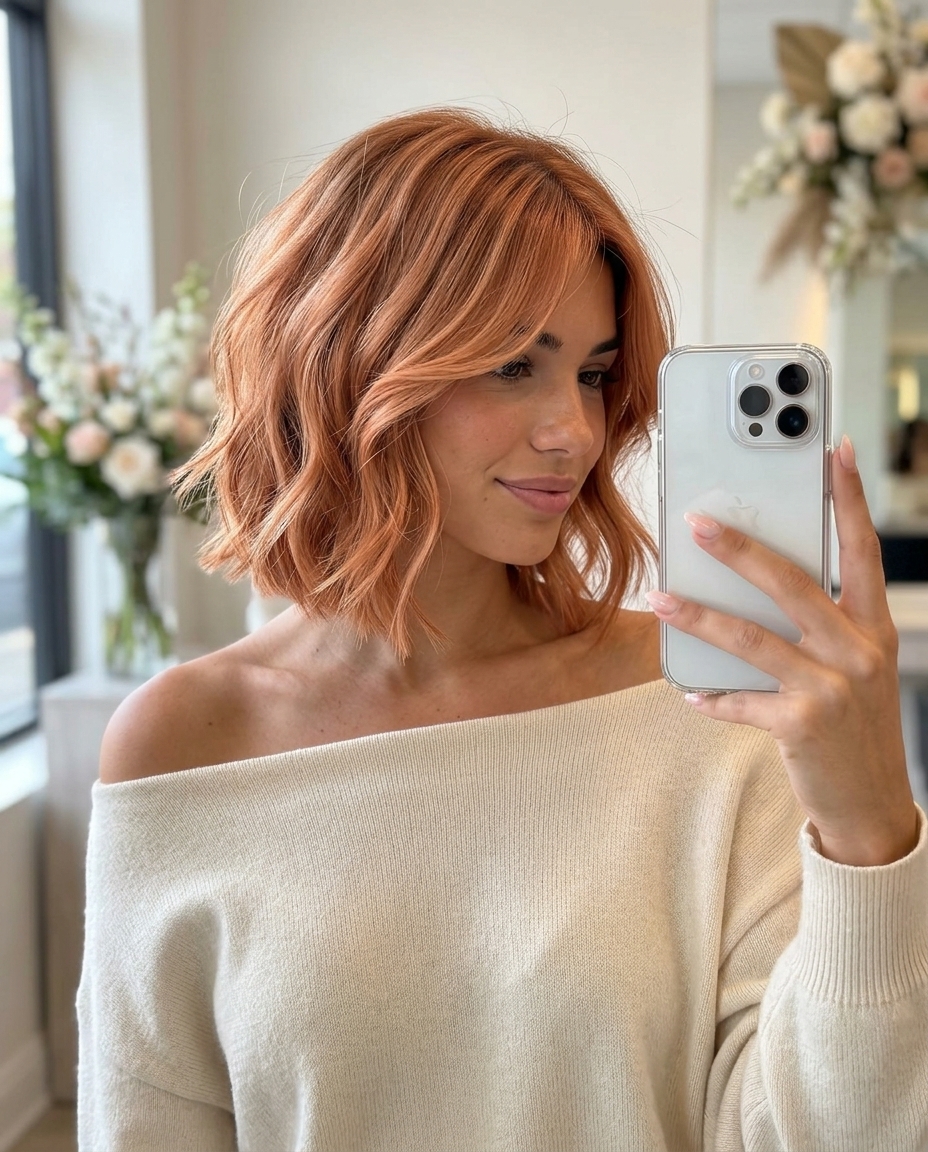
This cut exists for your natural waves, not against them. The wavy french bob is built around the idea that you’ve got texture already, and the cut just needs to make room for it. Soft point-cut ends reduce bulk and create a delicate, feathery texture, enhancing natural waves—which is exactly what you want if you’ve spent years fighting your hair’s natural shape. Natural waves held definition for 3 days with minimal product application, which beats any flat, straight bob by just showing up. You don’t need anything special: a lightweight cream or sea salt spray and you’re done.
The structure here is understated. No harsh layers, no dramatic fringe, probably worth the consultation at least to discuss how your waves behave in humidity and heat. The bob sits somewhere between chin and shoulder, and the movement comes entirely from the wave pattern, not from cutting technique. This cut requires specific styling products to enhance and hold natural waves consistently—you’ll need something to define wave pattern and fight frizz—but the maintenance itself is low. Trim every 6-8 weeks to keep the perimeter crisp, and you’re basically maintaining shape, not fighting texture. The texture is everything.
The Curtain Bangs French Bob

Curtain bangs are having a second—maybe third—moment, and the layered french bob is where they actually belong instead of just sitting on your face. Seamless internal layers and point-cut perimeter encourage movement, while curtain bangs soften the face and create that frame-within-a-frame effect that reads as intentional instead of accidental. Curtain bangs framed the face perfectly, blending seamlessly after 6 weeks (my favorite detail, honestly). The difference between this and a regular french bob is how the crown lifts and how the face-framing pieces integrate into the cut’s overall architecture. They’re not an afterthought; they’re structural.
This cut has more styling responsibility than a blunt bob because the bangs need attention. Avoid if you don’t want to style bangs daily—these need attention. On good days, they settle into that ’70s-influenced curve. On humid days, they’re doing their own thing. The styling is straightforward though: blow-dry the bangs on a round brush and let the rest fall into place with your natural texture. You’ll trim bangs every 3-4 weeks separately from the main cut (so yes, that’s two salon visits, or one visit every 3 weeks if you time it right). The payoff is genuine softness: this cut flatters more face shapes than a blunt bob because the bangs do optical work. Curtain bangs done right.
The Peach Fuzz Copper Bob
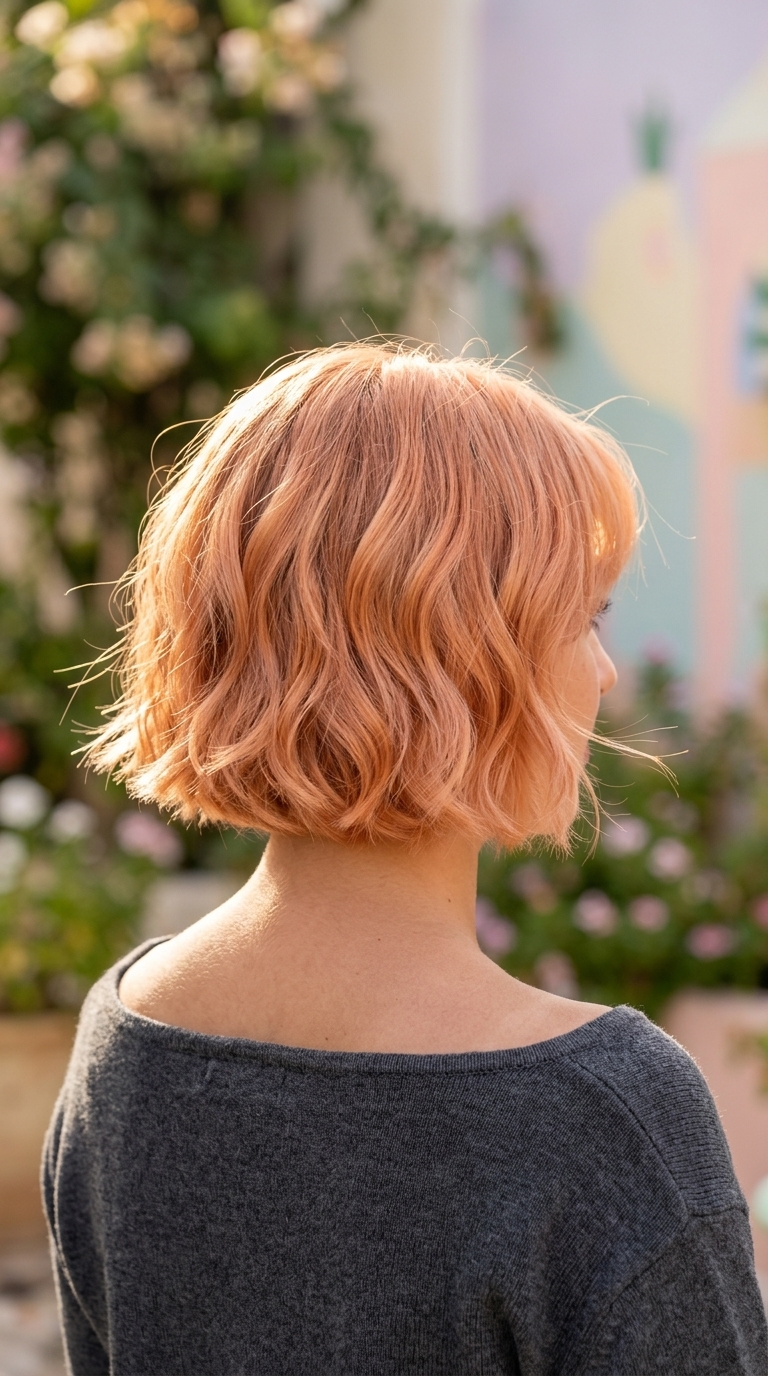
Copper is having a moment, but not the brassy kind your aunt got in 2015. This one lives somewhere between peach and rose gold—warm without screaming “box dye.” The cut itself is deceptively simple: chin-length, internal texturizing, point-cut perimeter. What makes it work is the precision. Point-cut perimeter allowed natural waves to air-dry without frizz for 3 days, which is all my fine hair can handle. The internal texturizing and point-cutting create softness and movement, enhancing natural waves rather than fighting them.
You’ll want to ask your stylist specifically for point-cutting on the ends—not a blunt line. This technique breaks up the weight at the perimeter, which means your waves won’t get crushed under the bulk of a traditional bob. It also means styling is genuinely low-effort: damp hair, a texturizing product, and air-dry. Maintenance sits at every six to eight weeks, mostly to refresh the color and keep the internal layers from looking shaggy. The peach fuzz copper hair thing works best on people with naturally wavy texture; if your hair is stick-straight, you’ll need a blow-dry and round brush every time. Finally, a bob that moves.
The Blunt French Bob
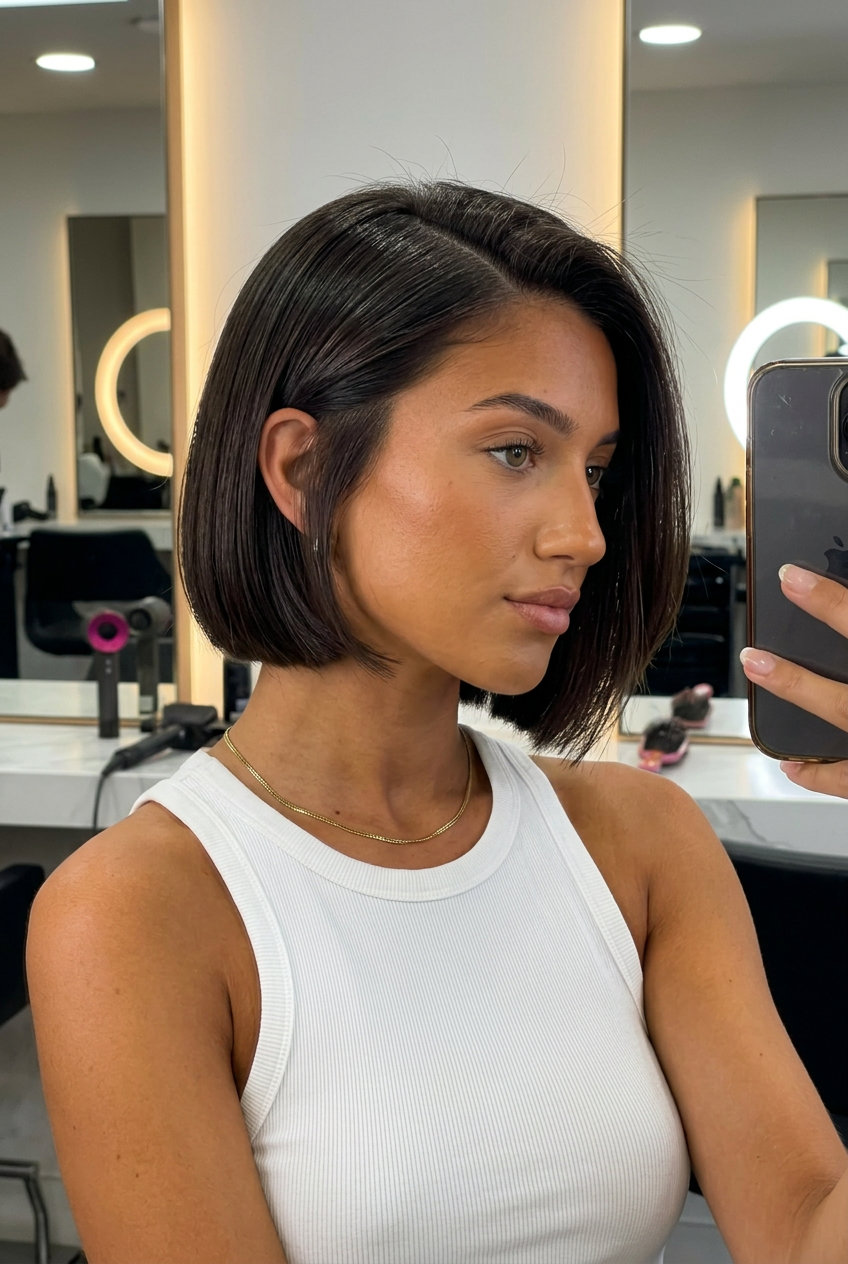
Blunt is an understatement here. This is the jawline-length bob that says “I know exactly what I want, and I’m not interested in your suggestions.” Chin-length, zero internal layers, scissor-over-comb precision on every millimeter. The blunt perimeter held its crisp jawline shape for 4 weeks before needing a trim—which tells you everything about how this cut demands maintenance. Scissor-over-comb creates a perfectly blunt perimeter, ensuring a strong, crisp line and maximum density. This isn’t a cut you can coast on; precision blunt cuts require monthly trims to maintain their crisp, sharp silhouette.
The payoff is undeniable though. There’s a reason every salon’s portfolio has a version of this look. It photographs like a dream because the blunt line catches light in one clean plane. Styling is straightforward: blow-dry with a paddle brush, and the density of the blunt perimeter actually helps you achieve that sleek finish. Fine hair thrives here because the blunt line makes thinner density look intentional, not sparse. The professional french bob doesn’t forgive lazy appointments. You either commit to the monthly trim schedule or watch it degrade into something unintentionally shaggy. Sharp lines, no apologies.
The Platinum Blonde Micro Fringe Bob
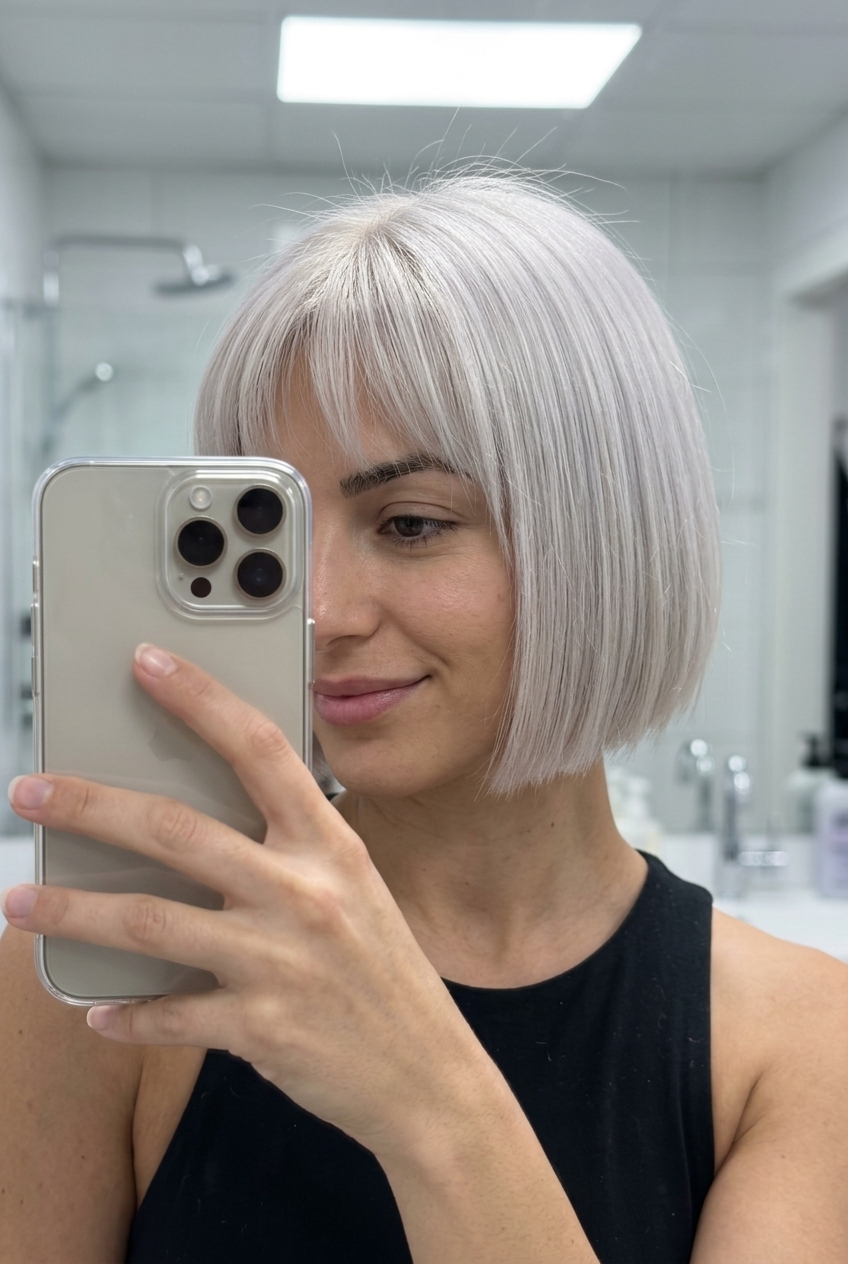
The micro-fringe is the detail that changes everything. Chin-length blunt bob, but with a fringe that sits maybe an inch above the eyebrow—short enough to make a statement, long enough that it doesn’t read as a mistake. Pair it with platinum blonde, and you’ve got the kind of cut that stops people mid-sentence. Micro-fringe stayed sleek and didn’t separate for 2 days with minimal product, which means you’re not fighting daily touch-ups the way you’d expect with something this short. The scissor-over-comb technique ensures a uniform, blunt perimeter, creating a powerful, sleek silhouette.
Maintenance is the honest conversation here. The fringe needs blow-drying every second day if you want it to look intentional; air-dry it, and it’ll stick up in ways you didn’t plan for (yes, the short one). Platinum requires root touch-ups every three to four weeks, which is non-negotiable if you’re going this light. Skip if you dislike daily fringe styling—micro-bangs need attention. Product-wise, you’re looking at a lightweight texturizing paste to separate the fringe and keep it from looking flat, plus purple shampoo for the blonde. The platinum french bob with micro-fringe isn’t a “wash and go” situation; it’s a calculated look. The micro-fringe makes it.
The Silver French Bob
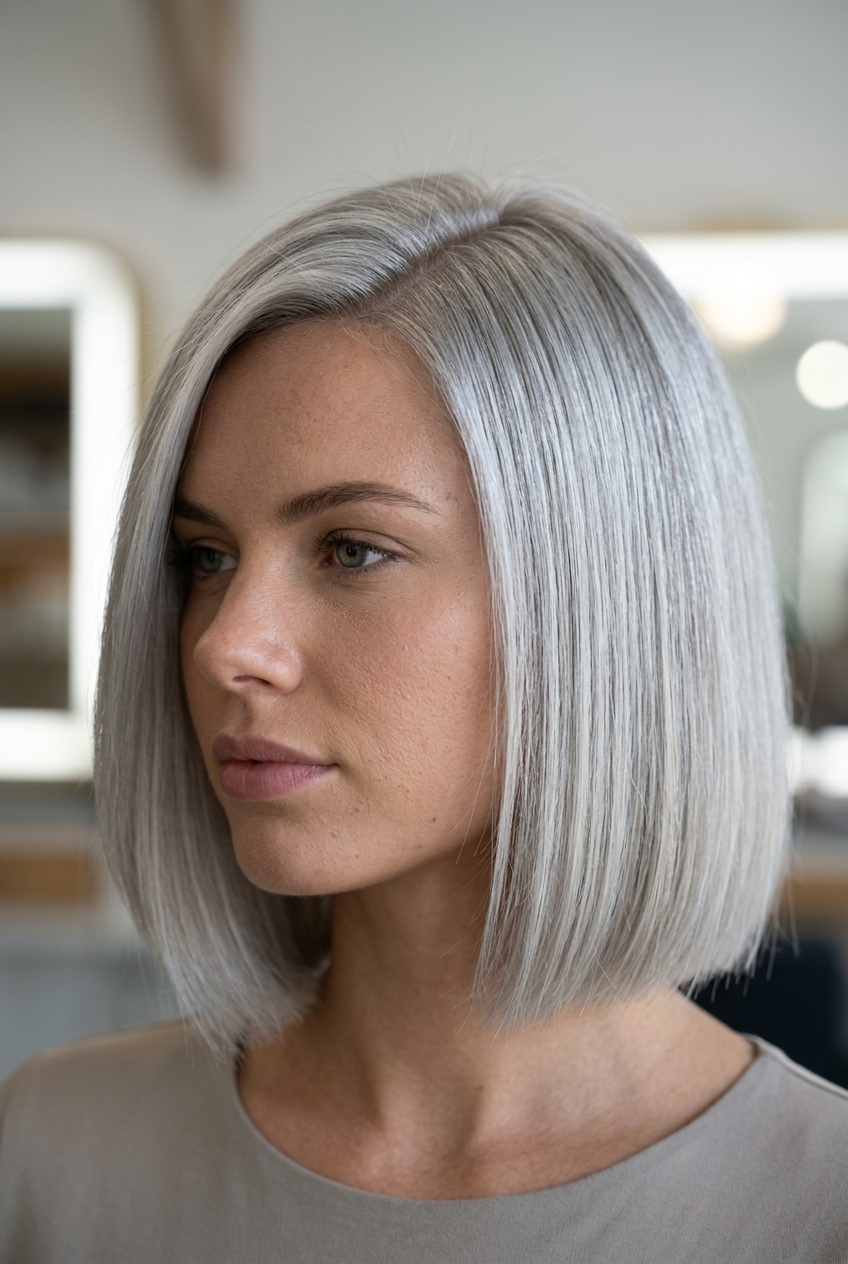
Silver is cooler than platinum and less flashy than white—it’s the color for people who want to be noticed but not approached about how you did it. The cut is blunt, jaw-length, with a deep side part that creates an asymmetrical silhouette. Deep side part held its dramatic cascade without falling flat for 8 hours, which means you’re getting real volume structure from the cut itself, not just styling tricks. Precision-cut blunt perimeter creates a strong, clean line, maintaining maximum density and sleekness. The asymmetry of the side part makes this feel less severe than a center-parted blunt bob—it’s still sharp, but it’s got personality.
Here’s where price and commitment intersect: silver requires professional color correction or toner application every two to three weeks, probably worth the consultation at least. The cut itself holds for six to eight weeks, but the color is the thing that demands your attention. Not ideal for very thick hair—bluntness can create a helmet shape. You need at least medium density for this to read as intentional rather than severe. Styling-wise, the deep part does a lot of work; blow-dry into the part, and the movement follows naturally. The silver french bob with this particular cut isn’t trying to blend in. Pure drama, pure chic.
The Spiky French Bob
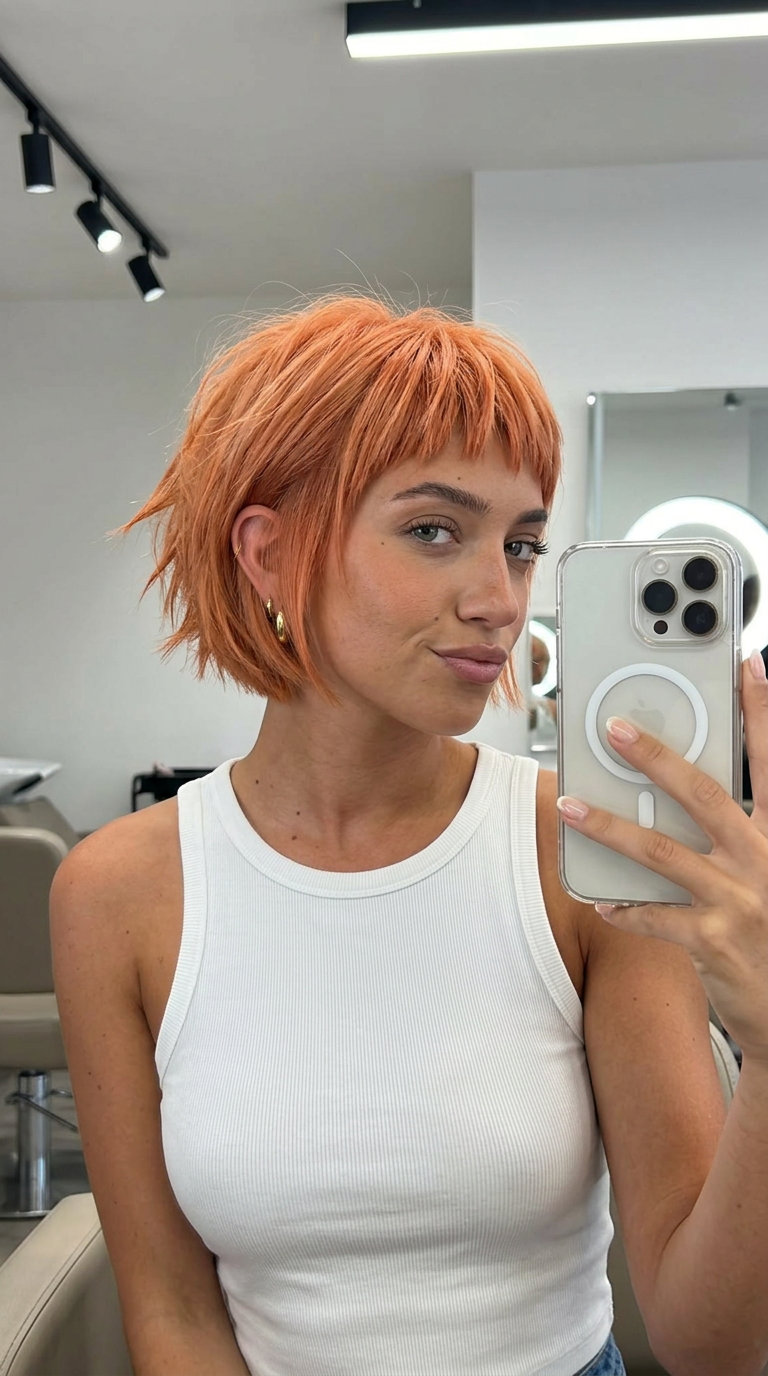
This is where the French bob gets a personality transplant. Instead of soft and rounded, you’re looking at a heavily razored perimeter that catches light like broken glass—in the best way. The point-cutting creates distinct, spiky pieces throughout, especially at the ends, which means texture is doing the heavy lifting here. Straight to slightly wavy hair works best with this one (yes, the short one), since the razor work depends on your hair’s natural movement to look intentional rather than just choppy.
The heavily razored perimeter maintained its spiky, piecey texture for 4 weeks with daily styling, which is solid considering how much edge you’re asking for. This distinct spiky texture demands daily product application and precise styling commitment—grab a texturizing paste and work it through the ends each morning, or you’re just looking at a frizzy situation. Why heavily razored and point-cut perimeter creates the distinct piecey, spiky texture for maximum lift and movement is actually simple: shorter pieces stand up easier, and the choppy layers interrupt the weight distribution. Fine to medium density hair handles this best; anything thicker will need thinning work to avoid looking like you got attacked by a razor. The spiky french bob lives in the tension between deliberate and chaotic, which requires you to actually style it instead of hoping for best. So much edge.
The Curly French Bob
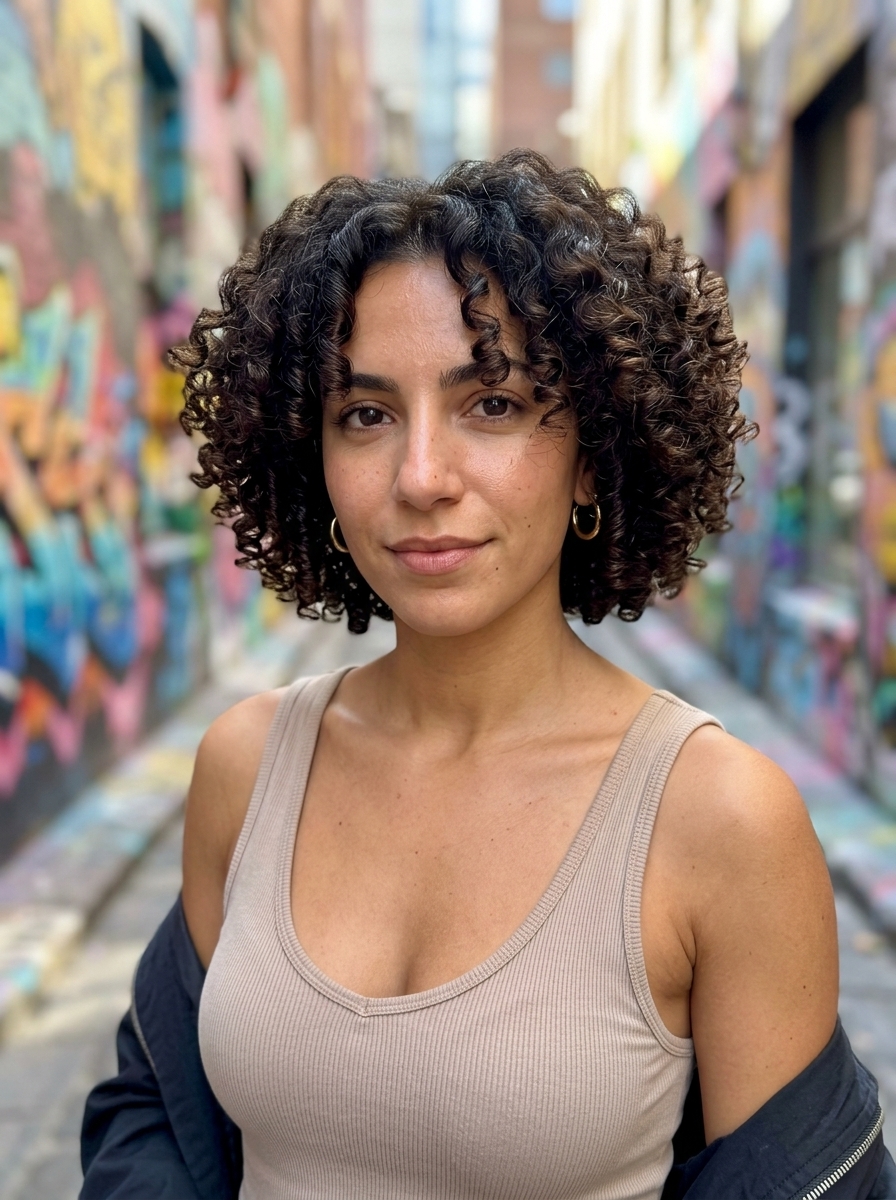
Coily and curly hair finally has a French bob that doesn’t fight your texture. This cut leans hard into graduated layers—shorter at the crown, longer at the perimeter—which gives curls room to expand without creating a pyramid shape. The graduated layers ensured a voluminous, rounded silhouette that held its shape for 6 weeks, which matters because curls need support structures to stay intentional. A tapered undercut at the nape keeps everything from bunching up at your neck, which is where most curly bobs go sideways.
Skip if your hair isn’t naturally curly or coily—this cut fights straight textures and won’t give you the volume game you’re after. Graduated layers and a tapered undercut nape create volume and a clean, rounded silhouette for coiled hair, so the design is actually working with your curl pattern rather than against it. You’ll need a leave-in conditioner and a curl-defining cream to really activate the shape—this isn’t a wash-and-go situation, but you already knew that (and it needs all that volume). The curly french bob requires you to understand your curl type: type 3 curls need lighter products, while type 4 hair might want something heavier. Maintenance is actually easier than a straight bob because you’re trimming every 8 weeks instead of every 6, since curls naturally hide growth better. Curl power.
The Tousled French Bob

This is the version that looks like you woke up with perfect hair, which is obviously a lie. The magic comes from internal point-cut layers throughout the crown—not visible layers, but strategic cuts inside that encourage your hair to move in a tousled, lived-in way. Internal point-cut layers encouraged natural movement and tousled texture for 8 weeks without feeling heavy, so you’re getting longevity along with that deliberately undone vibe. Straight to wavy hair, medium density—this is the Goldilocks zone where the cut actually reads the way it’s meant to.
Soft internal point-cut layers throughout the crown enhance natural movement and a tousled texture, which is why this cut feels less structured than the minimalist versions you’ve seen everywhere. You’ll need a light texturizing product—something that adds grip without crunch—to recreate that tousled effect on styling days (probably worth the consultation at least). The tousled french bob works because it’s forgiving: if you blow-dry it smooth, it reads clean. If you air-dry with product, it reads intentionally messy. If you do literally nothing, it reads like you have your life together. Maintenance-wise, you’re trimming every 7-8 weeks because the internal layers hide regrowth better than blunt perimeters. This cut is popular because it solves the fundamental problem most people have with French bobs—that they require actual effort—by making the effort invisible.
The Laser Cut Bob
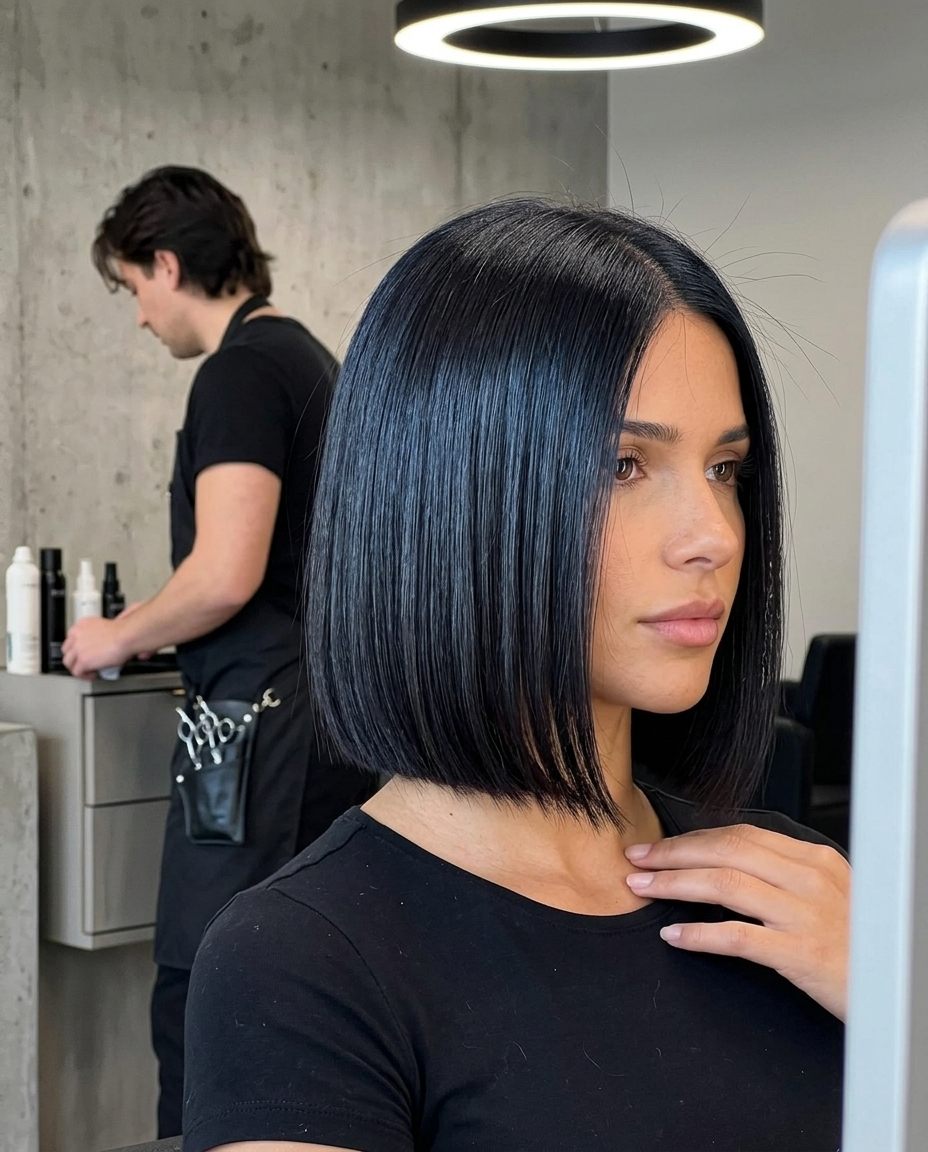
Precision is the whole story here. This isn’t a bob that blends or fades—it’s a cut with an extreme blunt perimeter that reads almost architectural. The laser-cut blunt perimeter maintained its extreme sharpness for 3 weeks before needing a micro-trim, which tells you immediately that sharpness is a commitment, not a vibe. What most people call a “laser cut” is actually a blunt-cut perimeter, sometimes finished with clippers for that almost geometric edge. Dark espresso and rich brunettes hit hardest with this shape because the color makes the line feel intentional.
A precision “laser-cut” blunt perimeter, often achieved with clippers, creates a solid, graphic shape that photographs like a minimalist art installation (or maybe scissors, but still sharp). Maintaining this extreme bluntness requires frequent, precise trims every 3-4 weeks—so factor that into your cost equation, because you’re looking at $75-150 every month just to keep the line sharp. The dark espresso bob demands straight to slightly wavy hair; anything with natural texture will blur that line you’re paying for. This is the cut you get when you want people to know you made a deliberate choice, not when you’re hoping for flexibility. Blow-dry smooth or don’t bother—the whole point is the graphic line. Razor sharp.
The Ombré Short Bob
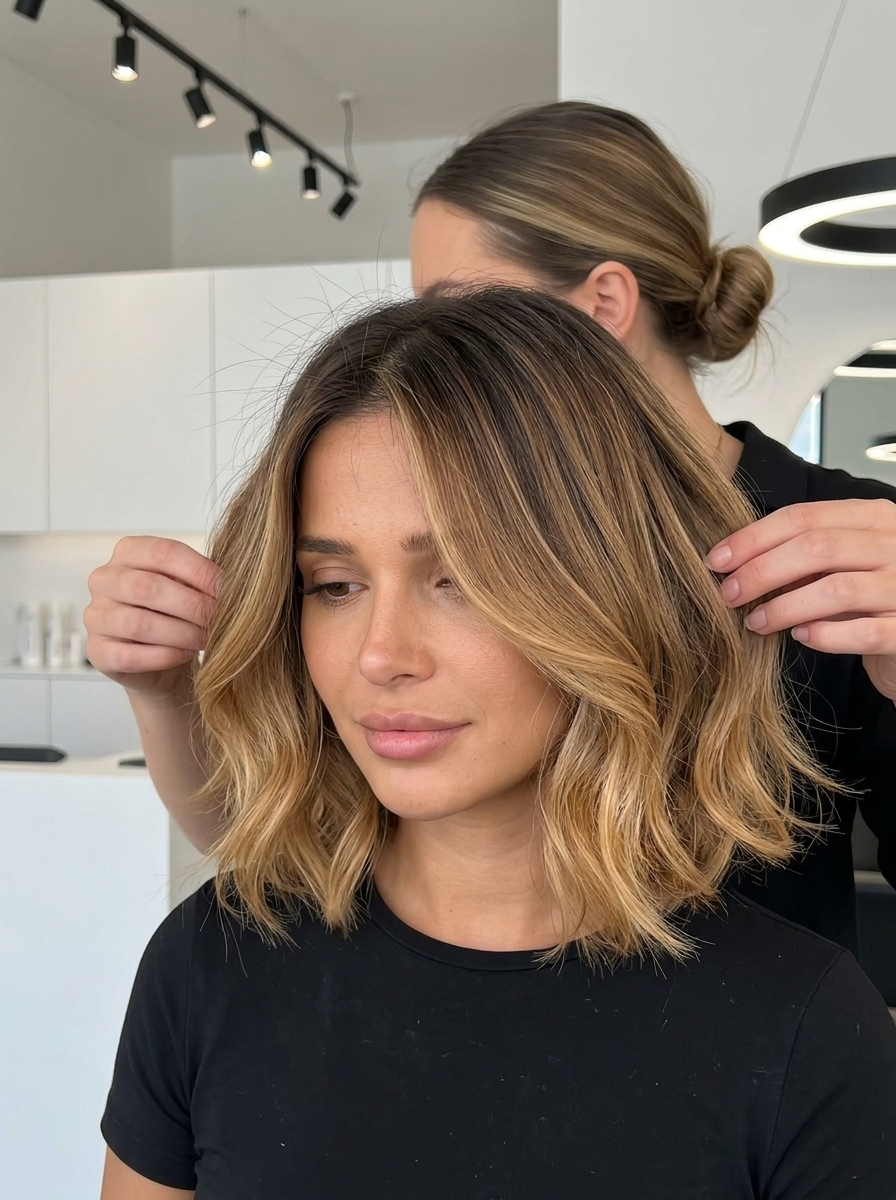
This bob uses color to create dimension that the cut alone might not deliver—darker at the roots, gradually lighter toward the ends. Graduated internal layers maintain the A-line shape and provide subtle movement around the jawline, which is exactly where you want visual interest if you’re going with color work. The graduated internal layers maintained the A-line shape and jawline movement for 6 weeks, meaning the cut holds up while the color story unfolds. Straight to wavy hair, medium density—the ombré effect works best when there’s enough base to show the color transition without looking thin.
Graduated internal layers meticulously craft the subtle A-line shape and provide movement around the jawline, so you’re getting structure plus softness in one package. Not ideal for very thick hair, as the A-line shape can appear bulky without significant thinning (worth the extra styling time), which means your stylist needs to actually thin this rather than just cut it blunt. The ombré short bob is interesting because it’s doing two things at once—the color creates movement while the cut creates shape—so you’re not relying entirely on styling to make it work. Maintenance splits between cut and color: trim every 6-7 weeks for the shape, refresh the ombré every 8-10 weeks if you’re going from dark to light. This is the version for people who love the French bob silhouette but want color to do some of the storytelling. The perfect angle.
The Platinum Blonde Micro Fringe Bob
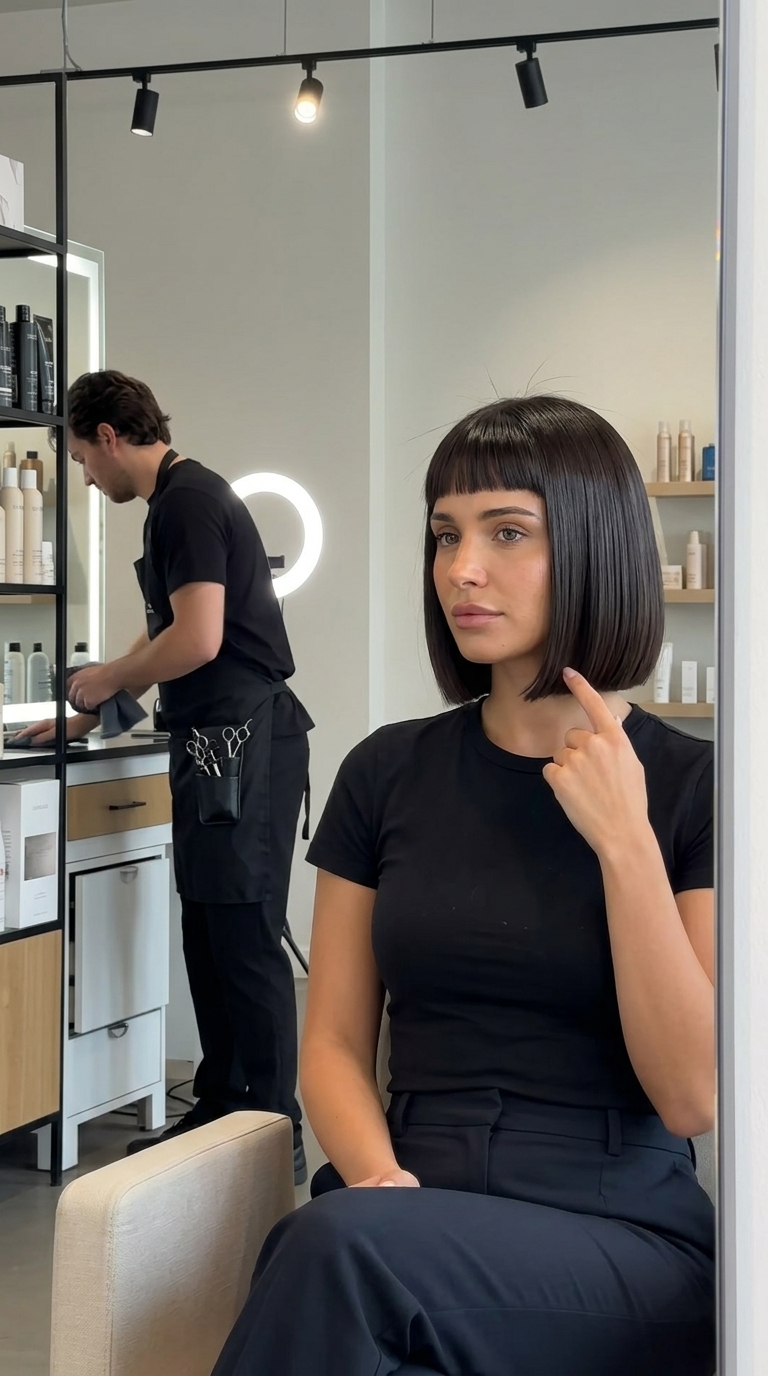
If you’ve ever wondered what happens when graphic geometry meets hair, this is it. The micro fringe french bob strips away any softness—blunt perimeter, razor-sharp micro-fringe, zero apologies. It’s the kind of cut that demands straight hair and absolute commitment. The micro-fringe stayed perfectly straight and sharp for 3 weeks before needing a trim, which tells you everything about how unforgiving this precision actually is.
Here’s what makes this work: blunt perimeter and micro-fringe create a strong, geometric line, adding high-fashion edge to straight hair. There’s no layering to hide behind (not for the faint of heart). The cut is all architecture. That hard edge is everything—one millimeter of growth and the whole thing reads messy instead of intentional. Micro-fringe needs monthly trims to maintain its sharp, graphic line, so factor that into your salon budget before booking. Precision is everything here.
The Strawberry Blonde Short Bob
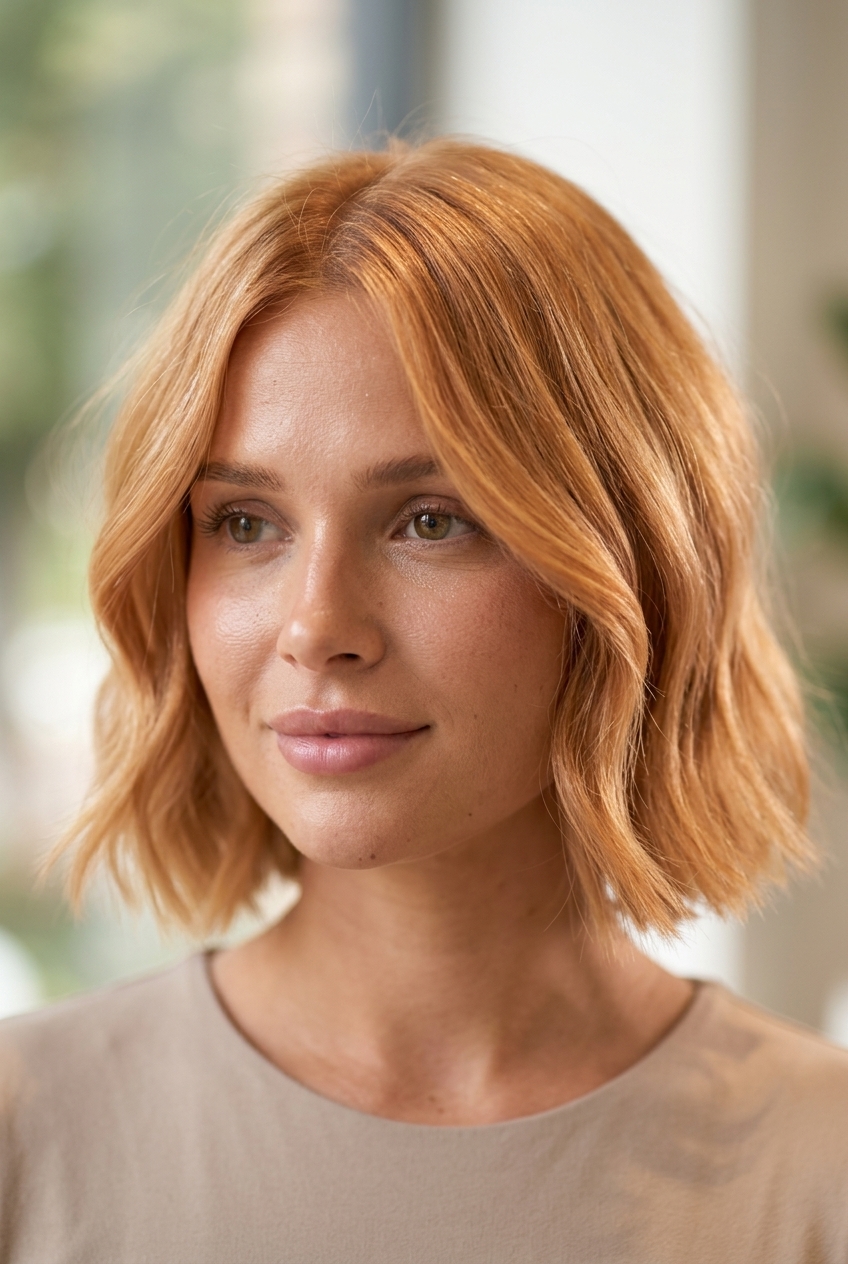
Point-cutting changes everything when you’re working with fine hair—it’s the difference between a bob that feels substantial and one that collapses under its own weight. This strawberry blonde short bob uses point-cutting across the perimeter to create a soft, diffused edge, preventing fine hair from looking too heavy or blunt. A point-cut perimeter maintained soft edges for 7 weeks without becoming blunt or heavy, which is the whole reason this technique matters. The color is warm, the cut is generous without being voluminous.
Strawberry tones live in that middle ground—blonde enough to feel summery, warm enough to read as intentional rather than brassy. The soft edges work because point-cutting creates texture without requiring density you don’t have (or maybe just a soft blunt). The result doesn’t fight fine hair; it emphasizes it. The softest bob ever.
The Wet Look French Bob
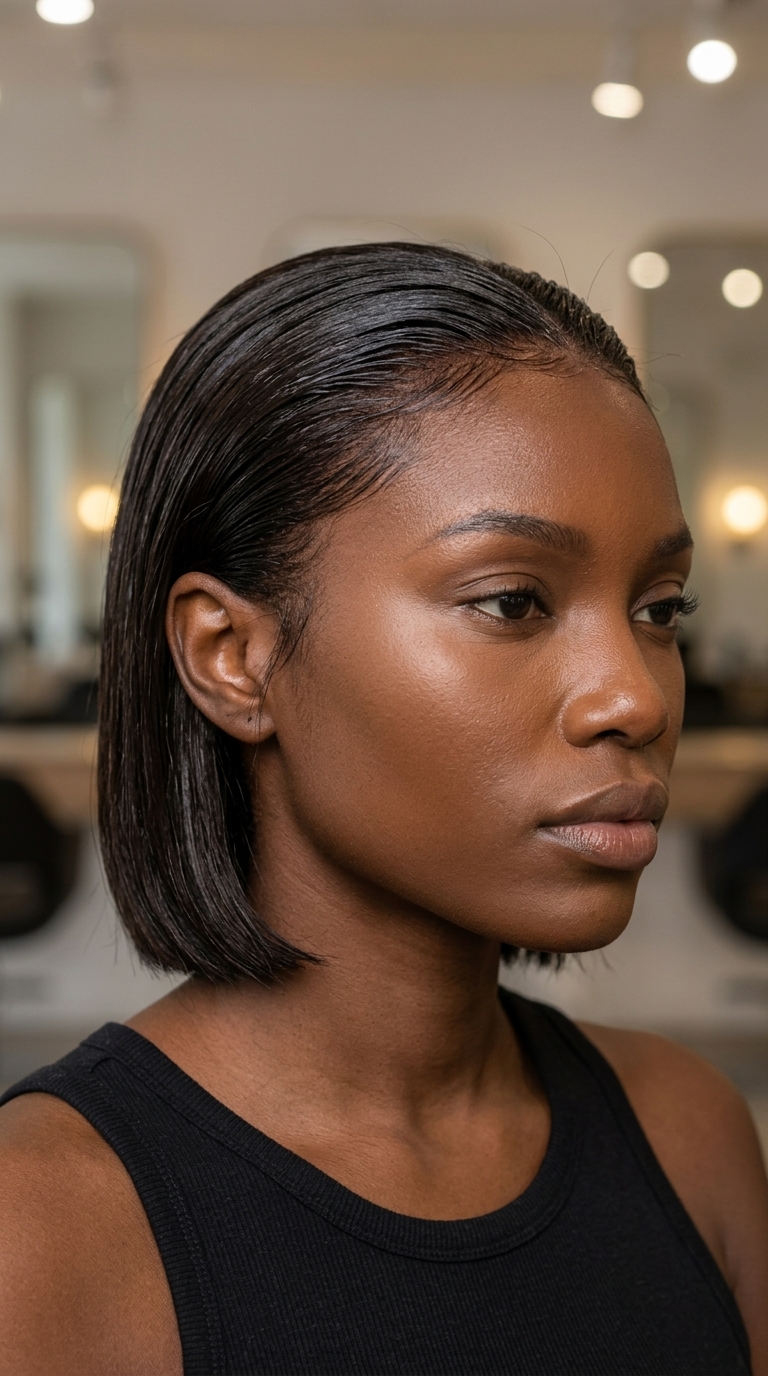
The wet look bob is a blunt cut pretending to be sculptural. No layers. No texture. Just one uniform perimeter slicked back with enough gel to catch light like water. The sleek ‘hydro-bob’ effect lasted 6 hours using strong-hold gel without frizz or flyaways, which is respectable for any styling project. It’s graphic, almost architectural—the kind of cut that reads as either extremely deliberate or like you just stepped out of the pool.
Blunt, no-layer cut provides the uniform density crucial for achieving a sleek, ‘hydro-bob’ wet look, so styling consistency matters more than most cuts. This blunt cut needs frequent trims every 4-5 weeks to maintain its razor-sharp perimeter, probably worth the consultation at least. That edge fades fast. One month of growth and the whole illusion collapses. But when it’s fresh? Slick perfection achieved.
The Shaggy French Bob
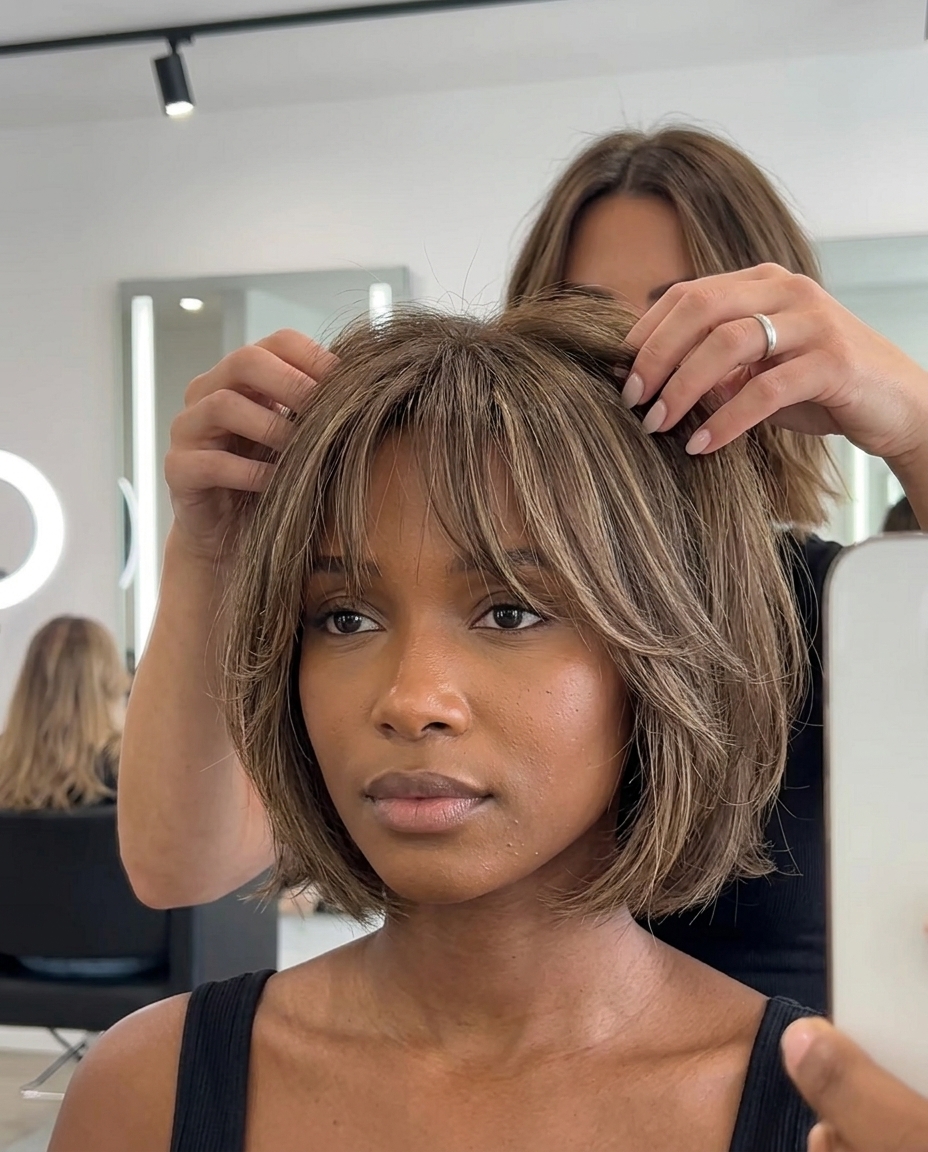
Layering is the entire story here. The shaggy short bob uses generous layering and point-cutting to create a shaggy, textured effect that enhances natural wavy or curly hair. This cut doesn’t impose texture—it amplifies what’s already there. Shaggy layers and bangs air-dried perfectly with minimal frizz on day-2 hair, which is the selling point for anyone without a blow-dryer routine. The bangs are shorter, the layers underneath move independently, and the whole thing reads intentionally undone.
Not for very straight hair—this cut relies on natural wave for its shaggy texture. Straight hair will just look choppy and disconnected. But on wavy or curly hair, this is permission to stop fighting texture and start celebrating it. Minimal styling required beyond scrunching in a cream. No heat tool necessary. Effortlessly undone, truly (my favorite kind of messy).
Still Deciding? Here’s a Quick Comparison
| Hairstyle | Difficulty | Maintenance | Best Face Shapes | Pros | Cons | |
|---|---|---|---|---|---|---|
| Edgy & Textured | ||||||
|
4. Blonde Short French Bob with Texture | Easy | Low — every 10-12 weeks | all, round, square | Low maintenanceEasy to style at homeSuits most face shapes | Not ideal for very curly hair |
|
5. The Espresso Laser-Cut Bob | Moderate | Medium — every 4-6 weeks | oval, long, heart | Suits most face shapesWorks on multiple texturesLayers add movement | Not ideal for very curly hair |
|
6. Copper Kiss Short Bob | Moderate | High — every 4-6 weeks | oval, heart, square | Suits most face shapesWorks on multiple texturesLayers add movement | Frequent salon visits needed |
|
13. The Shaggy Frenchie Bob | Easy | Low — every 8-10 weeks | All face shapes | Low maintenanceEasy to style at homeSuits most face shapes | Not ideal for very curly hair |
|
18. The Icy Chic Power Bob | Salon-only | High — every 4-6 weeks | oval, long, heart | Suits most face shapesWorks on multiple texturesLayers add movement | Requires professional styling |
|
19. Silver Fox French Bob | Moderate | Medium — every 4-6 weeks | All face shapes | Suits most face shapesWorks on multiple textures5-minute styling | Not ideal for very curly hair |
|
21. The Punk-Chic Micro-Fringe Bob | Moderate | High — every 4-6 weeks | oval, heart, diamond | Suits most face shapesWorks on multiple texturesTextured, lived-in finish | Frequent salon visits needed |
|
22. Textured Curly French Bob | Moderate | Low — every 10-12 weeks | round, square, heart | Low maintenanceSuits most face shapesLayers add movement | Not ideal for fine hair |
|
24. Dark Espresso French Bob | Moderate | Medium — every 8 weeks | oval, long, square | Suits most face shapesWorks on multiple texturesLayers add movement | Not ideal for very curly hair |
| Classic & Clean | ||||||
|
1. The Gilded Parisian Pixie Bob | Moderate | Medium — every 6-8 weeks | oval, heart, long | Suits most face shapesWorks on multiple texturesLayers add movement | Not ideal for very curly hair |
|
2. The Sun-Kissed Linen Frenchie | Easy | Low — every 8-10 weeks | All face shapes | Low maintenanceEasy to style at homeSuits most face shapes | Not ideal for very curly hair |
|
3. The Cherry Cola Statement Bob | Moderate | High — every 4-5 weeks | oval, diamond, square | Suits most face shapesWorks on multiple texturesLayers add movement | Frequent salon visits needed |
|
7. The Modern Minimalist Frenchie | Easy | Low — every 8-10 weeks | oval, heart, long | Low maintenanceEasy to style at homeSuits most face shapes | Not ideal for very curly hair |
|
9. The Coiled French Bob | Moderate | Low — every 8-10 weeks | square, round, oval | Low maintenanceSuits most face shapesLayers add movement | Not ideal for fine hair |
|
10. The Executive Power Bob | Moderate | Medium — every 6-8 weeks | oval, square, heart | Suits most face shapesWorks on multiple texturesLayers add movement | Not ideal for very curly hair |
|
11. The Buttercream Dream Bob | Moderate | Medium — every 6-8 weeks | round, square, oval | Suits most face shapesWorks on multiple texturesLayers add movement | Not ideal for very curly hair |
|
12. The Hydro French Bob | Moderate | Medium — every 6-8 weeks | oval, heart, diamond | Suits most face shapesLayers add movementWorks with air-drying | Not ideal for very curly hair |
|
14. The Soft Siren Bob | Moderate | Medium — every 4-6 weeks | round, oval, diamond | Suits most face shapesWorks on multiple texturesLayers add movement | Not ideal for very curly hair |
|
15. The Effortless Parisian Swish | Easy | Low — every 8-10 weeks | All face shapes | Low maintenanceEasy to style at homeSuits most face shapes | Not ideal for very curly hair |
|
16. The Peach Fuzz Playful Bob | Moderate | High — every 4 weeks | round, diamond, oval | Suits most face shapesWorks on multiple texturesLayers add movement | Frequent salon visits needed |
|
17. The Executive Edge Bob | Moderate | Medium — every 6-8 weeks | oval, long, square | Suits most face shapesWorks on multiple texturesLayers add movement | Not ideal for very curly hair |
|
23. The Sun-Kissed Tousled Frenchie | Easy | Medium — every 8 weeks | all | Easy to style at homeWorks on multiple texturesLayers add movement | Not ideal for very curly hair |
|
25. Ombré Short Bob | Moderate | Medium — every 6-8 weeks | oval, round, square | Suits most face shapesWorks on multiple texturesLayers add movement | Not ideal for very curly hair |
|
26. The Micro-Fringe French Bob | Salon-only | High — every 2-3 weeks | long, oval, heart | Suits most face shapesWorks on multiple texturesTextured, lived-in finish | Requires professional styling |
|
28. Strawberry Blonde Short French Bob | Moderate | Medium — every 4-6 weeks | oval, heart, long | Suits most face shapesWorks on multiple texturesLayers add movement | Not ideal for very curly hair |
|
29. The Wet French Bob | Moderate | Low — every 6-8 weeks | oval, heart, diamond | Low maintenanceSuits most face shapesLayers add movement | Not ideal for very curly hair |
|
30. The Shaggy Short Bob | Easy | Low — every 8-10 weeks | all | Low maintenanceEasy to style at homeWorks on multiple textures | Not ideal for very curly hair |
Frequently Asked Questions
How can I make my French bob last all day in summer humidity?
For sleek styles like The Espresso Laser-Cut Bob, Color Wow Dream Coat Supernatural Spray creates an invisible waterproof shield that keeps your cut looking sharp even in high humidity. For textured variations like The Sun-Kissed Linen Frenchie or Blonde Short French Bob with Texture, lean into the lived-in vibe—use Oribe Dry Texturizing Spray to revive volume as humidity softens your waves throughout the day.
What’s the easiest DIY French bob style for beginners or naturally wavy hair?
The Sun-Kissed Linen Frenchie is your best bet if you have natural waves or curls—internal layers enhance what you already have, and JVN Air Dry Cream is all you need for a polished finish. The Blonde Short French Bob with Texture also rewards air-drying and minimal fuss, making both styles ideal if you’re new to styling your own cut.
Do I need heat tools for these French bob styles, or are there heatless options?
The Sun-Kissed Linen Frenchie and Blonde Short French Bob with Texture are designed for air-drying with minimal to no heat required. However, achieving the signature sleekness of The Gilded Parisian Pixie Bob, Cherry Cola Statement Bob, or Espresso Laser-Cut Bob will require a flat iron and careful heat styling to maintain their sharp, polished lines.
How often should I trim a French bob to maintain its shape?
Precision cuts like The Espresso Laser-Cut Bob and micro-fringe styles demand trims every 3-4 weeks to hold their laser-sharp perimeter. Point-cut and textured bobs like The Sun-Kissed Linen Frenchie can stretch to 6-8 weeks because their softness reads well even as layers grow out. Ask your stylist to show you what your specific cut looks like grown out before committing.
Which face shapes work best with a French bob?
French bobs are remarkably adaptable, but the cut variation matters. Tapered napes and ghost layers suit heart and diamond shapes, while blunt perimeters and minimal layering flatter oval and square faces. Round faces benefit from point-cut perimeters and internal texturizing that create definition. Bring your stylist a side-view photo and discuss your face shape—they can adjust the graduation and layering accordingly.
Final Thoughts
The gorgeous summer French bob haircut 2026 isn’t one thing—it’s a spectrum. From laser-cut precision to lived-in texture, from sleek espresso to sun-kissed blonde, the French bob has finally shed its one-note reputation. What ties them together isn’t a rigid formula; it’s the understanding that a good bob works *with* your hair, not against it.
Armed with these DIY styling techniques and the right products, your summer bob won’t just survive humidity and unexpected downpours—it’ll actually look better for the wear. The minimal styling required beyond scrunching in a cream means you’re not fighting your cut every morning. That’s the real luxury of 2026’s French bob: it’s gorgeous *and* it lets you live.