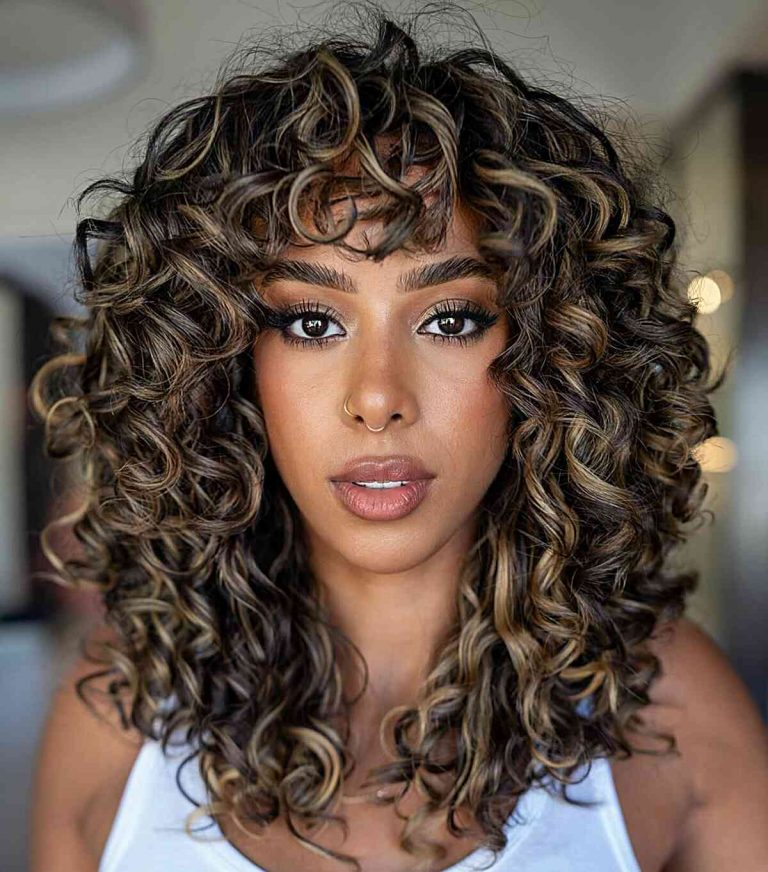
20 Lob Haircut Ideas 2027 with Textured Waves

The lob is a long bob that lands somewhere between the chin and the collarbone, long enough to pull back but short enough to feel like a real cut. For 2024, the trend leans toward lived-in color and soft face-framing layers rather than flat-ironed poker-straight ends.
This collection of 20 Lob Haircut Ideas covers blunt lines, textured layers, and everything in between. Whether your hair is fine and falls flat or you need a fringe that will actually sit, there is a lob here that works with your density, face shape, and upkeep tolerance.
Collarbone Lob With Soft Curtain Bangs
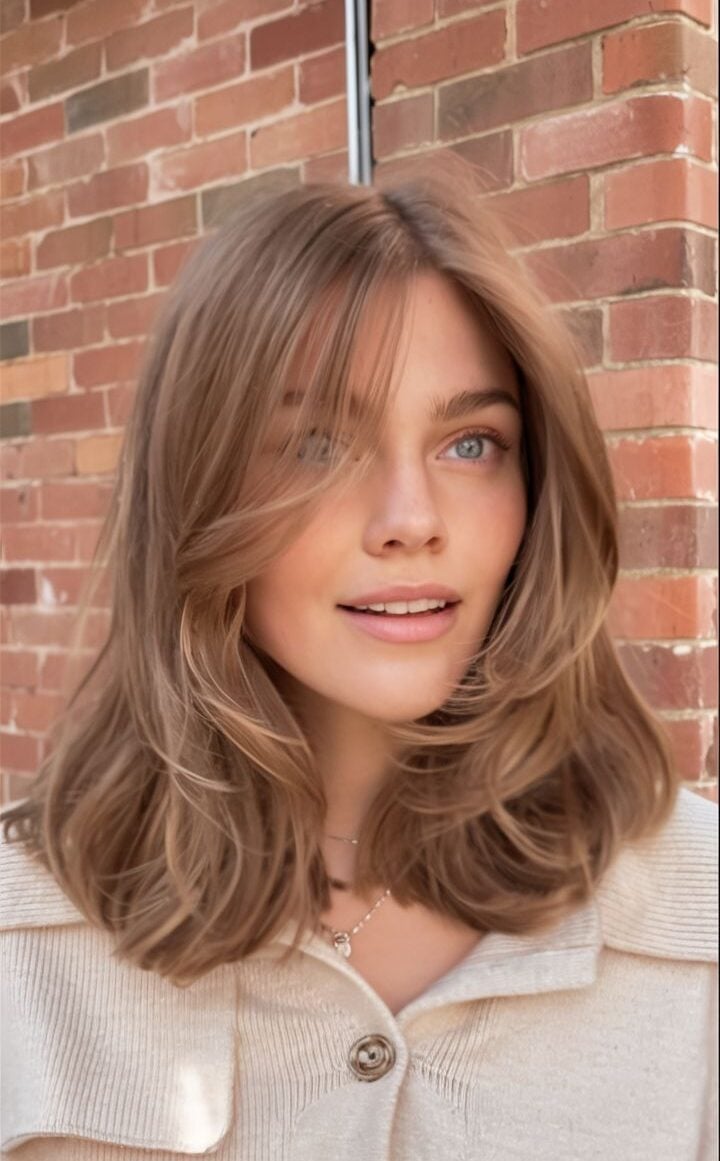
A collarbone-length lob with soft curtain bangs uses subtle layers to keep the shape from reading as too heavy. Gentle blowout waves add volume without requiring thick hair to pull it off. Ask your stylist for: collarbone lob with soft curtain bangs, gentle layers. Curtain bangs soften round and oval faces, while the fine-to-medium density of the hair keeps the waves from falling flat. Blow-dry the bangs with a round brush, directing them away from the face, and plan a trim every six to eight weeks to maintain the collarbone line.
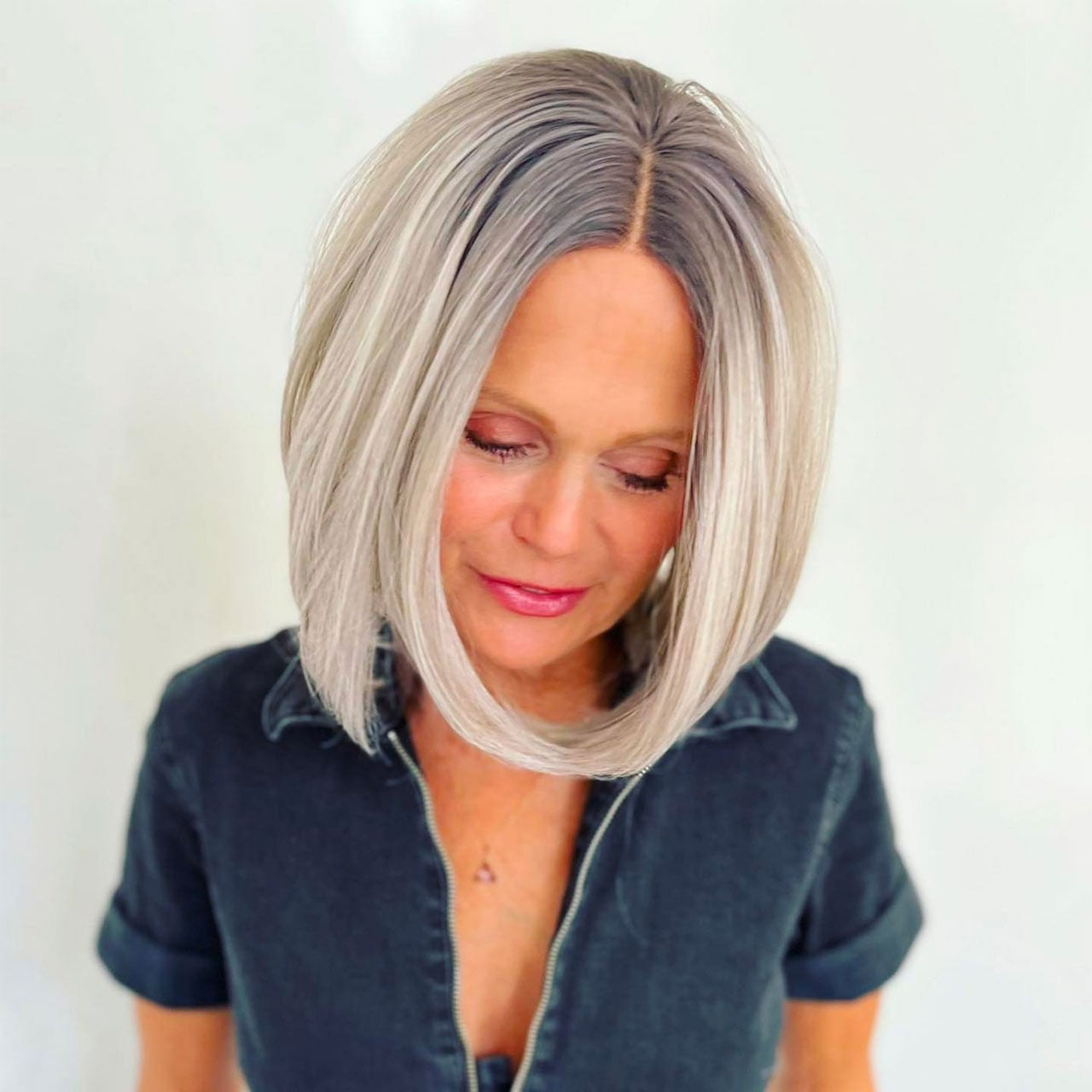
Natural Grey Collarbone Lob
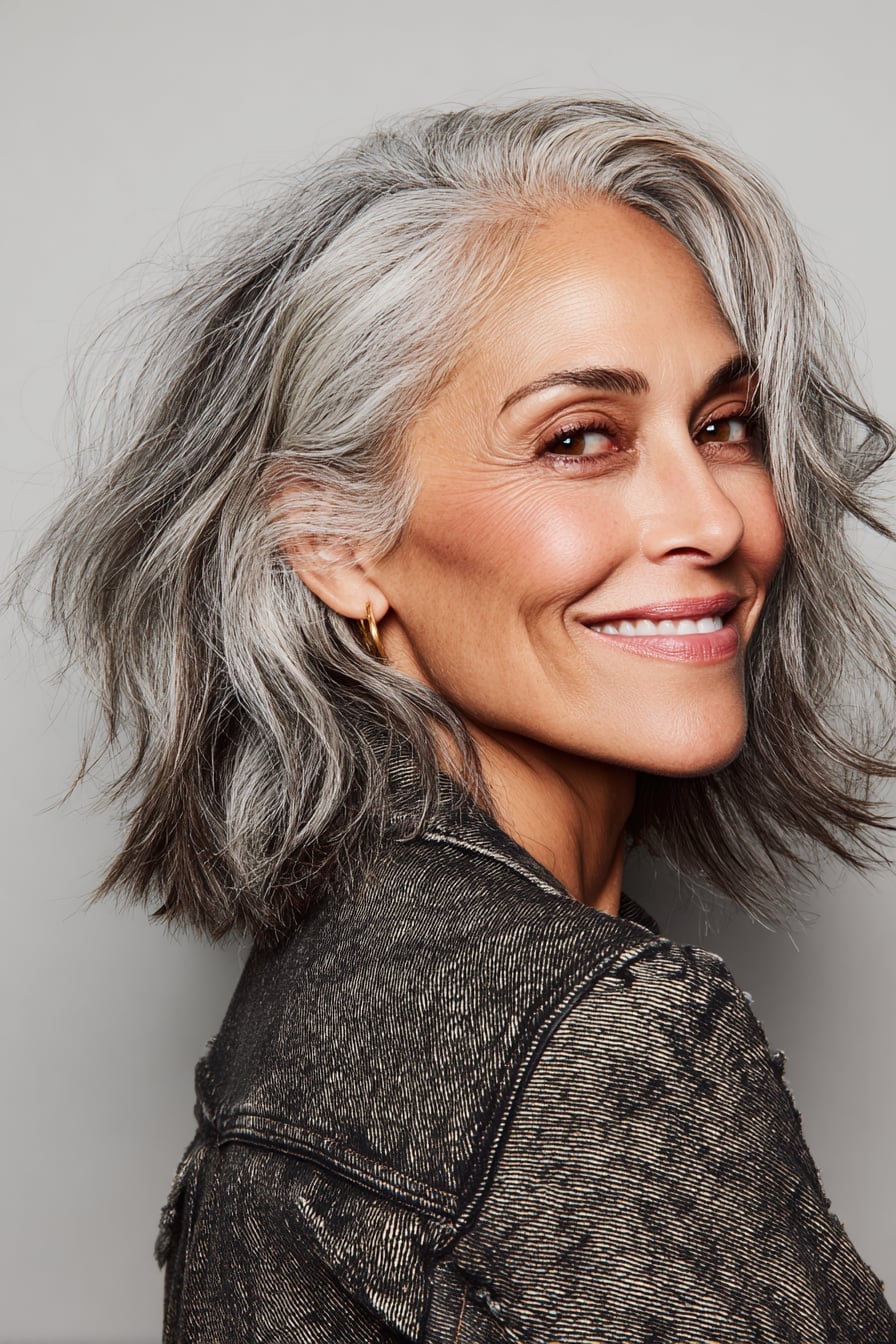
Unlike a dyed silver that demands root touch ups, a natural grey collarbone lob works with what you have. Loose textured waves and a side parting give the medium density hair movement without requiring heat styling every day. Ask your stylist for: collarbone lob, natural grey color, textured waves. A sea salt spray on damp hair enhances the wave pattern, and over brushing is the fastest way to invite frizz. Natural grey can pull yellow or brassy without a purple shampoo used every two to three washes.
Rich Brown Lob With Soft Waves
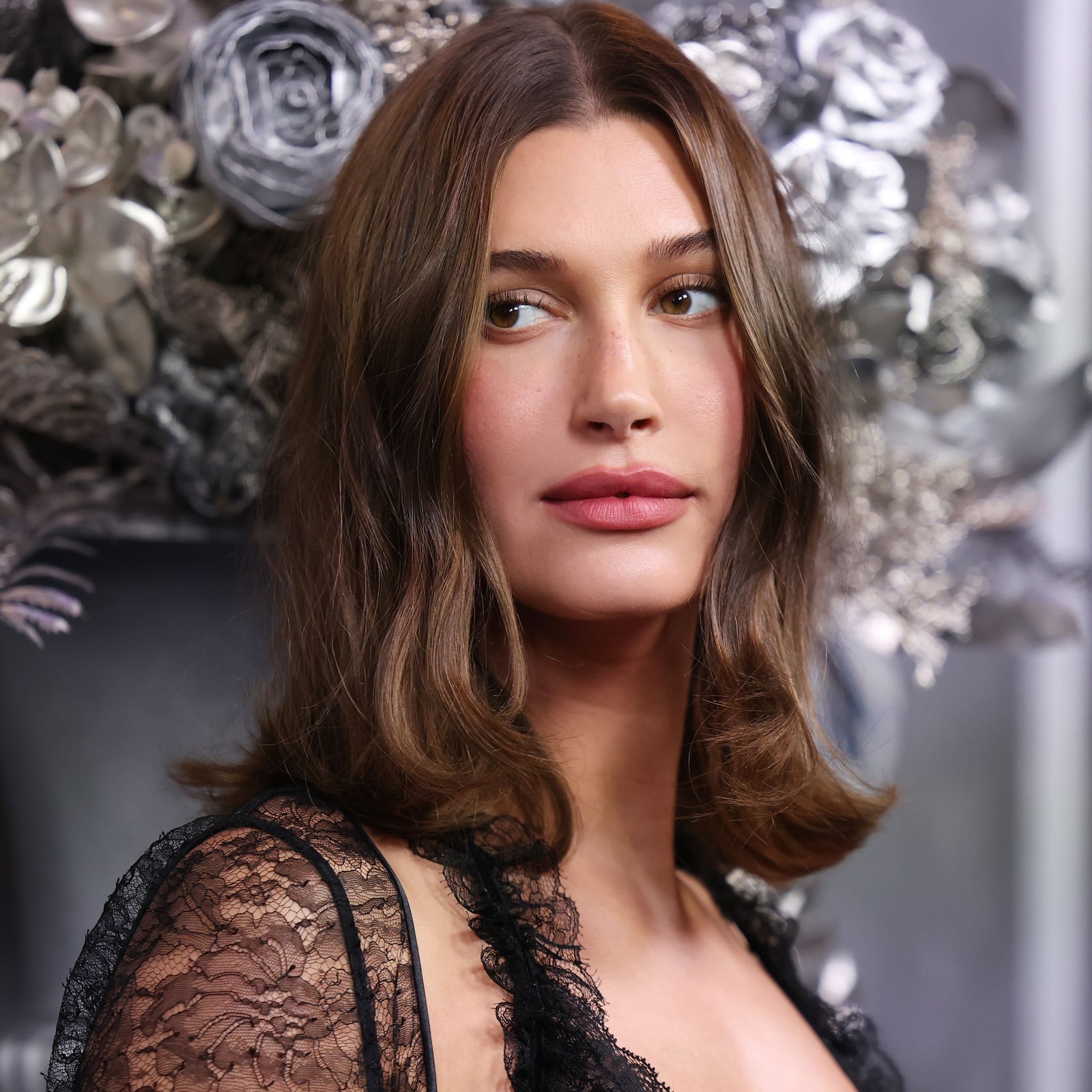
A rich brown base with subtle lighter pieces stops a collarbone-length lob from appearing flat. The soft waves here come from rough-drying with a diffuser, then wrapping larger sections around a curling iron while leaving the ends out. Ask your stylist for: collarbone lob, rich brown with subtle dimension, soft waves. The technique works best on medium-density hair that falls to the collarbone, and the side parting adds softness around angular faces.
Dark Blonde Lob With Face-Framing Layers
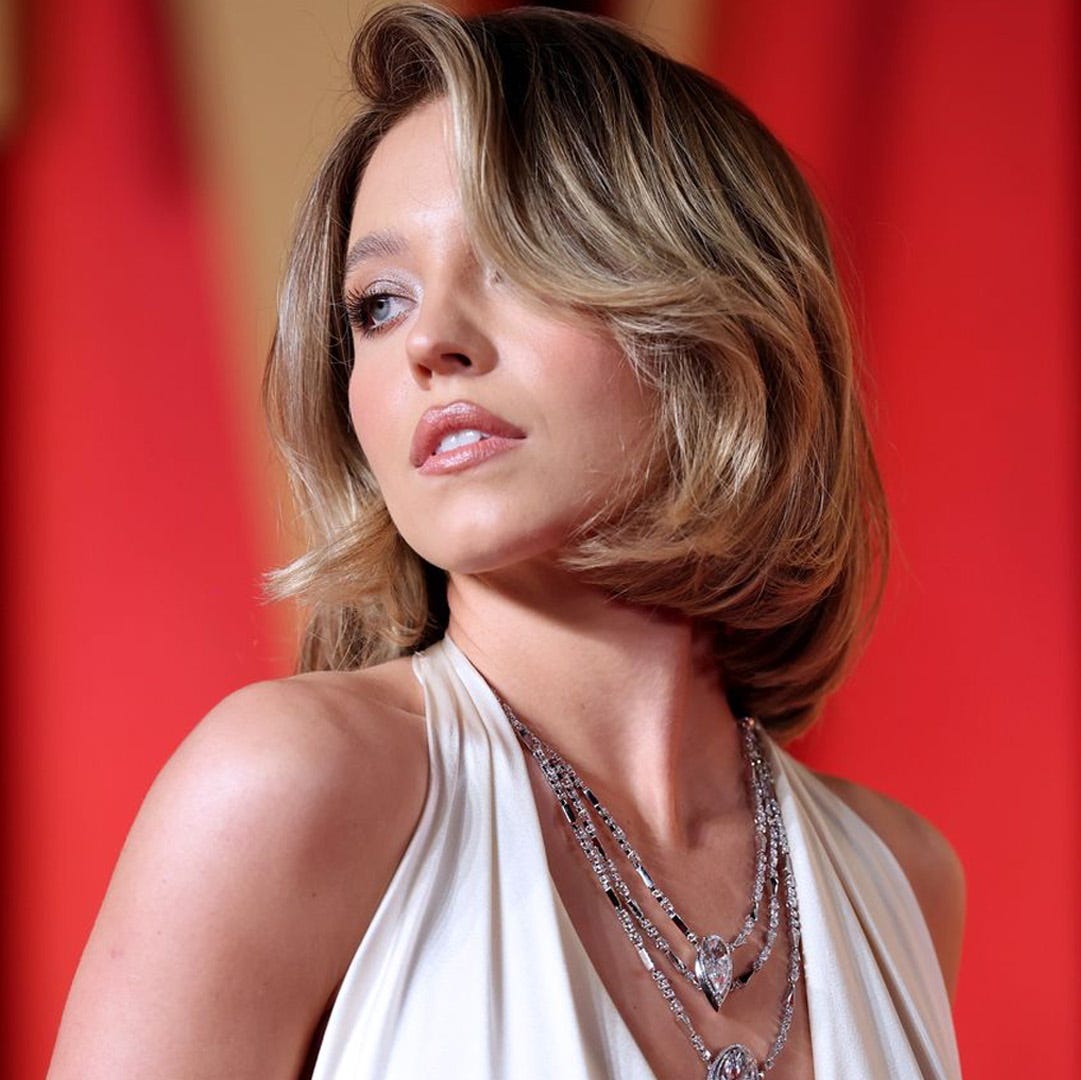
Wondering how to keep a collarbone lob from feeling severe? Face-framing layers that start near the cheekbones and blend into the length do the job. Curtain bangs and a side-parted wavy blowout complete the look on medium-density hair in a dark blonde with highlights. Ask your stylist for: collarbone lob with face-framing layers and curtain bangs. A texturizing spray on dry hair defines the waves, and the baseline needs a trim every six to eight weeks to hold the collarbone line. Oval and heart-shaped faces benefit most from the graduated layering.
Dark Brown Lob With Textured Waves
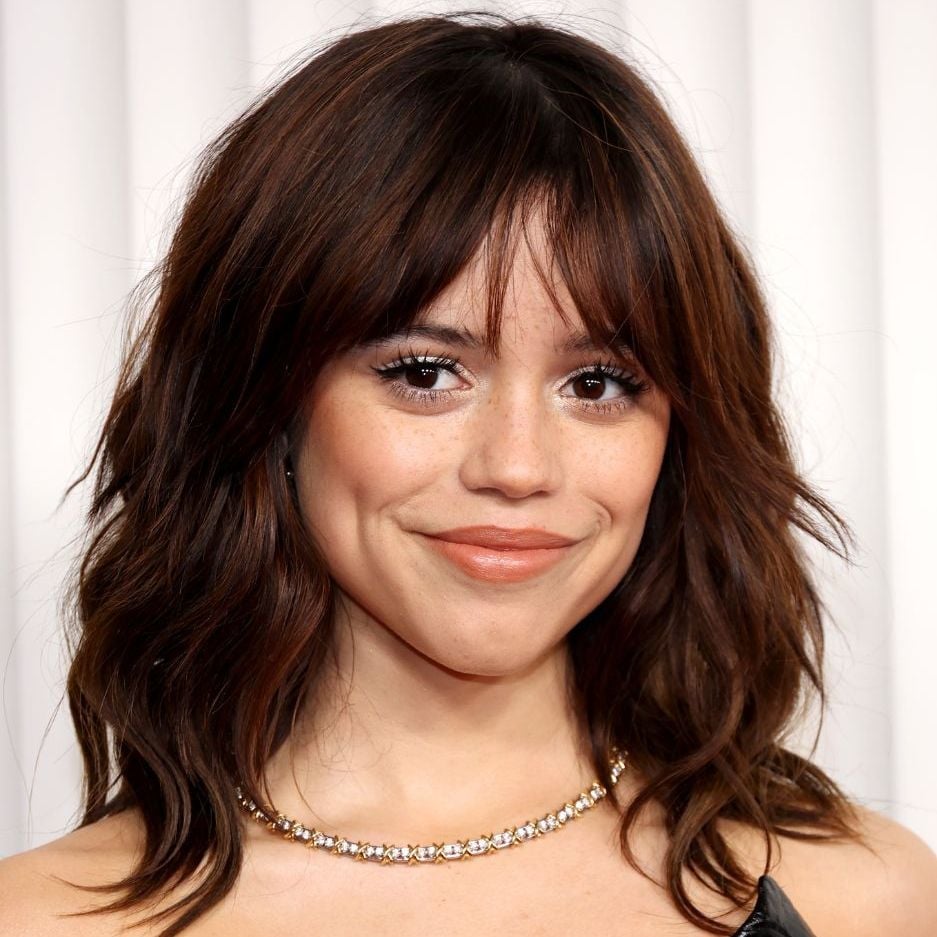
A collarbone lob in dark brown with subtle lighter pieces relies on texture rather than volume for interest. The loose waves and middle-parting curtain bangs create movement that works on medium-density hair, but the bangs demand upkeep. Ask your stylist for: collarbone lob with textured waves and curtain bangs. Trimming the bangs every two to three weeks prevents them from landing in the eyes, and the rest of the lob needs a baseline cut every six to eight. A mousse scrunched into damp hair delivers the texture at home.
Medium Brown Lob With Caramel Highlights
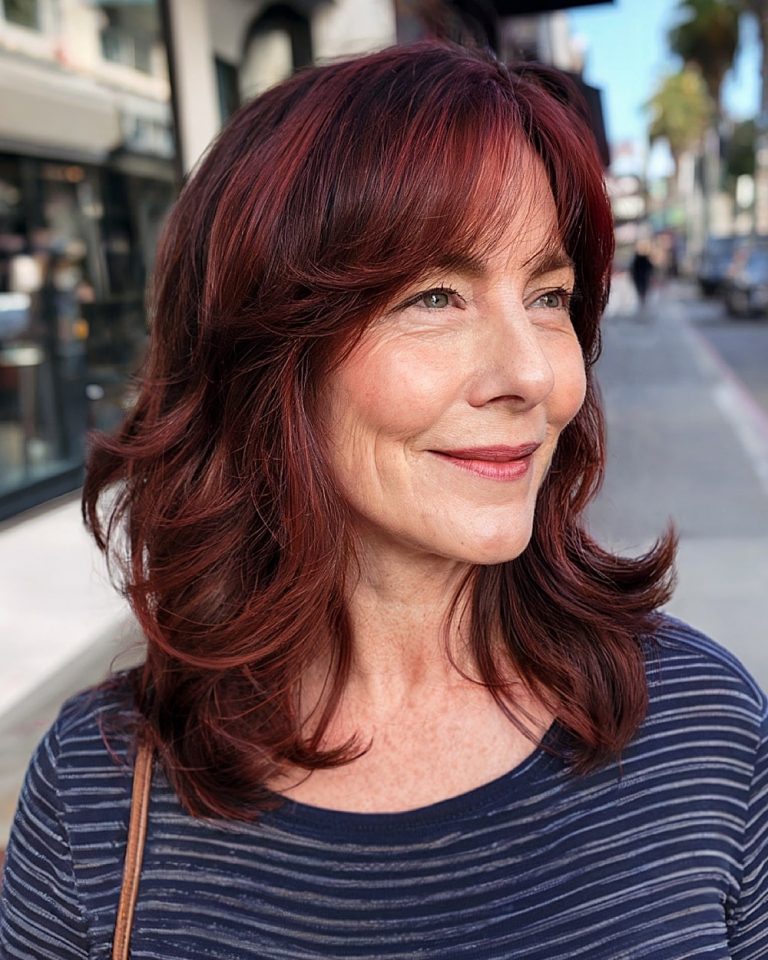
Face-framing layers are the lob version of a cheat code: they give you movement without demanding a full commitment to a shag. A blunt cut needs precise waves every morning, but these collarbone-length layers with side-swept bangs work just as well air-dried as they do blown out. The medium brown base with caramel highlights adds warmth and dimension, making the layers stand out. Ask your stylist for a collarbone lob with face-framing layers and side-swept bangs. It suits medium density wavy hair best. A trim every eight weeks keeps the baseline from becoming a triangle.
Shaggy Lob With Copper Red Highlights
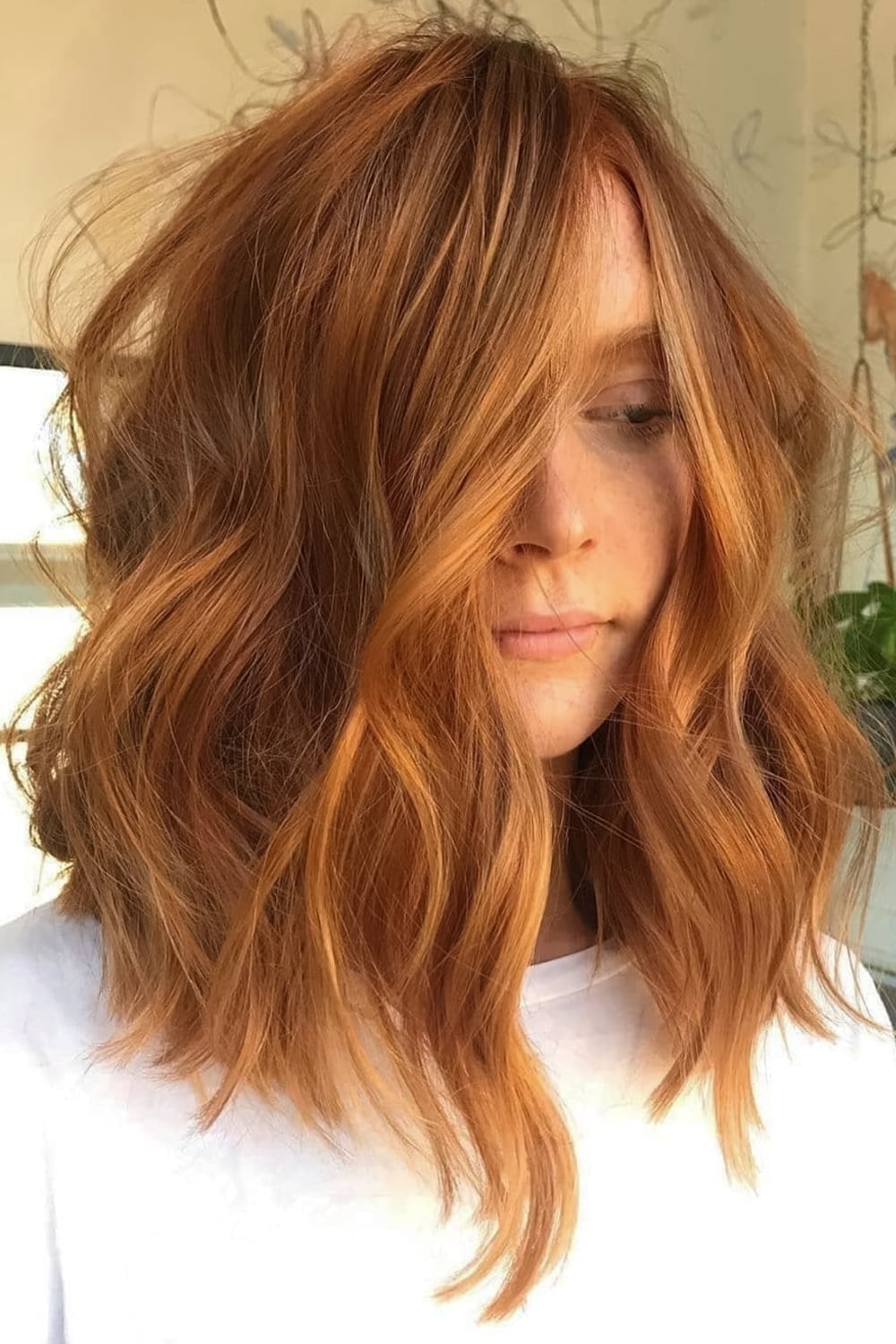
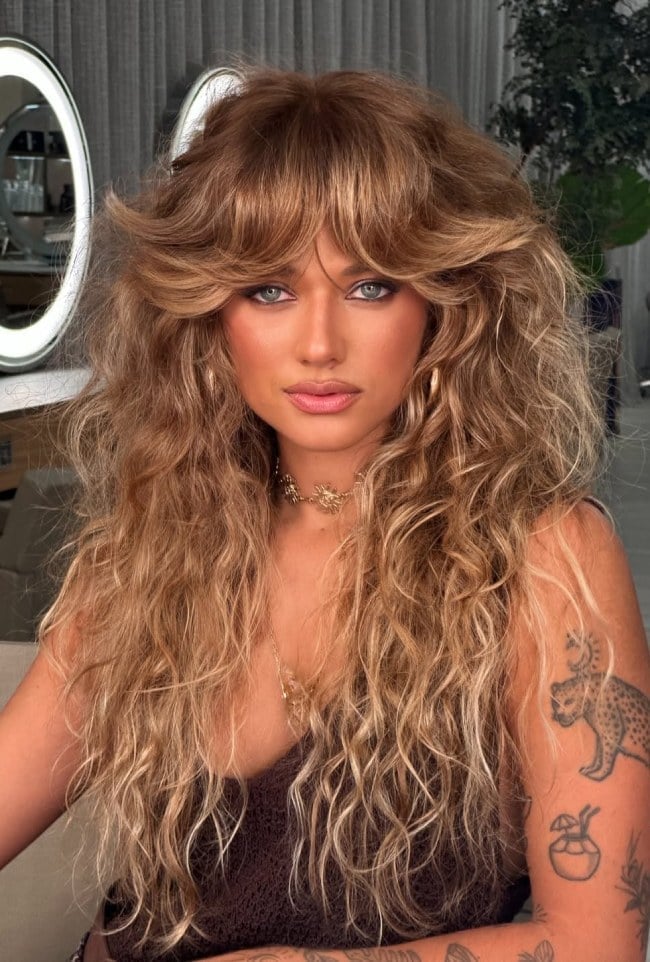
The design here is a study in controlled chaos: choppy layers cut into a shag silhouette, curtain bangs that soften the edges, and a copper red base with blonde highlights that catch the light at every bend. On wavy medium-thickness hair, these shaggy layers stack naturally instead of collapsing. The catch is that they need daily styling, a texturizing paste worked through dry hair, or they look like you forgot to finish the cut. Ask your stylist for a shaggy lob with choppy layers and curtain bangs. It is not a wash-and-go lob; it is a lob that pays off if you give it five minutes.
Choppy Lob With Piecey Bangs
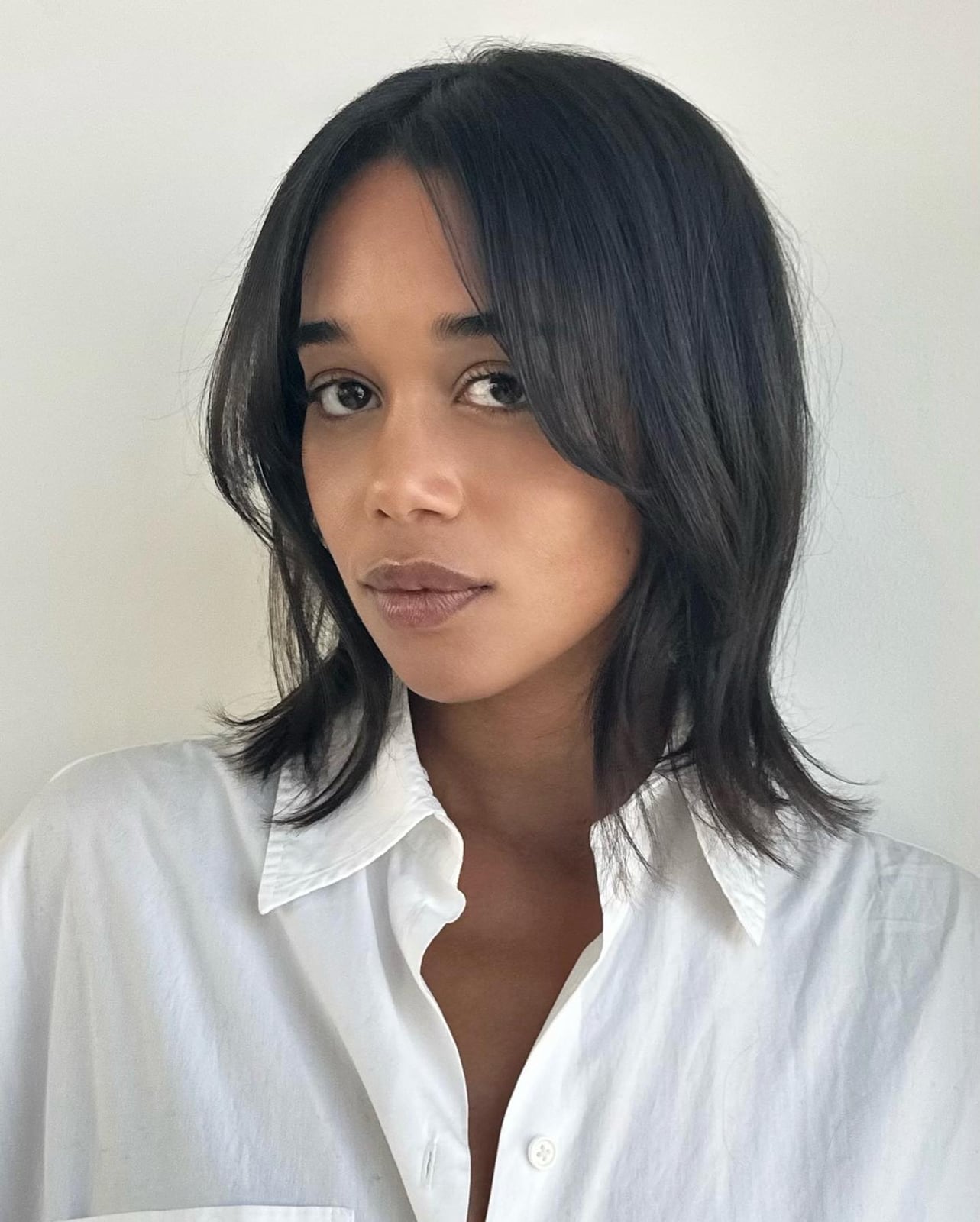
Who does this choppy lob actually flatter? Anyone with naturally wavy or textured hair at collarbone length, because the wave pattern does the piecey work for you. The short piecey bangs land above the brow and rely on the dark brown base with blonde highlights to define each section. On straight hair, the choppiness can read as ragged rather than deliberate. Ask your stylist for a choppy lob with short piecey bangs. A trim every six weeks keeps the bangs from grazing your eyes and the ends from losing their separation.
Honey Blonde Lob With Textured Waves

Curtain bangs at collarbone length are a practical choice: they frame the face without demanding a full fringe commitment. This honey blonde balayage lob keeps the bangs long enough to tuck behind an ear or sweep to the side, which buys you an extra day between washes. The textured waves are created by scrunching a wave-defining cream into damp hair and letting it air dry. Ask your stylist for a collarbone lob with curtain bangs and honey blonde balayage. To maintain the shape, style the bangs daily with a round brush. The baseline needs a trim every six to eight weeks.
Ash Blonde Layered Lob With Curtain Bangs
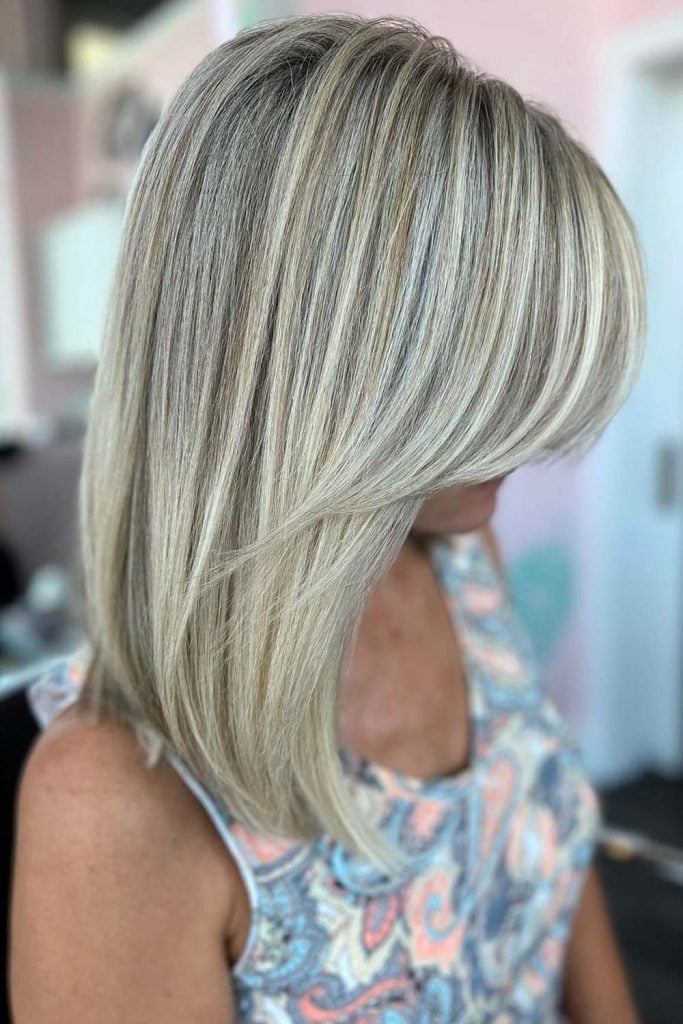
A smooth blowout on fine straight hair requires precision in the cut, not just the styling. This ash blonde layered lob lands at the collarbone with curtain bangs, and the face-framing layers are what give it volume. Getting those layers right at home is not realistic, fine hair shows every uneven line. The DIY part is the blowout with a round brush. Ask your stylist for a collarbone layered lob with curtain bangs. The salon part is the layering; the at-home part is the finish. Tone every four to six weeks to stop the ash from turning brassy.
Dark Brown Lob With Blonde Highlights
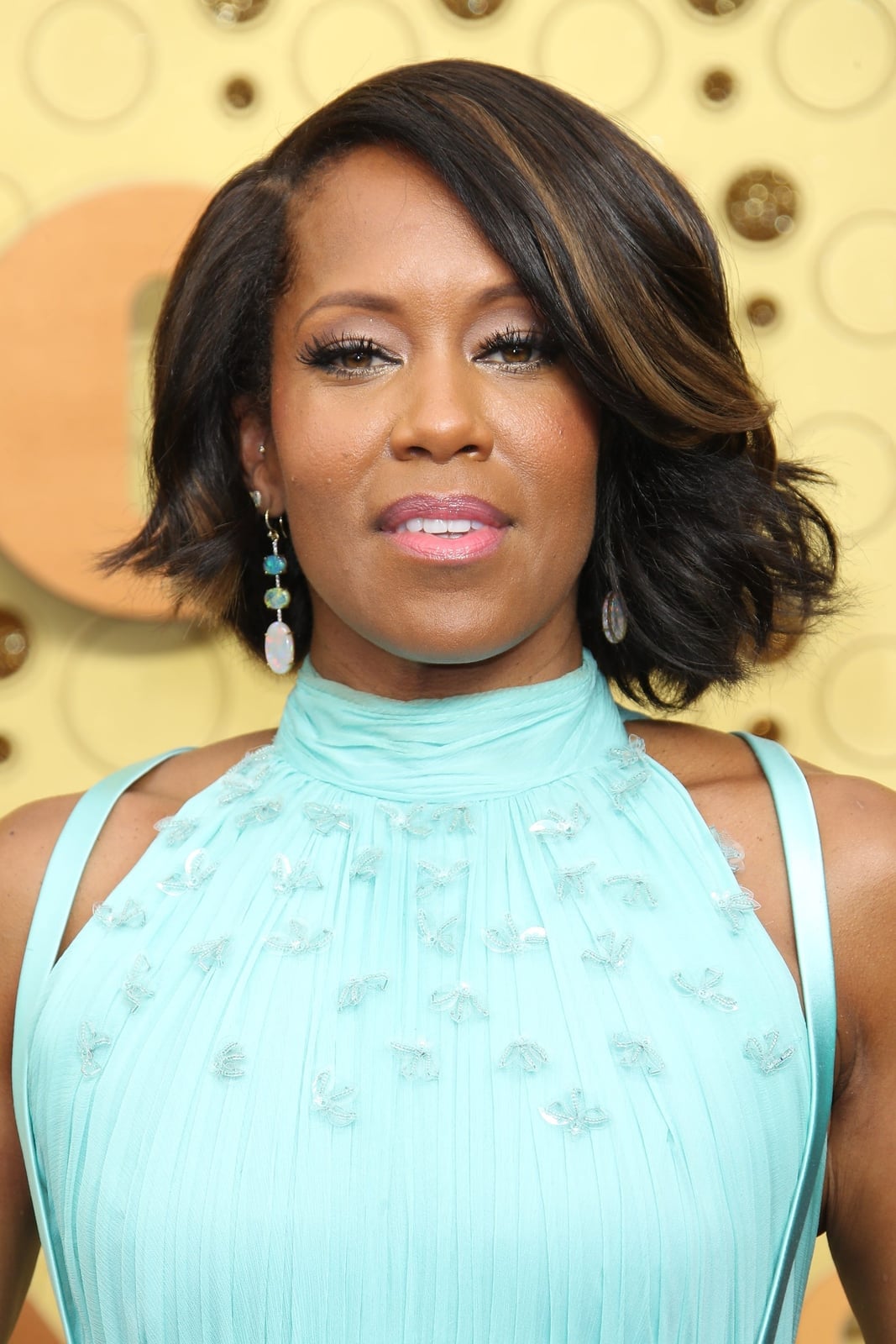
The blonde highlights in this collarbone-length lob are placed to catch the eye, not just to add color. The side-swept bangs soften the overall shape, making this a strong option for those with angular faces who want a gentler frame. Medium density wavy hair holds the wavy blowout well without needing much coaxing. Ask your stylist for: collarbone lob with side-swept bangs and blonde highlights. A texturizing spray will keep the waves from looking too uniform. A trim every six to eight weeks maintains the shape, especially with the highlights growing out.
As the weather cools, the contrast between dark brown and lighter strands is warm without being high contrast. It is a lob that works for the everyday, from the office to a casual weekend, without demanding a full restyle.
Dark Brown Lob With Face-Framing Layers, Collarbone
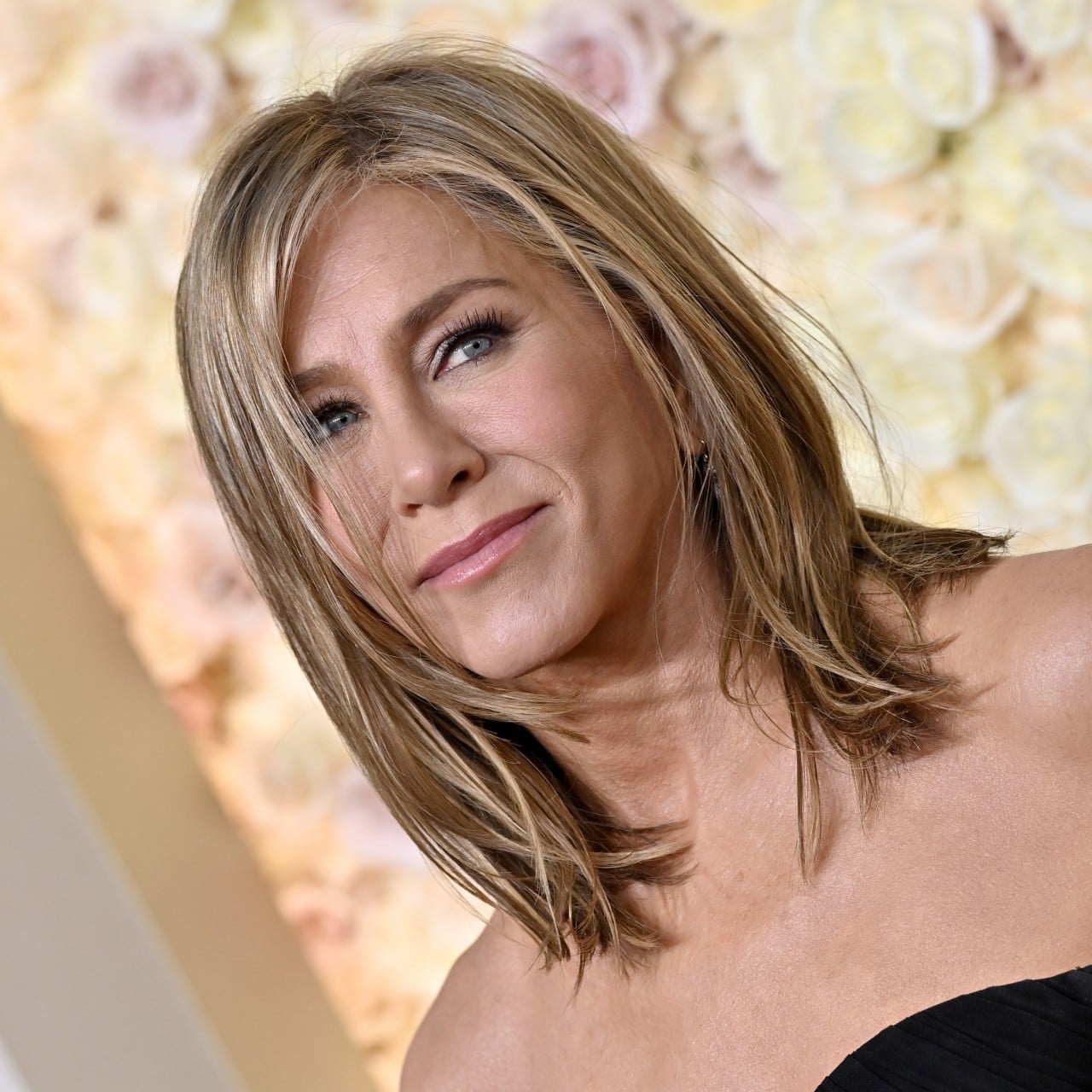
The face-framing layers on this collarbone-length lob start around the jawline and soften the transition from the middle parting to the ends. Medium density hair with some natural wave benefits from the lighter pieces woven through the dark brown base, as they add depth without needing a full color change. Ask your stylist for: collarbone lob with face-framing layers. The trade-off with this cut is that those layers are the first part to show split ends, so a trim every six weeks is not negotiable. A volumizing mousse at the roots before blow-drying helps the layers sit with more lift.
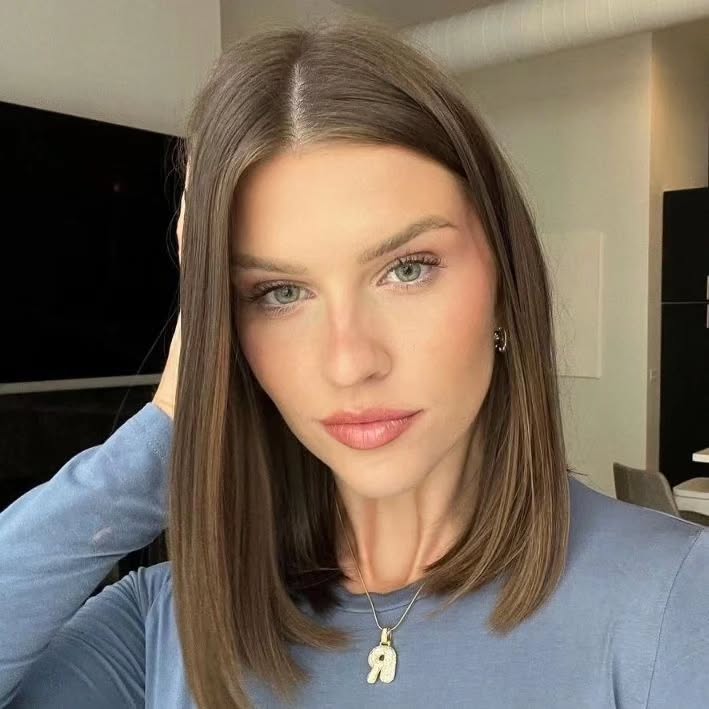
Medium Brown Lob With Side-Swept Bangs

Fine, straight hair at collarbone length can look flat without some structural help. The side-swept bangs on this medium brown lob create the illusion of fullness around the face, while the subtle lighter highlights stop the color from reading as one solid block. Ask your stylist for: collarbone lob with side-swept bangs. The side parting and sweep of the bangs also work to soften a round face shape. Blow-dry the bangs with a round brush to keep them moving in the right direction. Trim the baseline every six to eight weeks.
Chin Length Angled Bob With Waves
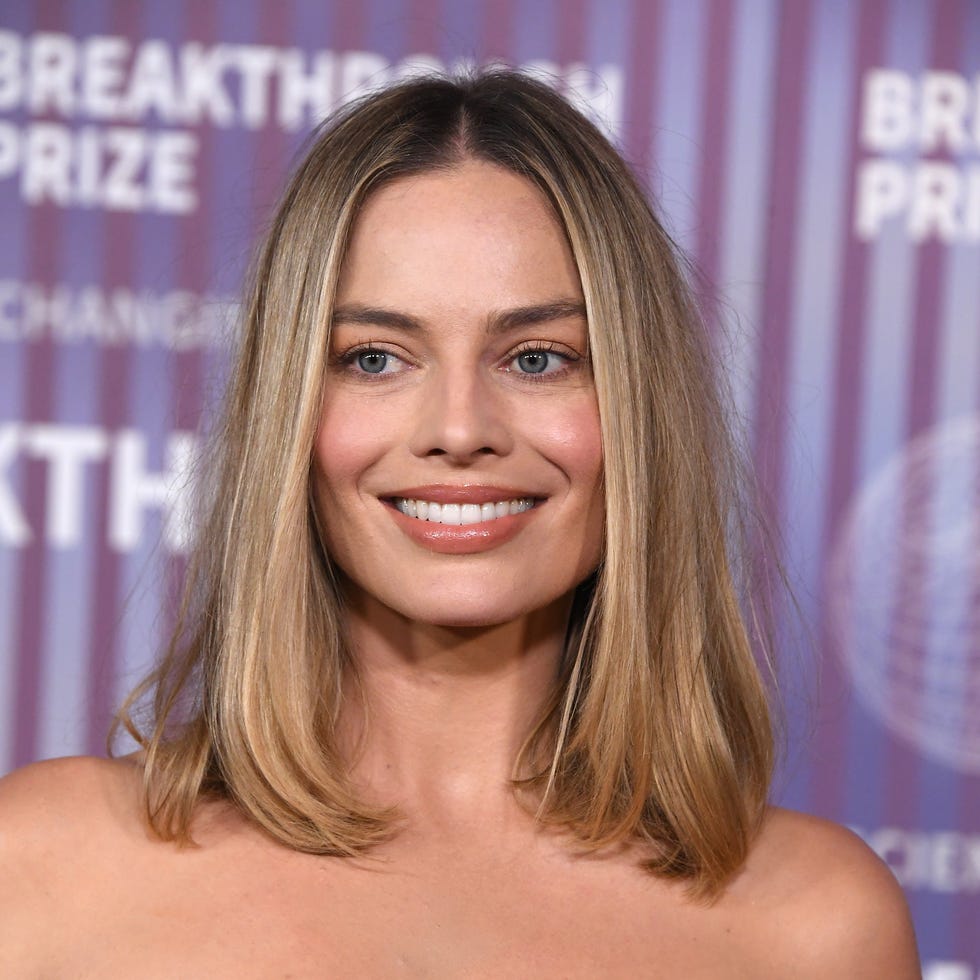
The angle on this chin-length bob is sharper at the front, with the back cut closer to the nape to reduce bulk. Thick hair benefits from this precise graduation, as it removes weight without losing shape. Ask your stylist for: chin length angled bob, longer in front. The soft waves are added with a curling wand, so the look is deliberate. No bangs here means the angle is the main event. A trim every six to eight weeks keeps the front from catching up with the back.
Warm Blonde Chin Bob With Curtain Bangs
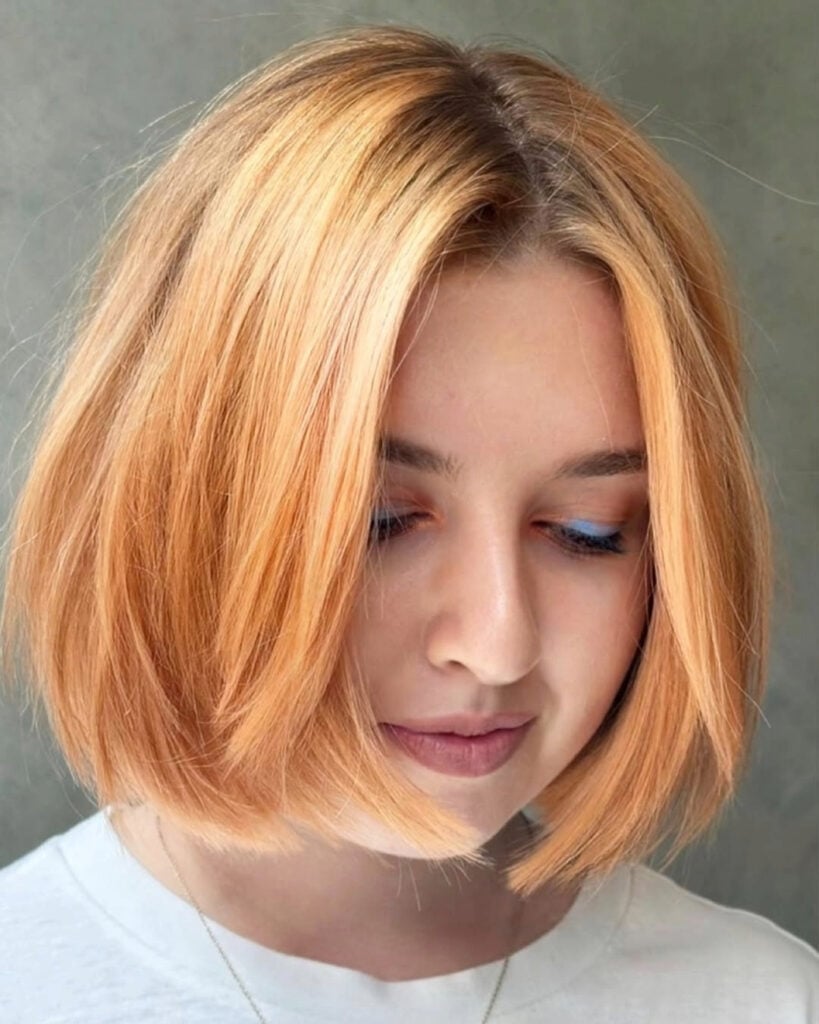
The warm blonde shade on this chin-length blunt bob has peachy undertones that give it a sunlit quality, especially as the days get longer. The curtain bangs part at the middle and soften the blunt line around the face, making the cut work for round and square shapes. Ask your stylist for: chin length blunt bob with curtain bangs. Medium density wavy hair can air dry with a leave-in conditioner for a natural finish, no blow-dry required. The blunt baseline needs a trim every six weeks to keep the ends looking clean.
Sleek Chin Length Bob
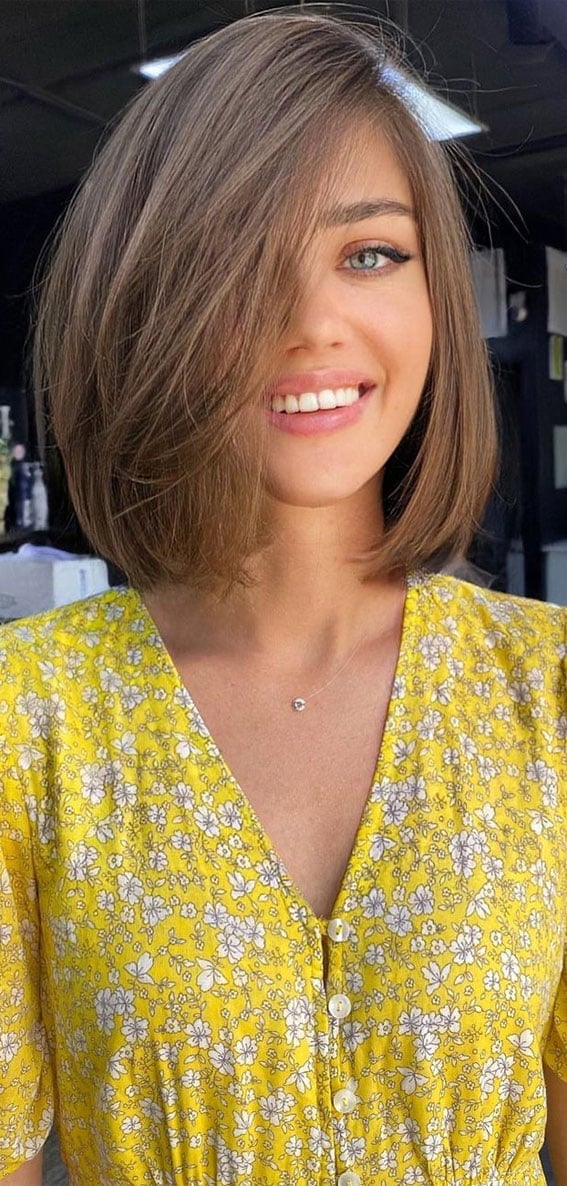
It is not a lob, but it is the bob that lobs grow into before they get cut off again. A side-parted chin-length bob, poker straight with no bangs, in solid medium brown. Fine, straight hair at chin length benefits from this precision: the sharp line keeps the silhouette clean and the density looking even. Ask your stylist for a chin-length sleek bob, poker straight. A flat iron and a shine serum are your daily tools, and a trim every six to eight weeks is necessary because the longer you wait, the more the ends soften into a shape that looks accidental.
Medium Brown Chin Bob With Blunt Cut
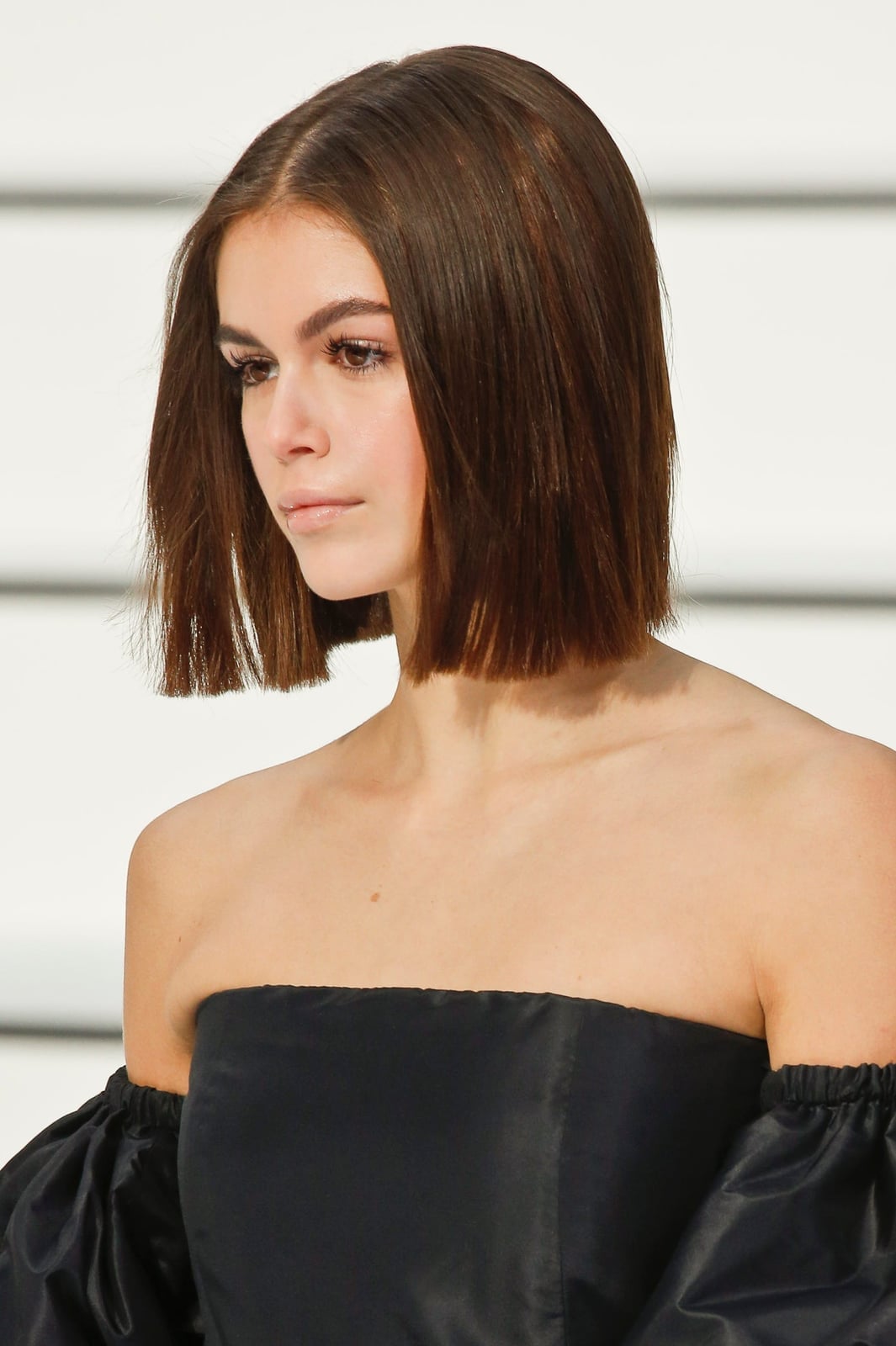
A chin-length bob with a middle parting, no bangs, and a blunt cut so sharp it could double as a ruler. The uniform medium brown color and straight texture make the cut line the entire point. Ask your stylist for a chin-length blunt bob, poker straight. This is strictly a salon haircut: the precision of a blunt line at home with kitchen shears is not a winning strategy. Fine hair at this length looks thicker with a blunt cut, so if that is your concern, this is your answer.
Blonde Collarbone Lob Back View
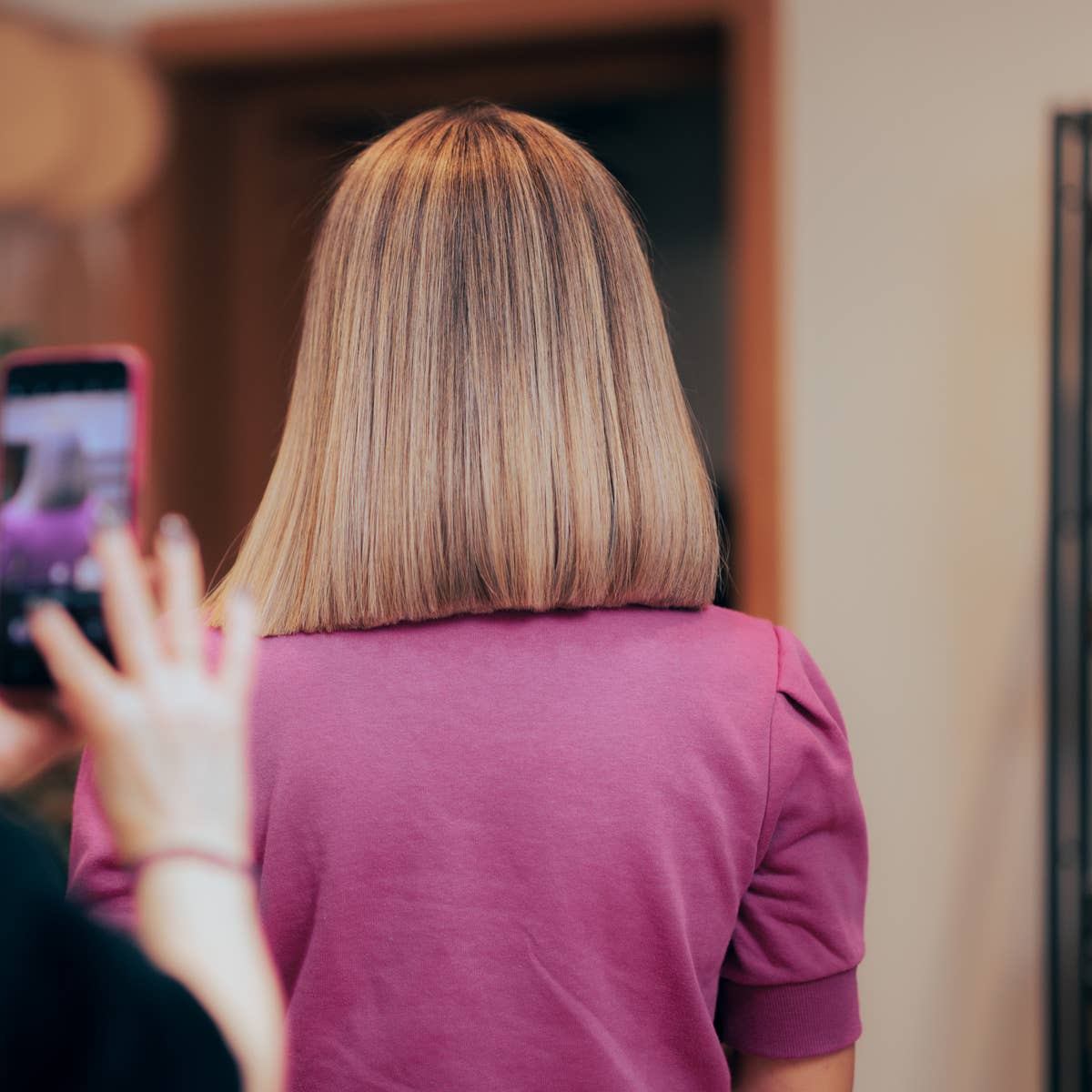
A collarbone-length lob in a uniform blonde shade with a straight texture and no bangs, shown from the back to show off the blunt cut. Where a layered lob moves and separates, this one holds its line like a solid shape. Straight hair at collarbone length is the ideal candidate: the blunt cut creates a clean silhouette that is modern without being severe. Ask your stylist for a collarbone-length blunt lob. Any asymmetry in the baseline is immediately visible, so a precise cut is essential.
Light Blonde Shoulder Length Blunt Lob
A shoulder-length blunt lob in light blonde with a natural wavy texture and medium density, shown from the back with no bangs. The blunt cut adds weight and shape to waves that might otherwise go rogue. Fine to medium density wavy hair at shoulder length benefits from this structure: the ends stay defined rather than disappearing into the texture. Ask your stylist for a shoulder-length blunt lob. A texturizing spray applied to damp hair and air-dried will keep the waves looking polished.
Wavy Lob With Blonde Highlights Back View
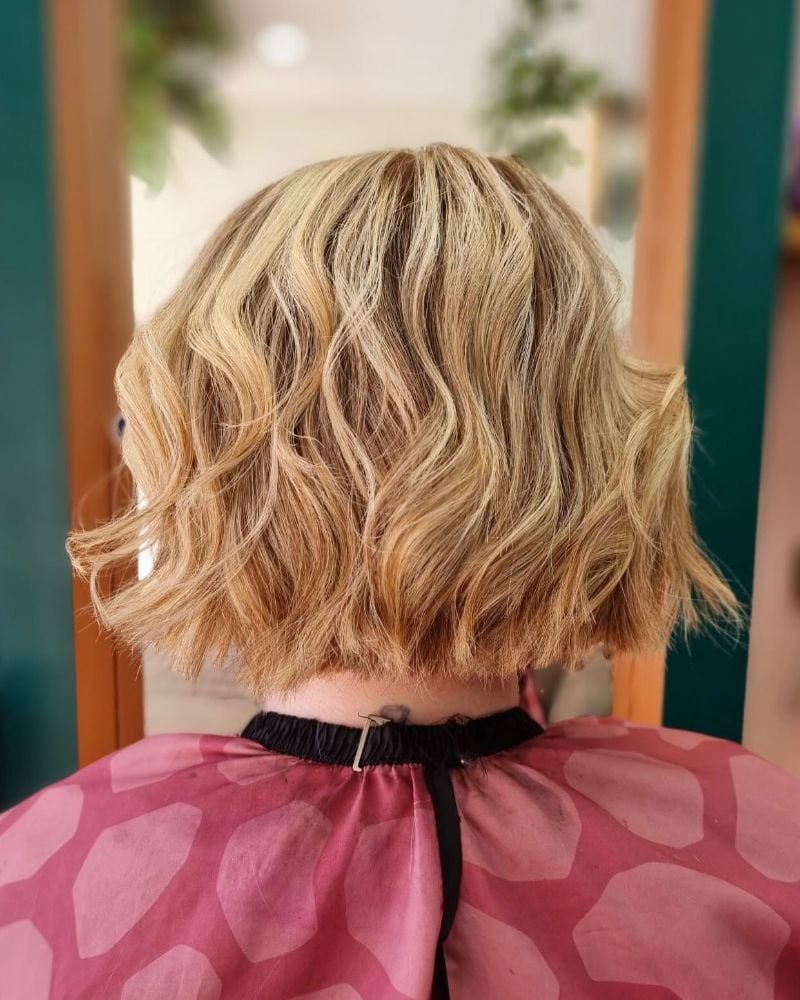
Loose waves work best when the cut is precise first. A collarbone-length lob, styled in loose waves with blonde highlights throughout, is shown from the back. Medium density wavy hair at collarbone length is the starting point, and the highlights add dimension so each wave separates into its own piece. Ask your stylist for a collarbone lob with loose waves and blonde highlights. A sea salt spray applied to damp hair and scrunched as it dries will give you the texture without a salon appointment. The styling is DIY once the cut is done.
Final Thoughts
Fine hair keeps density best with a blunt baseline and minimal layers. Thicker hair can handle shaggier cuts and more texture to reduce bulk. A trim every six to eight weeks will keep the lob’s shape intact, and curtain bangs need refreshing every four to six weeks as they grow out.
- Trim the baseline every six to eight weeks.
- Refresh curtain bangs every four to six weeks.
- Use a heat protectant spray before styling.
- Wash two to three times a week to preserve color.
Find the lob that speaks to your style and hair needs.