20 Simple Back Haircuts 2027 for Easy Style

Simple back haircuts rely on clean lines and a well-considered shape, not tricks. The current shift is away from heavy, one-length cuts toward softer movement, with lived-in texture and curtain bangs becoming the new baseline for this year.
This collection of 20 simple back haircuts spans blunt bobs, long layered cuts, and short stacked shapes. It is built for anyone tired of a flat crown, a blunt line that lacks movement, or a fringe that will not cooperate, with options for fine and thick hair, round and square face shapes, and routines that range from a quick wash-and-wear to a weekly blowout.
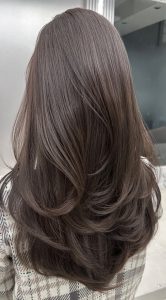
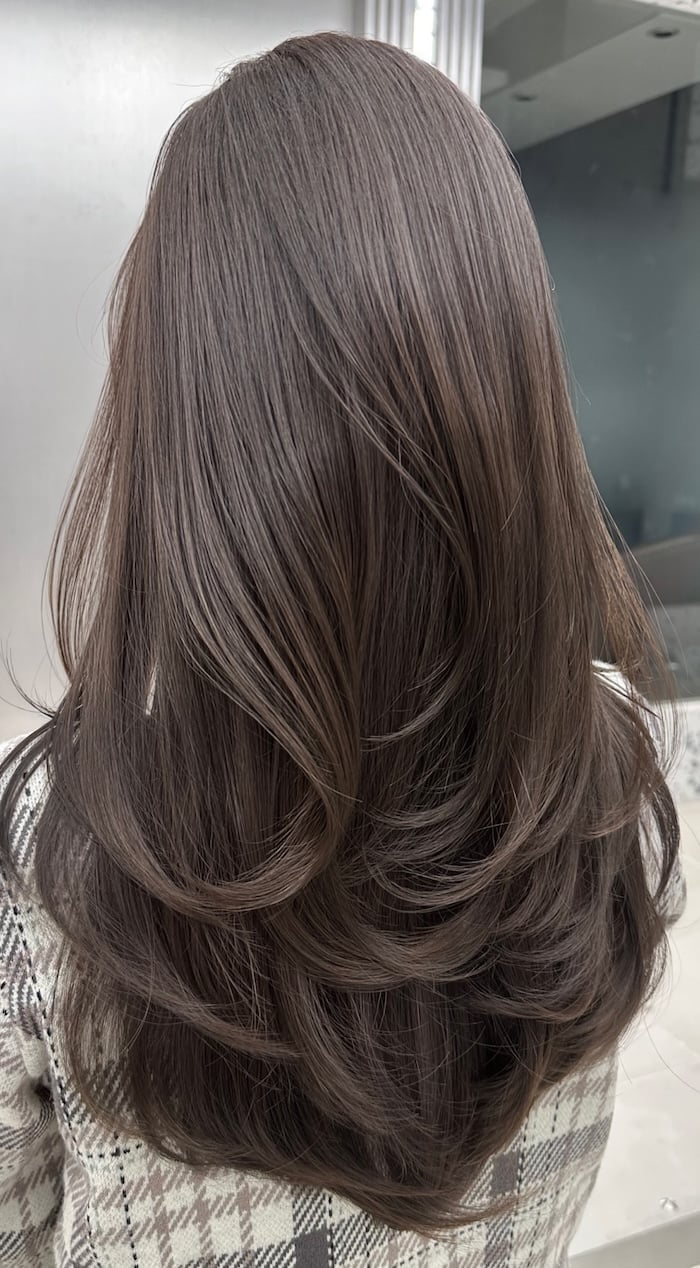
Mid-Back Length Hair With Long Layers
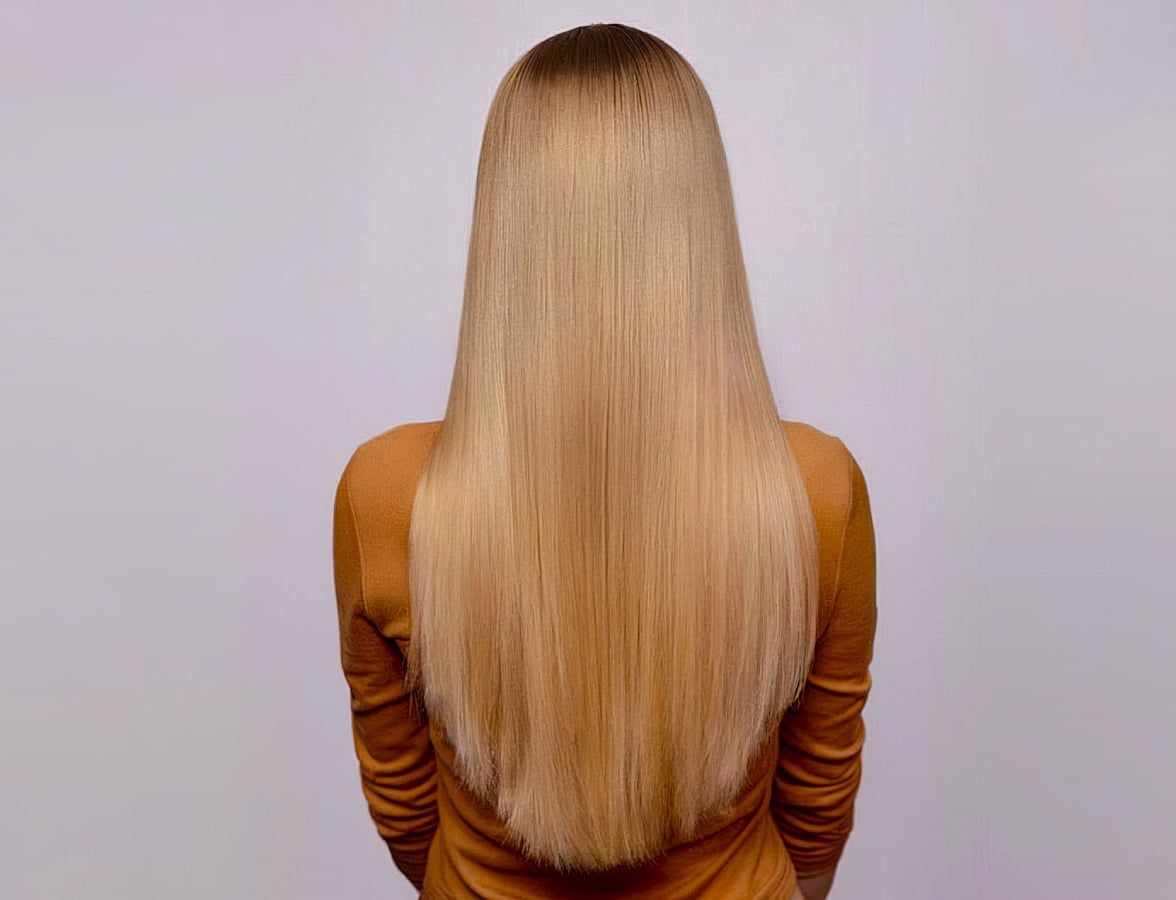
The design works because those long layers prevent a blunt mid-back cut from turning into a single heavy curtain. Thick, straight hair of at least mid-back length benefits most: the layers remove weight without sacrificing density, and a middle part elongates oval and long faces. Ask your stylist for mid-back length, long layers, root shadow color. A smooth blowout takes about 20 minutes with a round brush, and a trim on those layers every 8-10 weeks keeps the shape from growing heavy at the ends.
Mid-Back Blunt U-Shape Cut
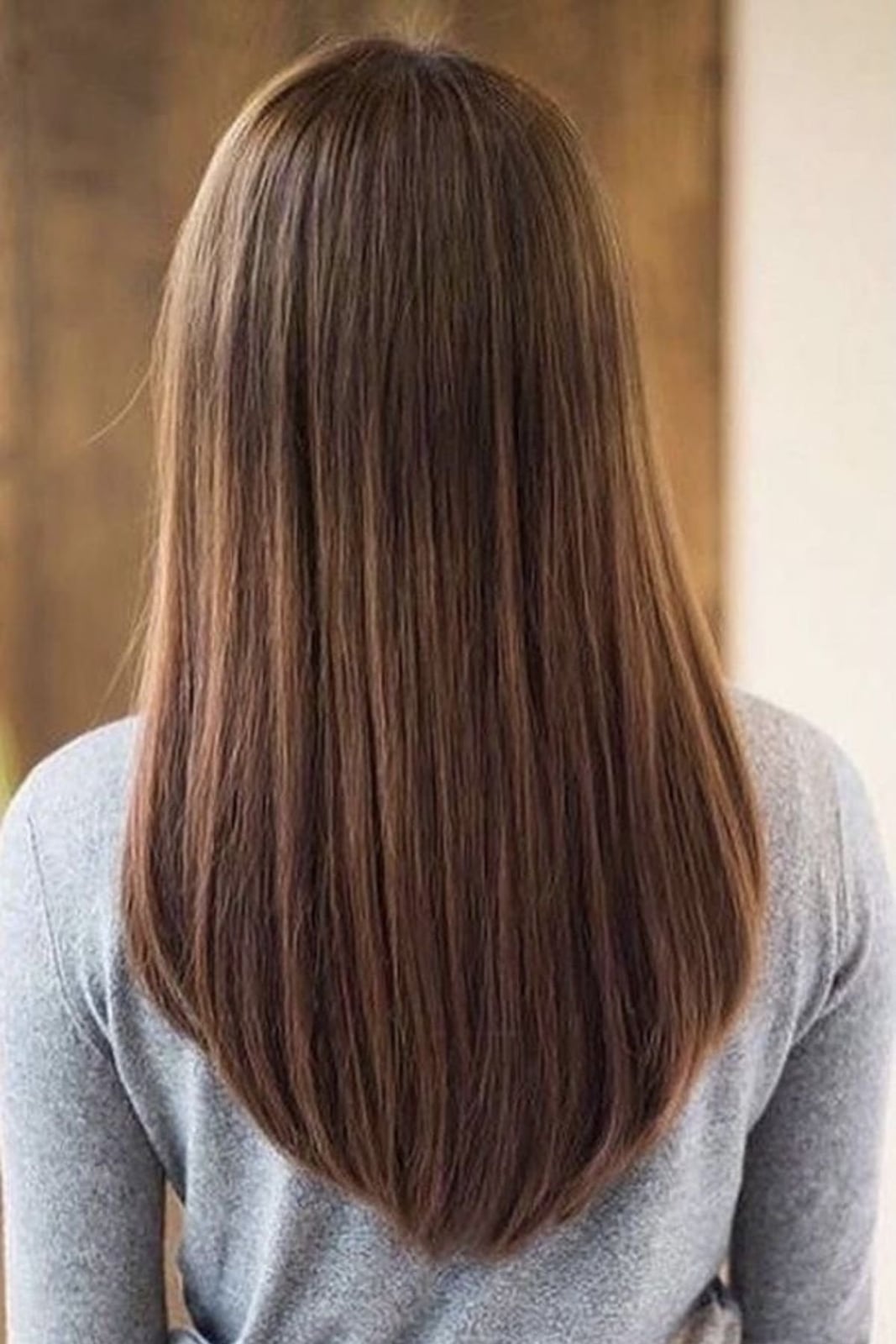
This is the straight-talking cousin of the layered mid-back cut. Where layers remove weight, the blunt U-shape hemline keeps every inch of density intact, making it the smarter choice if your hair is fine and you want it to read as thick. Medium brown, poker-straight, a middle parting: the back view is clean and deliberate. Ask your stylist for mid-back length, blunt U-shape hemline, one-length cut. A flat iron is your main tool here, and the blunt line will need a trim every 6-8 weeks before it starts to look frayed.
Classic Mid-Back Braid
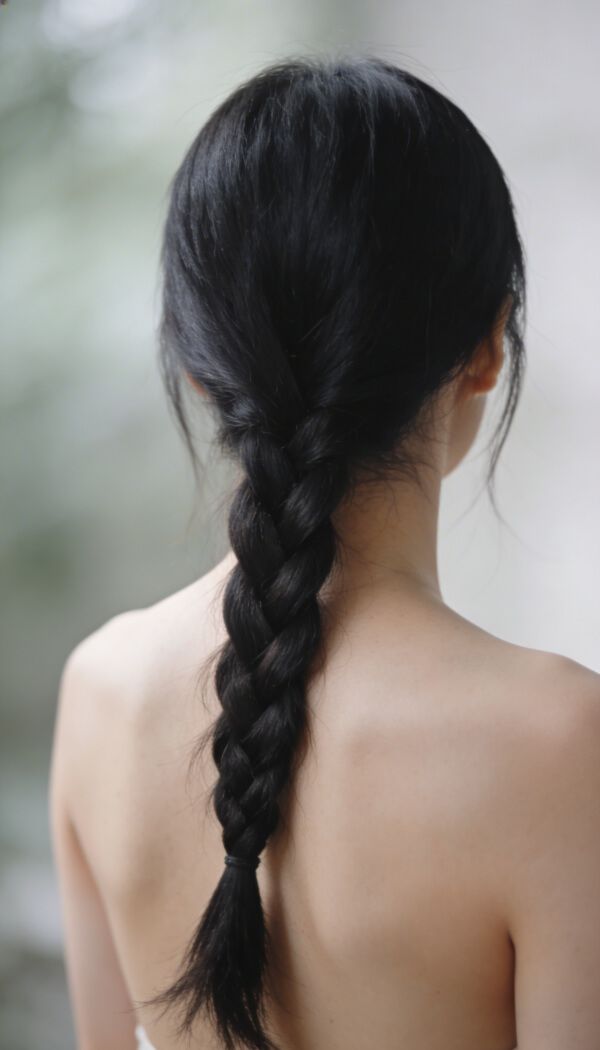
A three-strand braid is the simplest way to make a mid-back cut feel finished without any heat tools. Starting with damp, straight, black hair parted in the middle, you section the hair evenly behind each ear and cross the right strand over the middle, then the left over the new middle, repeating until you reach the ends. Ask your stylist for a classic three-strand braid down the back. A small clear elastic at the end keeps it tidy, and re-braiding every 1-2 days keeps the tension even.
Mid-Back Long Flowing Layers, Wavy
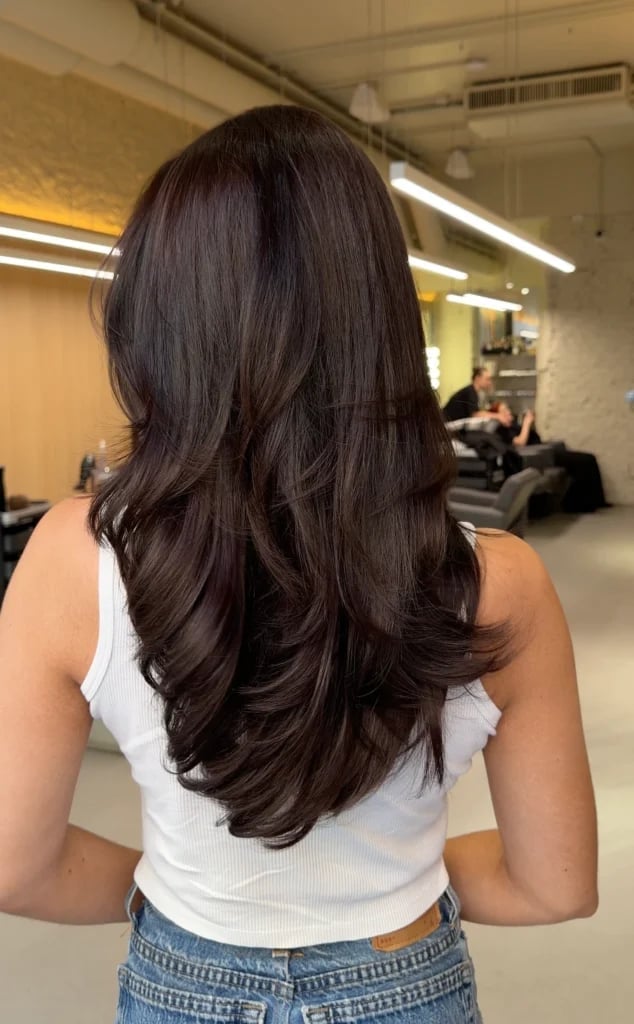
Does air-dried texture ever look intentional rather than like you just ran through a sprinkler? Yes, when the cut does the work. Thick, wavy hair at mid-back length with long flowing layers and a middle parting creates soft, air-dried waves that hold their shape without a diffuser. The subtle auburn tones add warmth to the dark brown base without a full color commitment. Ask your stylist for mid-back length, long flowing layers, soft waves. A curl-enhancing cream on damp hair is all you need, and a trim every 8-10 weeks keeps the layers from tangling at the ends.
Blunt Collarbone Bob Ash Blonde
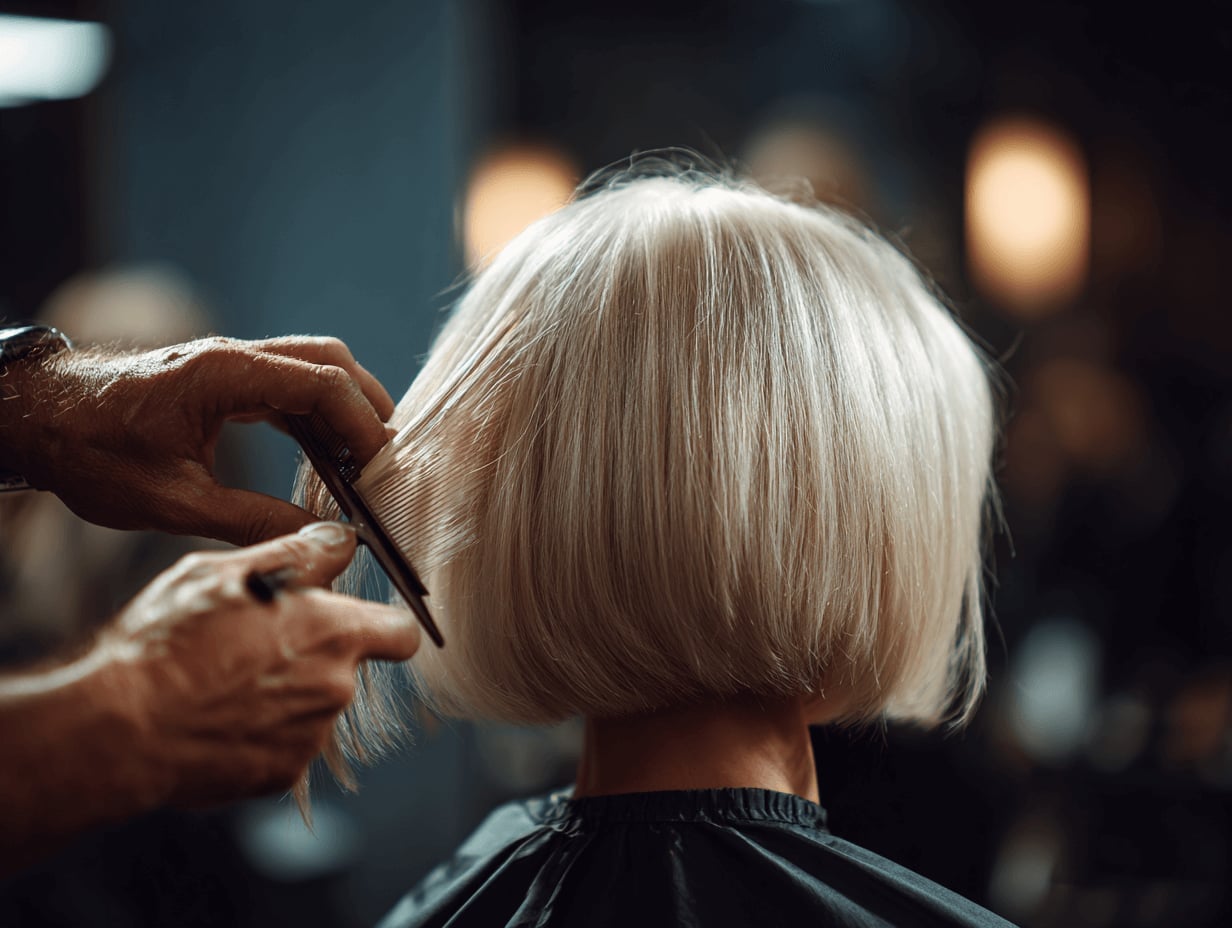
A blunt bob at the collarbone is a precise cut with a clean, sharp hemline. Fine, straight, ash blonde hair works especially well here because the blunt baseline creates the illusion of density that fine texture often lacks. Ask your stylist for a collarbone length blunt bob, ash blonde. A flat iron gets you the glassy finish this cut demands, and a trim every 6 to 8 weeks keeps that line sharp.
Sharp Chin Length Bob With Blunt Bangs
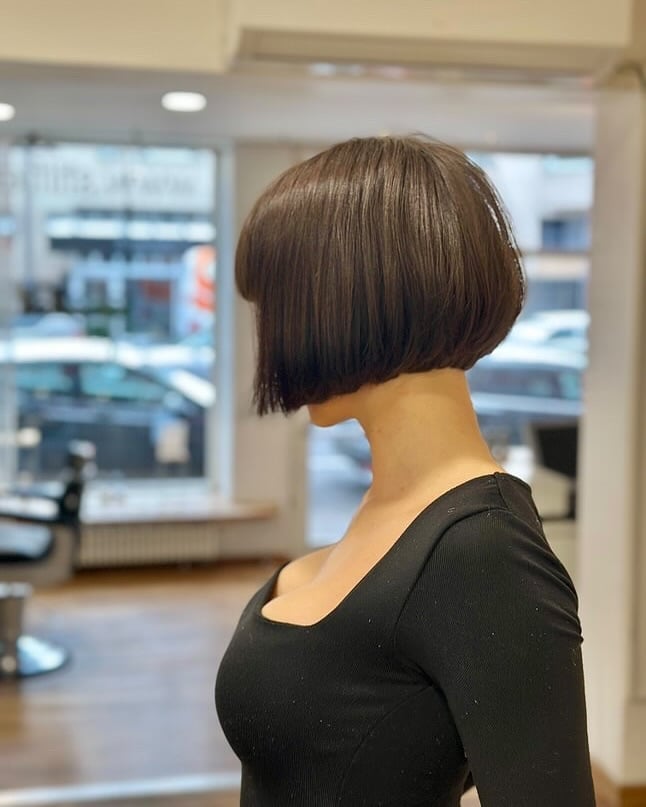
Before you commit to a chin length bob with blunt bangs, know this: the sharpness is the whole appeal, and it will not soften on its own. The blunt cut and middle parting put every line on display, so thick, straight hair holds the shape best, and the heavy fringe tends to suit strong jawlines. Ask your stylist for a chin length bob with blunt bangs, dark brown. Blow-dry the bangs forward with a small round brush each morning, and plan on a trim every six to eight weeks; the precision is a salon job, not a bathroom-mirror fix.
Ear Length Stacked Ash Blonde Bob
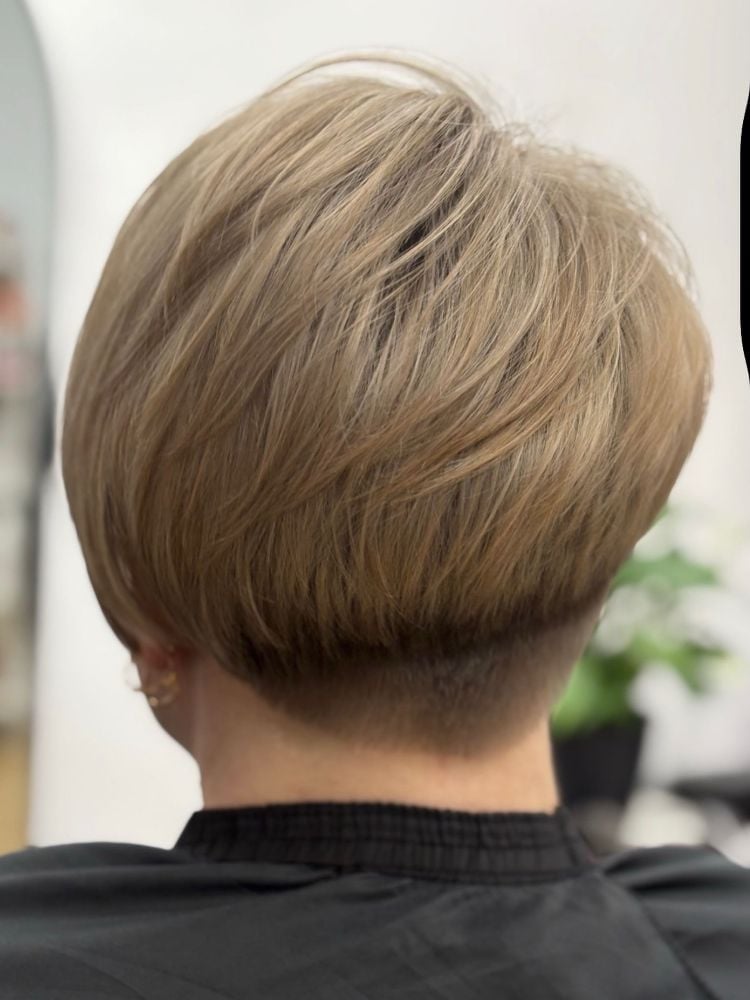
When the weather warms up, the ear length stacked bob becomes a cooler alternative to the collarbone lob. The stacked shape builds volume at the crown, a practical gift for fine, straight hair that tends to fall flat, and the uniform ash blonde keeps the back view clean and modern. Ask your stylist for: an ear length stacked bob, ash blonde. Root volumizer helps the layers hold their lift, and the stacked shape needs a trim every six to eight weeks to keep that precise nape line from growing out into a mullet.
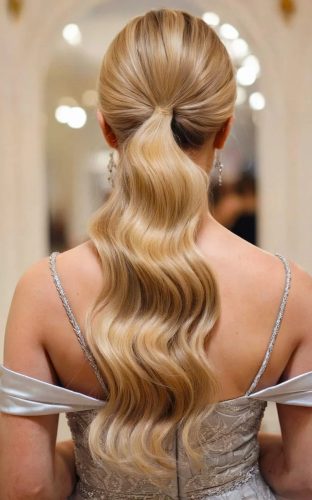
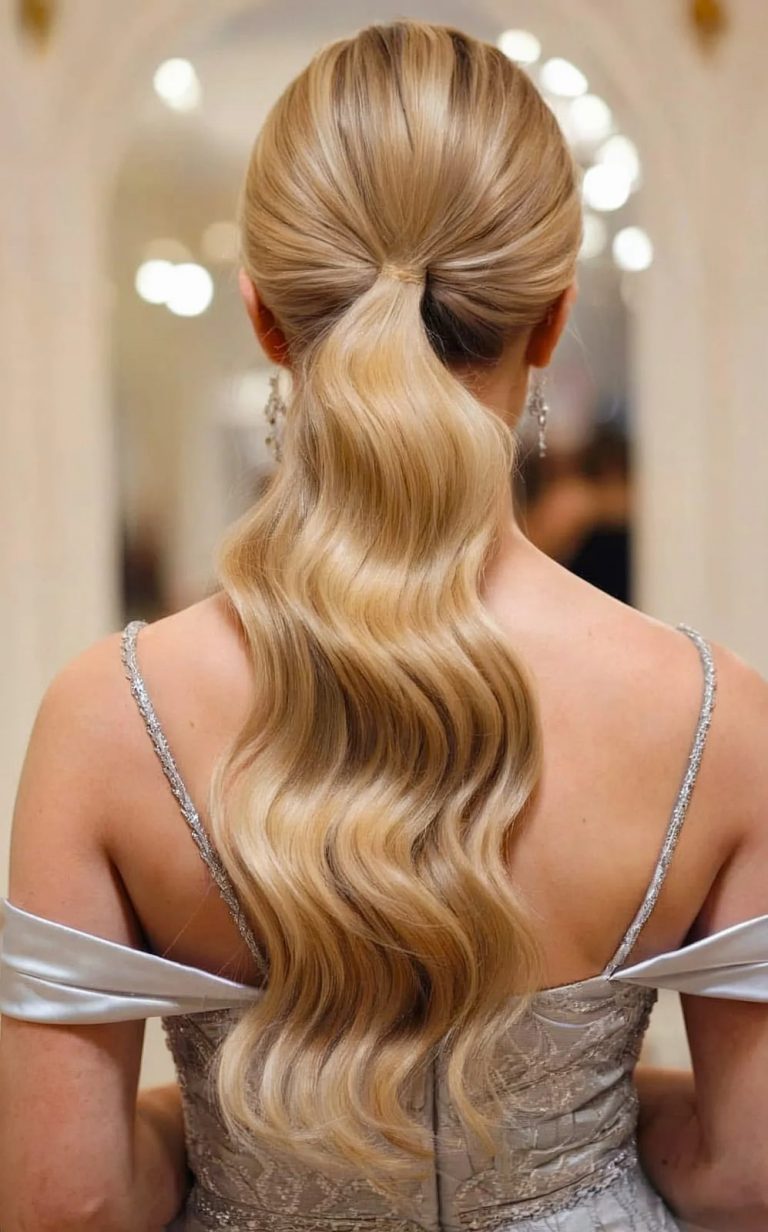
Mid-Back Ponytail With Loose Strands
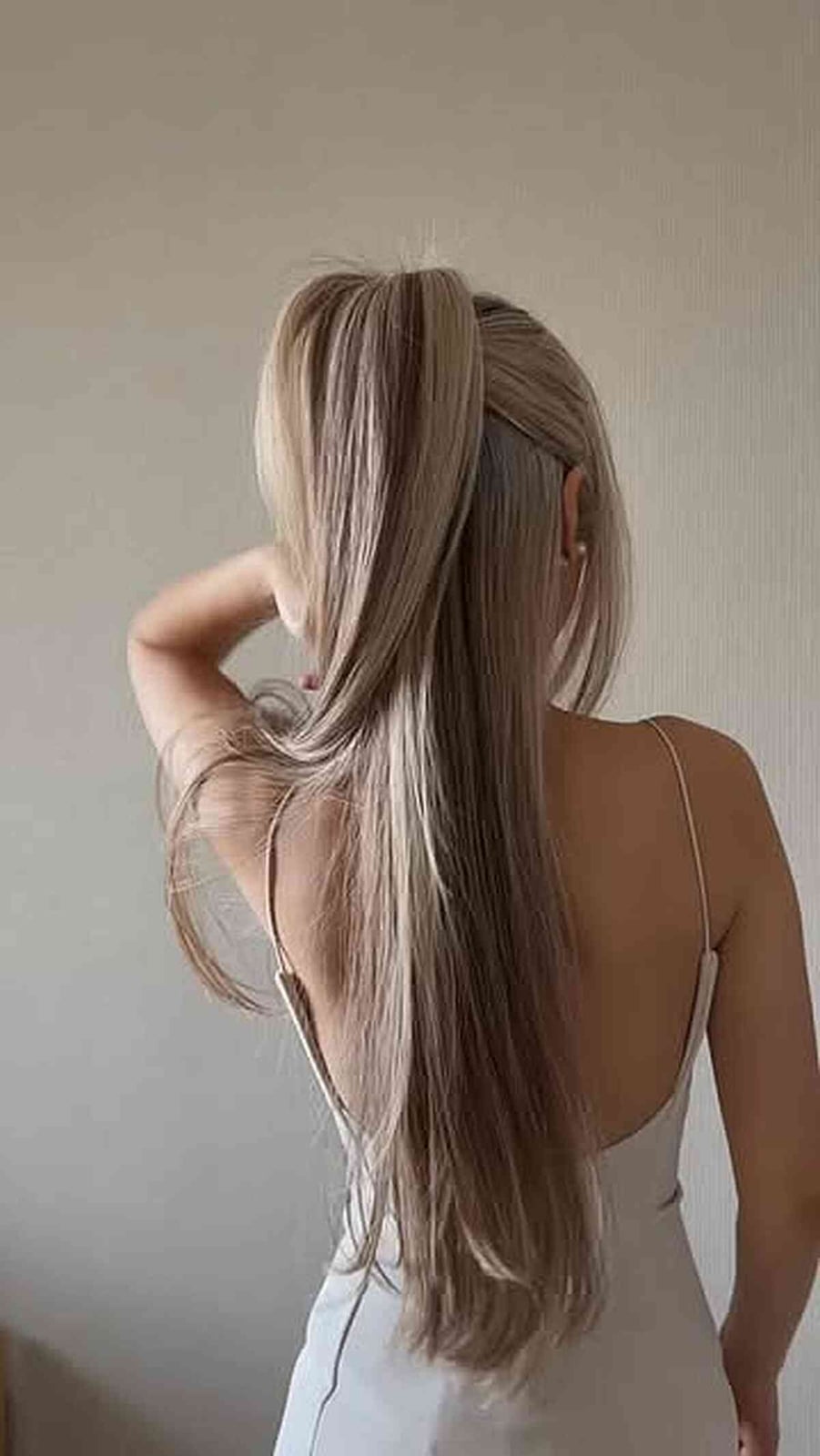
Does a high ponytail work on fine hair, or does it just look skimpy? It works, provided the hair is long enough and the cut has some layering. The subtle layers give the ponytail movement, while the loose strands around the back of the head add softness without hiding the shape. The ash blonde tones with darker roots give depth, so the eye reads texture, not thinness. Ask your stylist for a mid-back length cut with subtle layers and loose framing strands. A smoothing spray keeps the ponytail sleek, and layers hold their shape for about eight to ten weeks before they need a refresh.
Ear Length Stacked Bob With Undercut
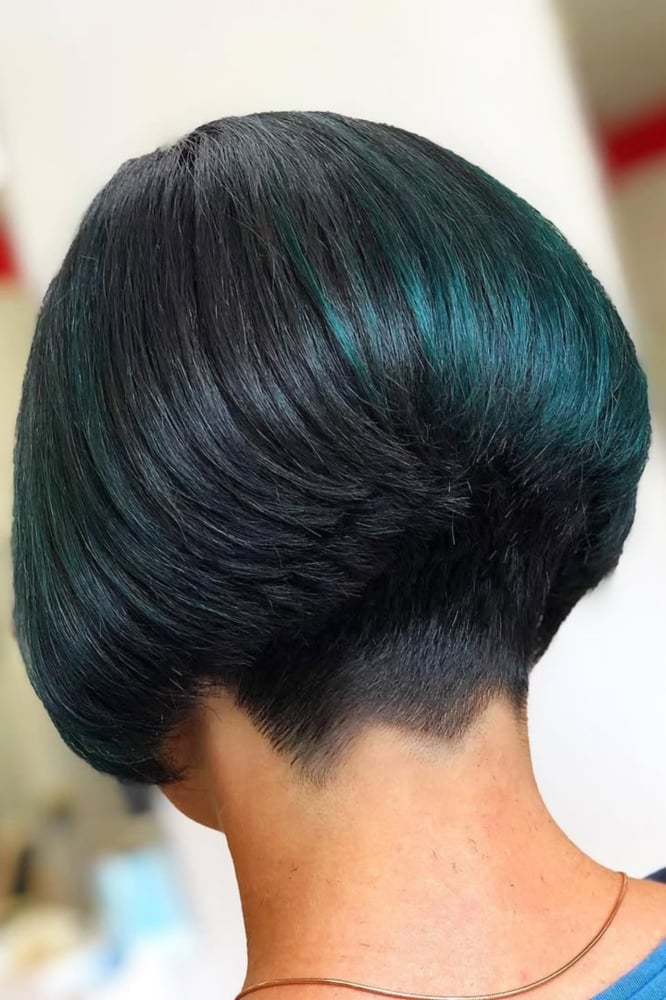
The undercut at the nape removes weight from thick, straight hair so the stacked shape sits crisp instead of bulky. Teal highlights threaded through the black add a subtle shimmer that shows when the hair moves, and the ear length keeps the back view graphic. Ask your stylist for an ear length stacked bob with an undercut at the nape and teal highlights. The drawback is maintenance: the undercut needs a razor visit every three to four weeks, and the bob itself a trim every six to eight, so this is not a low-attention cut.
Messy Low Bun With Face Framing Tendrils
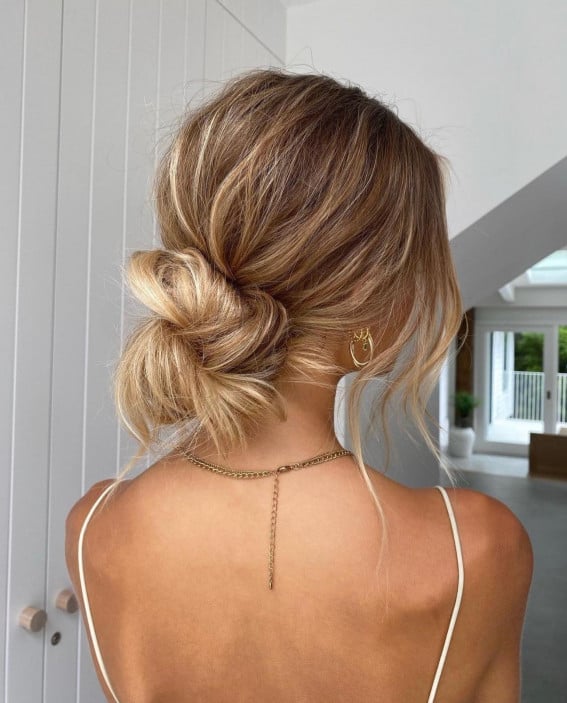
This bun is built on a contradiction: it looks thrown together, but the placement at the nape is deliberate. Wavy, thick hair gives the bun its casual volume, and the blonde highlights add dimension so the messiness reads as texture rather than neglect. Ask your stylist for a low bun with face-framing pieces left out. To get the look at home, gather hair loosely at the nape, twist once, and secure with pins. Then pull a few tendrils free around the ears, and tug gently at the bun to loosen it. Day-two hair holds the shape better than freshly washed, so skip the blow-dry and let the waves do the work.
Collarbone Twisted Low Chignon
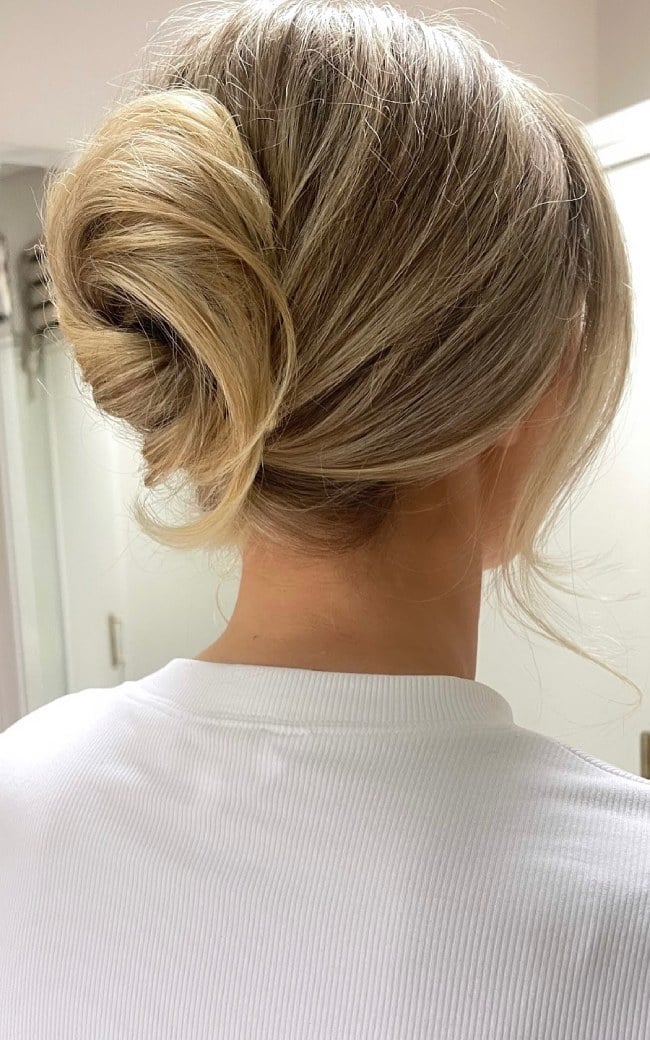
A twisted low chignon is a study in precise geometry, not a casual gather-and-pray situation. The collarbone length base is essential, and those loose neck tendrils are deliberate, not escapees. Ask your stylist for: collarbone length twisted low chignon, loose neck tendrils. Wavy, medium texture holds the twist best; a side parting adds asymmetry that suits oval and square faces. Secure the knot with bobby pins, then use a fine-tooth comb to smooth any surface flyaways for a polished finish.
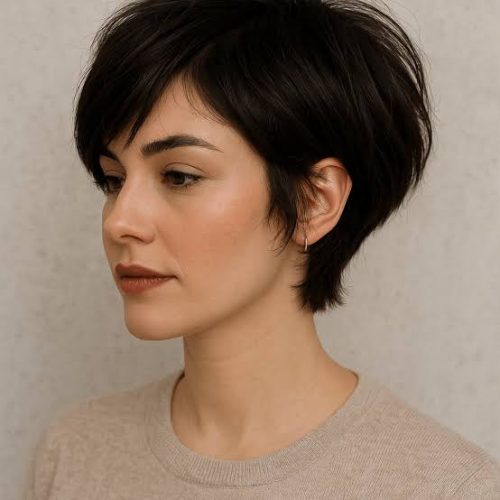
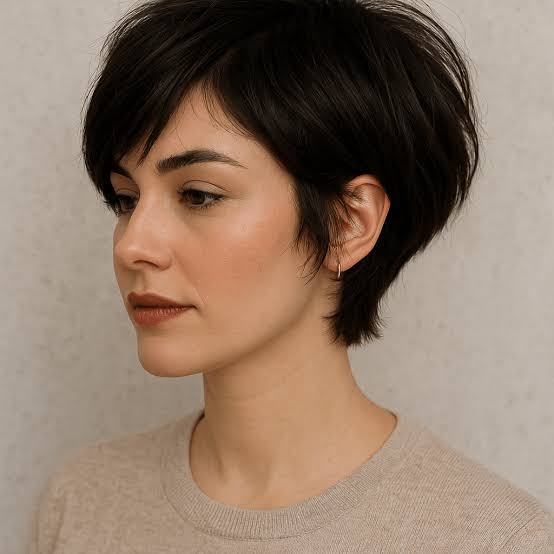
Ear Length Pixie Cut With Choppy Layers
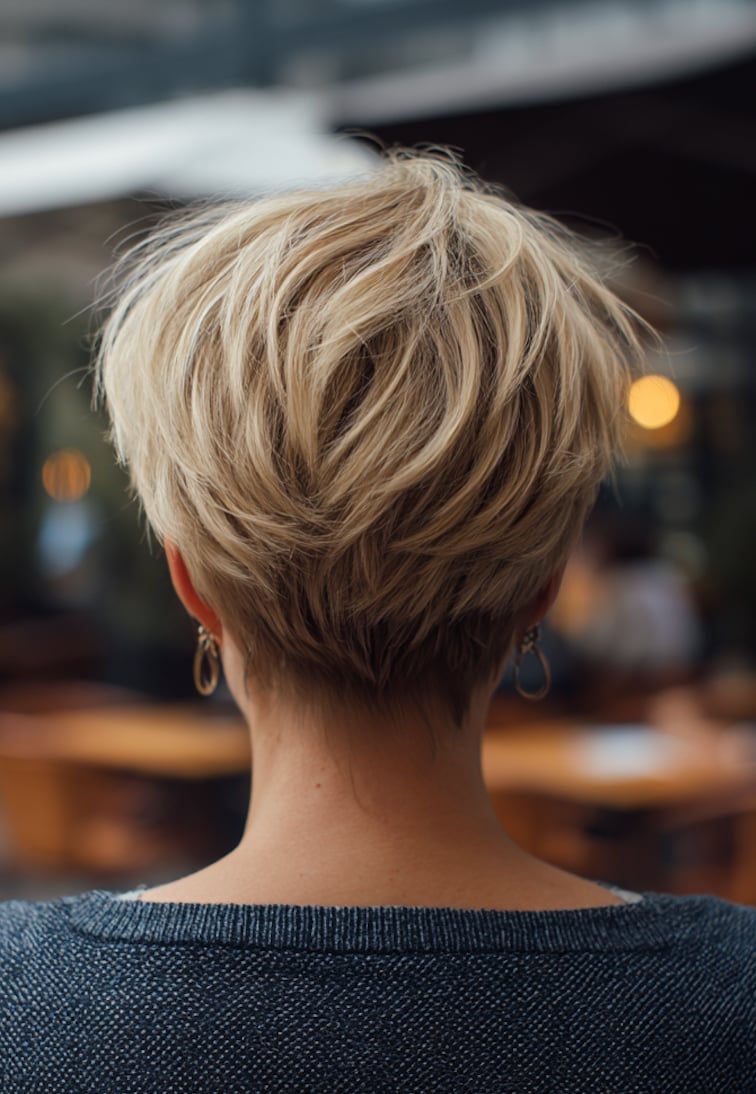
An ear length pixie with choppy layers is honest about what it requires: daily attention. The tapered back and textured surface demand a texturizing paste worked through dry hair to define each piece, and the trim rhythm is every four to six weeks to keep the shape sharp. Ask your stylist for: ear length pixie cut, choppy textured layers. Fine, straight hair benefits most from the added visual density that choppy layering creates. The tousled finish is the goal, so a quick finger-comb after the paste is sufficient.
Chin Length Bob With Undercut And Pink
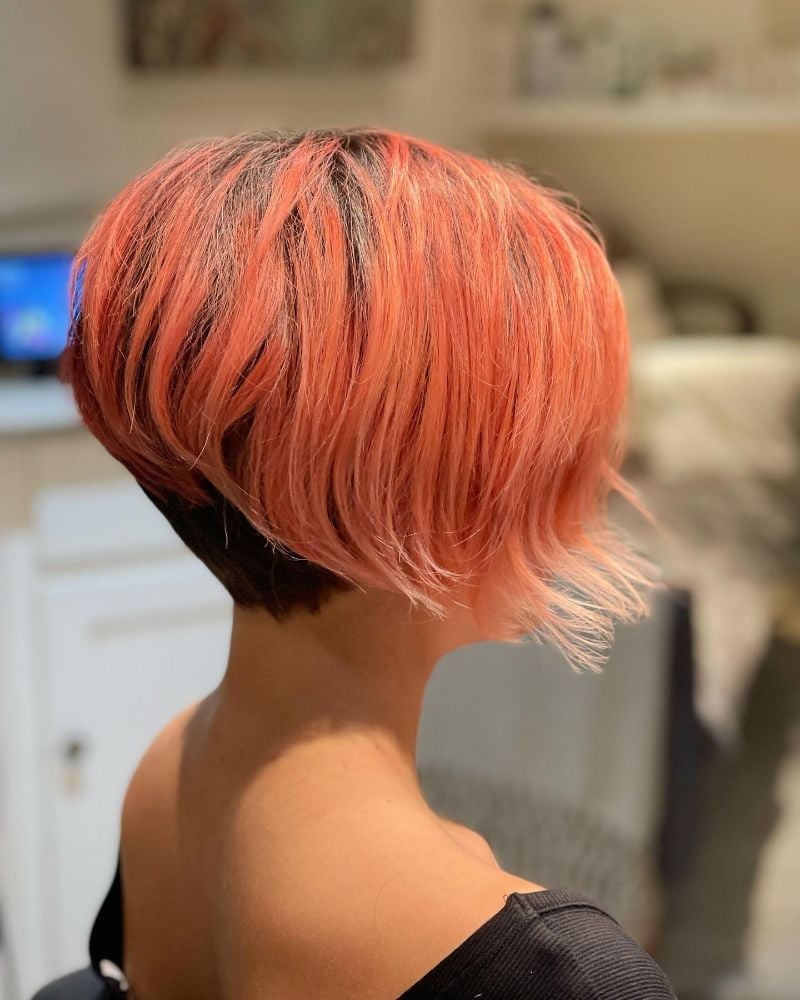
This is not your everyday bob; it is a summer festival statement that trades subtlety for impact. A chin length bob with a sharply undercut nape, colored a vibrant pink against a dark undercut, creates a color block effect. Ask your stylist for: chin length bob, undercut nape, vibrant pink color. Fine, wavy texture carries the pink well, and the undercut removes bulk for those with denser hair. The side parting adds a little asymmetry to the graphic shape.
Collarbone Layered Bob With Blowout
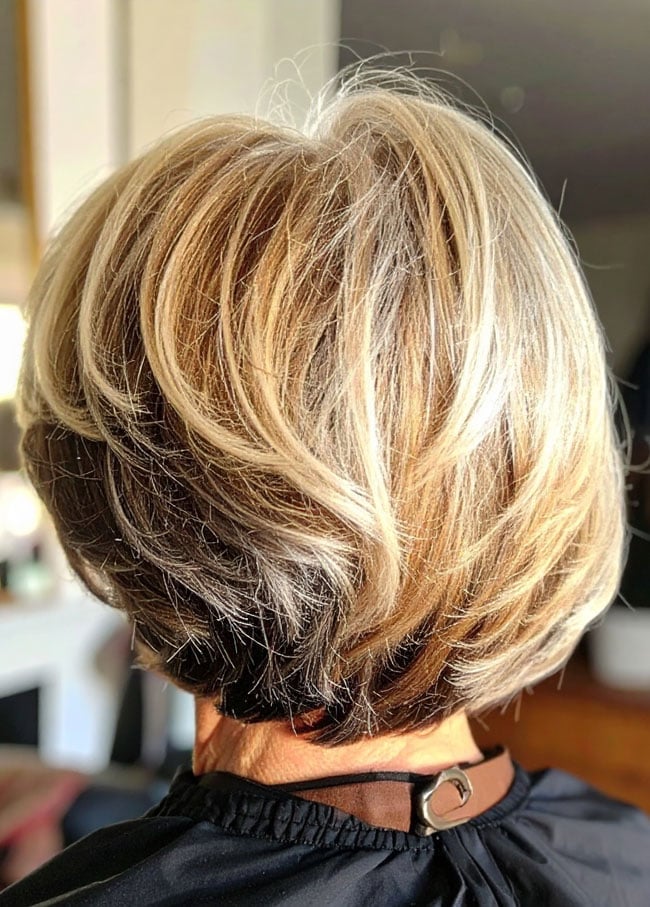
A collarbone layered bob with a smooth blowout is a technical exercise in weight distribution. The layers are cut to remove bulk from the interior while keeping the perimeter dense, which creates movement without sacrificing the blunt edge. Ask your stylist for: collarbone length layered bob, blonde with highlights. Thick, straight hair responds best to this layering pattern. A round brush during blow-drying defines the shape. The highlights add dimension that makes the layers more visible.
Mid-Back V-Shape Hemline With Waves
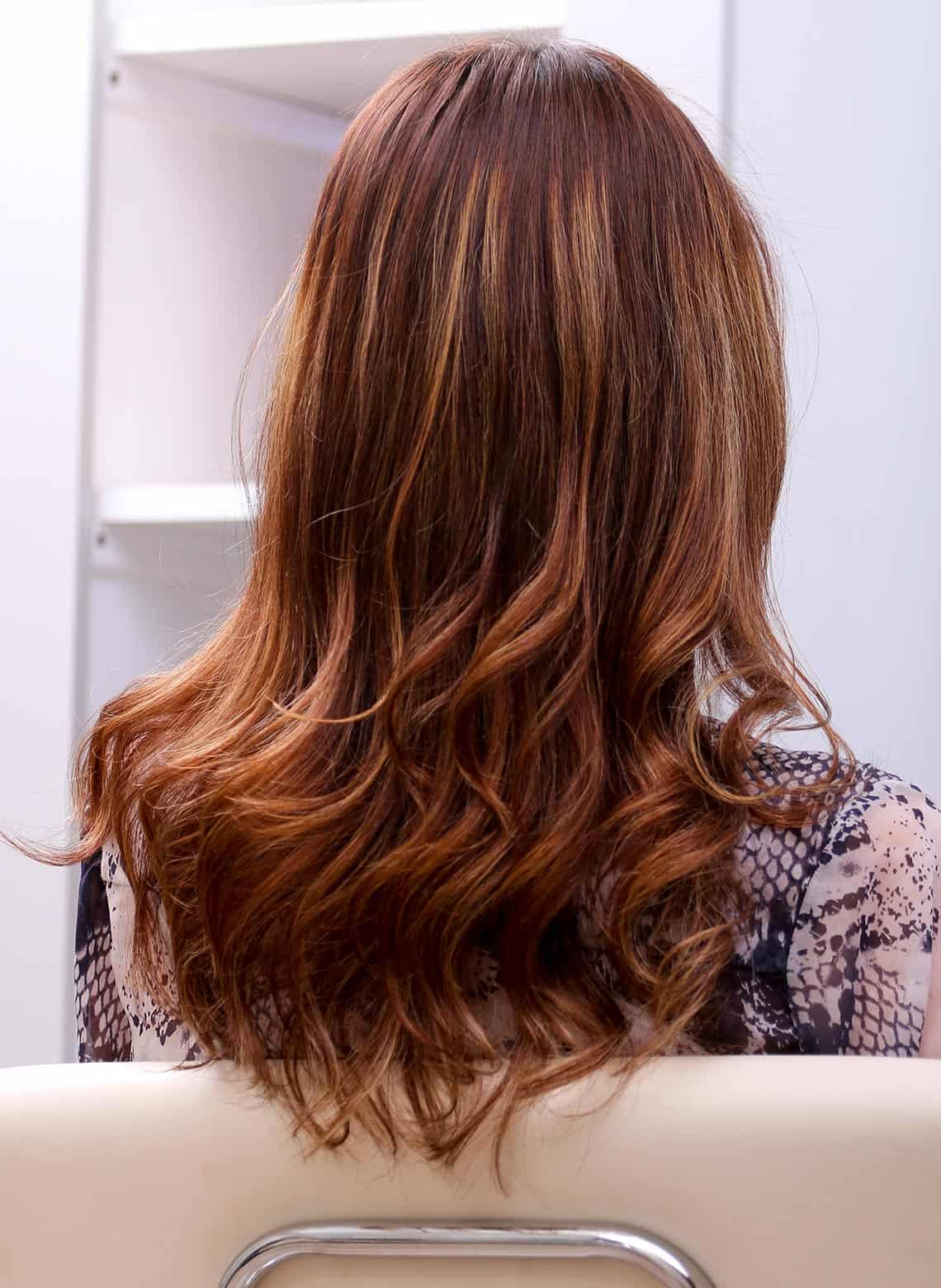
A V-shape hemline works best when you have the length to support it and the thickness to show it off. The soft V at the back elongates the neck and creates a natural focal point, especially when paired with long layers that start below the shoulders. Ask your stylist for: mid-back length, long layers, soft v-shape hemline. Thick, wavy hair of at least mid-back length holds the V shape well. A sea salt spray applied to damp hair before air-drying enhances the waves and emphasizes the point.
Mid-Back Half Up Twist With Waves
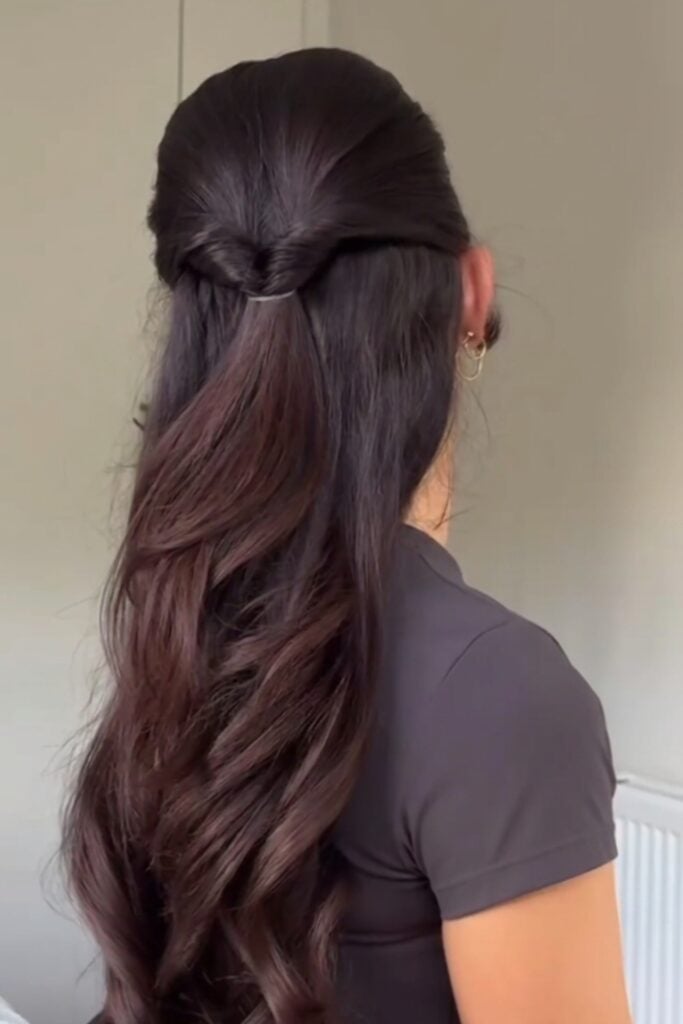
The secret to a half-up twist that actually stays put is the twist itself: pull the crown section back, twist it tightly until it coils against the scalp, then pin it at the occipital bone. For the dark brown mid-back waves below, apply a texturizing spray to damp hair, wrap sections around a large-barrel iron, and let them cool completely before unpinning. That twisted crown detail secures the style, so the lower half can stay soft and loose.
Thick, wavy hair at mid-back length works best here, because the twist needs enough weight to hold its shape. Ask your stylist for: mid-back length, half up twist, soft cascading waves. Secure the twist with two crossed bobby pins for all-day hold, then run a wide-tooth comb through the waves for that undone finish.
Mid-Back Ponytail With Side Braids
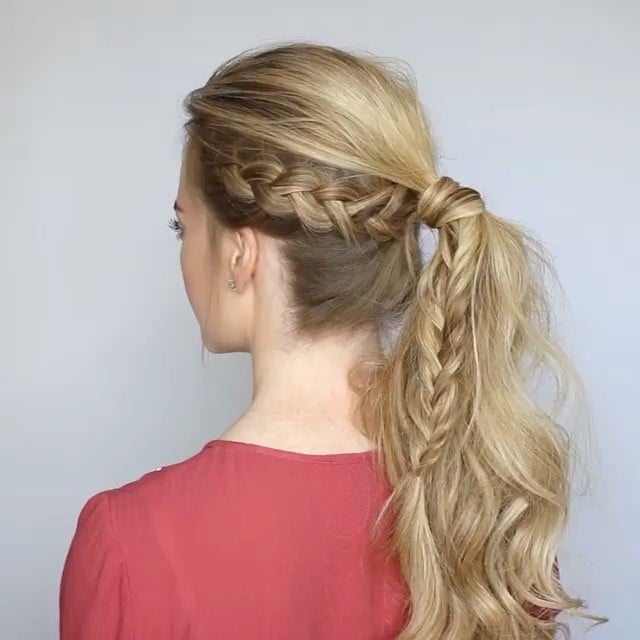
Three braids feed into the high ponytail here: two from each temple and one from the nape, all woven together at the elastic. This mid-back style looks intricate but follows a repeatable pattern. Wavy, thick blonde hair with visible highlights gives the braids definition, so each twist shows against the lighter sections.
This approach suits wavy, thick hair at mid-back length, because the braids need density to read clearly. Ask your stylist for: mid-back length, high ponytail, side braids into tail. A strong hold hairspray keeps the braids from frizzing, and the whole thing takes about 30 minutes to assemble.
Ear Length Stacked Bob Auburn Highlights
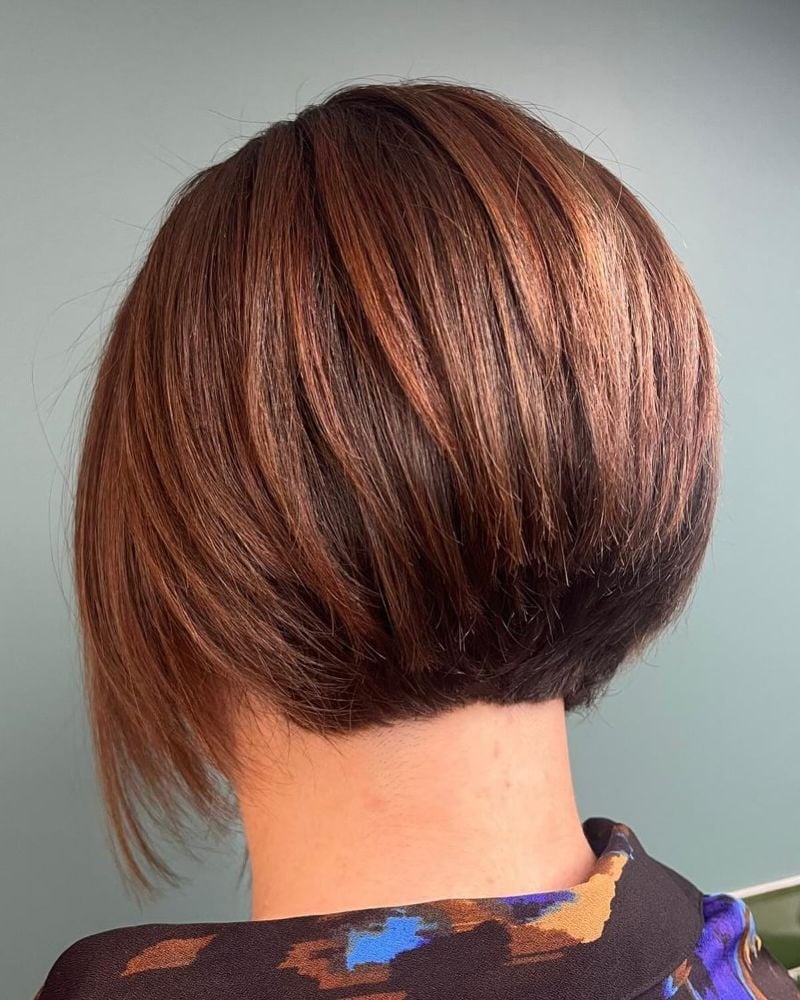
A stacked bob on fine, straight hair delivers volume where you need it most: the crown and nape. This ear-length version in dark brown with subtle auburn highlights uses graduated layers to build a rounded silhouette that doesn’t fall flat by midday. The auburn pieces add depth without overwhelming the base color. Ask your stylist for: ear length stacked bob, subtle auburn highlights. A smoothing cream keeps the ends sleek, and the stacked shape needs a trim every 6 to 8 weeks to keep that clean, rounded edge.
Ear Length Pixie Cut Wet Look
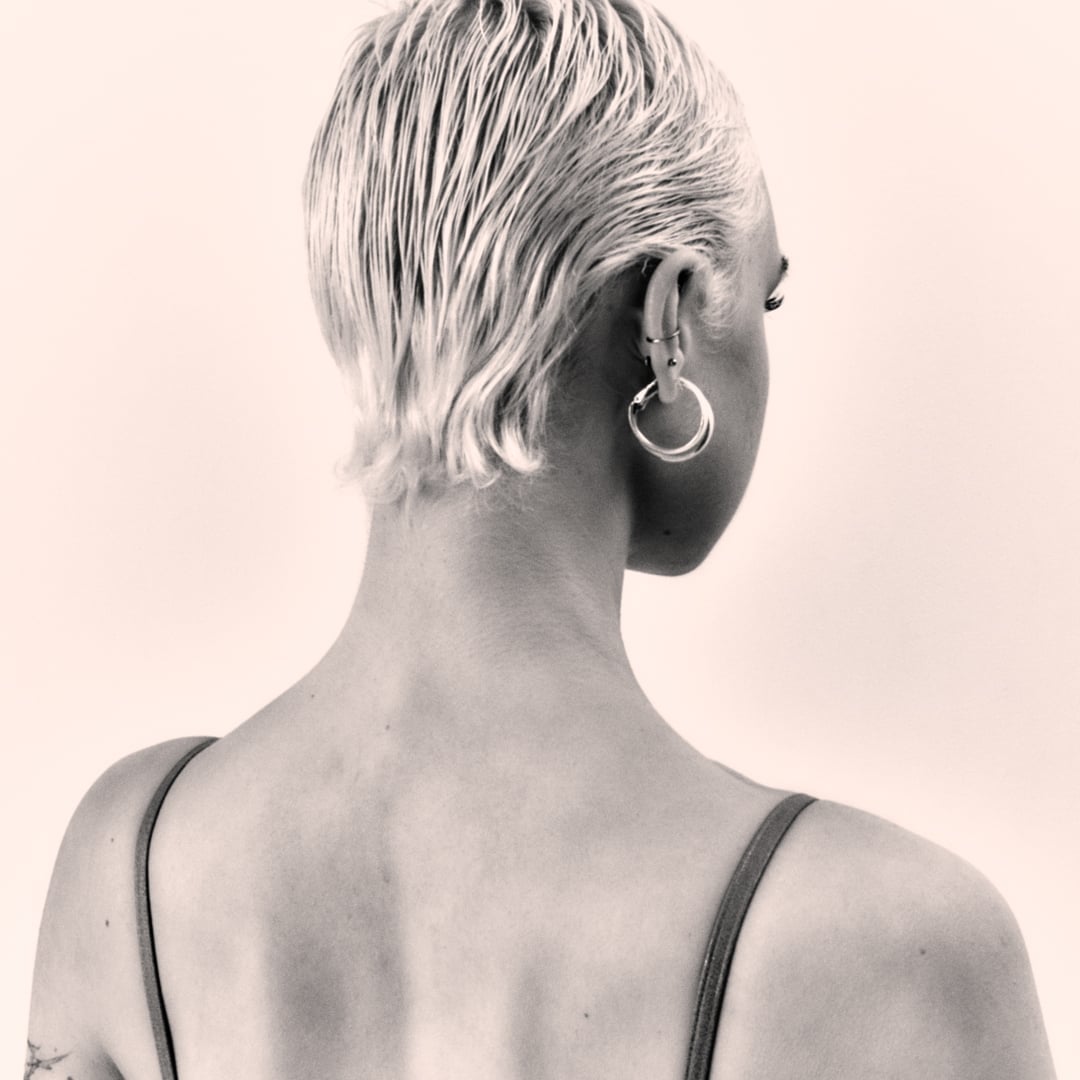
The gel or pomade needs to coat every strand evenly, and that means starting with damp, not soaking, hair. Fine, wavy texture at ear length holds the slicked shape best, because the waves give the product something to grip. Ask your stylist for: ear length pixie cut, platinum blonde, wet look finish. This is a salon cut, but the styling you can do at home in under five minutes, which is the trade-off for the high-gloss finish.
Ear Length Pixie With Undercut Nape
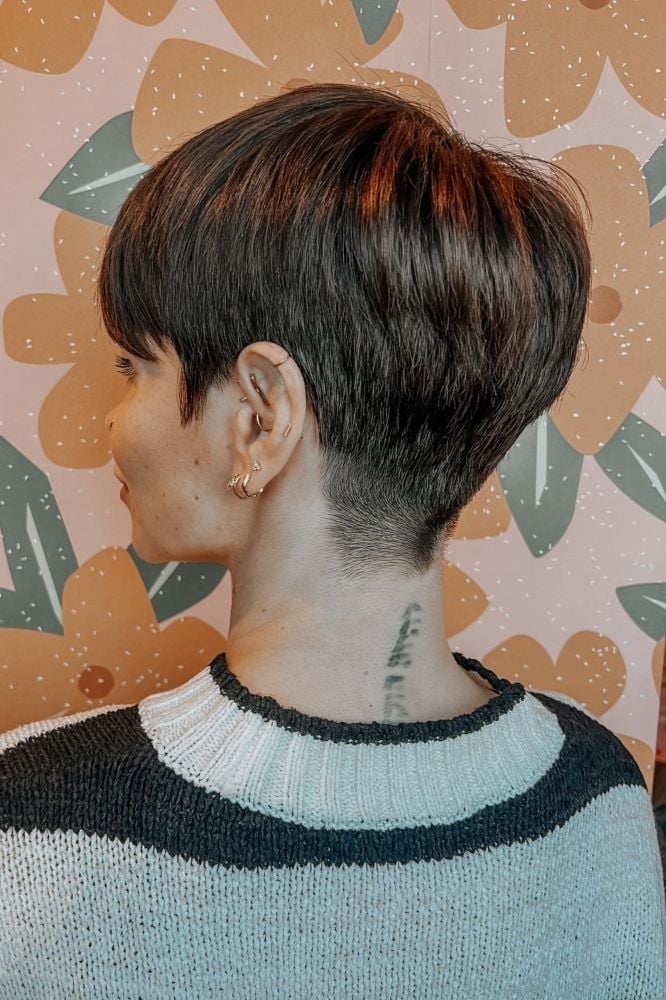
The undercut nape on this dark brown pixie removes bulk and creates a clean, sharp line at the back, but it also creates a grow-out problem. That shaved section will need a clipper pass every 4 to 6 weeks, or you will have a fuzzy patch between the short bangs and the nape. Fine, straight hair starting at ear length handles the undercut well, because the lack of weight keeps the top piece from collapsing. Ask your stylist for: ear length pixie cut, short bangs, undercut nape. A texturizing spray adds grip to the crown pieces.
Final Thoughts
For fine hair, stick with blunt cuts or stacked bobs to build density. For thick hair, long layers or a subtle undercut manage weight without losing shape. Always let your usual styling time guide the choice between a sharp line and soft texture.
- Trim blunt bobs and bobs with blunt bangs every 6-8 weeks.
- Longer layered cuts benefit from a trim every 8-10 weeks to maintain shape.
- Braids require regular re-braiding to keep them neat.
- Updos like buns and chignons are best for second or third-day hair.
- Pixie cuts need frequent trims, typically every 4-6 weeks, to retain their shape.
Simple back haircuts are about clean lines and flattering shapes.