20 Aesthetic Afro Hair 2027 for Bold Looks

Afro hair is a canvas for architectural shapes, natural volume, and intricate detailing, a cut that respects your curl pattern is the real foundation. This season, glossy natural texture and soft layers are replacing rigid shapes, giving each style room to move.
These 20 looks span from salon-built updos to air-dried everyday shapes, covering short crops, mid-back lengths, and everything with bangs or without. Aesthetic Afro Hair in practice means choosing a shape that holds its definition without fighting your texture. No more struggling to keep a fringe from shrinking or a blowout from losing its lift by noon.
Elaborate Sculpted Afro Updo With Braided Crown
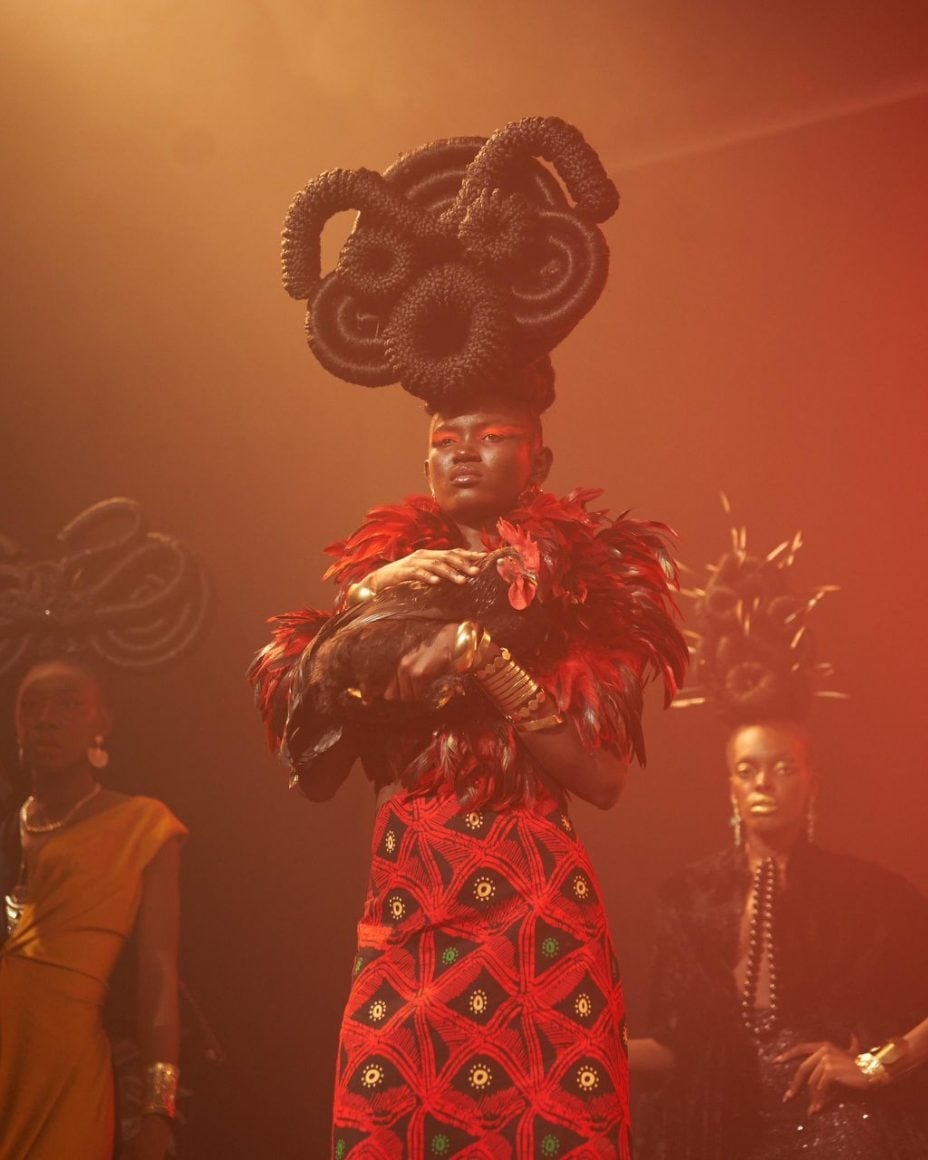
This is a constructed updo where the coily texture is woven into a braided crown that sits high on the head, dense and deliberate. The shape holds its own architecture, so you need hair at least shoulder length with enough density for the braiding to read clearly. Ask your stylist for: sculpted afro updo with braided crown. The whole point is the precision of those sections, which means this is a salon-only situation and a silk scarf at night is required if you want the crown to survive till morning.
Naturally Voluminous Mid-Back Afro With Middle Part

Does every face shape actually suit a middle part on a voluminous afro? Yes, with one caveat: the length needs to hit mid-back so the weight pulls the sides down slightly, softening a square jaw while the height balances a long face. The coily, thick texture here is air-dried, which gives the volume a soft, cloud-like edge rather than a stiff one.
Ask your stylist for: natural mid-back afro with middle part. To keep the shape from going flat, refresh with water and a wide-tooth pick in the morning. A trim every eight to ten weeks stops the ends from thinning out the density.
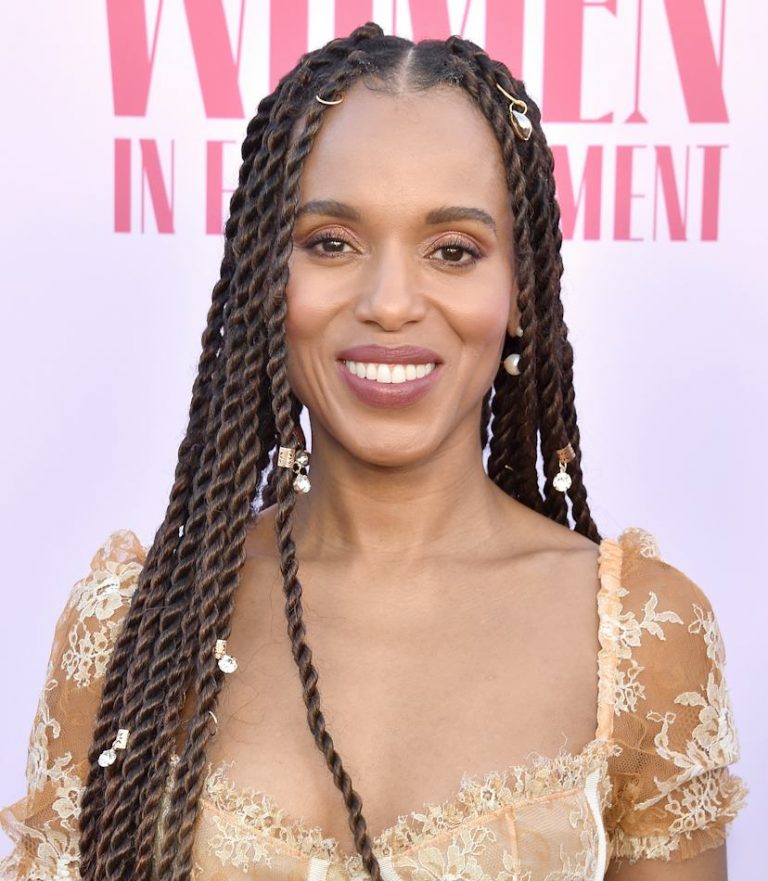
Mid-Back Braids With Extensions and Beads
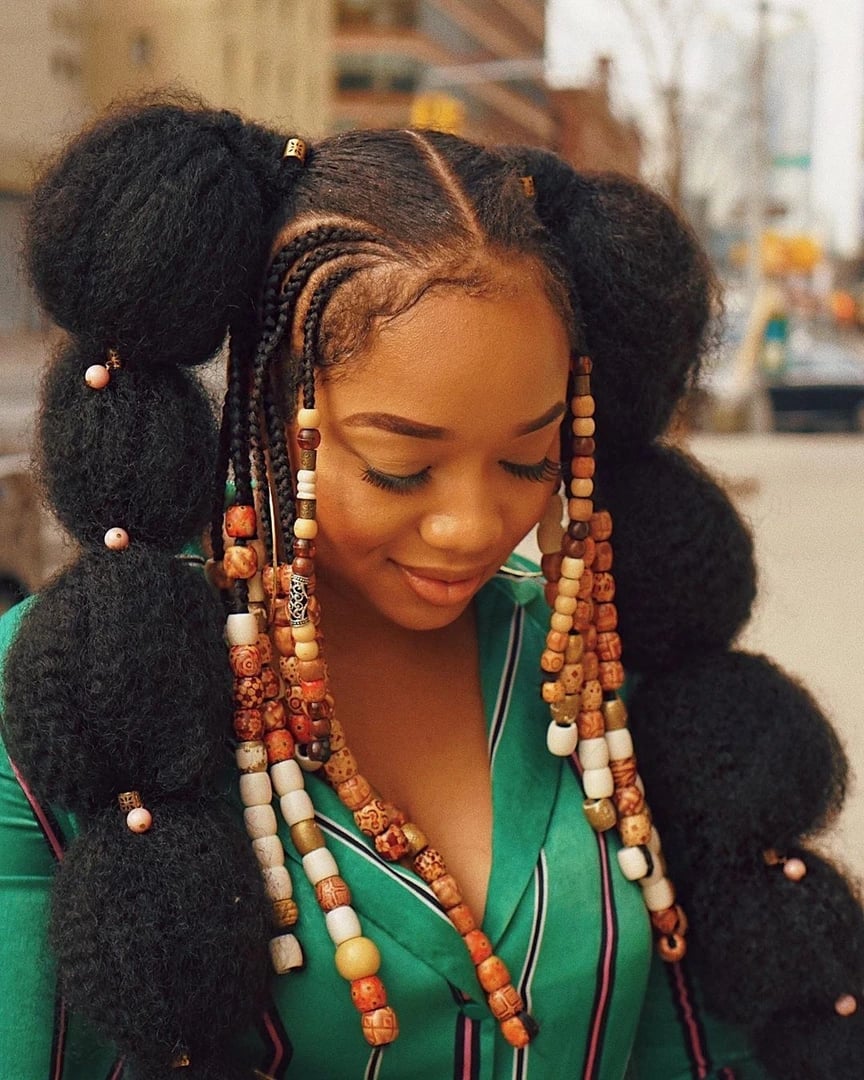
Ask your stylist for: mid-back braids with extensions and beads. This is a festival or statement occasion style, not a quick weekly refresh. Scalp oiling every few days keeps the roots comfortable, and the braids themselves can last four to six weeks with proper nighttime protection.
Voluminous Coily Dreadlocks Updo
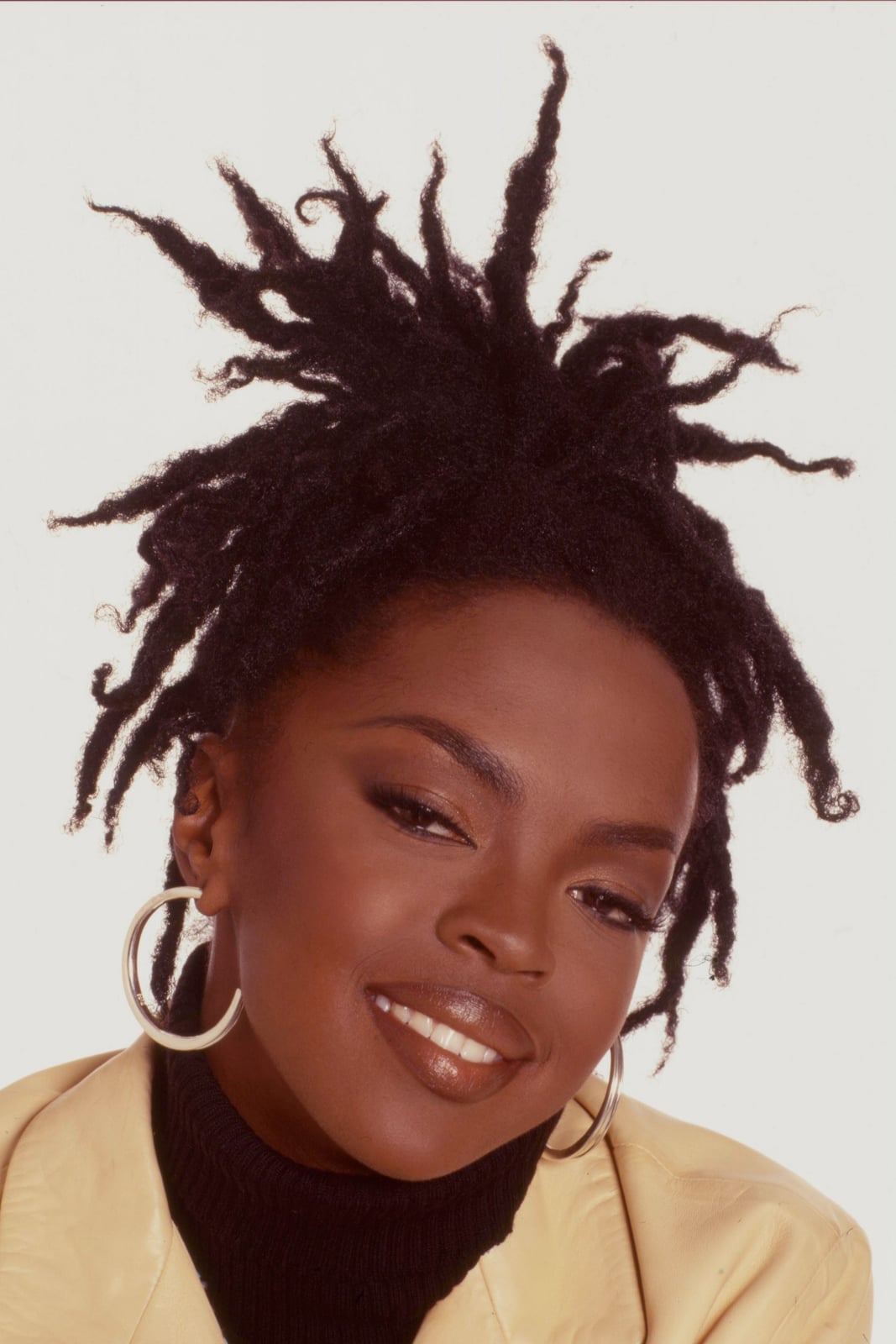
If you are torn between wearing dreadlocks loose and styling them up, this is the version that proves you can have both: voluminous coily dreadlocks pulled into an updo with a middle parting that keeps the weight evenly distributed. The texture is thick and dense, so the updo holds its shape without needing pins everywhere.
Ask your stylist for: voluminous dreadlocks updo. Compared to a loose style, this requires less daily handling, but a salon visit for the initial shaping is the safer bet. A retwist every six to eight weeks maintains the clean line at the roots.
Massive Volume Mid-Back Natural Afro
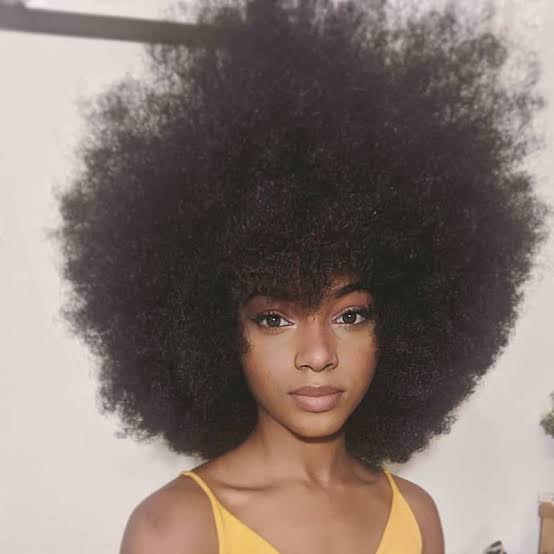
The volume here is the whole story: a mid-back natural afro with no visible parting or bangs, just a rounded mass of coily, thick texture that reads as air-dried and deliberately unshaped. Massive volume does not maintain itself, though. Daily use of a wide-tooth comb or pick keeps the shape from matting, and a thorough detangling session once a week prevents the ends from locking up.
Ask your stylist for: massive volume mid-back natural afro. A trim every eight weeks keeps the silhouette crisp without sacrificing length. Sleeping in a satin bonnet is not optional if you want the volume to last past day one.
Air Dried Mid-Back Afro With Volume
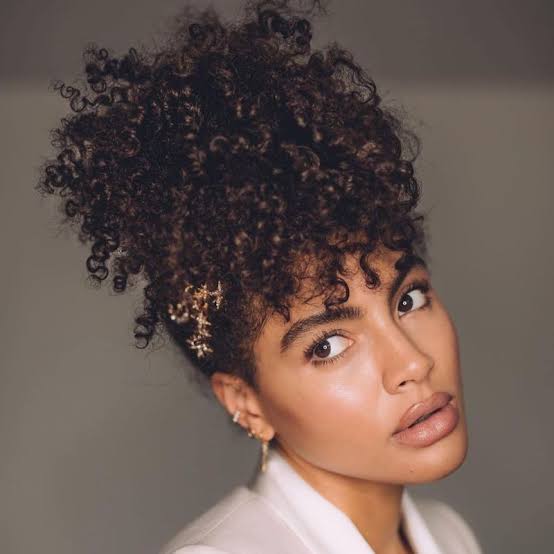
For a more predictable result, section the hair into four parts before applying products. A wide-tooth comb distributes conditioner evenly without breaking the curl pattern. The honest drawback is that humidity can turn a defined afro into a fuzzy one by midday, so a lightweight gel or mousse on the ends helps the texture hold its coil.
Thick Coily Afro With Immense Volume
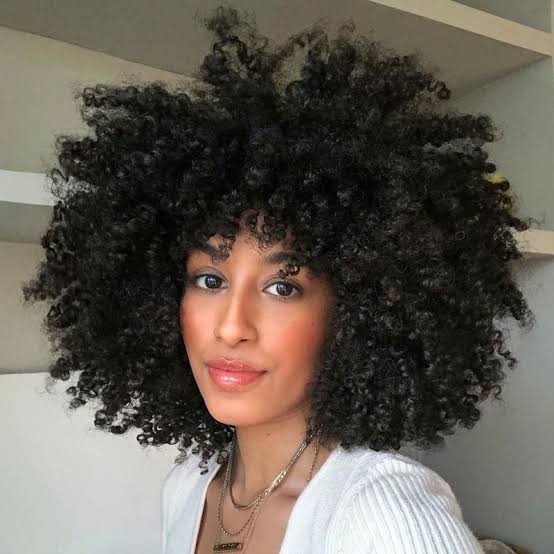
Here is the honest assessment: a thick coily afro with immense volume is not a low-maintenance style. The mid-back length and air-dried finish mean the hair needs regular deep conditioning to stay hydrated, and detangling sessions can run thirty minutes or more. Ask your stylist for: thick coily afro with immense volume. This look suits hair that already air dries into a defined coil and can handle the weight of its own density. A salon cut is essential to shape the afro into a balanced dome, but the daily styling is a home routine: water, leave-in, and a diffuser on low heat if you are short on time. The upkeep involves a trim every ten weeks to prevent the ends from thinning out under all that volume.
Voluminous Natural Afro With Flowers

Can you wear a mid-back afro to a garden party without looking like you tried too hard? Yes, and the answer involves small yellow flowers tucked into the coils. Ask your stylist for: natural mid-back afro with flowers. This style suits thick, coily hair that already holds volume naturally, and the lack of bangs keeps the focus on the overall shape. The flowers are a DIY addition, not a salon technique: choose fresh or dried stems, snip the stems short, and slide them into the hair at the temples or crown. A back view shows how the blooms break up the dense texture and add a soft, seasonal accent.
The occasion matters here. This is a style for outdoor events, brunches, or summer weddings where a little whimsy fits the setting. No heat styling is needed, which protects the hair’s natural moisture. The flowers last a few hours before wilting, so have a backup plan if the event runs long.
Collarbone Layers With High Volume Blowout
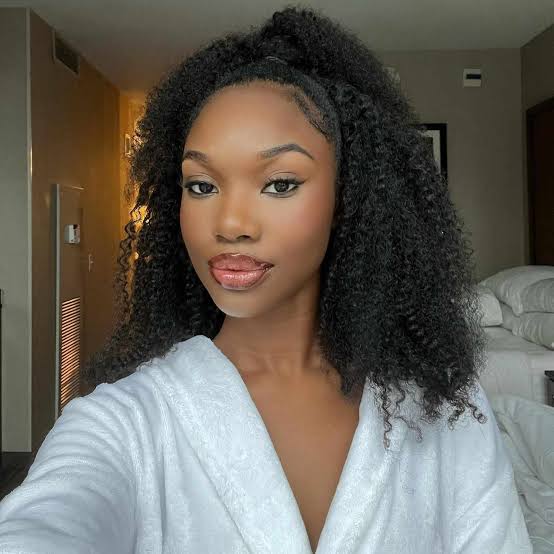
A collarbone-length blowout on thick, coily hair is a design that relies on the side parting and internal layers to create lift at the crown without the shape feeling top-heavy. Ask your stylist for: collarbone length layers with high volume blowout. This cut suits medium to thick hair that can hold a round-brush shape; fine hair may struggle to maintain the volume past the first few hours. The layers sit below the jawline, which softens a square face shape and adds movement without removing too much density. The honest drawback is that a high-volume blowout requires a large round brush and a steady hand at home, and the style will drop by about thirty percent in humidity. A trim every ten weeks keeps the ends from looking ragged.
Shoulder Length Air Dried Coily Layers

Shoulder-length coily layers air dried into their natural shape rely on the cut itself doing the work. Ask your stylist for: shoulder length air dried coily layers. The brown base with subtle lighter highlights adds dimension without a full color commitment. This style suits thick, coily hair that air dries into a defined curl pattern; the layers prevent a triangular shape by removing weight from the sides. The daily styling steps are straightforward: apply a curl cream to damp hair, scrunch from the ends upward, and let it dry naturally. A trim every eight weeks keeps the layers visible and the shape rounded. The volume is consistent through the day because the hair is not fighting heat damage or product buildup.
Geometric Braids Transitioning to Shoulder Afro
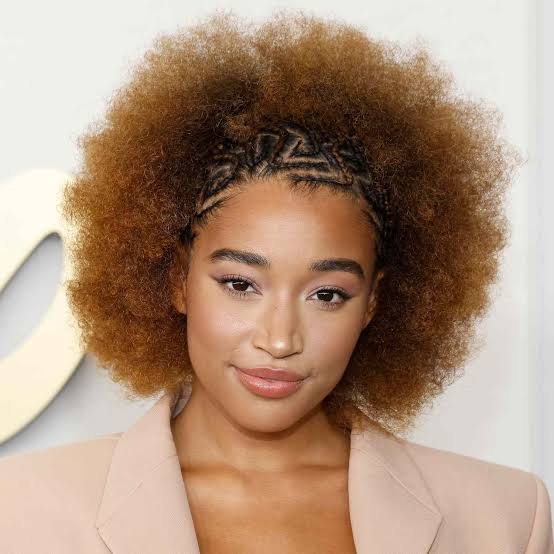
The design hinges on a precise boundary: geometric braids at the hairline that stop short, letting a shoulder-length afro take over through the rest. The warm brown hue ties both textures together, so the shift looks like a single cohesive style. Coily hair with enough length for that afro volume is the starting point. Anything shorter than shoulder length won’t give the braids room to breathe into the natural shape.
Ask your stylist for: shoulder afro with geometric braids. This is a salon job, not a kitchen-table experiment. The braids require parting that aligns with your natural growth pattern, and the afro section needs a precise cut so the transition line stays clean. A root pick and a light oil on the scalp keep the braided half neat between washes.
Full Volume Short Natural Afro
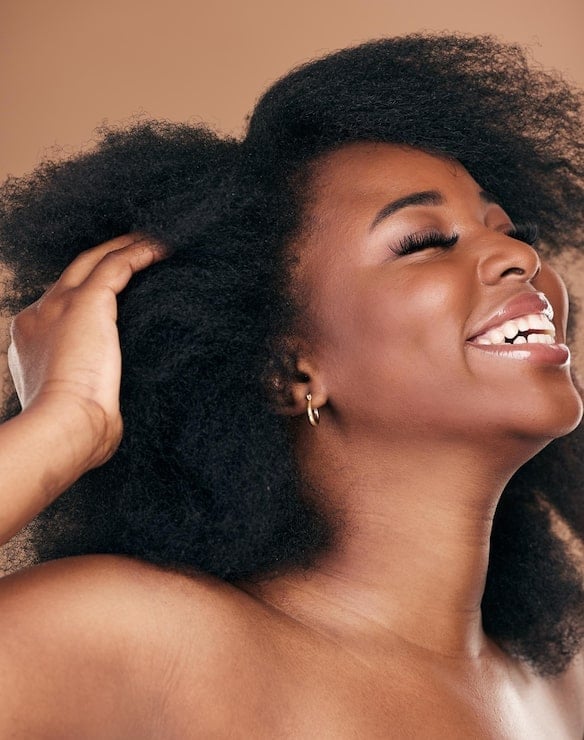
A full, rounded afro at shoulder length is the standard for a reason: it works on coily texture without much fuss. Ask your stylist for: full volume short natural afro. The catch is that a true sphere demands regular shaping, skip a trim by more than eight weeks and the outline starts to drift. You can maintain the volume at home with a wide-tooth pick and a misting bottle, but the initial cut needs a stylist’s eye for symmetry.
Rounded Short Afro With Thick Texture
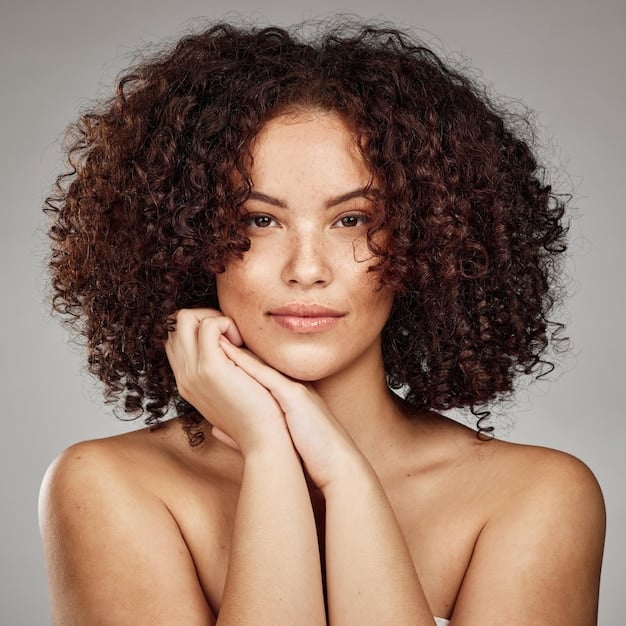
This is not the loose, cloud-like afro. It is a dense, compact hemisphere where every coil stacks against the next. A center part and a profile view that shows the even curve are the giveaways. Dense coily hair holds this shape best; thinner textures tend to collapse into a flat cap within hours. Ask your stylist for: rounded short afro with thick texture. The cut relies on internal layering to keep the mass from looking top-heavy, so choose a stylist who understands weight distribution.
Ear Length Short Afro With Natural Texture
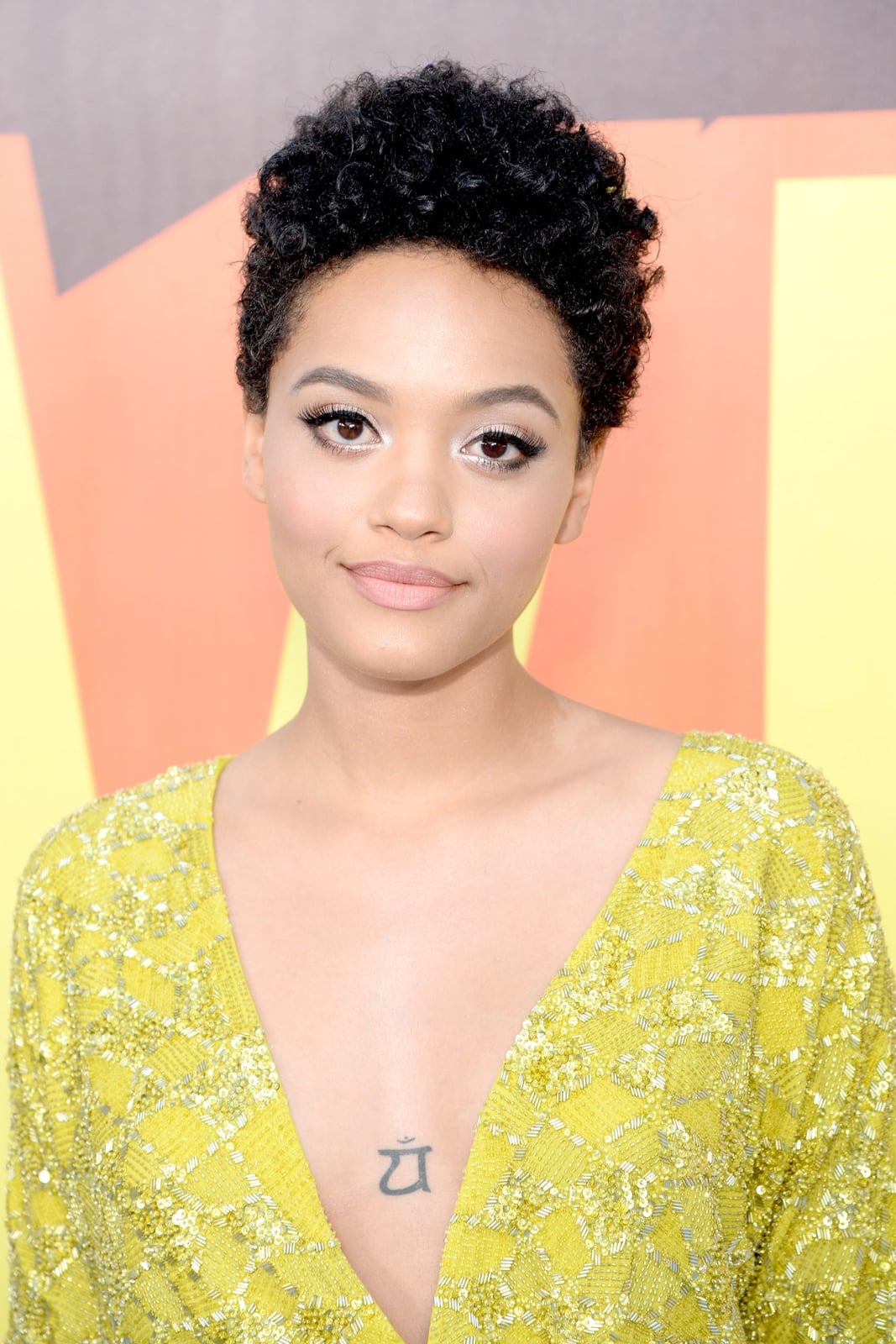
Ear length is the sweet spot where a short afro still has enough weight to hold a defined shape but short enough to air dry in under an hour. The side parting breaks up the roundness, giving a slightly asymmetrical feel that keeps it from reading as a uniform dome.
Ask your stylist for: ear length short afro with natural texture. Upkeep is straightforward: a leave-in conditioner after washing, then let it dry. A trim every six to eight weeks maintains the ear-length line; push it to ten weeks and the nape starts creeping toward your collar. The grow-out phase is forgiving, it just gets fuller before it gets longer, so you can stretch salon visits without the awkward in-between phase that bobs and pixies suffer.
Intricate Bantu Knots With Dark Brown Hue
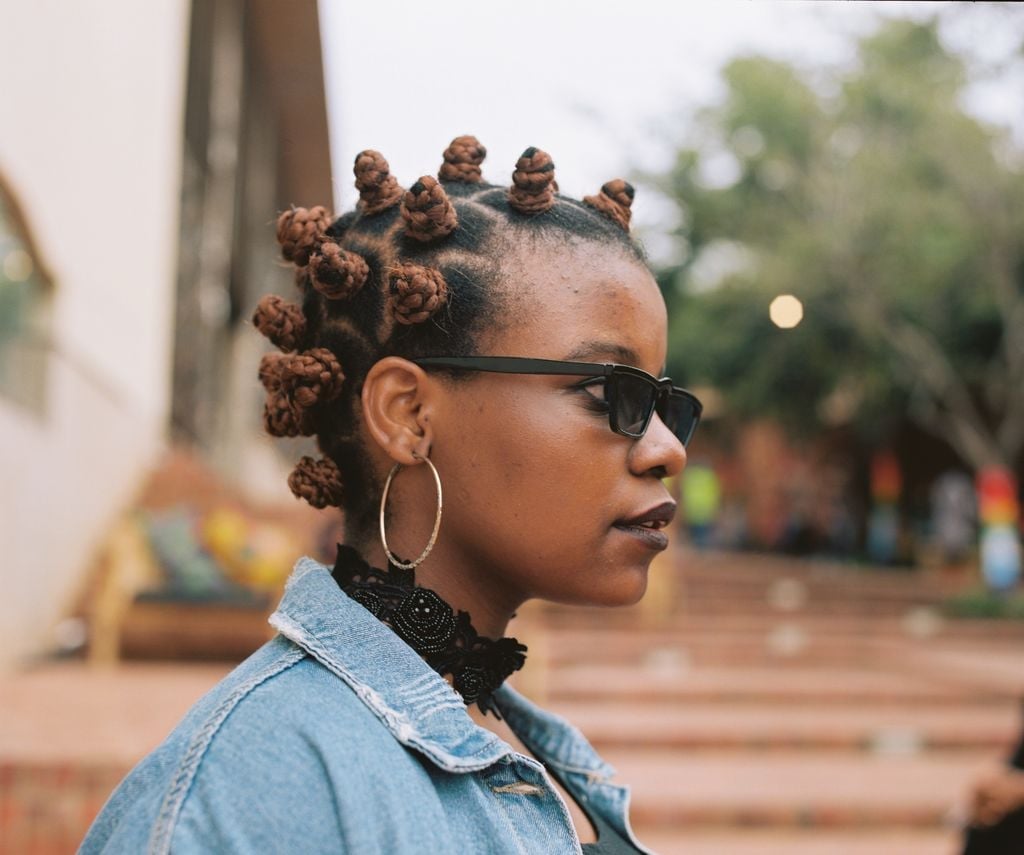
Each knot is a small, coiled spire, dark brown, precisely sectioned, arranged in concentric rows from the crown to the nape. The side view shows the pattern clearly: no two knots are identical in size, but the overall grid is evenly spaced. Ask your stylist for: intricate bantu knots on dark brown hair. This is a protective style that works best on thick, coily hair at ear length or longer. The occasion is the kind of event where you want the sculpture to do the talking, gallery openings, milestone dinners, a wedding where you are not the bride but still want to stand out.
Short Afro With Sharp Fade and Slicked Top
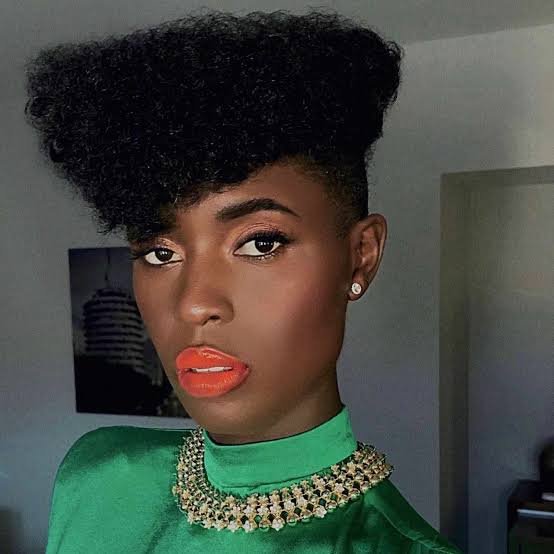
A short afro with a sharp fade and a slicked back top creates a clean contrast between the sides and the voluminous top. The fade keeps the sides neat, while the slicked top draws the eye upward. Ask your stylist for: short afro with sharp fade and slicked top. Thick, coily hair holds the slicked shape best; fine texture tends to wilt by midday. This is a salon-only cut. The fade needs a clipper, and the top requires a strong hold gel applied before the hair dries. The drawback: you are committed to that fade every two to three weeks, or it looks like a grown-out experiment.
Tapered Pixie With Swept Fringe
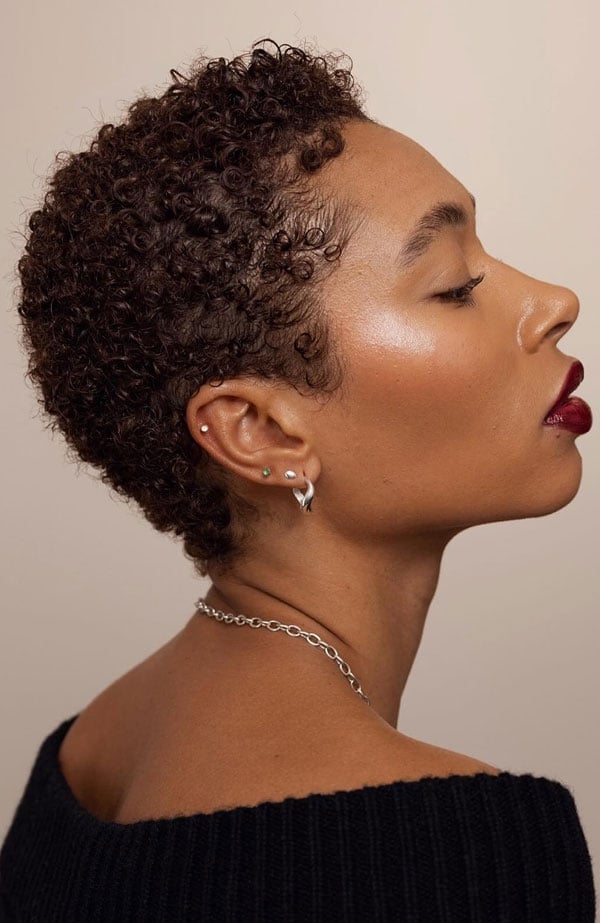
A tapered pixie on fine, coily hair is a geometry problem that rewards precision. The nape and sides are cut short, graduating upward to leave more length on top, where a short, swept fringe sits. Ask your stylist for: tapered pixie cut with swept fringe. This shape works best for those with a longer face. The side fringe and tapered neckline add width without extra bulk. The challenge is the fringe itself: fine coily strands resist directional styling, so a dab of pomade applied after a mist of water is the only reliable method. The taper needs a trim every four to six weeks to keep the line clean, no exceptions.
Who should skip it? Anyone who wants to sleep in and run a hand through their hair on the way out the door. A tapered pixie demands a morning ritual, however short. The cut creates a clean silhouette that frames the face from every angle.
Short Pixie With Wet Look and Defined Edges
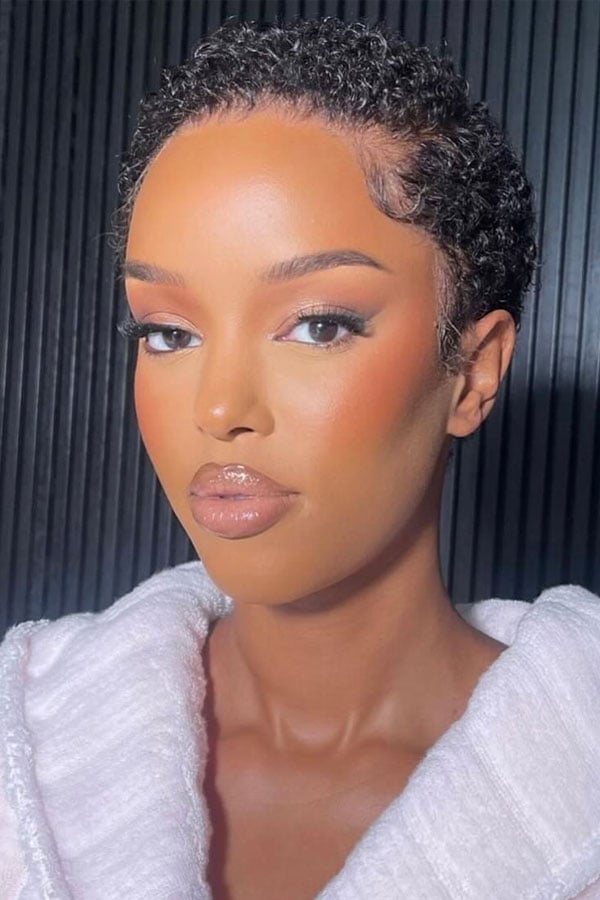
A short pixie with a wet look is built from product and patience. The hair is styled flat against the scalp with a gel or serum, creating a sleek, reflective finish that emphasizes the cut’s architecture. Ask your stylist for: short pixie with wet look and short fringe. The short fringe and defined edges are the focal points. They need to be sharp, which means a salon visit for the initial cut and a DIY touch-up with a razor comb between appointments. The wet look holds for a full day on fine, coily texture, but it does require reapplication of product after washing.
Textured Afro Puff With Short Fringe

A textured afro puff with a short fringe is a low-commitment high-reward style. The hair is gathered upward into a rounded puff, leaving a short fringe that falls forward naturally. Ask your stylist for: textured afro puff with short fringe. This design flatters oval and round face shapes equally, because the fringe breaks up the hairline while the puff adds height. The drawback is the fringe itself: it needs a trim every three weeks to stay out of your eyes, and it will not lay flat on humid days. Dense, coily texture holds the puff shape best; thinner hair may need a light-hold spray to keep the volume from deflating by afternoon.
Salt and Pepper Updo With Face-Framing Tendrils
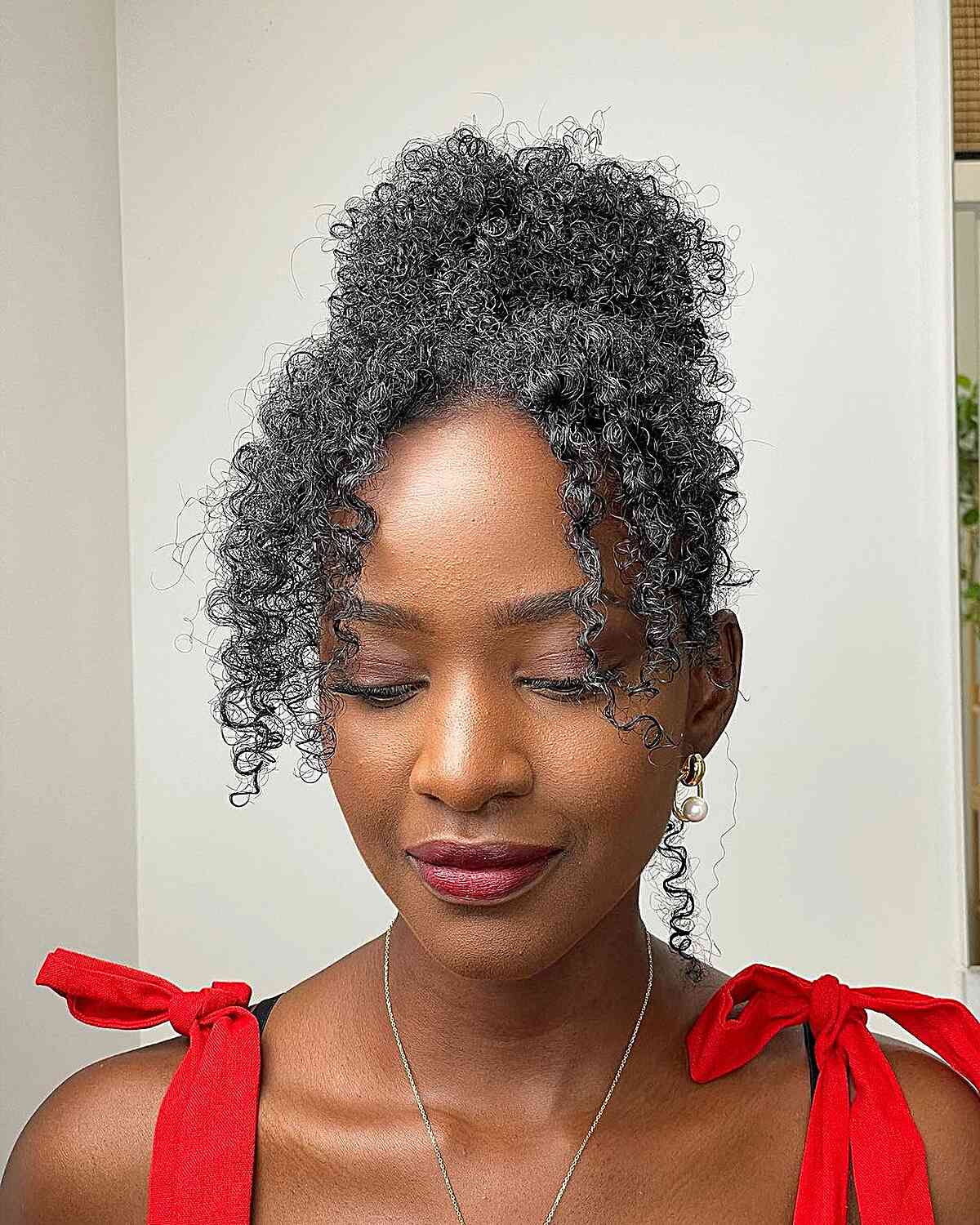
A high updo on salt and pepper coily hair is an exercise in controlled chaos. The hair is gathered into a voluminous bun on top, with loose curly tendrils left out to frame the face from a middle parting. Ask your stylist for: salt and pepper updo with curly tendrils. The tendrils are the whole point. They add softness to an otherwise architectural shape. To style at home, start with damp hair, apply a curl cream, and twist each tendril around your finger before pinning the bun. A light-hold spray sets the tendrils without making them stiff. This style suits special occasions or a day when you want the gray to do the talking. The updo itself holds for a full evening with enough bobby pins and patience.
Seasonally, it works best in cooler months when the tendrils will not frizz from humidity. A trim every eight weeks keeps the ends tidy, though the salt and pepper color hides any unevenness better than a solid shade.
Final Thoughts
For daily wear, lean toward styles that need minimal reshaping. A rounded short afro or air-dried layers hold their shape with just a refresh mist. For an event, invest in the sculpted updos and geometric braids; they earn their chair time. The common thread is a cut and shape that works with your coil pattern, not against it.
- Maintain braided styles with touch-ups every 6-8 weeks.
- Deep condition coily hair weekly to preserve moisture.
- Use a satin bonnet or pillowcase to protect styles overnight.
- Refresh air-dried styles with a light mist and gentle shaping.
Embrace the artistry of your afro.