21 Dark Winter Hair Colors 2027
I keep seeing more women in the salon chair next to mine asking for dark hair that doesn’t read flat. Not one-note black or boring brown, but shades with visible undertones, a bit of depth that catches the light. It makes sense: rich color feels intentional without the every-three-weeks root panic.
These 21 Dark Winter Hair Colors range from nearly black to deep mahogany, with cool and warm takes, subtle highlights, and a few curtain bangs thrown in. As someone whose fine hair announces root regrowth at week five, I look for tones that earn their upkeep. These are the ones I’d actually book.
Glossy Deepest Black With Dark Chocolate Lowlights
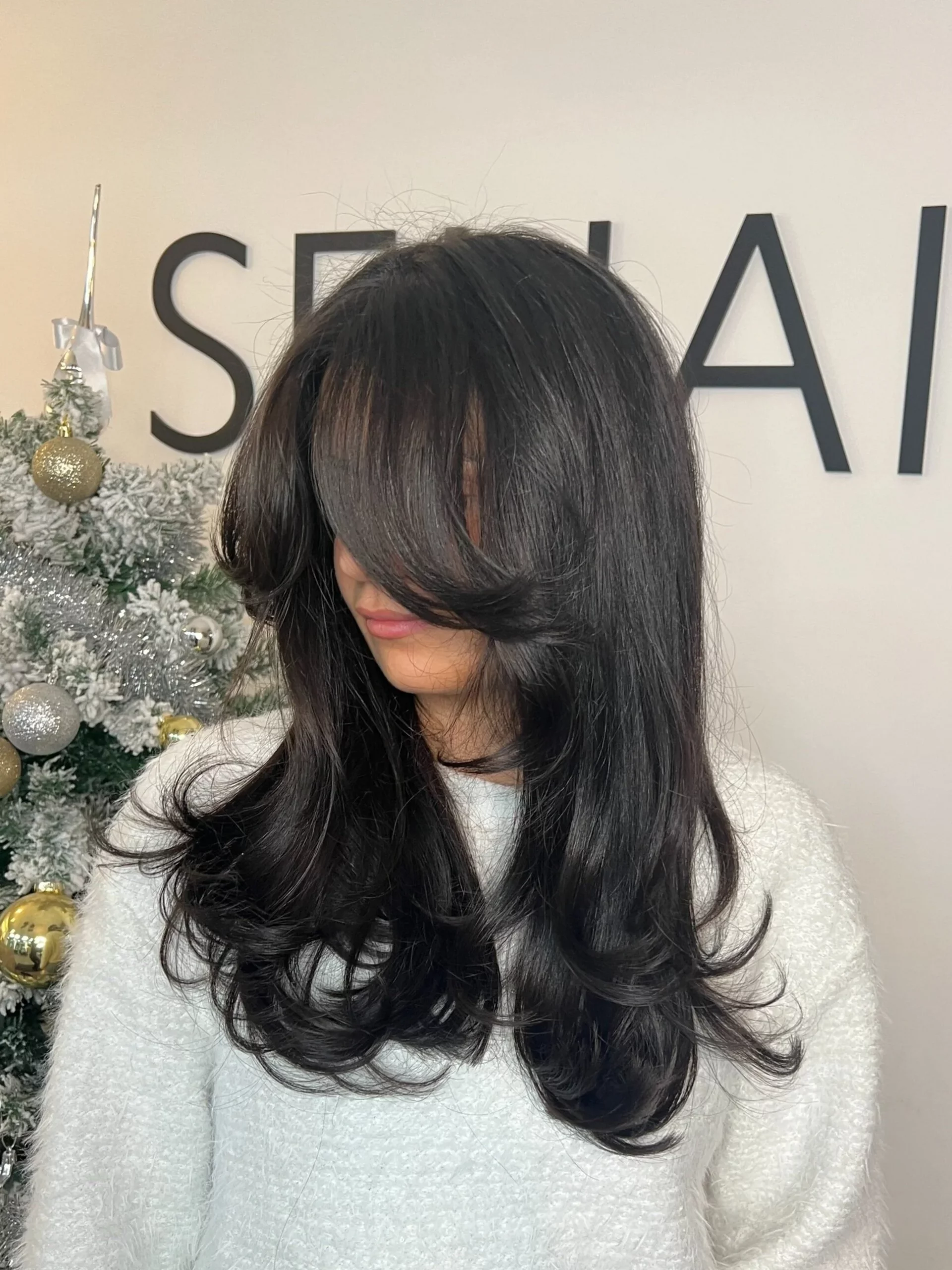
Black is black until it isn’t. This one has a deepest black base that reads almost liquid in direct light, then the dark chocolate lowlights catch the sun and you see dimension where you didn’t expect it. The technique is subtle: a few lowlights woven through the mid-back length so the overall tone stays dark but never flat. The texture is wavy and thick, which helps the lowlights peek through without looking streaky. This flatters anyone who wants a black that moves, not a flat wall of color. Pass if you crave obvious lightness or warmth — the lowlights are barely there, more a whisper than a statement.
Wear holds up well. The lowlights blur the grow-out line, so you get about eight weeks before the root starts asking for attention. A quick blowout with a round brush takes fifteen minutes and brings the gloss back. Use a color-safe shampoo to keep the black from pulling blue or green over time. The deep pigment stays rich as long as you avoid harsh clarifying washes.
Deep Burgundy With Visible Red Undertones
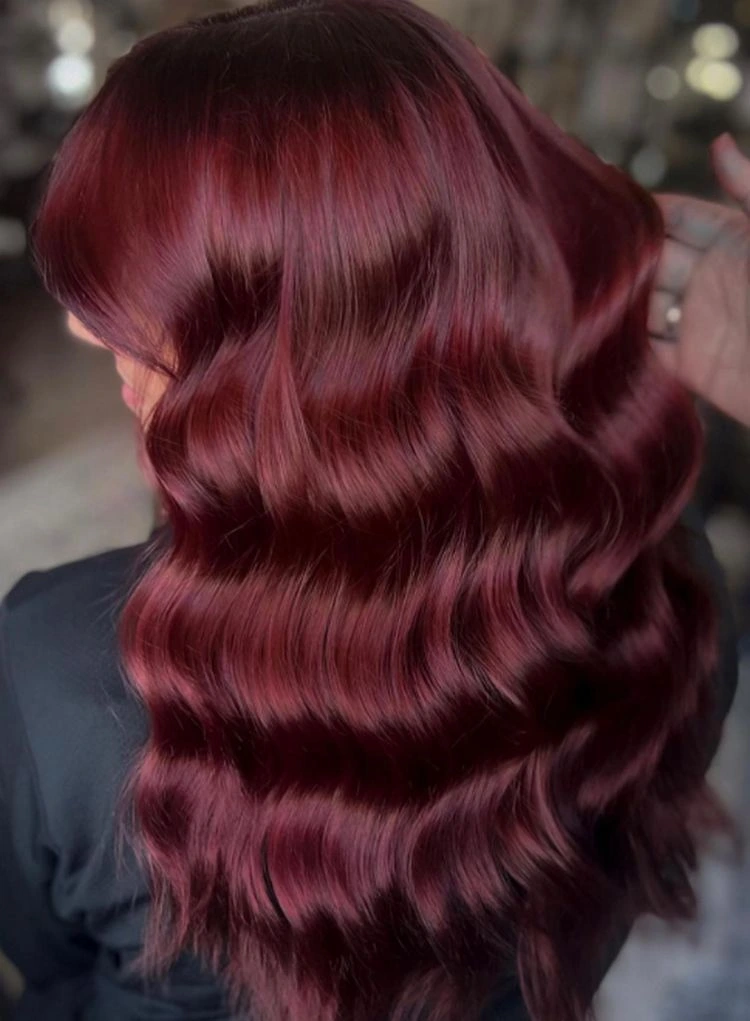
If you think all reds are the same, this deep burgundy hair color proves you wrong. Compared to a cherry red that leans orange or a true auburn that goes brown, this one stays cool and jewel-toned. The visible red undertones read like crushed berries, not fire. The technique is an all-over single process on a mid-back length, wavy thick texture that catches the light and shows the red in every wave. It’s a winter color through and through — it belongs at holiday dinners and evening events where the low light makes it glow.
Season matters here. This deep burgundy looks best in fall and winter, when the cool tones match the shorter days. It works for a formal occasion or a casual night out because the red is present but not loud. The tone is what sets it apart: it’s not trying to be bright, it’s trying to be deep. That’s the whole point.
Deep Red With Subtle Copper Undertones
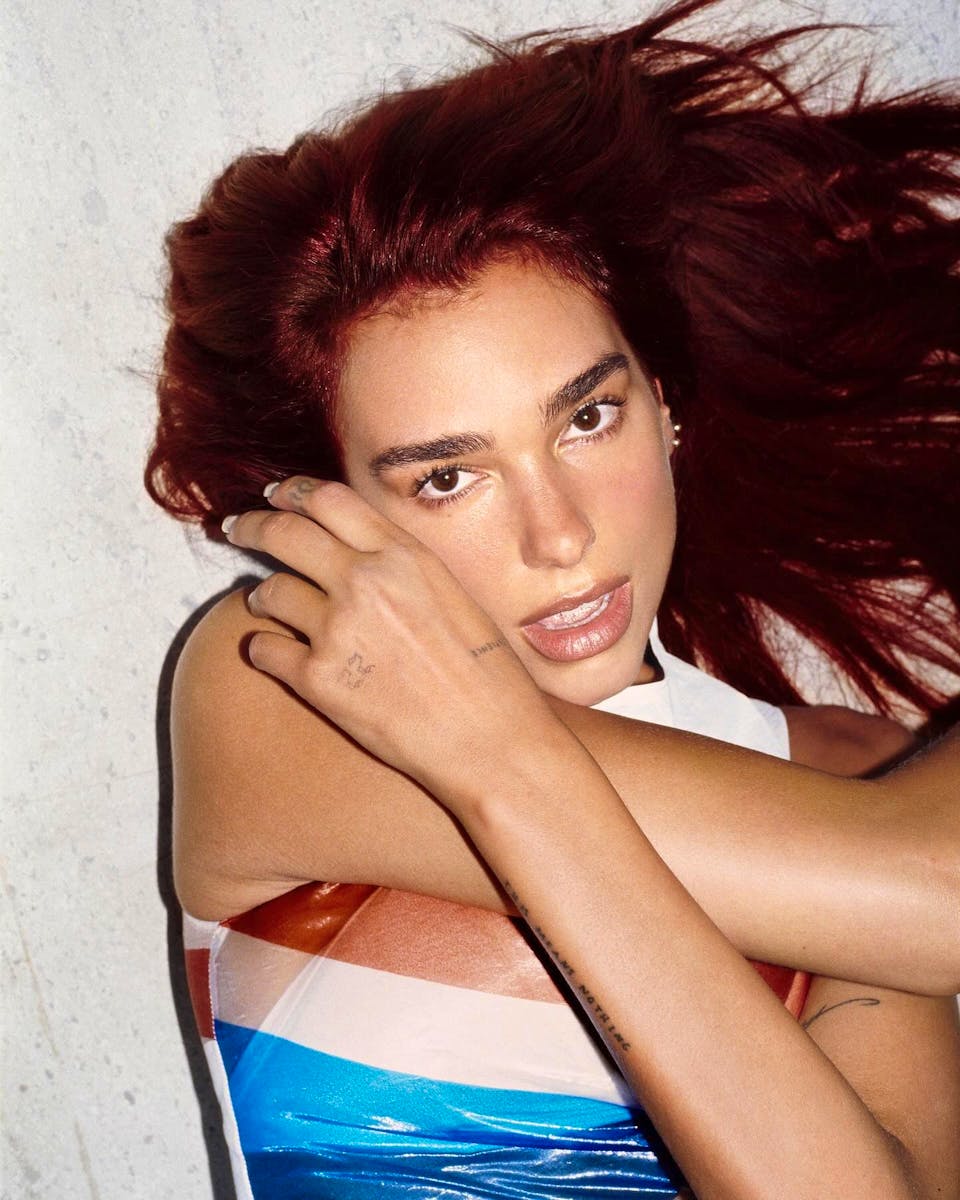
This deep red hair color caught me off guard. The base is a rich, dark red, but the copper undertones are what keep it from looking flat. The technique is a gloss or toner that deposits a whisper of copper into the mid-back length, wavy thick texture. The copper is subtle — it shows in sunlight, not in a bathroom mirror. That’s the trick: the undertones add warmth without turning the red orange. It’s a single-process color, but the undertone is what makes it look expensive. Air-dried and flowing, it reads as intentional, not accidental.
Dark Brown With Reddish-Brown Undertones
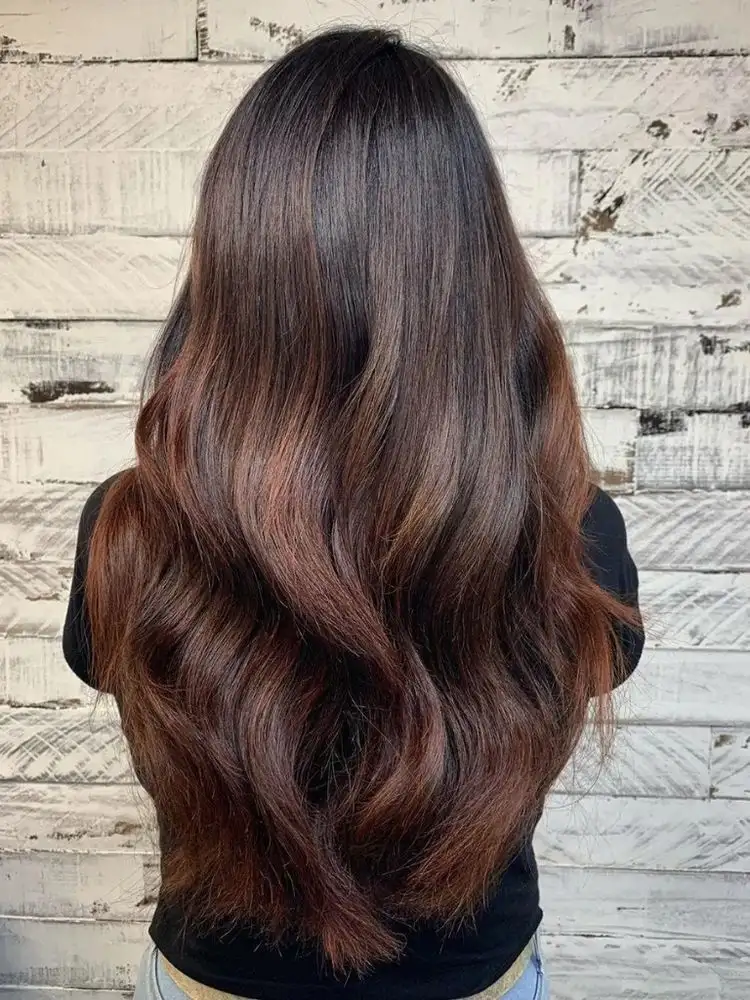
In direct sun, this dark brown with red undertones shifts. The reddish-brown undertones surface in a way that feels sophisticated, not brassy. The technique uses subtle highlights woven through the mid-back length, wavy thick texture, to create a multi-tonal effect that never reads overly warm. It’s a dark brown that knows it has red in it but doesn’t shout about it.
Across a real week, this holds up better than I expected. The highlights fade gently, not suddenly, so the dimension stays for about six weeks before you notice the tone pulling more brown than red. A color-safe shampoo helps, and a trim every eight weeks keeps the ends from looking dull. The wear is low-fuss: loose waves take twenty minutes and the undertones do the work of making it look intentional.
Deep Brown With Warm Red-Brown Highlights
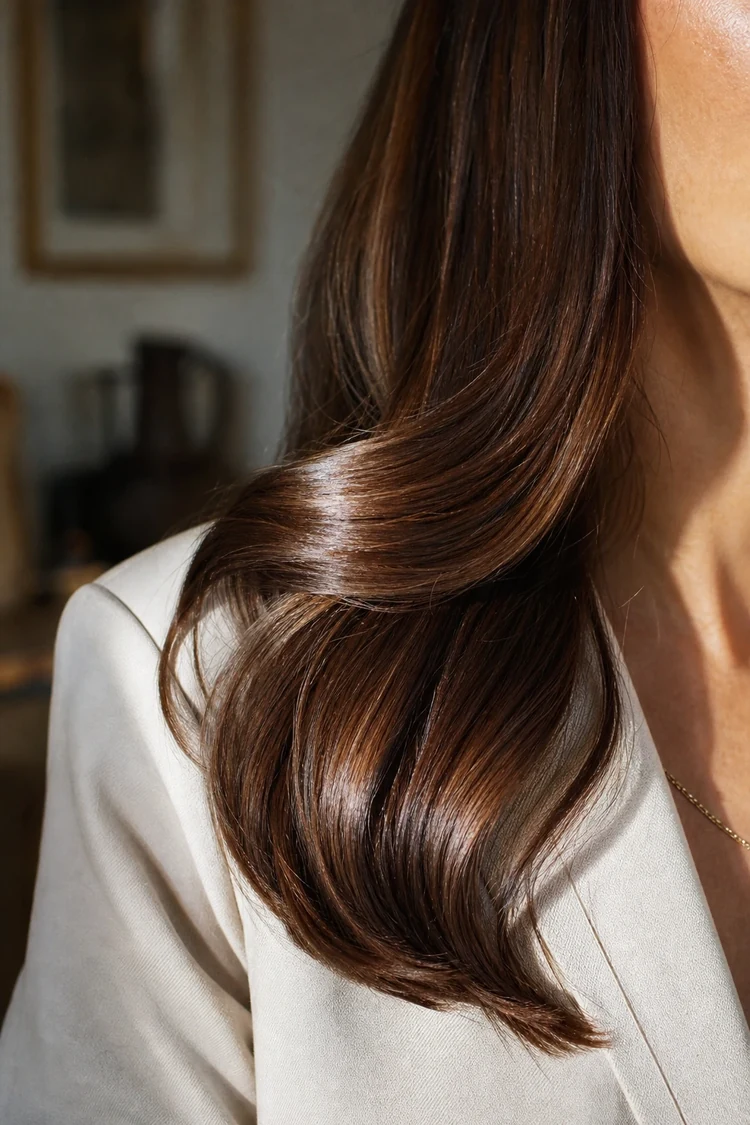
Is your fine hair looking flat? This deep brown with red highlights solves that without adding weight. The warm red-brown highlights are placed subtly through the shoulder length, wavy fine to medium texture, so they lift the color without overpowering it. The technique is a partial highlight, not a full foil, which keeps the base intact and the dimension soft. Who it flatters: anyone with fine to medium hair who wants warmth but not a full red commitment. Who should pass: if your hair is very thick, you might need more contrast to see the highlights at all.
Dark Brown With Warm Caramel Highlights
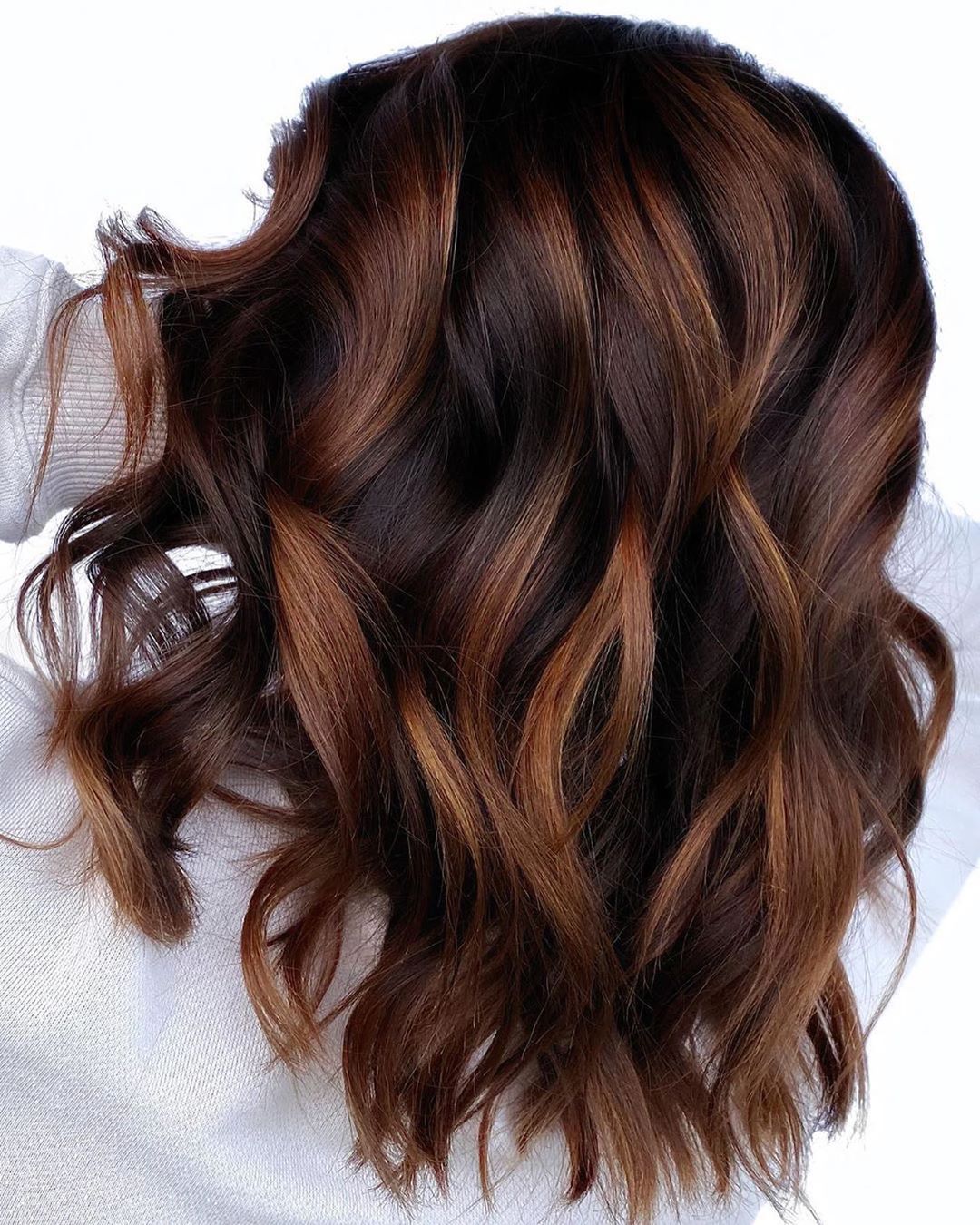
The first cool morning hits and I’m already reaching for this colour. It’s dark brown with caramel highlights that read warm without screaming summer. The technique is balayage, painted freehand so the caramel lands where light naturally hits. The tone is golden, not brassy. This collarbone length with loose curls shows off the contrast. The texture is wavy, medium density, which catches the warmth nicely. Perfect for the season shift, when you want something cozy but not heavy. With a middle part and a back view, the caramel weaves naturally through the brown. I’d book this for late September, wear it through November. The warm caramel highlights soften the dark base, so your hair doesn’t look flat under grey skies. It’s a transition color, bridging summer brightness and winter depth.
Shoulder-Length Dark Brown With Caramel Highlights
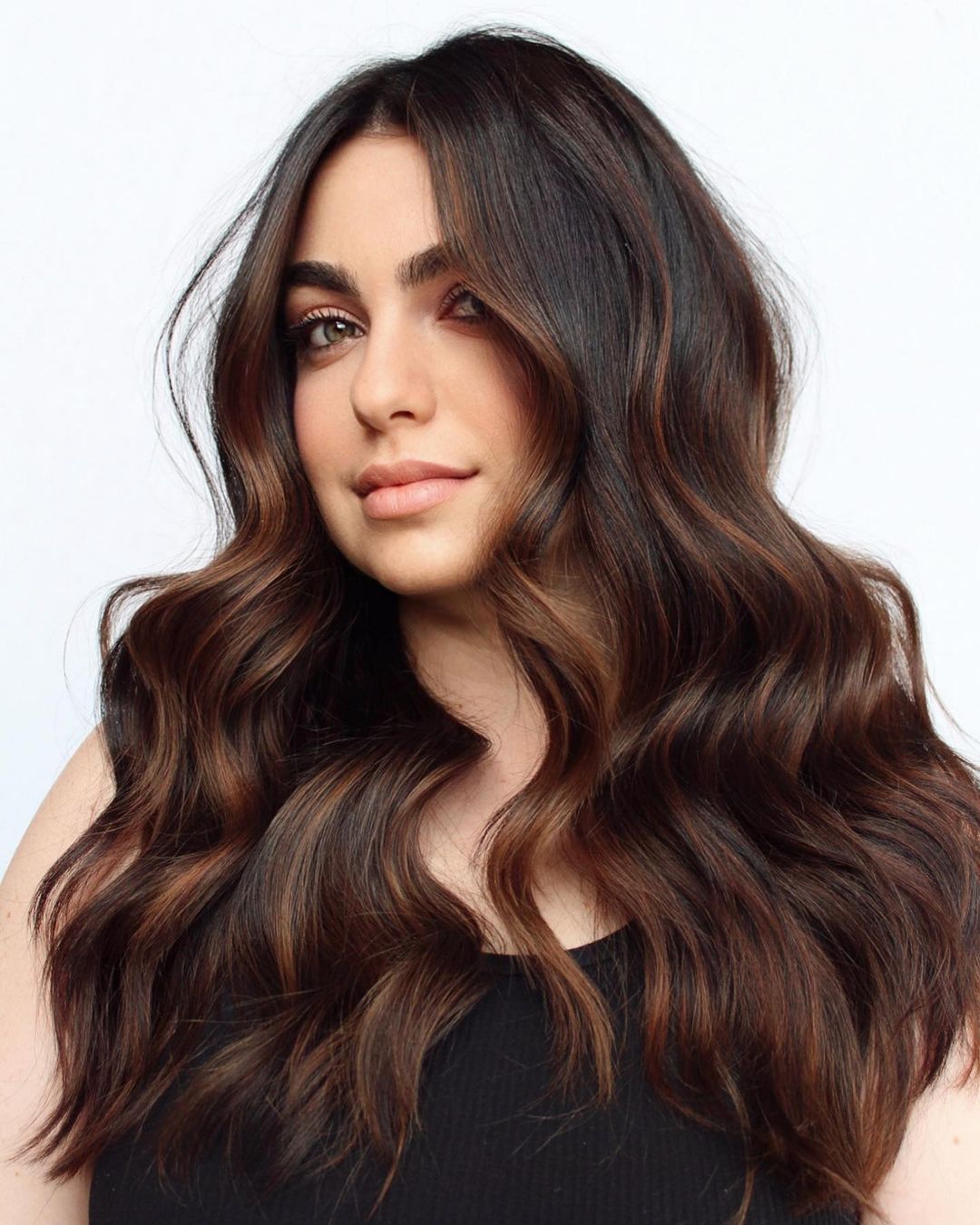
The trick is in the placement. This shoulder length dark brown uses a technique called balayage, but the stylist keeps the caramel highlights fine and spaced so they don’t overwhelm the base. The tone is warm but subtle, not the kind that turns brassy after four washes. At shoulder length with no bangs, the highlights sit near the ends and around the face. The texture is wavy, medium density, which helps the color blend. The key is keeping the caramel close to the base shade, so it reads as depth rather than stripes. From the front with a middle part, the dimension is visible around the face. Ask your stylist for a freehand application with a soft transition, no harsh lines. This is a salon job, not a box dye situation.
Mid-Back Dark Brown With Subtle Caramel Highlights
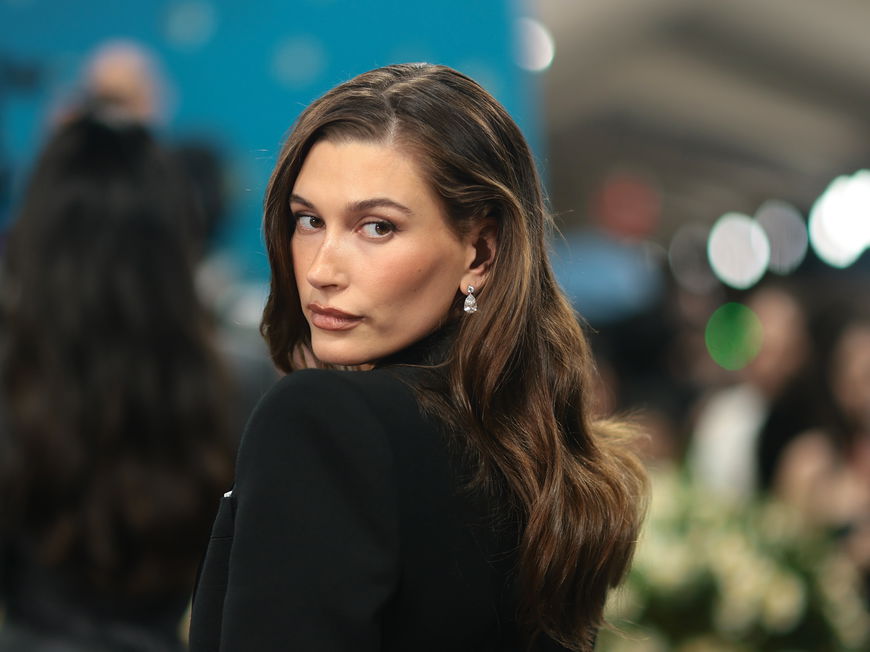
I’ll confess: I was skeptical about subtle highlights on a dark base. But this color surprised me. The dark brown with subtle caramel highlights fades gracefully. The caramel is muted enough that it doesn’t announce itself, it just adds dimension. The mid-back length with long layers lets the color move with each step.
Through a week of wear, the tone stays warm without going brassy. The technique is balayage, which means the regrowth is soft. I don’t see a line until about week six. The texture is wavy, thick, which holds the curls and keeps the highlights from looking stripey. The side part and side view reveal the color distribution. In office light, it reads as dark brown. Under daylight, the caramel peeks through. A trim every eight weeks is all it needs. This is the kind of color that works hard so you don’t have to. Upkeep is simple, just a color-safe shampoo and regular trims.
Dark Brown With Cool-Toned Highlights and Curtain Bangs
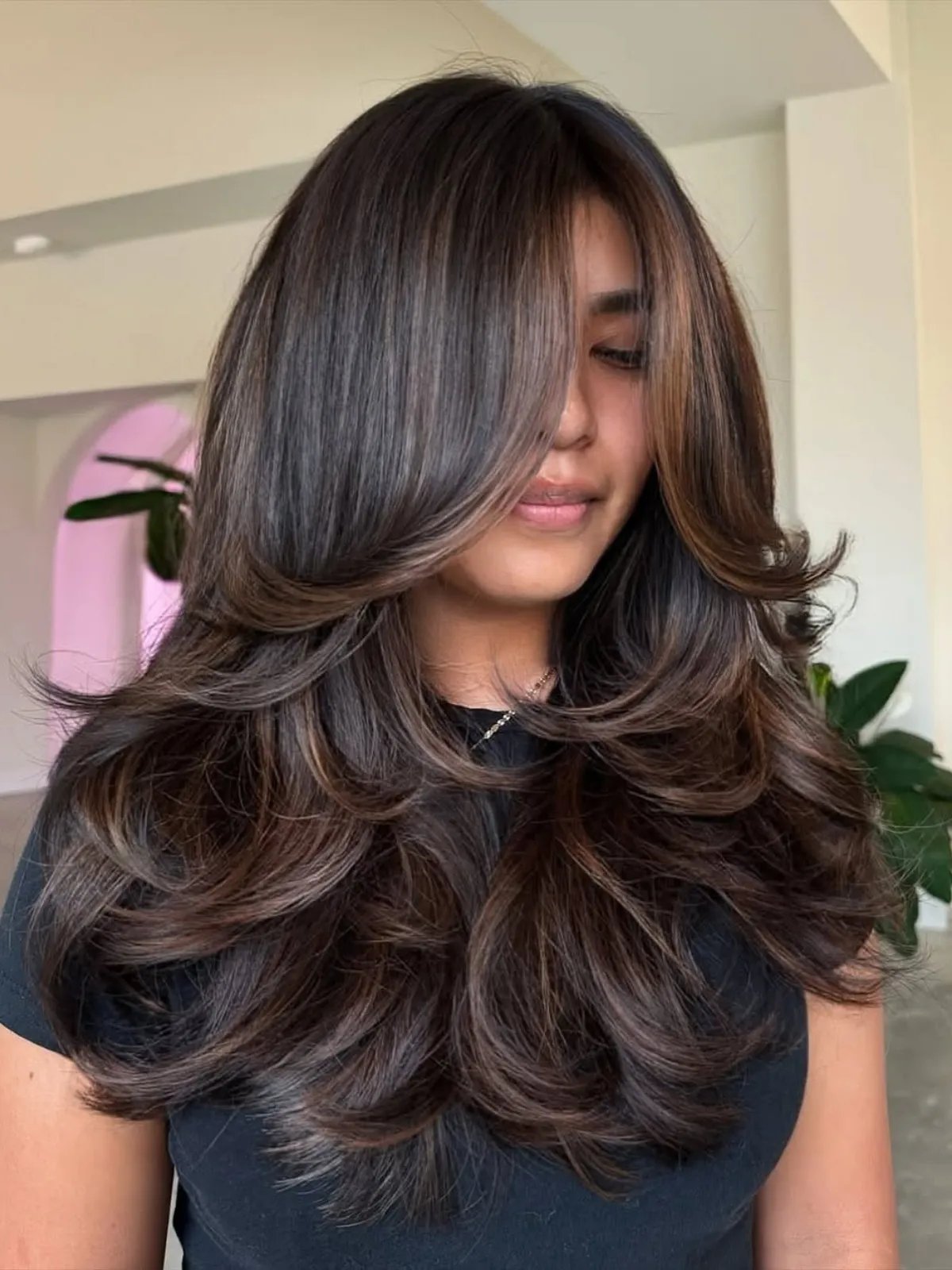
Do you have a round face or fine features? Then this might be your match. The dark brown with cool highlights and curtain bangs is designed to frame. The bangs hit at the cheekbones, drawing the eye outward. The cool-toned highlights are subtle, silver-adjacent, not grey. At mid-back length with layers, the volume lifts the face. The texture is wavy, thick, which gives the bangs something to hold. This is a look for someone who wants softness without going warm. Heart-shaped faces also benefit, as the bangs balance a wider forehead.
The colour technique is babylights, very fine highlights that mimic natural lightening. The tone stays cool, so it works best with neutral or cool skin undertones. If you have very warm skin, the contrast might feel stark. But for those with olive or fair complexions, it’s a winner. The blowout with soft waves keeps the bangs moving. A trim every six to eight weeks keeps them precise.
Deep Espresso With Subtle Cool Highlights
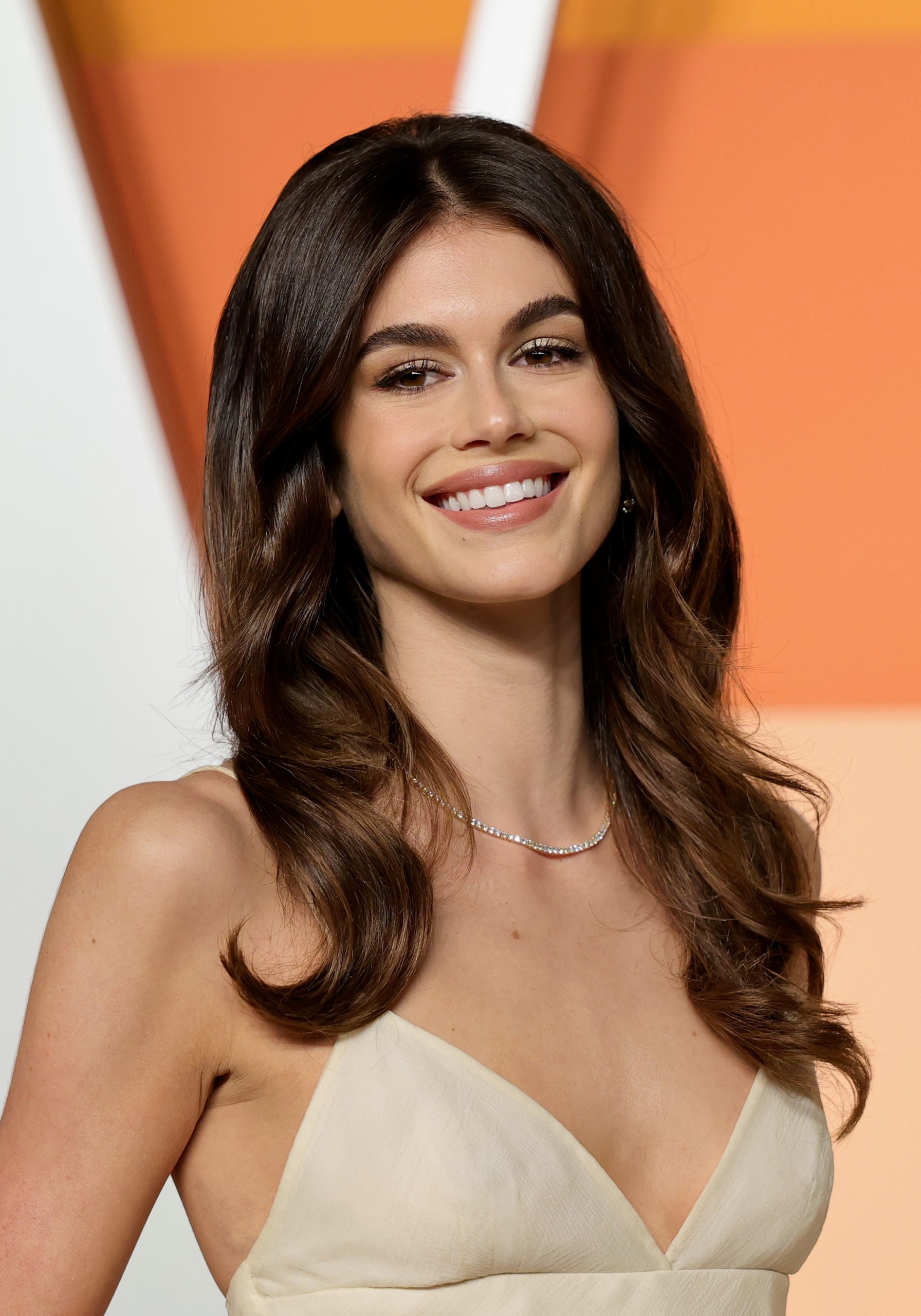
Deep espresso is the cooler, darker sibling of plain dark brown. While a dark brown with caramel highlights leans warm, this deep espresso hair color stays cool. The subtle cool highlights add dimension without warmth. The tone is almost black but with depth, like a good espresso shot. The technique uses fine, cool-toned babylights so the contrast is subtle, not striped. At mid-back length with long layers, the color moves. The texture is wavy, thick, which catches the light. Compared to a warm brown, this stays truer to the dark winter palette. Loose waves and a middle part let the espresso base take center stage. This is for anyone who wants dark hair that doesn’t read flat.
No Bangs Shoulder-Length Dark Brown With Cool Highlights
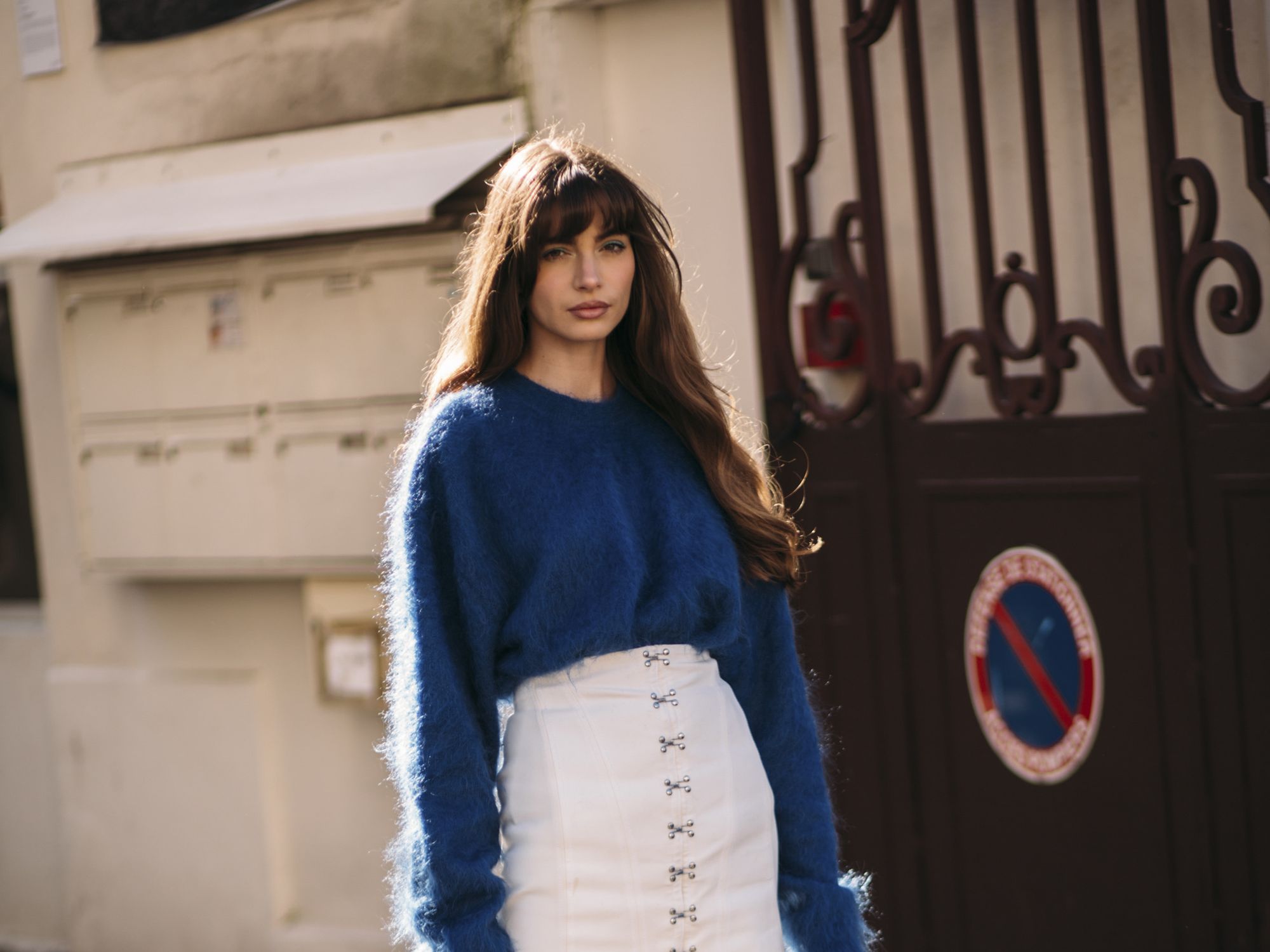
I’ll admit I tried cool-toned highlights at home once. It’s not a good idea. The tone is tricky. A dark brown with cool toned highlights needs a skilled hand at shoulder length. The technique involves weaving fine sections to keep the highlights subtle. The cool tone requires a toner that most home kits don’t have. My straight to wavy medium density hair went brassy within two weeks. Salon is the way. The shoulder length makes it easy to maintain.
Collarbone Dark Brown With Lighter Brown Highlights
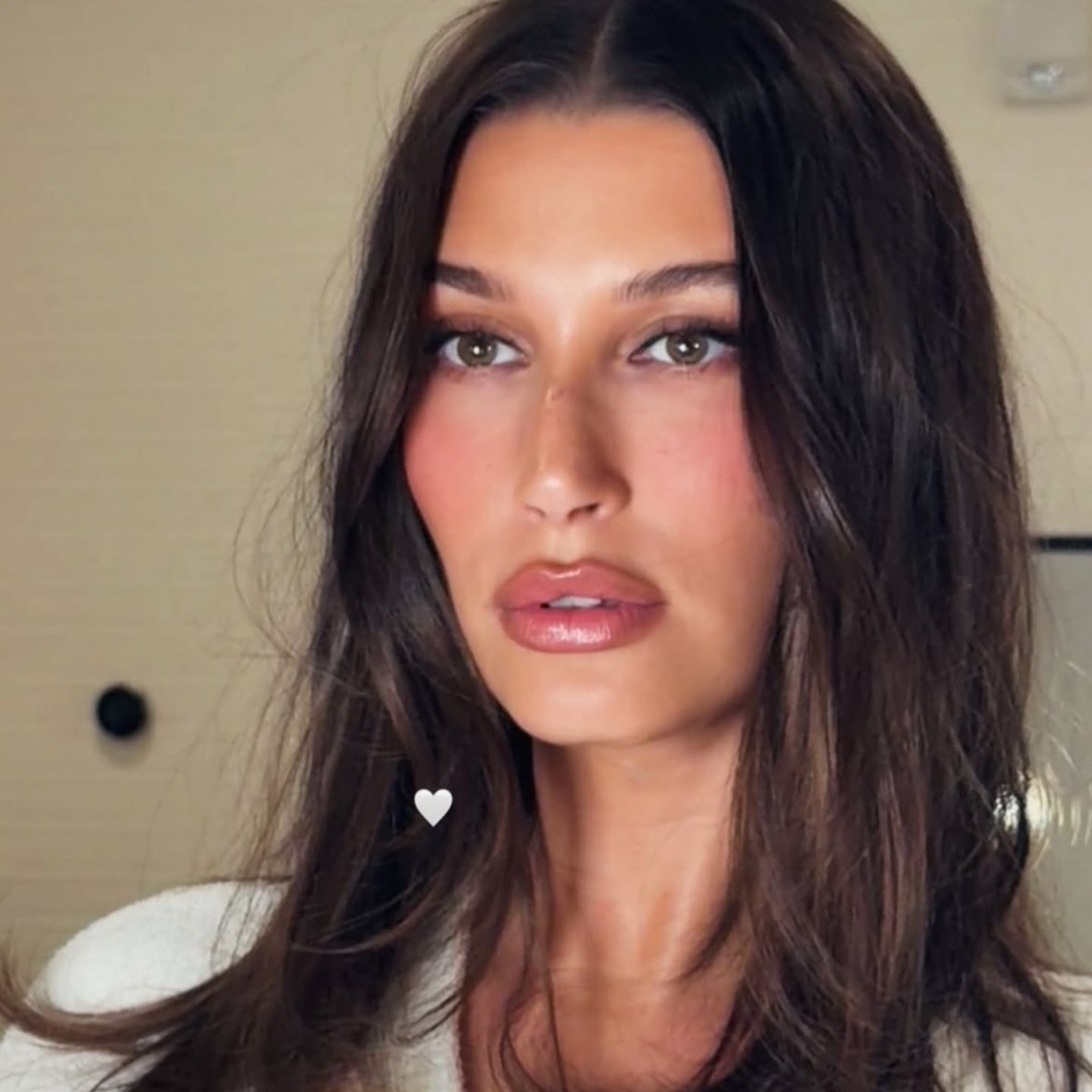
Does your hair need more dimension without going too light? This collarbone dark brown with lighter brown highlights adds richness. The wavy medium density texture catches the highlights nicely. The technique uses subtle highlights woven through the mid-lengths and ends. The tone is warm but not brassy. The collarbone length frames the face without overwhelming. It suits medium density wavy hair best. If your hair is very fine, the highlights might look too sparse. If very thick, they could get lost. So it’s for those with that Goldilocks density. It flatters round and heart faces because the length elongates. Oval faces can pull it off too. Square faces might want a softer edge.
Layers Mid-Back Dark Ash Brown With Lighter Brown Highlights
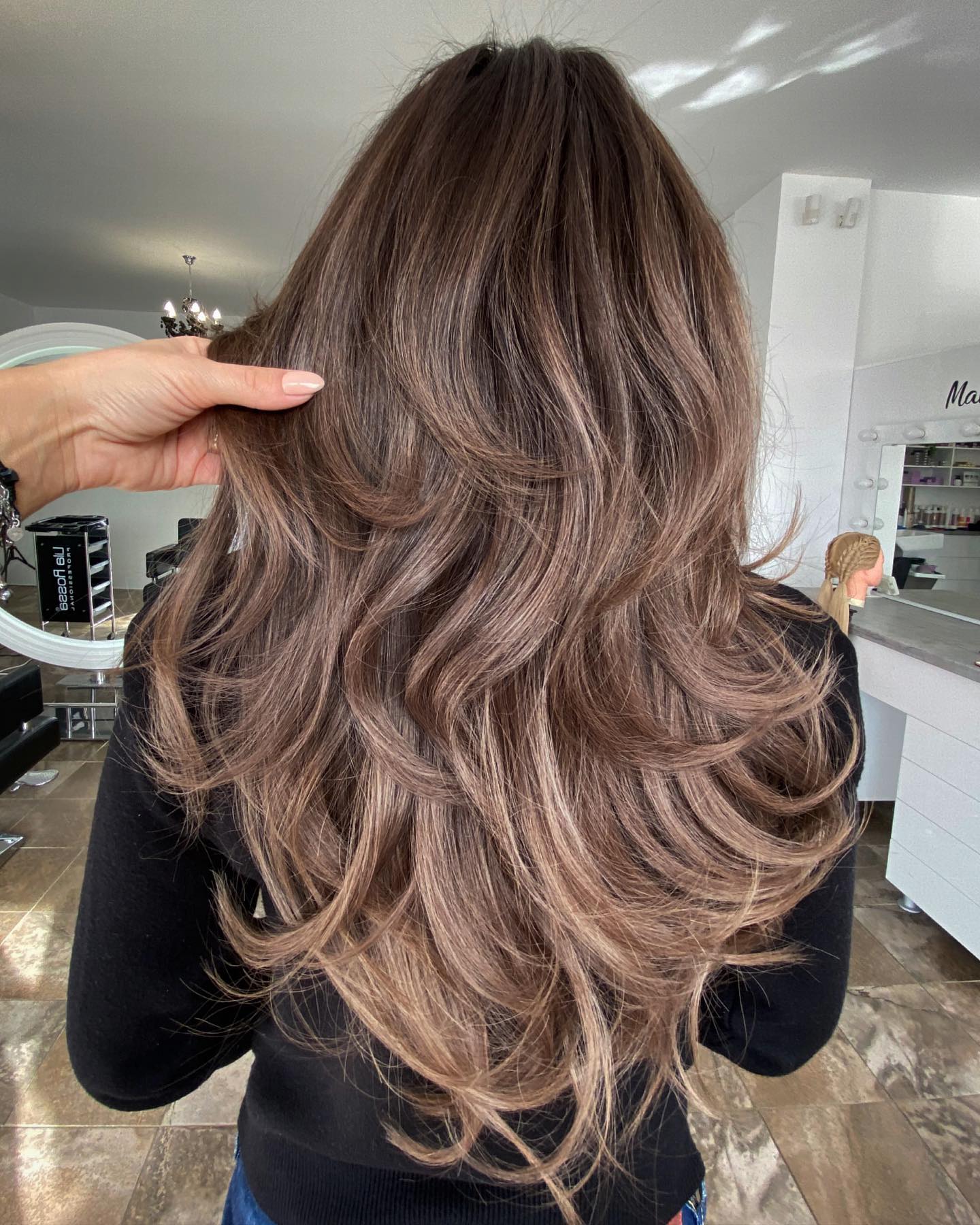
The ash tone stays cool for about four weeks, then starts to warm. The lighter brown highlights blend reasonably well at grow-out, but by week eight you’ll see a line. In bright sunlight, the highlights catch the light and the ash base looks almost silver. Indoors, it reads as a rich dark brown. The contrast is subtle but present. The thick wavy texture means the waves hold shape for two days before loosening. The highlights grow out softer than ash blonde would, so the line is less harsh.
The dark ash brown hair needs a purple shampoo once a week to keep the cool tone. The technique uses subtle lighter brown highlights woven through the layers. The mid-back length and thick wavy texture hold the waves well, but the layers need trimming every eight weeks. Use color-safe products to slow fading. A toning gloss every six weeks helps reset the ash tone. Without it, the base can turn muddy. The layers add movement but can get stringy if not trimmed.
Dark Brown With Ash Blonde and Chocolate Highlights
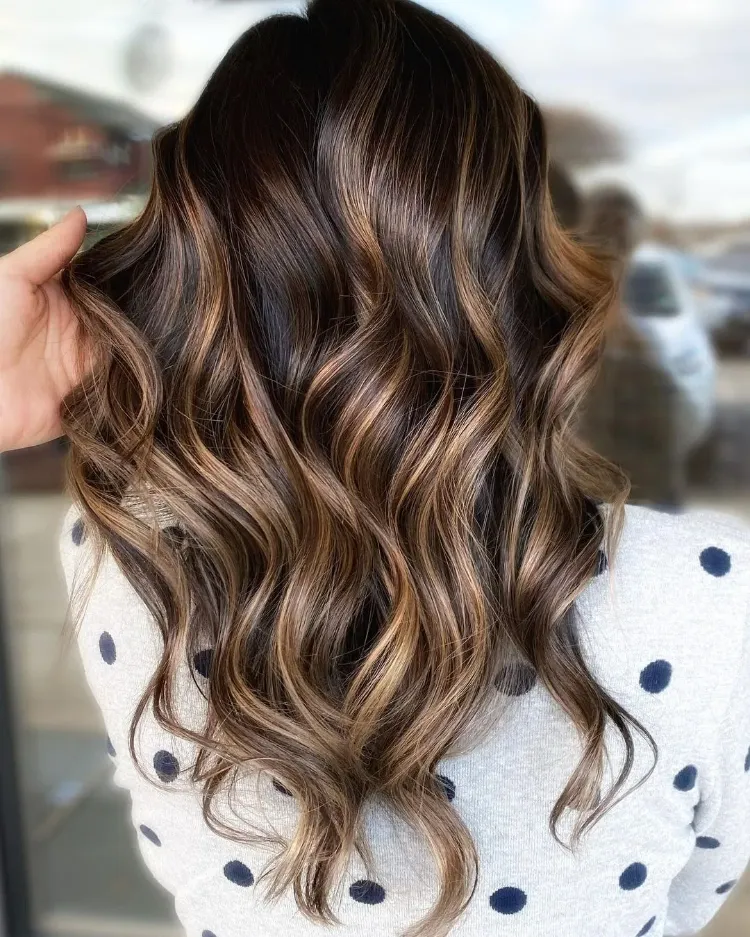
I didn’t think two highlight colours could work together without looking messy. But this dark brown with ash blonde and chocolate highlights is surprisingly cohesive. The technique involves weaving fine sections of ash blonde and chocolate brown highlights into the dark brown base. The ash blonde adds cool brightness, while the chocolate adds warmth. The result is multi-dimensional without being stripey. The dark brown base keeps it from looking too light. The highlights are concentrated around the face and through the mid-lengths, leaving the ends darker for a lived-in look.
The mid-back length and thick wavy texture help the colours meld. The stylist alternates the two highlight colours in a staggered pattern, so no two adjacent sections are the same. This creates depth that changes in different light. The dark brown base anchors everything. The tone is balanced between cool and warm. The thick texture catches the highlights at different angles, adding movement. The technique requires a skilled hand to avoid a striped effect. The ash blonde highlights are subtle, not platinum, so they blend softly.
Mid-Back Cool-Toned Brown With Ash Blonde Highlights
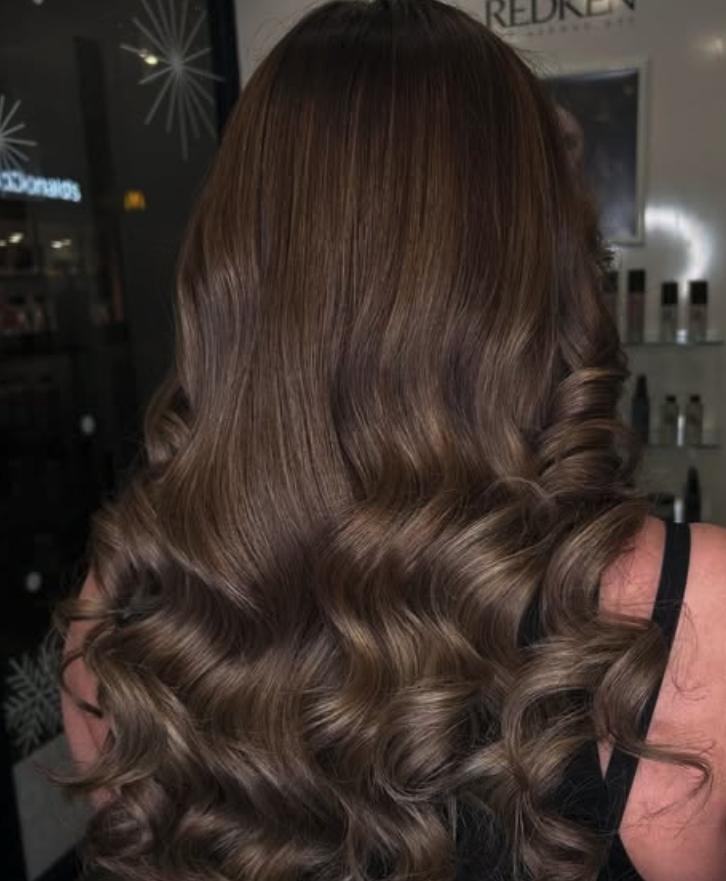
Snow falling outside, and this cool toned brown hair with ash blonde highlights looks like it belongs. The cool tone matches the winter light, and the highlights add a frosty dimension. The technique uses subtle ash blonde highlights woven through the mid-back length. The thick wavy texture holds the curls well. It’s a chic winter color that doesn’t compete with heavy coats. Perfect for holiday parties or a night out in the cold.
Medium Brown With Caramel and Ash Blonde Highlights
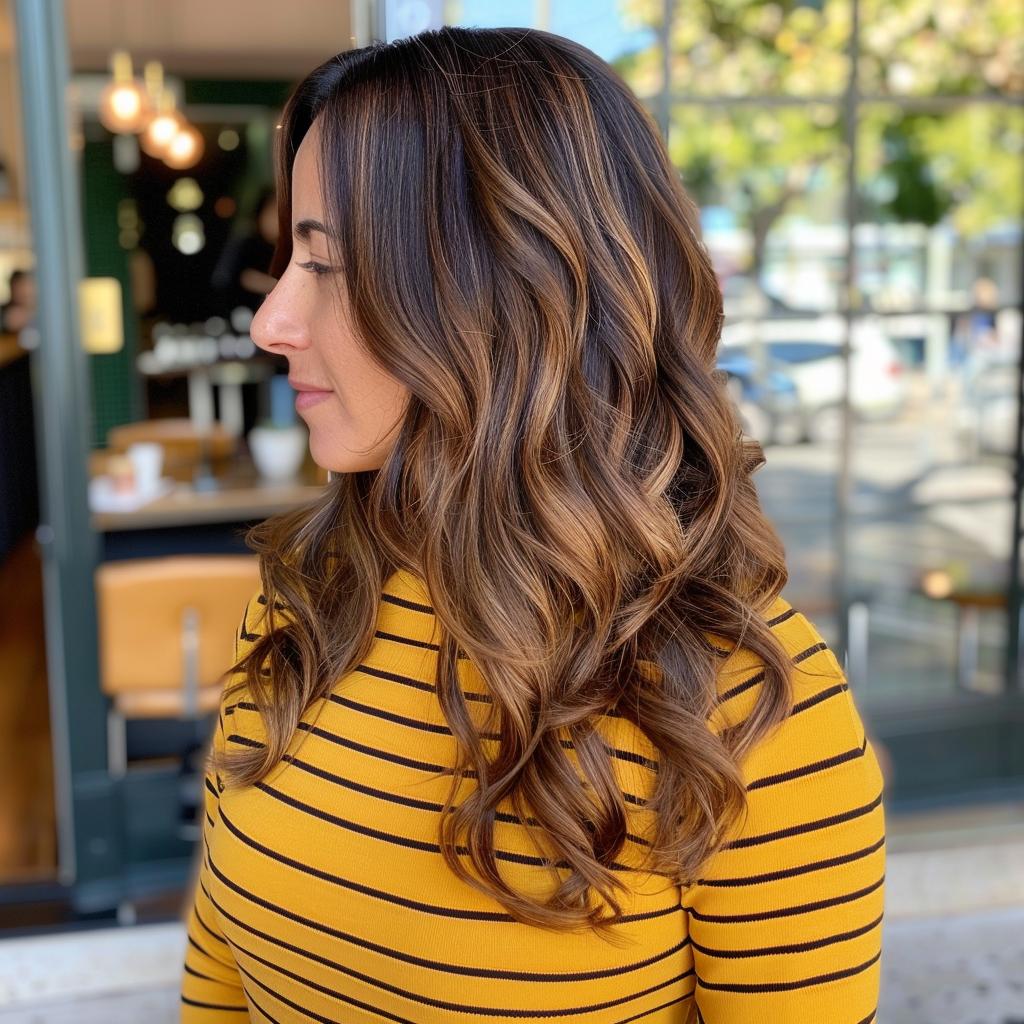
The trick with a medium brown base is knowing which highlight color pulls the weight. This medium brown with highlights uses a neutral base, not too warm, not too cool, and weaves caramel and ash blonde highlights in thin ribbons from a few inches off the root. A side part lets the placement show from the front, and loose waves to mid-back keep the dimension readable.
Caramel highlights pull warm, almost golden in direct sun. Ash blonde pulls cool, silver-adjacent. On the same base, they create two different conversations. The caramel says warmth and outdoors. The ash blonde says cool and deliberate. Neither is wrong, but you pick the one that matches your undertone. The technique is subtle enough that neither highlight color dominates, which is the whole point of a blended look.
Collarbone Dark Brown With Soft Waves and Curtain Bangs
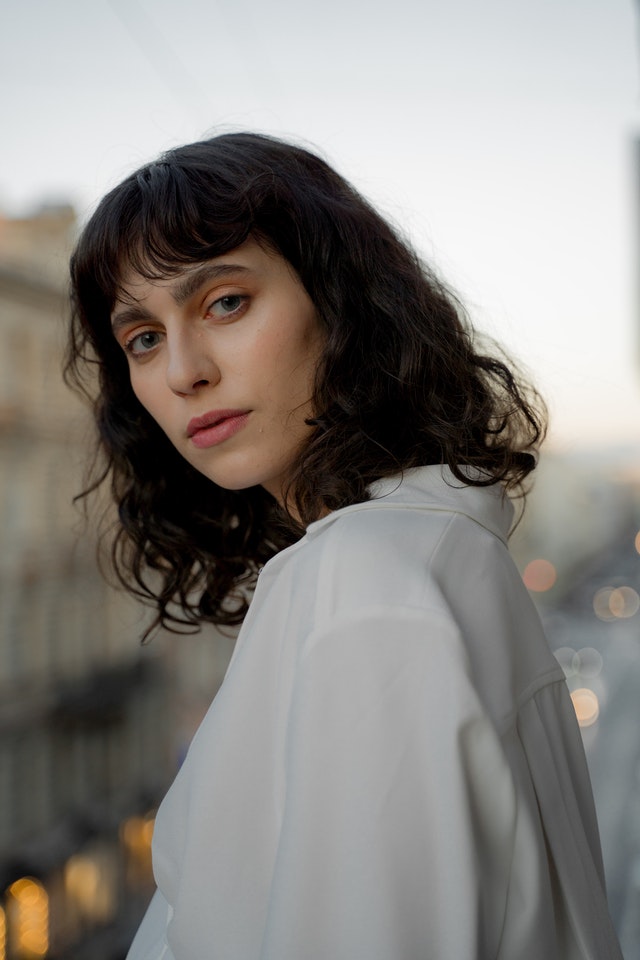
Who actually looks good with curtain bangs? This collarbone length with a dark brown base and subtle lighter brown highlights is a safe bet for most. The curtain bangs soften a square jaw and widen a narrow forehead, and the middle part balances a round face. Loose waves add volume to medium density hair, and the collarbone landing keeps the weight from pulling the bangs flat. If your hair is very fine and falls flat by noon, this might require more styling than you want. But for anyone with natural wave or medium thickness, it is a flattering, low-fuss shape.
Half-Up Do With Soft Waves and Warm Undertones
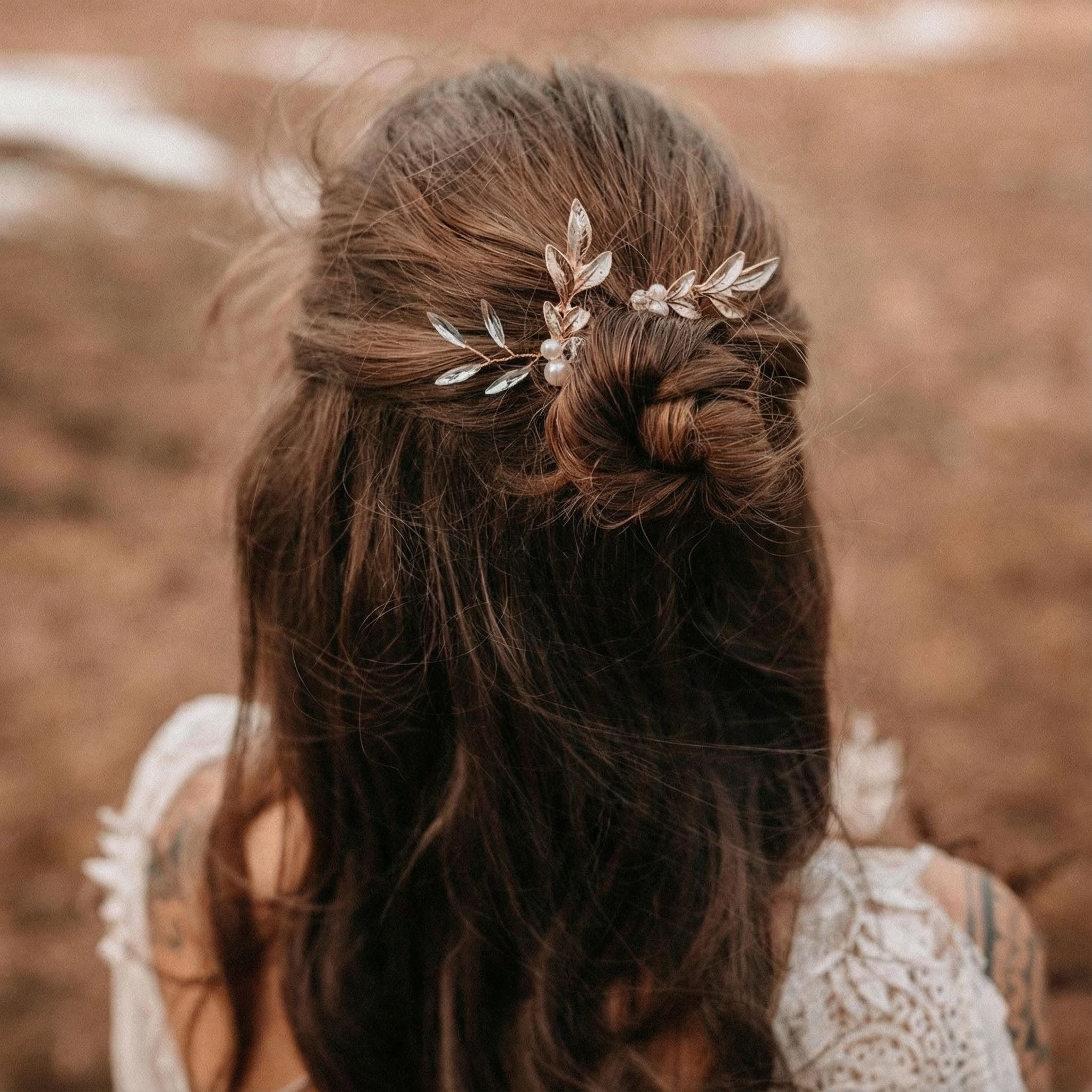
The back view of this half-up do tells you everything. Thick, wavy dark brown hair with warm undertones is pulled into a low bun at the nape, leaving the rest in soft waves that reach mid-back. The warm undertones catch the light and keep the dark base from reading flat.
To recreate this, start with prepped waves from a large barrel iron. Gather the top section from ear to ear, twist it loosely, and pin it at the nape. The whole thing takes about ten minutes if the waves are already set. The color itself is a salon job — a single process with a warm tone added — but the styling is purely at-home. This works for a casual dinner or a holiday party, no adjustments needed.
Deep Mahogany Black With Soft Curls
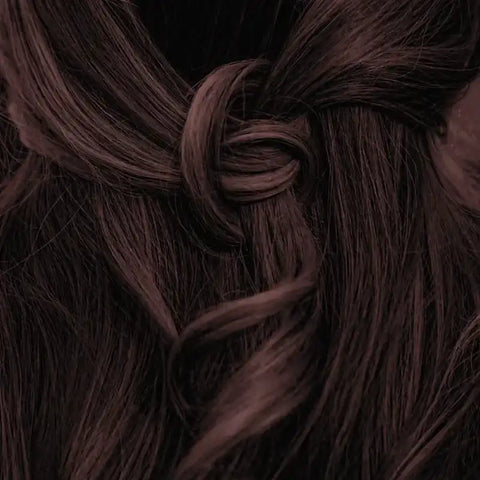
I’ll admit, I was skeptical about mahogany black. It sounds like a color that tries to be both black and red and ends up neither. But this deep mahogany black hair, with soft curls falling to mid-back, actually delivers. The base is nearly black, and the warm mahogany undertones show only in bright light, giving depth without shouting.
Here is the wear reality: after about four washes, the warm undertones start to fade. The black stays, but the red pulls out, leaving a more neutral dark brown. To keep the mahogany visible, you need a color-depositing conditioner every other week. The soft curls hold well on thick hair but drop on fine strands. Trims every eight weeks prevent the ends from looking dull, because the dark base shows every split.
Long Wavy Dark Brown With Auburn Undertones
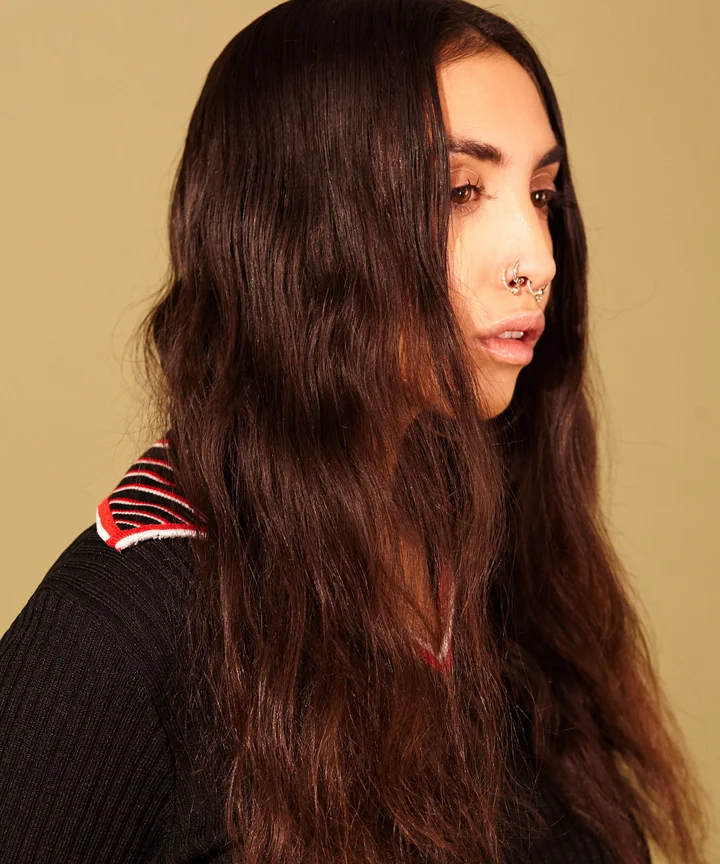
Ever wanted auburn undertones without the full commitment? This long wavy dark brown with auburn undertones uses a subtle wash rather than a permanent dye. The base is a rich dark brown, and the auburn shows as a warm glow in natural light, not a flat red. Air-dried waves and a middle parting keep it looking effortless.
- Start with a dark brown base, natural or dyed.
- Use a color-depositing conditioner in auburn once a week.
- Air-dry with a texture spray for natural waves.
- Trim every 8 weeks to keep ends healthy.
This method gives you control over the intensity. The auburn fades gradually, so you can reapply as needed without a salon visit. The result is a warm, dimensional brown that works on a range of complexions.
Deep Emerald Green Curly Hair
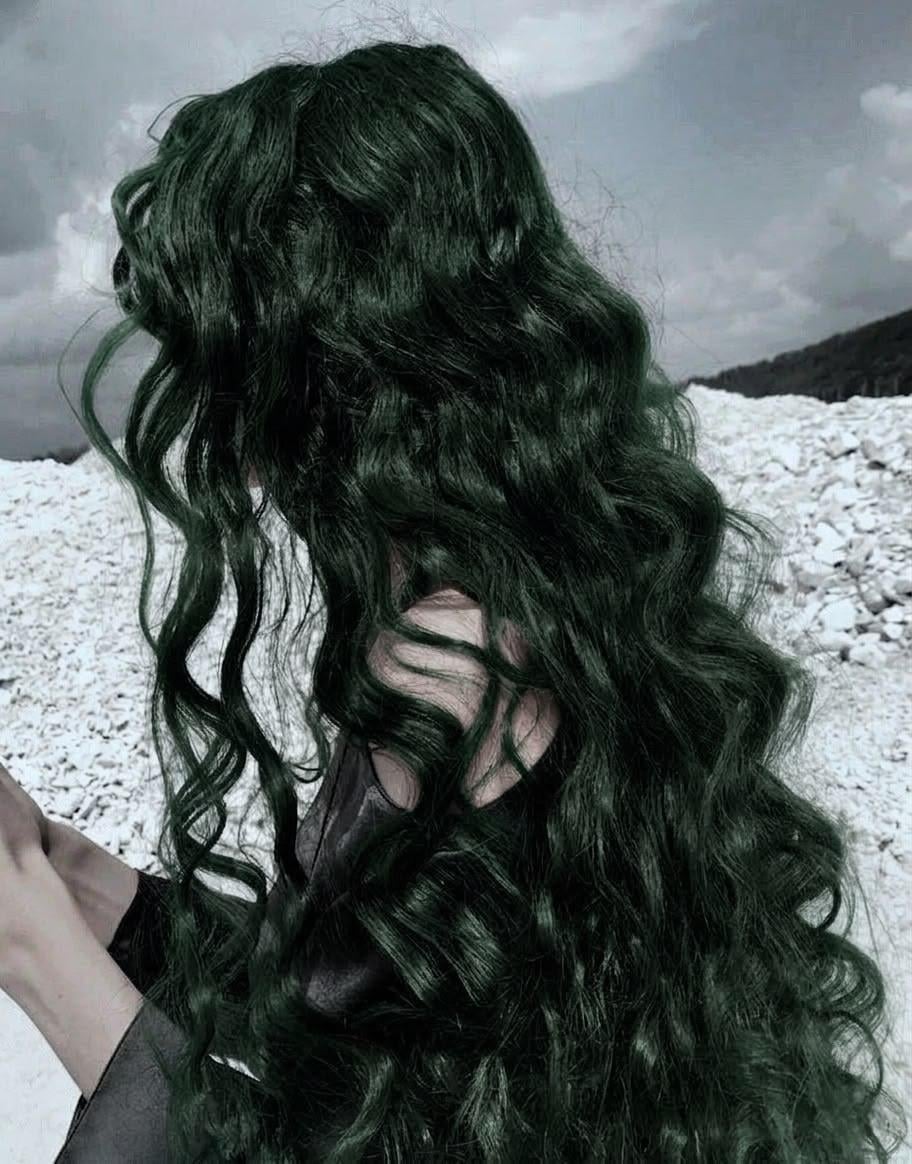
This color stopped me mid-scroll. The deep emerald green hair is a full commitment, not a flirt. The technique matters: the stylist must pre-lighten the curls enough for the green to register without destroying the curl pattern. This mid-back length on thick, curly texture means the process takes hours, and the tone fades fast. My honest downside: that vibrant emerald green needs a toning gloss every two to three weeks, or it slides into murky pond water. A trim every eight weeks keeps the ends healthy enough to hold the color.
Final Thoughts
The thing I noticed writing all of these is that the best dark colors don’t rely on being very dark. It’s the contrast between base and highlight, or the undertone that peeks through in sunlight. That depth is what makes a color feel finished. I’m booking the deep burgundy next, because it’s the one least likely to go brassy on me.