36 Stunning Chestnut Brown Hair Color Ideas to Try
I kept seeing chestnut brown in the chair next to mine at the salon. Not the flat brown of my high school years, but something with warmth that catches the light. It’s the colour that says “I tried” without looking like you tried.
This roundup has 36 takes on Chestnut Brown Hair, from a quick root shadow to full balayage, from chin-length bobs to mid-back waves. Some need a salon visit every six weeks, others grow out like a dream. I wrote it for anyone whose fine hair goes flat by 4 pm or whose roots show at week five. You’ll find the one that fits your texture, your face shape, and your patience.
Rich Chestnut Waves With Side-Swept Bangs
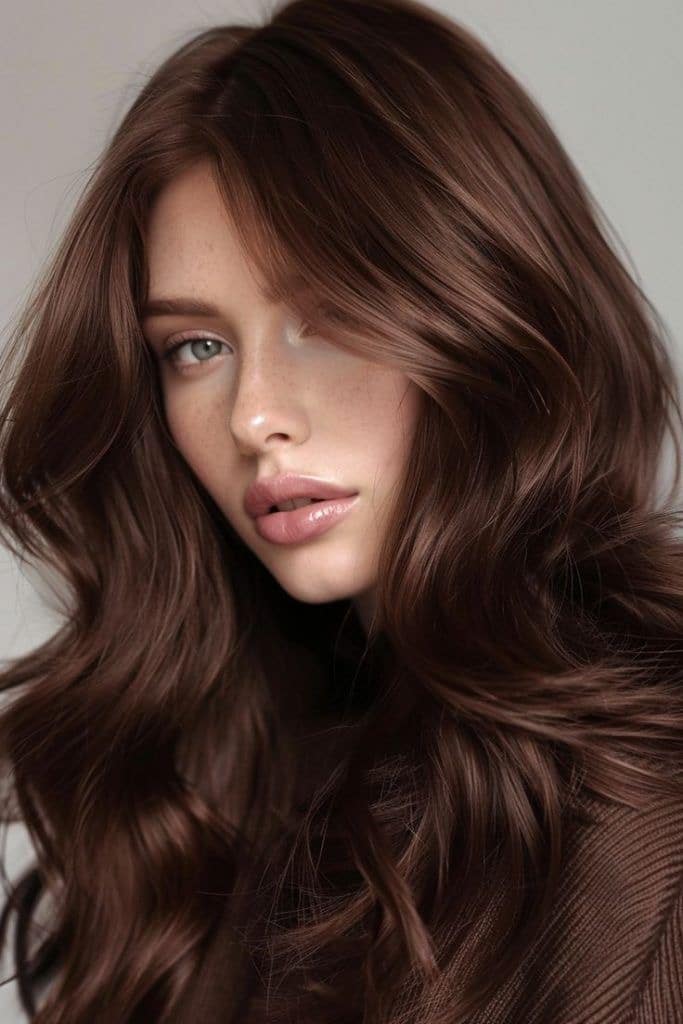
I wasn’t ready for how good this looks. The rich chestnut waves here are a single-process colour, warm-toned and glossy, on mid-back length. The side-swept bangs break up the solid colour, catching light differently and keeping the whole thing from feeling flat. On wavy, medium-density hair, the soft waves add movement without losing the depth of the shade. It’s the kind of colour that looks like you spent hours on it when you didn’t.
Visual Idea
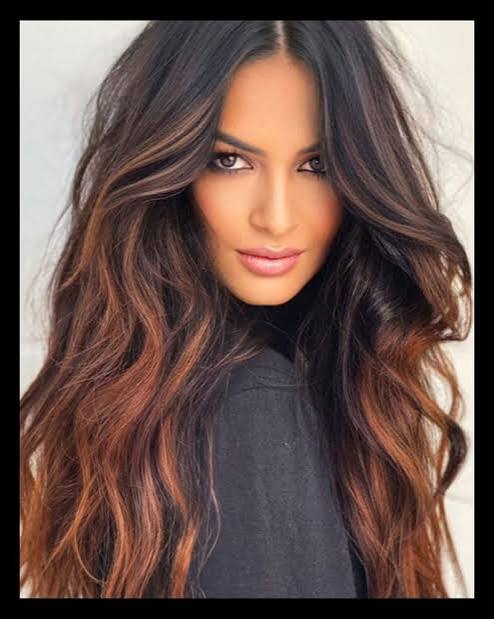
The caramel highlights here aren’t painted from the root. They start a few inches down, which keeps the colour from looking stripey and lets the chestnut brown base stay dominant at the top. On thick, wavy hair at mid-back length, the warm highlights catch the light in the waves without overwhelming the base.
Wear and upkeep are manageable. The root shadow means you can go eight to ten weeks between appointments before the line gets noticeable. A warm-toned gloss every few months keeps the caramel from turning brassy. The waves help camouflage any grow-out in between.
Mid-Back Visual Idea
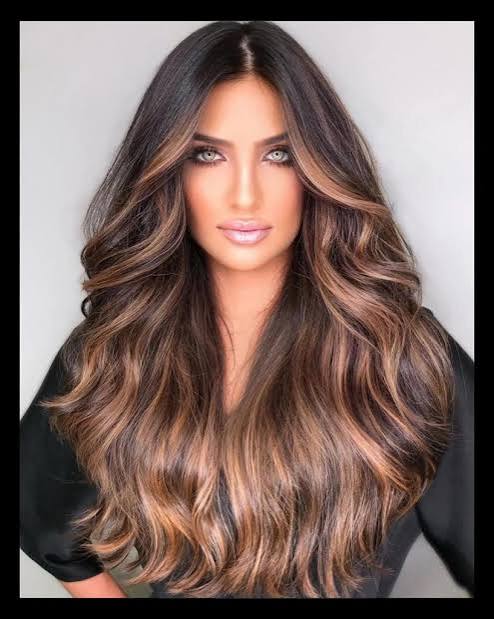
Dark brown base or light? The caramel highlights pop more against the darker background, plain and simple. On thick, wavy mid-back hair, the contrast gives the colour dimension without needing a full head of highlights. The dark brown keeps it grounded, the caramel adds warmth. It’s a smarter choice than going lighter all over, which can wash out wavy hair.
Collarbone Visual Idea
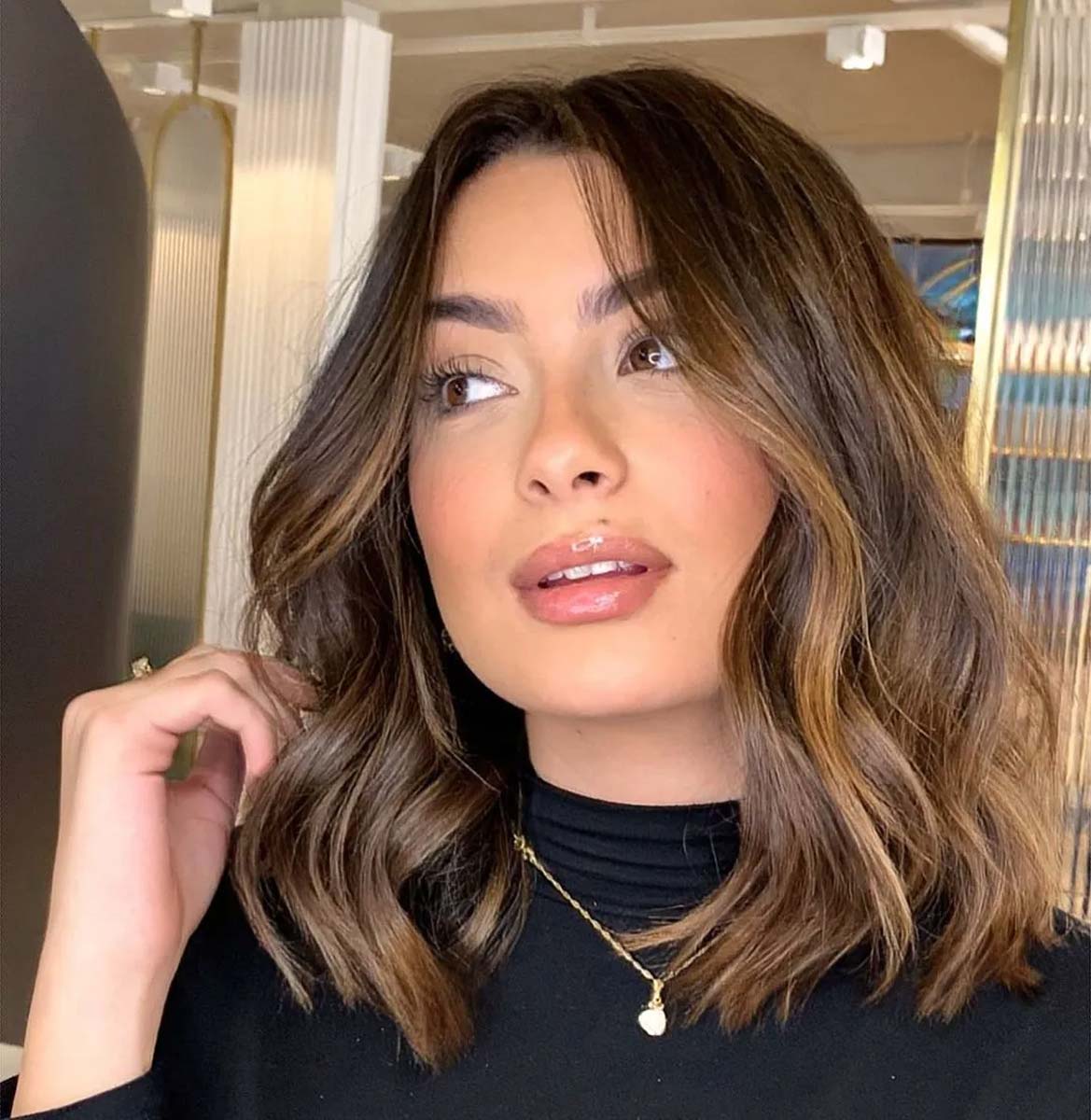
This collarbone-length cut with chestnut brown and caramel highlights suits medium-density wavy hair. The layers let waves move without losing shape, and the warm highlights add depth without weight. The collarbone length flatters most face shapes, especially oval and heart. If your hair is fine or straight, skip it — the colour can look flat and the cut can fall limp.
Season-wise, this is a fall-through-spring colour. The warm chestnut base works for cooler months, while the caramel highlights keep it from feeling heavy when it warms up. The tone is warm, not coppery, which makes it versatile. The highlights are placed to catch the eye without overwhelming the base. A wavy blowout gives it volume that lasts through the day. It’s a low-styling length that looks put together for work or weekends.
Long Layers Visual Idea
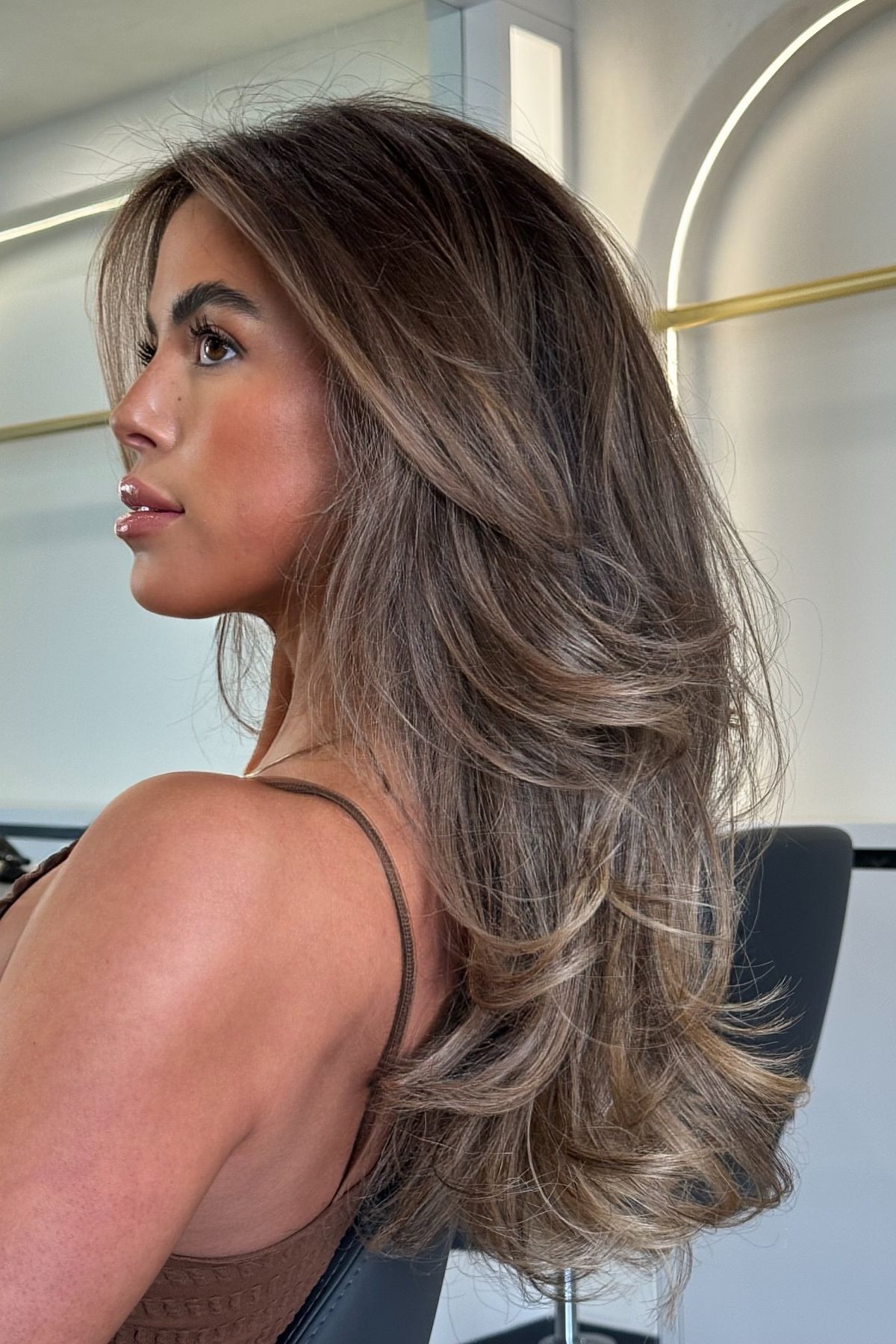
I doubted the ash blonde highlights. I thought subtle highlights on medium brown hair would be too subtle to matter. But on thick, wavy mid-back hair, they actually show up, just enough to add dimension without screaming for attention. The downside is the grow-out. Ash blonde against brown can turn brassy fast, so you’re looking at a toning appointment every six weeks. The long layers help blend the line, but it’s not a set-it-and-forget-it colour.
Layers Visual Idea
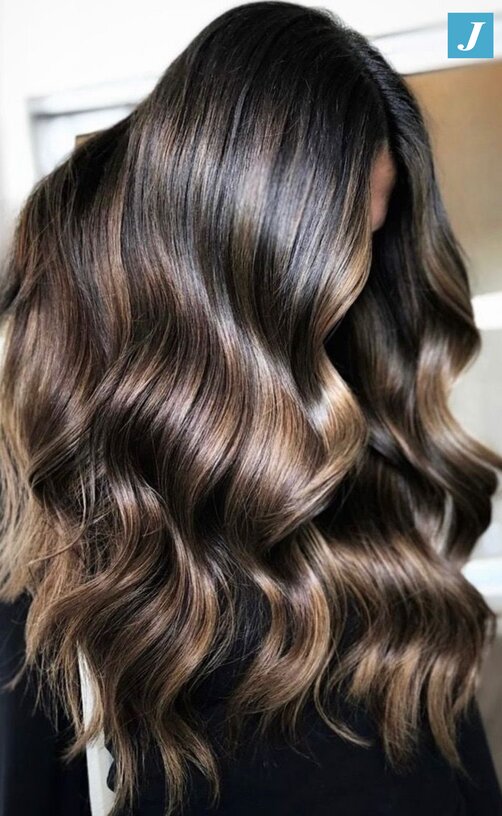
The back view tells the story first. Dark chestnut brown base with subtle lighter brown balayage, mid-back length, wavy and thick. The gloss catches the light in a way flat colour never does, and the waves break up the colour so it never looks solid.
The balayage placement is the trick. The lighter pieces sit higher around the face for brightness, then sink lower in the back for depth. No obvious regrowth line, just dimension that holds through a week of waves. The technique works because the stylist painted each section by hand, focusing on the mid-lengths and ends, leaving the roots dark. Thick wavy texture takes this well because the waves catch each lighter piece from a different angle. That glossy finish comes from the contrast between the deep base and the soft lighter brown tone. The hand-painted placement means no two sections are identical, which is what gives it that expensive, dimensional look.
Chin Visual Idea
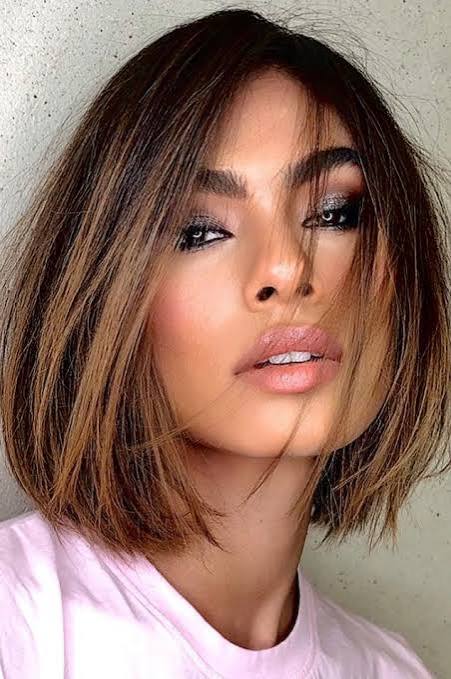
I was not sold on a blunt chin-length bob with blunt bangs at first. Medium brown base, subtle lighter brown balayage, straight fine to medium texture. It looks simple but the precision is brutal. One uneven snip and the whole thing collapses. This is a salon job, no question. The balayage is placed just at the ends and around the face, so the colour moves with the cut and adds a softness that keeps the blunt cut from feeling severe.
Dark Brown With Golden Blonde Highlights Visual Idea
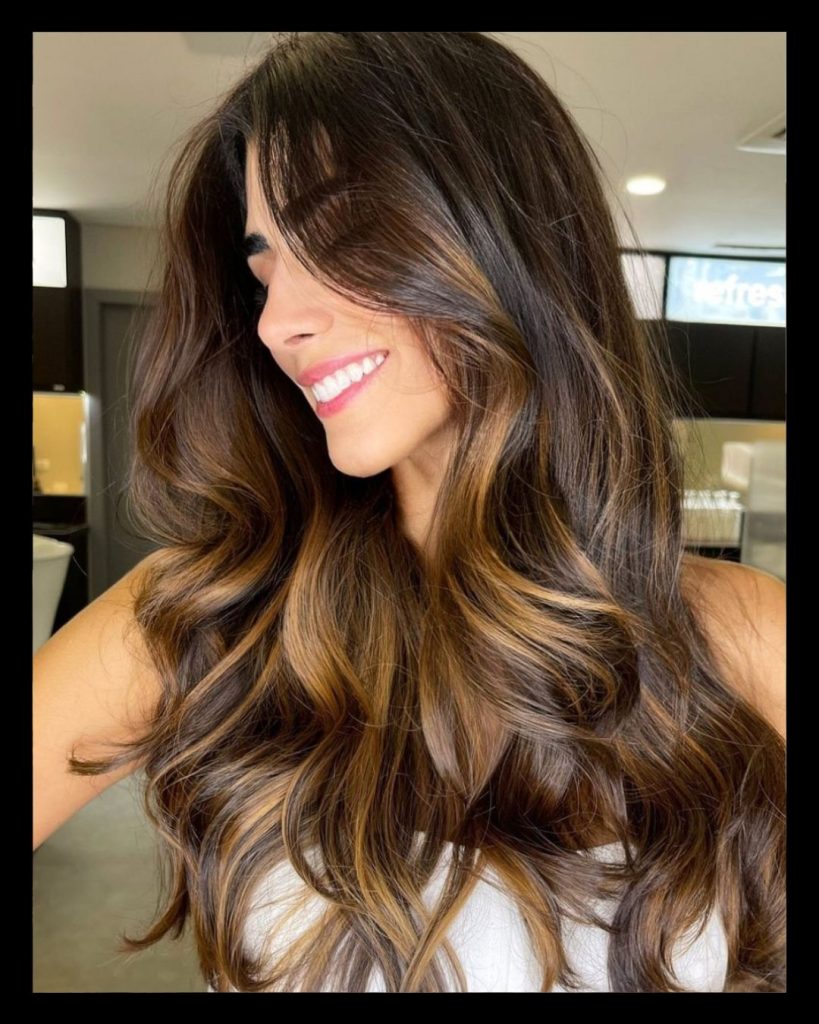
Golden blonde highlights on dark brown hair read best on thick, wavy textures. The mid-back length gives the waves room to show off each lighter piece, and the curtain bangs frame the face without competing with the colour. The contrast is high but not harsh because the highlights are woven, not chunked.
When you ask your stylist for this, say: keep the highlights fine and face-framing, no chunky streaks. Request a root smudge to blur the grow-out line. Tell them you want the golden blonde tone to stay warm, not ashy. And ask for the highlights to be concentrated on the mid-lengths and ends, not the roots. Thick wavy hair holds the wave pattern all day, so the colour moves with every turn of the head.
Full Bangs Visual Idea
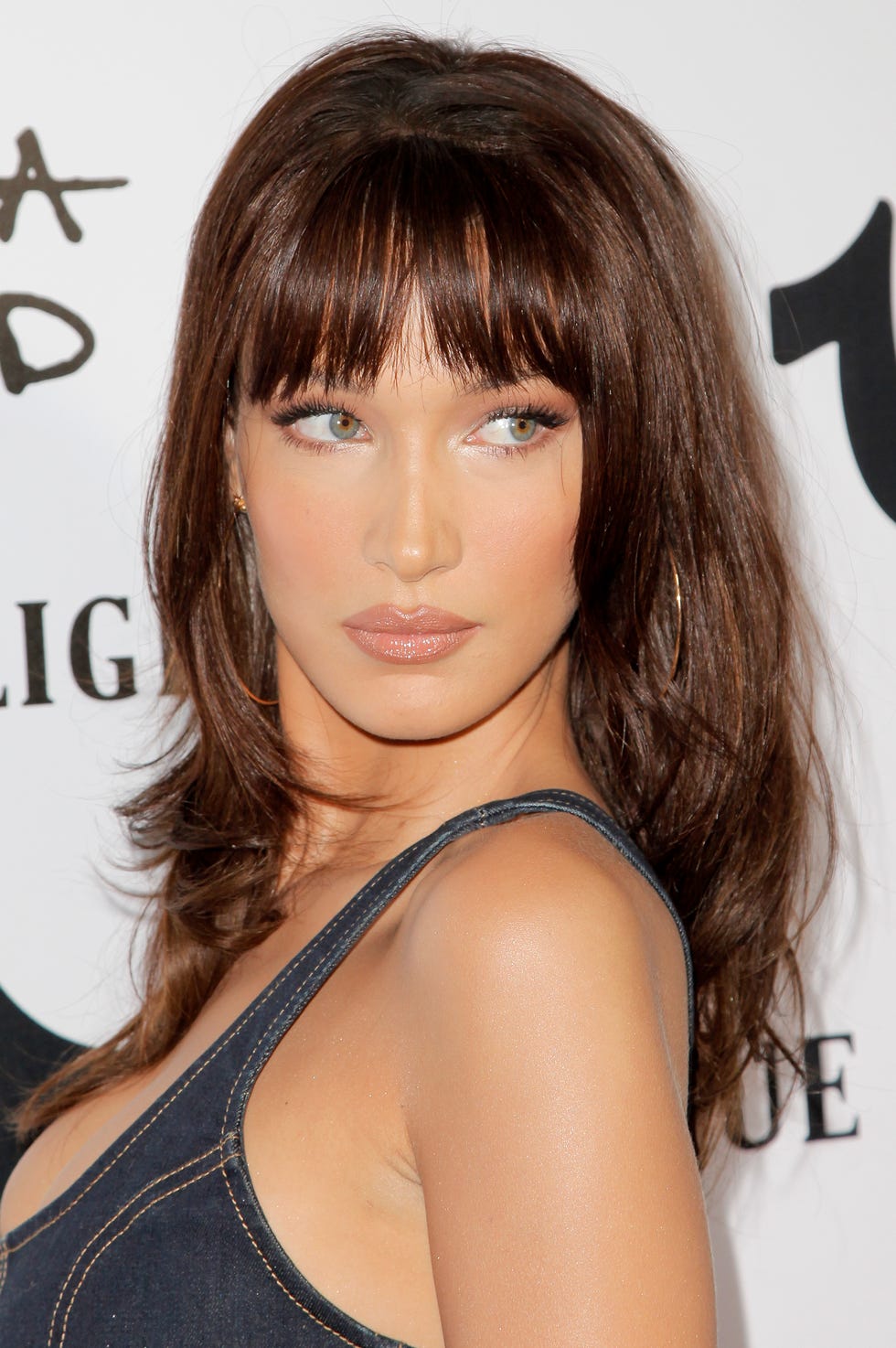
Can a single colour hold your attention? Chestnut brown with subtle copper undertones, collarbone length, wavy medium density. The single process colour gives a rich, even base that lets the copper undertones glow. The copper catches the light and keeps the brown from falling flat. But the full bangs are the real story. They demand a trim every three weeks, no exceptions. The colour is low-maintenance, the bangs are not. This look works because the warmth in the colour matches the softness of the waves.
Dark Brown Visual Idea
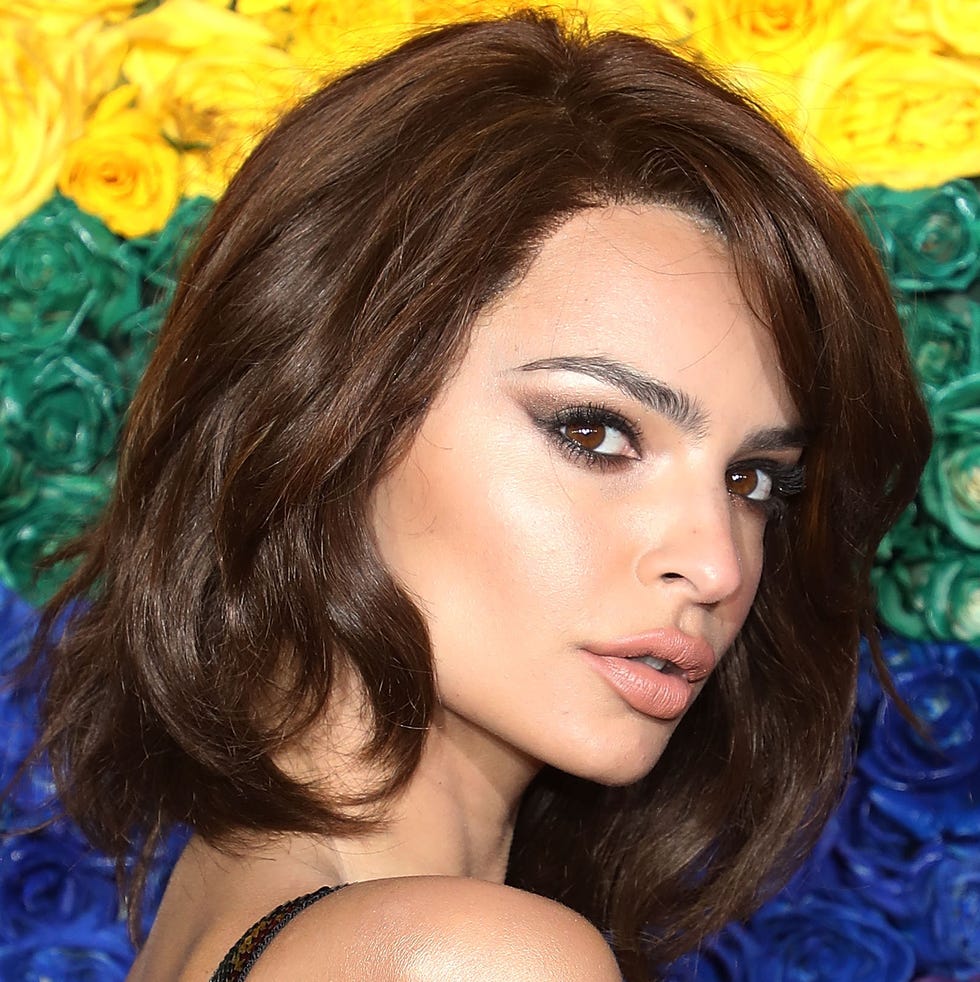
Dark brown is the workhorse of hair colours. Single process, warm tone, chin length, wavy medium density. The side part adds volume on top, and the waves break up the solid colour so it never looks flat.
The upkeep is real. You need to refresh the waves every morning with a heat protectant and a curling wand, because the bob length loses wave shape overnight. The side part also needs to be reset after washing. But the colour itself is forgiving: no roots to worry about for weeks, just a trim every six to eight weeks to keep the bob sharp. Medium density hair holds the wave pattern better than fine hair, but the waves drop by late afternoon if you skip the texture spray.
No Bangs Visual Idea
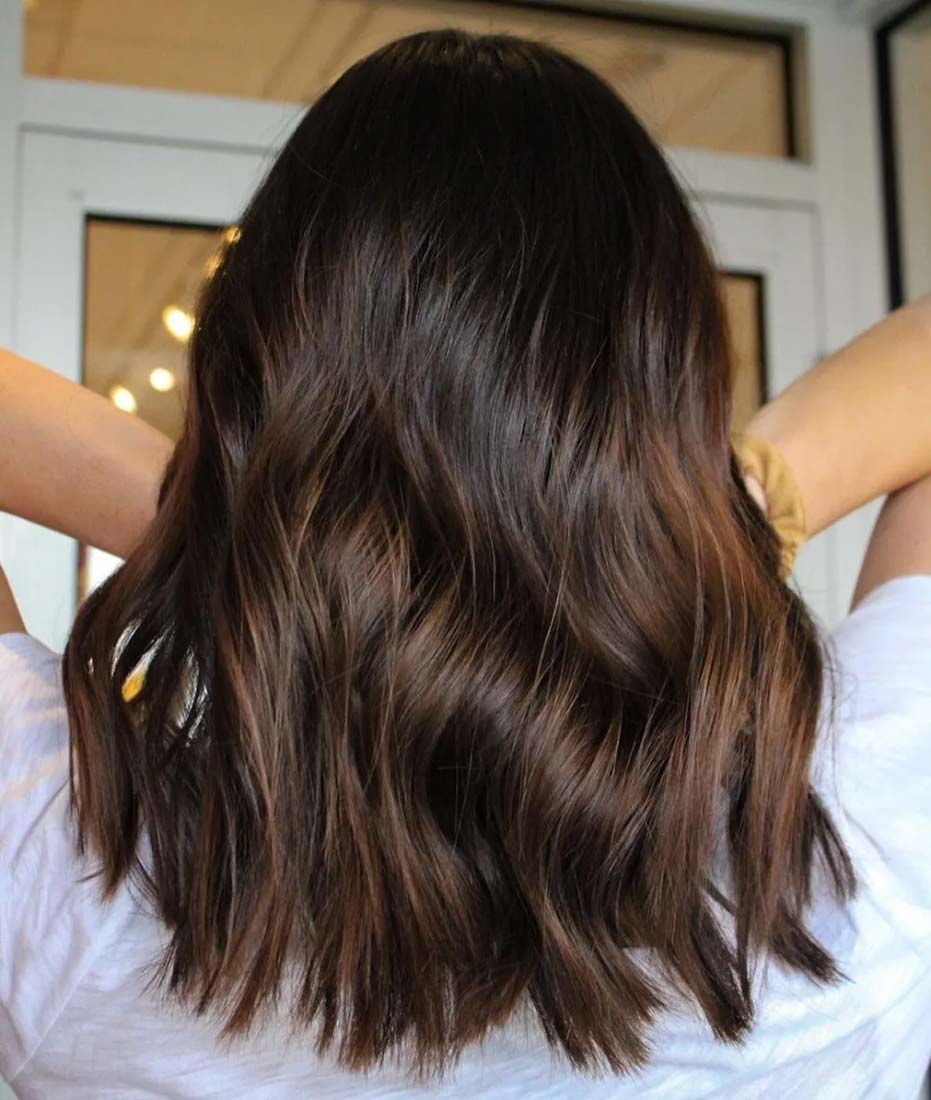
I keep going back to uniform dark chestnut brown on a collarbone-length thick wavy cut. The multi-tonal looks get the attention, but this one gets the second glance. No bangs means you see the whole colour first, and with a side part the wave opens wide, so the light hits every ridge of the texture at once. A deep, even base reads expensive on thick hair. Sparse density would need more dimension, no question. Right here the weight is the point.
Back View Visual Idea
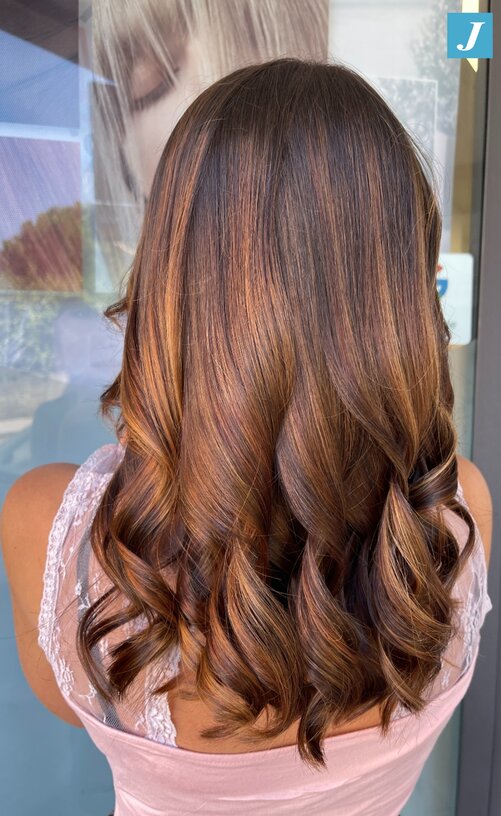
The back view of this mid-length cut is where the technique lives. A stylist placed chestnut brown with copper and gold highlights in thick hair, and they fall in ribbons from the crown to the end. The layers are long enough to hold the curl pattern, short enough to catch the light on every wave. This is a fall look, or a late winter one when the sun sits low and you want the colour to do the talking.
The highlights start about two inches from the scalp, which means a new season of grow-out that actually looks intentional. The copper reads warm, the gold reads bright, and the base keeps it from tipping into brass. Book this for a root shadow if you want the same stagger without the commitment.
Side View Visual Idea
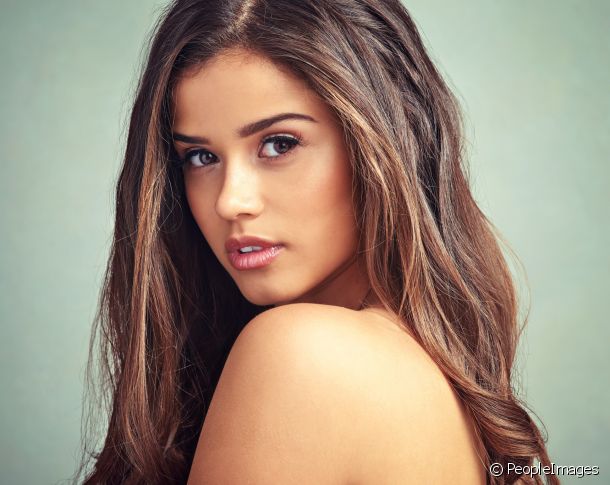
The side part on a side-view cut like this one widens a round face in the best way. A thick wavy mid-back cut with rich chestnut brown and subtle golden highlights lands the parting at the arch of the brow, so the wave falls forward to frame the chin. If your face is long or narrow, the same side part can add width you did not ask for. Straight hair would not carry the volume this shape needs. Wavy or curly hair gets the lift without a round brush.
Loose Waves Visual Idea
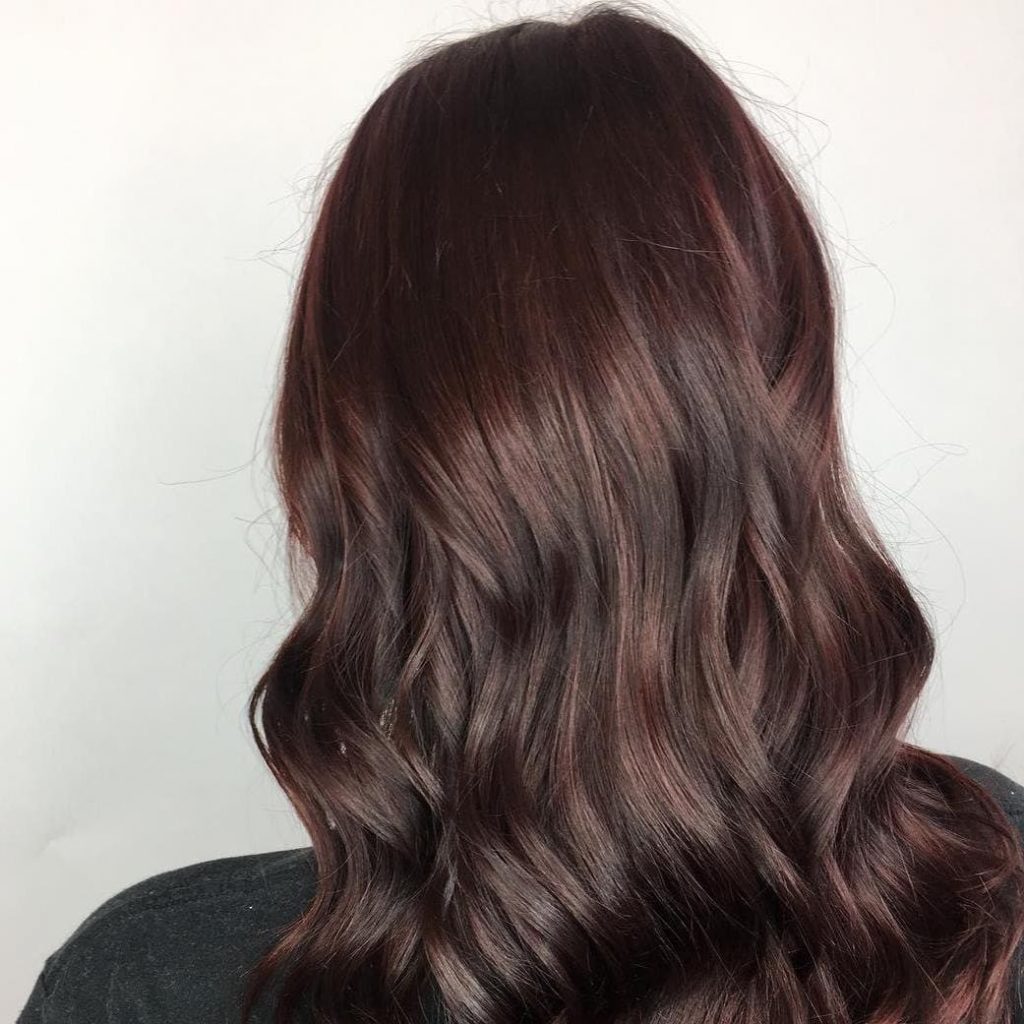
Here is what happens to dark chestnut brown with subtle auburn tones on medium-density mid-back wavy hair. The auburn is warm enough to catch at noon, subtle enough to not read red by streetlight. That is the good news. The honest downside is that auburn fades fast on low-porosity hair, so by week four the tone goes flat. A toning gloss at six weeks keeps the warmth alive without redoing the whole job.
The loose wave pattern here holds for about two days before the spiral loosens. That is fine. Day-three texture with a dry texture spray is actually better than fresh curls because the wave has dropped into a soft S-shape. The auburn glints in the folds, not just on the surface.
Side Bangs Visual Idea
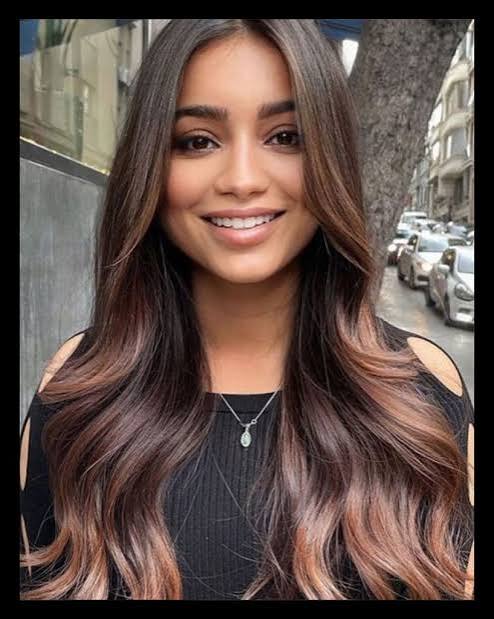
When did a dark brown base with warm, rosy-toned highlights and balayage start reading this expensive? The side bangs break the colour line, so the rosy pieces peek through the front without a full sweep of pink. Thick wavy mid-back hair holds the balayage diffusion well because the wave bends the highlight. Middle part, loose blowout finish, the rosy tones land at the cheekbone. Straight hair would lose the gradient. If your texture has bend, this combination is the one.
Front View Close Crop Visual Idea
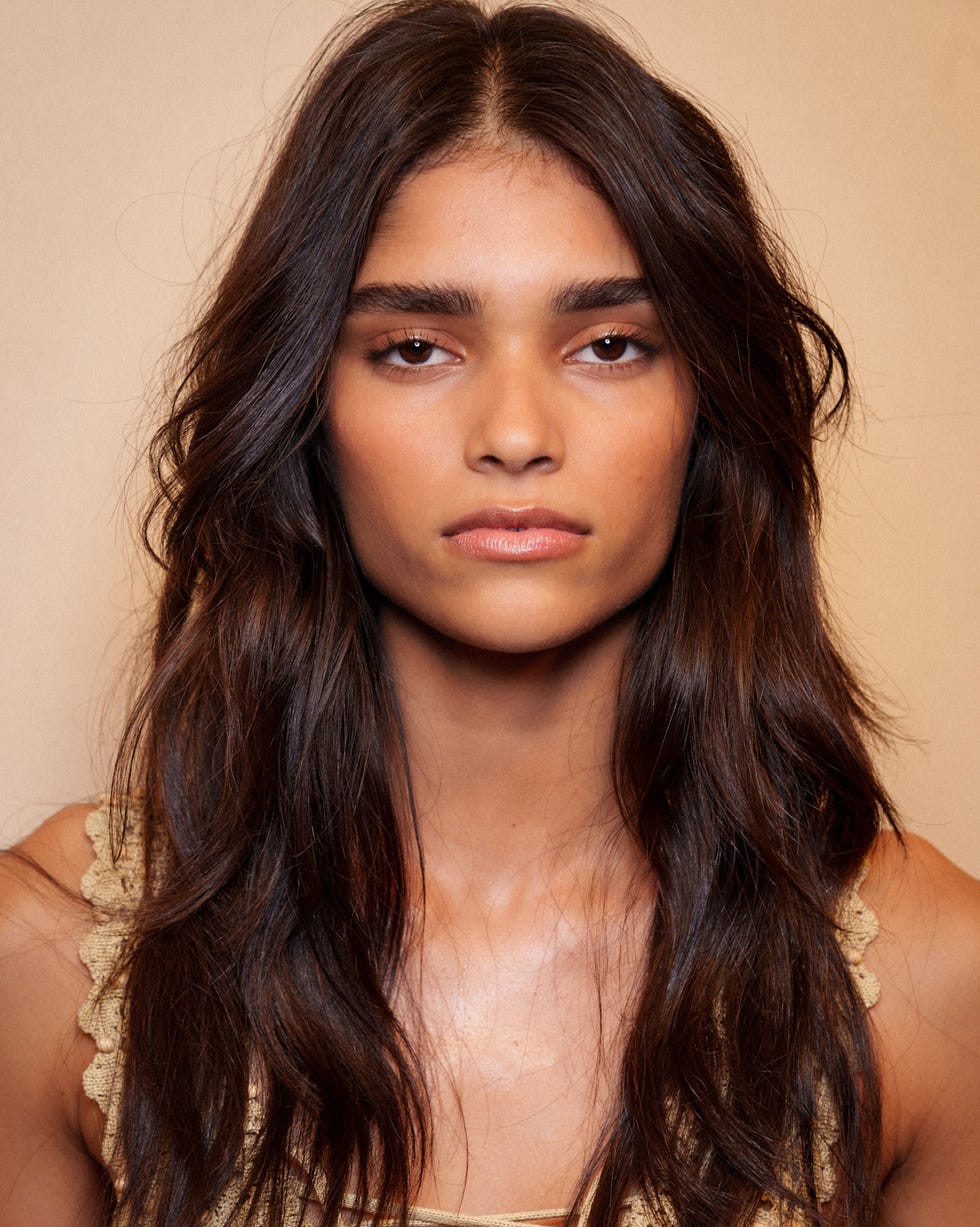
This is not a DIY shade. The deep, rich dark brown with subtle warm undertones requires a professional gloss to land evenly on thick, wavy hair at mid-back length. The technique uses a demi-permanent gloss that deposits tone without lifting the base. Without a salon application, the color can grab unevenly, leaving patches of flat brown and missing the warm glow entirely.
A gloss treatment seals the cuticle and locks in that mirror shine. On thick texture, the stylist can saturate each section precisely. At home, you risk uneven saturation and a dull finish. The warm undertones need controlled processing time. And the shine lasts weeks longer than any box dye. Book the appointment, this one is not a bathroom-mirror job.
Chestnut Brown With Subtle Highlights Visual Idea
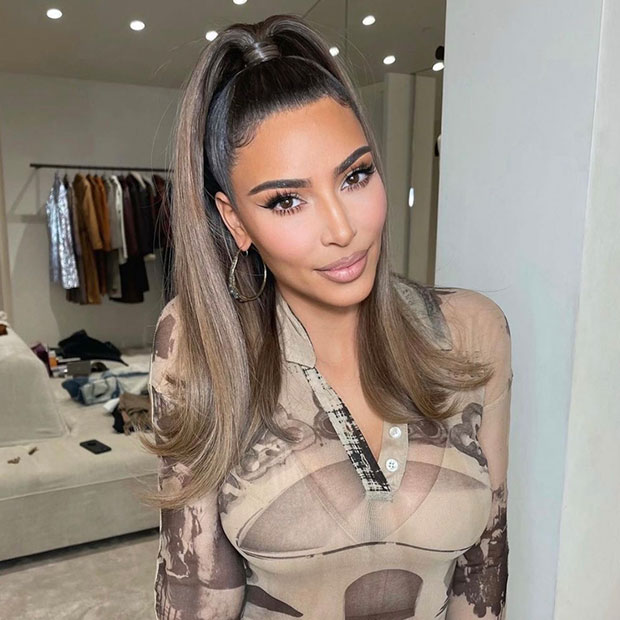
I’ll confess, I didn’t think side-swept bangs would flatter a round face. But the dimensional chestnut brown with subtle highlights changes the game. The side-swept bangs soften a square jaw and balance a heart shape. On a long face, skip them — they add width. The chestnut brown with subtle highlights adds depth that makes the bangs feel intentional. The blowout styling lifts the roots, and the wavy, thick texture holds the shape. If you have fine hair, the highlights might get lost, so opt for a richer base. This colour works best on mid-back hair with a side parting.
Side Visual Idea
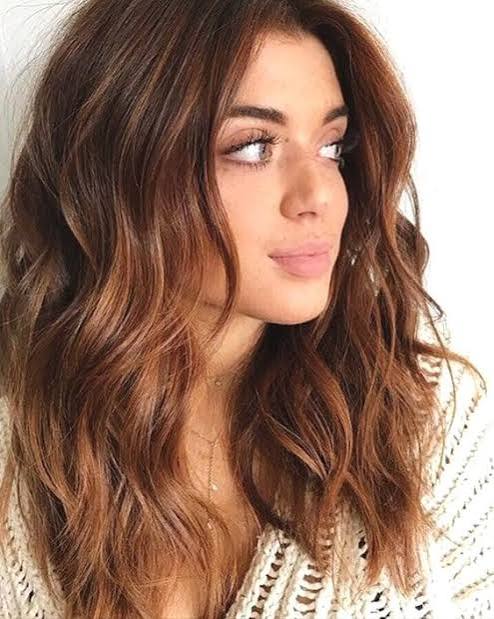
The side view catches the copper first. The chestnut brown with warm copper undertones and highlights catches light differently with each wave. From the side, the copper highlights appear as ribbons of warmth against the deeper base. The copper appears as a subtle glow, not a stripe.
The technique uses copper foil placement on thick, wavy mid-back hair. The stylist weaves in fine sections and paints a warm copper tone that blends into the chestnut base. The foil placement is strategic — the stylist places them where the hair naturally waves, so the copper catches at the bends. This creates a vibrant chestnut brown that shifts from warm to rich depending on the light. The warm copper undertones keep the chestnut from looking flat. This color is made for autumn, when the copper tones echo falling leaves. It also works for evening events where candlelight brings out the warmth.
Front View Slight Side Profile Visual Idea
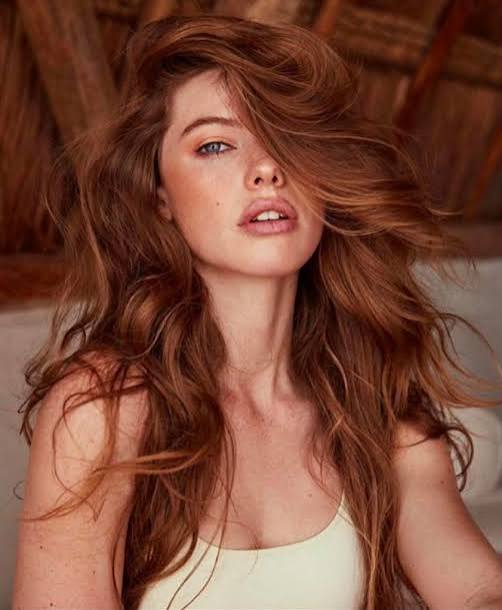
Warm copper brown beats neutral brown every time. On thick, wavy mid-back hair, neutral browns can look flat and one-dimensional. The warm copper brown with lighter copper highlights adds brightness and movement. The lighter copper highlights catch the light and create depth. Standard neutral browns sit quietly on the head; this one announces itself. The warm tone also complements olive and warm skin undertones better than a neutral. And the lighter copper highlights keep the color from feeling heavy. If you want dimension without going blonde, this is the pick.
Middle Visual Idea
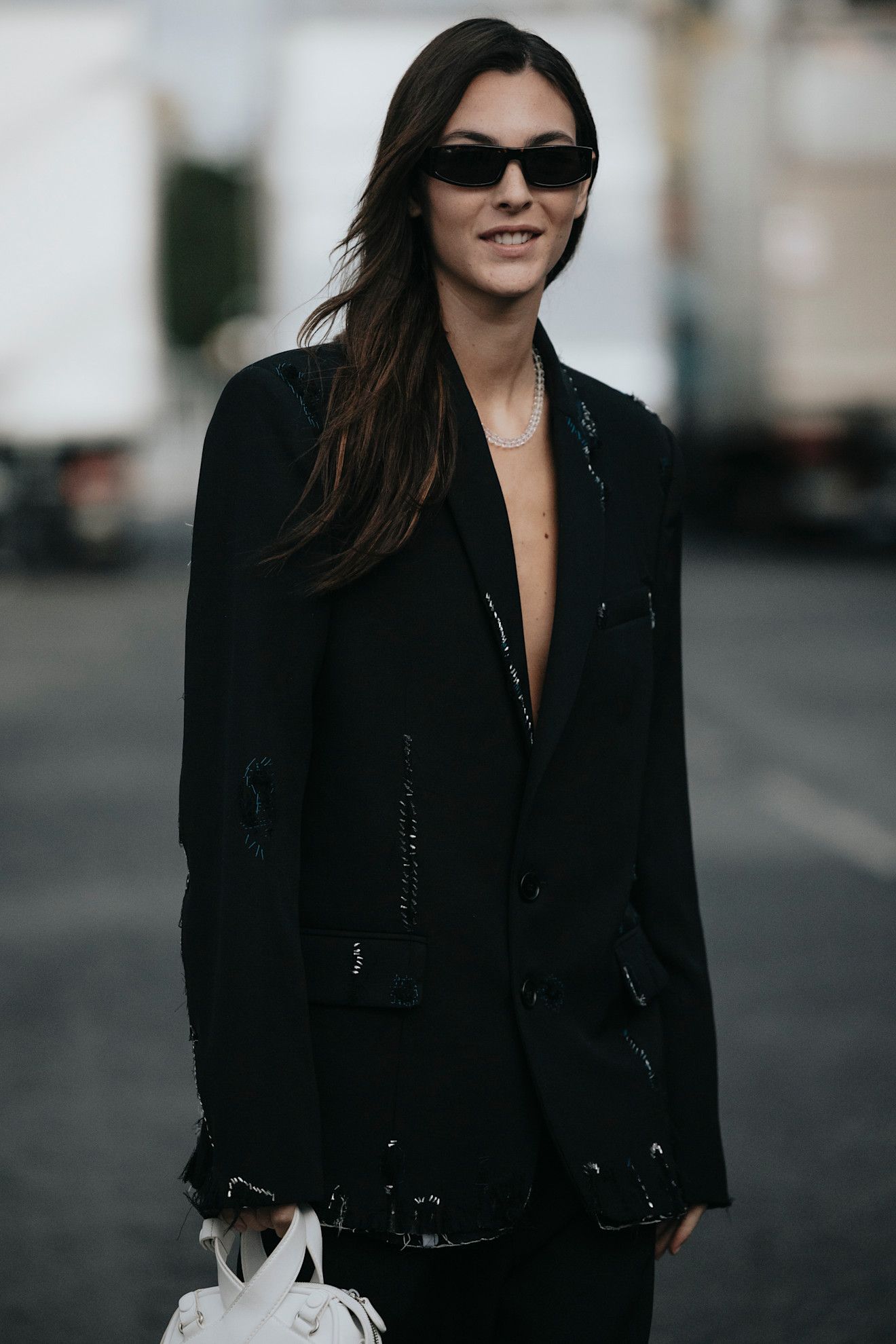
The middle part shows every bit of grow-out by week three. The dark brown base with subtle lighter brown highlights and warm undertones means the roots appear as a clean line down the center. The subtle lighter brown highlights fade gradually, so the dimension softens over time but doesn’t look brassy. The dark brown base stays rich for weeks, while the highlights soften into a subtle sunlit effect. The middle part also means the highlights are evenly distributed on both sides. This color works best on wavy, thick hair that holds the wave pattern without heat.
Upkeep is manageable. A gloss every six weeks refreshes the dark brown base and keeps the highlights from going muddy. Use a color-depositing conditioner once a week to maintain the lighter brown tones. The middle parting means you can stretch the gloss appointment to eight weeks if you blend the roots with a root touch-up spray. Avoid sulfates to prolong the dimension.
Deep Chestnut Brown Visual Idea
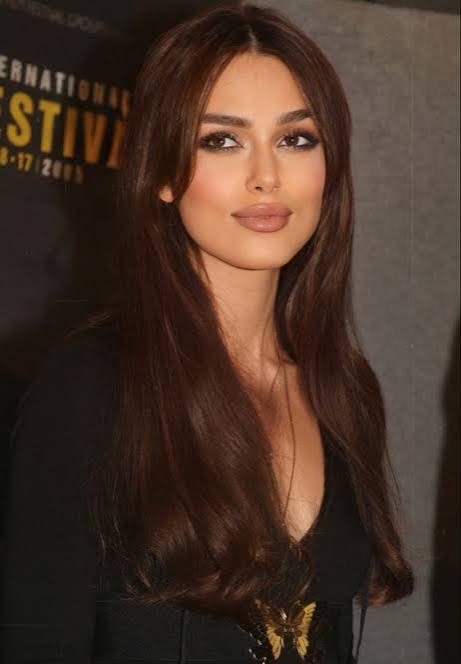
Have you ever seen a solid colour and thought, that’s it, that’s the one? This deep chestnut brown is a single-process all-over shade, no highlights, no technique beyond a good formula. The tone leans warm but not coppery — think dark chocolate with a hint of cinnamon. On straight, thick mid-back hair with a middle part, the colour reads saturated and expensive. The honest catch? Solid colour shows every new root. By week four, you will see the line.
Straight Sleek Visual Idea

Sleek, dark, straight mid-back hair with a middle part works best on one type of person: someone with warm skin undertones and an oval or heart-shaped face. The cool undertones in this deep, dark brown with subtle cool undertones sit close to the scalp and reflect light differently than a warm brown would. On warm skin, it reads deliberate. On olive skin, it can wash you out if you do not add gloss.
The thickness matters here. This length and this straight finish need density to avoid looking stringy past the shoulders. Fine hair at mid-back goes flat by noon — this cut needs weight and body to carry the colour flat.
Bob Visual Idea
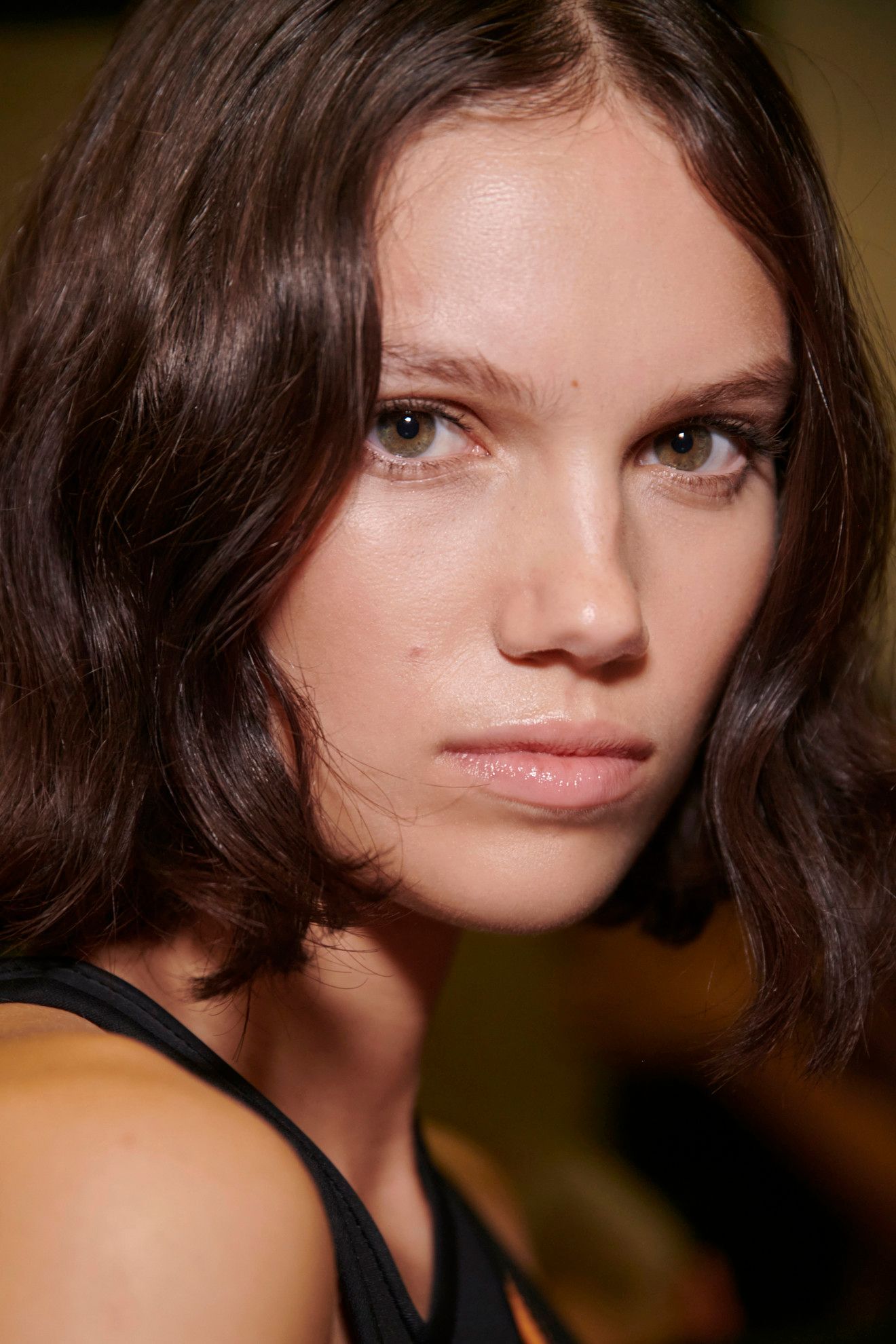
I will admit it: I do not trust a wavy chin-length bob to hold its shape past the first wash. But this dark chestnut brown bob with a side part and fine texture has one advantage — the waves are loose enough that they do not need to be perfect. A root shadow or single-process colour at home is risky with this cut. The angle and the tone need even saturation, and a bob shows every uneven section. Book the salon, bring a reference photo, and expect the colour to fade warmer in six weeks.
Lob Layers Visual Idea
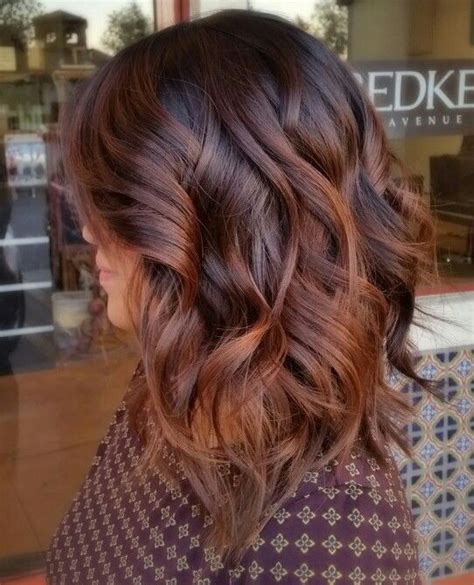
The stylist paints the ends, leaving the dark brown base near the scalp untouched. That is the balayage transition: a hand-painted sweep of warm copper balayage that starts a few inches down and gets lighter toward the ends. On a collarbone-length layered lob with a middle part and medium density, the copper hits the layers first, so the movement reads even when the hair is down. This is a fall-through-spring colour. The copper lifts in summer light and turns more brown by January. A gloss every eight weeks keeps the copper from going brassy.
Wavy Medium Density Visual Idea
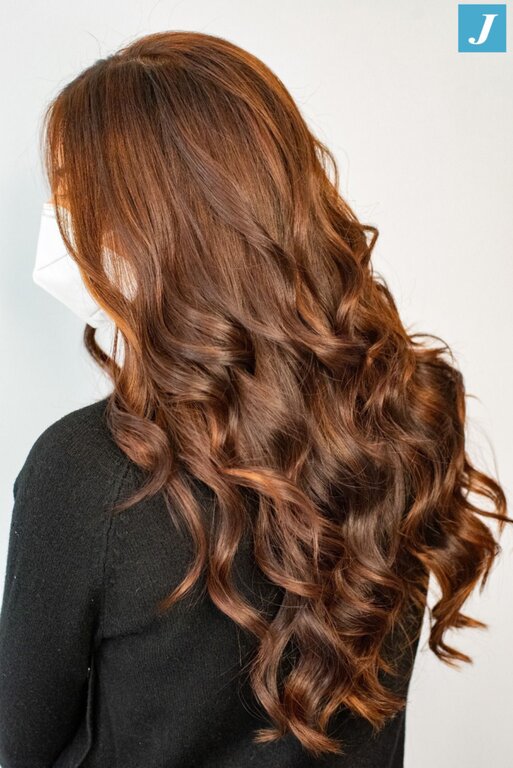
Reddish-brown balayage fades. That is the honest start. On mid-back, medium-density wavy hair with long layers and no bangs, this chestnut brown with subtle reddish-brown balayage looks incredible for the first three weeks. The red catches the light in the waves and the balayage softens the root line. By week five, the red pulls toward orange unless you use a color-depositing conditioner every third wash. The waves actually help here — the texture scatters the light, so the fade is less obvious than on straight hair. A trim every ten weeks keeps the ends from looking ragged.
Light Brown Visual Idea
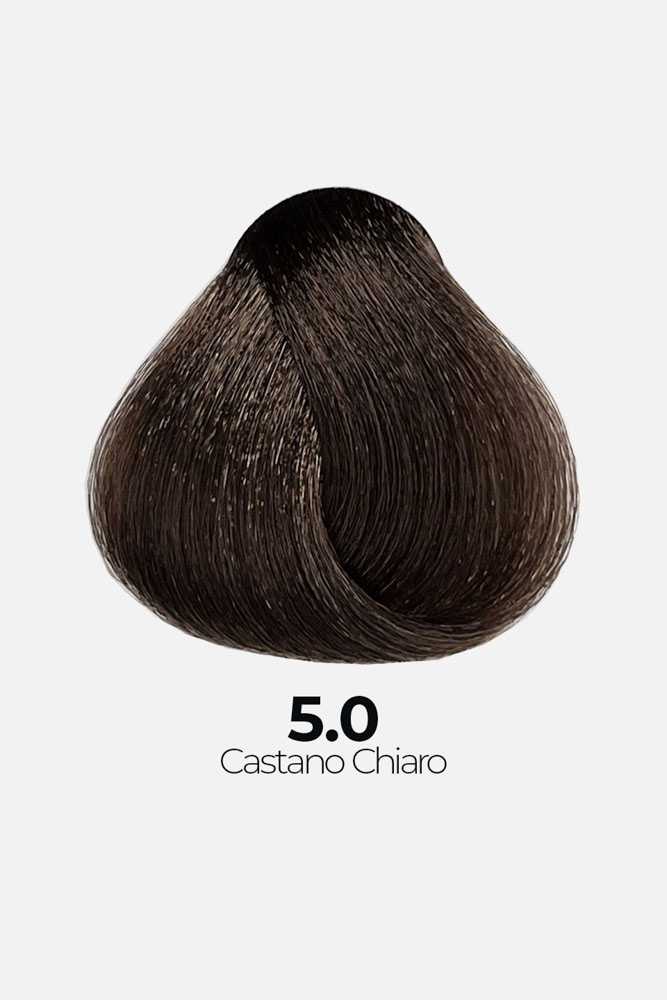
This is light brown without the brassiness that usually creeps in. Straight, air-dried, medium density, no bangs, the cut is blunt and uniform. The tone is warm but not orange, a rich brown shade that reads natural rather than dyed.
What makes it work is the restraint. No highlights, no gloss, just a single colour applied evenly from root to tip. The medium density keeps the light brown from looking thin, and the straight texture lets the warmth catch the light. A Light Brown Visual Idea that proves simple can be striking.
Wavy Visual Idea
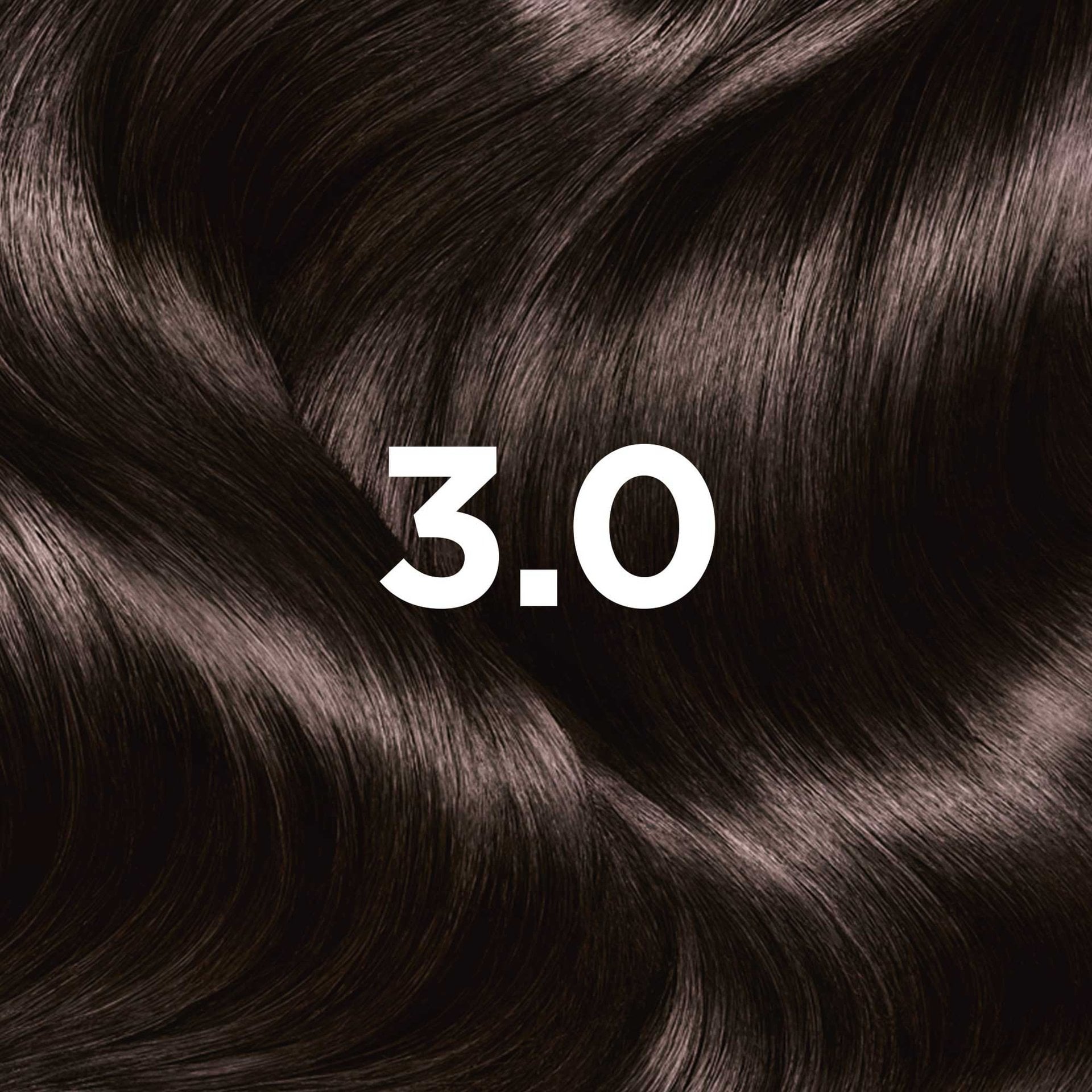
Ever notice how thick wavy hair holds a curl while fine hair lets it slip? This is the thick wavy argument from the back view: mid-back length, dark brown, layered, wavy and thick. The rich deep brown tone looks almost liquid in the waves. The honest downside? That same volume can feel heavy by midday, and the layers need a trim every eight weeks to keep the shape from turning into a triangle.
Ash Brown With Golden Undertones Visual Idea
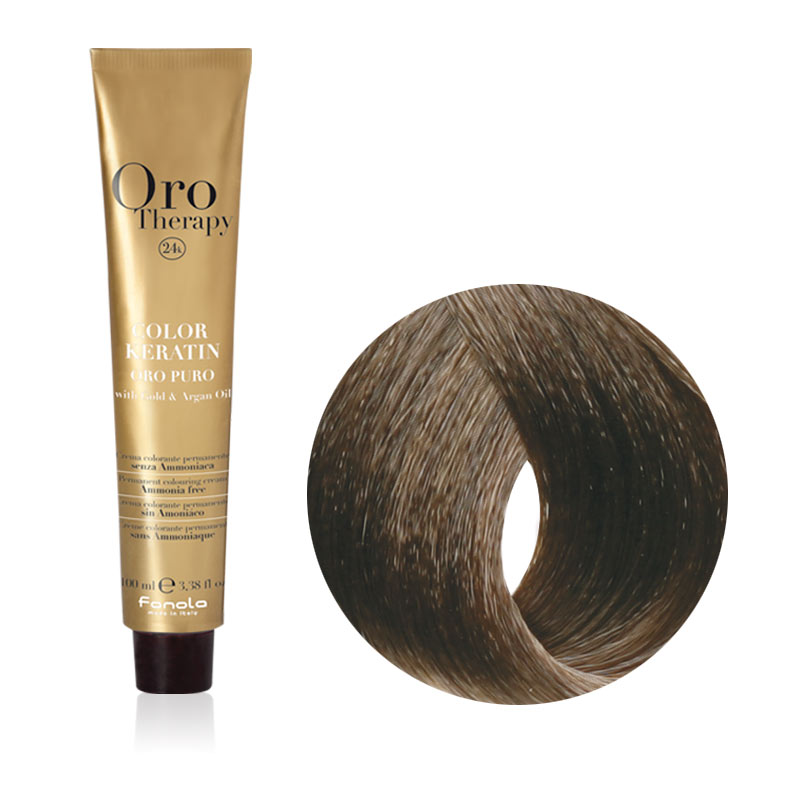
This is not for everyone. The ash brown with golden undertones works best on fine, straight hair with a close crop. The ashy tone cools the face, the subtle gold keeps it from going flat. It flatters oval and heart shapes because the short length draws the eye up, and fine density lets the colour sit evenly.
Who should pass? Anyone with thick or curly hair. The ash can look muddy on dense texture, and the gold gets lost in the volume. Straight, fine, and short is the sweet spot. An Ash Brown With Golden Undertones Visual Idea that rewards the right match.
Loose Curls Visual Idea
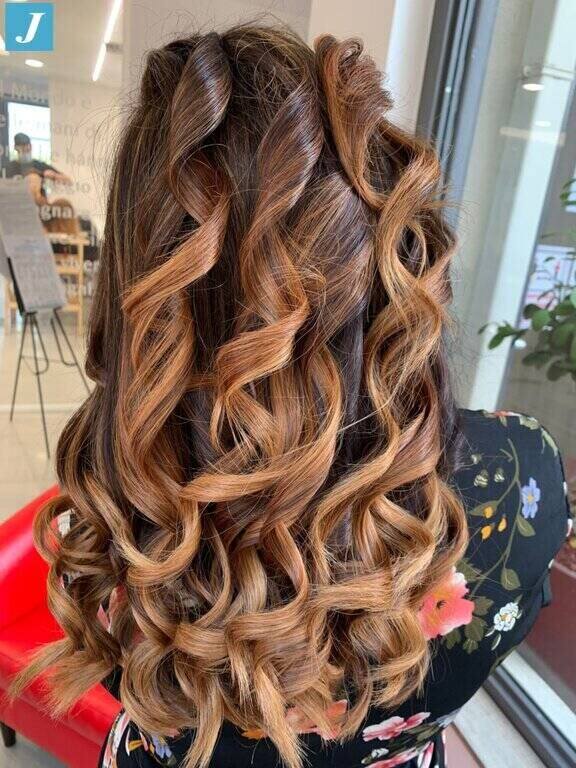
I’ll admit, I used to think balayage was overhyped. Then I saw this: a dark brown base with reddish-brown balayage on mid-back thick wavy hair, styled into loose curls. The technique is freehand painting, starting mid-shaft and feathering toward the ends. The reddish-brown tone catches the curl’s spiral, creating depth without a harsh line. Long layers support the shape, and the middle part lets the colour fall evenly on both sides.
Dark Brown Chestnut Undertones Visual Idea
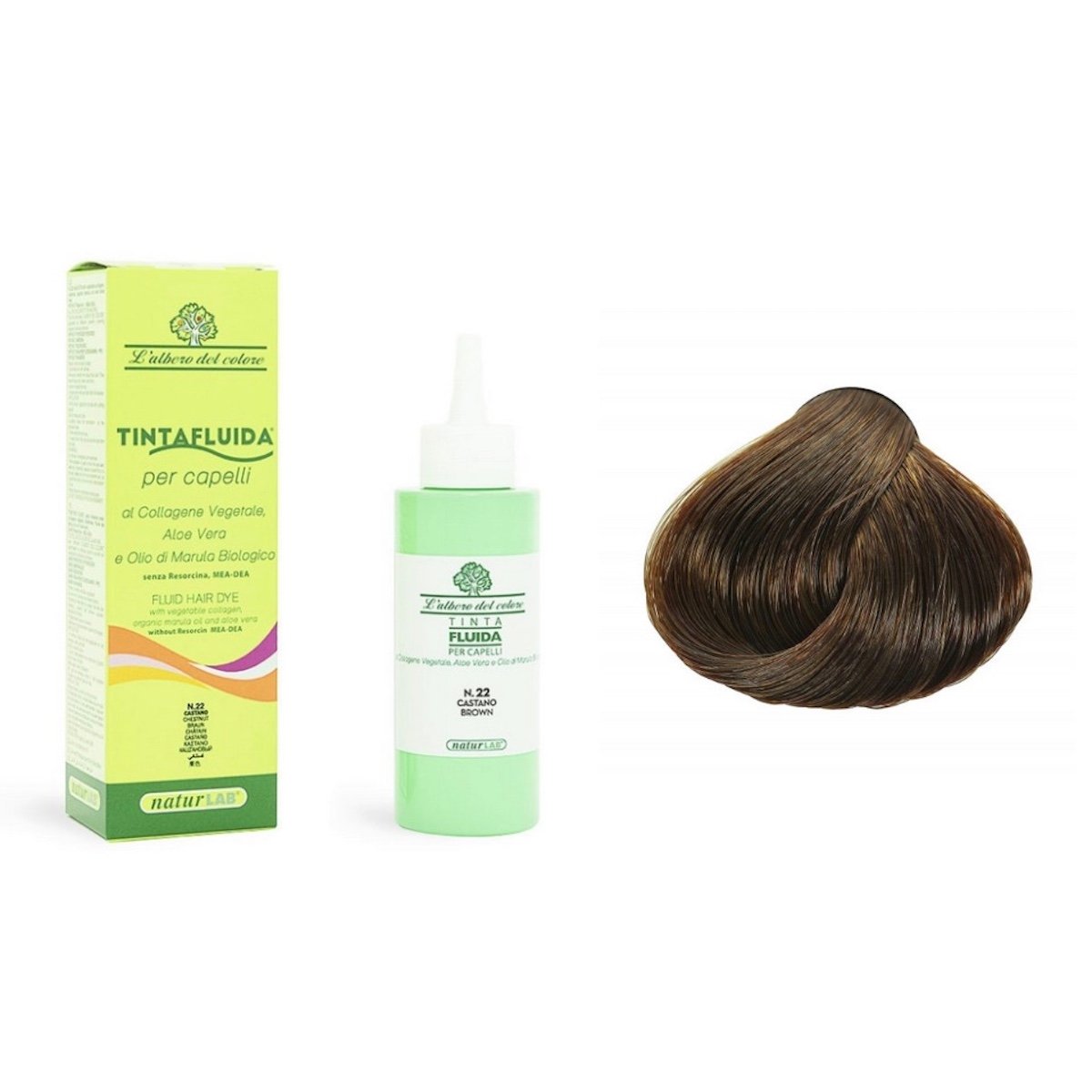
Monday morning, no heat, just air-dried. The rich chestnut brown hue on thick wavy hair, cut close crop, shows its warmth in natural light. By Wednesday, the waves have relaxed, but the chestnut undertones still glow. The colour holds because it’s a single process, not layered highlights.
Upkeep is simple: a gloss treatment every six weeks keeps the chestnut from fading to flat brown. Air-drying works best because heat can dull the undertone. A Dark Brown Chestnut Undertones Visual Idea that earns its place in the weekly rotation.
Braided Visual Idea
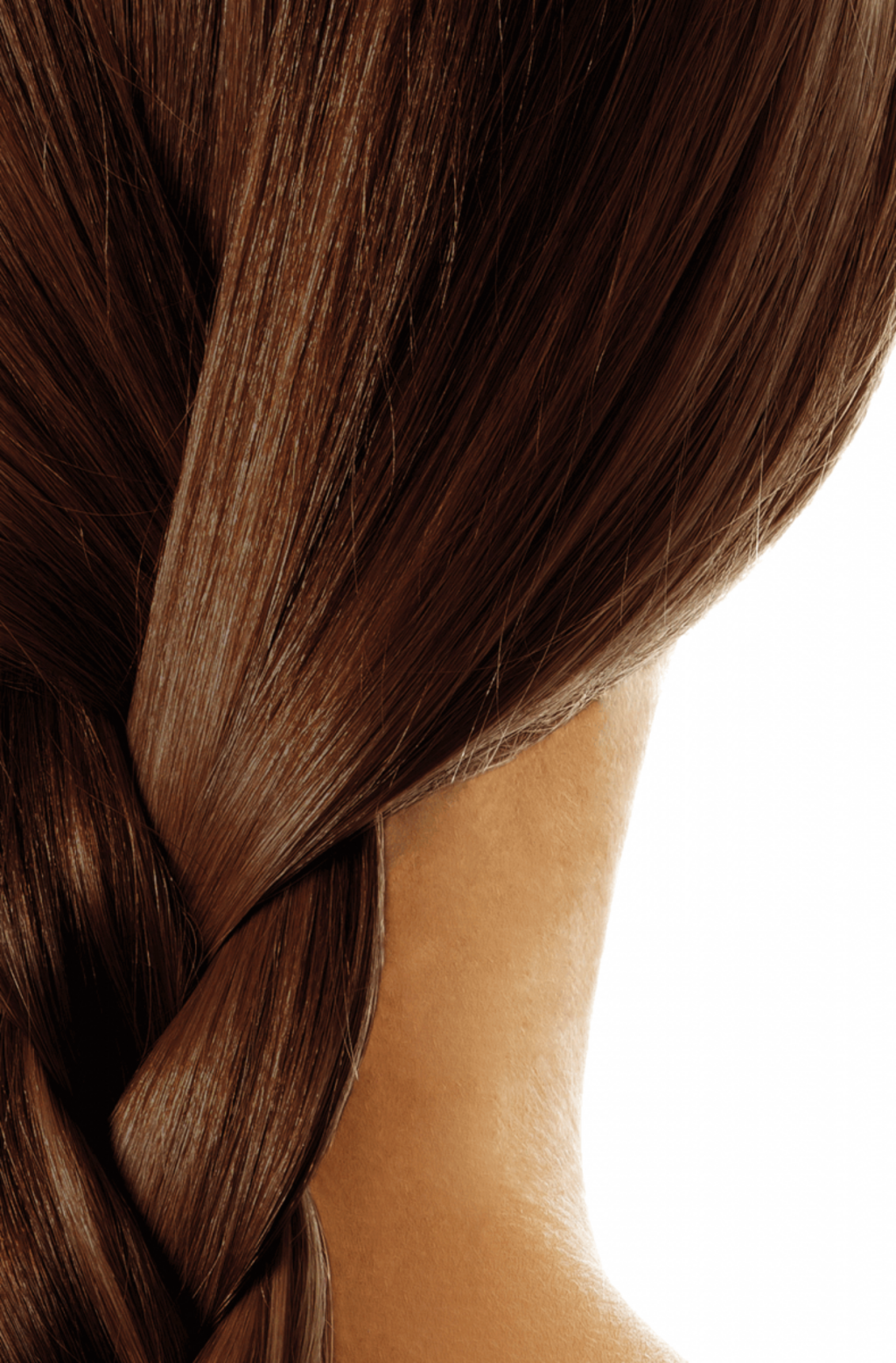
That braid is doing real work. It starts at the crown, pulls the thick chestnut brown hair into a side section, then weaves it tight enough to hold all day. The subtle highlights catch the light between the strands, so the whole thing reads dimensional instead of flat. Mid-back length gives the braid enough weight to hang properly. Wavy texture grips the sections better than straight hair ever could. No bangs, no fuss, just a clean back view that makes you wish you had a friend who could braid this well.
Reddish Highlights In Chestnut Base Visual Idea
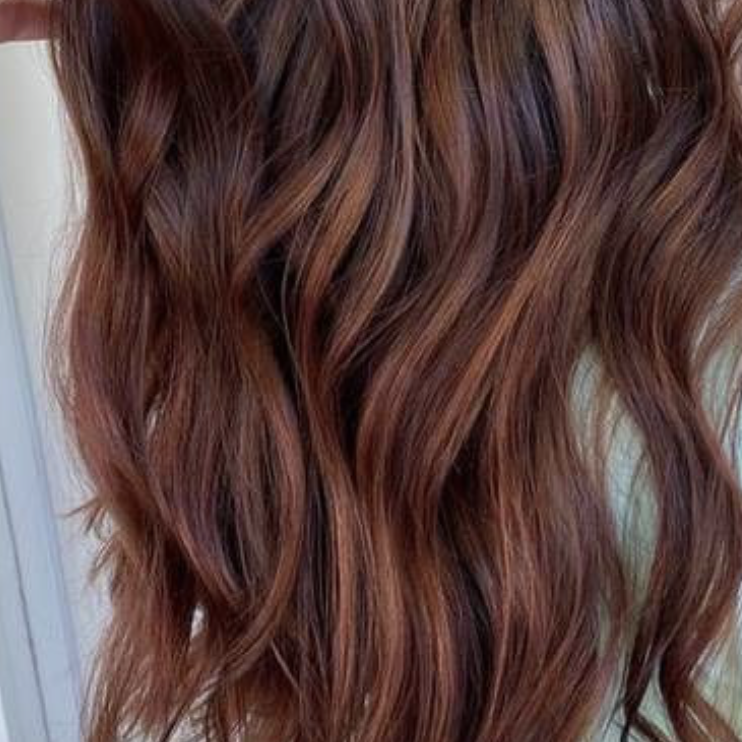
Reddish highlights against a chestnut base read warmer than the same highlights on dark brown. Dark brown swallows the red; chestnut lets it breathe. The chestnut brown hair already carries warmth, so the reddish streaks sit inside the colour rather than sitting on top of it.
The mid-back length and wavy texture help the highlights spread naturally. Long layers keep the ends from getting too heavy, which matters when the colour is this dimensional. The side view shows the highlights clustered around the crown and face, fading into the base towards the back. It is a deliberate placement, not an accident.
Front View Visual Idea
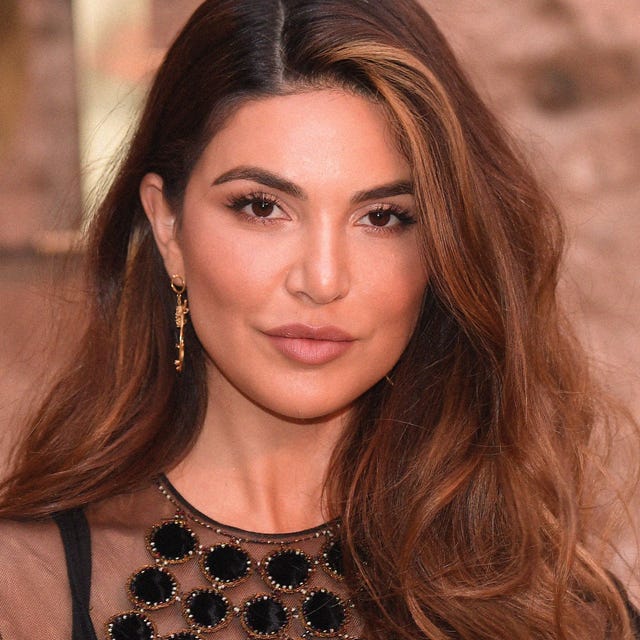
Who does a rich chestnut brown base actually flatter? Anyone with medium-to-high contrast features, for starters. The depth of the chestnut brown hair matches a strong brow or dark eyes without competing. The subtle highlights add just enough movement so the collarbone-length waves do not read as one solid block. A middle part widens a round face, so if that is a concern, shift the part. Medium density wavy hair holds the loose wave pattern without going flat by the end of the day. Skip it if your hair is very fine and you need maximum volume at the roots, because the weight of the colour can feel heavy.
Dark Brown Base With Caramel Highlights Visual Idea
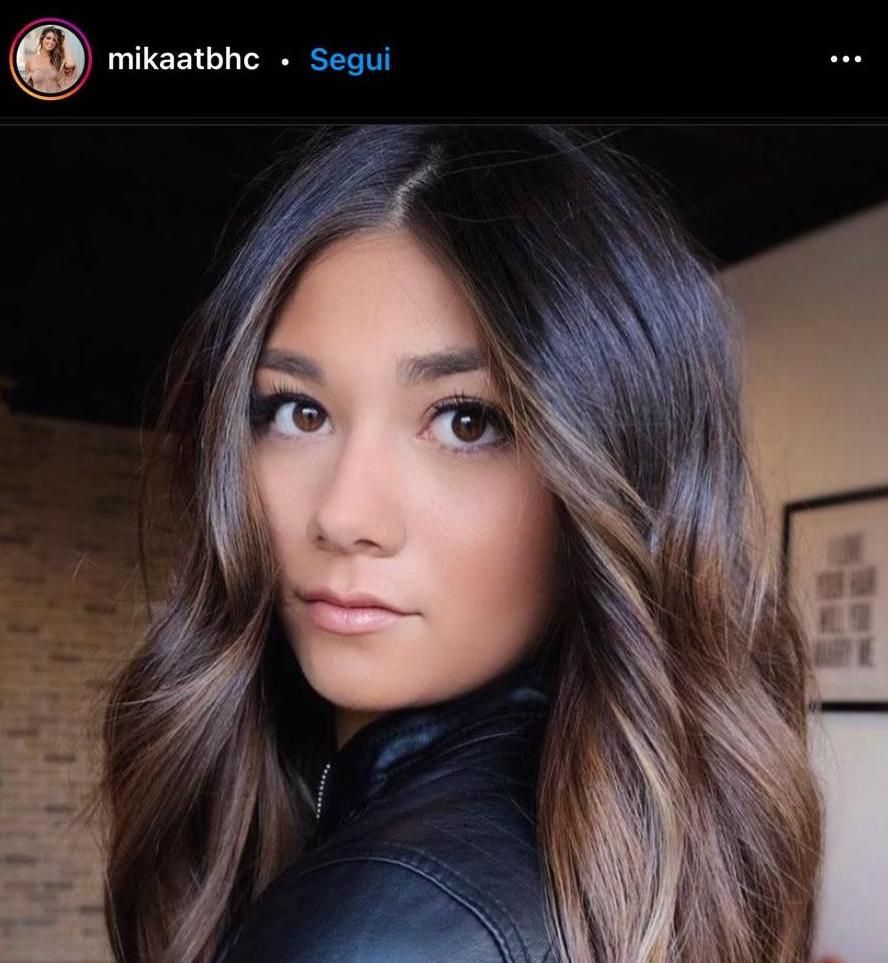
Chestnut brown hair with caramel highlights is a specific ask. The dark brown base gives it weight, the caramel streaks add warmth. The contrast is the whole point. On a collarbone layered cut with a wavy blowout, the caramel catches the light at the bends of the wave.
The upkeep is real: a toning gloss every six weeks keeps the caramel from pulling brassy, a purple shampoo once a week helps, the collarbone layered cut needs a trim every eight weeks to keep the shape clean, and a heat protectant before the blowout is non-negotiable if you want the wave pattern to hold.
Wavy Thick Visual Idea
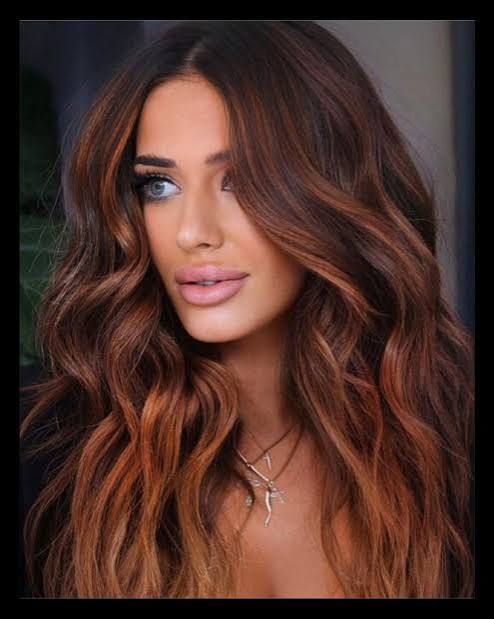
I will confess: copper and auburn highlights on thick chestnut brown hair are high maintenance. The warm brown base fades slower, but the copper and auburn streaks fade first. By week three, the red tones start looking rusty instead of intentional. The long layers and mid-back length mean the ends get drier faster, which makes the colour grab unevenly on a redo. Side-parted loose waves hide the grow-out for a week or two, but this is a colour you maintain on a strict schedule or you live with the consequences.
Dark Brown With Subtle Warm Highlights Visual Idea
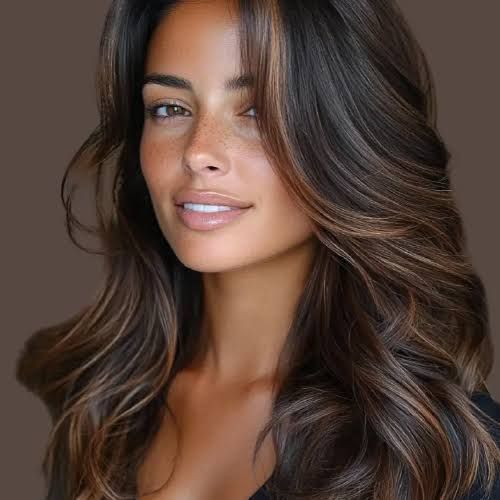
Dark brown can look flat, especially on thick wavy hair. Without dimension, it reads as one solid block, no matter the length.
The fix is subtle warm highlights, fine and scattered, that catch light without shouting. This is chestnut brown hair at its most wearable: mid-back length, the tone warm but not red, more like chestnut than copper. The highlights are placed to enhance the wave pattern, so the texture adds movement. This is a fall look that carries into spring, working for daytime or evening. The result is a natural-looking dark brown hue with subtle warmth on mid-back thick wavy hair.
Final Thoughts
After writing all 36 ideas, I still think the side-swept bangs version surprised me most. I noticed chestnut brown works best with a bit of dimension, not a single flat shade. I’m booking the root shadow with caramel highlights next week.
- Trim the baseline every eight weeks
- Tone at week six, not week ten
- Use a heat protectant before styling
Sometimes the best colour is the one that makes you stop checking your roots.