18 Cute Hair Types Chart 2027 for Every Texture
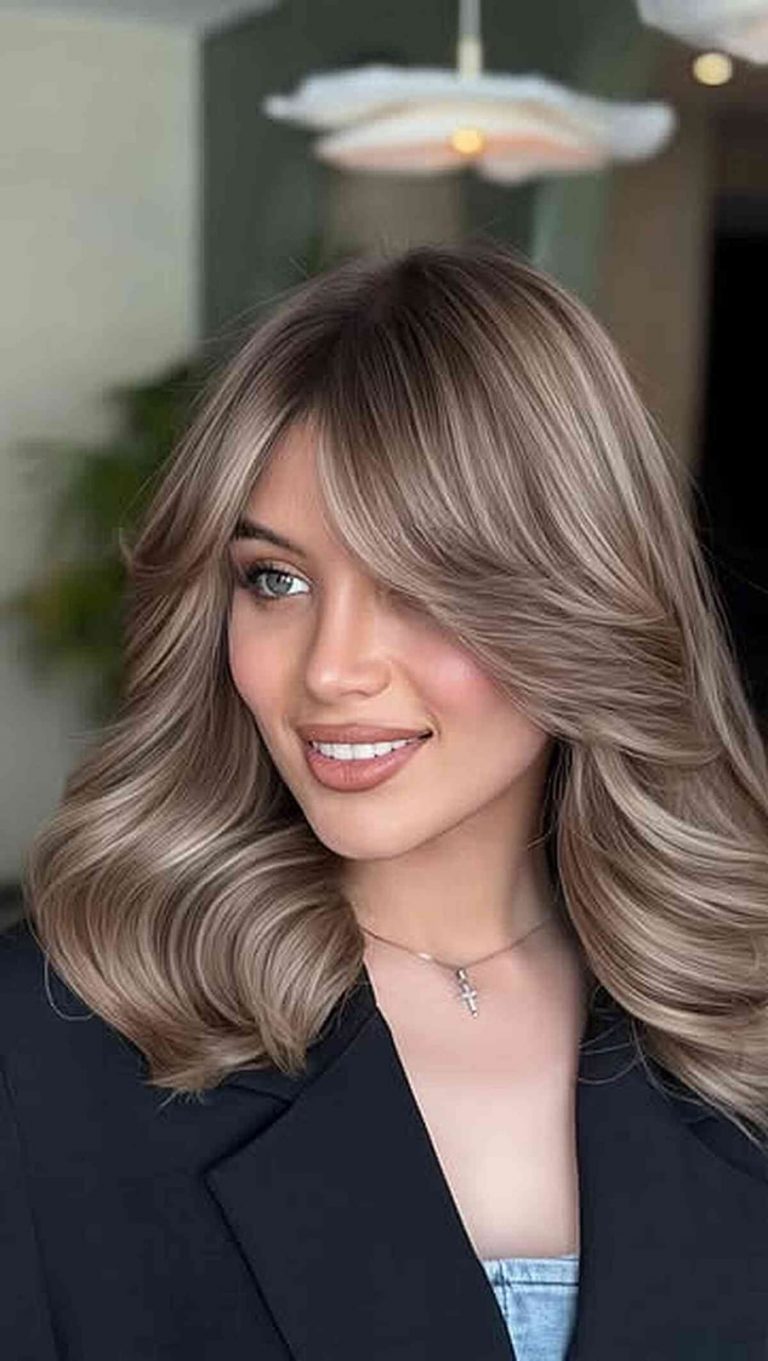
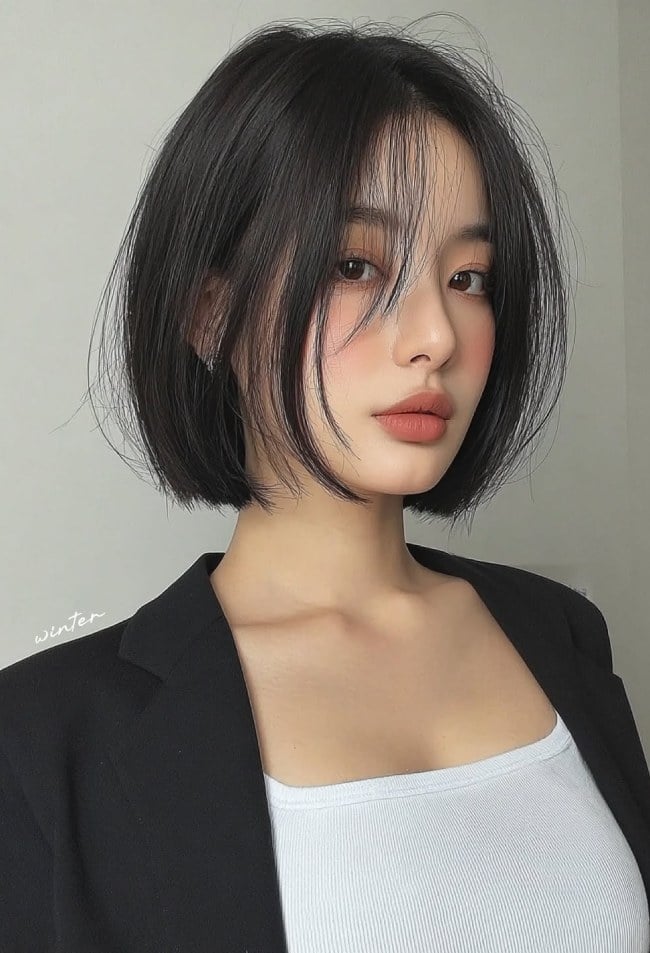
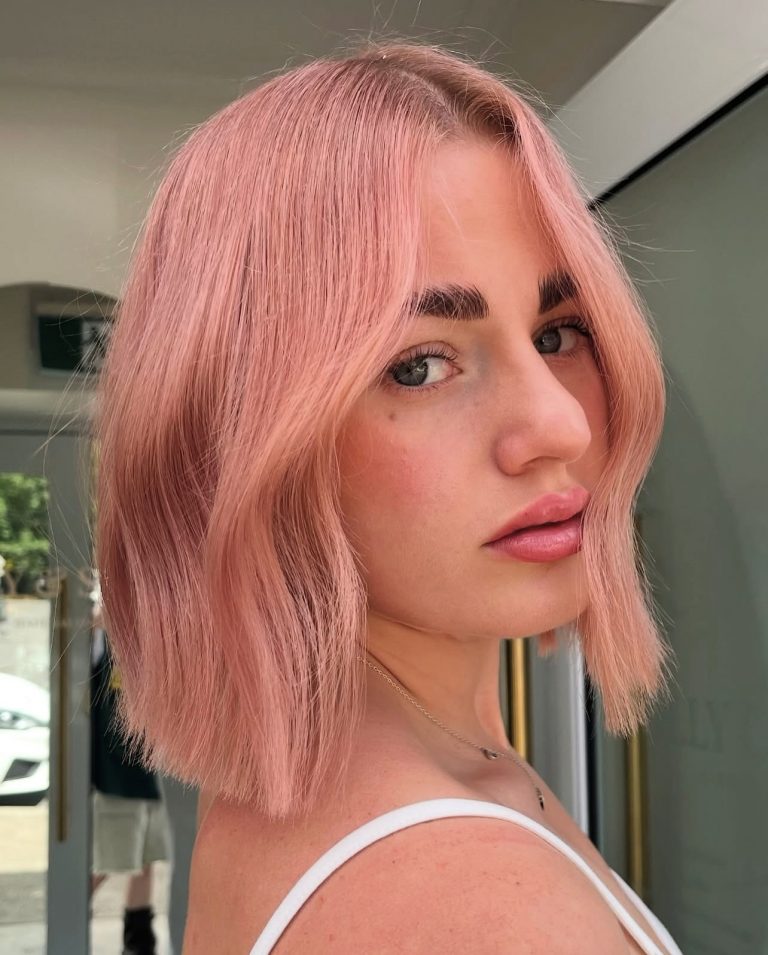
A hair type chart maps the texture spectrum from straight to coily, but the real payoff is seeing how each curl pattern interacts with a specific cut. The shag has returned as the go-to shape for adding movement to waves and coils.
This 18-entry Cute Hair Types Chart covers short bobs through mid-back lengths, with options for fine strands that need blunt weight and thick hair that benefits from interior layering. Each photo shows a real combination of layers, bangs, and texture so you can find the one that actually works with your density and your morning routine.
Hair Type Chart From Straight to Coily
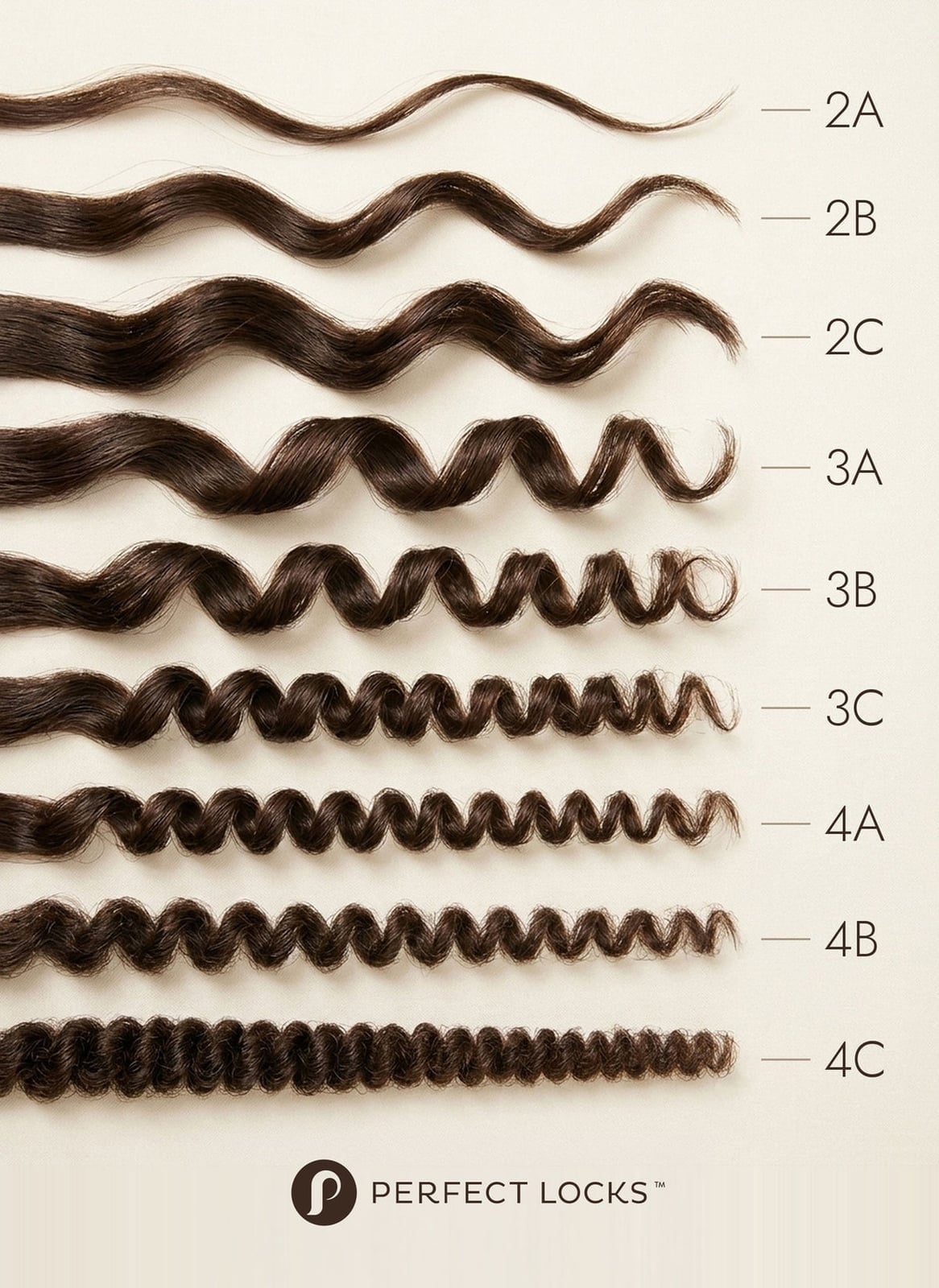
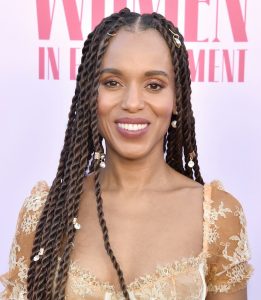
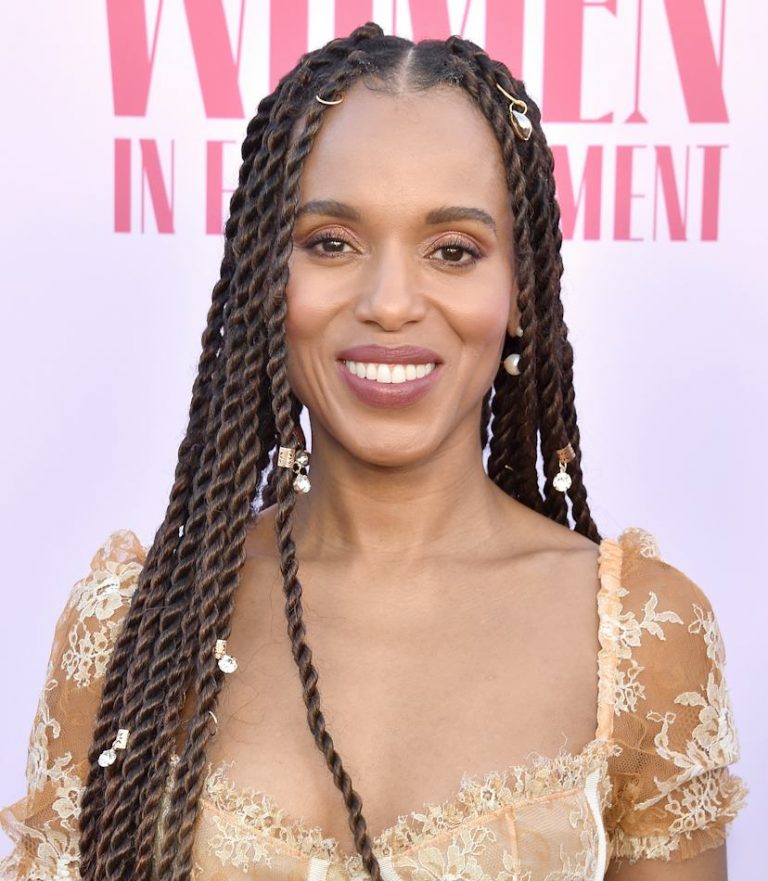
A hair texture chart organizes the spectrum from loose 2A waves to tight 4C coils into numbered grades, each with a clear sample for comparison. This visual reference is designed for anyone who wants to identify their natural texture without guesswork. Ask your stylist for: a texture assessment based on the numerical system. Once you know where you fall on the chart, selecting the right care routine and styling approach becomes a matter of matching the label to the method.
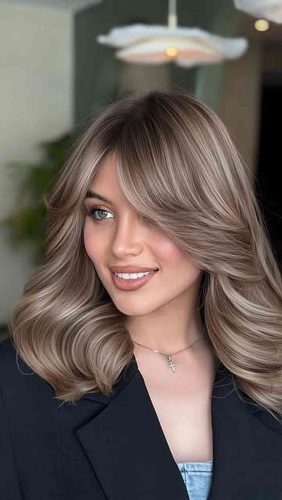
Chin Length Shag With Side-Swept Bangs
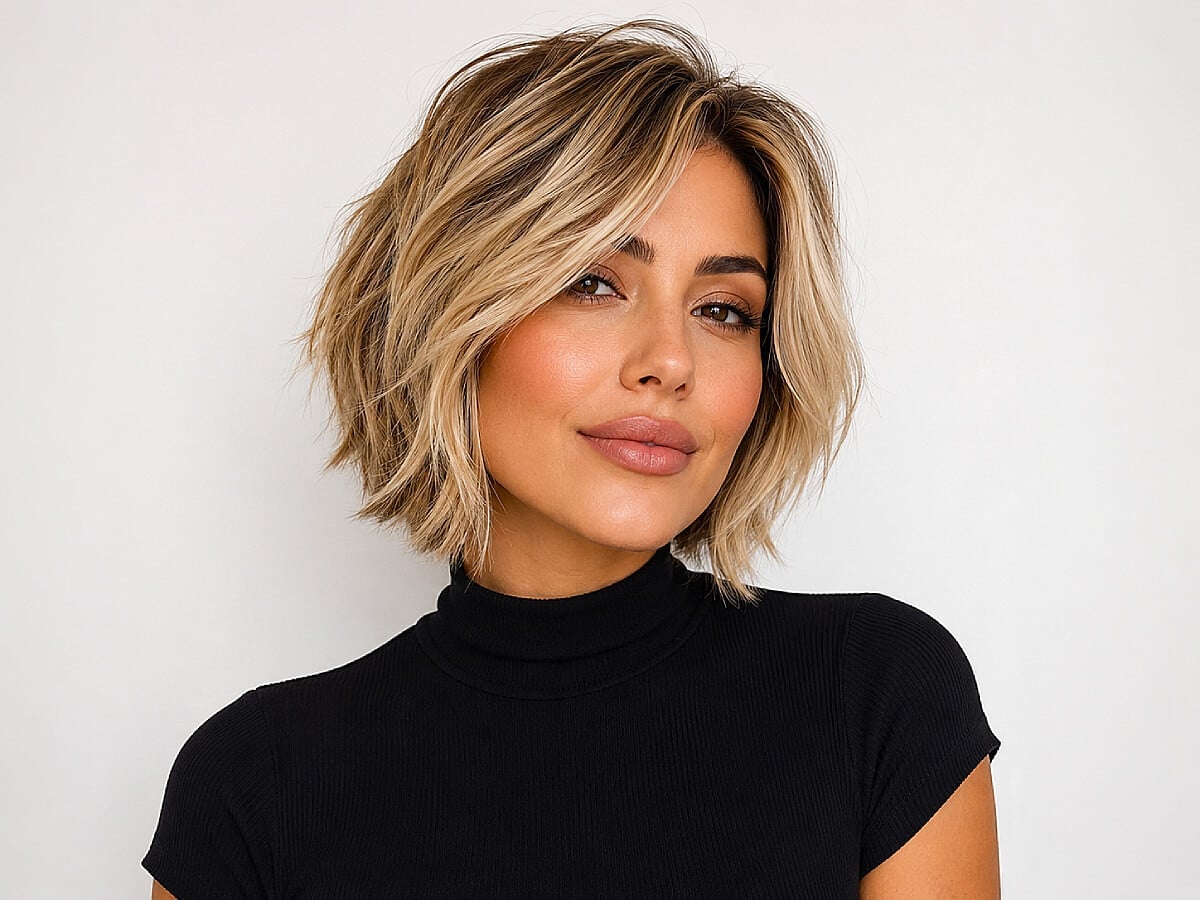
Wondering if a shag works for you? This version lands at chin length with choppy layers and side-swept bangs that blend into the cut, creating movement without bulk. The side-swept bangs soften square and round faces by breaking up horizontal lines, while the textured layers add lift to medium wavy hair. Ask your stylist for: a chin length shag with choppy layers and side-swept bangs. The blonde balayage adds dimension, so the layers catch light naturally even when air dried.
Collarbone Curly Cut With Blonde Highlights
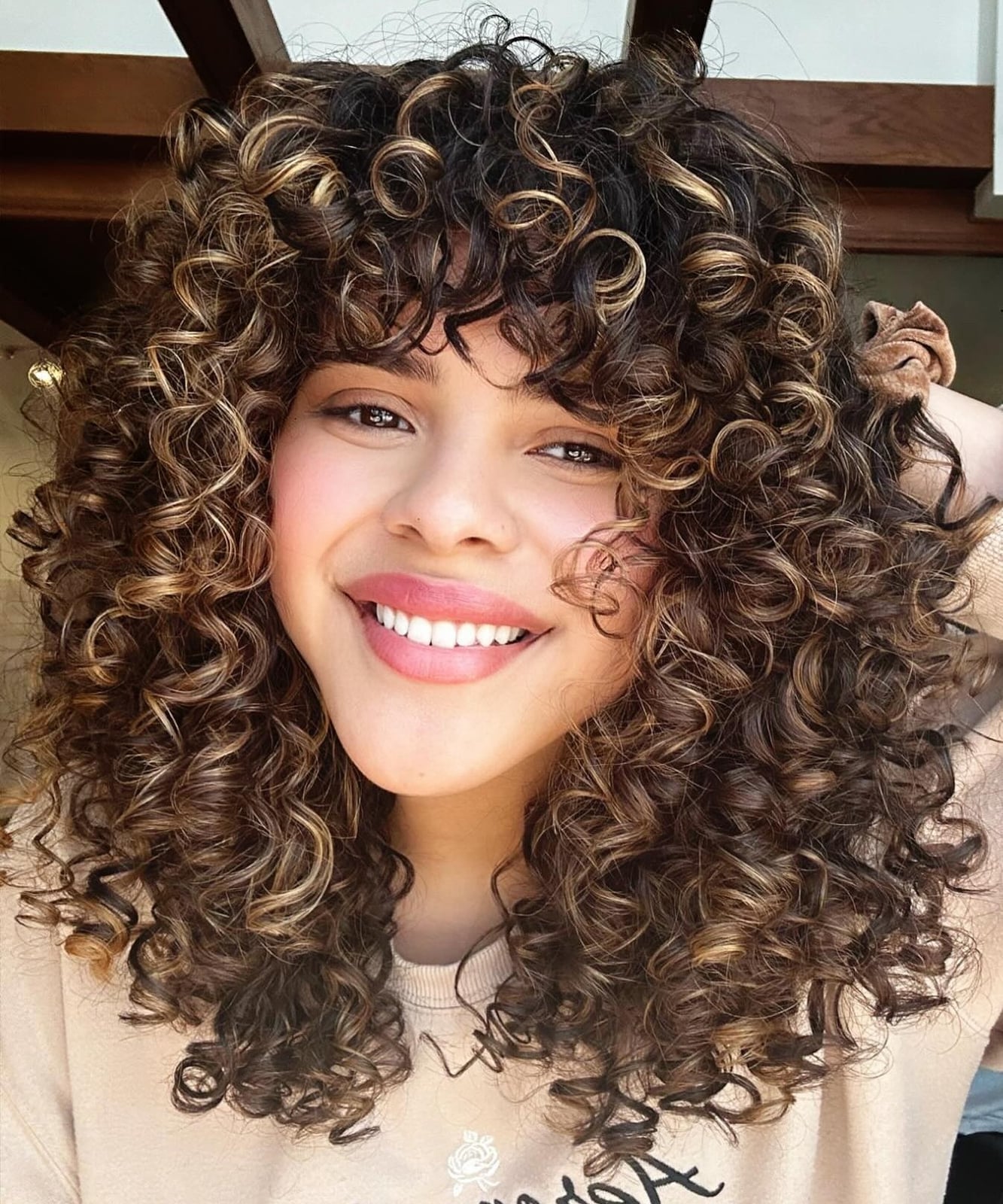
The collarbone length keeps thick, curly hair from feeling heavy while still allowing the curls to bounce. Blonde highlights are woven through the dark brown base to add contrast without a harsh grow-out line.
Ask your colorist for: a collarbone length curly cut with curtain bangs and blonde highlights. The middle part and face-framing curtain bangs work with most face shapes, drawing attention outward rather than straight down. A curl cream provides definition, and a trim every eight to ten weeks keeps the ends healthy.
Collarbone Thick Curls With Blonde Dimension
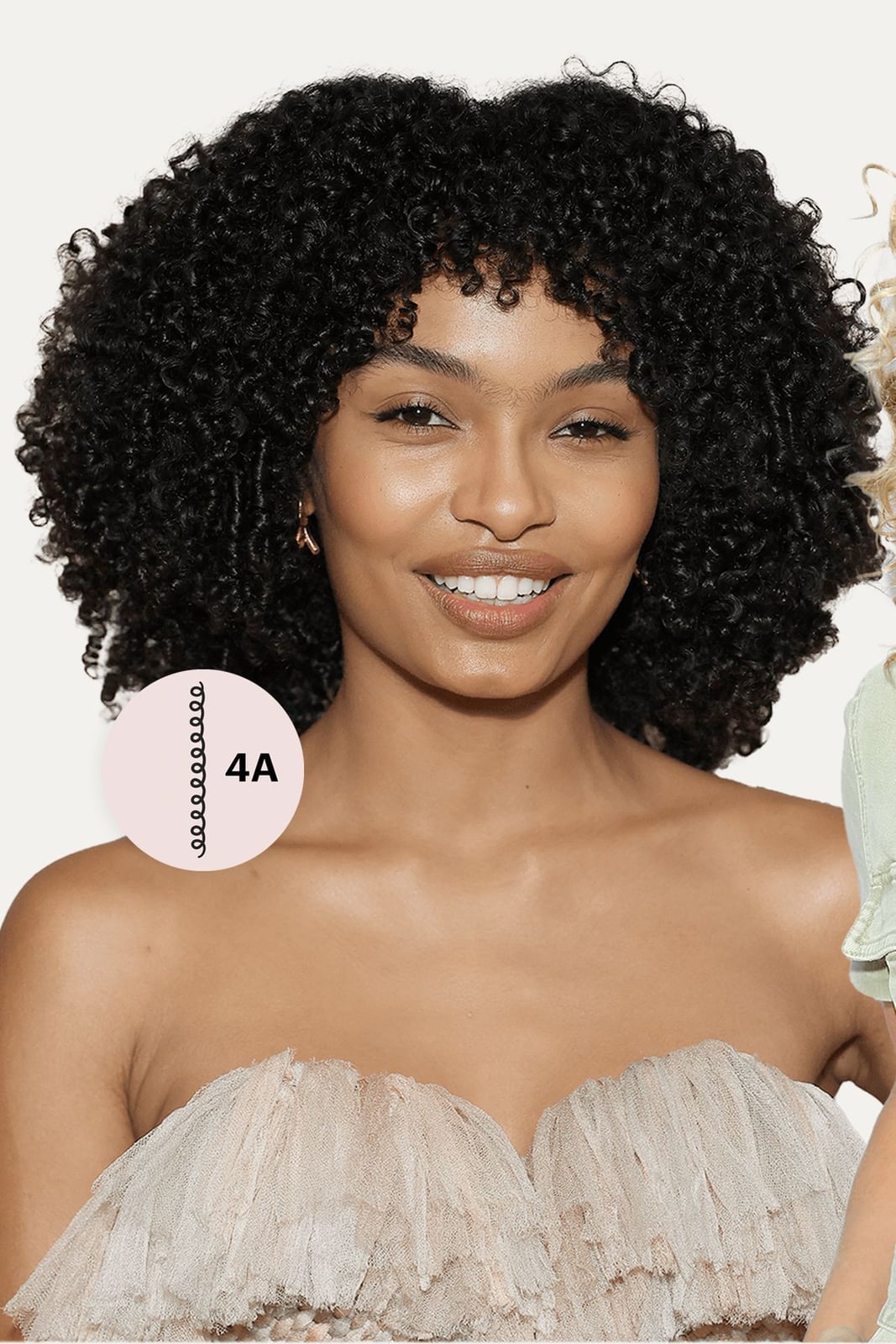
Compared to a looser wave pattern, this cut emphasizes the 4A curl type with defined, air-dried coils that hold their shape at collarbone length. The blonde highlights are placed to add dimension through the curls rather than on top, so each coil reads individually. Ask your colorist for: a collarbone length defined curl cut with curtain bangs and blonde highlights. Low heat diffusing encourages the curl pattern without frizz, and the curtain bangs frame the face without shortening the visual length.
Mid-Back Curly Waves With Blonde Balayage

Loose waves at mid-back length rely on the hair’s weight to stretch the curl pattern into a softer shape, and the blonde balayage starts lower to avoid a heavy regrowth line. Ask your colorist for: a mid-back length loose wave cut with curtain bangs and blonde balayage. The side part and curtain bangs soften angular face shapes, while the balayage grows out gradually enough to stretch toning appointments to every ten to twelve weeks.
A texturizing spray added to damp hair will enhance the waves without stiffening them. The natural movement holds for about two days before a refresh is needed.
Mid-Back Wavy Style With Subtle Highlights
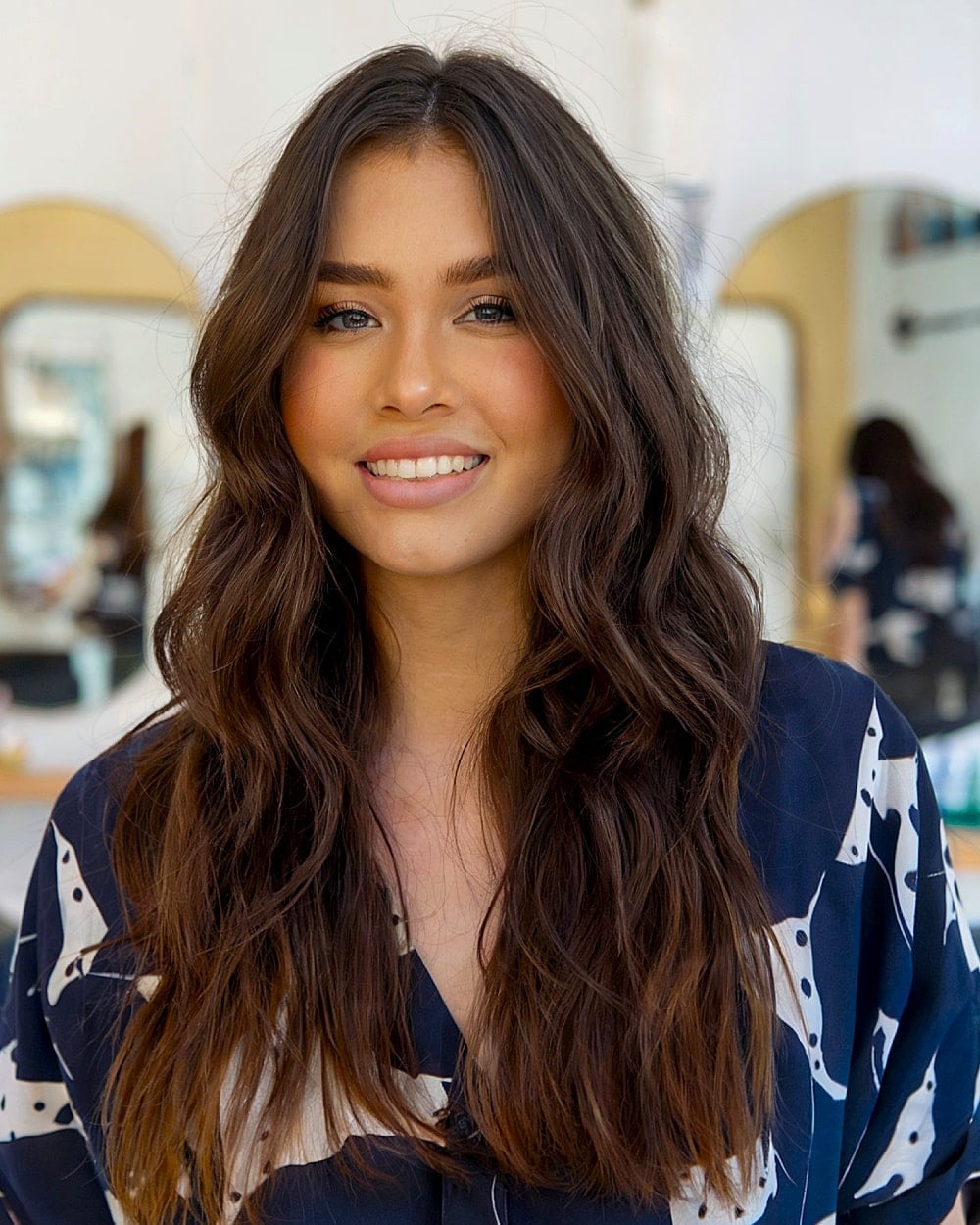
The key to this design is that the highlights are subtle, so the dark brown base stays dominant while the lighter pieces add dimension at the mid-lengths. The mid-back length and soft textured waves let the color shift happen naturally without obvious stripes. A middle part keeps the look balanced, and no bangs means the focus stays on the wave pattern and dimension.
Ask your stylist for: mid-back length with subtle highlights and soft waves. The technique works best on medium density wavy hair that already has some natural movement. Use a large barrel curling iron to build the soft wave, and expect a trim every 10 to 12 weeks to keep the ends clean without sacrificing length.
Mid-Back Ponytail With Textured Waves
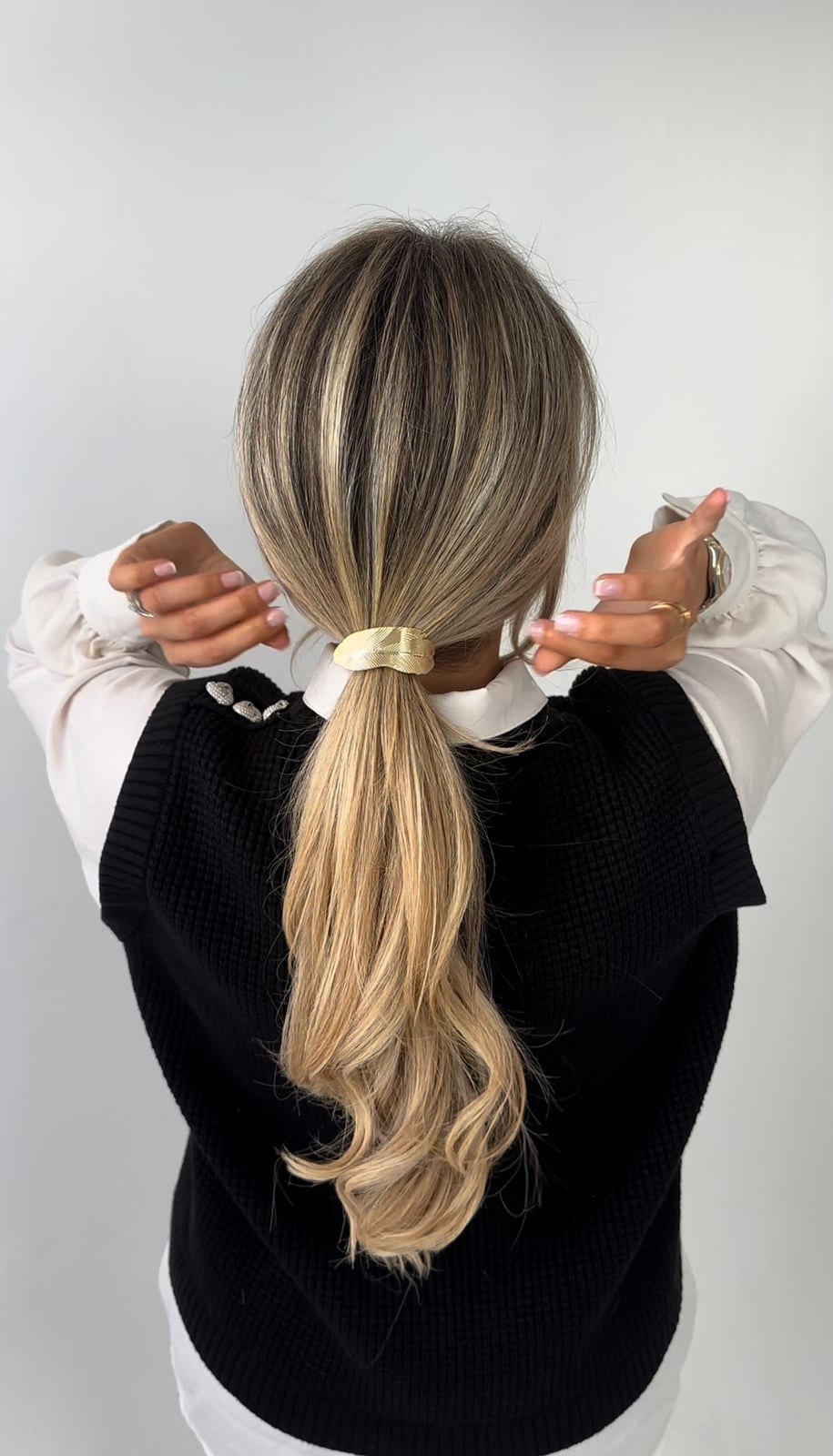
Can you get this look without a salon appointment? Yes, but the preparation matters more than the ponytail itself. The waves need to be set first using a texturizing spray and a curling iron, then pulled into a high ponytail and gently separated to maintain the wave pattern through the length. The blonde highlights add depth, so the ponytail doesn’t read as a single flat block of color.
Ask your stylist for: high ponytail with textured waves and subtle highlights. This is a DIY-friendly style for thick wavy hair of mid-back length. Refresh the waves weekly with a spritz of water and a touch of the curling iron to keep the texture from falling flat.
Shoulder Length Lob With Voluminous Waves
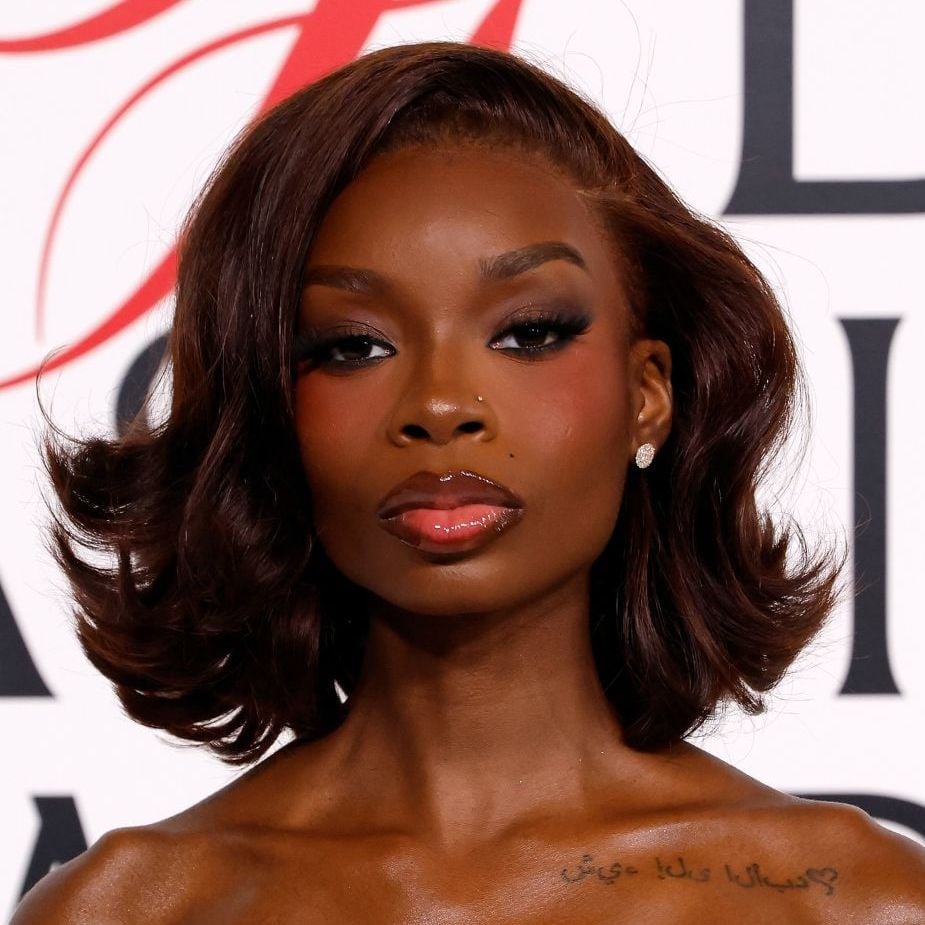
The shoulder length lob with visible layers and voluminous waves works best on medium density hair that can hold a blowout without deflating by midday. The middle part and soft waves create an elongating effect that suits round faces, while the deep brown base keeps the look polished for everyday wear and business settings. The visible layers prevent the lob from feeling heavy, which is the main risk with a one-length cut at this length.
Shoulder Length Shag With Textured Waves
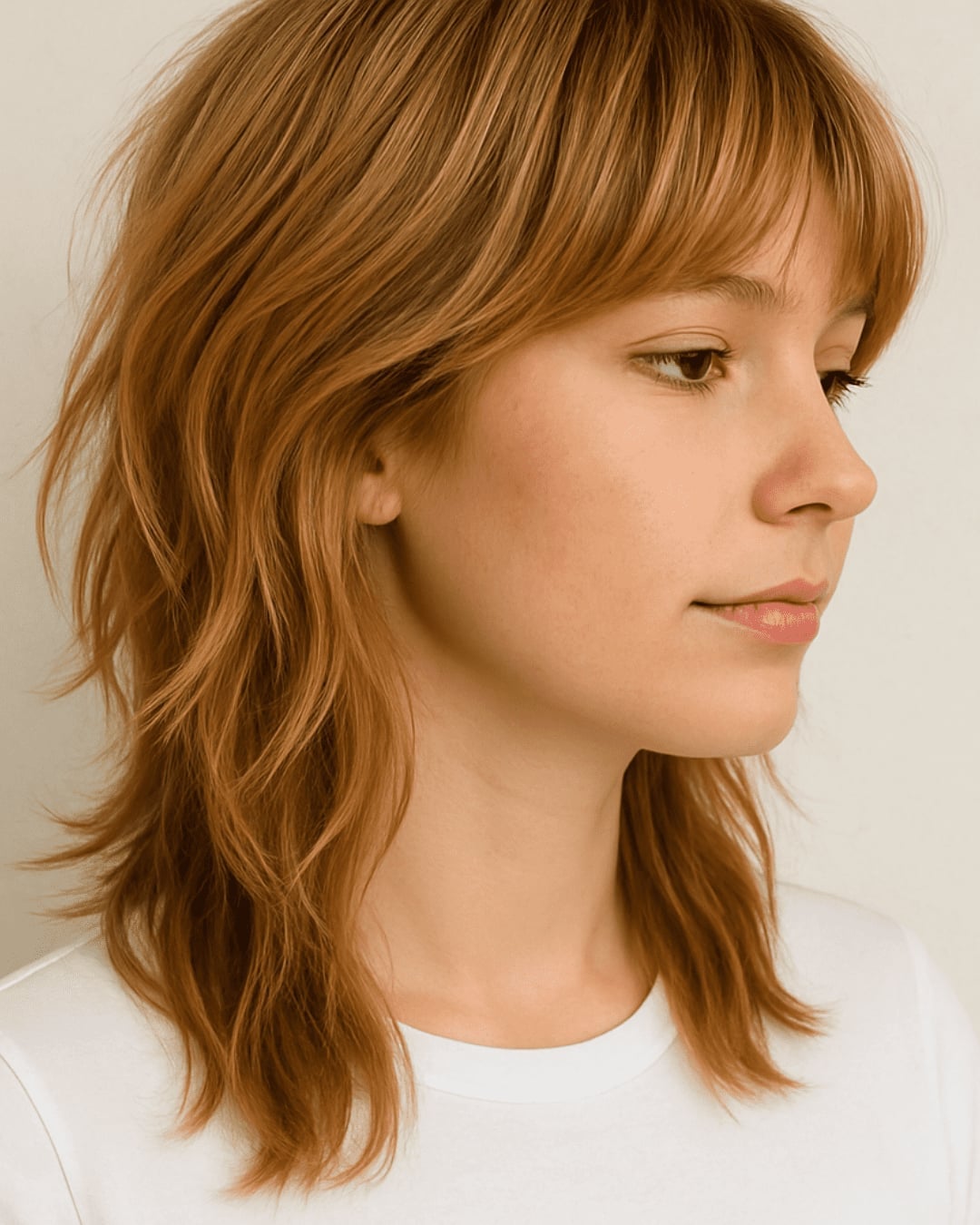
Ask your colorist for: a shoulder length shag with textured layers and curtain bangs. Specify that the layers should start below the chin to keep the weight distributed. The curtain bangs blend into the face-framing pieces, creating a deliberate shag shape. Warm blonde highlights add dimension through the textured sections. This cut suits medium wavy hair and most face shapes, thanks to the adaptable curtain bang length.
Shoulder Layered Bob With Face-Framing Fringe
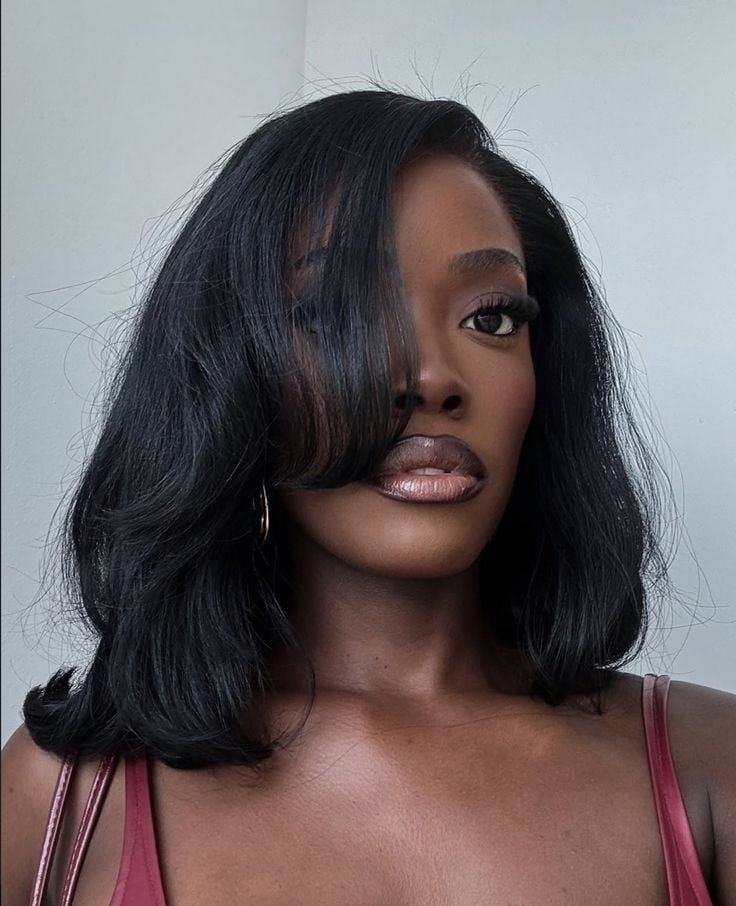
The face-framing layers in this shoulder length bob are what separate it from a standard blunt cut, but they come with a reality check: those layers need to be blow-dried with a round brush to sit smoothly, or they can separate in ways that look unkempt. The side-swept curtain bangs soften the line across the forehead and make the cut a good choice for square faces. The dark brown base means the layered shape is the star, not the color. One real drawback is that the fine wavy texture can lose the layer definition by day two without a refresh.
Collarbone Blunt Bob With Curtain Bangs
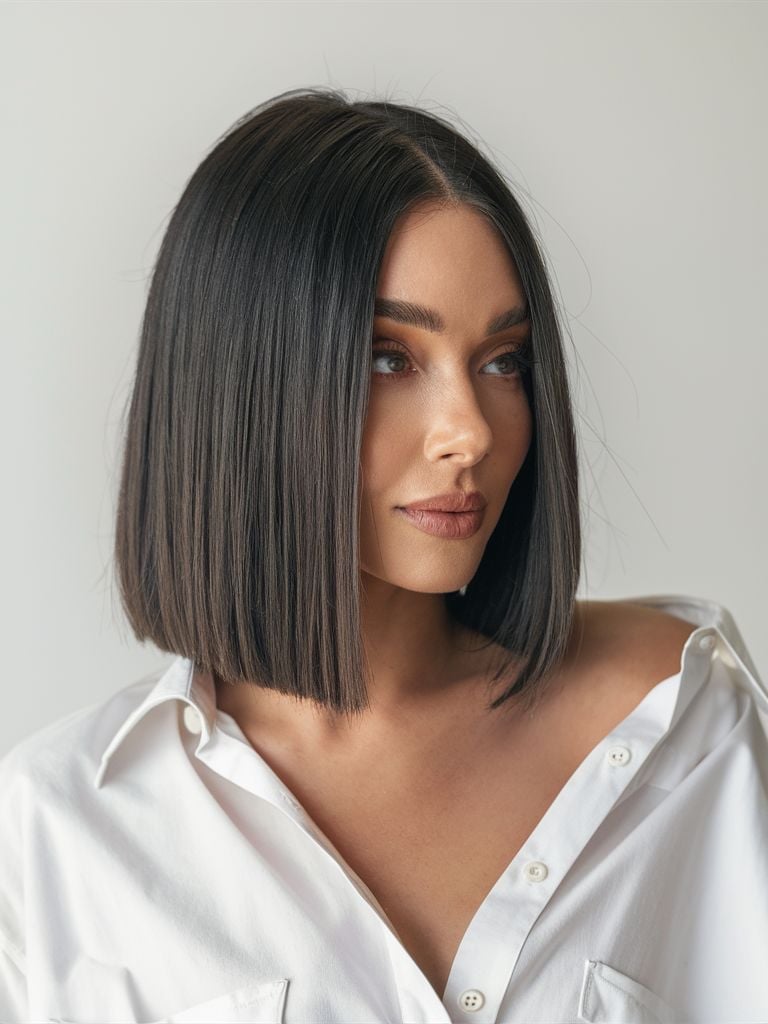
A blunt bob at the collarbone is a statement of precision: one clean line that relies on perfect geometry for its impact. This design works best on fine straight hair, where the weight of the cut creates density that finer textures lack on their own. Ask your stylist for: collarbone length blunt bob with curtain bangs. The curtain bangs soften the otherwise severe line and make round or heart faces look balanced. That sharp baseline, however, demands a trim every six weeks, any longer and the line starts to fray. A side part and smooth blowout keep the look crisp.
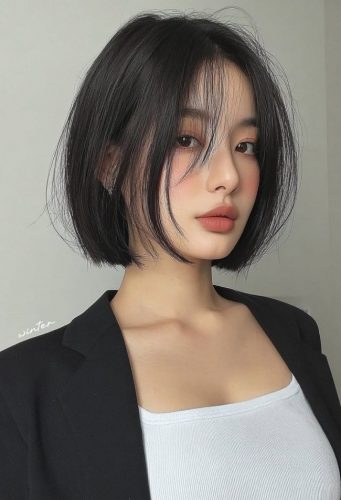
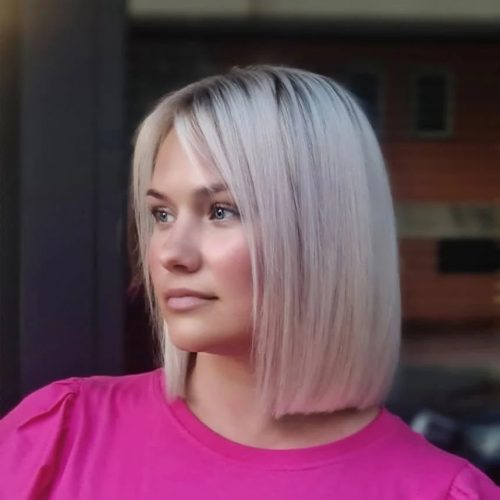
Chin Length Bob With Soft Waves
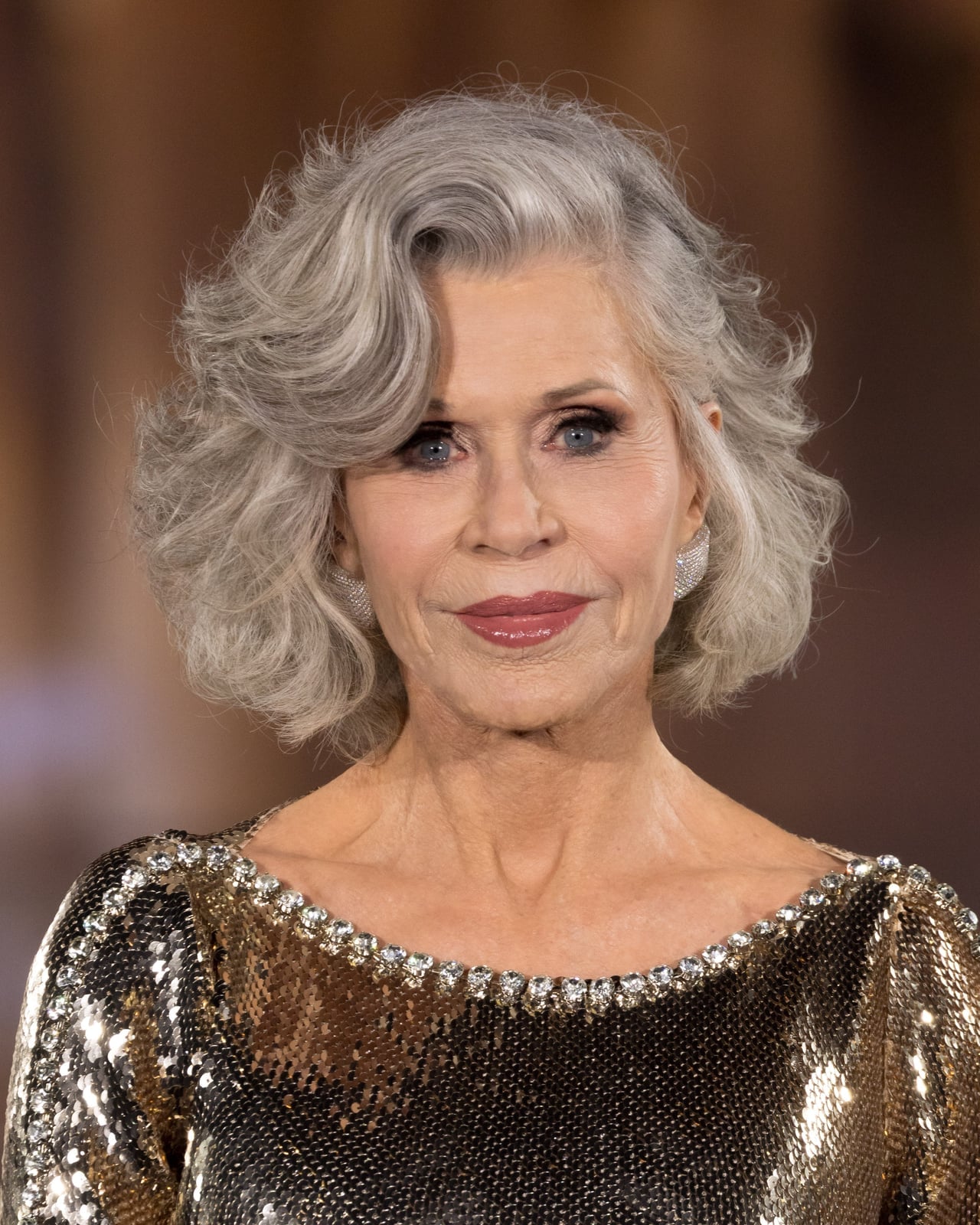
A chin length bob with soft waves is a variation of the blunt bob. The layers are light enough to add movement but not so many that the shape loses its bob identity. Ask your stylist for: chin length bob with soft layers and side-swept bangs. The side-swept bangs draw the eye diagonally, which softens square or round jawlines without shortening the face. To style it, wrap sections and let the wave fall naturally. Root lift gives fine wavy hair the volume it needs.
Collarbone Shag With Full Bangs
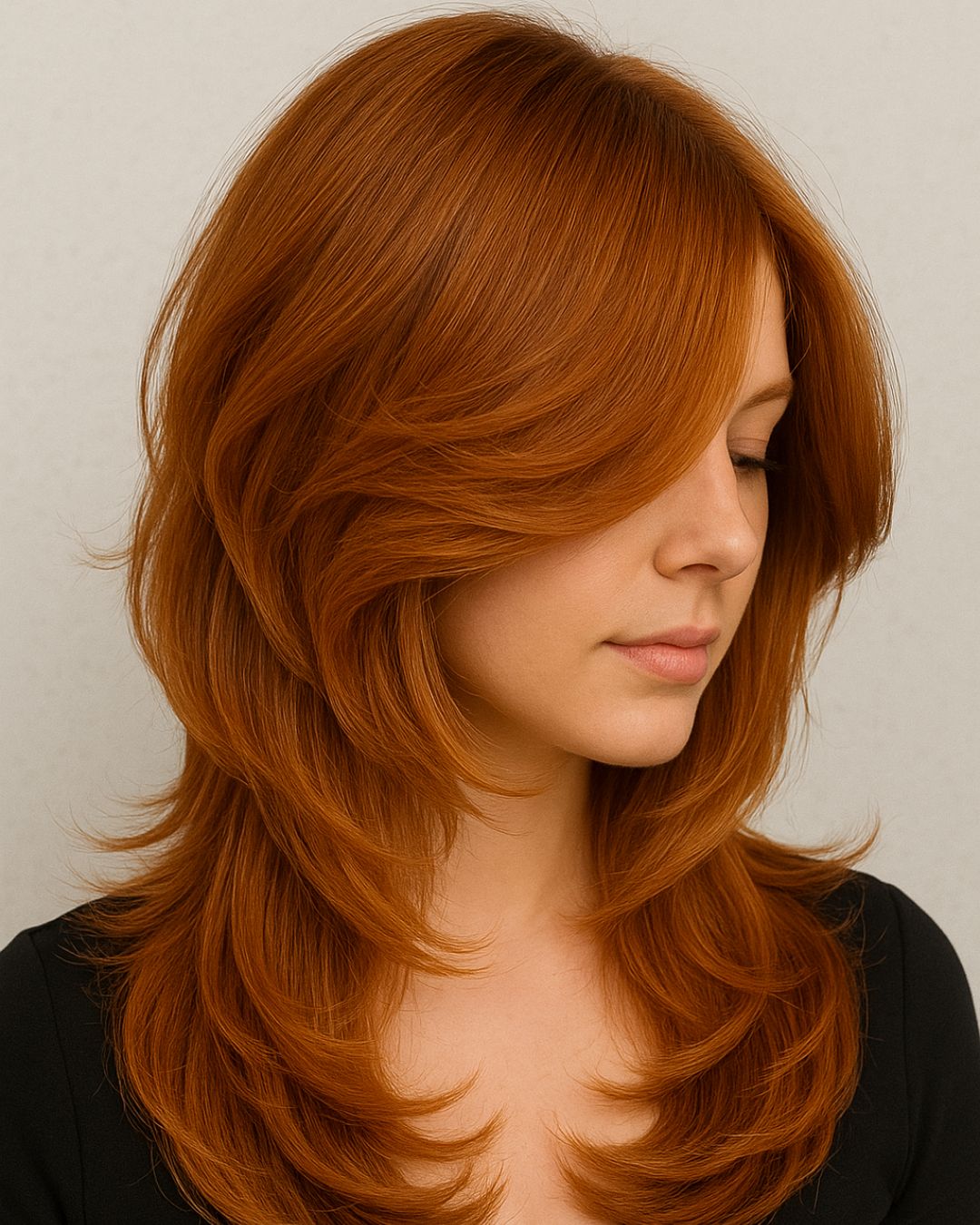
A collarbone shag with full bangs is a high-stakes shape that rewards medium wavy hair and a confident stylist. The layers are cut short at the crown and stack toward the perimeter, which builds volume where most cuts go flat. Ask your stylist for: collarbone length shag with prominent layers and full bangs. The full bangs work best on oval or long faces because they shorten the visual length of the face. This shape is not for fine hair, which lacks the density to support the disconnected layering; medium to thick textures hold the shag structure without flopping.
Short Bob With Textured Curls
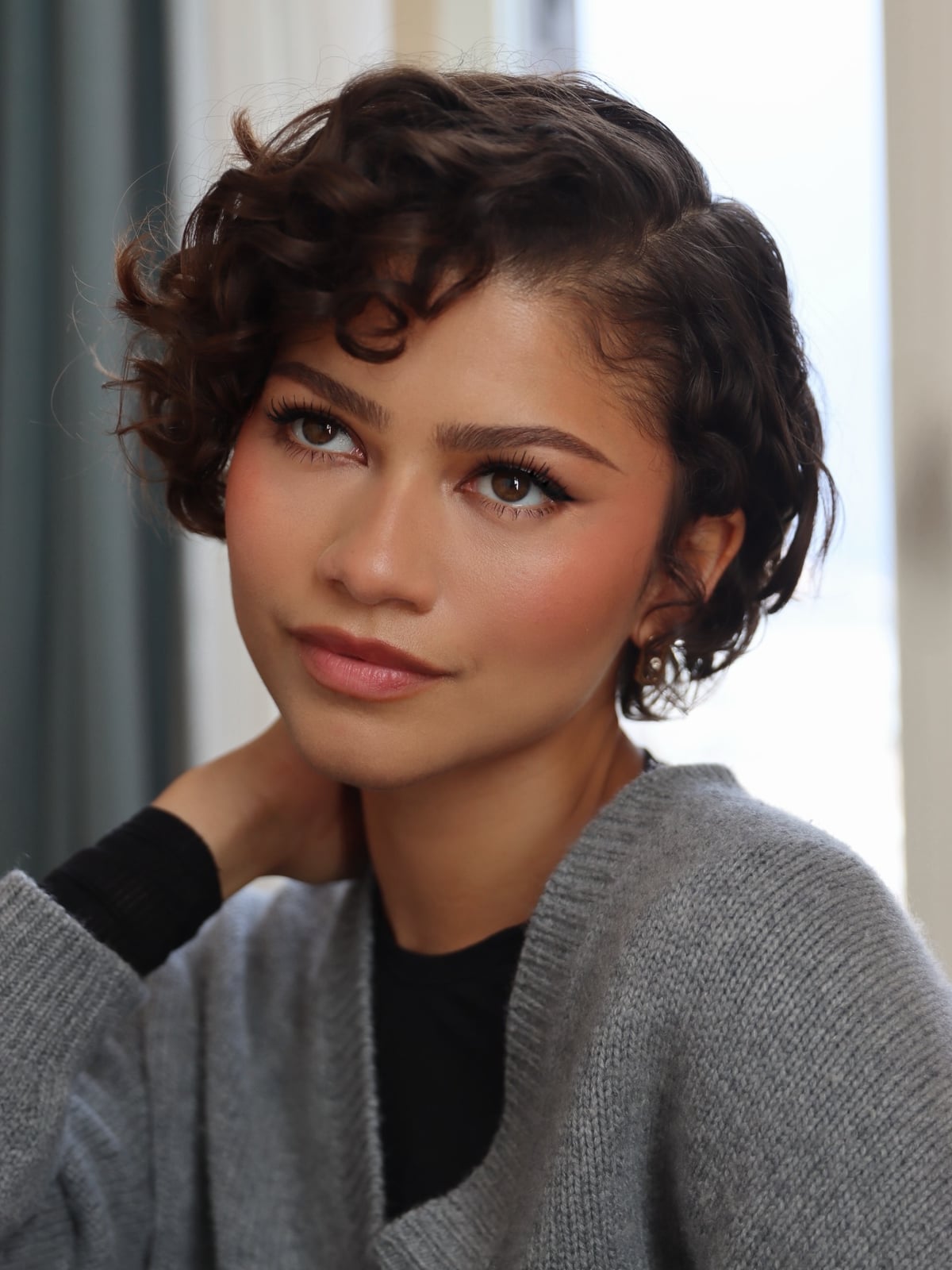
Against longer curly styles, an ear length bob with textured curls is a deliberate choice over a grown out look. The short bob lifts the curl pattern so the texture shows from root to end, not just the bottom third. Ask your stylist for: ear length layered bob with short bangs and textured curls. The short bangs frame oval and heart faces without hiding the curl shape. This cut says you know your texture, because it demands regular trims every six to eight weeks to keep the round shape from turning into a triangle.
Ear Length Layered Bob With Textured Waves
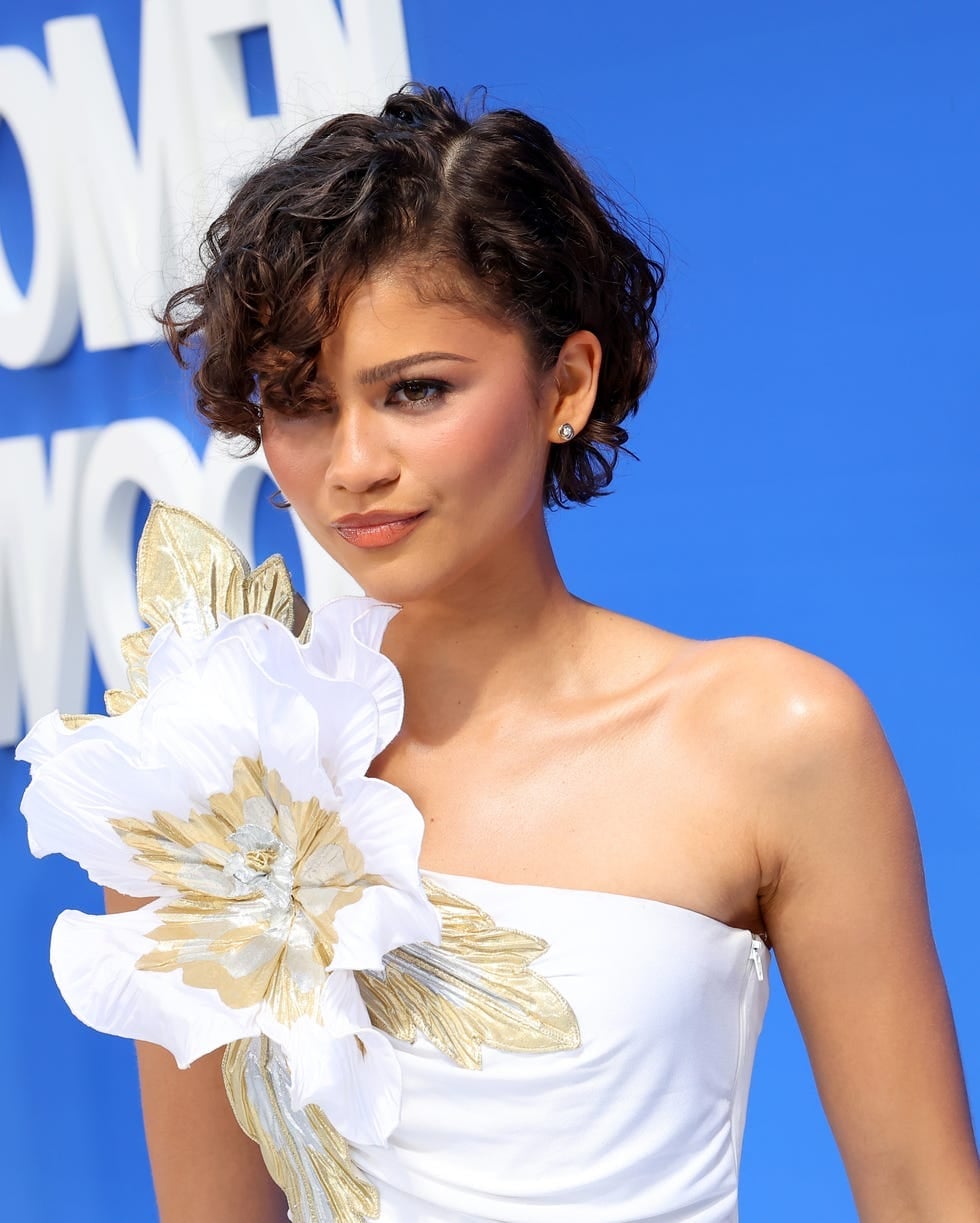
This shape uses textured waves to add the volume that fine curly hair loses after day one. Ask your stylist for: ear length layered bob with textured waves. The side part gives the eye a diagonal line, which helps the cut sit evenly on most face shapes. The drawback is daily styling: fine curly hair at this length needs a diffuser and texturizing spray to keep the wave from falling flat.
Bob vs Arm Pit Length Straight Hair
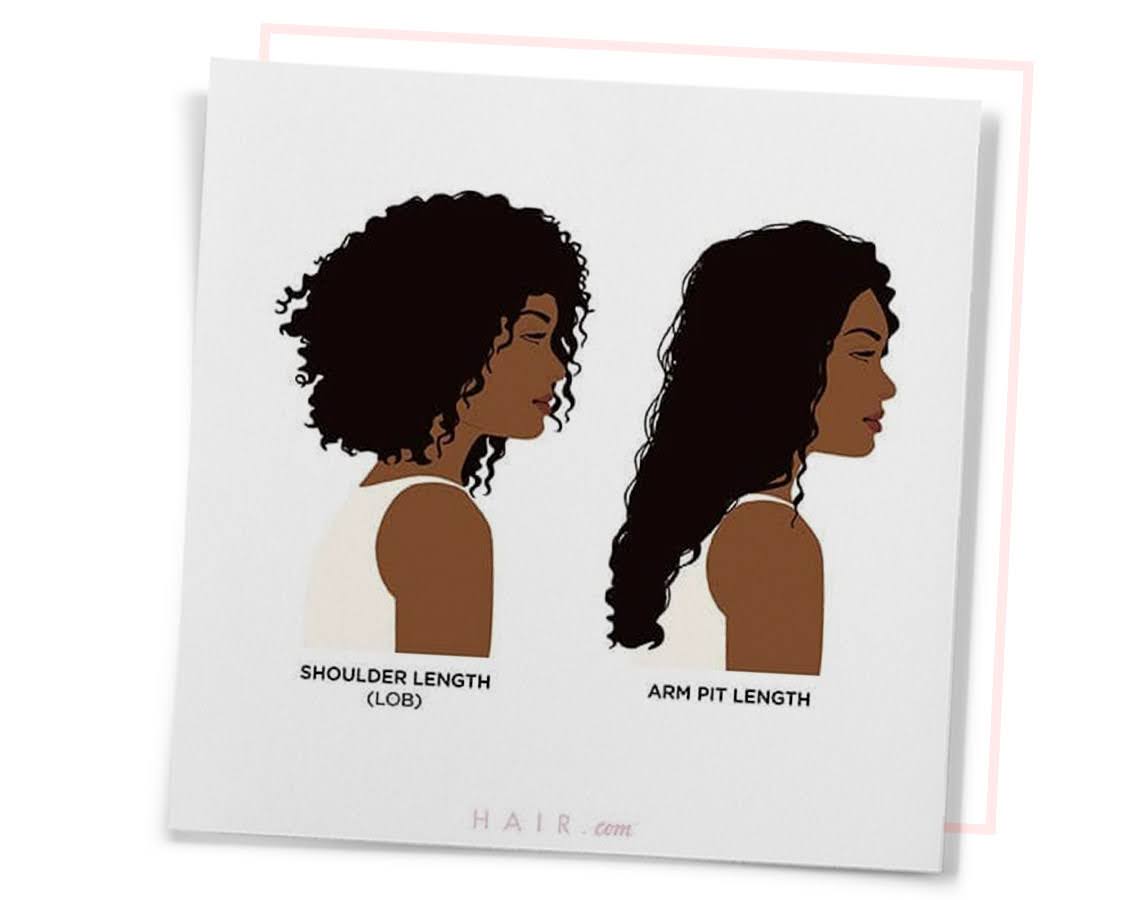
This is a DIY-friendly decision: a bob requires a trim every six to eight weeks to maintain the line, while growing to arm pit length means fewer trims but more at-home care. A clarifying shampoo every two weeks helps the straight length stay sleek without buildup. The bob vs long straight hair choice comes down to how often you want to see your stylist.
Mid-Back vs Tailbone Length Straight Hair
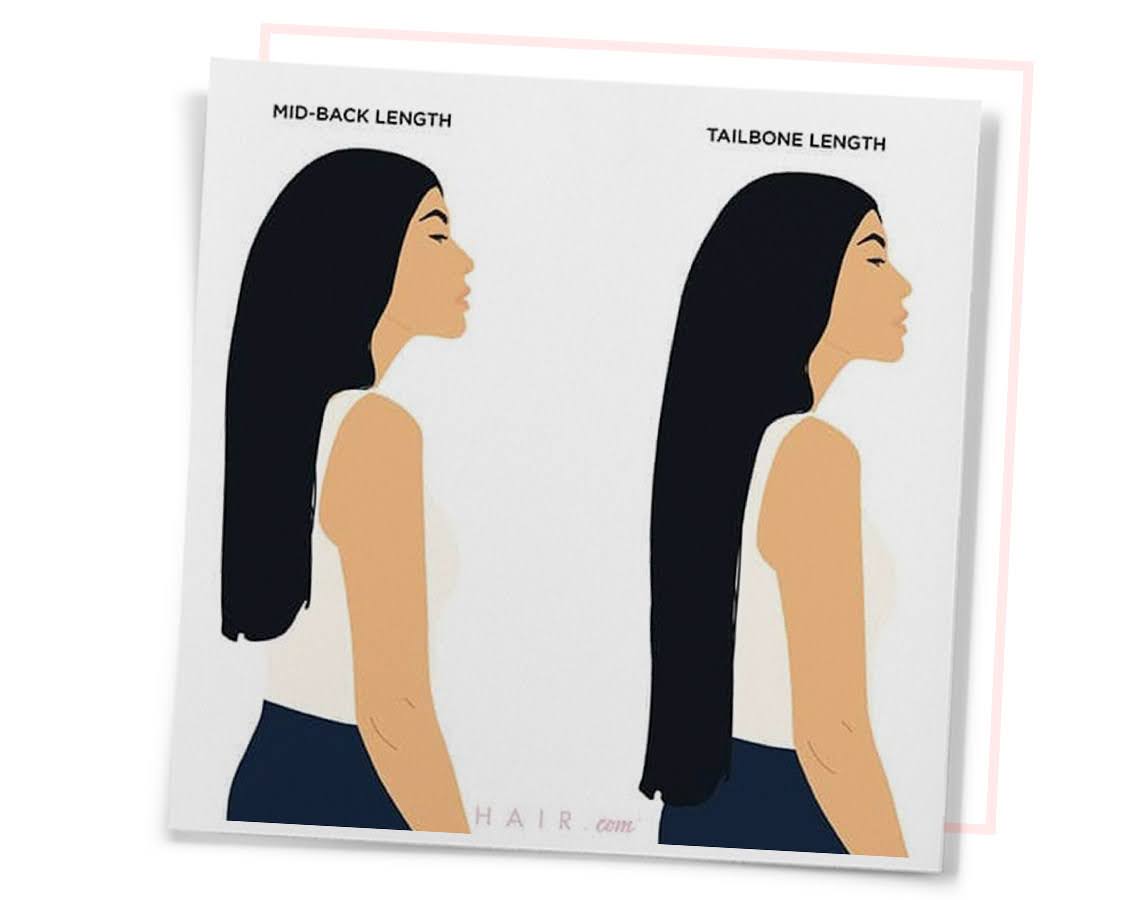
Mid-back and tailbone length straight dark hair, both with middle parts and no bangs, make the case that longer is not always simpler. A middle part suits most face shapes, but the real trade-off is upkeep. Ask your stylist for a mid-back or tailbone length straight style, and expect to use a silk pillowcase to reduce friction and breakage.
The longer version needs a trim every ten to twelve weeks, and you will go through more conditioner. The mid-back length is lighter to wash and dries faster. Neither is a set-it-and-forget-it situation, but the tailbone length demands a stronger commitment to detangling and split-end patrol.
Mid-Back Coily Hair With Defined Curls
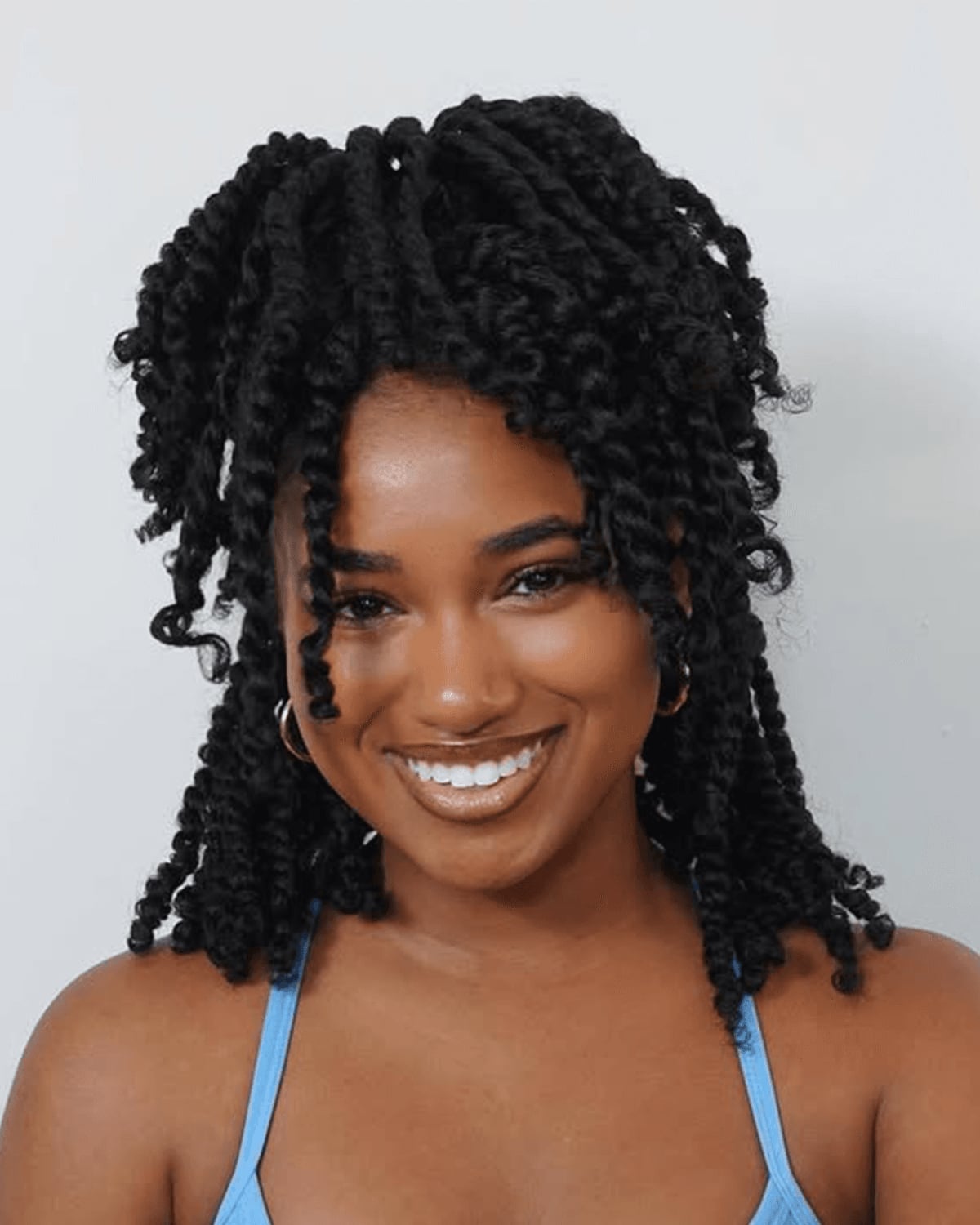
For thick, coily hair, definition comes from technique, not product volume. This mid-back length is styled naturally and air dried, with a middle part and no bangs. Ask your stylist for a mid-back length natural coily style. Use a leave-in conditioner with oil to seal moisture. A trim every ten to twelve weeks keeps the ends from thinning out. The defined coils hold their shape best when you let them dry without touching them.
Final Thoughts
Fine hair keeps its fullness with a blunt baseline and minimal layers. Thick or coily hair benefits from layers that reduce bulk and let natural texture spring up. Match your cut to your density first, then your face shape.
- Trim layered cuts every 6-8 weeks to maintain shape.
- Color refresh for highlights every 8-12 weeks as needed.
- Use heat protectant spray before any heat styling.
- Wash coily hair types less frequently, focusing on moisture.
Find the cut that celebrates your unique hair type.