20 Dark Blonde Hair Color Ideas 2027 with Wavy Collarbone Styles
Dark blonde hair lives in that sweet spot between brunette depth and blonde brightness. The trend has shifted toward lived-in color that mimics natural lightening, with soft face-framing layers and curtain bangs replacing heavy, uniform highlights.
This collection of 20 Dark Blonde Hair Color Ideas covers the spectrum from low-upkeep balayage to more structured highlights, so you can find a look that works for your texture, density and schedule. Whether fine hair that falls flat or a visible grow-out line is your struggle, there is a technique here that solves it.
Collarbone Lob With Face-Framing Layers
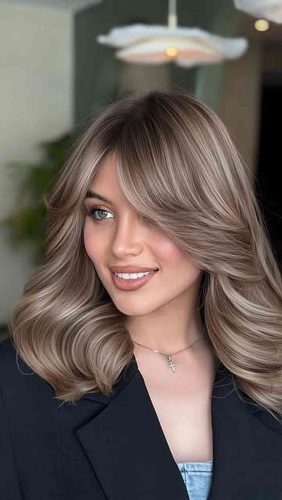
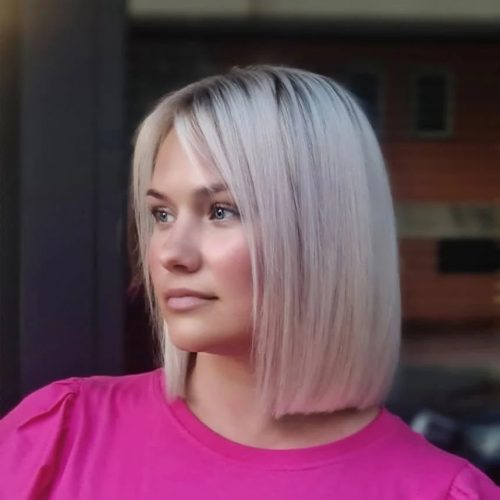
This lob lands exactly at the collarbone, with soft layers that sweep forward around the face. The dark blonde base carries subtle lighter blonde highlights concentrated near the front, so the color reads as natural dimension rather than a full highlight job. Ask your colorist for a collarbone length with soft face-framing layers. Fine, straight hair starting at that length works best here. A round brush blowout gives the smooth, glossy finish you see. A toning appointment every six to eight weeks keeps the lighter pieces from warming up too much.
Wavy Collarbone Cut With Curtain Bangs
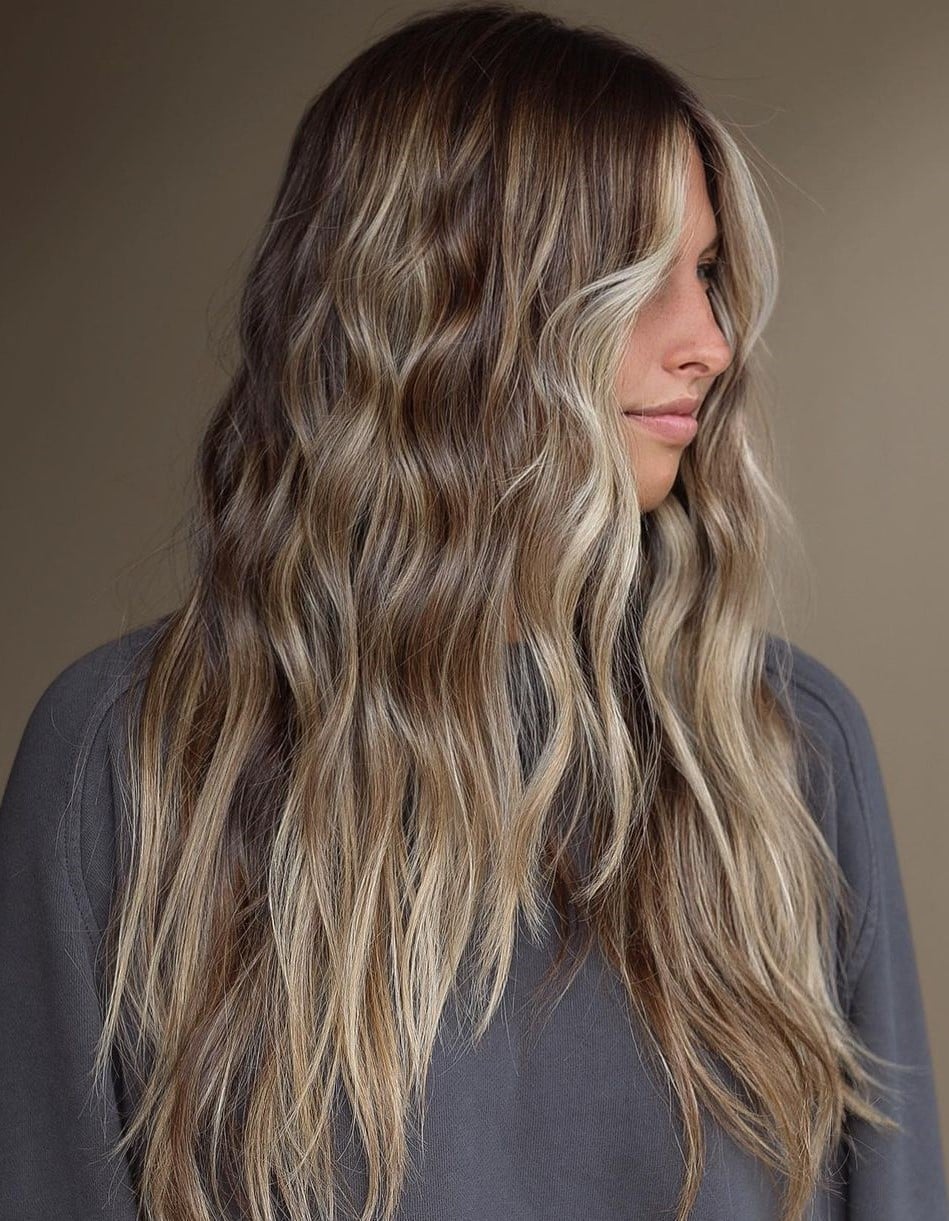
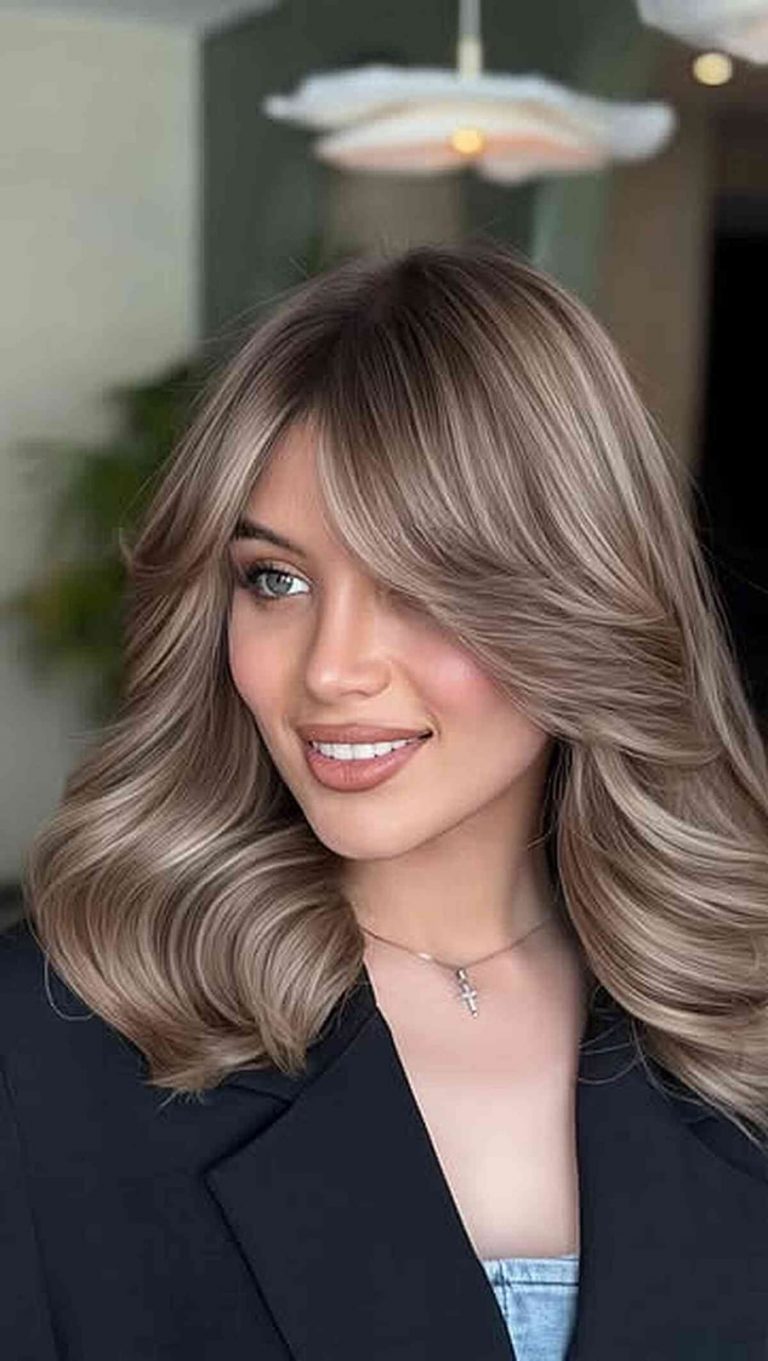
Curtain bangs and loose waves soften what could be a straightforward collarbone cut. The dark blonde base stays natural while lighter blonde highlights add movement, and the root shadow does the heavy lifting on grow-out. Ask your colorist for collarbone length waves with curtain bangs, dark blonde with subtle highlights. Medium density hair starting at collarbone length holds the wave pattern best. A texture spray on dry hair refreshes the bends between washes, and the bangs need a trim every four to six weeks to keep that sweep.
Glossy Collarbone Layers With Curtain Bangs
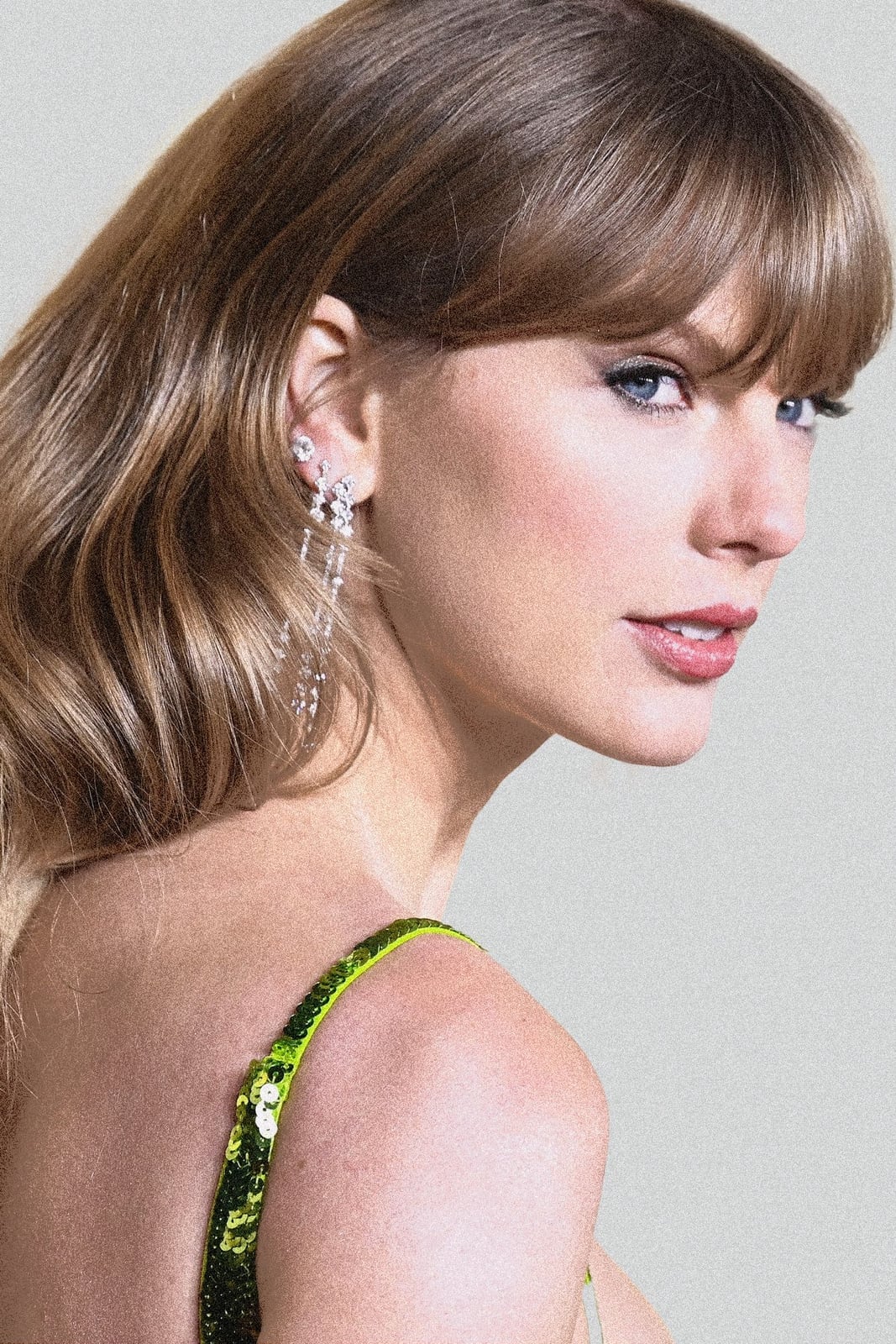
A gloss treatment is what makes this dark blonde base reflect light instead of absorbing it. The collarbone length layers and curtain bangs stay the same, but the shine comes from a clear or tone-matching gloss layered over the lighter blonde highlights. Ask your colorist for collarbone length voluminous blowout with curtain bangs, rich dark blonde. Thick hair starting at collarbone length gives the volume needed for that blown-out shape. A smoothing serum before drying locks in the gloss effect.
Wavy Lob With Dark Blonde Balayage
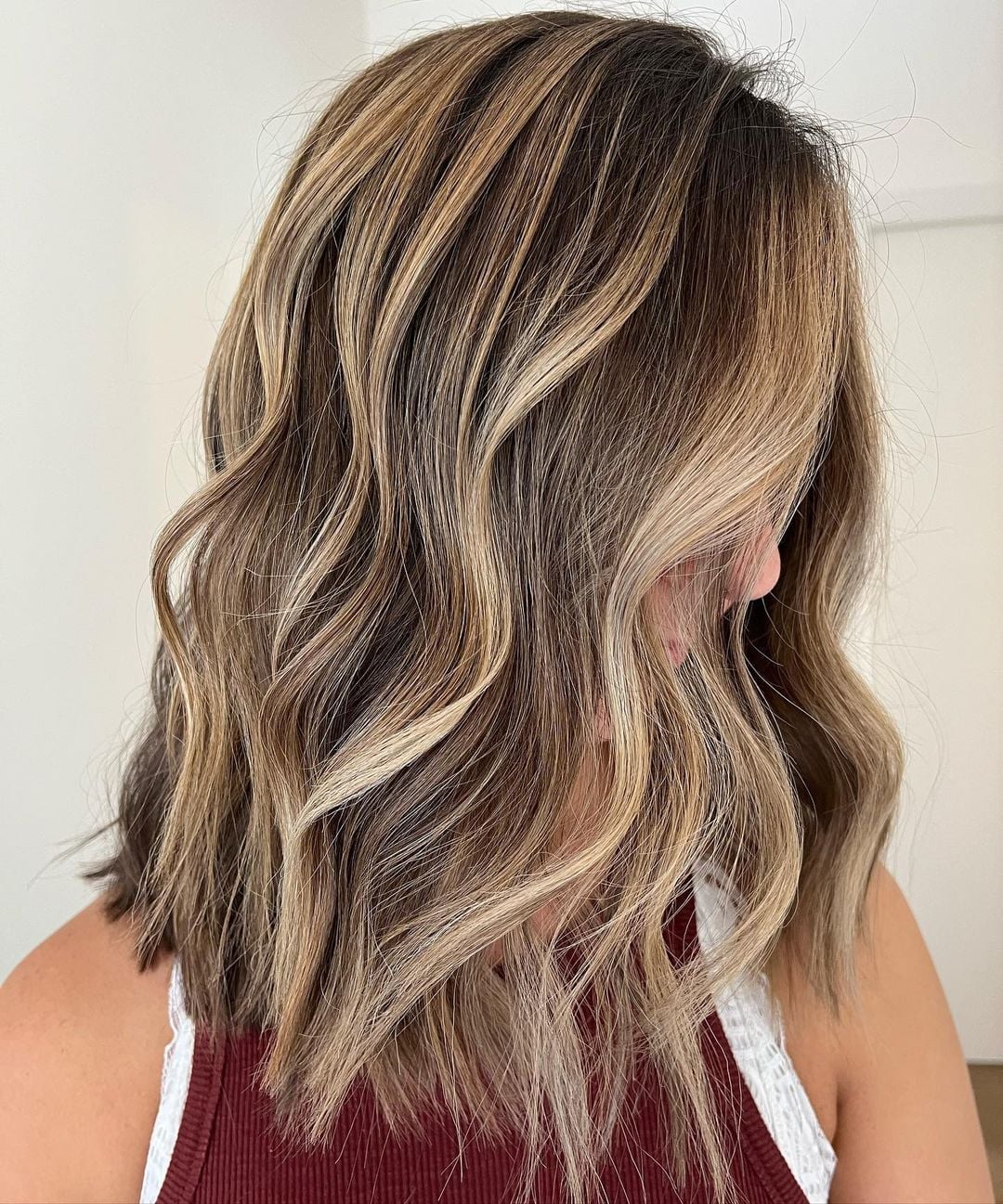
Balayage on a dark blonde base is a different animal than traditional highlights. Instead of uniform sections from root to tip, the color is painted on freehand, concentrating lightness at the ends and keeping the roots darker for a lower-maintenance grow-out. Ask your colorist for collarbone length lob with loose waves, dark blonde balayage. Medium texture hair starting at collarbone length takes the soft wave without frizzing. A side parting adds asymmetry. Touch-ups land around every ten to twelve weeks, which is about half the frequency of standard highlights.
Mid-Back Layers With Ash Blonde Highlights
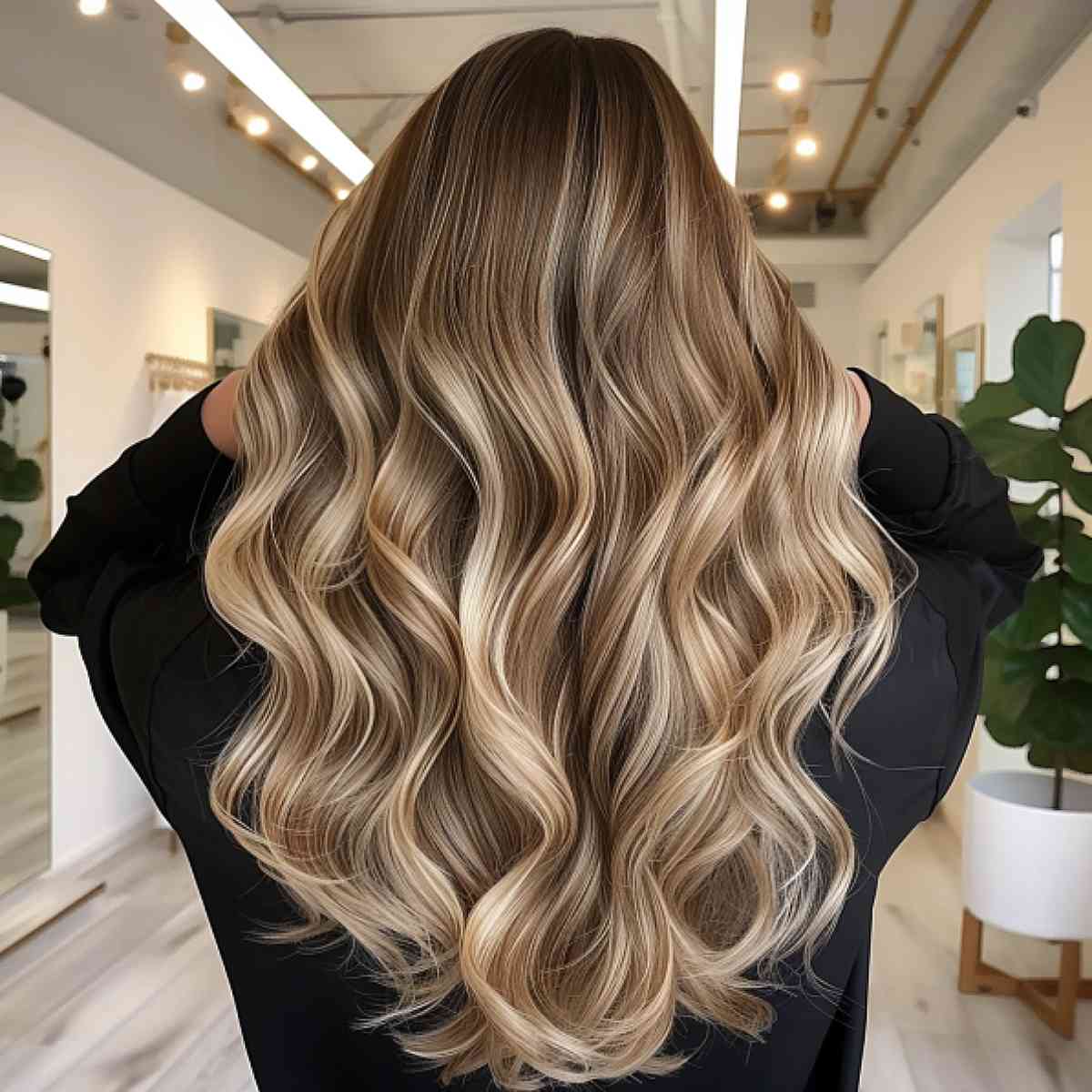
Ash blonde highlights against a dark blonde base create a cooler contrast, especially on thick, wavy hair that catches light from multiple angles. The subtle layers keep the mid-back length from weighing down, and the middle parting lets the color read evenly from a back view. Ask your colorist for mid-back length with subtle layers, dark blonde with ash blonde highlights. Thick hair starting at mid-back length holds the wave and the cool tone well. A purple shampoo used once a week prevents the ash from drifting warm. A trim every eight to ten weeks keeps the layers defined without sacrificing length.
Dimensional Dark Blonde With Lowlights
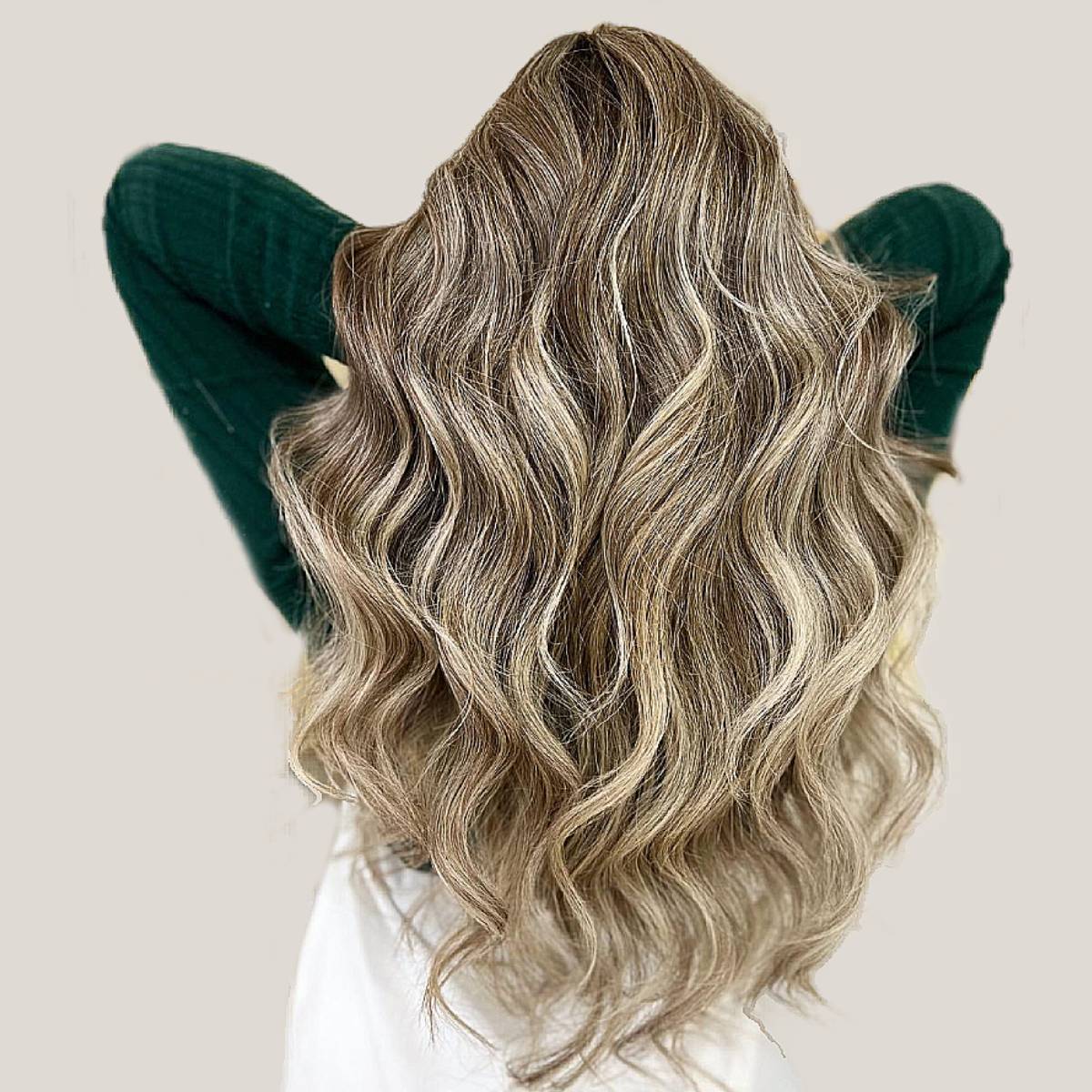
A dark blonde base with both lighter highlights and deeper lowlights creates a dimensional mid-back length that shows its full range from the back. The middle part and loose waves let the contrast between warm blonde pieces and cooler brown strands show as a deliberate color choice. Ask your colorist for: mid-back length waves, dark blonde with highlights and lowlights.
Thick hair starting at mid-back length takes this technique best, though finer hair can borrow the depth with finer-painted lowlights. The real drawback: lowlights can pull slightly warm over time, so a toning appointment every eight to ten weeks keeps the balance in check. Dry waves with a lightweight product add the definition the photo suggests without extra weight.
Mid-Back Waves With Dimensional Highlights
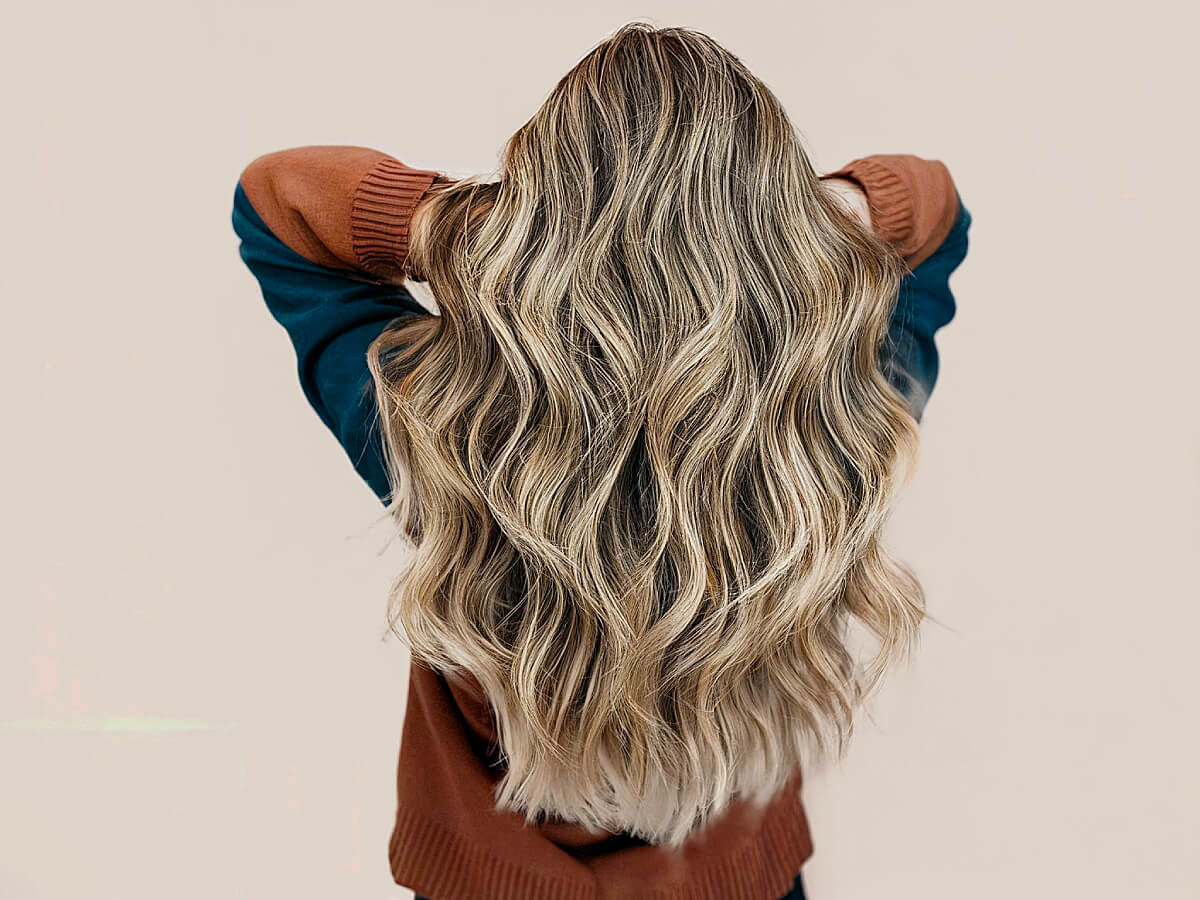
How much upkeep does dimensional dark blonde actually demand? This mid-back length with a middle part and loose blowout relies on blonde highlights that stop short of the root, leaving a few inches of darker base. The glossy finish and subtle face-framing layers suggest a salon application, because a DIY highlight placement near the face tends to look patchy. Ask your colorist for: mid-back length waves, dark blonde with dimensional highlights. A shine serum on dry hair mimics the photo’s polish, and a trim every eight to ten weeks keeps the ends healthy enough to reflect light.
Mid-Back Layers With Root Shadow
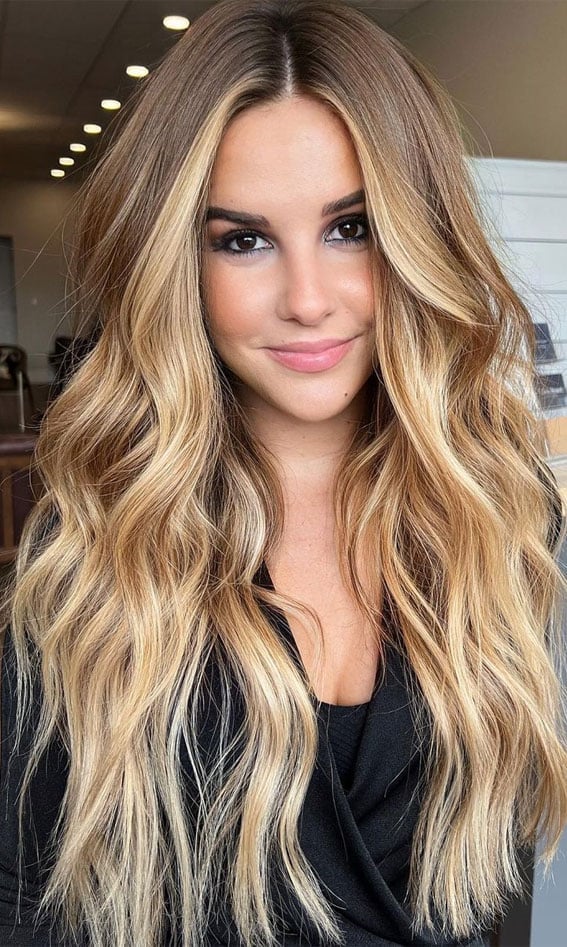
The root shadow here darkens the regrowth zone so a mid-back length with face-framing layers and soft waves looks lived-in from week one. The dark blonde base and lighter blonde highlights meet a subtle root shadow that blurs the grow-out line, which makes this a strong choice for summer when salon visits space out. Ask your colorist for: mid-back length with face-framing layers, dark blonde with root shadow.
The middle part and thick, wavy texture keep the color from falling flat, while the face-framing pieces sit at the cheekbone. A root-lifting spray at the crown adds the lift the blowout needs, and a toning appointment every eight to ten weeks stops the highlights from shifting toward yellow.
Mid-Back Waves With Face-Framing Highlights
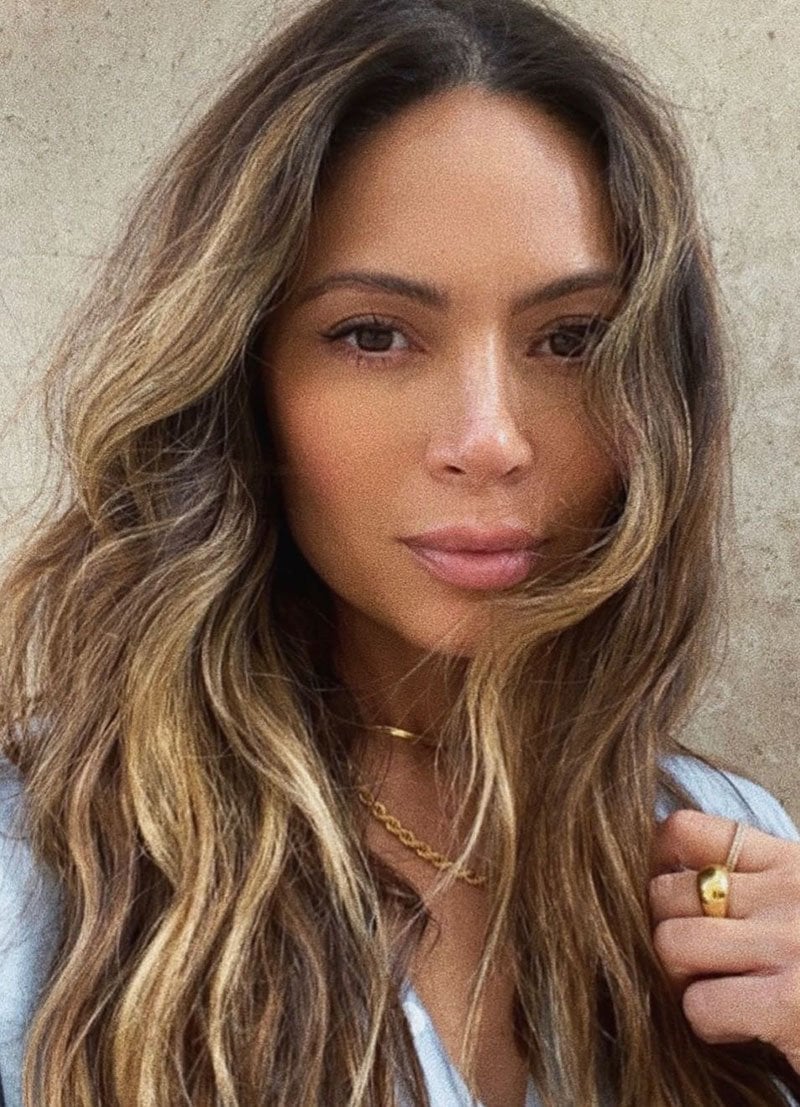
Can you get face-framing highlights right at home? The precision of a lighter blonde placement around the front pieces, paired with a dark blonde mid-back length and a middle part, makes a strong case for the salon chair. A stylist controls the width and saturation of each front strand, while a DIY version often ends up too thick or too close to the root. Ask your colorist for: mid-back length waves, dark blonde with face-framing lighter blonde highlights.
Medium texture hair benefits from the contrast without looking overloaded, and the soft waves keep the front pieces from reading as a harsh stripe. A wide-tooth comb on damp hair preserves the wave pattern, and the highlights need refreshing every ten to twelve weeks to maintain the contrast.
Mid-Back Waves With Money Piece
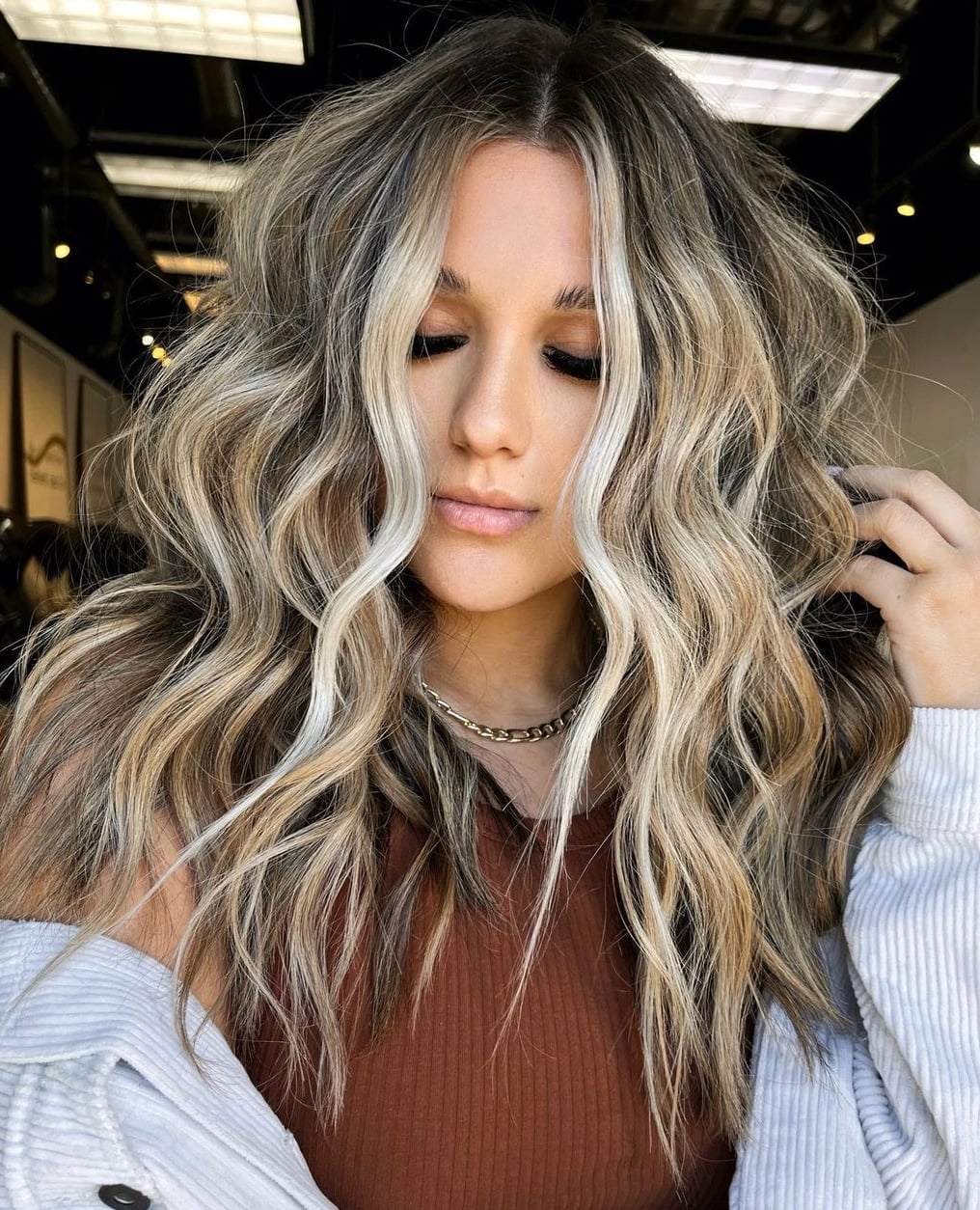
The lighter strands around the face should look deliberate, not accidental. This mid-back length with a middle part and loose waves uses a distinct money piece and lighter blonde highlights on a dark blonde base, so the front section pulls the brightness forward while the rest stays grounded. Ask your colorist for: mid-back length waves, dark blonde with a face-framing money piece. Thick hair starting at mid-back length holds the contrast well, and the soft layers prevent the money piece from looking like a separate color block. A large barrel curling iron defines the waves, and the money piece needs a touch-up every eight to ten weeks to keep its impact.
Mid-Back Balayage With Darker Roots
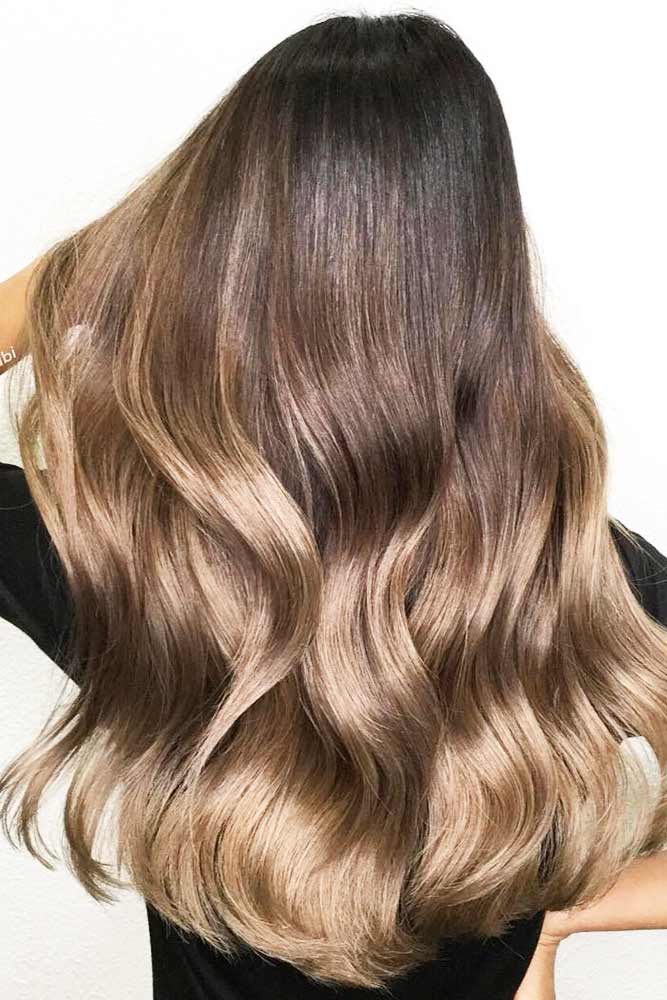
The design is straightforward: darker roots that fade into lighter strands, not a solid line of color. Thick hair starting at mid-back length benefits from this approach, since the darker base adds visual weight while the lighter pieces create movement. Ask your colorist for: mid-back length waves, dark blonde balayage with natural roots.
A balayage like this uses hand-painted sections rather than foils, which means the grow-out is soft rather than obvious. The darker root acts as a shadow, so the line between natural regrowth and color stays blurred for about ten to twelve weeks before you need a touch-up. A leave-in conditioner helps maintain the softness in the waves without weighing them down.
Mid-Back Waves With Balayage Effect
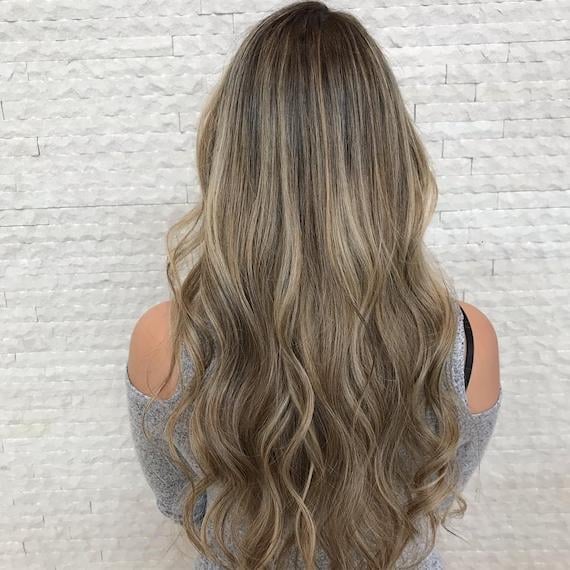
The grow-out is the main draw: a balayage refresh every ten to twelve weeks keeps the color looking intentional without frequent appointments. A volumizing mousse scrunched into damp hair helps define the wave pattern and adds hold. The middle parting keeps the distribution of light and dark pieces balanced on both sides.
Mid-Back Balayage With Glossy Waves, Wavy
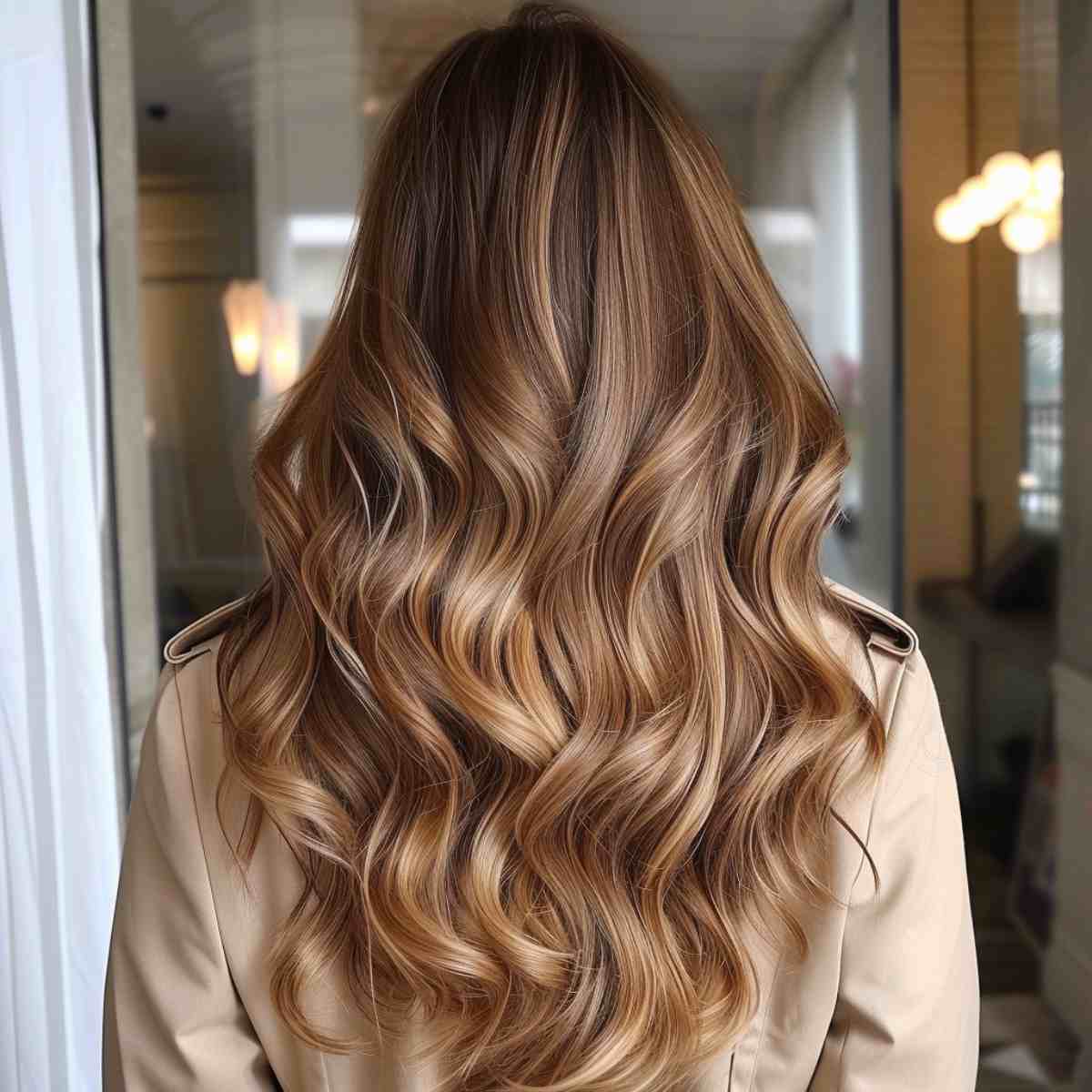
The glossy finish is the detail that makes this balayage polished. Thick hair with soft layers holds the wave shape well, and the lighter blonde pieces reflect light evenly because of the shine. Ask your colorist for: mid-back length glossy waves, dark blonde with lighter blonde balayage. A shine spray applied after styling gives the surface a reflective quality without making the hair feel stiff. The middle parting keeps the dimension visible from both angles.
Mid-Back Balayage With Big Waves, Layers
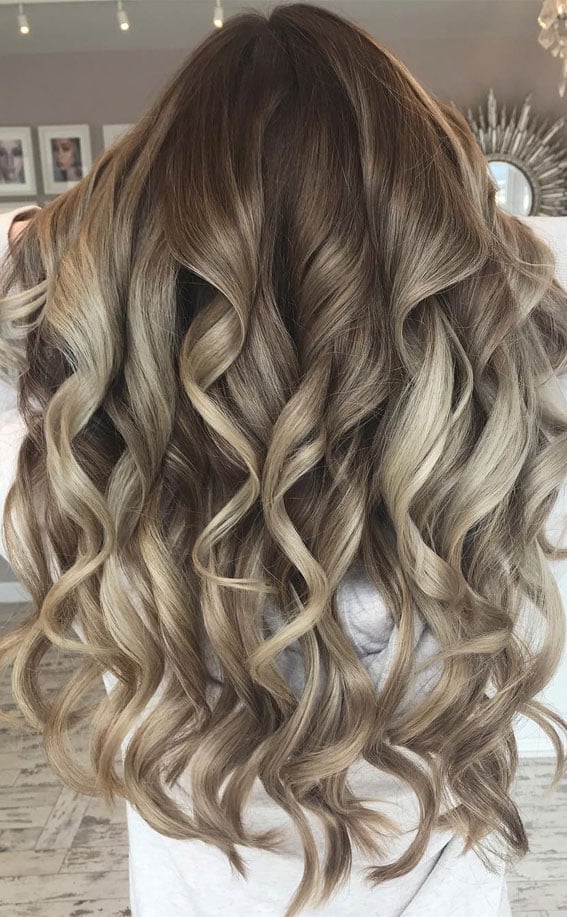
Big waves rely on the layers underneath to maintain their shape, and the balayage placement matters here because the lighter strands need to fall into the curves of the wave. Thick hair at mid-back length has enough weight to hold a large wave pattern. Ask your colorist for: mid-back length big waves, dark blonde balayage. When you book the appointment, specify that you want the balayage painted in thicker sections rather than fine ribbons, since wider pieces of color show better in a larger wave. A large barrel curling iron creates the wave size that matches the scale of the color placement.
Mid-Back Waves With Sandy Highlights, Wavy
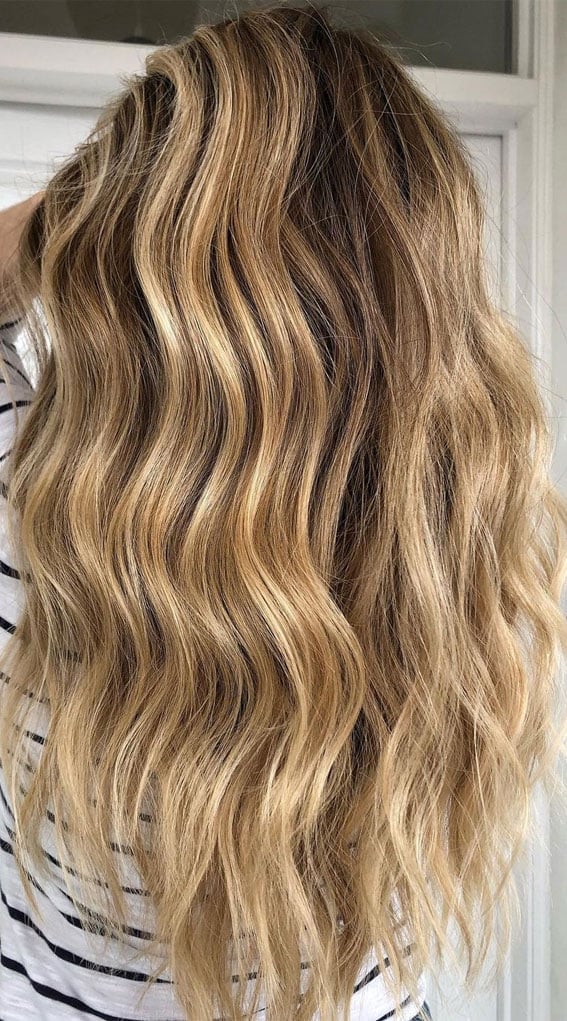
Sandy highlights sit a step warmer than ash tones, which makes this combination a natural fit for the shift into autumn. Thick hair at mid-back length can carry the multiple tones without looking busy, especially when the highlights are woven through the layers and not painted on the surface. Ask your colorist for: mid-back length waves, dark blonde with sandy blonde highlights. The air-dried texture keeps the look relaxed, which suits the season when humidity drops and hair holds its natural wave longer. A toning appointment every eight to ten weeks prevents the sandy tones from pulling too warm.
Honey Blonde Waves With Glossy Finish
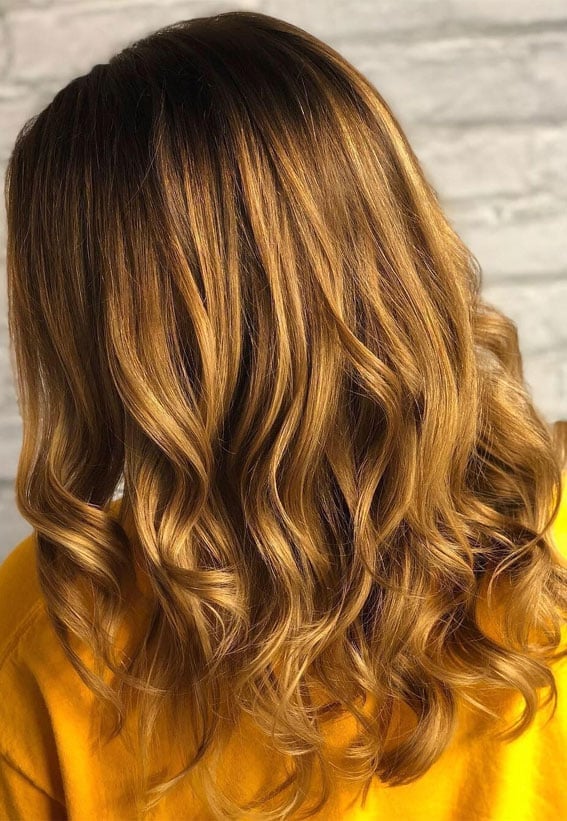
This mid-back length cut uses a rich dark honey blonde foundation with lighter honey blonde highlights woven through the layers, creating depth without going brassy. The loose waves and high-gloss finish catch the light evenly because the tone is consistent. Ask your colorist for: mid-back length waves, dark honey blonde with lighter honey blonde highlights. Thick hair starting at mid-back length benefits most from the weight and shine. A glossing spray adds the final reflective layer. Expect a toning appointment every six to eight weeks to keep the warmth from shifting too golden.
Mid-Back Defined Curls With Highlights
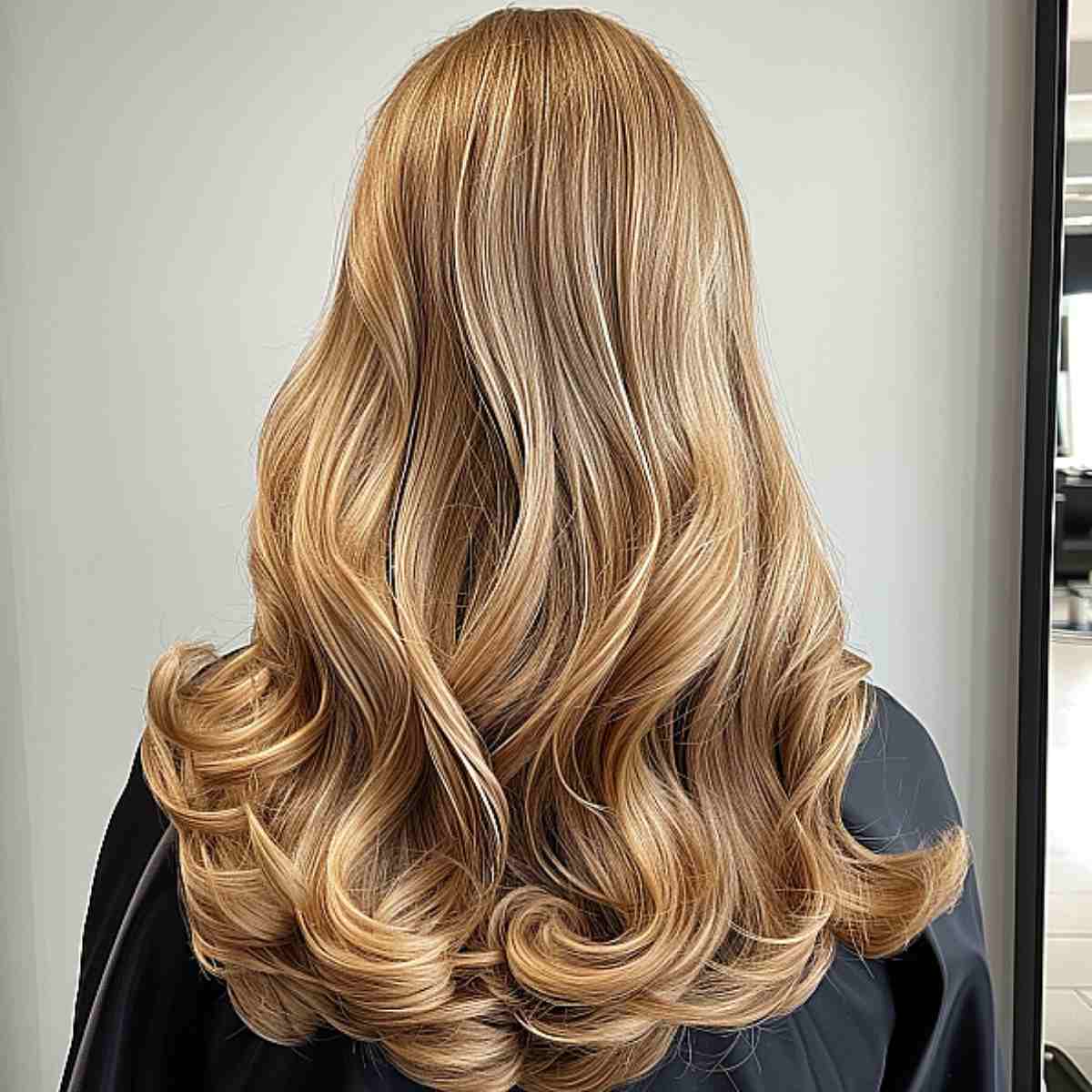
This is a look that genuinely rewards thick, wavy hair. The mid-back length layers are cut to support defined, bouncy curls, and the dark blonde base with subtle blended blonde highlights gives each curl its own highlight and shadow. Without the lighter pieces, the shape would read as one solid block of color. Ask your colorist for: mid-back length defined curls, dark blonde with blended blonde highlights. Anyone with fine or low-density hair should pass, the weight of the layers and the curl pattern require density to hold the shape. A curl-defining cream applied to damp hair and diffused on low heat sets the bounce. A gloss treatment every eight to ten weeks refreshes the color and the definition in one step.
Long Ombre With Dark Blonde Transition
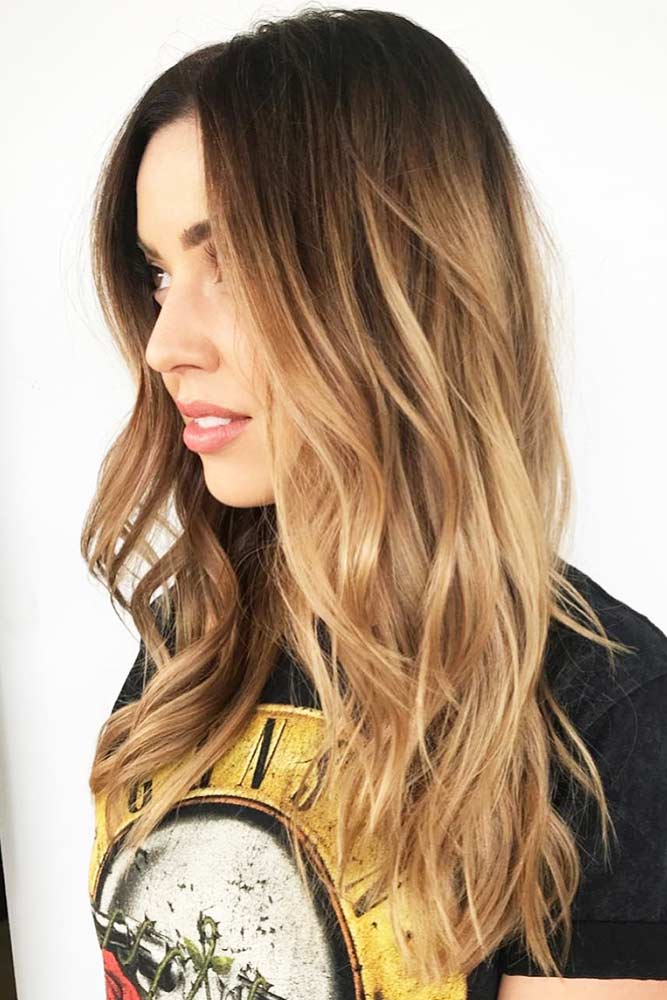
An ombre transition from a darker root to a lighter end works best when the shift is gradual and the base shade is neutral. This long, wavy mid-back cut starts with a dark blonde root and blends into a lighter blonde toward the ends, with loose waves softening the demarcation line. Ask your colorist for: long hair with loose waves, dark blonde to blonde ombre. Medium to thick hair starting at mid-back length holds the gradient without the ends looking thin. One real drawback: the lighter ends can feel drier than the rest of the hair, so a weekly deep conditioner is not optional. The ombre refresh sits at twelve to sixteen weeks, longer than most highlight schedules, which is the trade-off for less frequent salon time.
Mid-Back Waves With Dark Brown Base
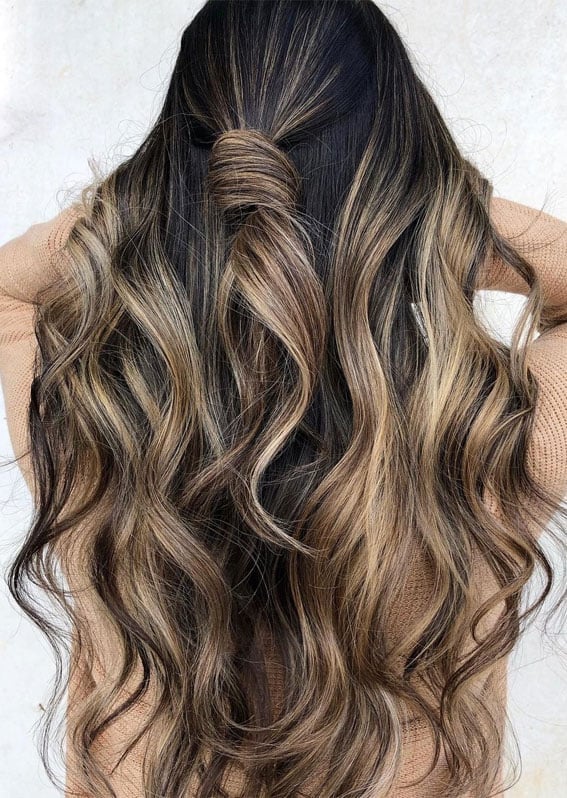
This is not a subtle highlight, it is a deliberate contrast. The dark brown base sits close to the scalp and the prominent blonde highlights travel through the mid-back length layers, creating a visible separation between the two tones. The loose waves and the small twisted knot detail at the crown pull the eye up, making the contrast stand out. Ask your colorist for: mid-back length waves with a crown detail, dark brown with blonde highlights. Thick hair starting at mid-back length handles the weight of both the dark base and the lighter pieces without looking flat. The highlights need a toning appointment every six to eight weeks to keep the blonde from pulling warm against the brown.
Shoulder Length Layers With Side Bangs
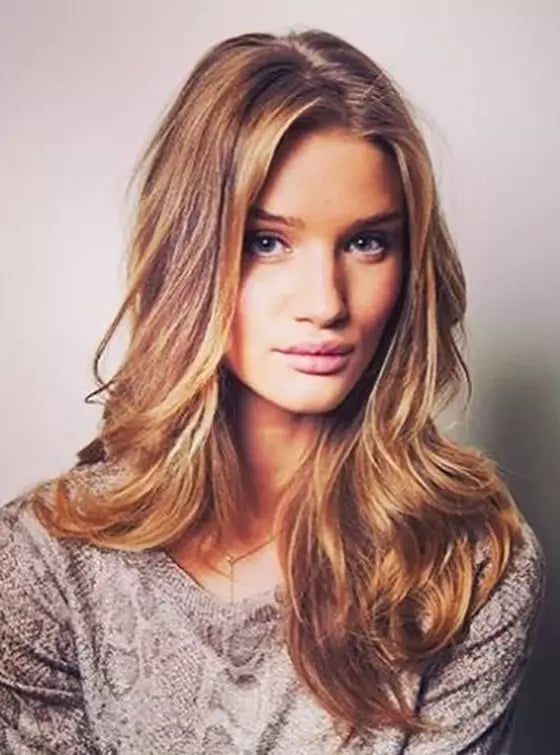
A practical rule for side-swept bangs: they work best on medium texture hair that holds a bend without fighting it. This shoulder length cut uses a side parting and layers throughout, with side-swept bangs that frame the front. The dark blonde base with lighter blonde highlights adds dimension without making the shorter layers look busy. Ask your stylist for: shoulder length layers with side swept bangs, dark blonde with highlights. The side-swept bangs soften the angles of a square face and the layers around the jaw do the same for a round face. Blow-dry the bangs to the side with a round brush. A trim every six to eight weeks keeps the bangs from sliding into your eyes.
Final Thoughts
Fine hair benefits from a single blunt baseline and subtle highlights rather than heavy layers. For rounder faces, let the length fall below the chin and keep the front pieces soft. A balayage or ombre technique grows out gently if you prefer less frequent salon visits.
- Trim ends every eight to ten weeks.
- Use a color-safe shampoo and conditioner.
- Apply a purple shampoo every two to three weeks to fight brassiness.
- Spray a heat protectant before styling.
Dark blonde is a versatile shade that offers depth and dimension.