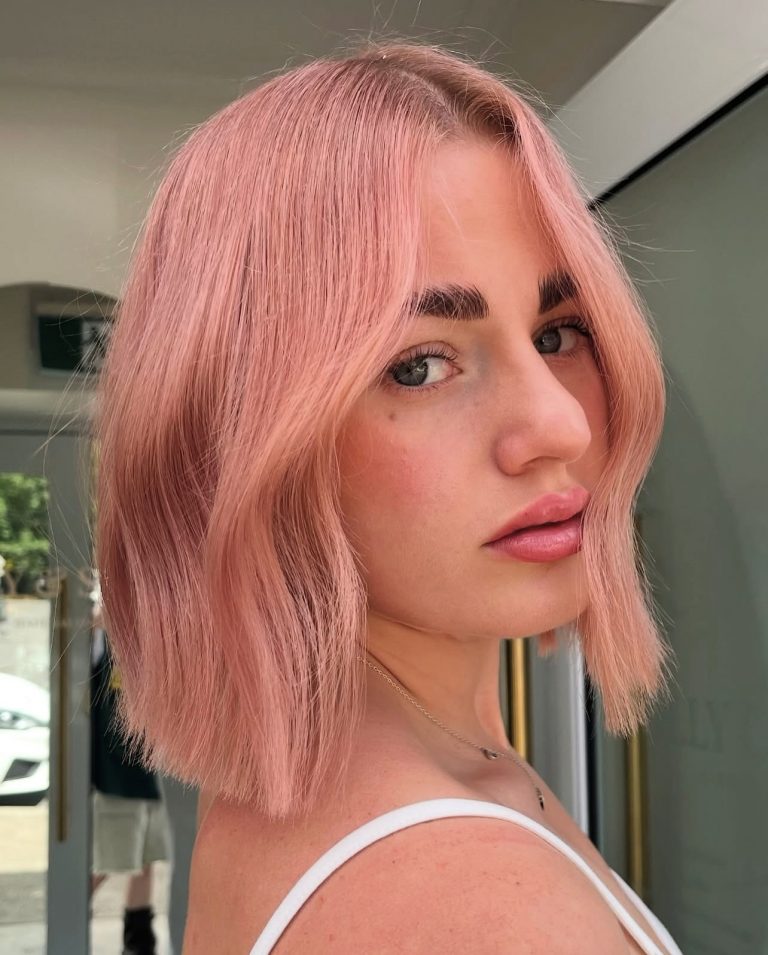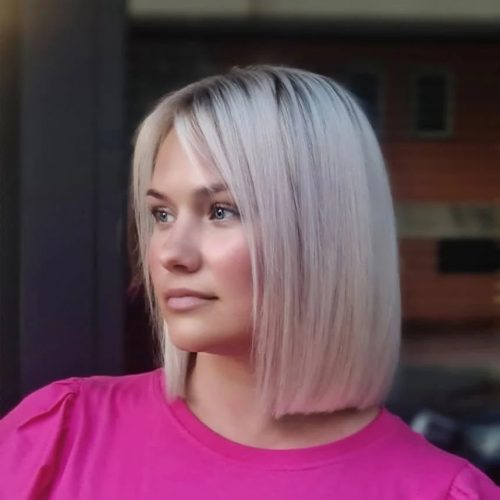
Frontal hairstyles shape the entire face without needing a full overhaul. Curtain bangs and soft face-framing layers have replaced heavy, straight-across fringes, and lived-in color keeps the look current for longer between salon visits.
This collection of 19 Frontal Hairstyle Ideas covers everything from low-maintenance lobs to intricate braided updos, so you can find the right balance of styling time and hold for your texture. Whether your fine hair falls flat by midday or your thick layers need a refresh every six weeks, there is a style here that works.
Mid-Back Wavy Red-Orange Hair With Curtain Bangs
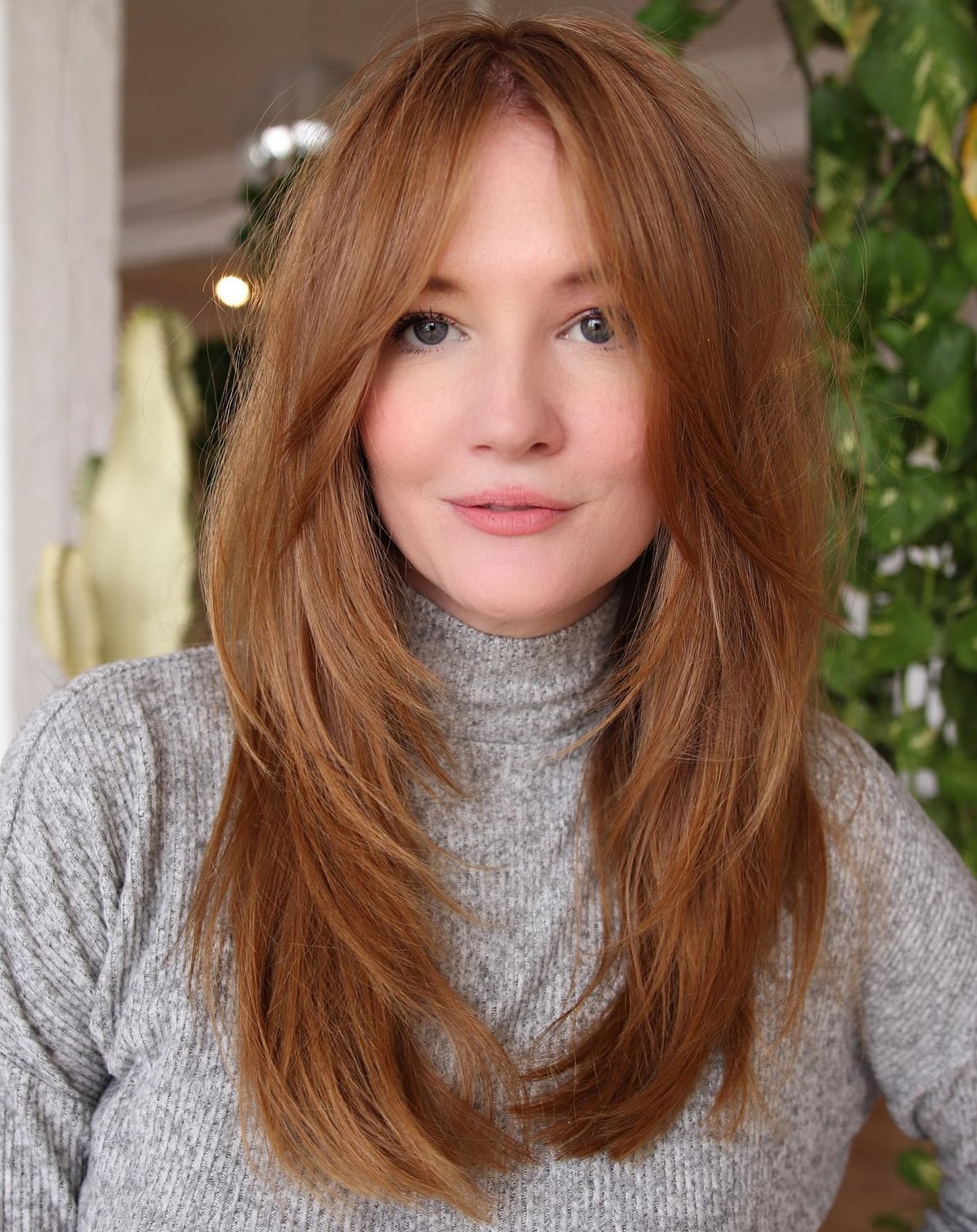
A red-orange base with subtle highlights gives these mid-back waves a dimensional quality that flat color cannot touch. The face-framing layers and curtain bangs are cut to draw attention outward, which makes them a natural fit for oval and heart-shaped faces. Ask your stylist for: mid-back wavy red-orange hair with face-framing layers and curtain bangs. A round brush blowout coaxes the shape out of the layers, and a light texturizing spray keeps the bend in the wave without turning it stiff.
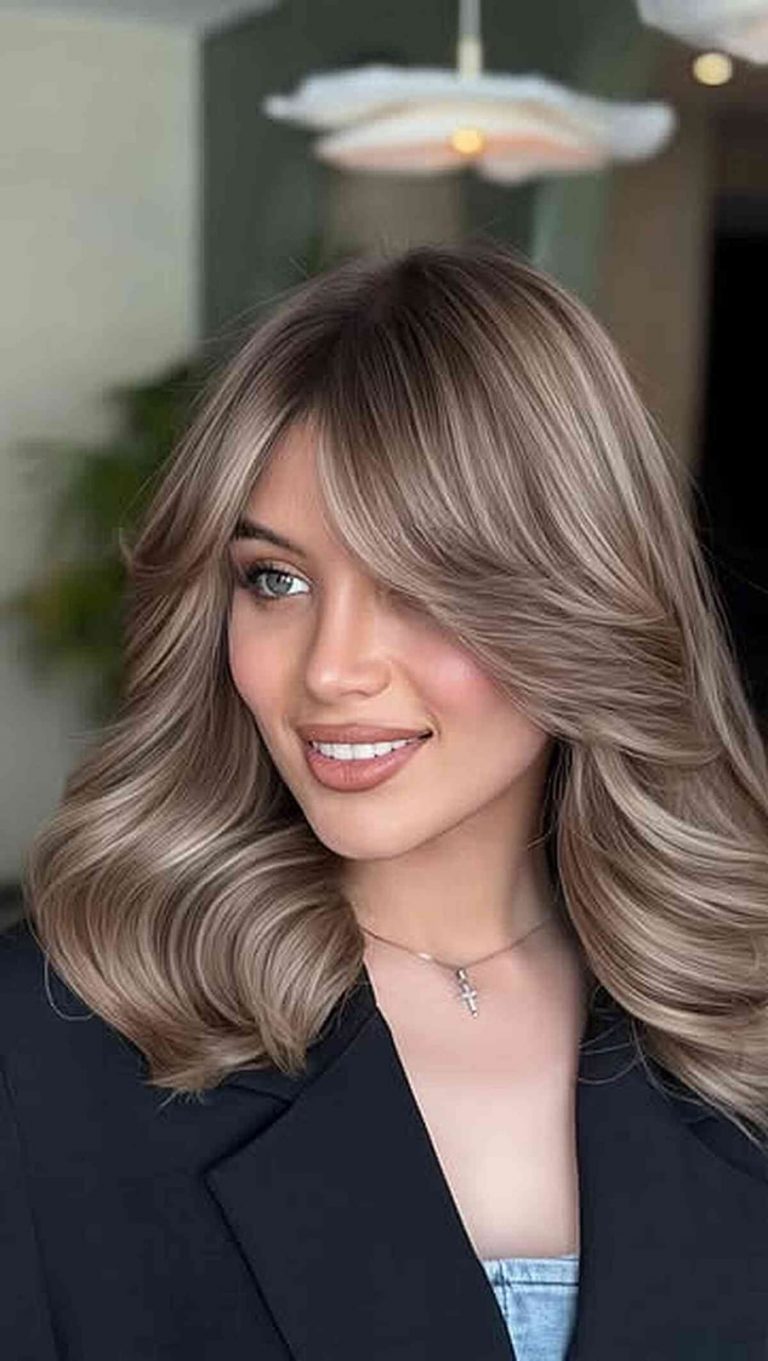
Collarbone Ash Blonde Layers With Voluminous Blowout
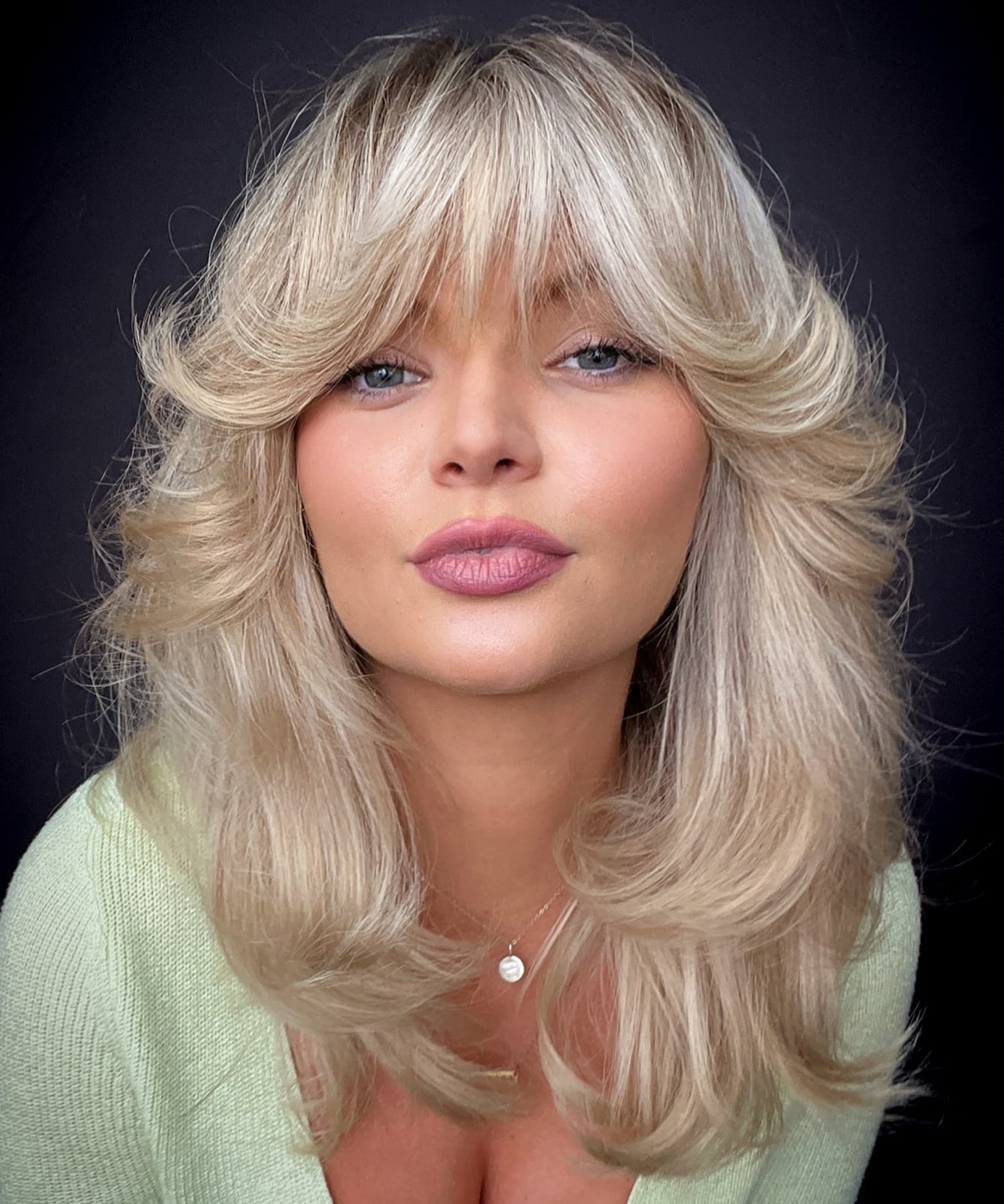
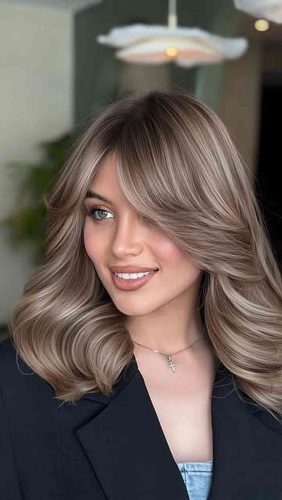
The precision needed for a collarbone-length cut with this much volume is not forgiving. If the layers are cut too short or too wide, the silhouette can collapse into a triangle; the trick is a graduated shape that stacks weight at the nape and releases it forward. Ask your stylist for: collarbone ash blonde lob with curtain bangs and voluminous layers. A volumizing mousse at the roots before the blowout buys the lift, and a trim every six to eight weeks stops the collarbone line from drifting into an awkward in-between.
Mid-Back Dark Brown Waves With Curtain Bangs
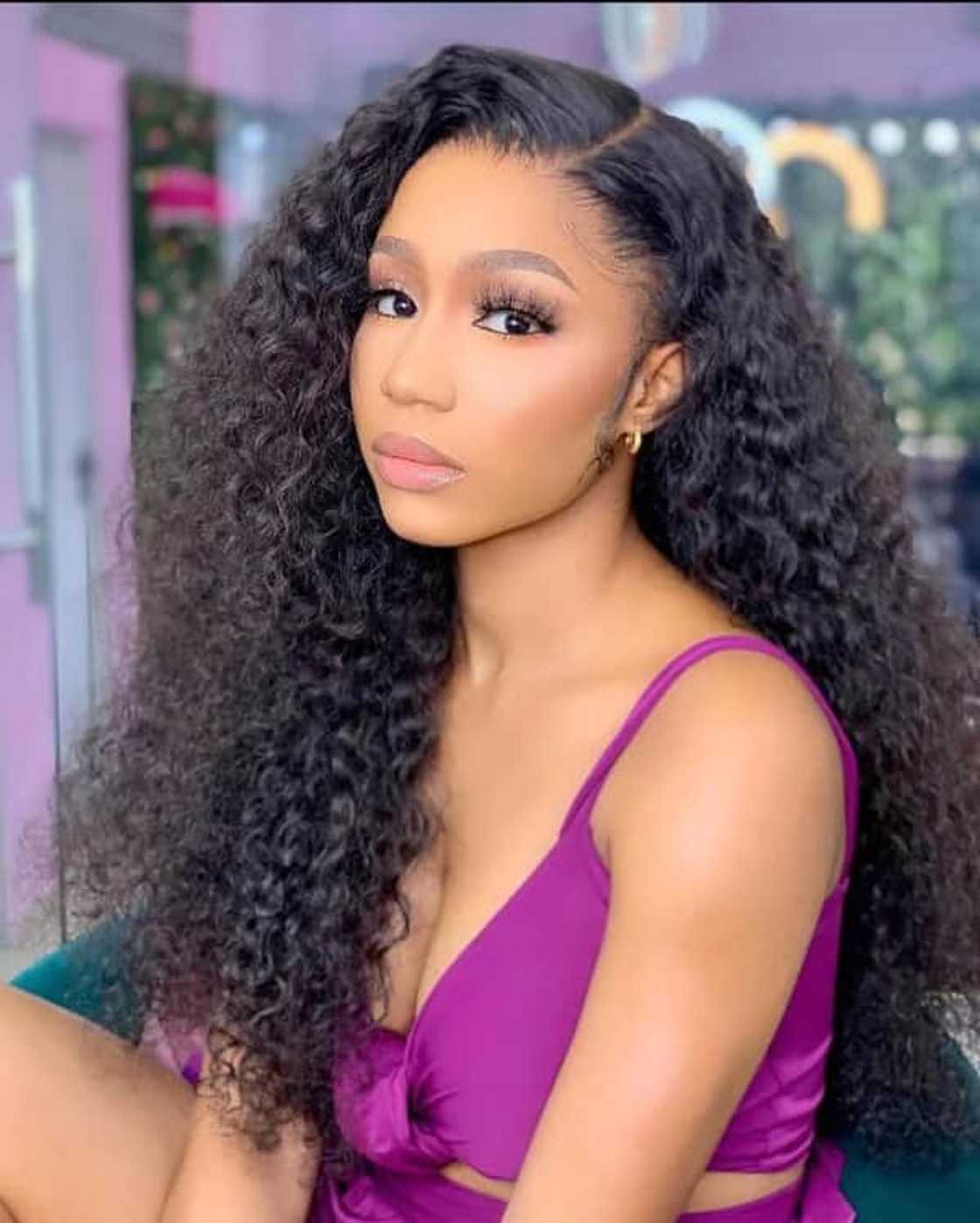
Long, soft layers let the hair fall in its natural wave pattern, and a polished blowout with a large barrel brush sets the shape without crimping the ends. Ask your stylist for: mid-back dark brown hair with voluminous waves and curtain bangs. The subtle highlights add just enough movement to keep the dark base from reading flat.
Long Straight Dark Brown With Soft Curtain Bangs
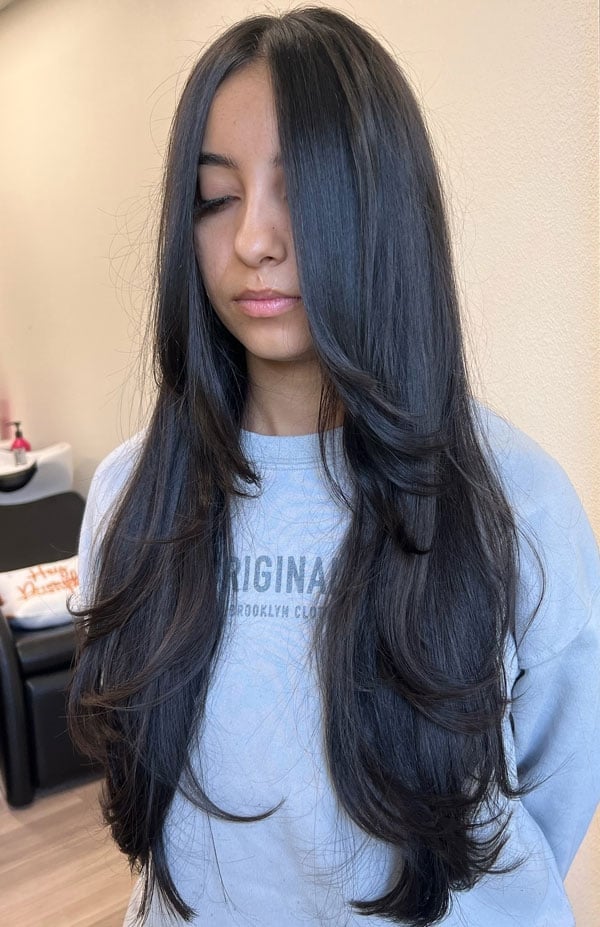
Long, straight hair with curtain bangs looks clean in the salon photo and requires maintenance in real life. The bangs need a blow-dry every morning to fall the right way, and the face-framing layers will push toward the ears if they are not trimmed on schedule. Ask your stylist for: long dark brown hair with long layers and soft curtain bangs. A large round brush and a medium heat setting are the only tools you need, but the commitment is real: a trim every eight to ten weeks keeps the bangs from becoming a blunt shelf. The front profile looks polished for work or an event without much thought.
Mid-Back Wavy Black Hair With Side-Swept Bangs
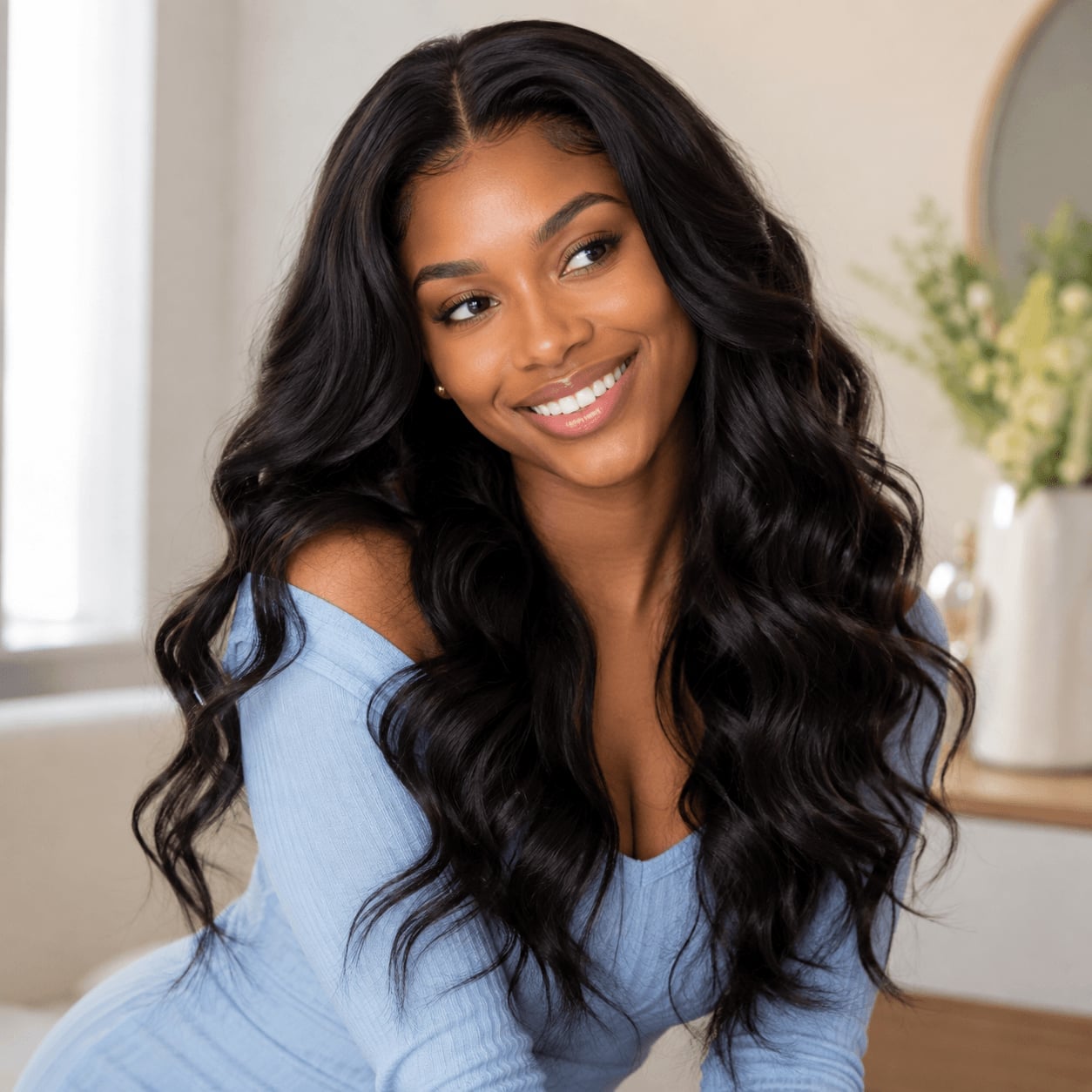
Between a side part and a middle part, the side part does more of the heavy lifting for volume. A side-swept bang and a deep side part lift the hair on one side, which gives a round face more vertical length and a heart-shaped face a softer diagonal line. Ask your stylist for: mid-back wavy black hair with side-swept bangs and voluminous waves. The glossy finish comes from a shine serum applied on damp hair before the blowout, not from a flat iron that would kill the wave.
Mid-Back Dark Brown Updo With Side-Swept Bangs
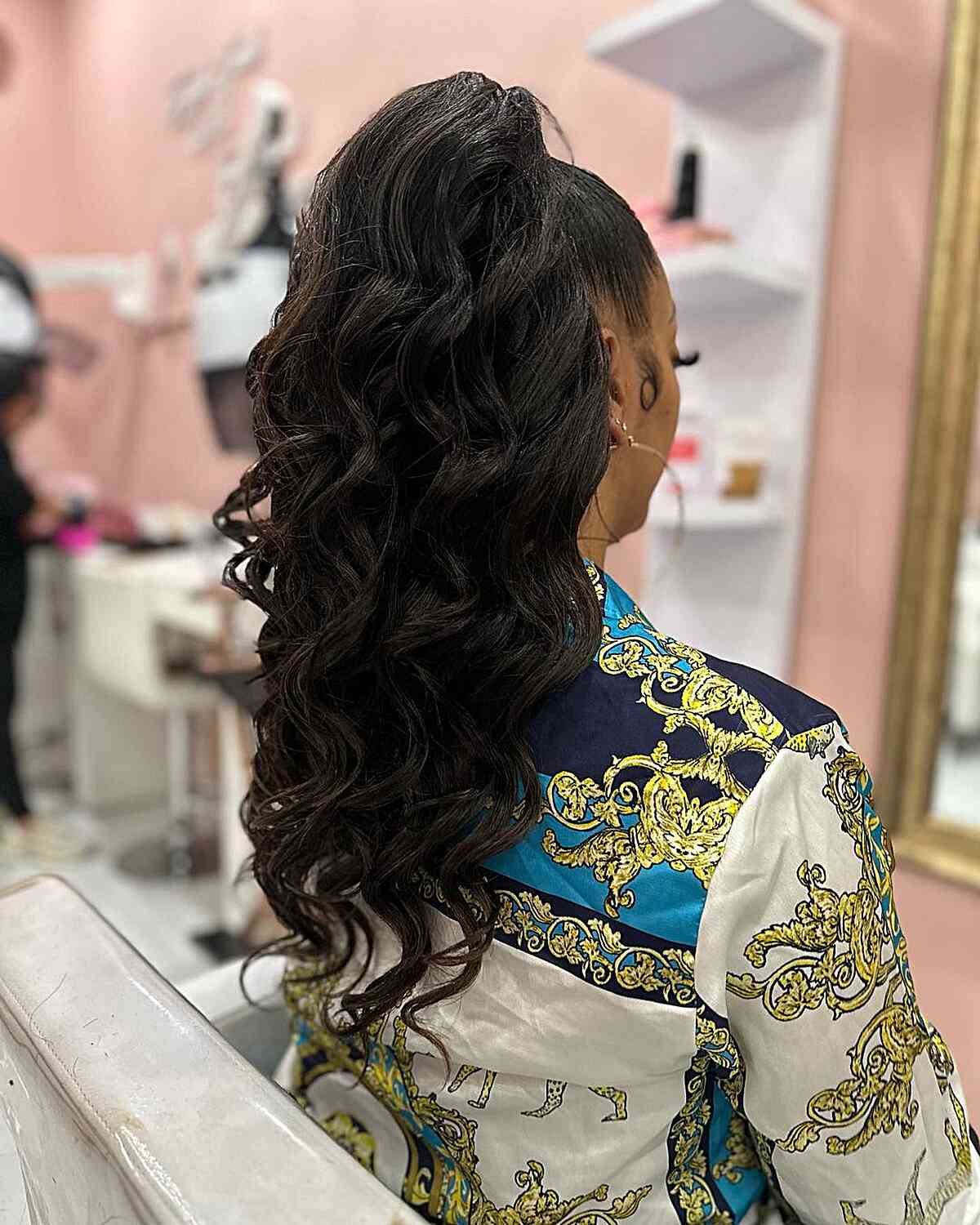
The mid-back dark brown color with subtle highlights keeps the shape from reading as one solid block. Thick, wavy hair at that length gives the stylist enough material to build the volume. Ask your stylist for: mid-back dark brown updo with voluminous curls and side-swept bangs. Curl the hair first, then pin the tendrils loosely so they soften the face instead of sitting stiff. The highlights need toning every 10 to 12 weeks, which is about the same rhythm as a summer wedding season.
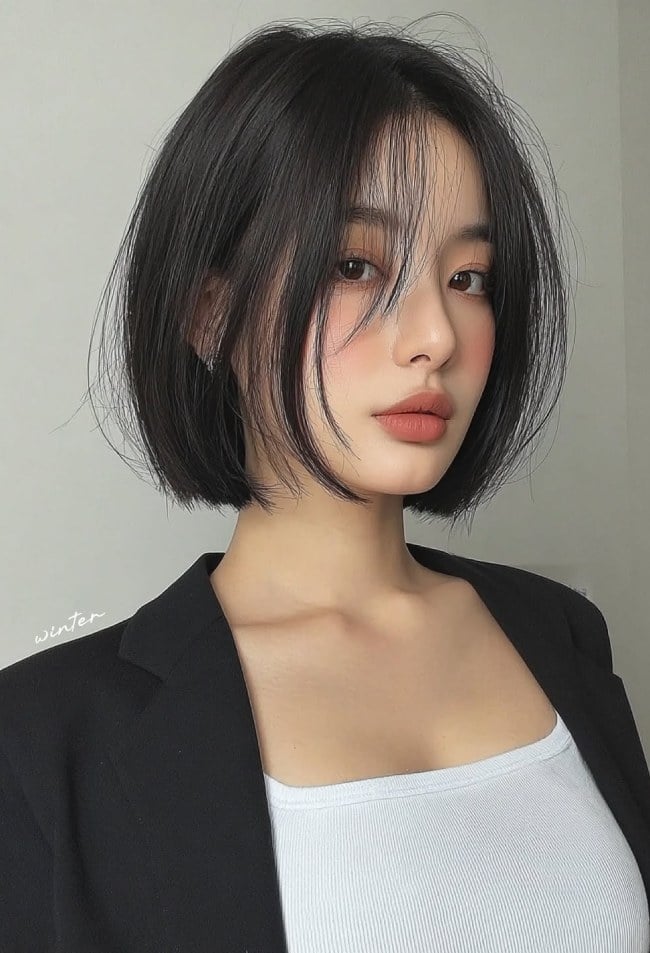
Collarbone Dark Brown Lob With Soft Waves
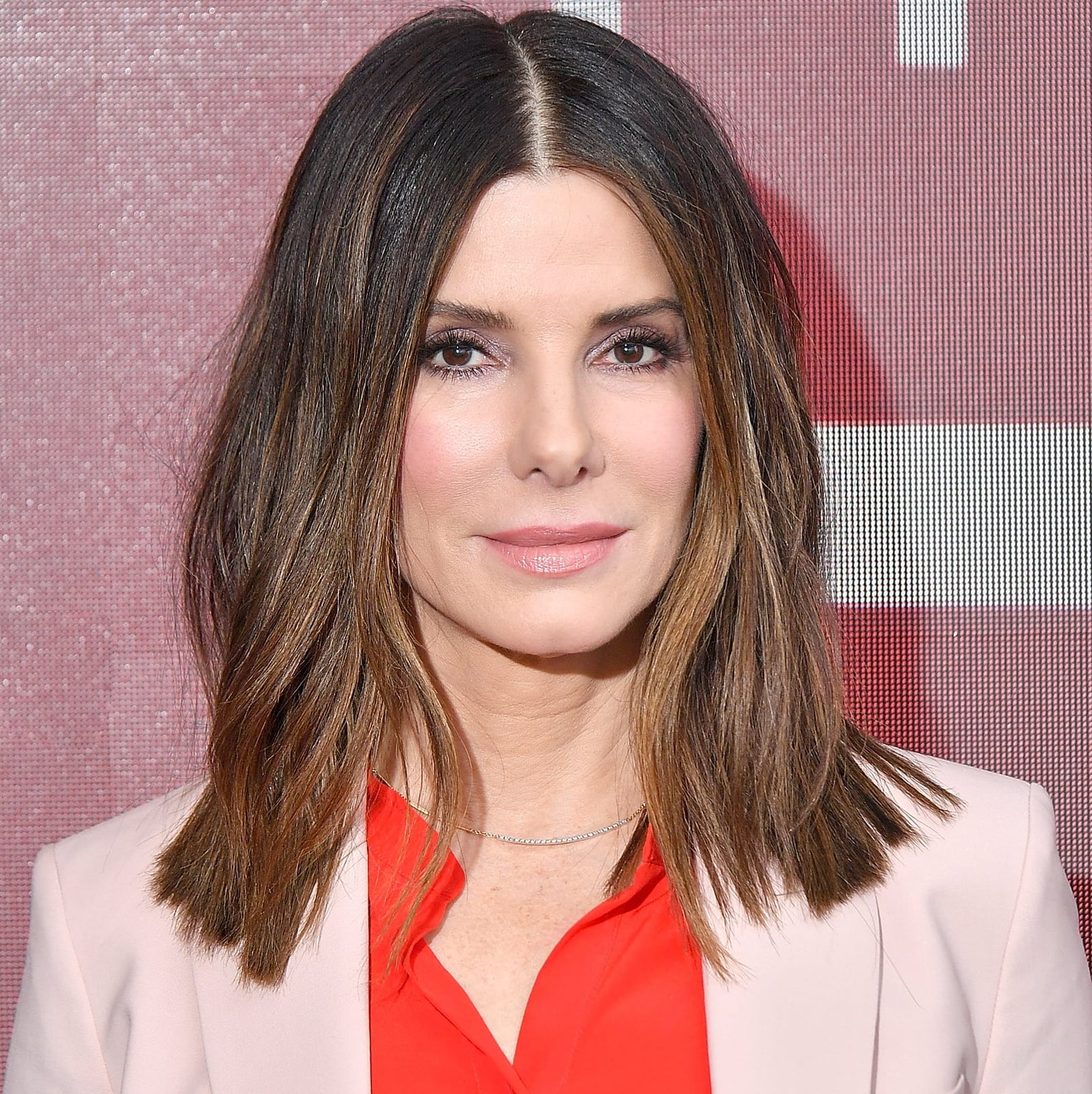
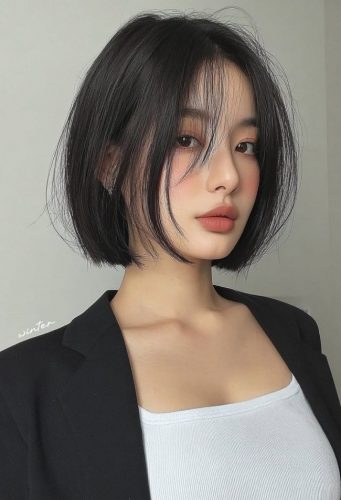
A collarbone lob in dark brown with subtle highlights, finished with soft waves and a glossy middle part. Fine hair can hold the wave pattern for about two hours before it starts dropping. Ask your stylist for: collarbone dark brown lob with soft waves and middle part. The lob itself is a salon cut, but refreshing the waves at home is doable with a 1-inch barrel and a heat protectant. The baseline needs trimming every six to eight weeks. If the hair is very fine, the softness reads more as flat than deliberate; that is the trade-off.
Collarbone Dark Brown Layers With Side Part
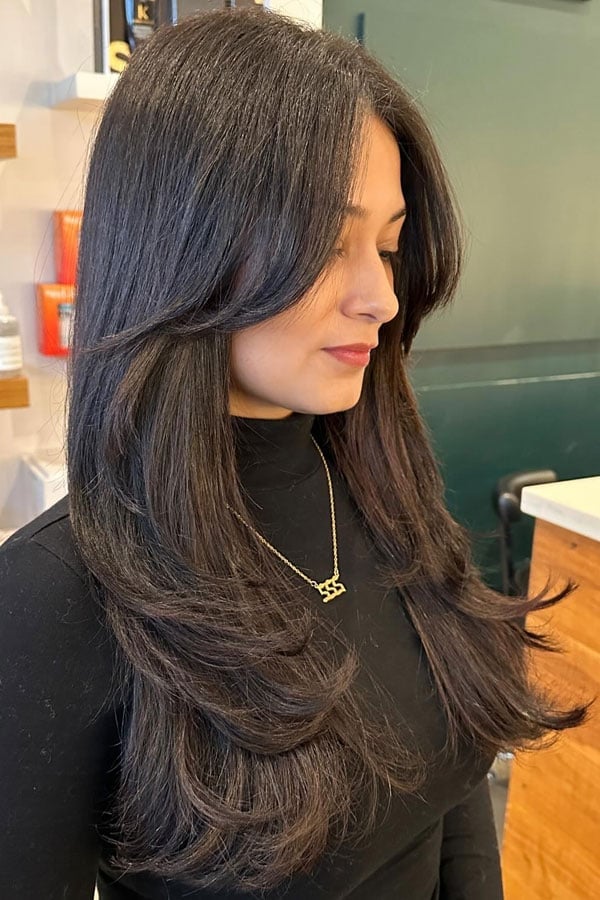
The side part here creates visual volume on straight thick hair. On a collarbone-length dark brown cut with soft layers and a smooth blowout, a deep side part adds the body that straight thick hair often needs. The layers are cut to frame the jaw, which makes this a solid option for square face shapes that want softening without losing structure. Ask your stylist for: collarbone dark brown hair with soft face-framing layers and side part. Blow-dry with a round brush, directing each section away from the face.
Narrow face shapes should skip this one. The side part and horizontal layers add width around the cheeks, which is the opposite of what an oblong face needs. The layers hold their shape for about six to eight weeks before they start feeling heavy again.
Collarbone Messy Bun With Curtain Bangs
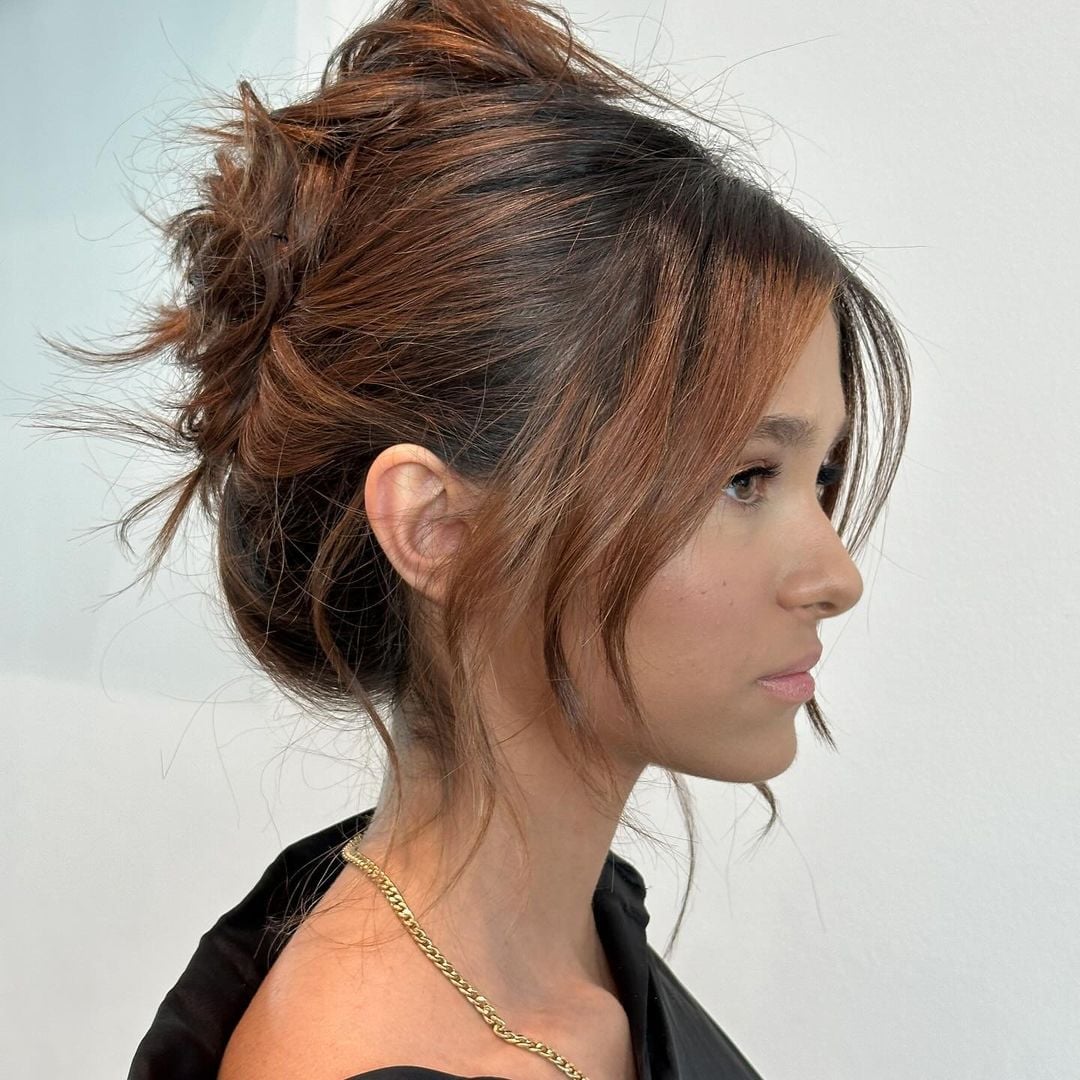
Does the messy bun ever actually stay messy, or does it just look like a bun that gave up? The trick is in the tendrils. This version uses a collarbone-length cut with loose waves, a medium brown base with blonde highlights, and curtain bangs that are left out to soften the perimeter. Ask your stylist for: collarbone messy bun with loose waves and curtain bangs. Pull out a few face-framing pieces after you pin the bun; they are the whole point.
The drawback is that those tendrils need adjusting every hour or so. They slide out, they stick, they find new angles. The highlights need refreshing every eight to ten weeks. For a weekend look that takes about 10 minutes to assemble, the maintenance is reasonable. The hold on the bun itself is solid with two bobby pins crossed at the nape.
Long Half-Up Half-Down Waves With Twisted Front
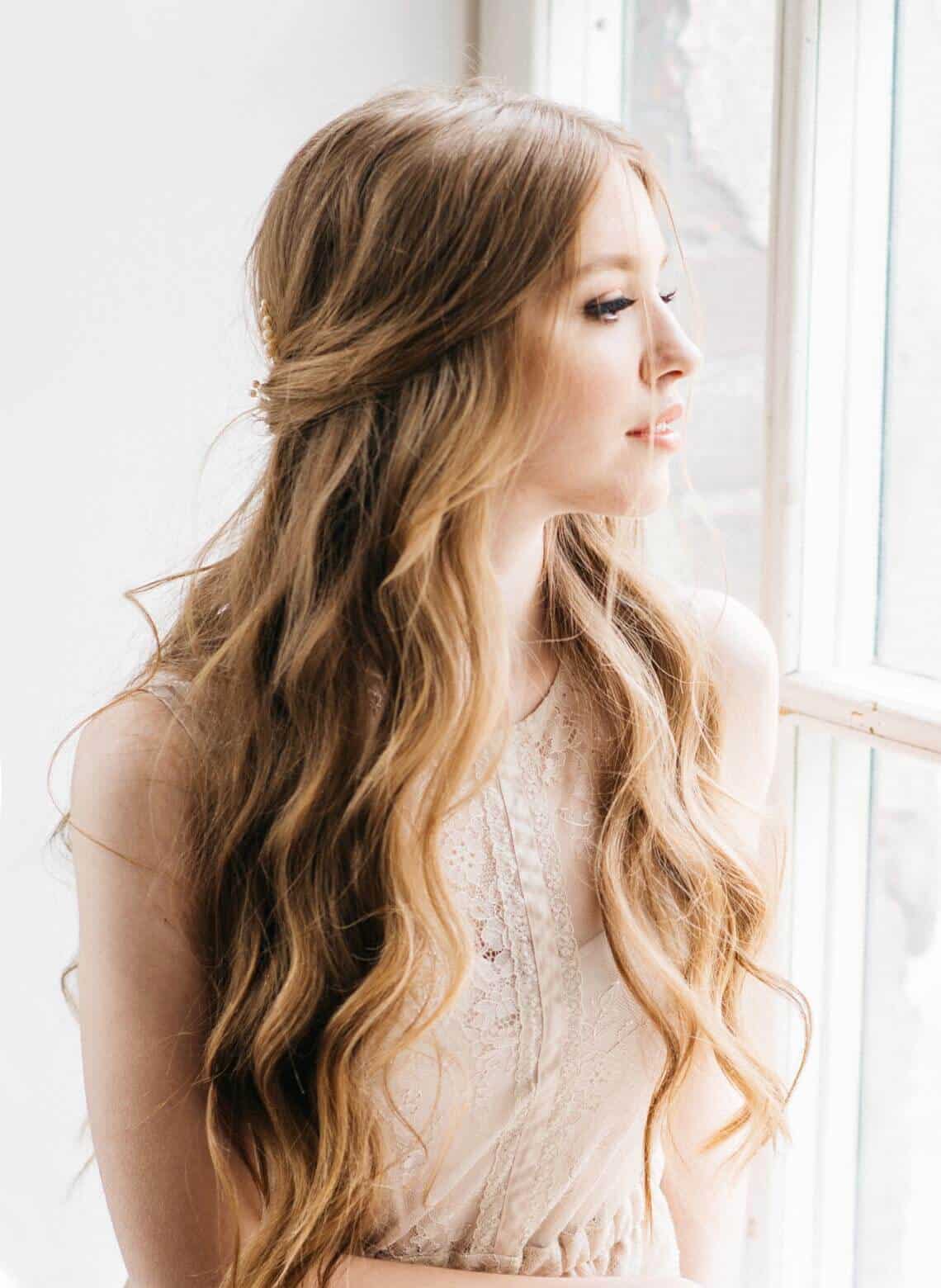
The construction is straightforward: take the front sections from a middle part, twist them back, and pin them behind the ears. The long wavy light brown hair with subtle highlights falls loose. The twist creates a smooth transition from the face to the wave pattern, so there is no visible line where the half-up starts. Ask your stylist for: long light brown hair half up half down with twisted front section.
Medium density wavy hair works best. Too fine and the twist slides loose; too thick and it bulges. Secure each twist with two bobby pins crossed in an X. Add a texturizing spray to the loose waves so they hold their shape rather than dropping into straight pieces by midday. The highlights need a toner every 10 to 12 weeks to keep the light brown base from warming up.
Collarbone Blonde Updo With Face-Framing Tendrils
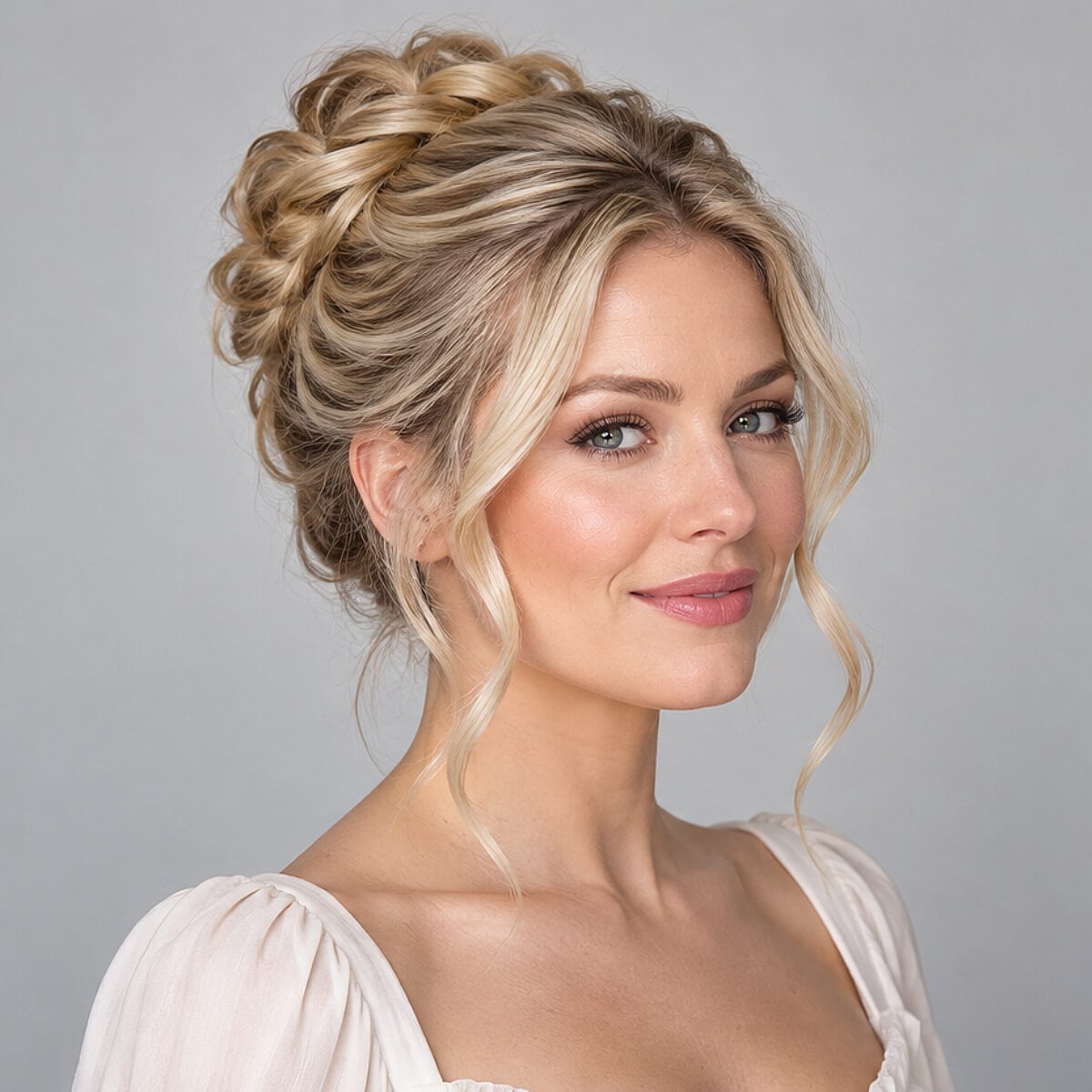
The trick to a soft updo is leaving enough loose pieces around the hairline so the structure does not look like a helmet. This collarbone-length blonde style starts with soft waves, then pins those waves into a loose knot. Face-framing tendrils fall from a middle part, adding movement that a fully pinned bun lacks. The result feels romantic and soft. Medium-density wavy hair holds this best. Ask your stylist for: collarbone blonde updo with loose waves and face-framing tendrils. Curl the hair before styling, then pull out the front strands gently once the updo is secure. A gloss or toner every six weeks keeps the blonde from going brassy.
Mid-Back Blonde Updo With Cascading Curls
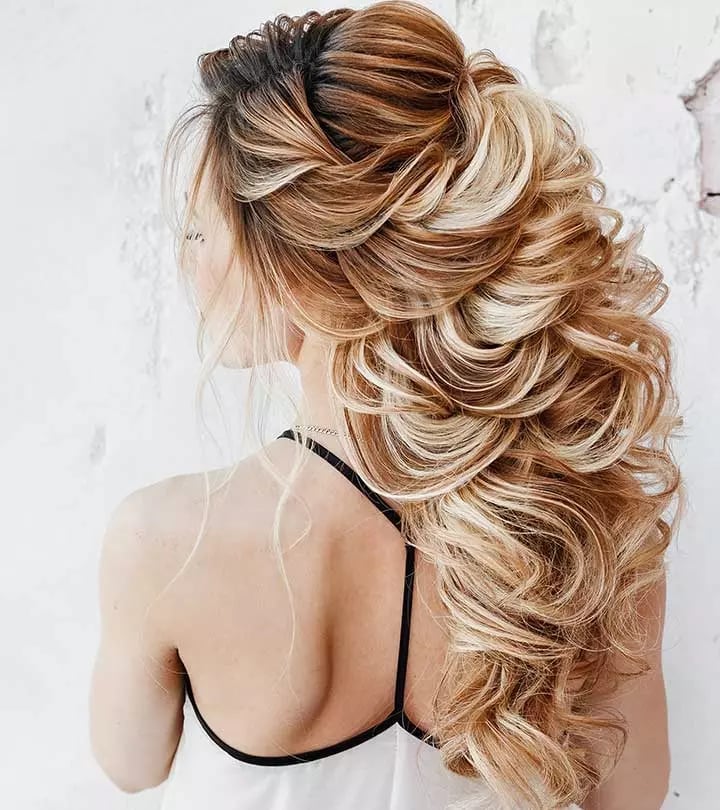
A fully braided updo gives you structure, but this one trades some of that polish for volume and movement. The difference is in the cascading curls that trail down the back, breaking the silhouette into something softer. Thick, wavy hair at mid-back length provides the density these curls need. Ask your colorist for: mid-back blonde updo with cascading curls and braided details. The braids are woven into the base for grip, while the rest stays loose and pinned in sections. Fine hair would disappear into this style. The dark blonde base with lighter highlights adds dimension, so the curls read as layered rather than one flat tone.
Mid-Back Curly Black Hair With Subtle Brown Undertones
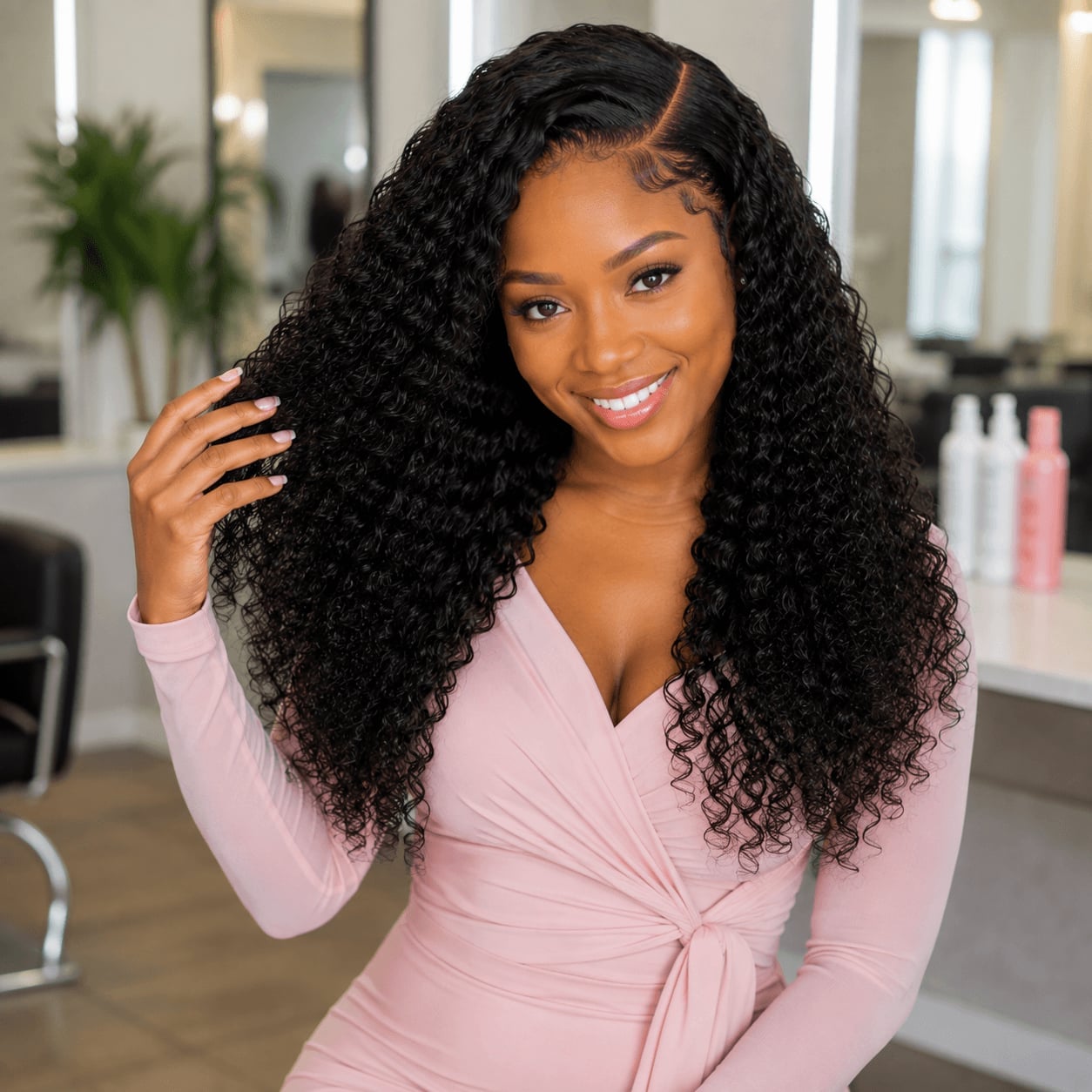
Defined curls this consistent require a solid technique, not luck. Thick, curly black hair at mid-back length is the canvas. The subtle brown undertones add warmth without changing the overall depth of the color. A side parting breaks up the bulk on top. Ask your colorist for: mid-back curly black hair with defined curls and side parting. A curl-defining cream applied to damp hair, followed by air drying or diffusing, sets the pattern. Trims every eight to ten weeks prevent the ends from thinning out and losing their curl shape. At home, you can refresh with water and a leave-in conditioner between washes. Salon visits are for the initial cut and any color adjustments.
Mid-Back Coily Dark Brown Braids With Red Undertones
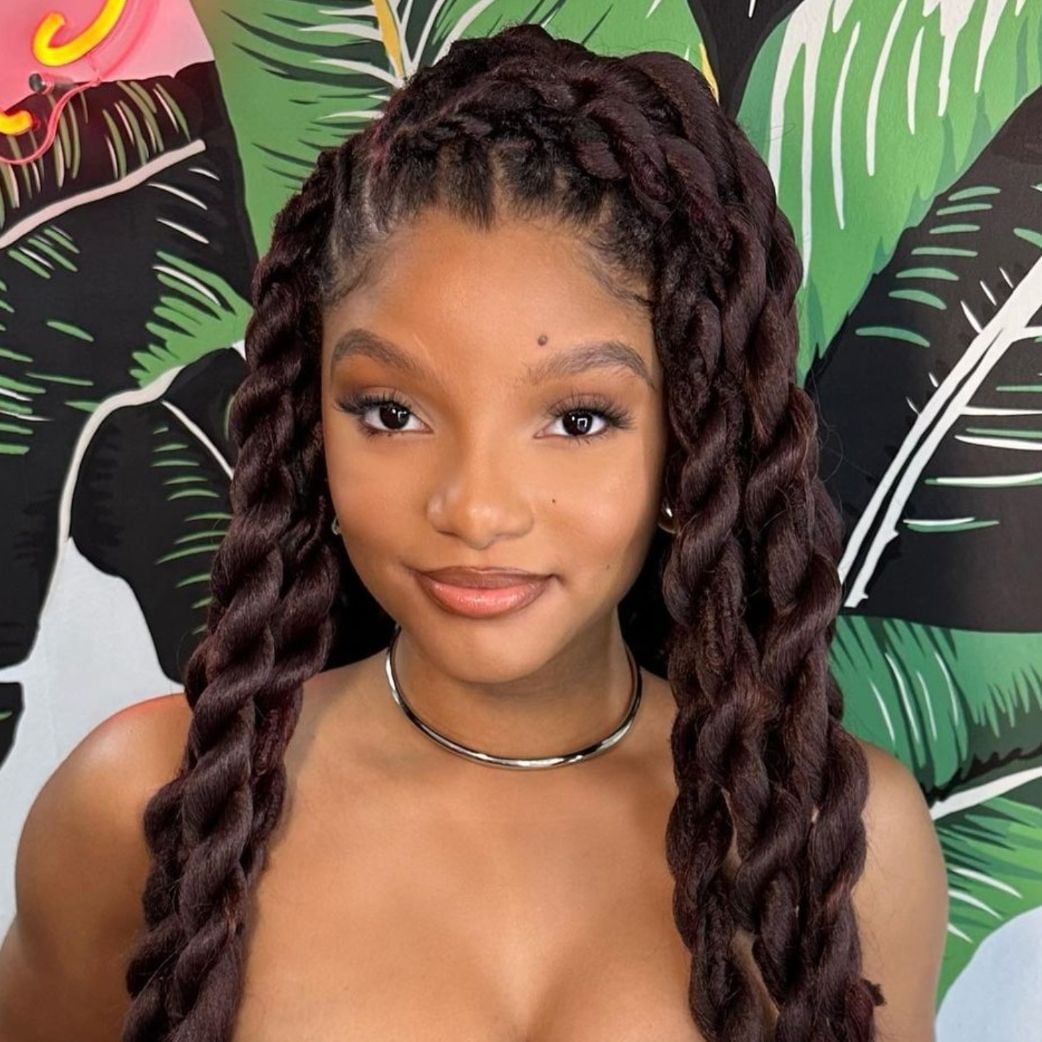
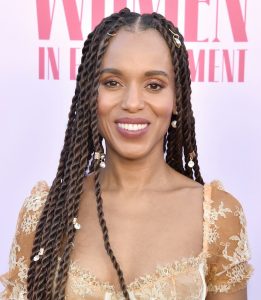
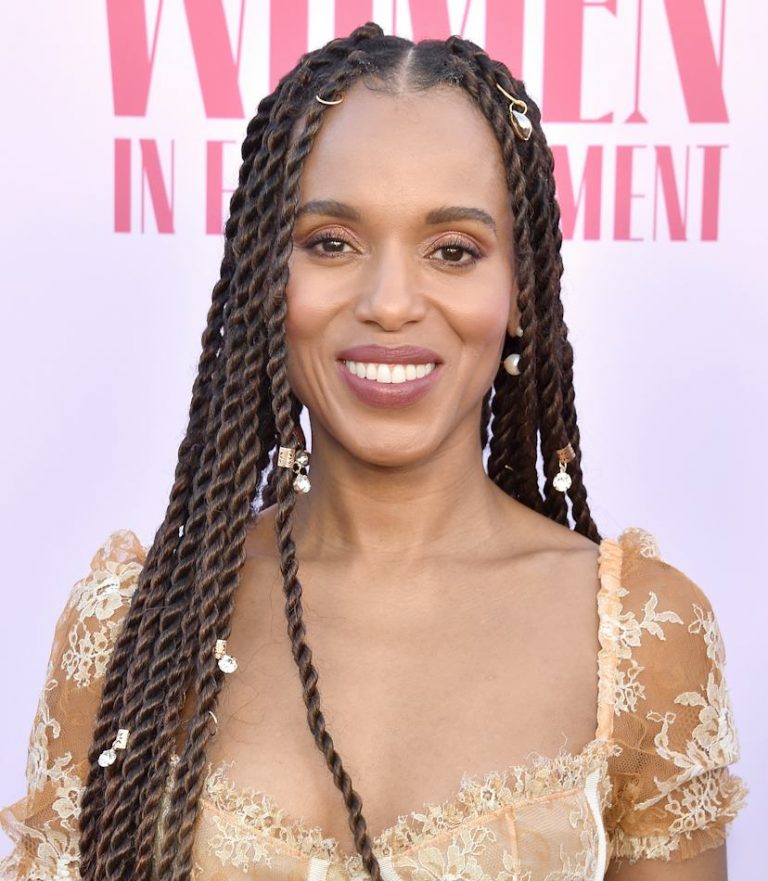
Large twisted braids on coily hair start with sectioning. The hair is parted down the middle, then each half is divided into two or three thick sections and twisted from root to tip. The result is pulled up at the front and left to fall to mid-back. Thick, coily hair handles this weight best. Ask your stylist for: mid-back coily dark brown hair in large twisted braids. The subtle red undertones catch light in a way flat black cannot. The middle part keeps the twists symmetrical. A leave-in conditioner applied every few days stops the twists from drying out. The whole process takes a few hours in the chair, but the style lasts for weeks.
Mid-Back Black High Ponytail With Intricate Braid
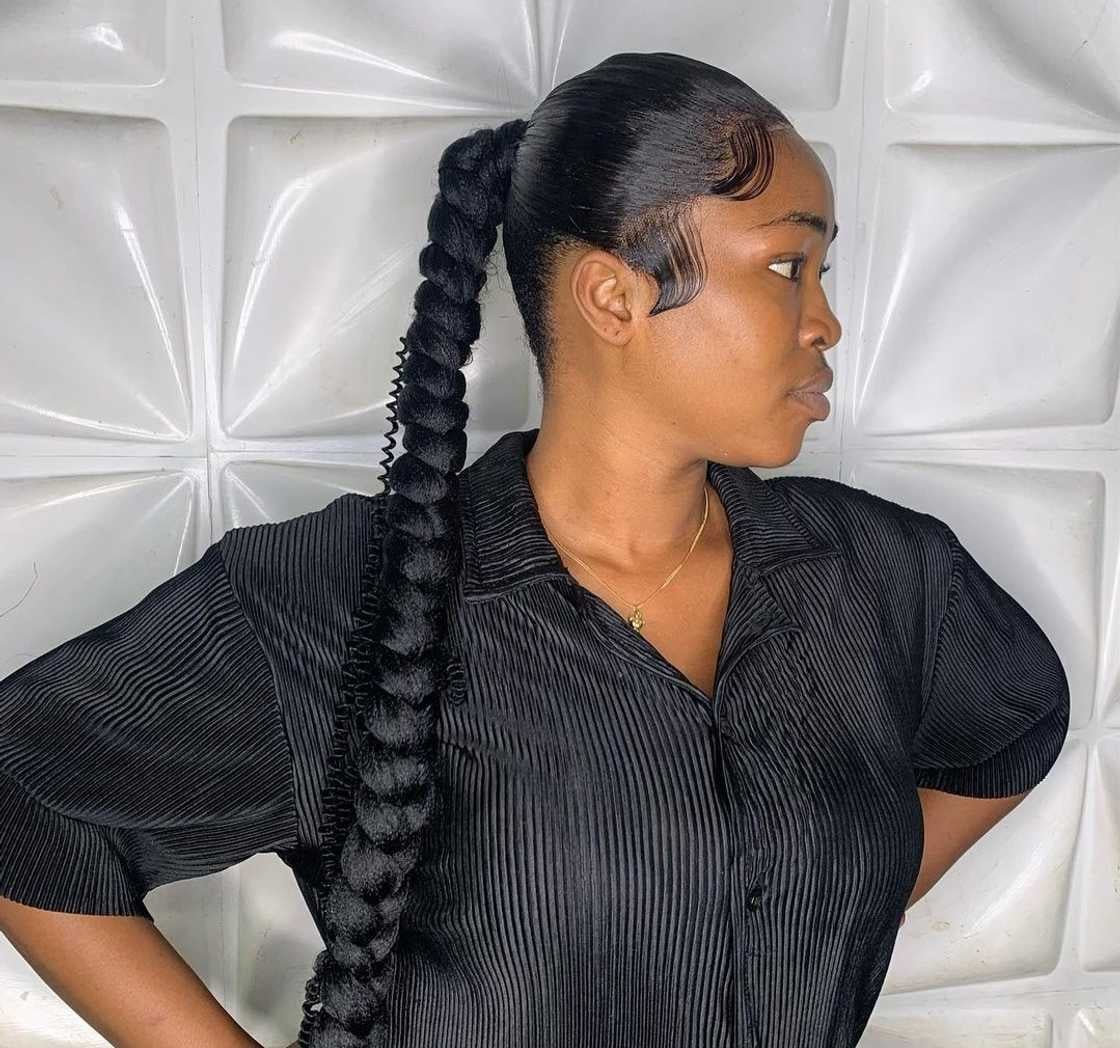
A sleek high ponytail looks sharp, but the addition of a long braid changes the tone to something more detailed. Here, thick, straight black hair is pulled high on the crown, parted cleanly in the middle, and braided down the back. Gelled edges keep the hairline smooth. This style holds its shape all evening. Ask your stylist for: mid-back black hair high ponytail with intricate braid and gelled edges. The braid needs enough length to swing, so mid-back hair provides a good base. It works for performances or formal occasions where you want the hair off the neck without losing presence. Trims every eight weeks maintain the ends.
Mid-Back Black High Ponytail With Defined Curls and Baby Hairs
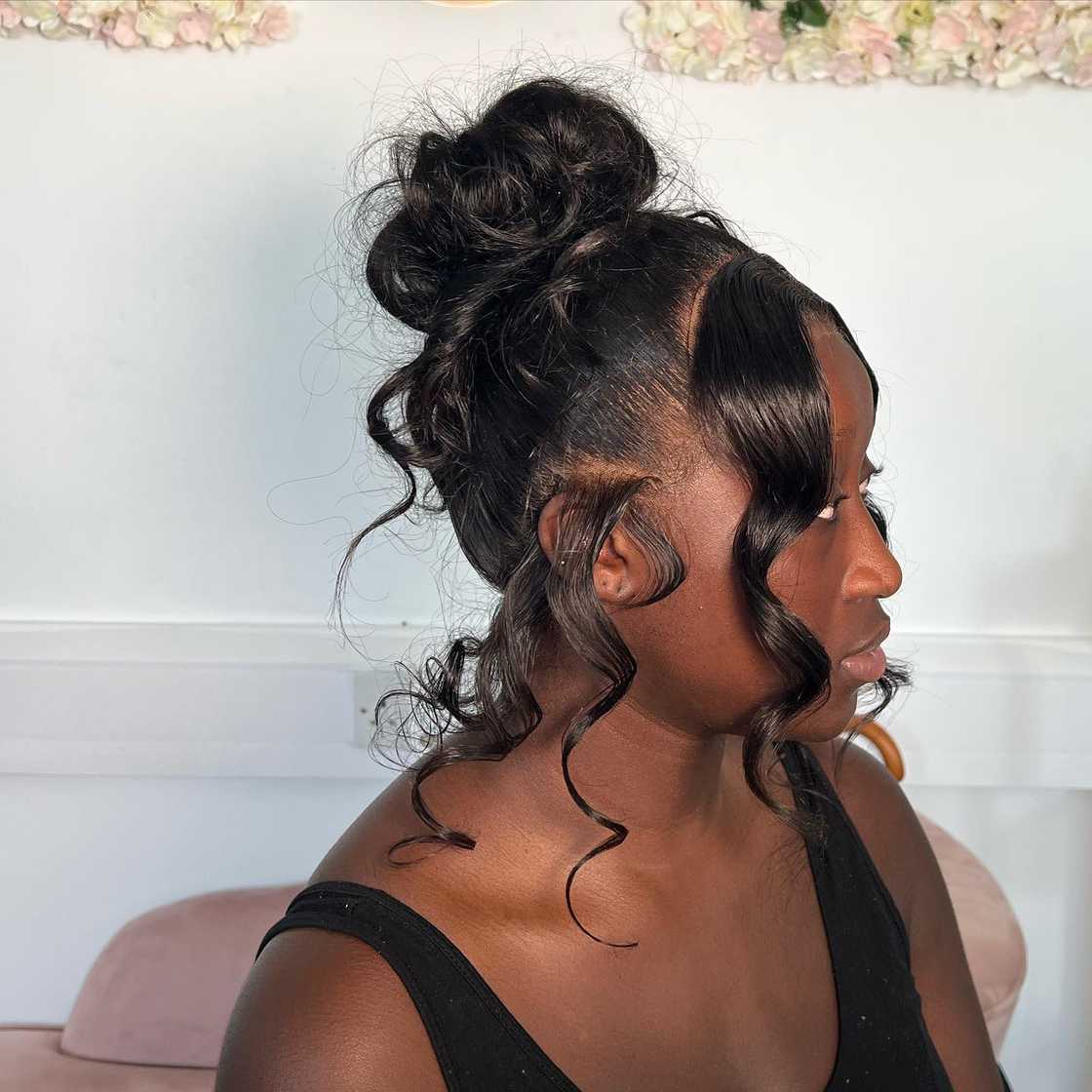
A high ponytail with defined curls and delicate baby hairs transforms a pulled-back style into something intentional. Thick, curly hair at mid-back length provides the volume this look demands, while the wispy bangs soften the forehead for those who prefer not to go fully exposed. Ask your stylist for: mid-back black curly high ponytail with defined curls and baby hairs. Apply edge control to lay the baby hairs precisely, then use a texture spray on the curls for a hold that lasts through an evening event.
Short Asymmetrical Pixie With Blonde Highlights
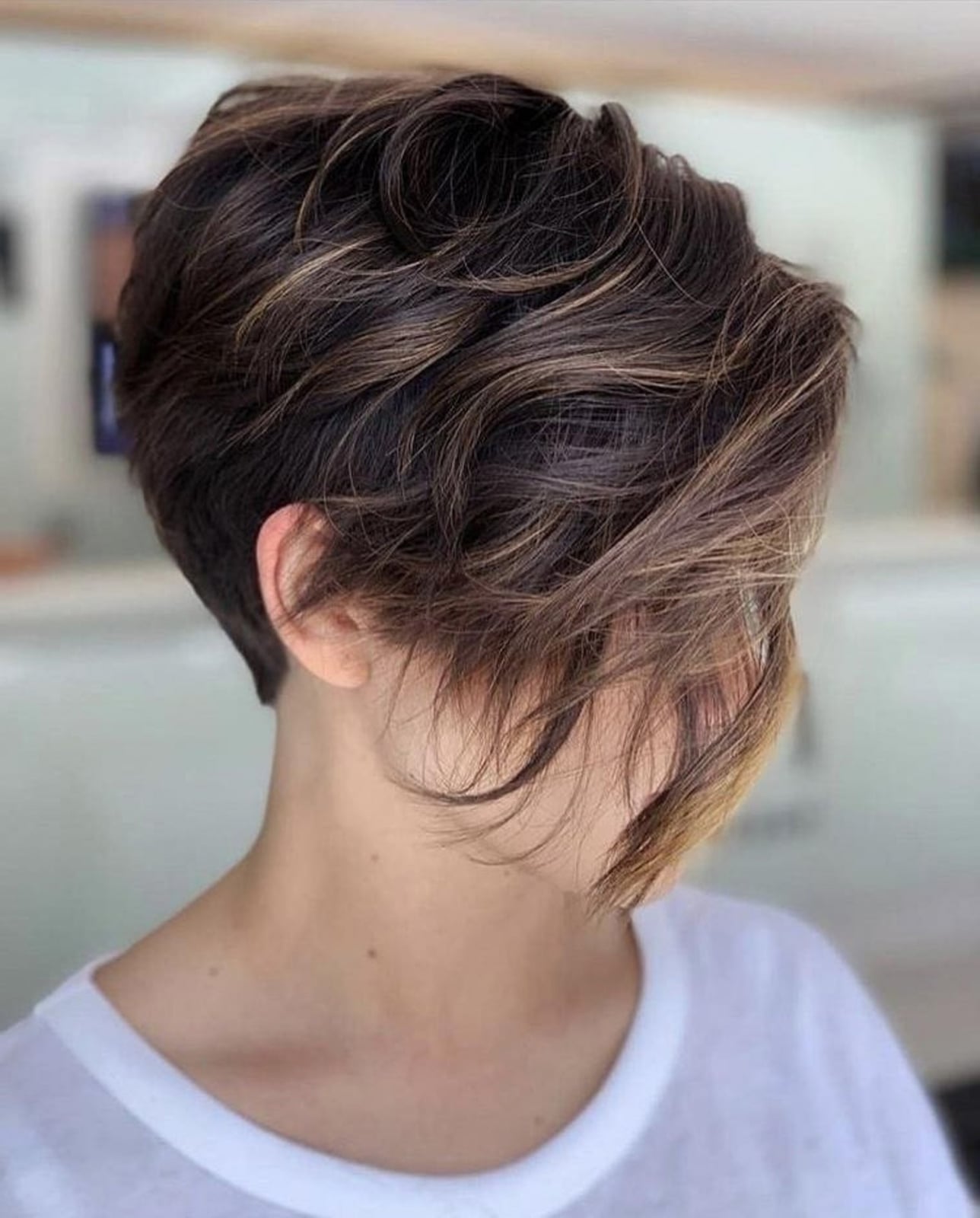
This cut works because of the asymmetry. Fine, wavy hair gets a sharp, modern shape from the uneven layers, and the blonde highlights add dimension without needing a full color commitment. Ask your stylist for: short dark brown pixie cut with asymmetrical layers and side-swept bangs. The upkeep requires a trim every four to six weeks to keep the lines clean, and the highlights need a toning appointment every six to eight weeks to avoid brassiness. A texturizing paste is your daily friend for definition.
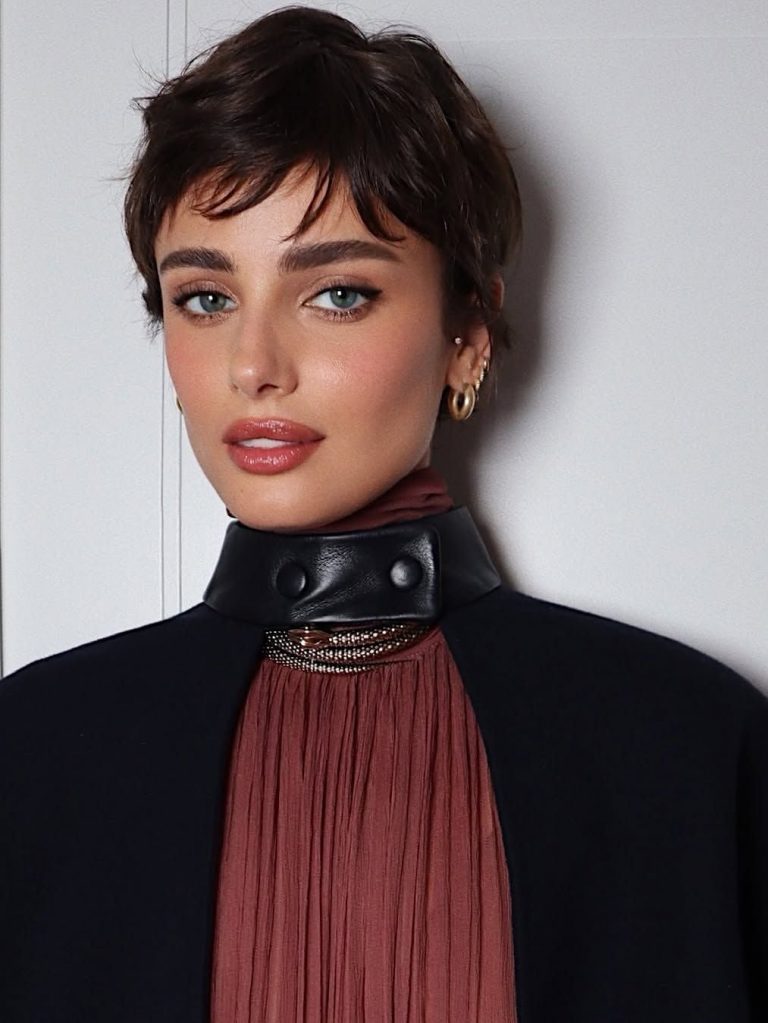
Short Dark Brown Pixie With Sharp Micro Bangs
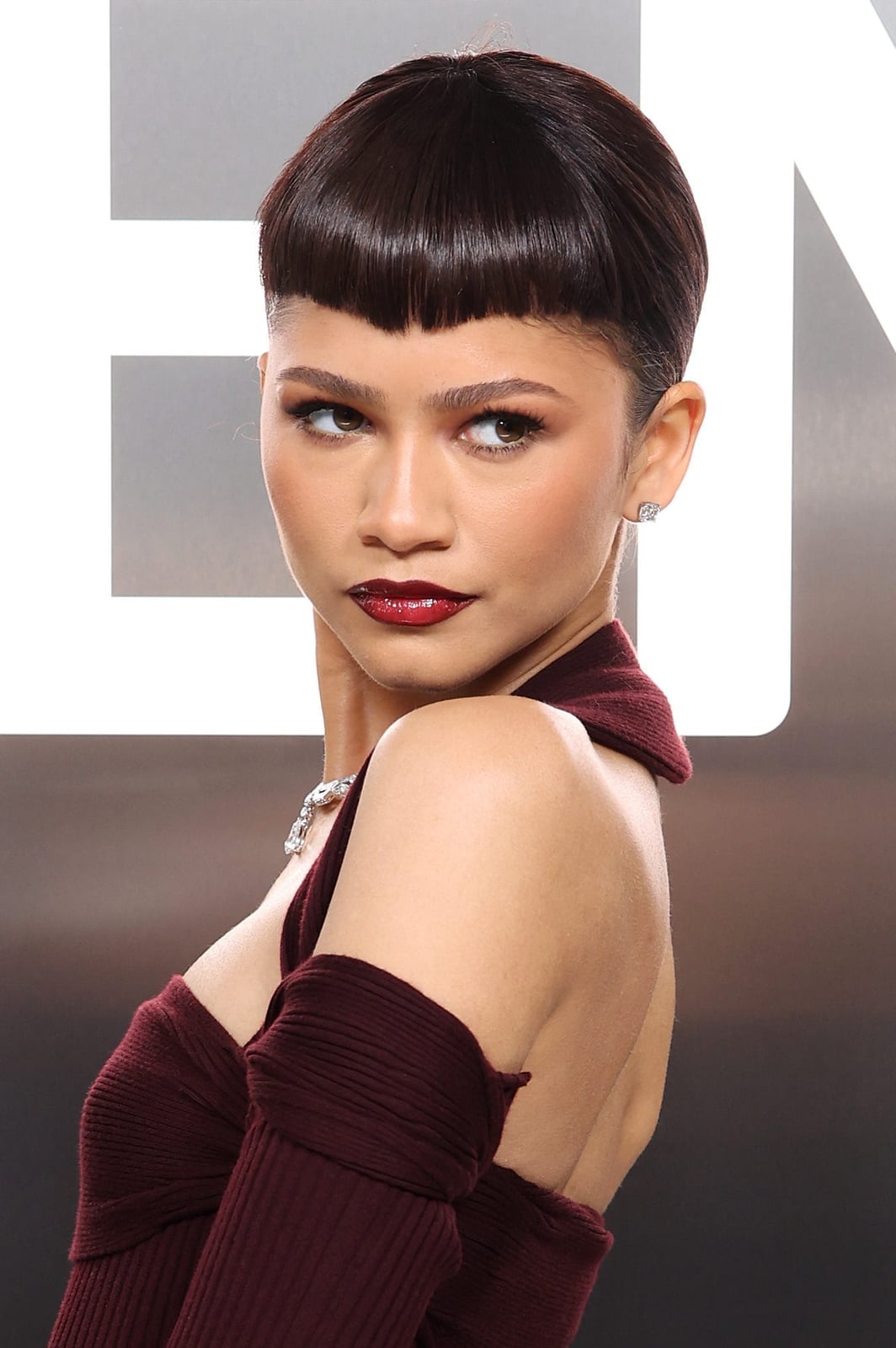
Micro bangs are a commitment, not a casual suggestion. This very short, sleek pixie with a middle part works best on fine, straight hair and oval or heart-shaped faces, where the blunt fringe looks graphic. Ask your stylist for: short dark brown pixie cut with sharp micro bangs. A fine-tooth comb is all you need for styling, but expect a trim every three to four weeks: any growth throws off the proportion immediately.
Chin Length Braided Updo With Woven Detail
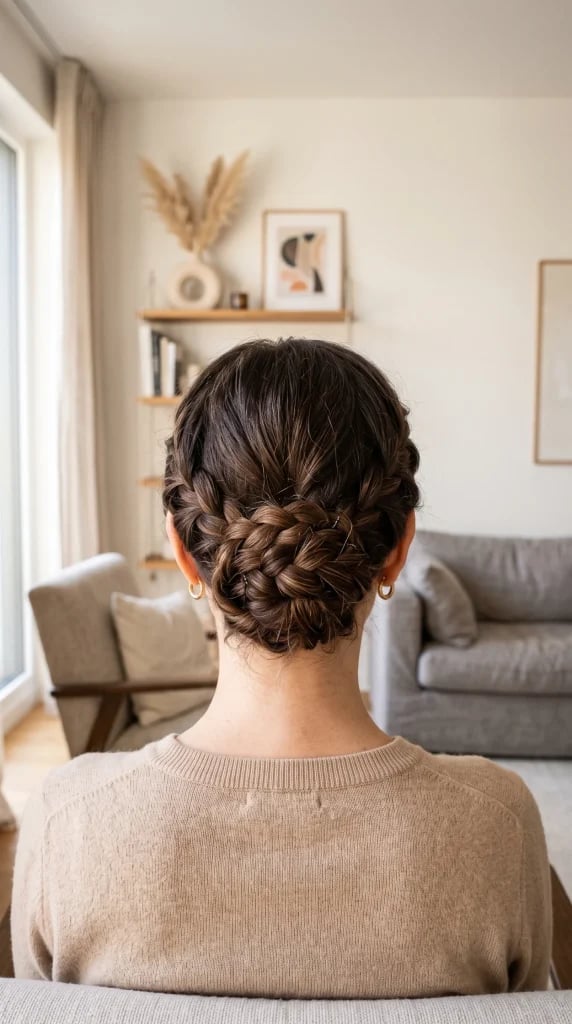
This is not a casual bun; it is a textured, woven construction that earns its place at formal events. The dark brown braids are pulled into a low bun at chin length, with the intricate pattern visible from the back. Ask your stylist for: chin length dark brown braided updo with woven detail. The style suits all face shapes because the clean lines focus attention on the weave, not the hairline. A strong-hold hairspray keeps the braids from loosening, and the middle part keeps the front neat.
Final Thoughts
For fine hair, keep one blunt baseline and skip heavy layers to hold density. For thick hair, let layers create movement and shape instead of fighting bulk. The right frontal style enhances your features and reflects your personal aesthetic.
- Trim bangs every 2-4 weeks to maintain shape.
- Use heat protectant before styling with hot tools.
- Deep condition coily or dry textures weekly.
- Refresh layered cuts every 6-8 weeks for shape.