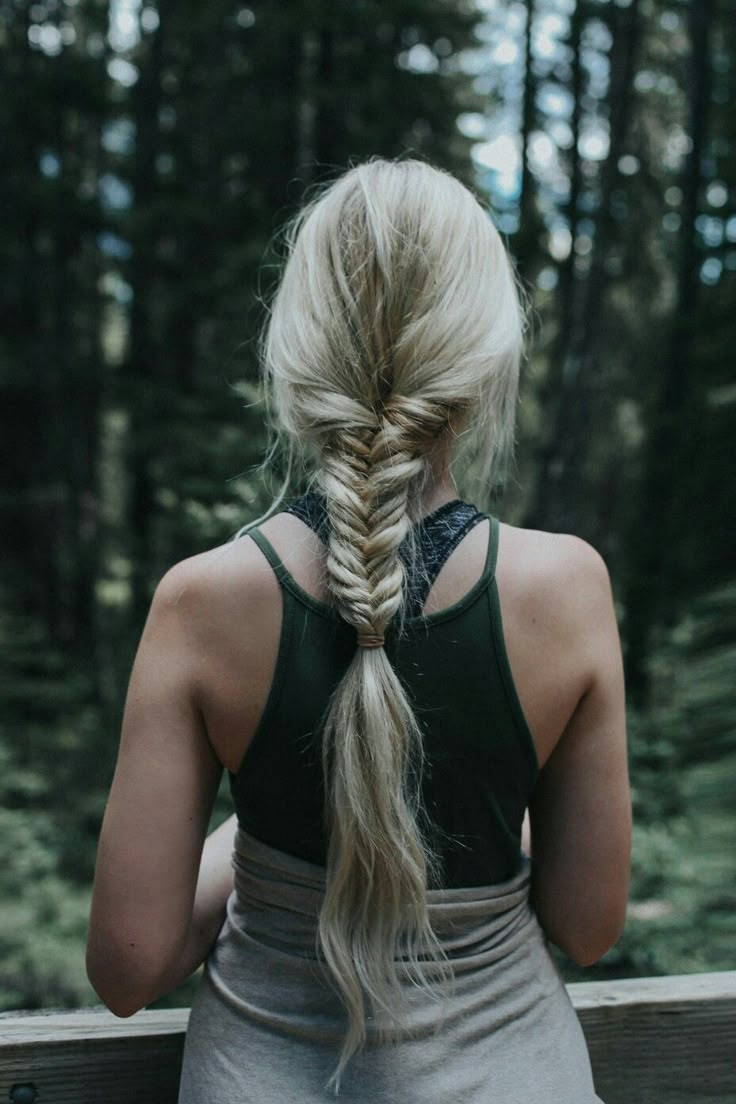
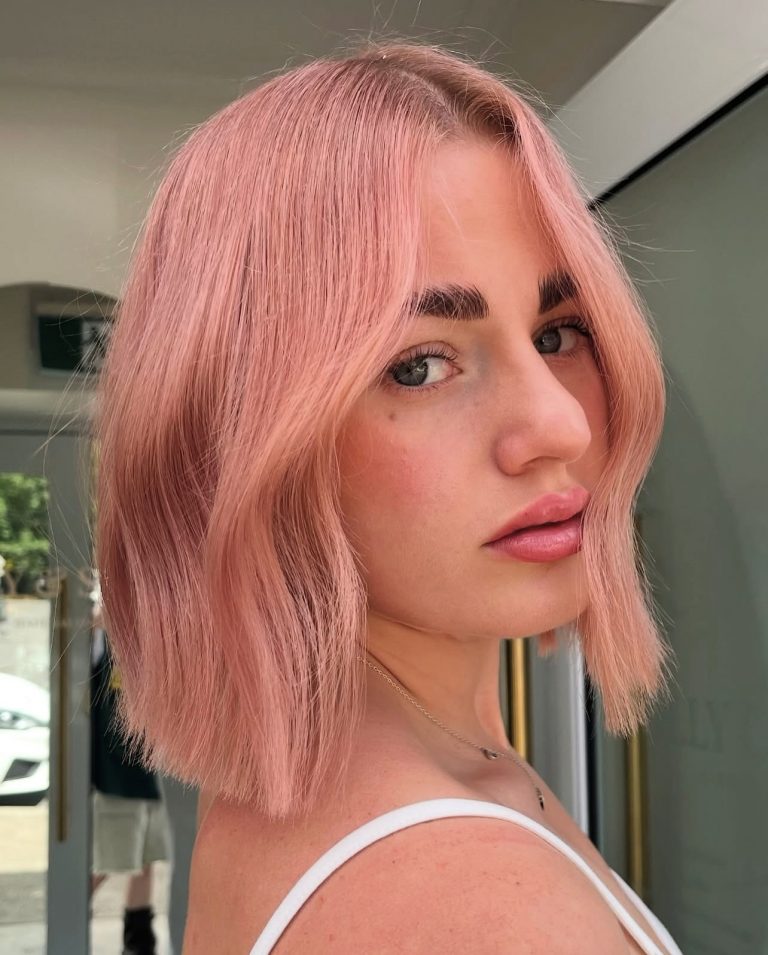
18 Hair Picture Ideas 2027 with Trendy Styles
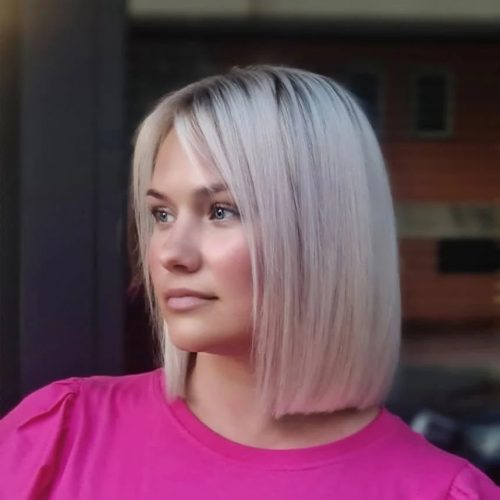
A good haircut does more work than any styling tool. The shift right now is toward cuts that move with you: soft face-framing layers, curtain bangs that grow out gracefully, and color that looks lived-in from day one.
This collection of 18 Hair Picture Ideas covers blunt bobs, long layers, short curls, and updos, so you can find the one that matches your texture, your face shape, and how much time you actually have in the morning. Whether your hair falls flat by noon or your grow-out line shows up at week three, there is a photo here that saves you the scroll.
Classic Dark Brown Chin Length Bob
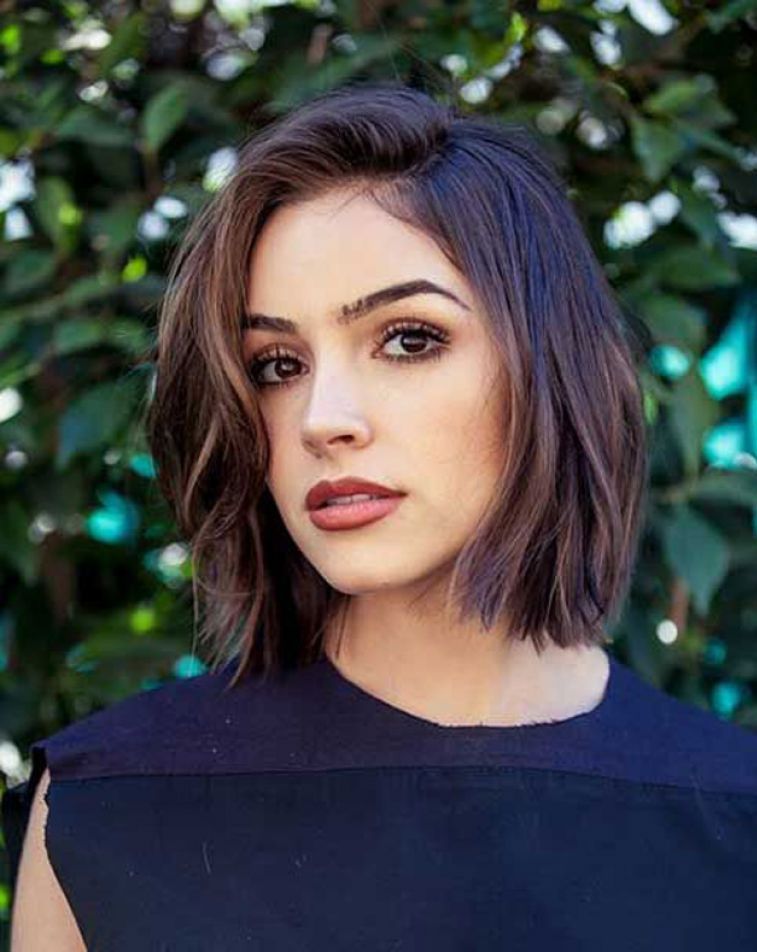
A blunt bob at the chin is a geometry lesson: the line commands attention, so there is nowhere for a wayward wave to hide. This one suits fine, straight hair that can hold a clean edge, and a jawline that can carry the sharpness without the cut reading as severe. Ask your stylist for a chin-length bob, subtle face-framing, smooth finish. A smoothing serum keeps the surface polished, and a trim every six weeks stops the line from softening into something shaggy.
Textured Bob With Auburn Undertones
A blunt bob demands precision, but a textured one invites imperfection. This chin-length version swaps the sharp line for soft waves and a side part that lifts the crown, making it a better fit for medium density wavy hair that needs volume at the sides. Ask your stylist for a chin-length bob, soft textured waves, subtle auburn tone. Scrunch with a texturizing spray after air-drying, and the ends will hold their movement without looking deliberate.
Wavy Dark Brown Bob With Wispy Bangs
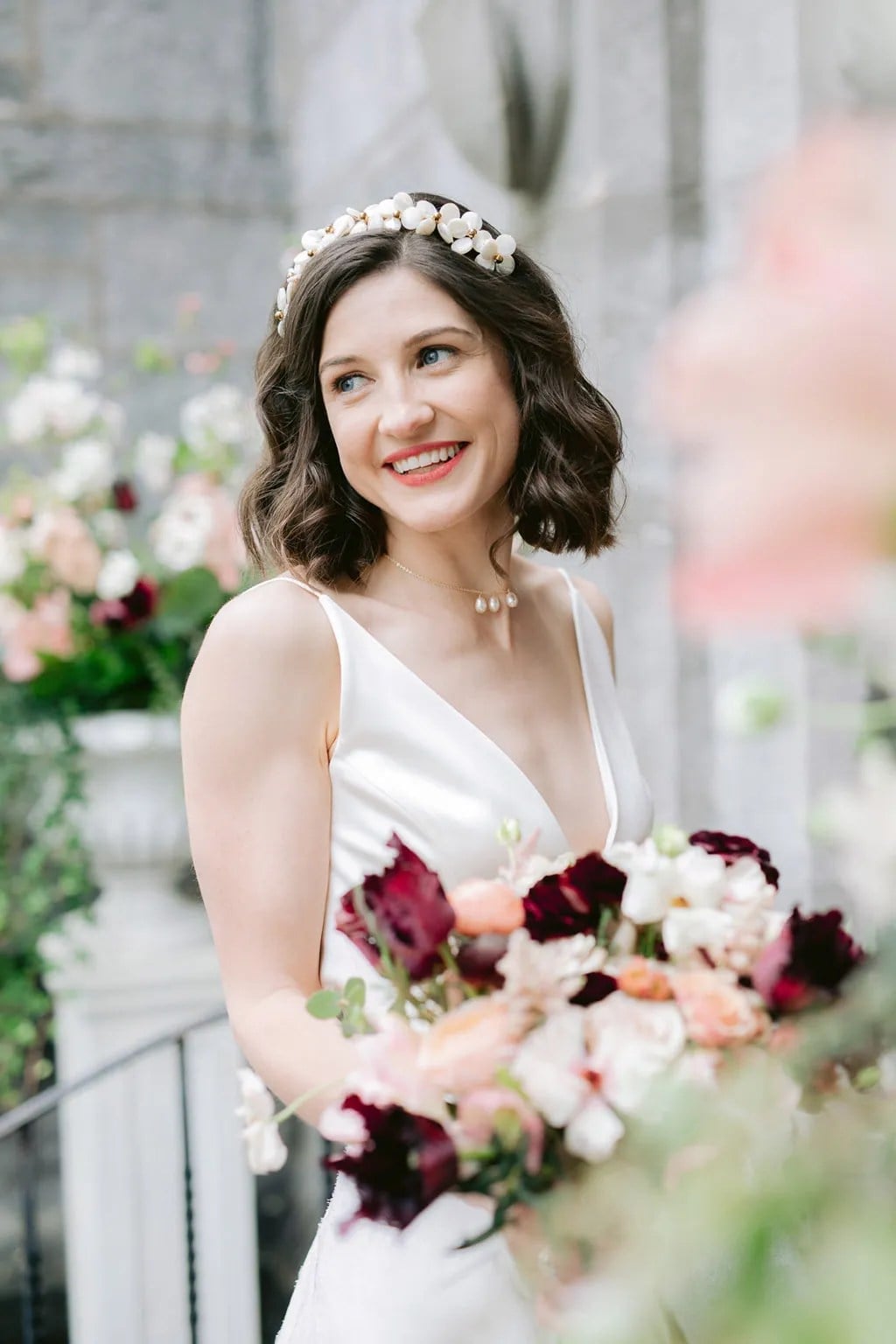
How do you ask for bangs that are there but not heavy? The key is the word wispy. This chin-length bob keeps the weight off the forehead with short, light pieces that blend into soft waves, and the effect is more relaxed than a blunt fringe. Ask your stylist for a chin-length wavy bob, soft wispy bangs. A fine-tooth comb helps define the wave pattern, and the bangs will need a trim every three to four weeks to stay out of your eyes.
Collarbone Layers With Caramel Balayage
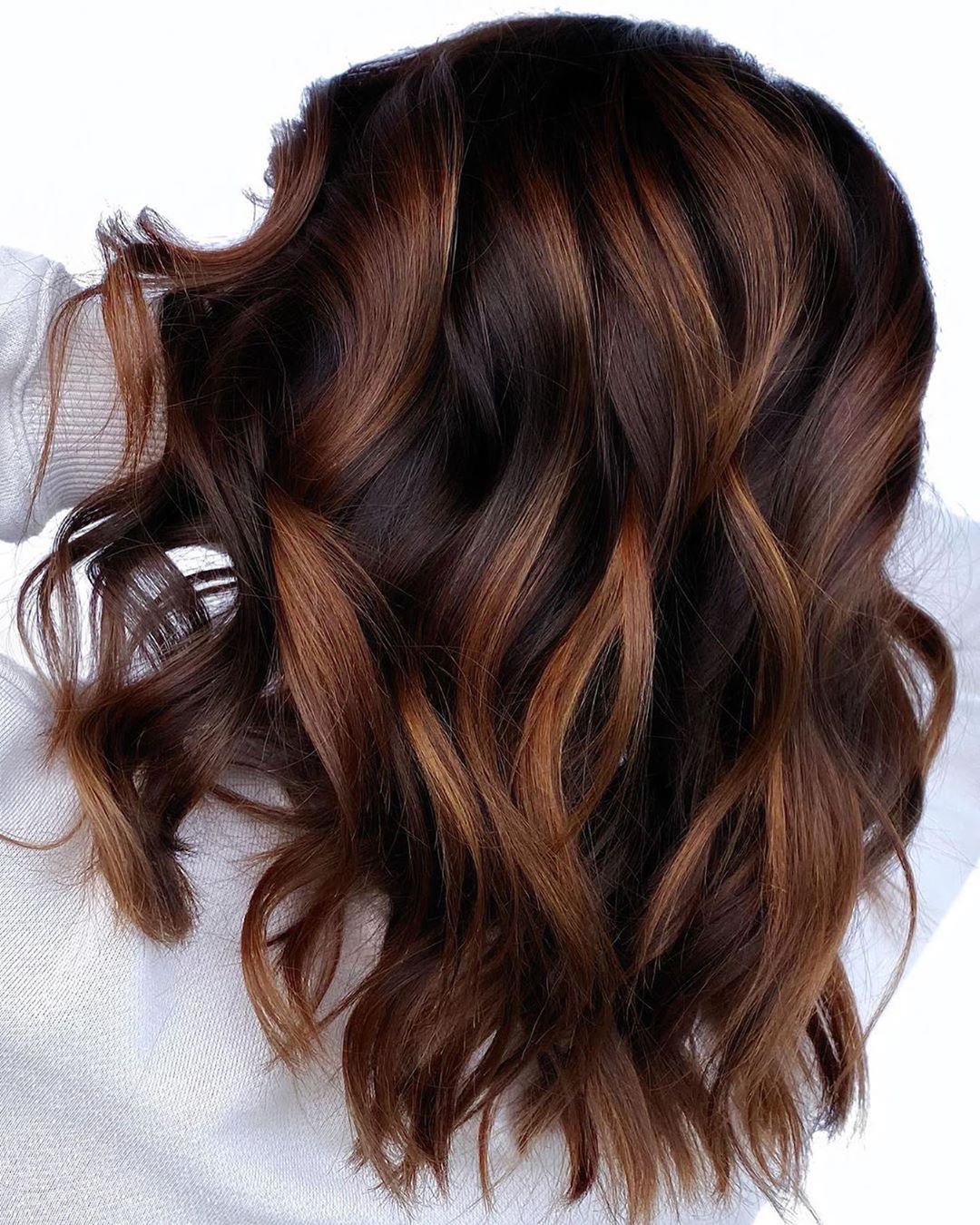
A dark base with caramel balayage works because the contrast is gentle. The darker root anchors the color, while the lighter pieces catch enough light to read as dimension rather than highlights. This collarbone length cut uses subtle layers to keep the shape from feeling heavy, and the loose waves let the caramel tones shift as the hair moves. Ask your colorist for collarbone length layers, dark brown with caramel balayage. A shine serum helps the lighter pieces reflect, and a toning appointment every 10 to 12 weeks keeps the caramel from warming into brass.
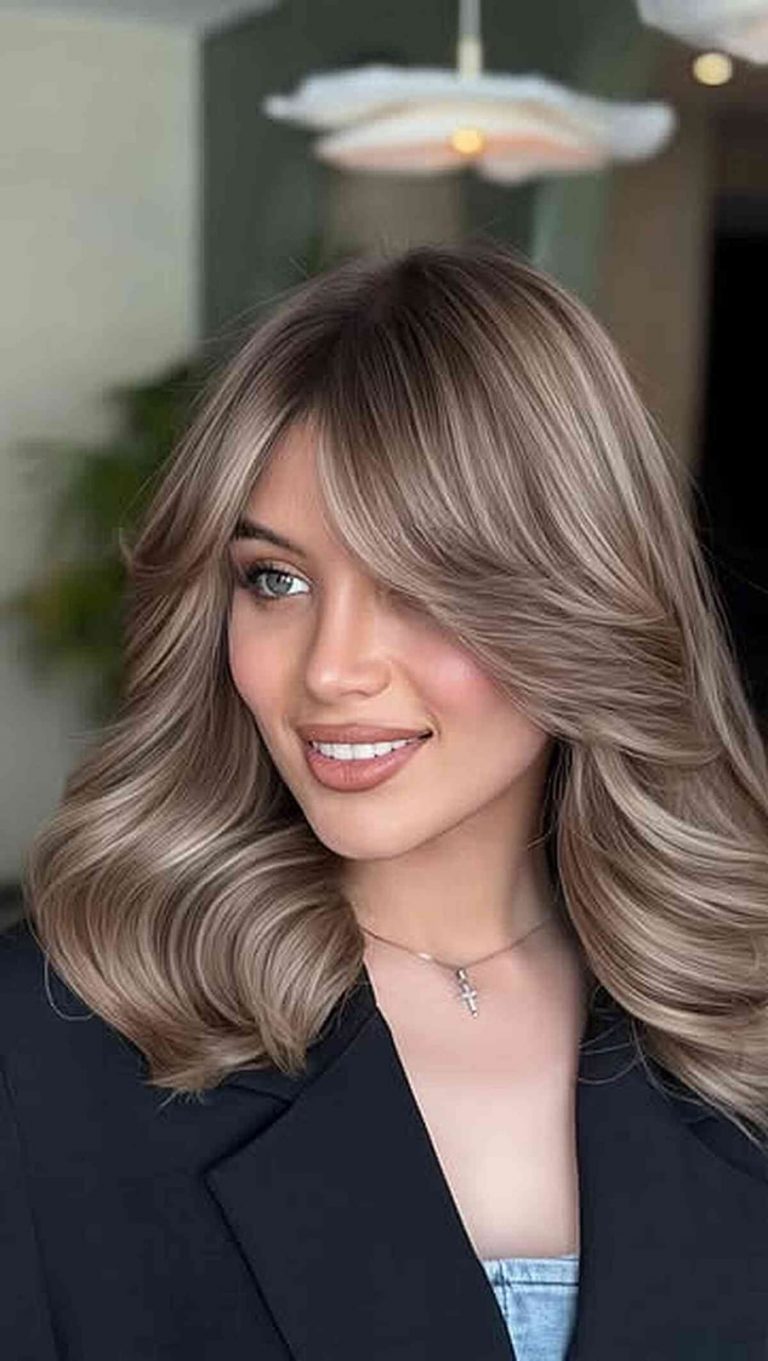
Collarbone Waves With Face-Framing Layers
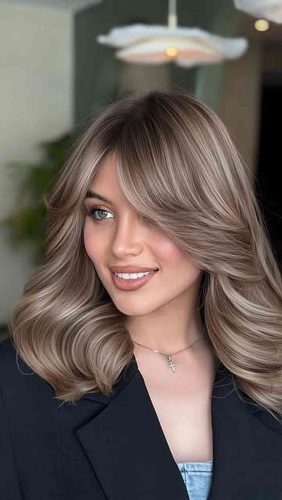
Does face-framing actually work on thick hair? It does when the layers are cut to curve around the jaw rather than stack at the ends. This collarbone length cut uses a wavy blowout and curtain bangs to soften the perimeter, which keeps the volume from puffing outward. Ask your stylist for collarbone length layers, face-framing cut, soft waves. A round brush shapes the front pieces as you blow-dry, and a trim every six to eight weeks preserves the weight distribution.
Mid-Back Layers With Curtain Bangs
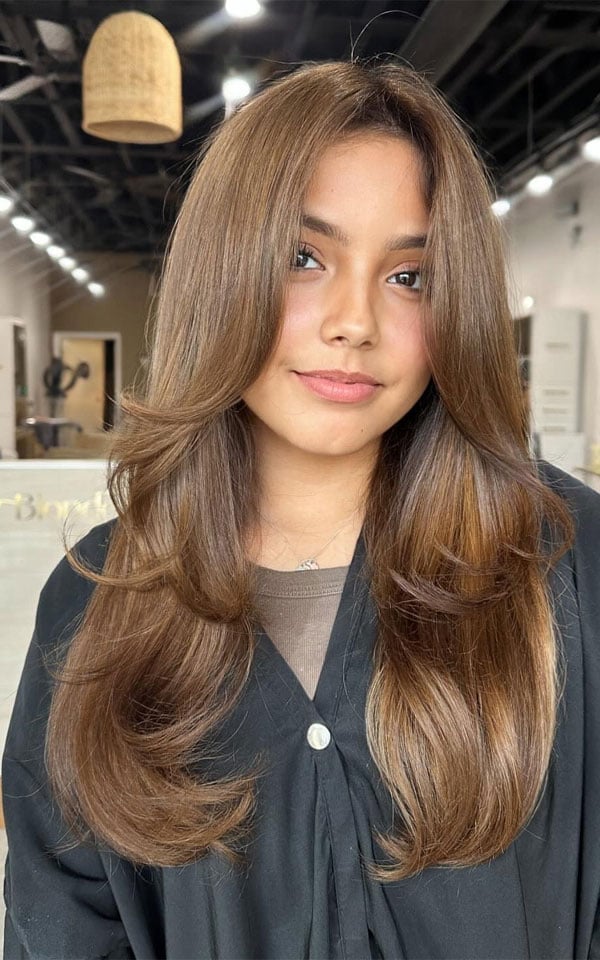
The trick with curtain bangs is they only look like they fell that way by accident. This mid-back length cut uses soft face-framing layers and a smooth blowout with gentle waves, the middle parting keeping everything symmetrical. The layers are graduated enough to move but not so short they flip out at the jaw. Ask your stylist for: mid-back layers, curtain bangs. On thick straight hair, the weight helps the curtain shape hold without constant fussing.
The real drawback: those face-framing pieces sit right at cheekbone level, which means they catch every bit of humidity first. A round brush and a moment of dry heat solve it, but if you air-dry, expect them to swing inward more than the photo suggests. A trim every eight weeks keeps the curtain from turning into a solid block of fringe.
Mid-Back Red With Orange Highlights
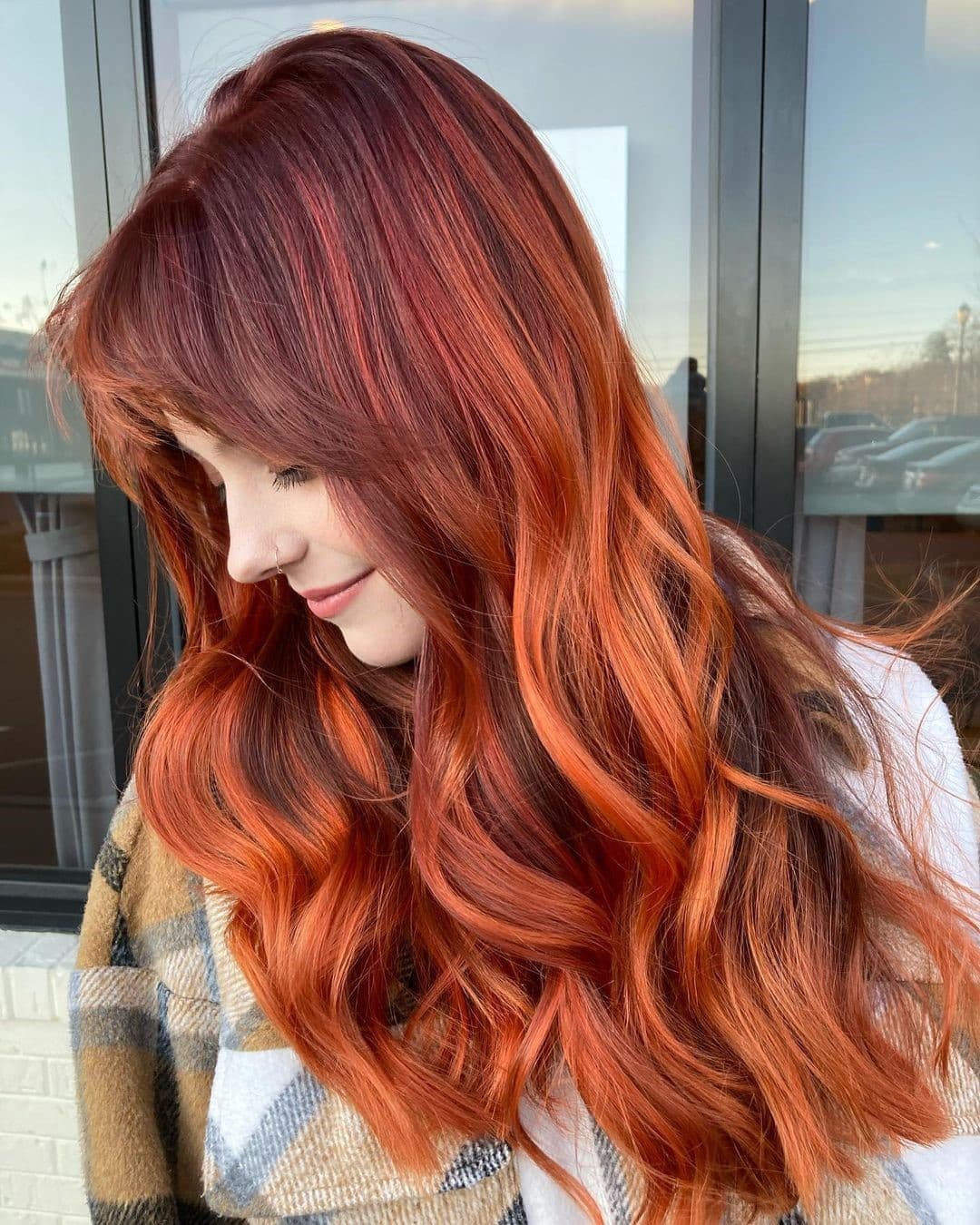
Red is not copper and copper is not orange, but this one runs all three in the same head. A vibrant red base carries dimensional copper and orange highlights through mid-back length waves, with curtain bangs that catch the lighter streaks on the ends. The side parting adds a little asymmetry to what could otherwise be a solid wall of color. Ask your colorist for: red base with copper and orange highlights.
This is a summer color in the sense that it asks for a UV-protecting product before you step outside. Direct sun fades red faster than any other shade, so a color-safe shampoo and a toning appointment every six to eight weeks are not optional. Curtain bangs mean the front pieces fade first, which is a good reason to keep that appointment.
Mid-Back Layers With Dark Blonde Balayage
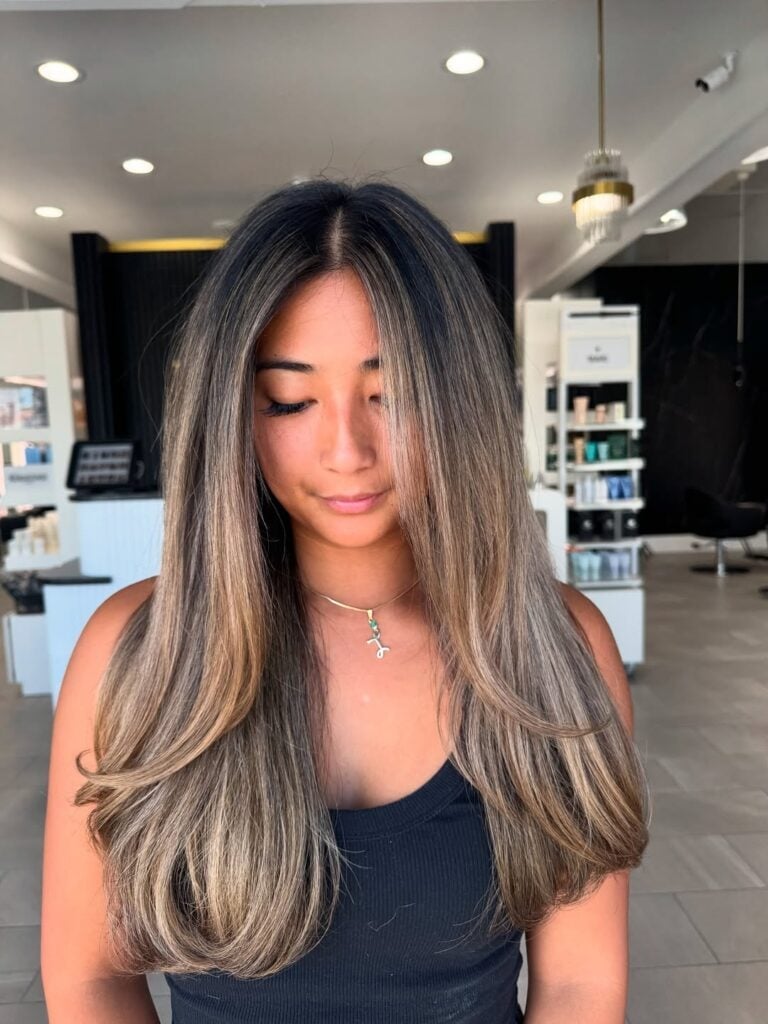
Dark blonde is a category that lives between dirty blonde and light brown, and the balayage here is the reason it reads as blonde at all. Long layers cut into thick wavy hair keep the shape from becoming a triangle; the loose waves and middle parting do the rest. The color lightens gradually from the mid-lengths to the ends, which is the defining feature of the technique. Ask your stylist for: long layers, dark blonde balayage.
Balayage is a salon skill, not a DIY project. The hand-painted application takes about three hours the first time, but the payoff is a grow-out line that looks deliberate and not neglected. Root touch-ups land every ten to twelve weeks instead of the six you would need for a full foil. A texturizing spray on damp hair before air-drying is enough to keep the waves defined.
Long Layered Hair With Blonde Balayage
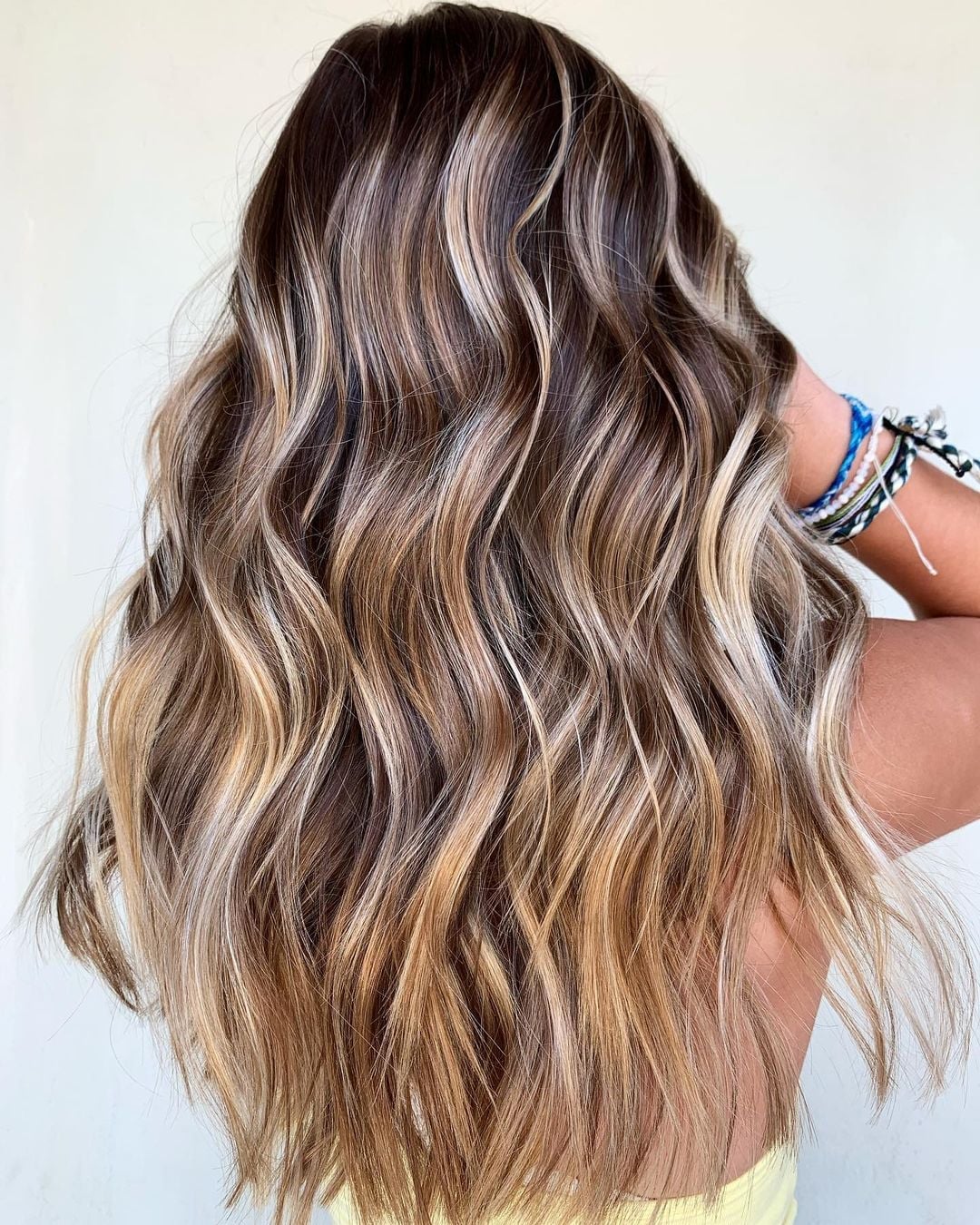
From the back, this cut shows exactly what balayage is supposed to do: a dark brown root that melts into blonde without a hard line. Long layers keep the weight distributed so the hair does not lie flat against the neck, and the loose waves add volume at the crown. The middle parting is a practical choice here because it lets the color fall evenly on both sides. Ask your stylist for: long layers with dark brown to blonde balayage. A trim every ten weeks prevents the ends from thinning out, and a toning appointment every eight weeks keeps the blonde from pulling brassy. Use a wide-tooth comb on wet hair to avoid breaking the delicate lightened ends.
Long Waves With Caramel Balayage and Side Bangs
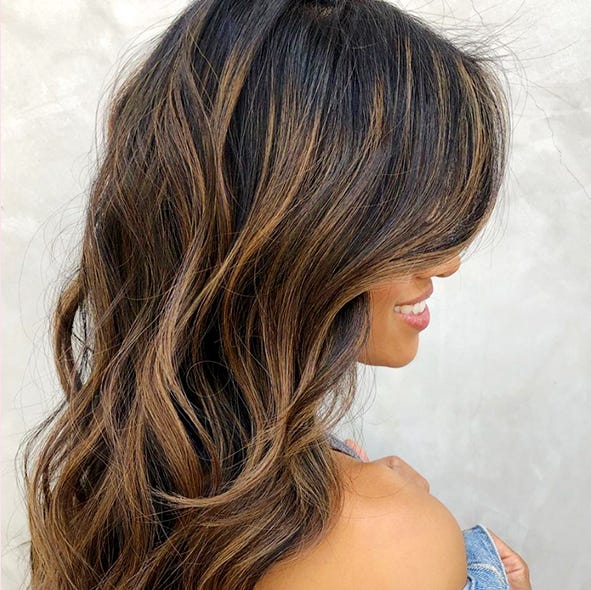
Side-swept bangs need the right angle in the cut to stay in place. Here, the dark brown base and caramel balayage run through long, loose waves, and the side bangs sweep across without fighting the parting. The caramel highlights are concentrated around the face, which is the smart part: they brighten the front without requiring full-head color. Ask your stylist for: long layers, dark brown with caramel balayage, side-swept bangs.
The styling steps are straightforward. Blow-dry the bangs with a flat brush, then wrap the rest around a large barrel curling iron. A few pieces left straight near the ends keep it from looking too uniform. The balayage needs a refresh every ten to twelve weeks, but the bangs need a trim every six to stay the right length. A heat protectant is the only product required.
Mid-Back Layers With Pink and Purple Tones
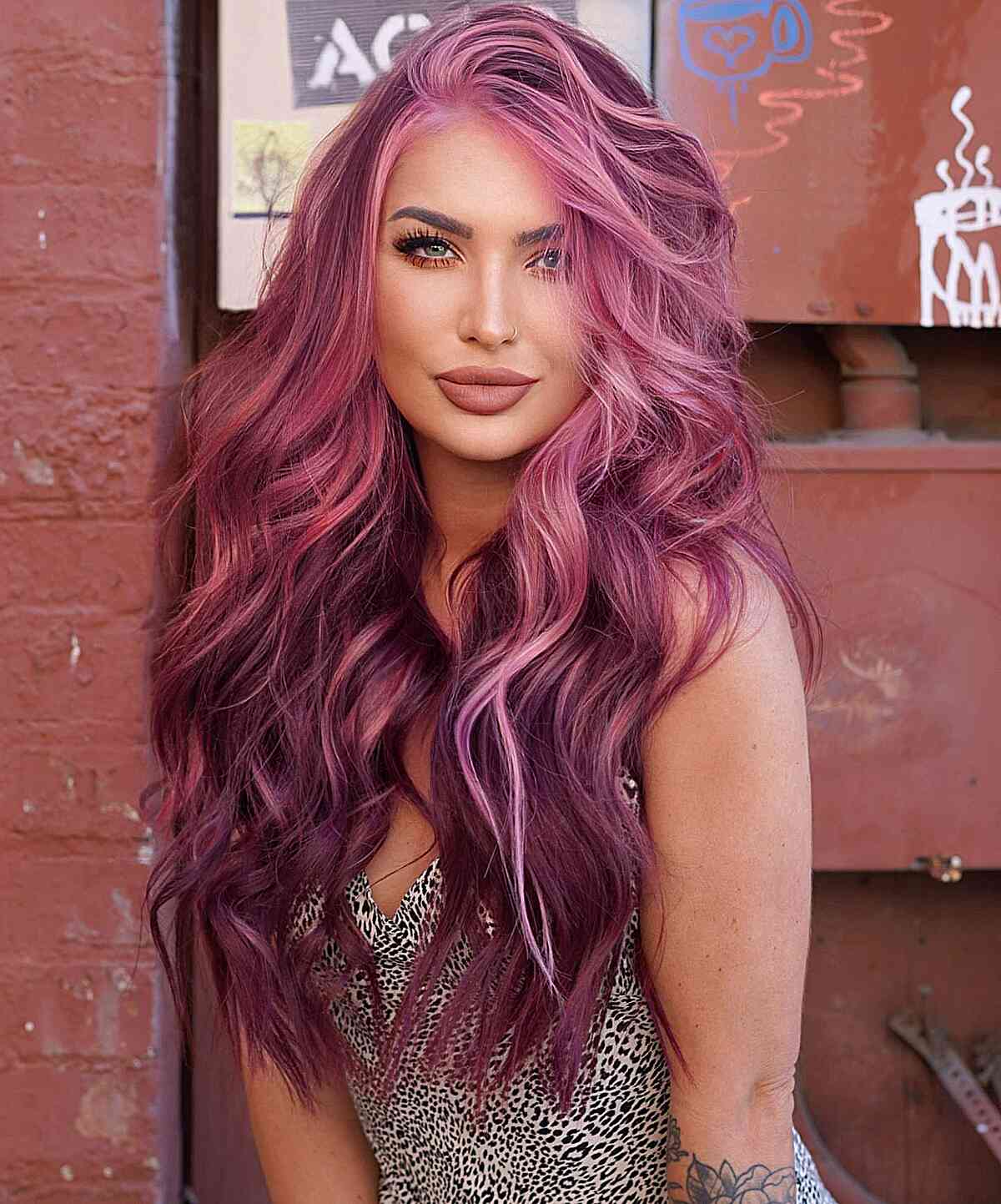
The middle part and loose waves let the color take center stage here. At mid-back length with layers, the pink and purple tones shift from a deeper magenta at the roots to lighter candy-pink highlights through the ends. This is a statement cut for thick wavy hair that already reaches mid-back, since the layers give the color more surfaces to display. Ask your colorist for: mid-back length layers, vibrant pink and purple color melt. The payoff is a look that lands between festival-ready and editorial, but the upkeep is honest: bright shades fade fast, and a color-depositing conditioner every other wash is the difference between vivid and dusty. Cool water in the shower helps, too.
Expect a toning appointment every four to six weeks to refresh the lighter pieces, and a trim every eight weeks to keep the layers defined. The dark root line is part of the design, so you can let it grow a couple of inches before it needs touching up. Not a weekend project, but the right kind of planned maintenance.
Mid-Back Color Melt With Fiery Highlights
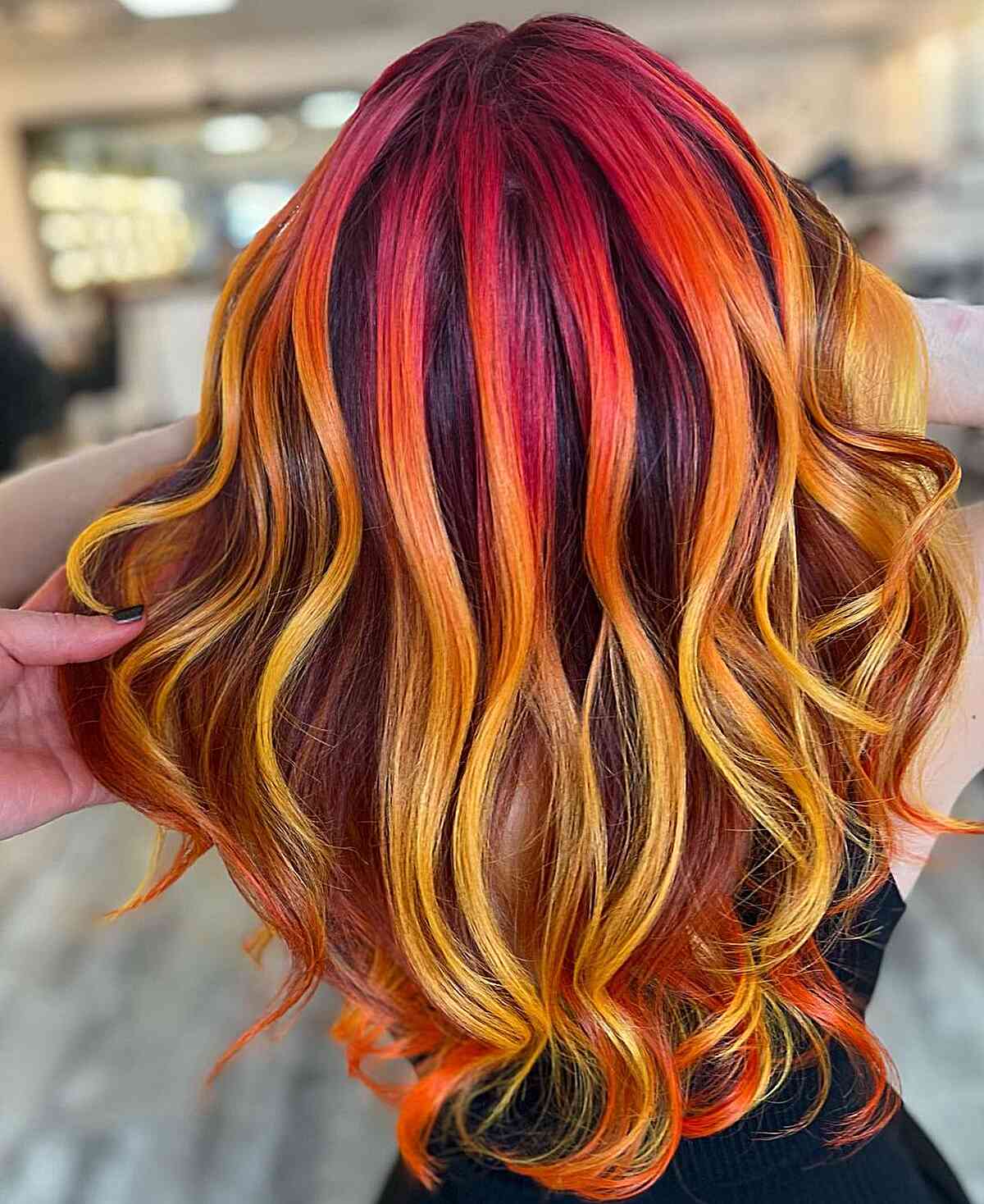
From the back, the structure is clear: a dark base that transitions into fiery red, orange, and yellow streaks through the mid-back length. This is not a single-process color; it is a multi-step melt built on layers of wavy thick hair, which gives each shade room to register. Ask your colorist for: mid-back length, fiery red orange yellow color melt. A salon is non-negotiable here. The bleach-and-toner sequence takes several hours, and the placement needs a trained eye to avoid muddy results. Between visits, a color-safe shampoo and a weekly purple shampoo for the lightest sections will keep the yellow from going brassy.
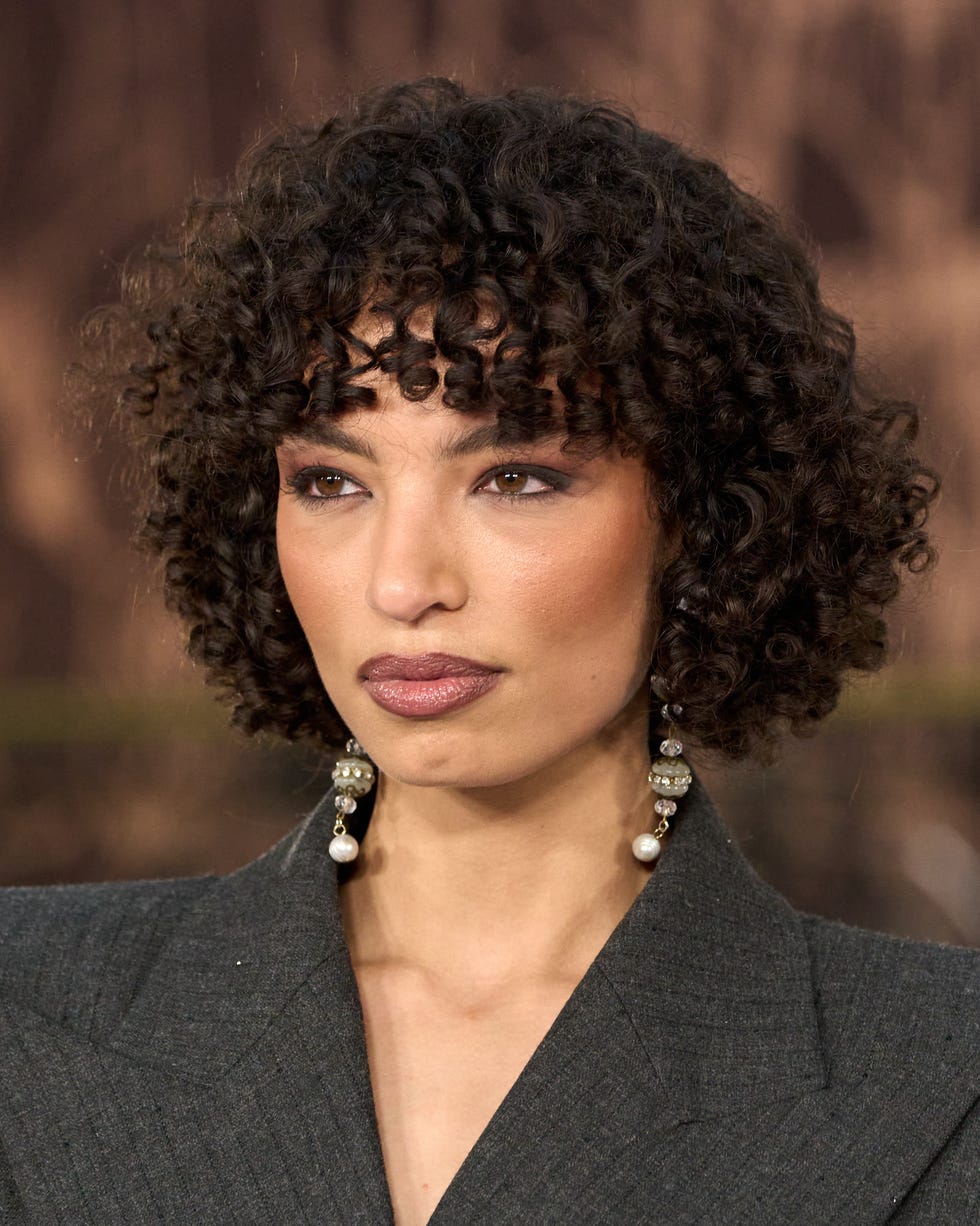
Short Curly Dark Brown With Curly Bangs and Ending Around The Ear
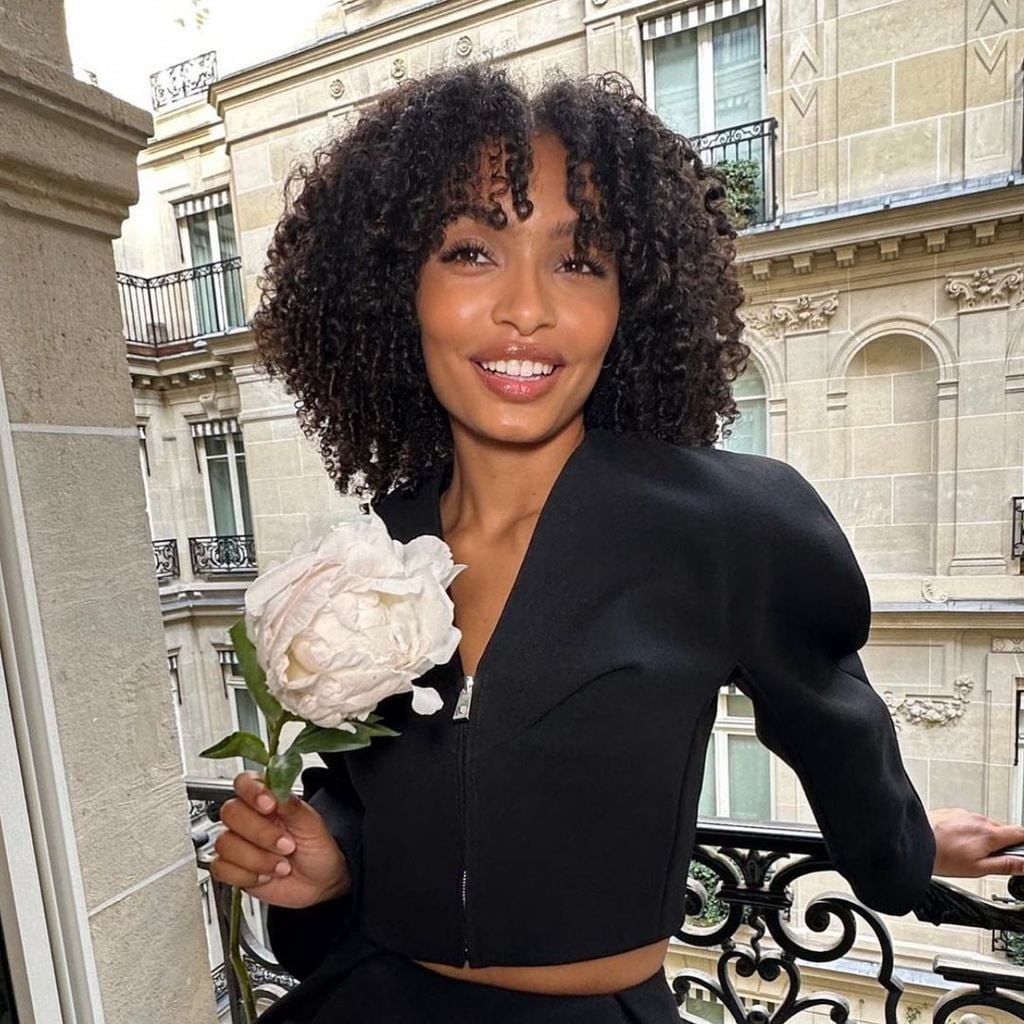
This ear-length cut works because the thick dark brown curls have enough density to hold their shape, and the short curly bangs frame the face without shrinking up into nothing. A side parting lets the volume sit naturally on one side rather than puffing evenly. Ask your stylist for: short curly cut, defined curls, short curly bangs. Use a curl-defining cream and air-dry for best results; trim curls every 8-10 weeks.
Mid-Back Ash Blonde Half Updo
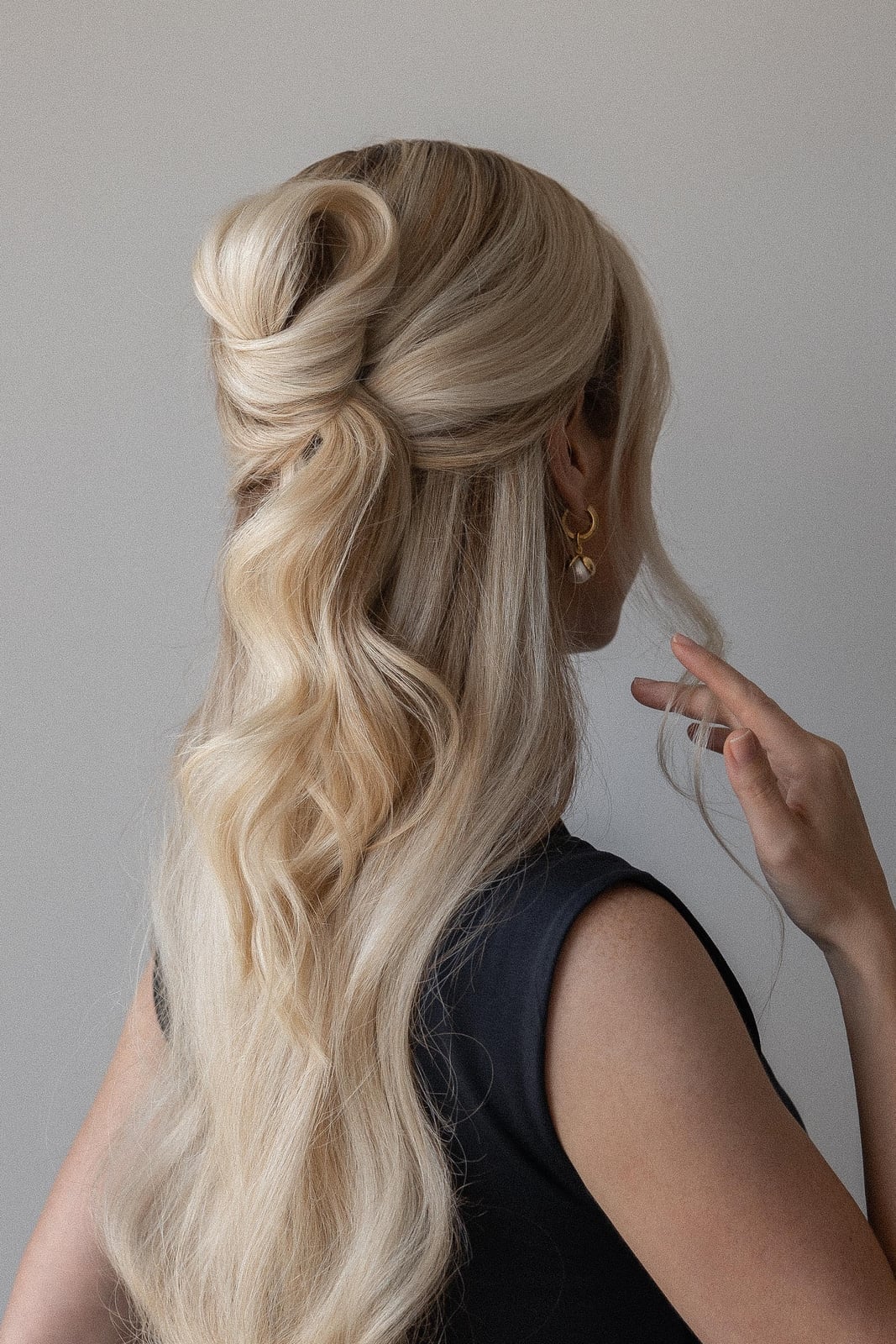
The half-up design here relies on a twisted section at the crown that is pinned into a small coil, leaving the rest in loose waves. On fine wavy hair at mid-back length, that twist creates the illusion of volume at the top without needing backcombing. Ask your stylist for: mid-back ash blonde, half-up twisted style. The honest drawback: fine hair does not always hold a twisted section without help. A texturizing spray applied before styling gives the strands enough grip to stay put, and a few bobby pins in a matching ash blonde finish the job. The loose waves below are best set with a curling iron on medium heat, then brushed out once cool for a softer bend.
Ash blonde needs a purple shampoo every second wash to keep the cool tone from warming up, and the half-up style hides a few days of roots better than a full updo. A trim every six weeks keeps the ends from looking stringy, which is the main risk with fine hair at this length.
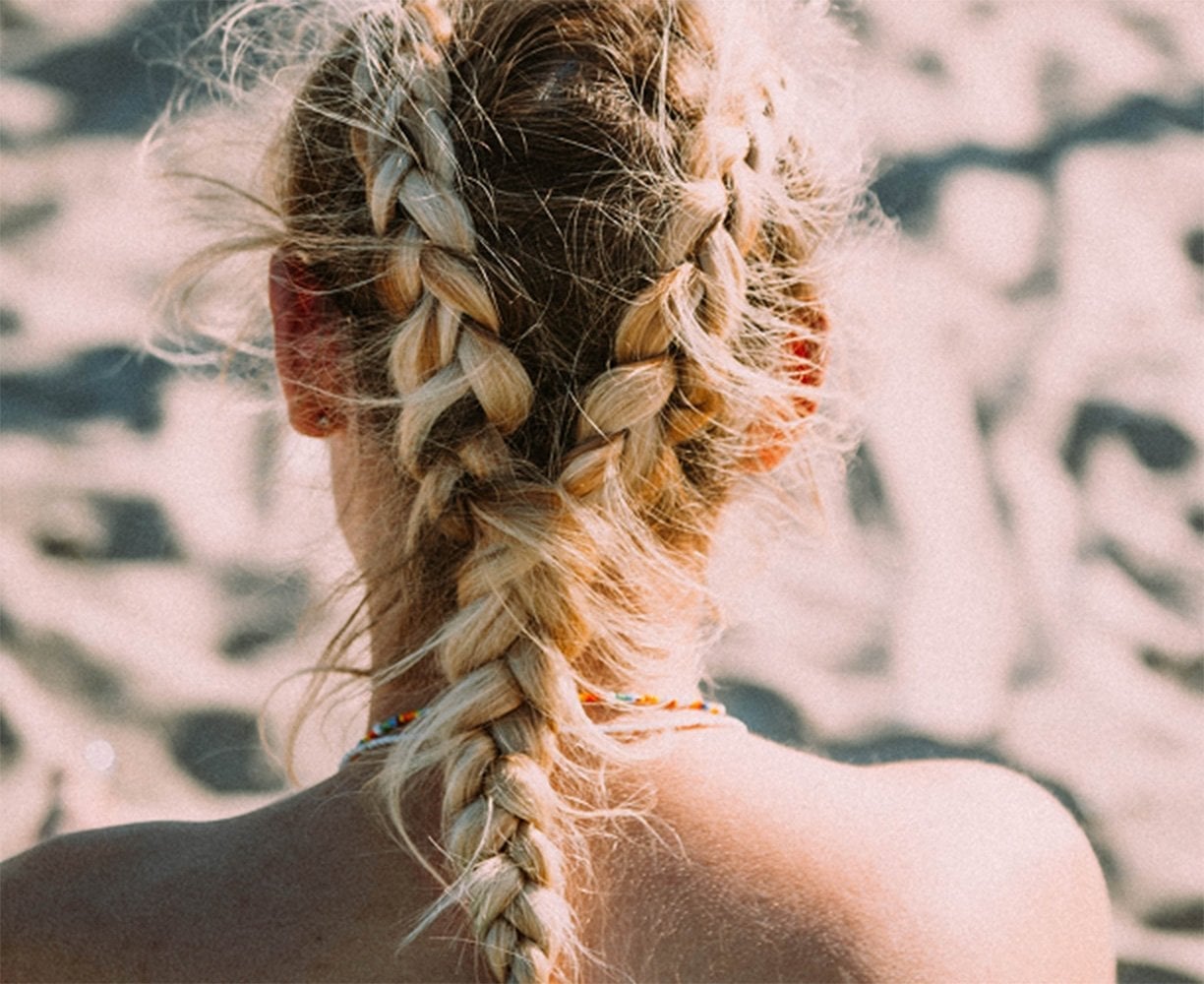
Mid-Back Blonde With Braided Headband
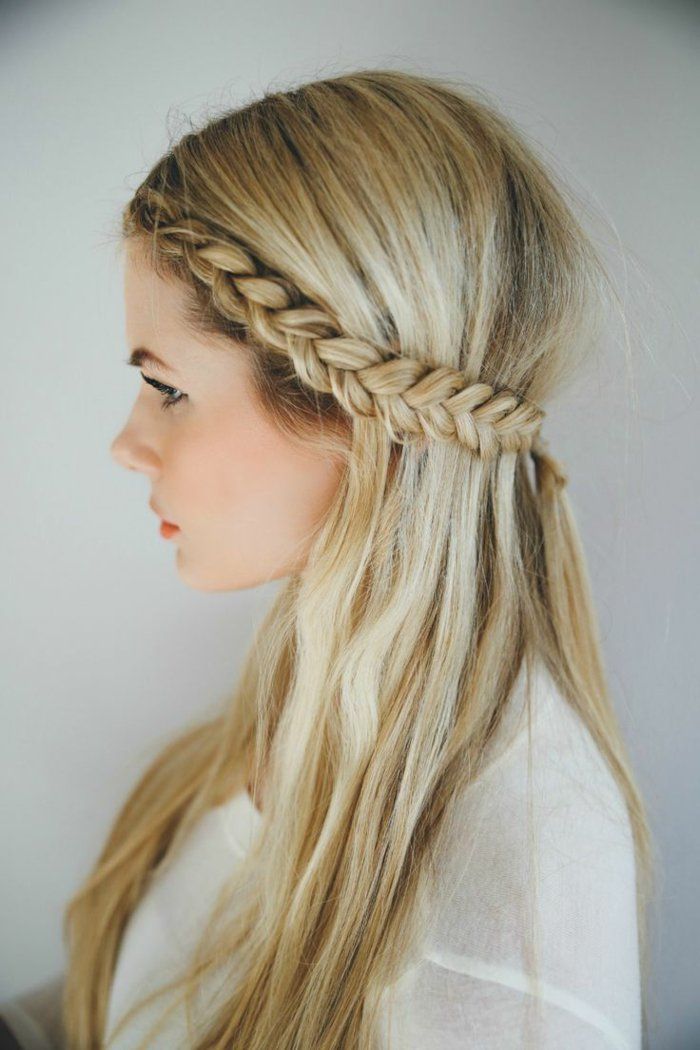
- Start with day-old hair for grip.
- Braid a one-inch section from the temple area.
- Secure the end with a clear elastic and pin it behind the opposite ear.
A texturizing spray beforehand keeps the braid from slipping, and the loose waves can be refreshed with a curling iron in about ten minutes. No trim rhythm change from your usual schedule.
Mid-Back Blonde Half-Up With Braided Crown
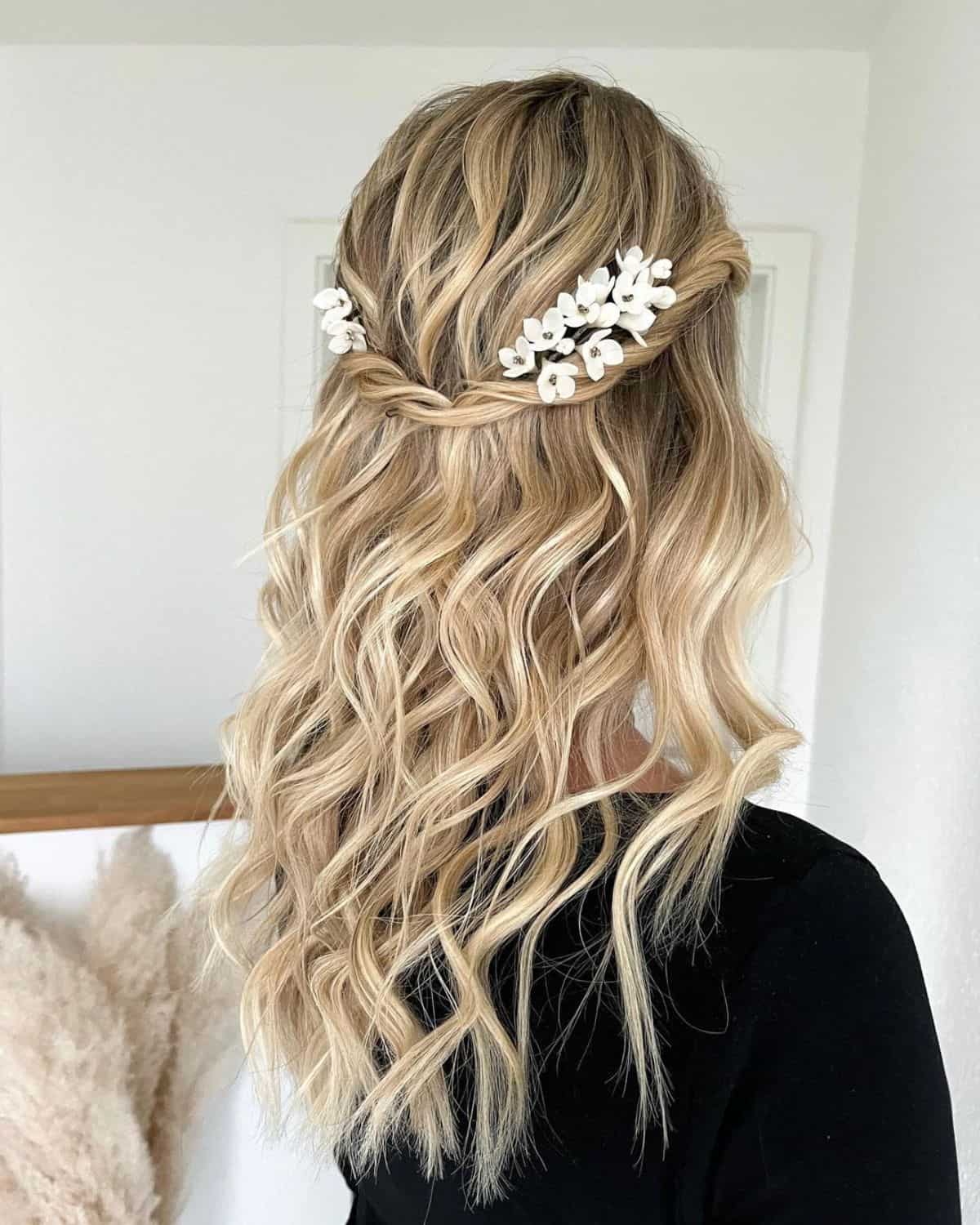
It is not a simple half-up. The braided crown takes this from casual to wedding-guest territory. Medium density wavy hair at mid-back length gives the braid enough body to hold its shape. Ask your stylist for: mid-back blonde, half-up with braided crown detail. The braid is intricate enough that most people will want it done in a salon; trying it yourself at home with a mirror and a prayer works for the determined. Small white flowers or pins tucked into the braid add ceremony-ready polish, but the structure holds without them.
Blonde Low Bun With Soft Waves
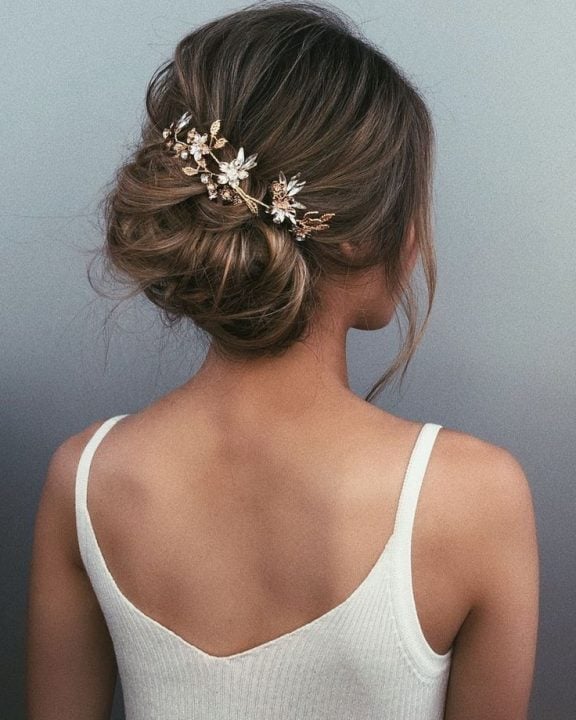
This is an updo that does not try to disappear. The low bun sits at the nape, surrounded by soft waves that keep the silhouette from feeling severe. Thick wavy hair starting at mid-back length gives the volume needed for the bun to appear full. Ask your stylist for: blonde low bun, soft waves, floral accessory. A texturizing spray applied before twisting gives the strands enough grip to stay put through a ceremony and reception. The decorative floral accessory on the side is the finishing move, without it, the style feels elegant but slightly unfinished.
Season and occasion align here: it works for outdoor summer weddings and indoor winter galas alike. The loose strands around the face keep the look from feeling too rigid, which is the aim of soft waves against a structured bun.
Messy Brown Updo With Loose Tendrils
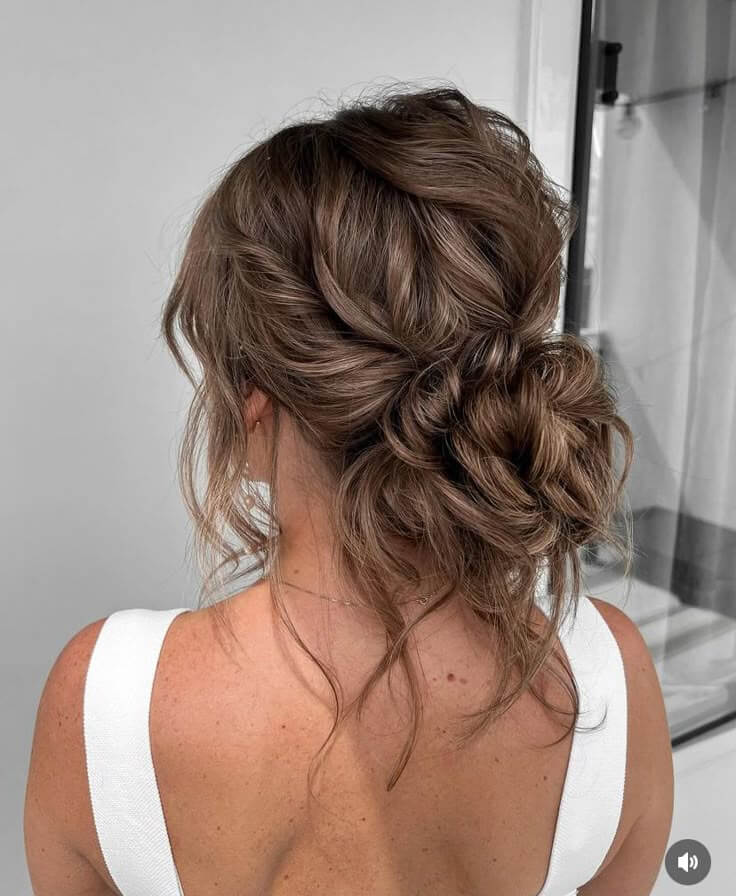
A practical rule for any messy updo: the chaos has to be arranged. This brown updo with subtle blonde highlights looks effortless, but those loose tendrils and waves took time. Thick wavy hair at mid-back length is the ideal starting point, enough weight to hold the bun and enough texture to keep the tendrils from falling flat. Ask your stylist for: messy brown updo, loose tendrils and waves. The one real drawback is the timeline: expect at least 45 minutes in the chair for the stylist to pin everything so the mess stays in place until you take it down.
Face-framing pieces are pulled out after the bun is secured, which is the step most people skip at home. That is why salon versions last through dinner and dancing, while bathroom-mirror attempts unravel by the main course.
Final Thoughts
The best haircut is the one that works with your hair, not against it. For fine hair, a blunt cut or subtle layers keep volume at the crown. For thick hair, longer layers remove weight and let texture show. Straight textures hold crisp lines; wavy and curly textures soften them. Find the look that speaks to you and consult your stylist.
- Trim blunt bobs every 6-8 weeks to maintain their sharp line.
- Refresh balayage or highlights every 8-12 weeks, depending on grow-out.
- Use heat protectant spray before styling wavy textures.
- Deep condition weekly for vibrant color and healthy shine.
Find the look that speaks to you and consult your stylist.