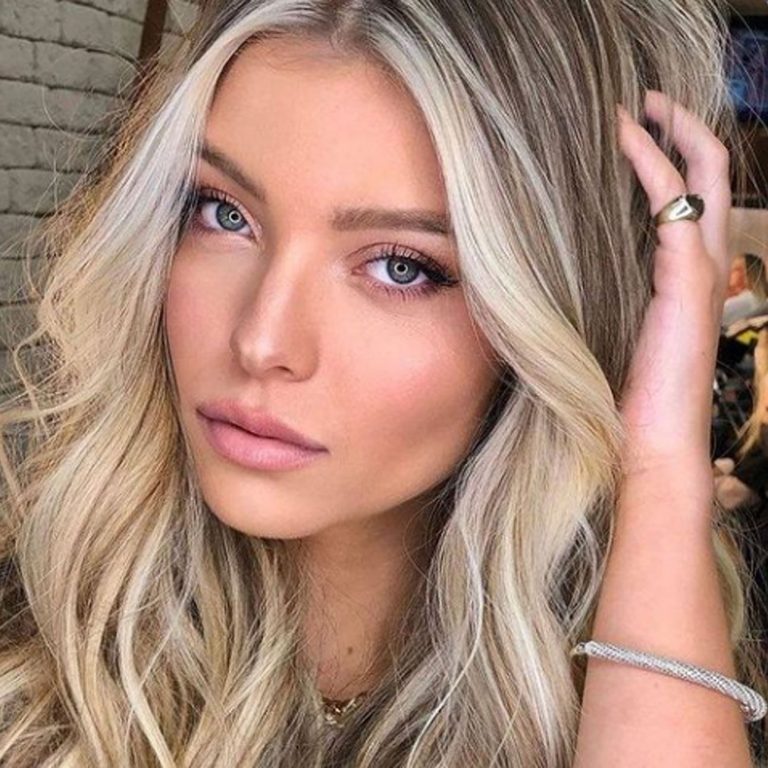
27 Reverse Balayage Hair Color Ideas for 2027
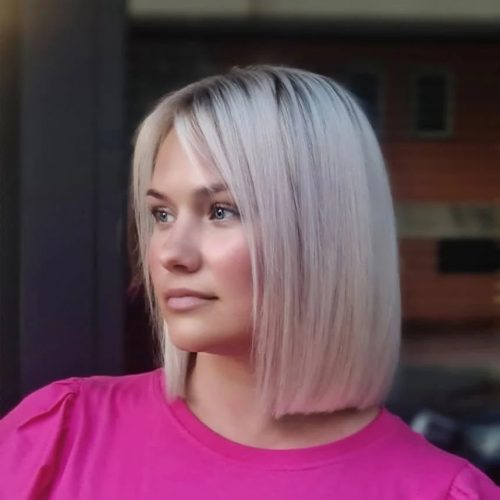
I keep seeing the same thing in the salon chair next to mine: dark roots kept dark, blonde pulled through the middle and ends, no harsh line anywhere. It used to be the fix for grown-out highlights. Now it’s the look people are asking for.
So I went through 27 ideas, from soft root shadows to high-contrast ash blonde, from bobs to mid-back length. Reverse Balayage can stretch color appointments, soften a grow-out, and add depth to fine hair that goes flat by 4 pm. I wrote these with my own roots in mind, the ones that showed at week five and made me book faster next time.
Dark Blonde Root Shadow With Bright Blonde Face Frame
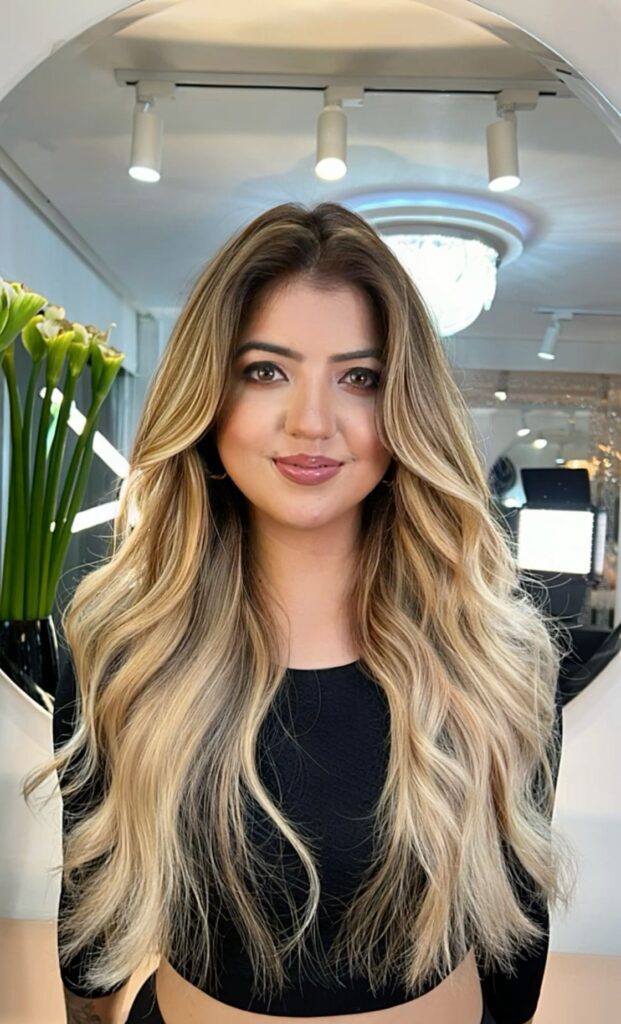
The bright blonde pieces around the face catch the light first. That’s the point. This dark blonde reverse balayage uses a root shadow at the crown to blur the grow-out line, then places lighter blonde on the front sections only. The result is a face that looks brighter without a full head of highlights. It works best on medium to thick hair with natural wave, because the curtain bangs need volume to hold their shape. Straight, fine hair might go flat by noon. The upkeep is real: a 10-15 minute blowout daily, and those face-framing pieces will need a toner every six to eight weeks to stay bright. But the grow-out is forgiving, and that’s the trade-off.
Dark Brown Base With Ash Blonde and Caramel Balayage
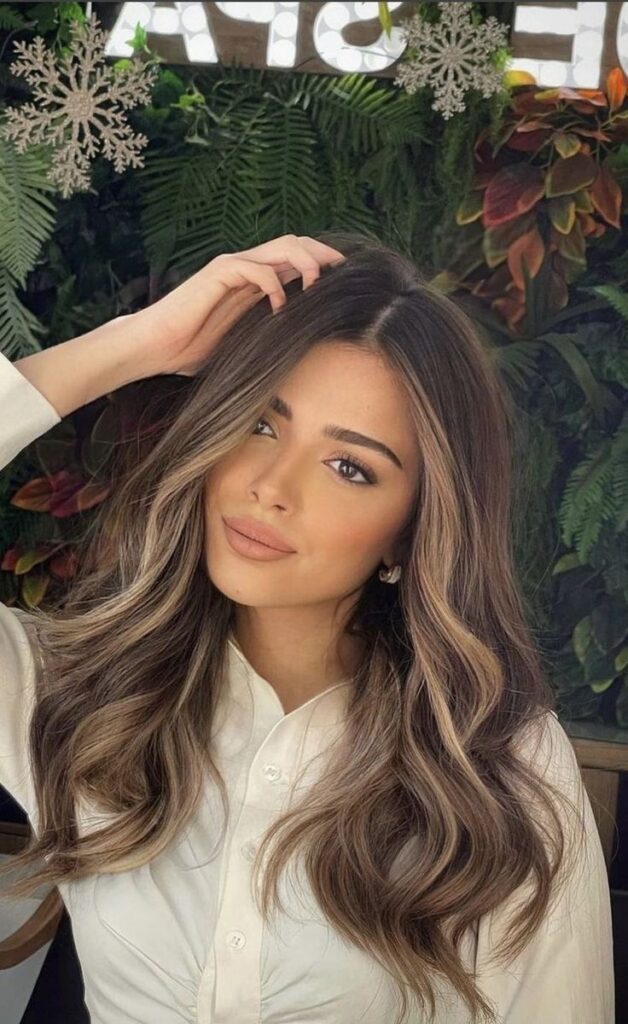
This is a two-tone balayage, and it’s more complex than it looks. The dark brown base sits deep at the roots while ash blonde and caramel are hand-painted through the mid-lengths and ends. The result is a cool-warm contrast that catches light from every angle. It’s a natural choice for autumn, when you want depth with a hint of brightness.
- Dark brown base adds depth and richness
- Ash blonde highlights cool the overall tone
- Caramel pieces warm the ends and frame the face
The balayage technique keeps the root line soft for months, so you can stretch salon visits to ten weeks. This colour works best on medium to thick, wavy hair at collarbone length. The contrast shows best with a middle part and loose waves. Book a stylist who understands cool-toned balayage — the ash can turn brassy without the right formula.
Ash Blonde Base With Lighter Blonde Highlights
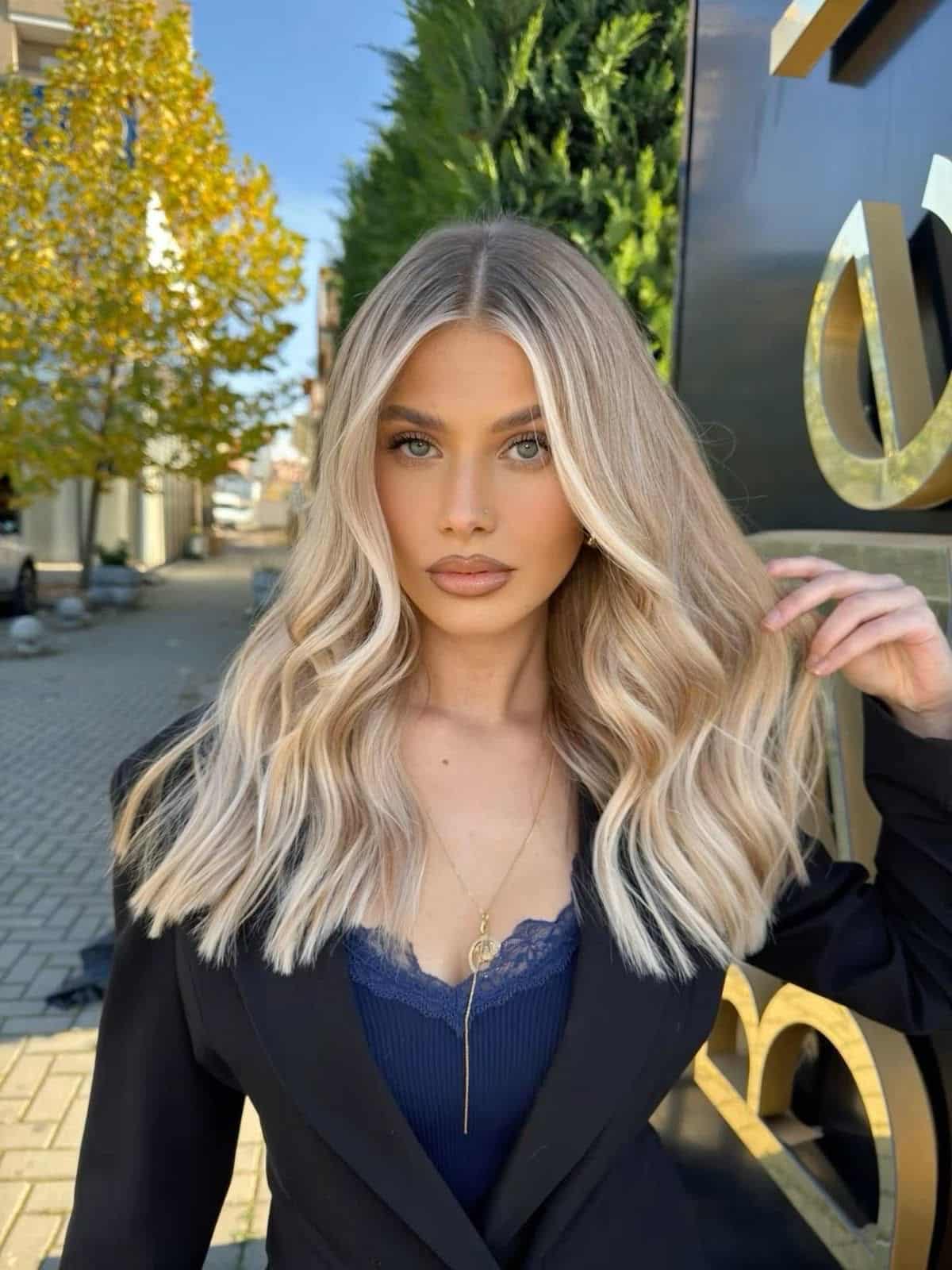
Ever wondered why ash blonde looks so good in spring? The cool tone reflects the soft, grey light of the season without fighting it. This version uses a root shadow at the crown to add depth, then lighter blonde highlights through the mid-lengths and ends. The result is dimensional but not stripey. It works on medium to thick, wavy hair at collarbone length, and the curtain bangs soften the forehead. The ash tone stays cool against warm spring skin, making it a versatile choice.
Sleek Bob With Subtle Caramel Balayage
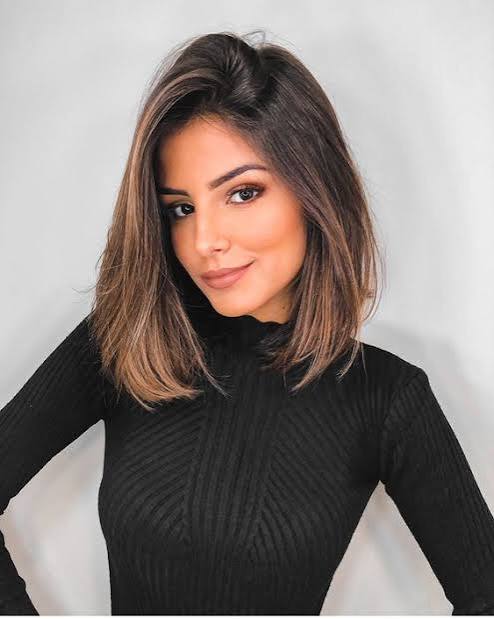
I’ll admit it: I wanted this bob to be low-maintenance. It’s not. The sleek blowout shows every bump, so a flat iron is non-negotiable. The subtle caramel balayage on the dark brown base adds warmth, but the caramel fades to brassy yellow within weeks without a gloss. The chin-length bob needs trimming every six weeks to keep the line sharp. Fine, straight hair can look flat by afternoon. The upside? The grow-out is forgiving because the balayage is subtle, and the side-swept bangs hide a multitude of sins.
Medium Brown Lob With Face-Framing Highlights

The face-framing layers here do more work than the highlights. They start at the cheekbone and sweep forward, softening the jawline and adding movement. The blonde highlights are concentrated on those front pieces, drawing attention to the eyes without committing to all-over colour. This medium brown balayage keeps the base rich and the highlights subtle, so it suits oval, round, and heart-shaped faces. Square faces benefit from the softness too. What to ask the stylist: request face-framing layers that begin at the cheekbone and a few hand-painted highlights on the front sections only. Keep the rest of the lob one length for a clean finish. The middle part and curtain bangs complete the look.
Ash Blonde With Root Shadow and Highlights
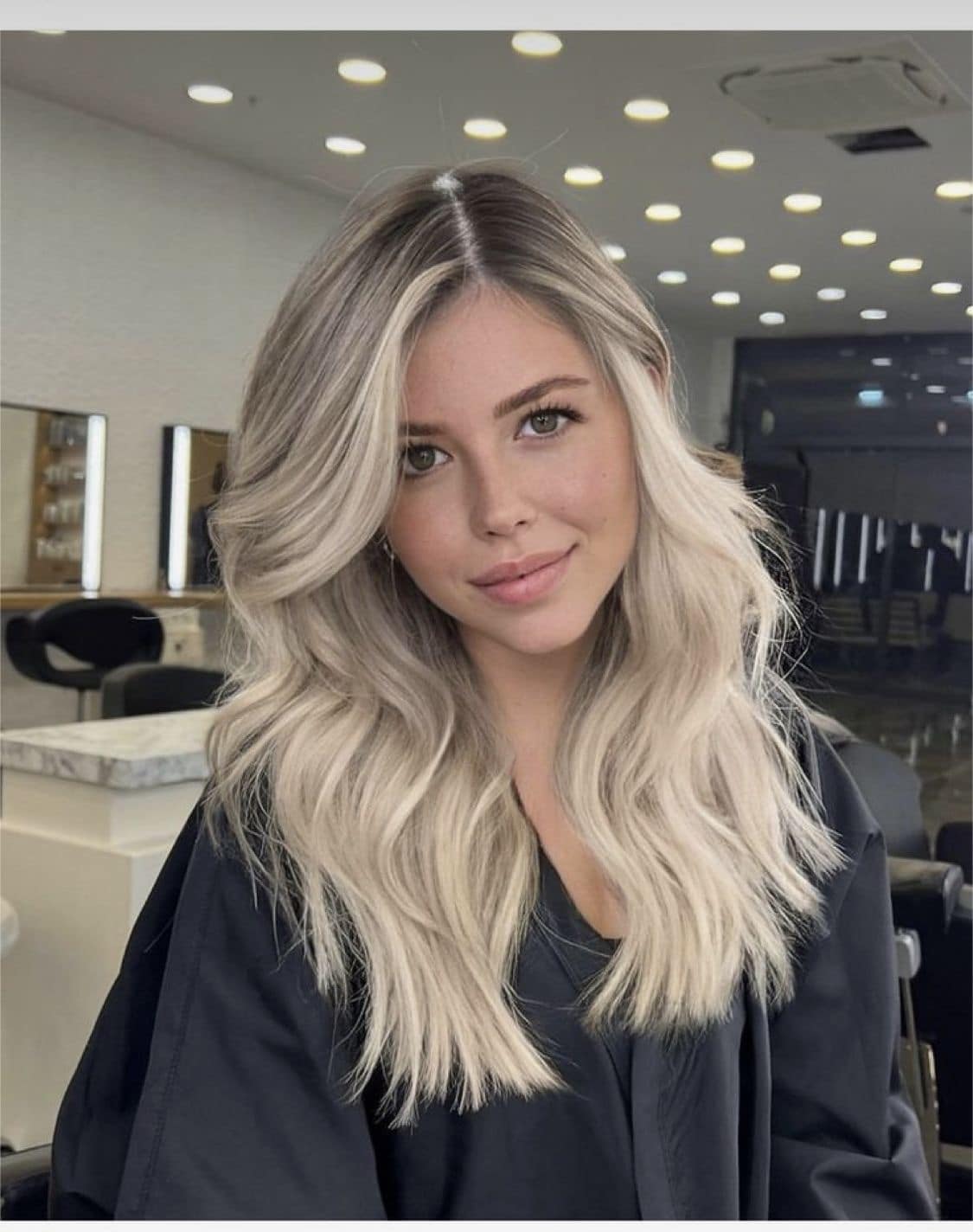
I never thought I’d prefer ash over warm blonde. Warm blonde feels friendly; this feels deliberate. The collarbone length with curtain bangs and a wavy blowout gives it movement, but the ash blonde root shadow is what makes it cool. Lighter blonde highlights are painted through the ends, not the roots, so the grow-out is softer than a traditional balayage. Against a warm caramel, this reads almost icy. It’s not a color that says hello; it nods from across the room. The thick texture helps the waves hold the dimension, and the middle part keeps it modern without trying.
Fine Hair Balayage With Caramel Blonde
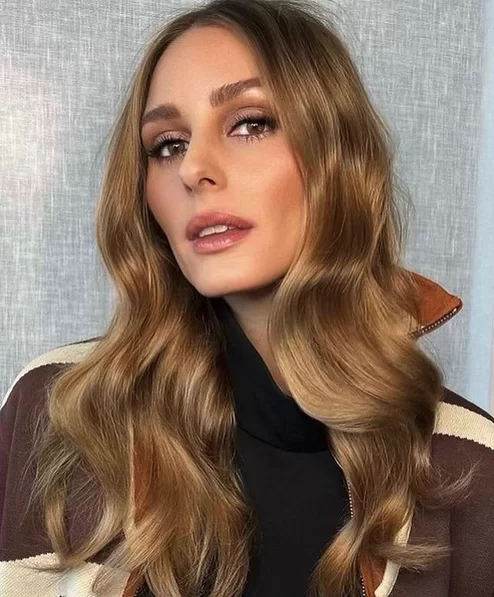
Can you get this fine hair balayage at home? I tried it once. Never again. The caramel blonde needs a skilled hand to avoid banding, and fine texture shows every mistake. The medium brown base blends into soft waves at collarbone length, but the real cost is time: three hours in the chair, minimum. A salon does it in one session. My bathroom mirror attempt took two and still looked muddy. Book it.
Dark Blonde With Lighter Blonde Highlights and Root Shadow
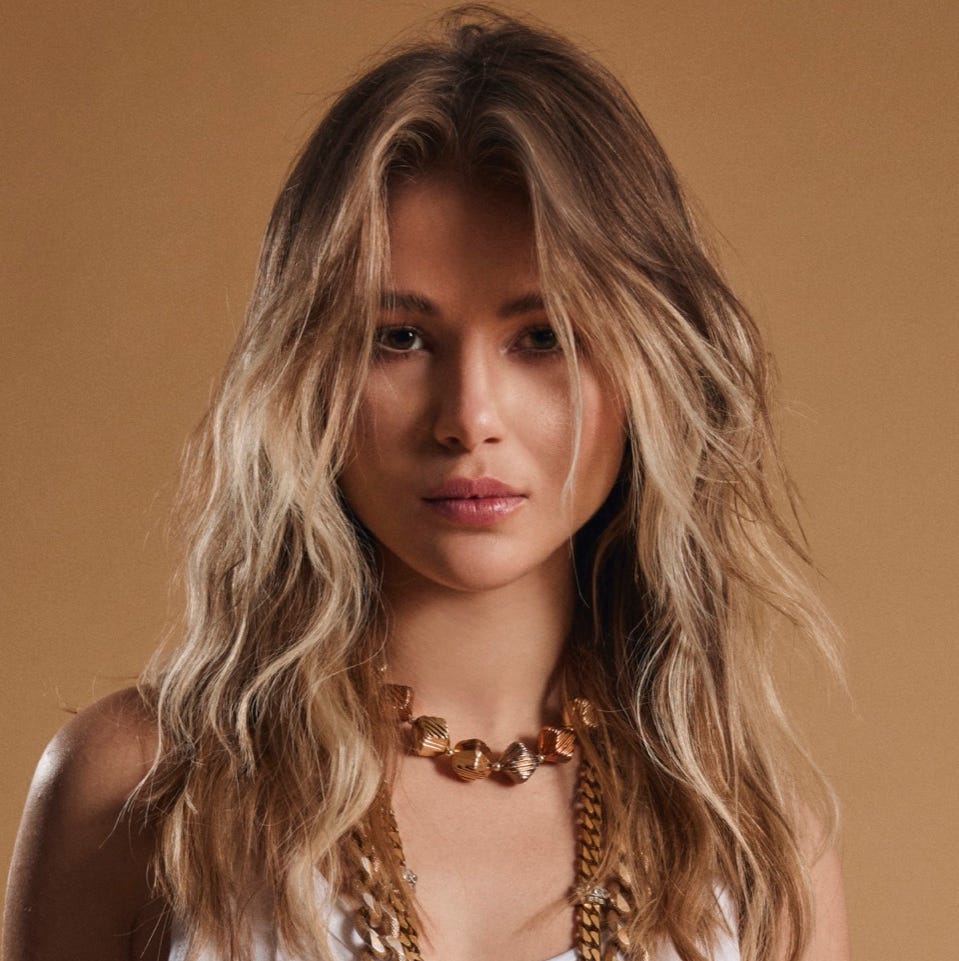
I’ll admit, I was skeptical about dark blonde highlights. But in fall, the contrast between darker roots and lighter ends feels right. The root shadow softens the line, so you don’t get that harsh regrowth. The downside: brassiness shows up fast. The lighter blonde highlights pull warm within three weeks, and a toner becomes your best friend. The collarbone length with layers and a middle part keeps it low-maintenance styling-wise, but the color needs attention. The wavy blowout hides the fade for a while, but not forever.
Long Layers With Dark Brown and Blonde Balayage
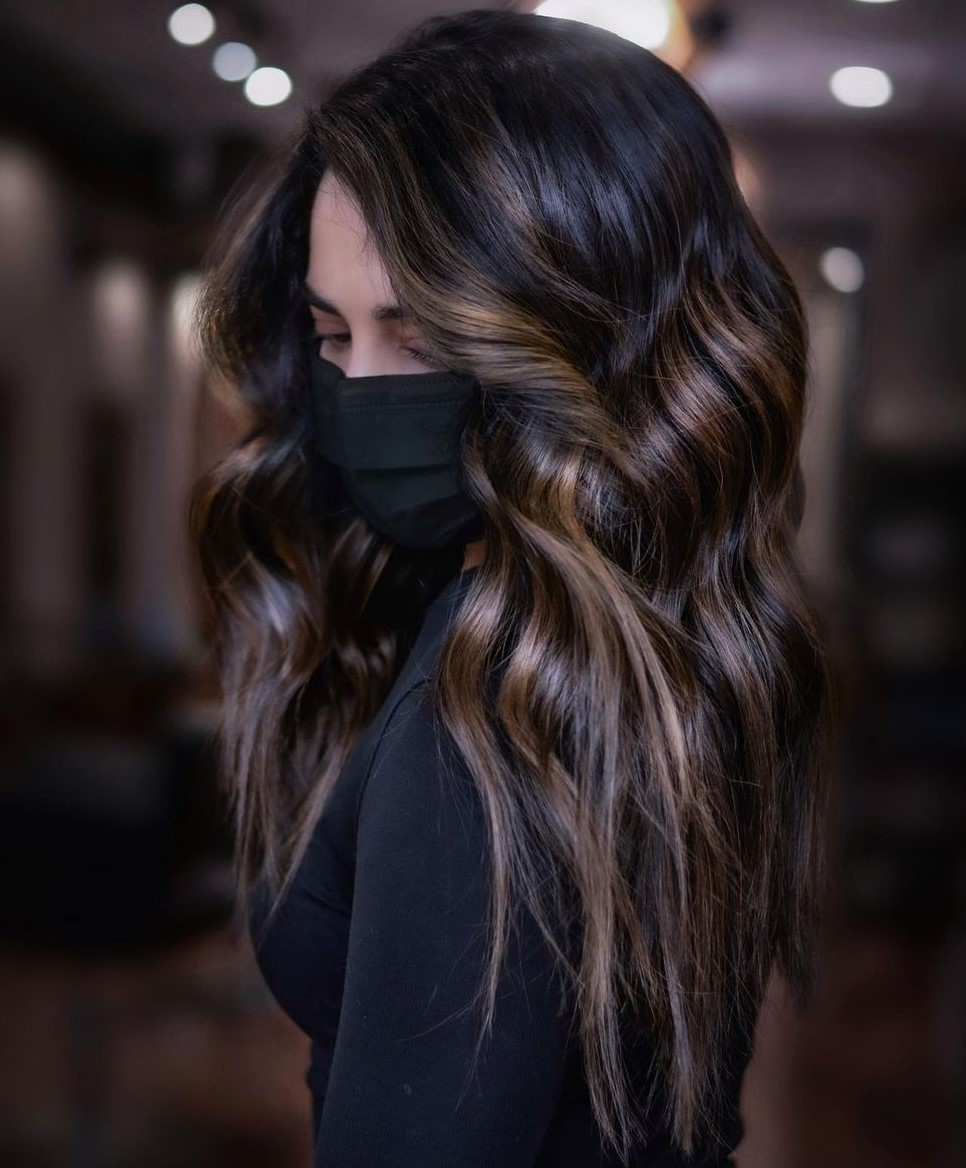
Long layers with a dimensional colour blend are the most low-maintenance investment I’ve made. The dark brown base with caramel and ash blonde highlights moves with the layers, so every twist and wave catches a different tone. It’s like the colour does the styling for you.
Through a real week, this holds up better than any single-process colour I’ve had. The side part and loose waves stay defined, and the mid-back length means I can pull it up or leave it down. The upkeep is manageable: a trim every ten weeks and a toner when the ash blonde starts to warm up. The dark brown base grows out without a harsh line, so I can stretch salon visits without looking neglected.
Dark Brown With Striking Ash Blonde Contrast
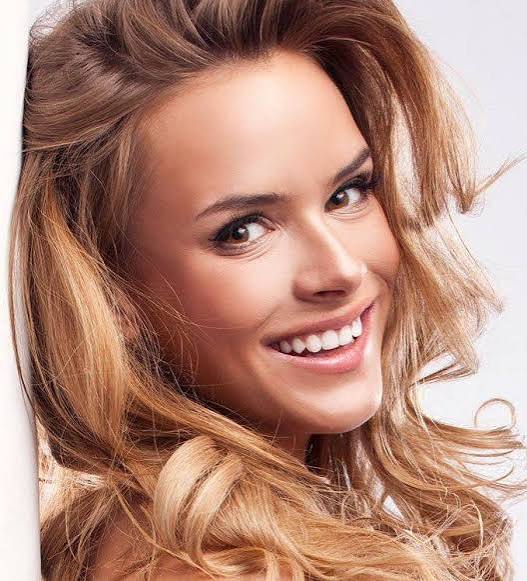
The contrast here is sharp and deliberate. This is a winter colour, no question. The dark brown ash blonde pairing works because the highlights are placed where light hits naturally: around the face and through the ends. The striking contrast reads bold without being aggressive. Collarbone length with a side part and loose waves keeps it wearable, not costumey. The medium density helps the ash blonde pop against the dark base without looking streaky. It’s a colour that says you planned it, even if you only decided last week.
Ash Blonde With Dark Brown Lowlights and Root Shadow
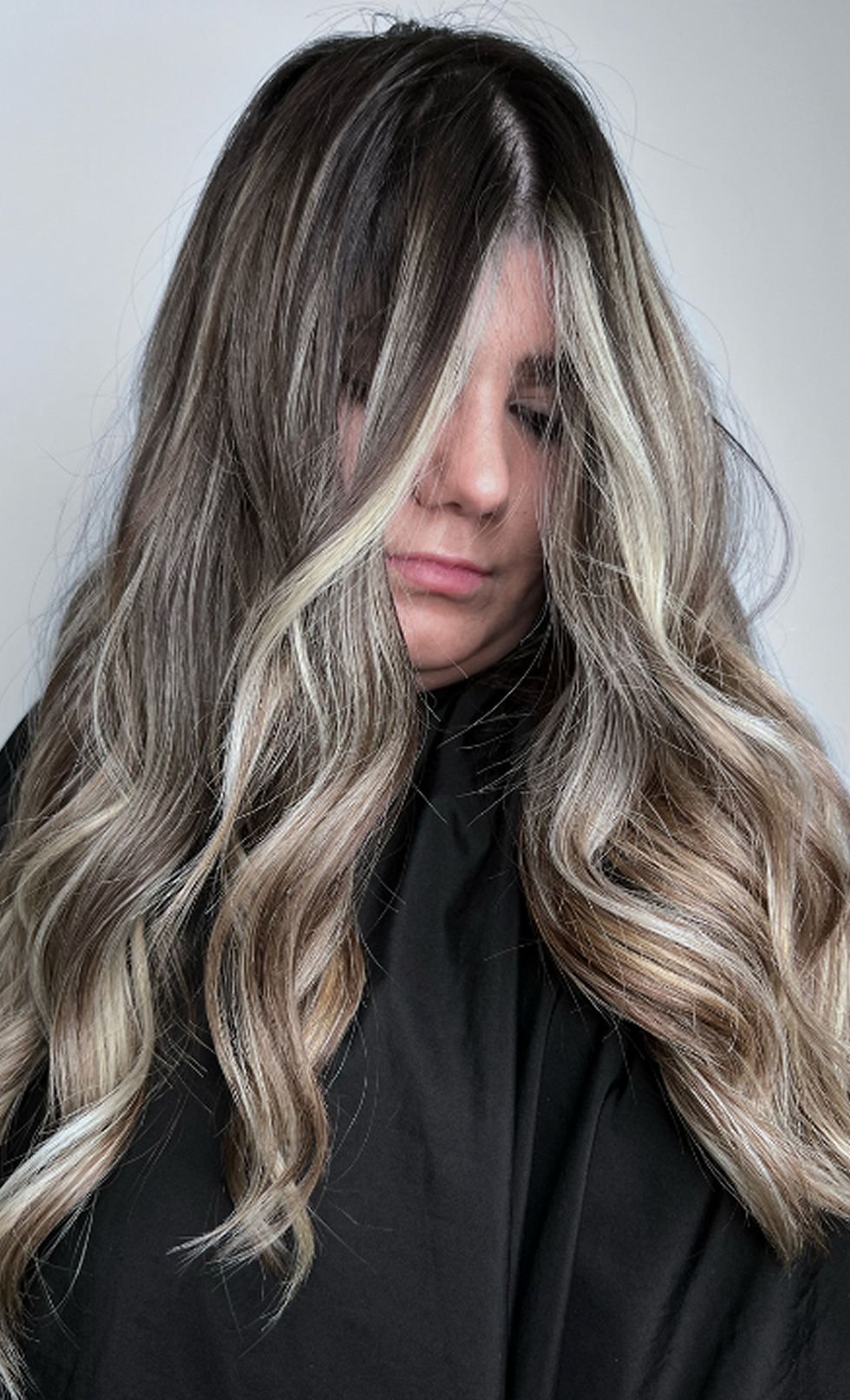
Can ash blonde and dark brown lowlights actually work together without looking muddy? On cooler skin tones, the contrast reads crisp and intentional. The ash blonde base sits cool, while the dark brown lowlights add depth without warmth. That root shadow blurs the grow-out line, which buys you weeks. The mid-back length and wavy texture give the colour room to breathe — the lowlights catch light differently in each wave. The technique here is reverse balayage: instead of lightening the top, you darken select pieces near the root and weave dark brown lowlights through the lengths.
But if your skin runs warm, this combo can pull ashy and flat. The dark brown lowlights need a cool tone to match, not a warm one. And on fine hair, the contrast might feel too heavy. Skip this if you prefer a softer, blended look. The ash blonde lowlights are not for everyone — they demand a cool palette and a willingness to tone every six weeks.
Dark Brown to Honey Blonde Transition
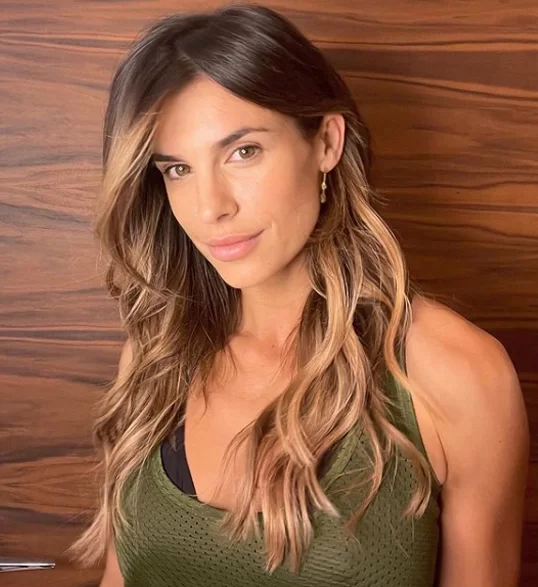
I did not expect this to look so natural. The balayage starts at the roots with a dark brown base, then melts into honey blonde mid-lengths and ends. No harsh line, no band of demarcation. The shoulder-length cut keeps the transition visible, and the loose waves let the honey blonde balayage catch light from every angle. Medium density hair holds the colour well — fine hair might let the dark brown base dominate. The tone stays warm throughout, which flatters olive and golden skin. This is reverse balayage at its most wearable: darker at the top, lighter below, but blended so softly you barely notice the shift.
Angled Bob With Dark Brown and Blonde Balayage
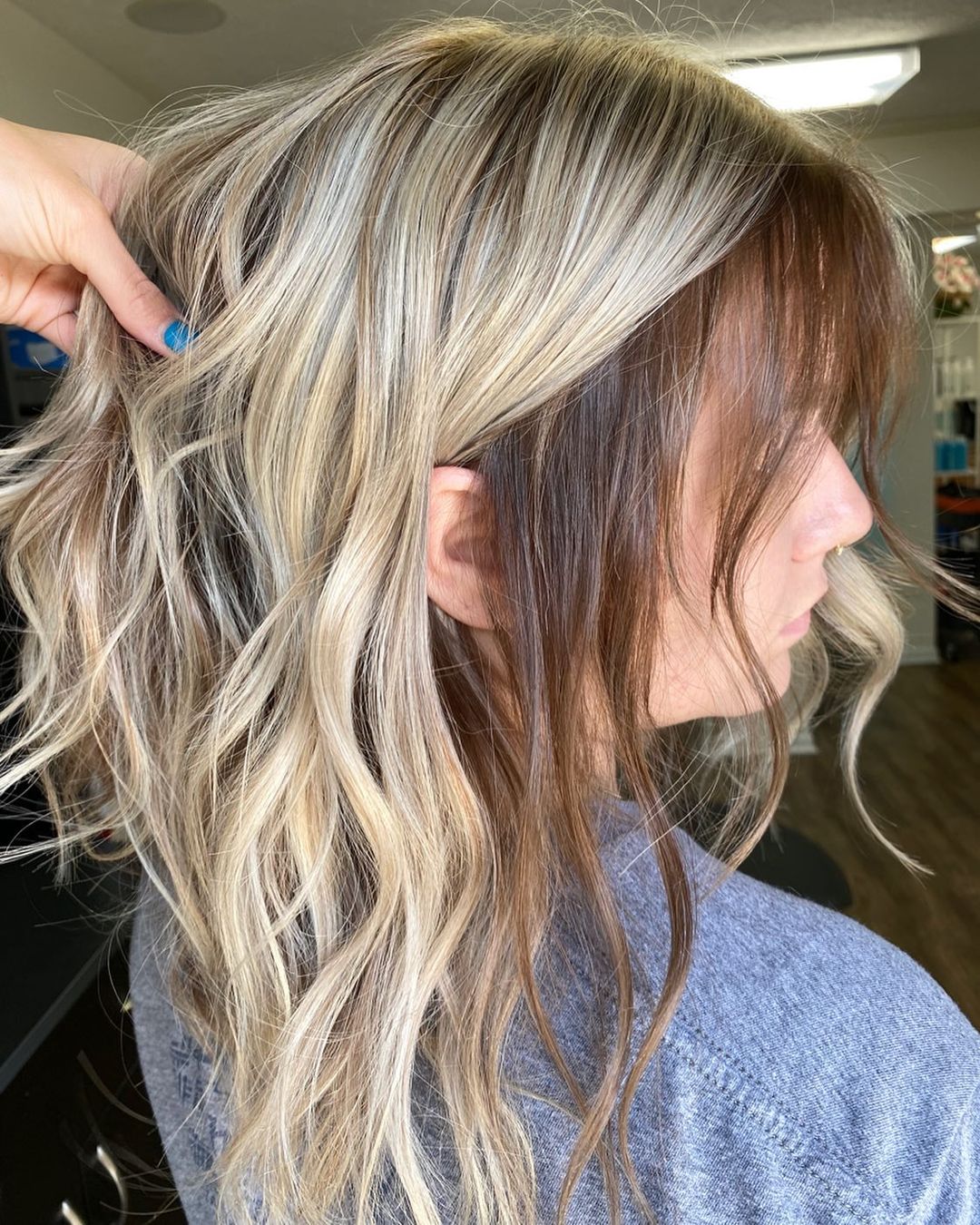
Monday morning, 7 AM, flat iron in hand. The angled bob demands precision — every wave needs to sit right or the asymmetry looks accidental. The dark brown blonde bob uses a balayage technique with prominent highlights around the face, which means those blonde pieces show every bit of heat damage. The chin-length cut and wavy texture need 15 minutes of styling at minimum. The honest downside: if you skip a trim past six weeks, the angle loses its edge and the blonde starts to brass.
Long Layers With High Contrast Ash Blonde Balayage
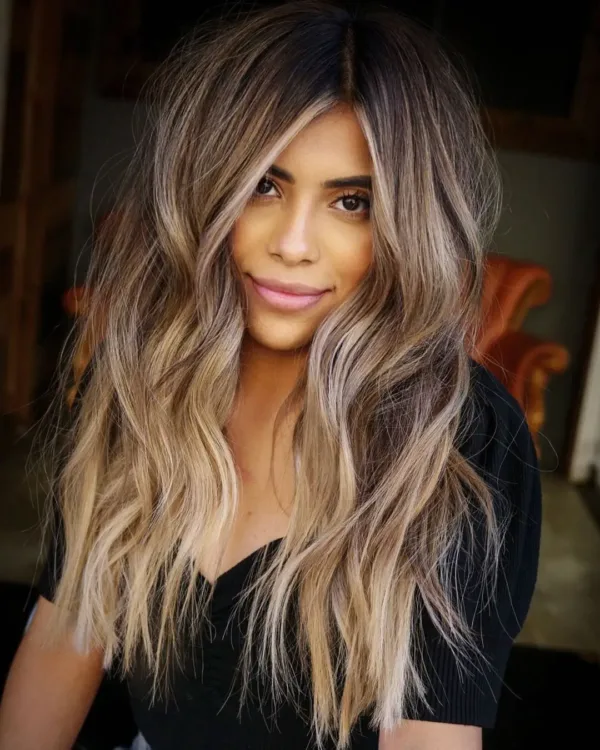
This is not a subtle balayage. The high contrast balayage jumps from a dark brown base to ash blonde in clear, deliberate strokes. No soft melt, no blended middle ground. The long layers and thick, wavy texture amplify the drama — each wave separates the light and dark pieces. Compared to a more blended balayage, this one makes a statement. It reads bold and intentional, not natural. The mid-back length gives the colour room to travel, and the middle part shows both sides equally.
But that boldness comes with a trade-off. The ash blonde needs regular toning to stay cool, and the contrast means regrowth shows faster. If you want a grow-out that fades into the background, pick a softer technique. This one demands commitment to the salon chair every eight weeks. It flatters those who want their hair to be the first thing you notice.
Dark Brown With Caramel and Ash Blonde Tones — This Side View Showcases Long
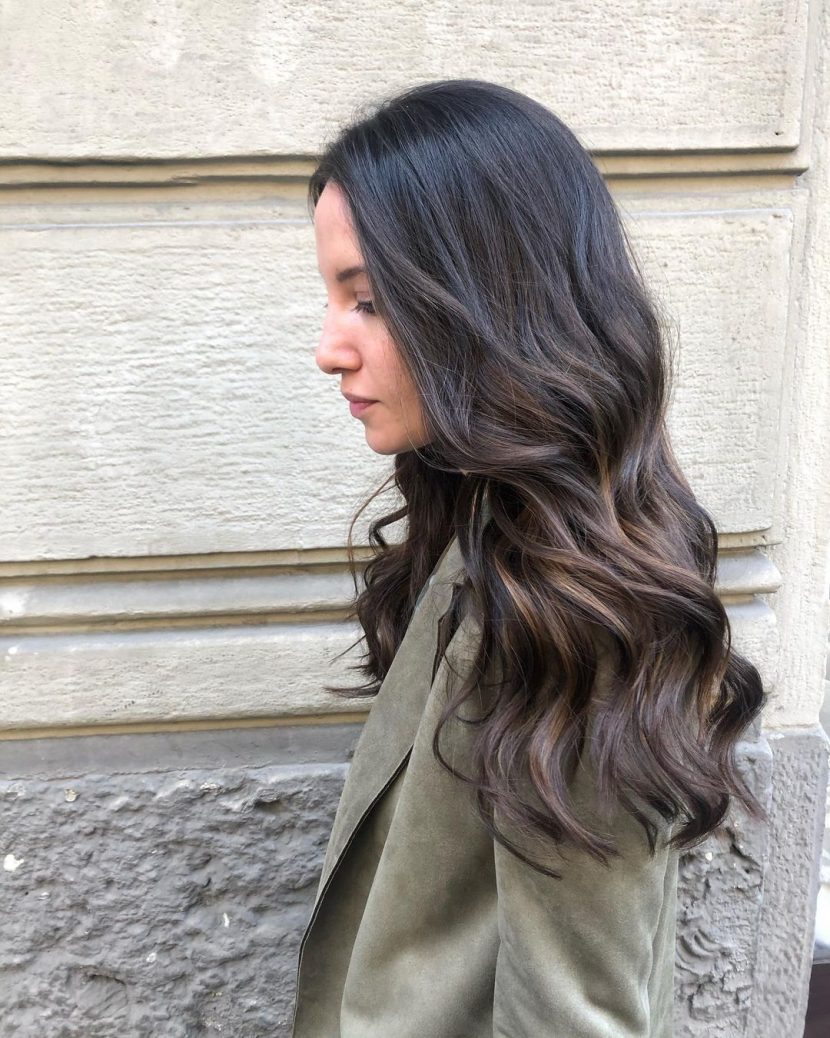
The side view tells the real story here. The dark brown base transitions into a caramel ash blonde blend through a balayage technique, creating a dimensional effect that shifts with every wave. On thick, wavy hair, the colour has room to layer — the caramel warms the mid-lengths, the ash blonde cools the ends. The mid-back length and loose waves let the tones separate naturally.
This blend works best on thick hair because the colour needs weight to hold the contrast. Fine hair might swallow the lighter pieces. The wear is manageable: a toner every six weeks keeps the ash from turning brassy, and a trim every ten weeks maintains the shape. If you have thin or straight hair, the dimensional effect won’t read as strongly.
Dark Brown With Bold Blonde Highlights
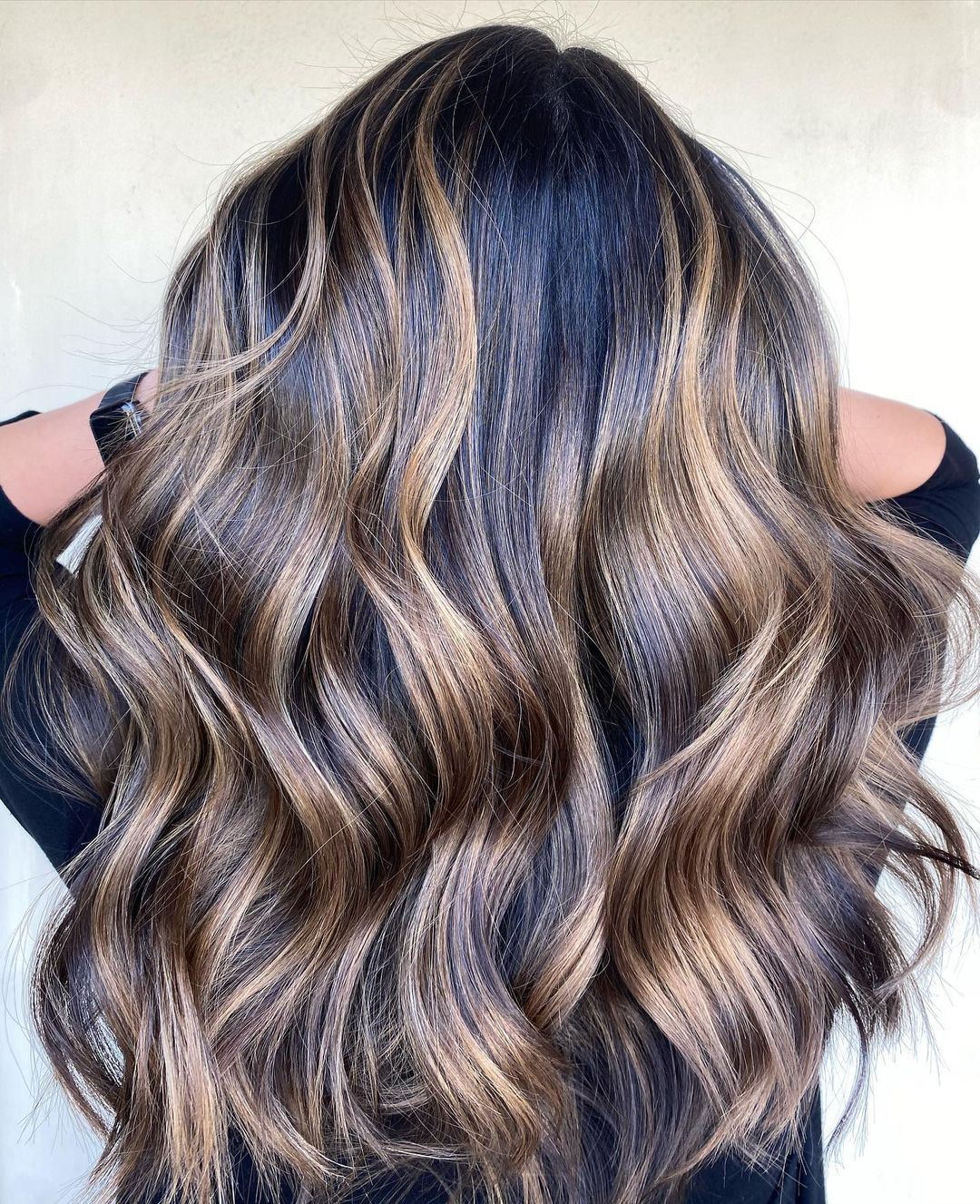
Why does dark brown with bold blonde highlights feel so right when the temperature drops? The striking contrast reads like a cold-weather statement — the deep base grounds the look, and those bright, cool-toned streaks cut through the gray of January. On mid-back, wavy, thick hair, the highlights land in loose waves that catch light without effort. The technique is straightforward: face-framing and scattered sections, not full head. It’s a salon job, three hours, and the payoff is a season-long focal point that doesn’t compete with scarves or sweaters.
Dark Brown With Deep Red or Burgundy Tones
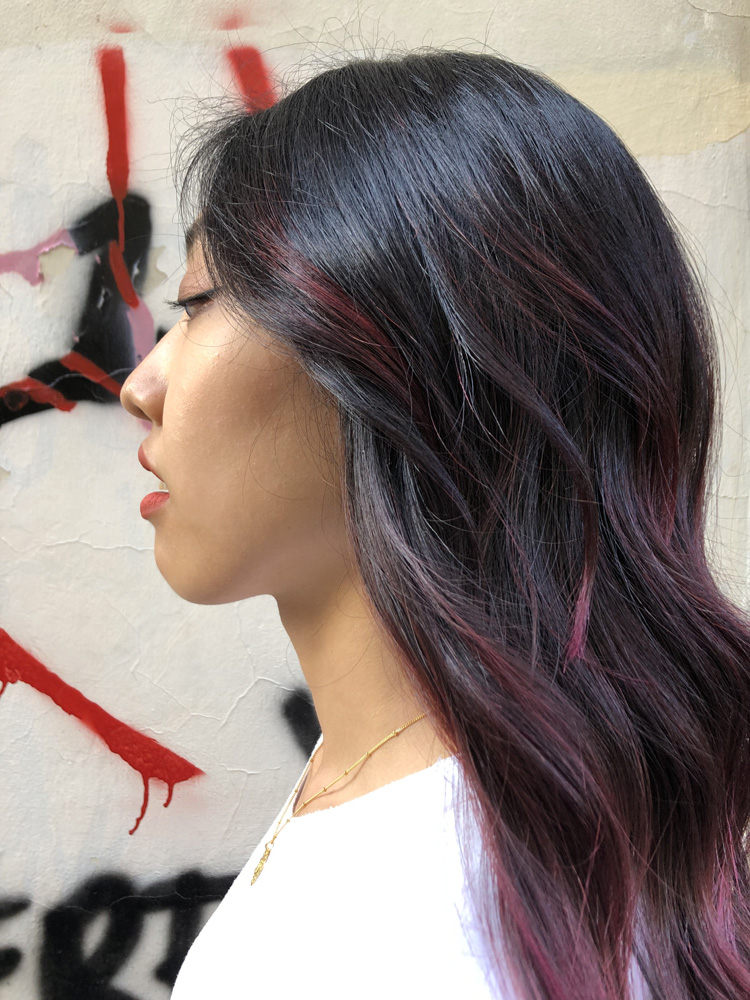
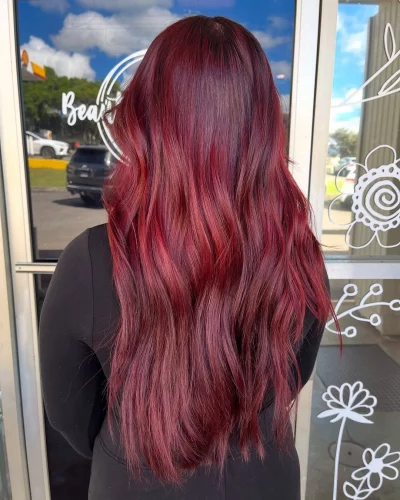
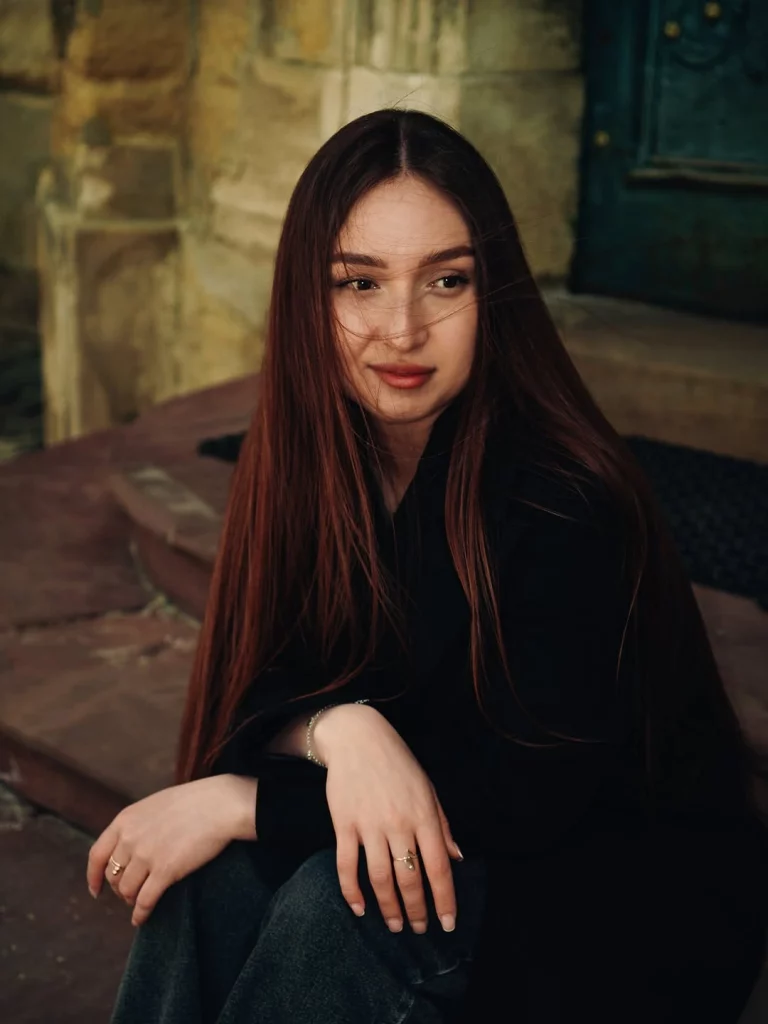
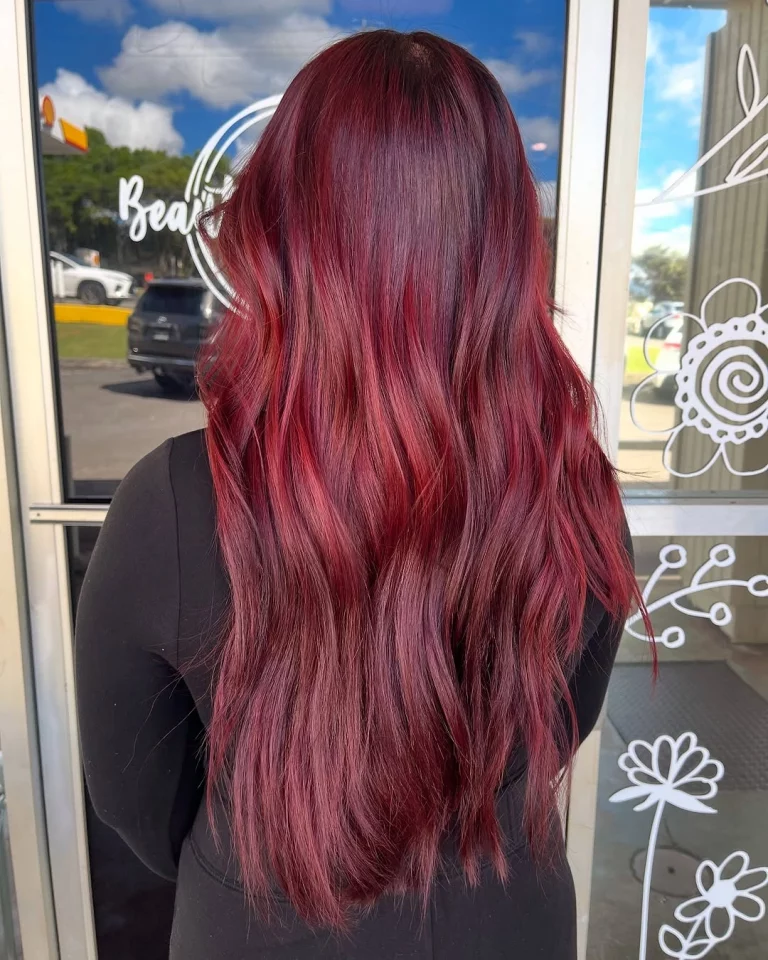
Red tones on dark brown? I was skeptical. But this isn’t a full red — it’s a subtle weave of deep red tones and burgundy highlights that read as depth, not costume. The technique starts with a dark brown base, then the stylist paints thin burgundy sections near the roots and blends outward into the mid-lengths. The tone stays warm and rich, never bright. On mid-back, wavy, medium-density hair, the color catches light in a way that feels expensive.
The build matters: the burgundy is applied as a lowlight, not a highlight, so it sits under the brown rather than on top. That’s what gives it that layered, moody effect. No single strand screams red — the whole thing just looks deeper.
Dark Brown With Warm Brown and Blonde Highlights — A Front View Of Wavy
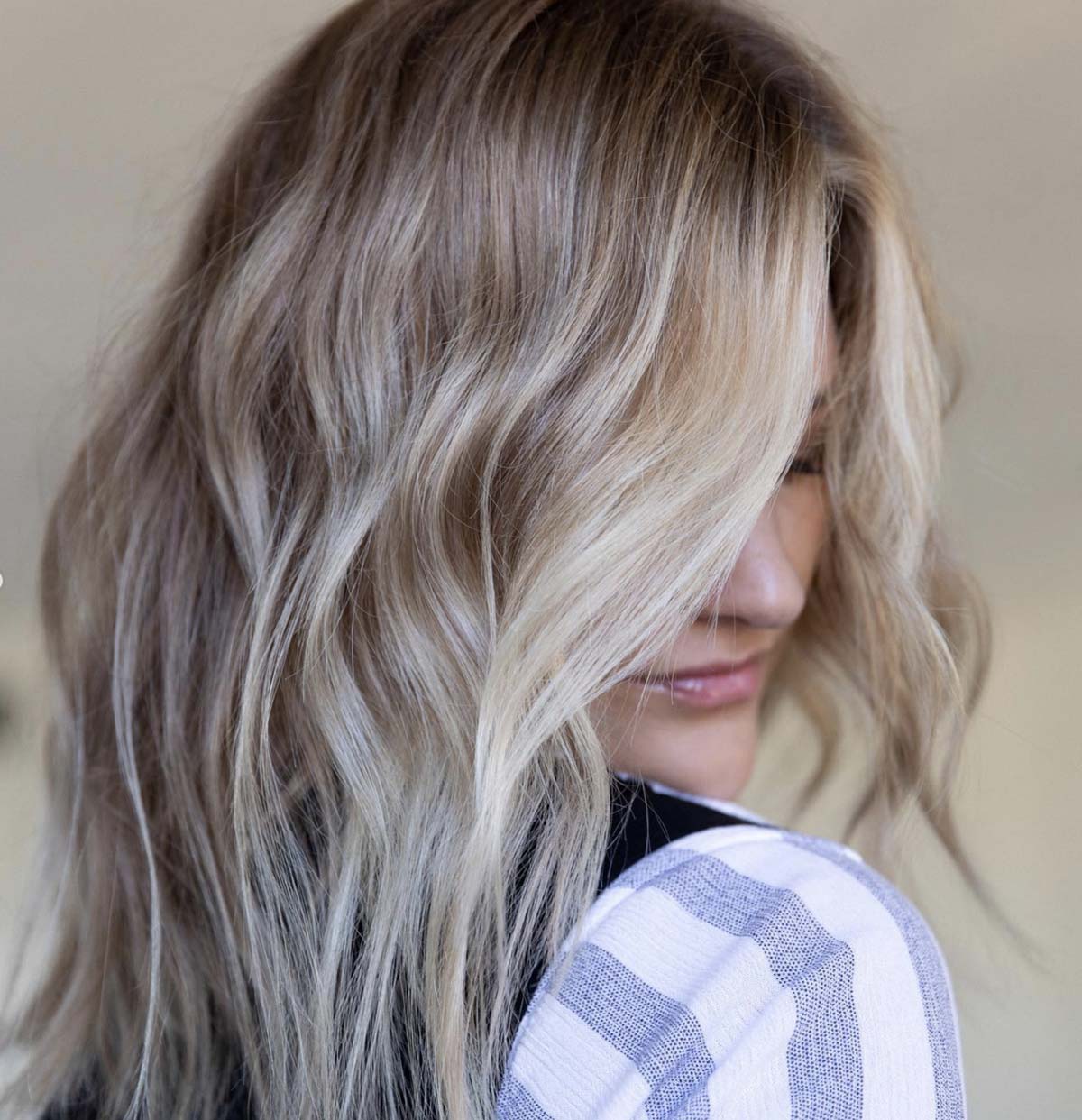
I tried to do this balayage at home once. It did not go well. The warm brown highlights and blonde pieces need a steady hand and a good eye for placement — one uneven section and the natural dimensional effect turns into a stripe. This is a salon job, no shortcuts. The stylist paints the dark brown base first, then adds warm brown and blonde in a soft, sweeping motion from mid-shaft to ends. On collarbone-length, wavy, medium-density hair, the result is a blend that looks like it grew that way. The chair time is about two and a half hours, and you pay for the skill, not the product.
Visual Idea
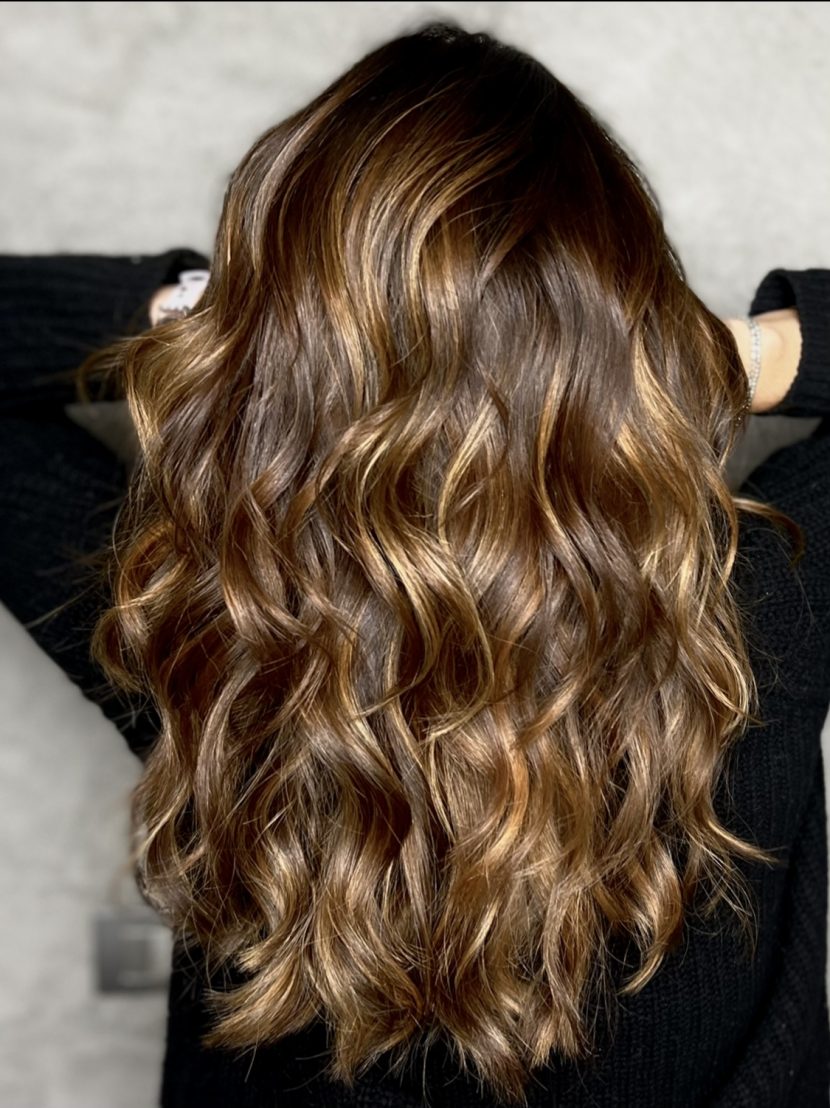
Monday morning, I gave it a quick refresh with a curling wand. By noon, the loose curls had softened into a wave that still showed the warm blonde and copper balayage highlights. On thick, wavy, mid-back hair, the color blend is the star — the dark brown base anchors the warm tones, and the copper pieces catch light in a way that reads as sun-kissed even in February.
The honest downside: those curls don’t hold overnight. Day two means re-curling or accepting a flatter wave. The texture is thick enough to keep shape, but the effort is daily if you want the full effect. The color itself lasts — the balayage technique means no harsh regrowth line — but the styling time is real.
Collarbone Visual Idea
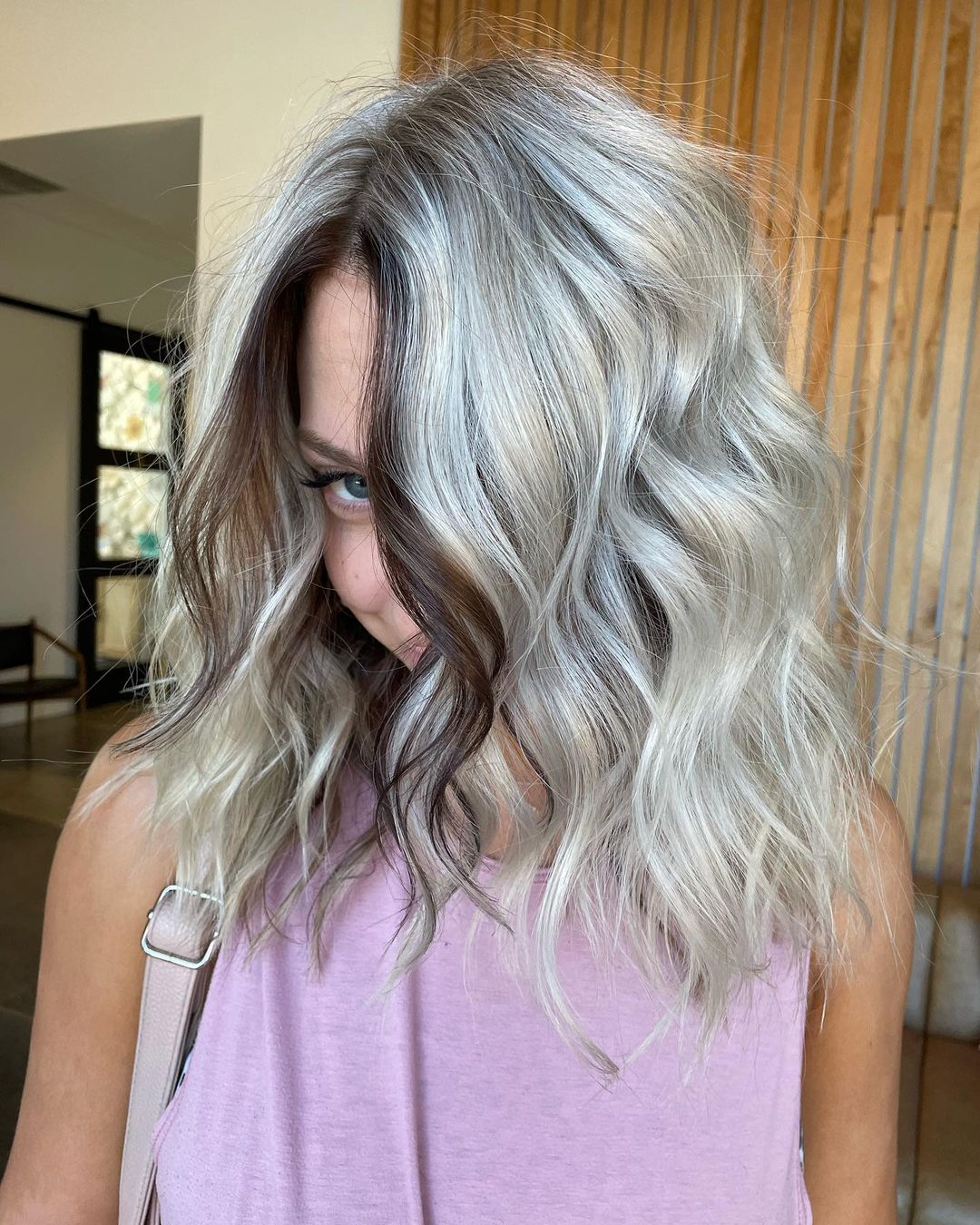
How do you build contrast without a harsh line? The root shadow does the work — a dark brown base at the scalp blends into ash blonde highlights from mid-length to ends. On collarbone-length, wavy, medium-density hair, the technique is precise: the stylist paints the root shadow close to the part, then hand-paints the ash blonde in thin sections. The tone stays cool, almost silver, against the dark root. The result is a gradient that looks intentional, not grown out.
Visual Idea — Visible From The Side View
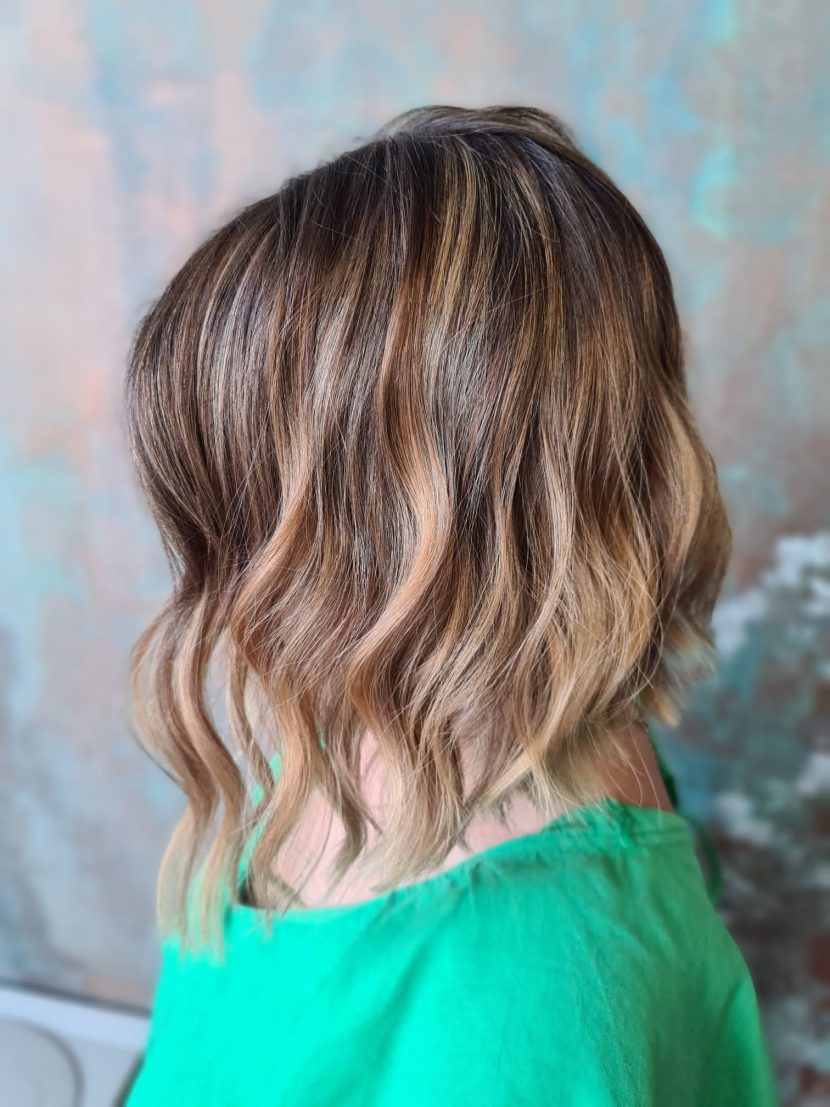
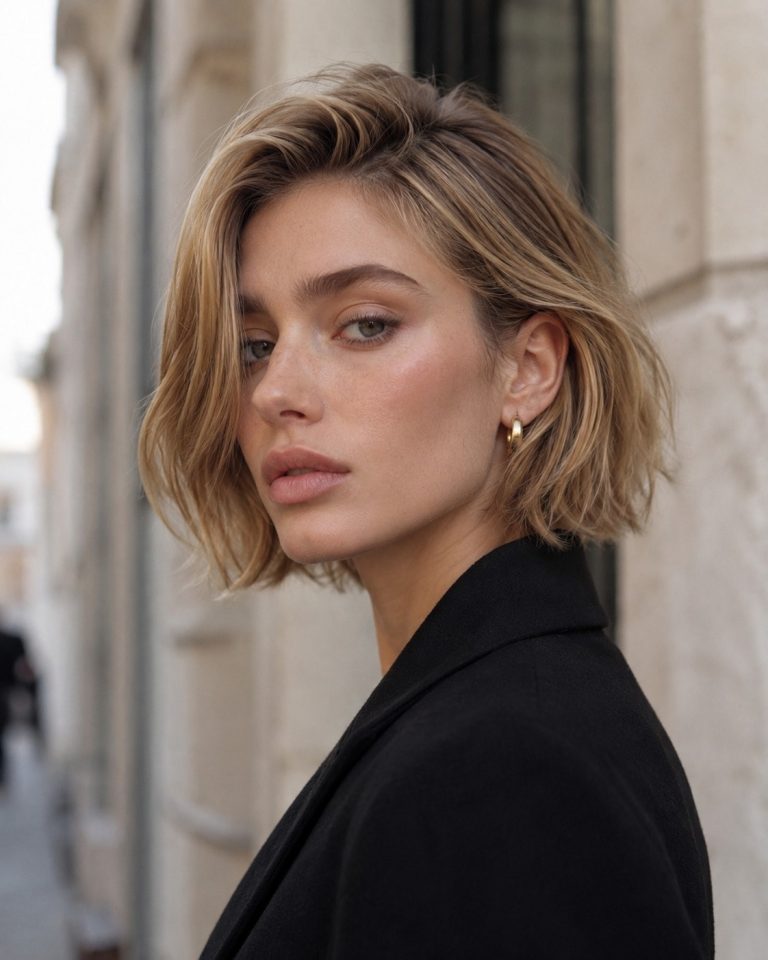
That side view catches the light differently, and here it reveals something most balayages miss: a colour transition so gradual it reads almost as a single shade from ten feet. Dark blonde base, lighter blonde and beige highlights painted in loose waves on an angled bob that stops at the chin. The tone stays cool enough to avoid brass, warm enough to look natural. Medium density, wavy texture, side part. It is not the high-contrast statement you see on Instagram. It is the colour that makes people say, “Did you do something?” and mean it as a compliment.
Mid-Back Visual Idea
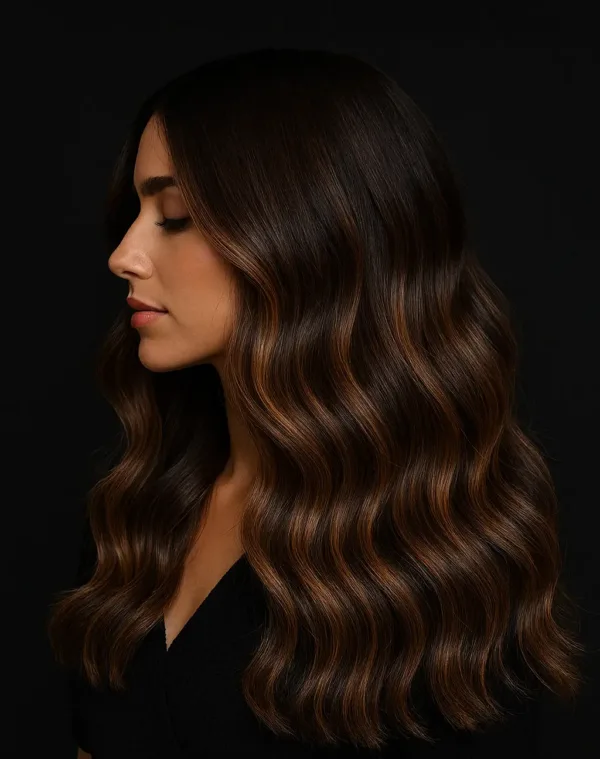
This is the one I send to friends who say they want balayage but actually need a grow-out that does not punish them. Dark brown base, warm caramel balayage starting low, the blend so seamless you cannot find the starting line. Long layers, no bangs, middle part, loose waves on thick wavy hair that reaches mid-back. The caramel tone sits warm without tipping orange, and the dark base keeps the whole thing grounded.
It flatters medium to high density best. Thin hair would lose the dimension. The wear is forgiving: a gloss every eight weeks keeps the caramel from fading flat, and the root line stays invisible for months. Book the salon, skip the home kit.
Dark Brown Base With Blonde Highlights Visual Idea
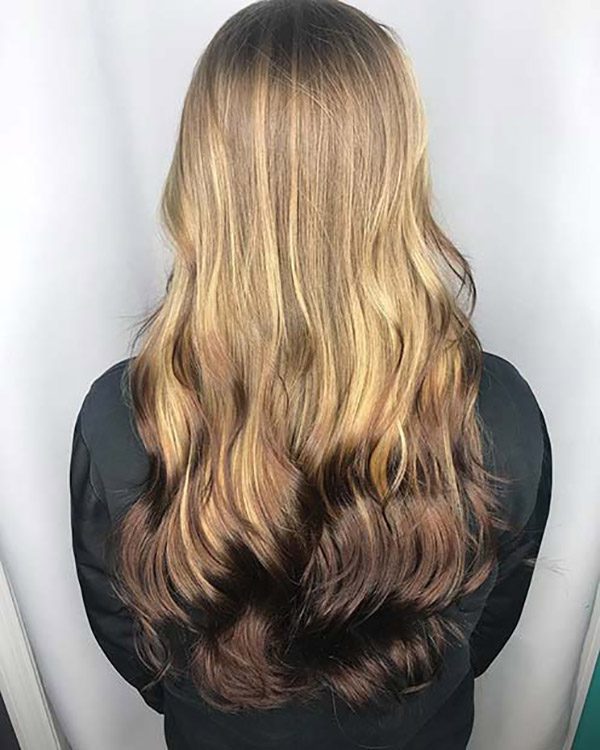
What happens when you paint blonde highlights onto a dark brown base and let the contrast sit right at the ends? This. Mid-back length, thick wavy texture, layers and a middle part, the back view showing a clean divide: dark near the scalp, light from the mid-lengths down. The technique is deliberate — the blonde hits only where the hair moves, so the contrast reads as movement, not a stripe. Tone stays cool blonde against warm brown, no brass. It is a salon-only build, and it asks for a toning appointment at week six to keep the blonde from drifting yellow.
Shoulder Visual Idea
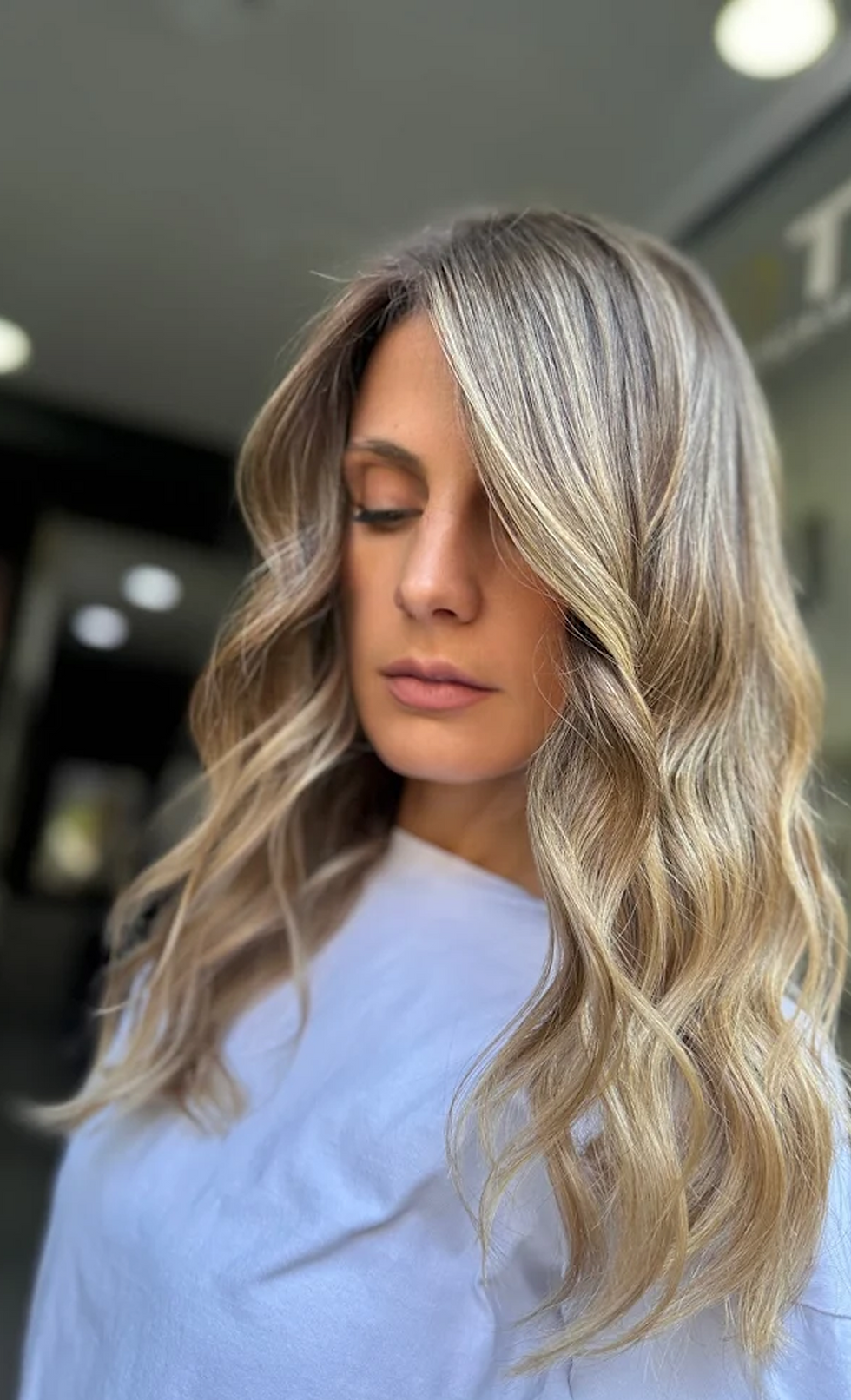
I will confess: I expected this to need more work than it does. Ash blonde base, lighter blonde highlights, a root shadow that blurs the grow-out line. Shoulder length, layers, side part, loose waves on medium-density wavy hair. The highlights are soft and blended, no harsh streaks, so when the ash tone fades it fades evenly. The honest downside is the root shadow: it buys you time, but by week ten the ash base starts pulling drab. A purple shampoo once a week keeps it wearable. Otherwise, this is the lowest-maintenance blonde I have seen at this length.
Layers Visual Idea
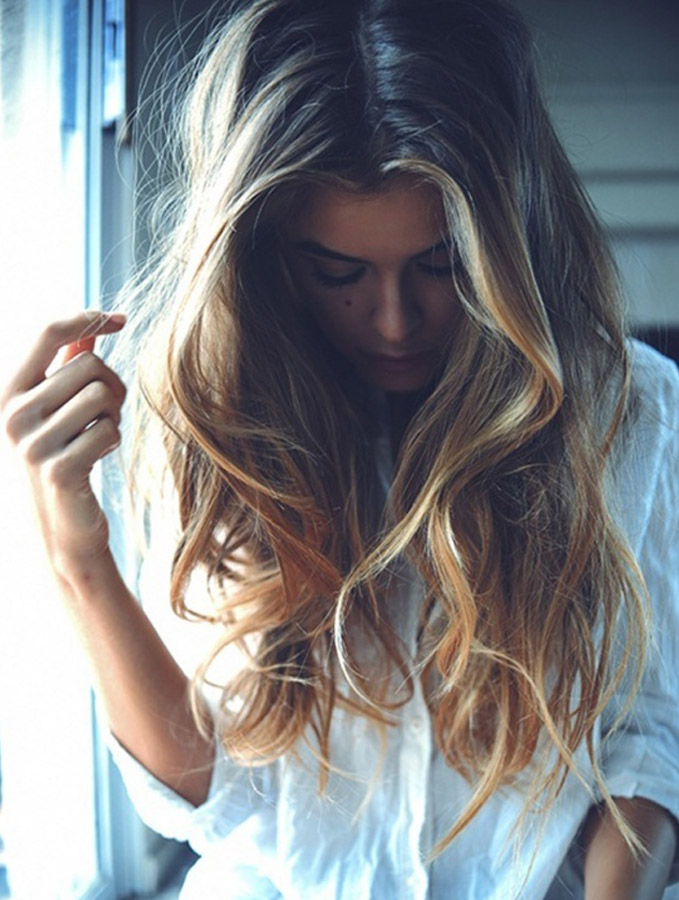
I had to look twice. This is not your average balayage, the dark brown base stays deep at the roots while blonde highlights sweep through the mid-lengths and ends, creating a contrast that looks expensive. The layers add movement, the wavy texture softens the line, and the middle part keeps it symmetrical. Traditional balayage starts light at the roots; reverse balayage starts dark and builds light outward. That is why this blend looks so dimensional, and why it is harder to fake at home. A DIY kit will give you muddy tones and uneven placement. Reverse balayage, done right, means the stylist paints the darker sections first, then lightens selectively around them. It demands precision, a steady hand, and an eye for depth. If you want this look, book the chair.
The comparison is clear: a root smudge blurs the line, but reverse balayage creates a gradient that shifts gradually. The result is a low-maintenance grow-out, the dark roots blend naturally as they come in. That is the payoff for the salon time. The layers and wavy texture keep it from looking flat, and the mid-back length shows off the color transition. For thick hair, this technique adds dimension without bulk. A solid choice for anyone who wants a rich, lived-in color that grows out gracefully. Skip the box dye; this one needs a pro.
Visual Idea — The Back View Of Thick
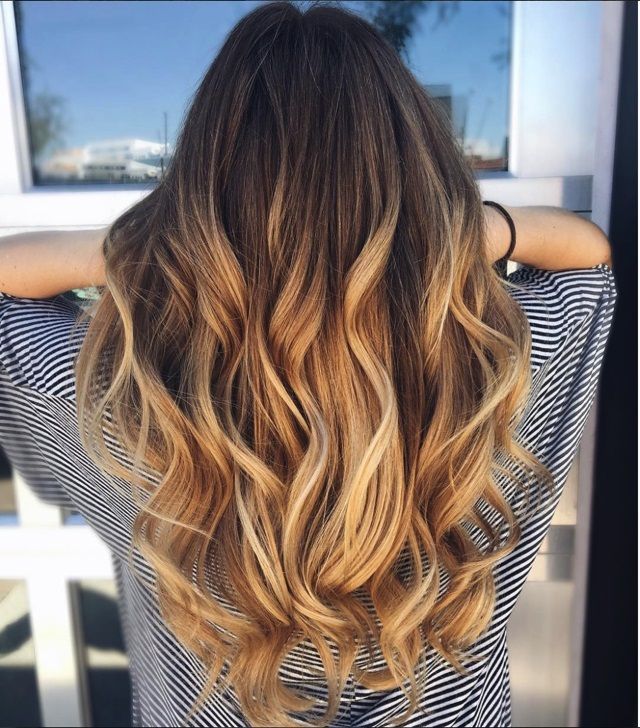
This one is for warm undertones only. The copper and blonde highlights glow against dark brown hair, but if your skin reads cool, the warmth can clash. That said, on the right person, it is dimensional. The back view shows the dimension, loose waves catch the light, the reverse balayage technique places the lighter pieces deeper in the hair, so the richness builds from the inside out. The honest downside: copper tones fade fast. Without a toning shampoo, they will turn brassy within three washes. If you are not ready for that maintenance, skip this one.
The thick texture holds the waves well, and the mid-back length gives the color room to travel. But the upkeep is real: a toning shampoo every other wash, and a gloss treatment every four to six weeks. This is not a set-it-and-forget-it color. If you love warm tones and have the time, go for it. Otherwise, pass.
No Bangs Visual Idea
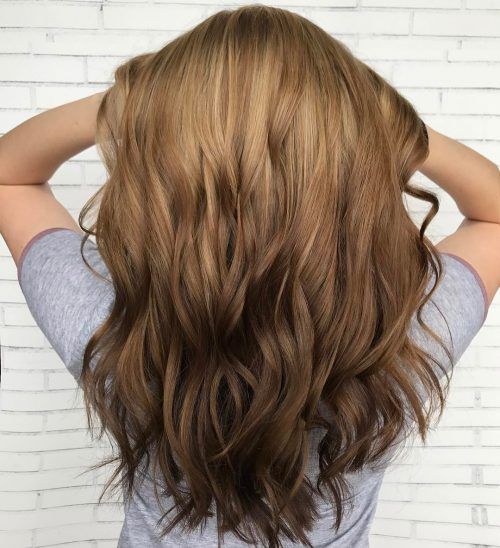
How much time are you willing to sit in a chair? This gradient effect, dark roots melting into lighter ends, takes about three hours minimum. The reverse balayage technique requires the stylist to map the dark sections first, then feather the lighter pieces around them. The result is a smooth transition that visually elongates the hair. It works on round faces because the vertical gradient draws the eye down. On square faces, it softens the jaw. The cost is in the precision, not the product. If you want that slow fade, plan for a long appointment.
Final Thoughts
After 27 of these, the salon-chair sighting makes more sense. What I did not expect: the darker versions made the blonde look brighter, not duller. If I book anything next, it’s the dark brown base with caramel and ash blonde tones, because my roots showed at week five and I want six calm weeks instead.