Trendy Hairstyles for Women Over 30 – 2027 Edit
Trendy hairstyles for women over 30 – 2027 is most useful when treated as a decision guide, not a rulebook. The point is to compare references against your real routine, the amount of polish you prefer, and the kind of proportion that feels balanced for you. A strong choice should give you clearer language for a consultation and a better sense of what feels wearable beyond one saved reference.
A trend reference can help when it gives you vocabulary for personal fit, not when it pressures you into a change that does not match your day. Think about maintenance comfort, how much effort you are willing to repeat, and whether you want a softer or more controlled impression. That approach makes 2027 inspiration practical because it turns browsing into a focused edit of priorities, boundaries, and styling expectations.
Auburn Curled Ponytail With Lifted Back Shape
This auburn style is viewed from the back, where the hair gathers high and opens into loose curled ends instead of a closed bun. The warm red-brown color makes the folds easy to follow, especially where the smoother upper surface turns into separated pieces. It reads as a ponytail-updo hybrid because the center is secured, but the lower strands keep a softer hanging line.
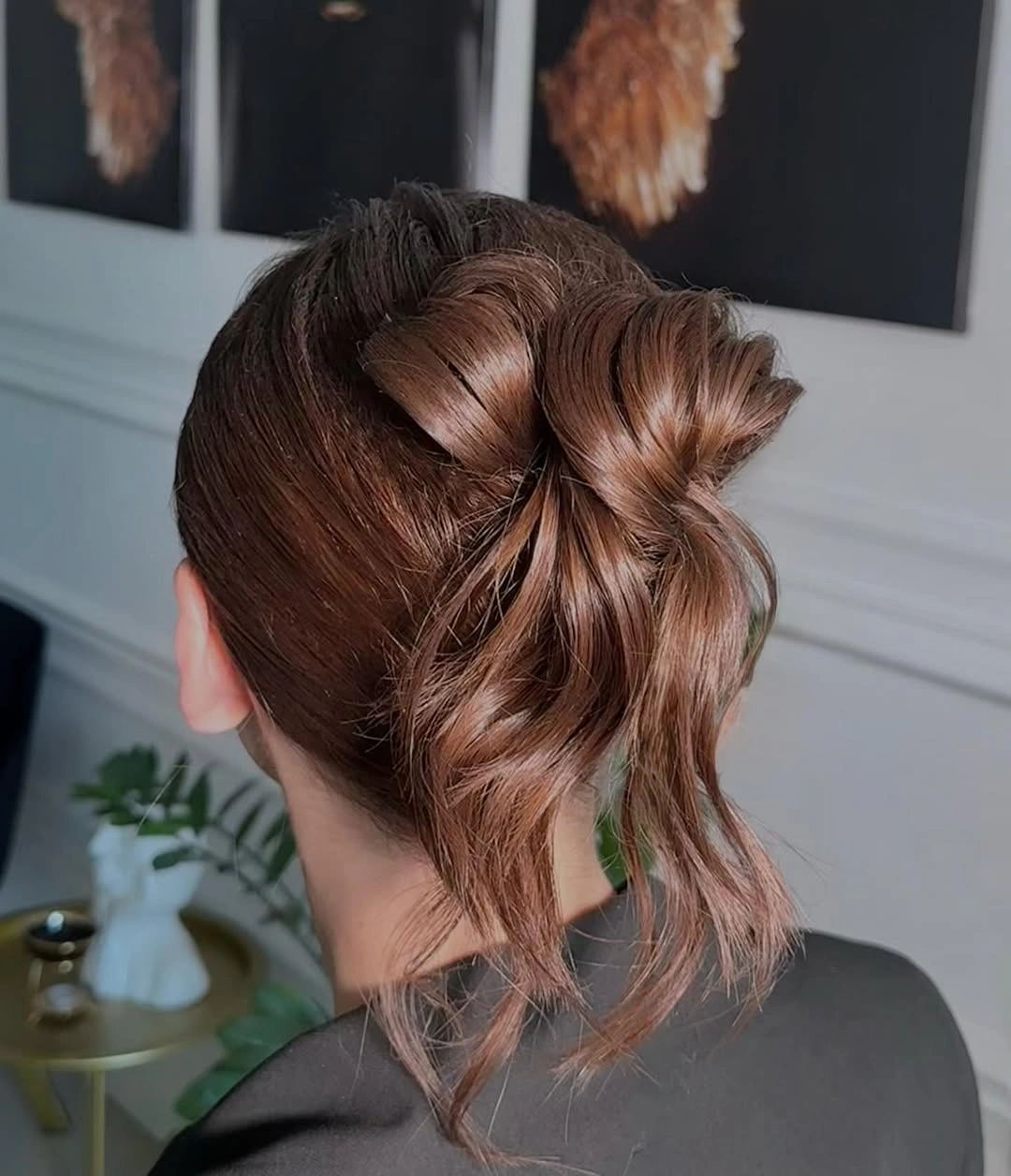
The most useful detail is the contrast between control and release. The gathered section creates height and a clear focal point, while the loose ends break away in different directions near the nape. That mix lets the style feel shaped without hiding the movement, so the reader can see how pulled-back hair can still carry visible curl and texture.
This is a strong first reference for new hairstyle looks for women over 30 because the shape does not depend only on length. The interest comes from where the hair is gathered and how the curled ends are allowed to stay visible.
Long Dark Waves With Smooth Upper Shape
This style keeps the hair fully loose, with long dark-brown waves falling from a smoother upper area into broad bends through the back. The crown and upper lengths look calm compared with the lower movement, which helps the shape feel deliberate rather than random. Because the view is from behind, the main story is length, shine, and the scale of each wave.
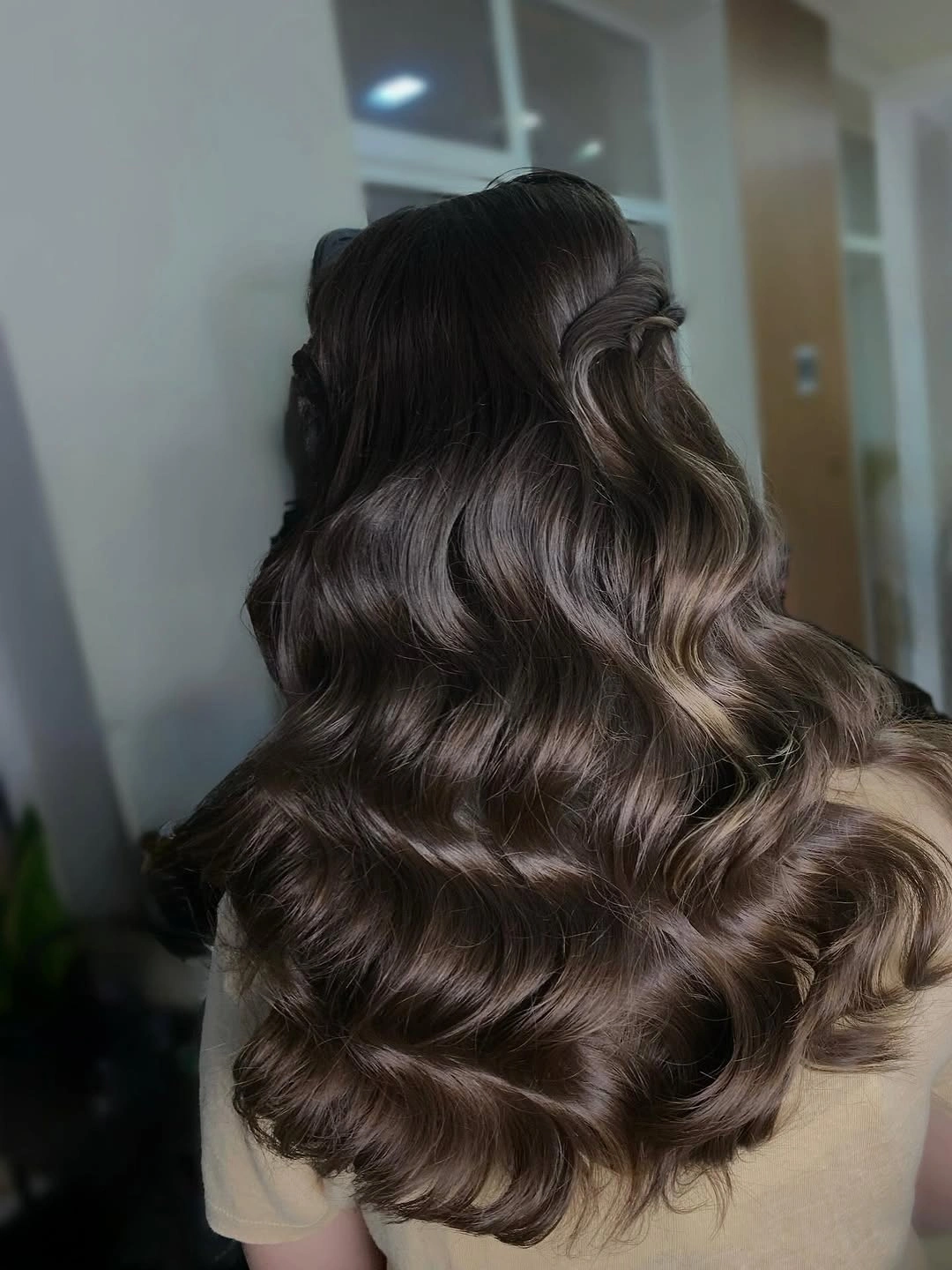
What separates this from a simple long-hair reference is the way the wave pattern widens as it moves downward. The upper section stays close to the head, then the bends become fuller through the middle and ends. That spacing gives hairstyles for women over 30 with long hair a useful visual lesson: the same length can look very different depending on whether movement starts high or lower.
The useful focus is wave scale rather than claims about thickness or styling process. A smooth top can frame a fuller waved finish without making the length look static.
Braided Black Ponytail With Loose Waves
This black pulled-back style uses a braided section as the organizing line before the hair opens into a wavy ponytail. From the side-back view, the braid sits through the center of the upper shape, while loose waves form the tail below. A curled piece near the face adds softness, but the main structure still comes from the braid-to-ponytail transition.
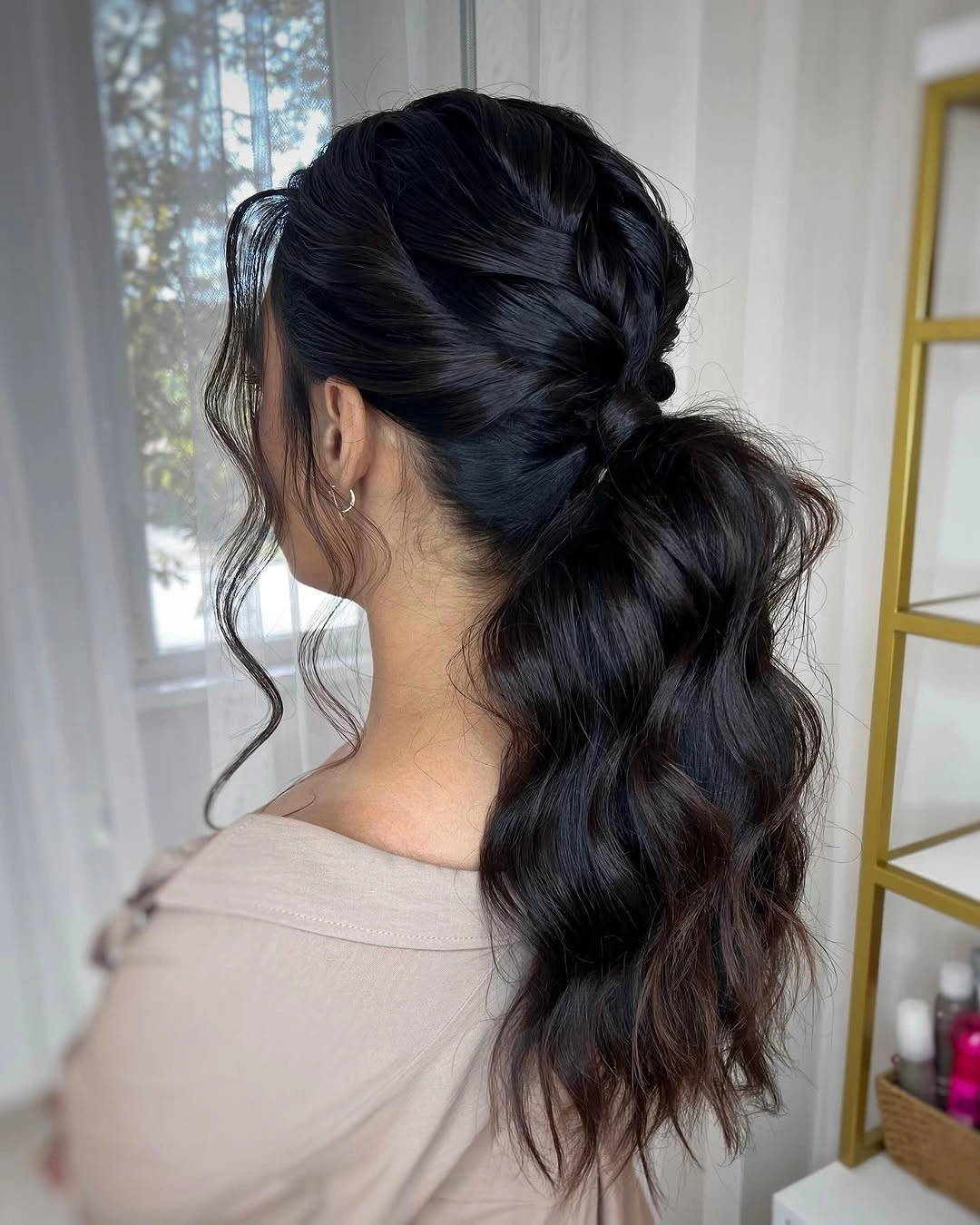
The useful comparison here is between a smooth gathered base and a textured tail. The upper area looks pulled together around the braid, then the lower length becomes fuller, darker, and less compact. That makes the style different from both a plain ponytail and a full braid, because the braid sets direction while the ponytail keeps the movement.
The interpretation stays with the visible line of the braid, not an exact named technique. One central detail changes a long wavy ponytail without replacing its softness.
Soft Warm Brown Low Bun With Loose Pieces
This warm-brown low bun sits close to the nape, with the hair gathered into a soft knot rather than a tight polished roll. Loose pieces curve around the edges and below the bun, giving the back view a less rigid outline. The shape matters because it keeps the hair controlled at the center while letting small strands loosen the border.
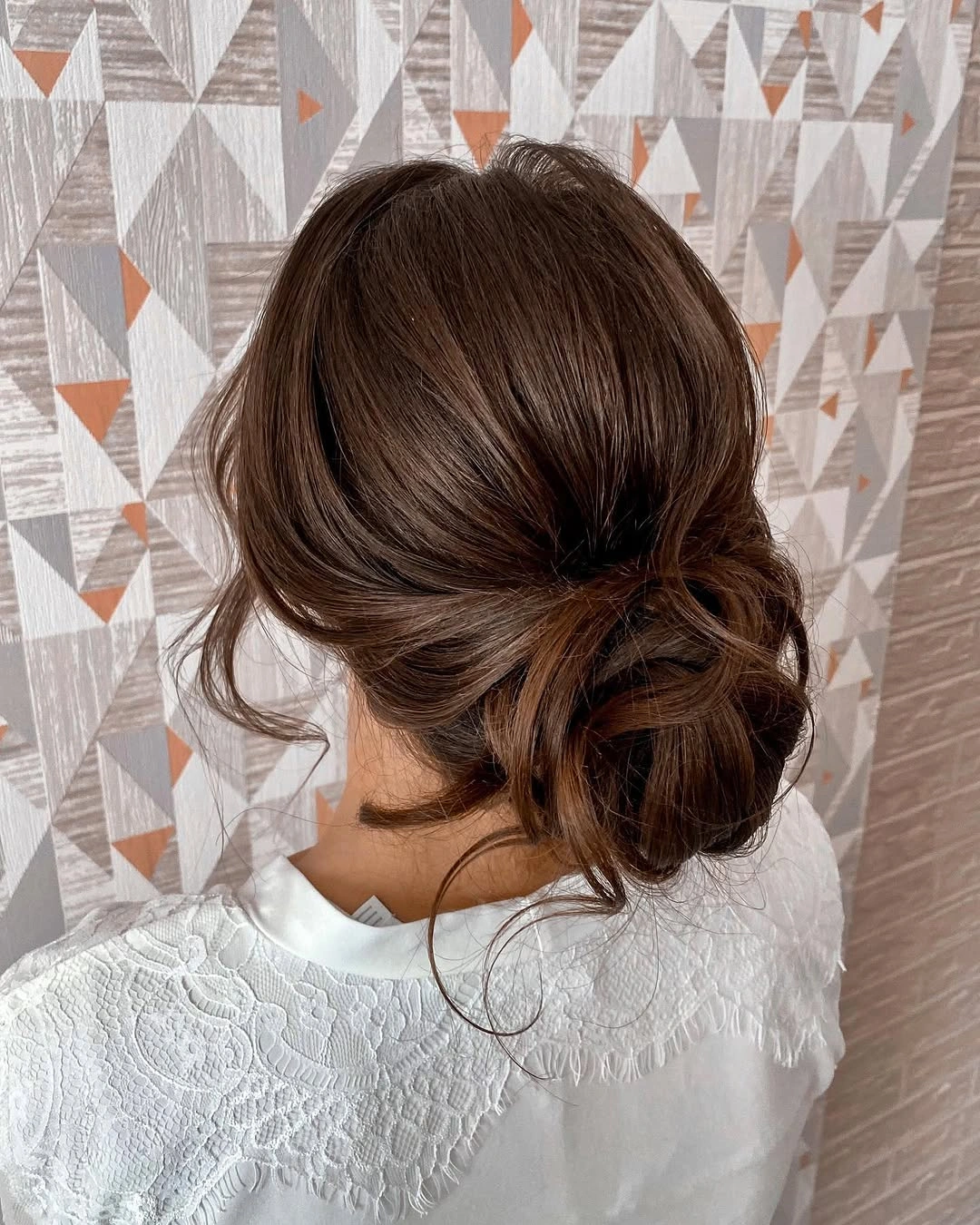
Compared with the sleeker bun that follows, this one is built around visible softness. The crown area is shaped but not glassy, the knot has uneven curved edges, and the strands around the neckline keep the finish from looking too closed. That balance makes the style useful for readers who want a low bun idea that still shows movement.
The insight is controlled looseness, not a claim that the style was effortless. A few visible flyaway-looking pieces and curled ends change the mood of the whole gathered shape.
Sleek Low Brown Bun With Compact Shape
This low brown bun creates a clean nape-level shape, with the surface pulled back smoothly into a compact gathered knot. The back view shows a clear center point above the bun and a neat rounded form below it. A single loose curl near the side softens the outline, but the overall impression comes from the controlled surface and close placement.
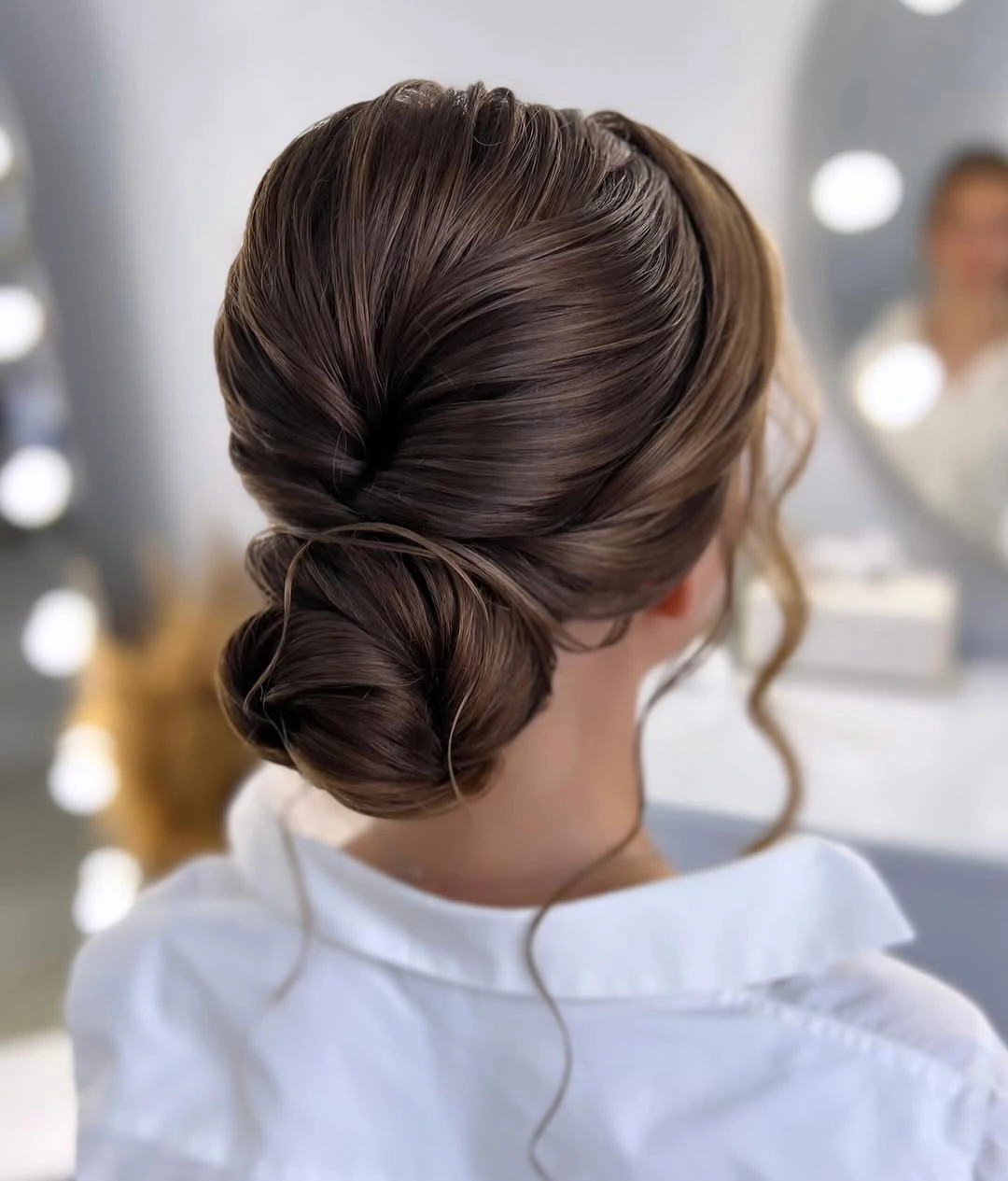
The difference from the previous low bun is important because both styles use similar placement but opposite finishes. Here, the smooth top carries the eye directly to the compact bun, and the knot stays close to the neckline instead of opening into loose edges. That makes it a strong example of easy-looking hairstyles for women over 30 because the appeal comes from visible simplicity.
The look does not need a quick-styling claim to feel useful. Its value is the visual lesson: a low bun can feel structured through surface direction, bun size, and a carefully placed loose strand.
Long Blonde Waves With Front Volume
This front-facing blonde style is built around large waves that sit close to the face before opening through the lower length. The pale color makes the curved sections easy to separate, especially where the bends stack over the shoulders. Instead of reading as one flat sheet of hair, the length forms a rounded outline with visible lift near the side part and fuller movement below.
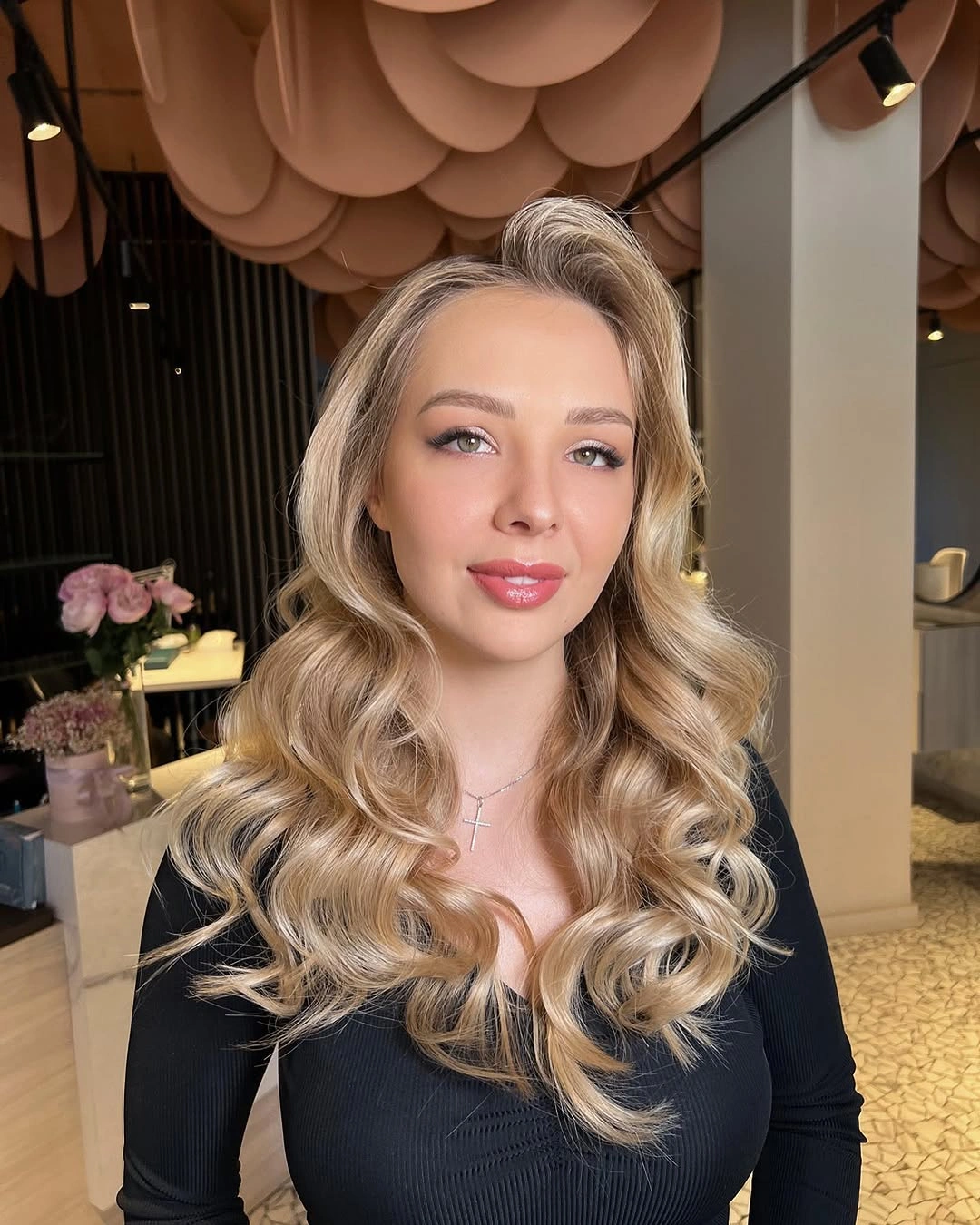
The useful detail is how the wave size changes the way long hair occupies space. Broad curls make the lower half look expansive in shape, while the upper area stays more controlled around the crown and part. For hairstyles for women over 30 with long hair, this reference helps the reader compare volume placement through visible proportion, front framing, and the rhythm of the waves.
The style is less about having length alone and more about how the front waves frame the upper body. The large bends give the hair a clear rhythm from the face-adjacent pieces down to the ends.
Sleek Blonde Ponytail With Soft Tail Movement
This blonde ponytail is seen from the back, where the top surface lies smooth and close before the hair gathers into a low, clean base. The tail falls in one long section, but the lower length has a soft wave rather than a rigid straight drop. That makes the hairstyle feel visually simple while still giving the eye something to follow through the pale tail.
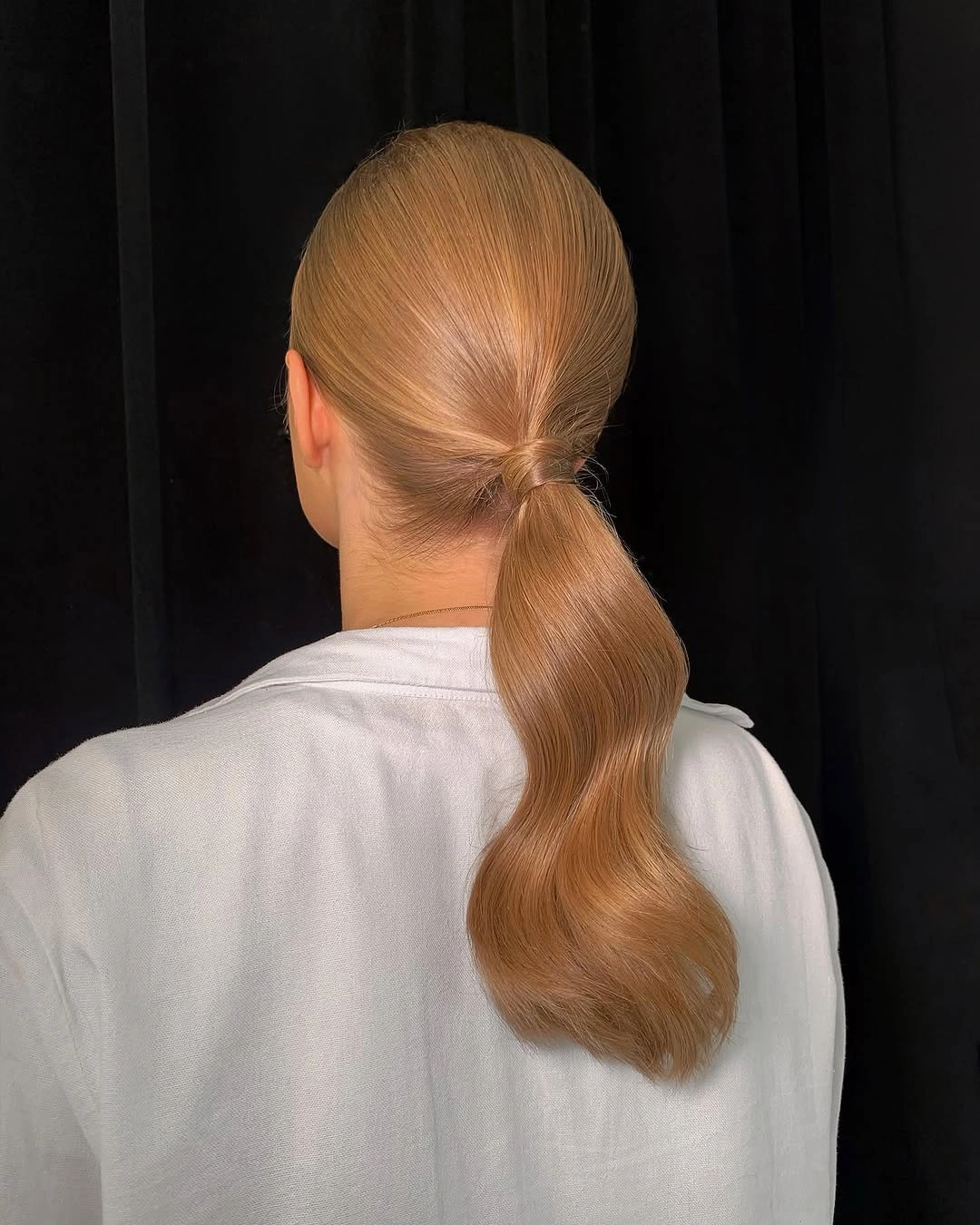
The main decision is the ponytail line. A smooth crown keeps the upper shape quiet, and the gathered base creates a precise transition into the tail. Because the movement is concentrated below the tie, this is a useful everyday hairstyles for women over 30 reference for readers comparing pulled-back hair by placement, surface, and the amount of motion left in the length.
The visual ease comes from the clean separation between the sleek head shape and the softer tail. No quick-styling claim is needed for the idea to work.
Sharp Brown Bob With Straight Profile Line
This brown bob is the clearest short shape in the set, shown in profile with a straight, geometric-looking outline. The ends fall around the lower face and neck area, creating a clean horizontal edge instead of curls or loose waves. Its warm dark-brown tone keeps the surface simple, so the section can focus on the cut line and the compact shape.
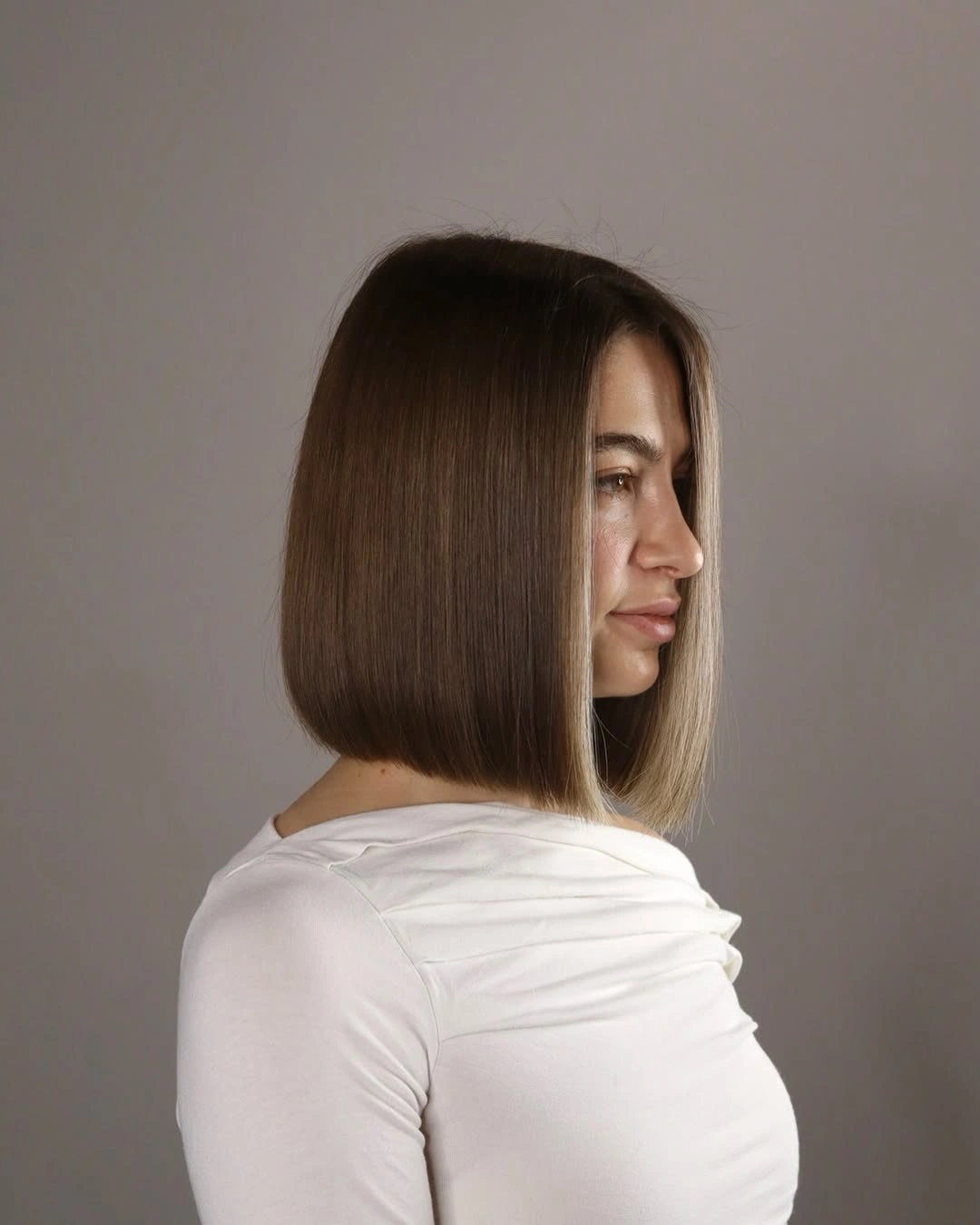
The strength of this bob is that the structure comes from the perimeter, not from decoration or a gathered detail. The side view shows how the front length and back line connect in one smooth shape, while the straight finish makes the edge easy to read. As a home for bob hairstyles for women over 30, its useful signals are visible length, controlled surface, and the sharpness of the outline.
This image gives the article a cut-based contrast after several pulled-back and long styles. It shows how a short hairstyle can make a strong point through proportion alone.
Straight Brown Hair With Slim Side Accent
This long brown style stays mostly straight and smooth, with a slim side braid or decorative linear detail running near the part. The small accent stands out because the surrounding hair has a calmer vertical fall. From the angled view, the detail does not change the overall length, but it creates a visible line that draws attention near the front section.
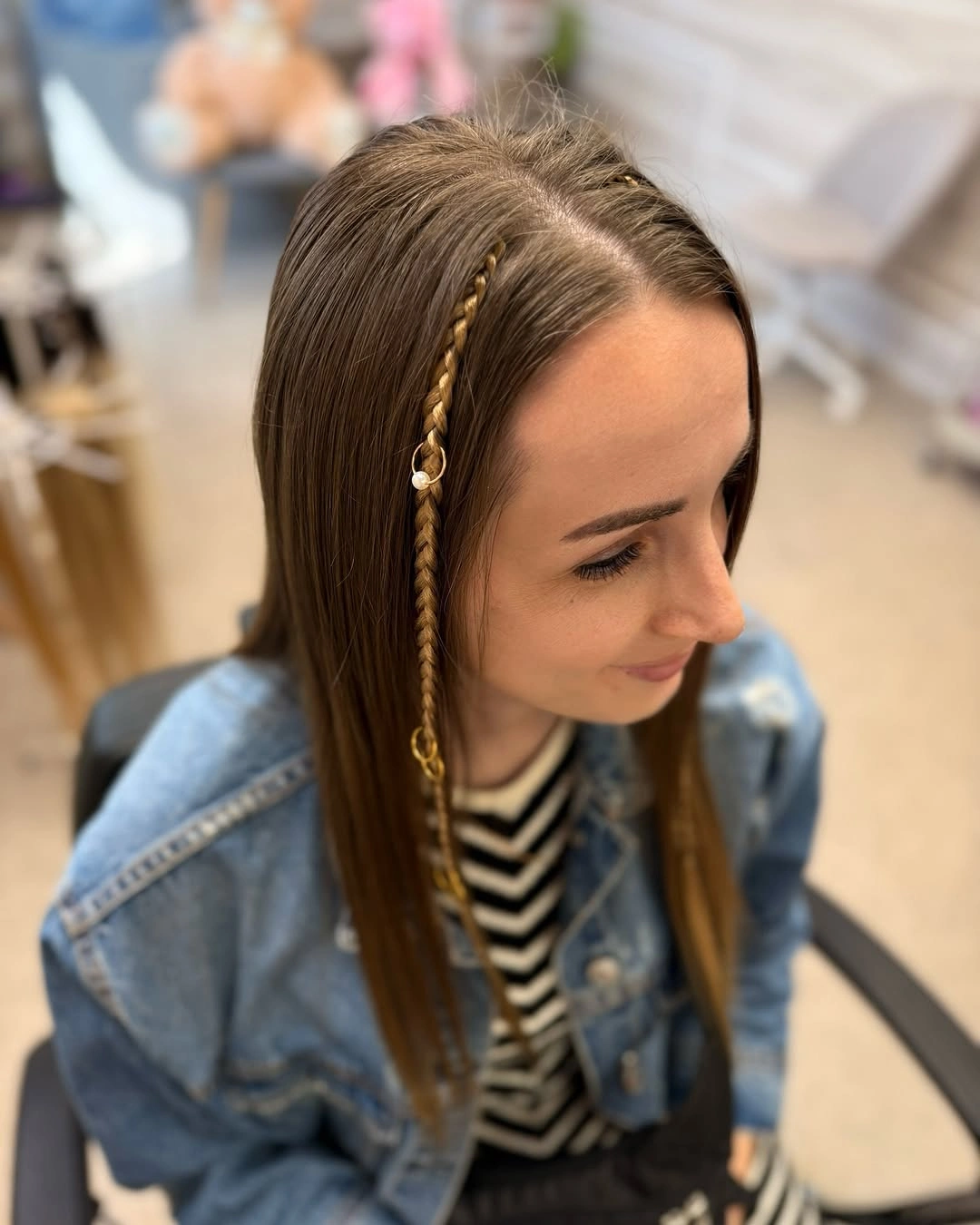
The useful lesson is scale. A narrow braid-like feature can shift the focus of straight hair without turning the entire hairstyle into a heavily decorated look. The side placement also keeps the accent close to the face-adjacent area, which makes the eye move from the part down through the length while the rest of the hair remains simple.
This is a strong reference for readers who notice small changes more than dramatic reshaping. The hairstyle depends on contrast between a slim accent and a smooth long surface.
Long Brown Half-Up Waves From Behind
This warm-brown style is viewed from the back, with the upper section gathered while the rest of the hair falls in long waves. The half-up placement creates a clear horizontal break near the crown, then the lower length continues with loose curved movement. That separation lets the hair look organized without removing the sense of length through the back.
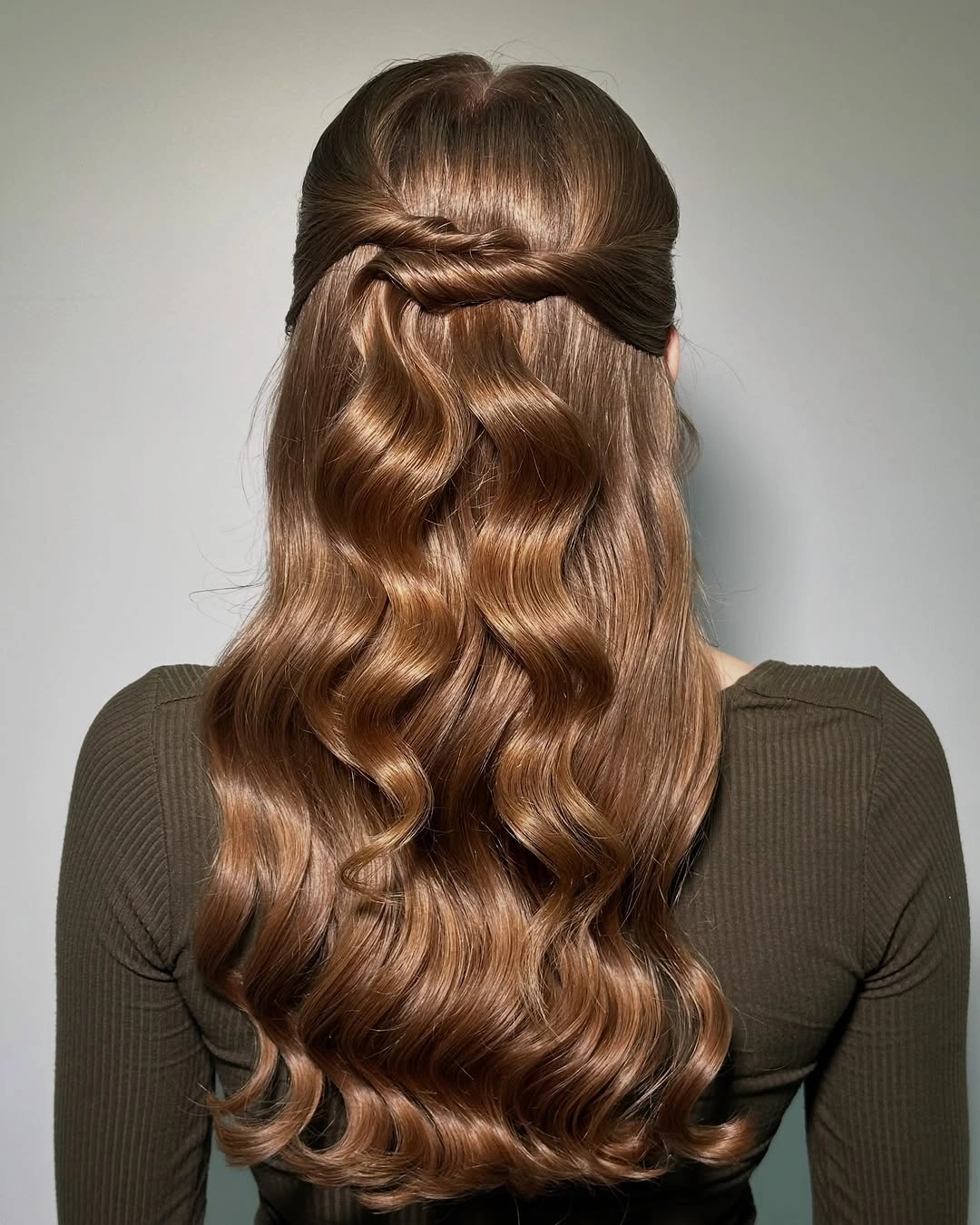
The most useful idea is how the half-up section changes the outline of long waves. Instead of all the hair falling from the crown in one mass, the gathered top creates a smaller focal point before the waves spread downward. For hairstyles for women over 30 with long hair, this gives a practical way to compare loose hair with ponytails, because it borrows structure from both without becoming either one.
The style keeps length visible while adding control at the upper back. Its value is the division between a secured crown area and flowing waved ends.
Long Dark Curls With Front Framing
This front-facing style centers on long dark curls that move around the face and continue through the visible length. The curls do not fall as one smooth sheet; they create separate bends, shadowed curves, and a fuller outline near the shoulders. Because the view is from the front, the strongest visual point is how the curls frame the upper area while still showing extended length.
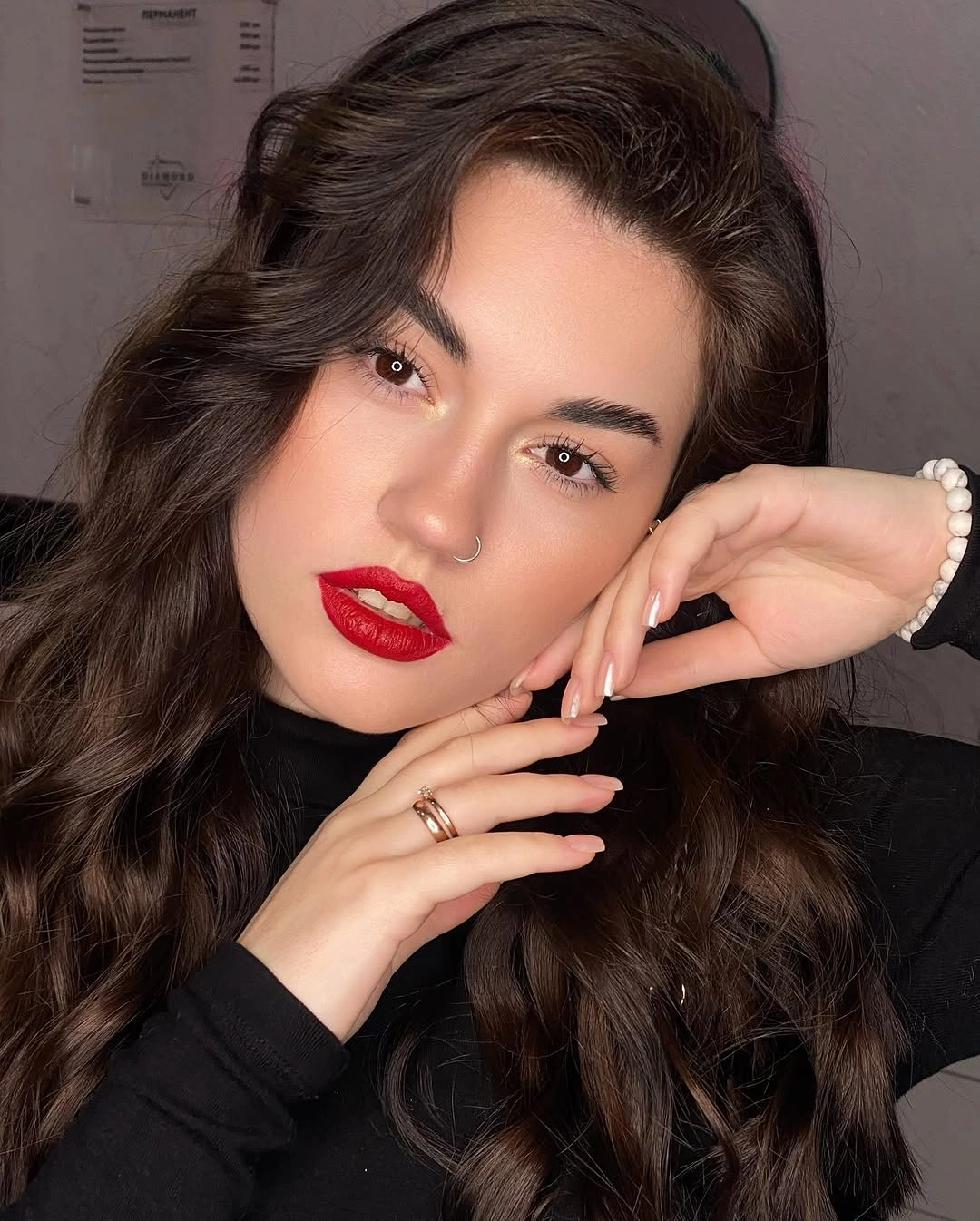
The useful distinction here is curl placement rather than any claim about hair type or density. Some pieces sit close to the face, while others fall outward and downward, giving the style a layered-looking rhythm without proving the underlying cut. For readers comparing hairstyles for women over 30 with long hair, this image shows how dark curls can create shape through direction, spacing, and visible movement.
The style works as a long-hair reference because the curls build the outline from the front. Its impact comes from visible curve and placement, not from a guessed technique.
Sleek Low Ponytail With Decorative Clip
This dark low ponytail is viewed from the back, with the upper surface pulled smooth and the gathered point sitting near the nape. A decorative clip is placed close to the tie, adding a bright detail against the darker hair. Below that point, the ponytail curves outward and down, so the style does not rely only on a sleek surface.
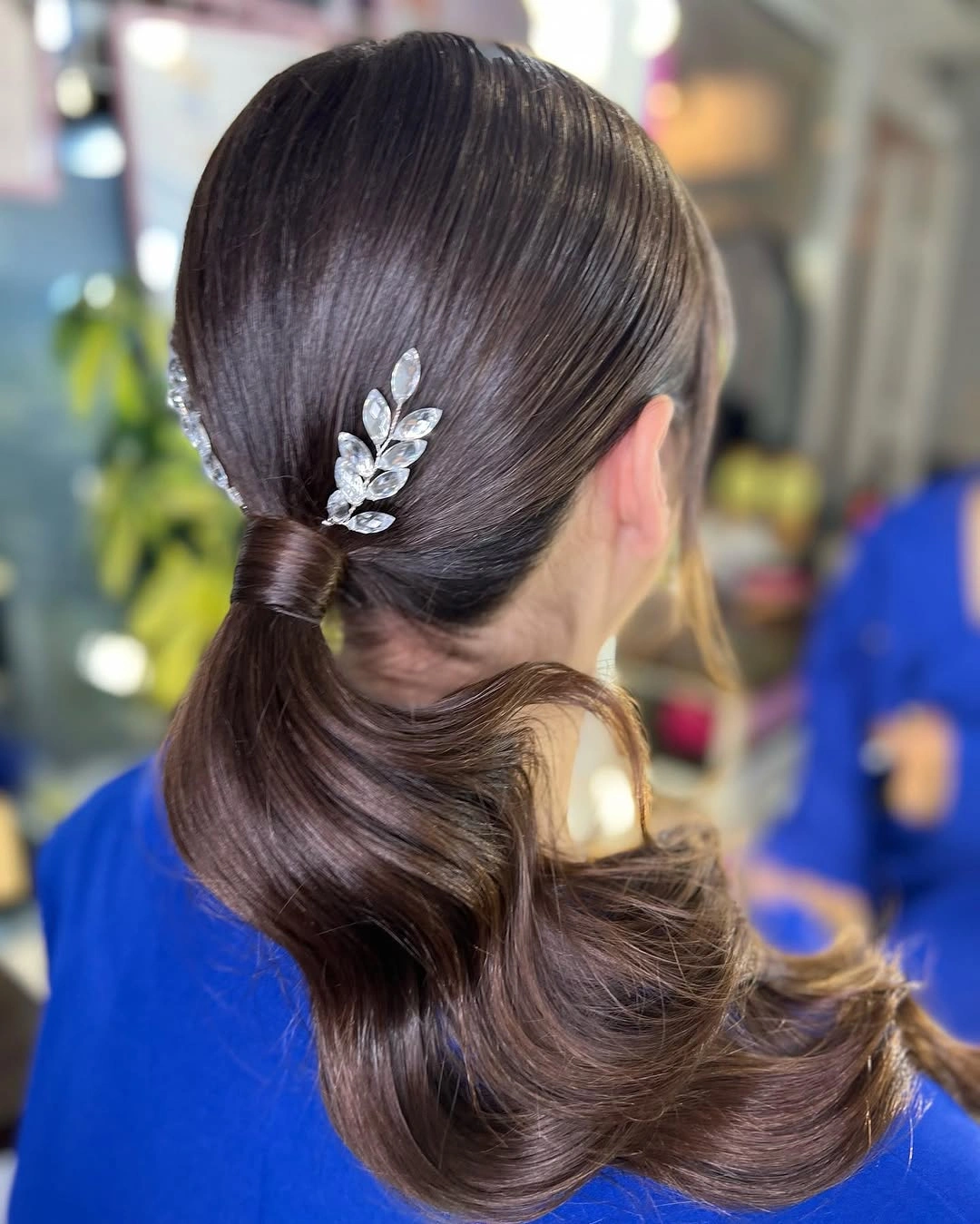
The accessory placement is the main visual decision. It sits where the smooth head shape changes into the ponytail, which makes the gathering point feel intentional and easy to locate. The lower curve of the tail then adds movement beneath that polished area, creating a clear contrast between the controlled top and the softer length.
This section should focus on how one small detail changes the read of a low ponytail. The clip becomes a marker of structure without turning the hairstyle into a fully decorated updo.
High Sleek Ponytail With Long Dark Length
This profile view shows a high dark ponytail with the upper hair pulled close to the head and the tail lifted from an elevated base. The long length drops behind the shoulder line, creating a clean vertical shape after the raised starting point. The strongest feature is height, because the ponytail begins well above the nape and changes the entire outline.
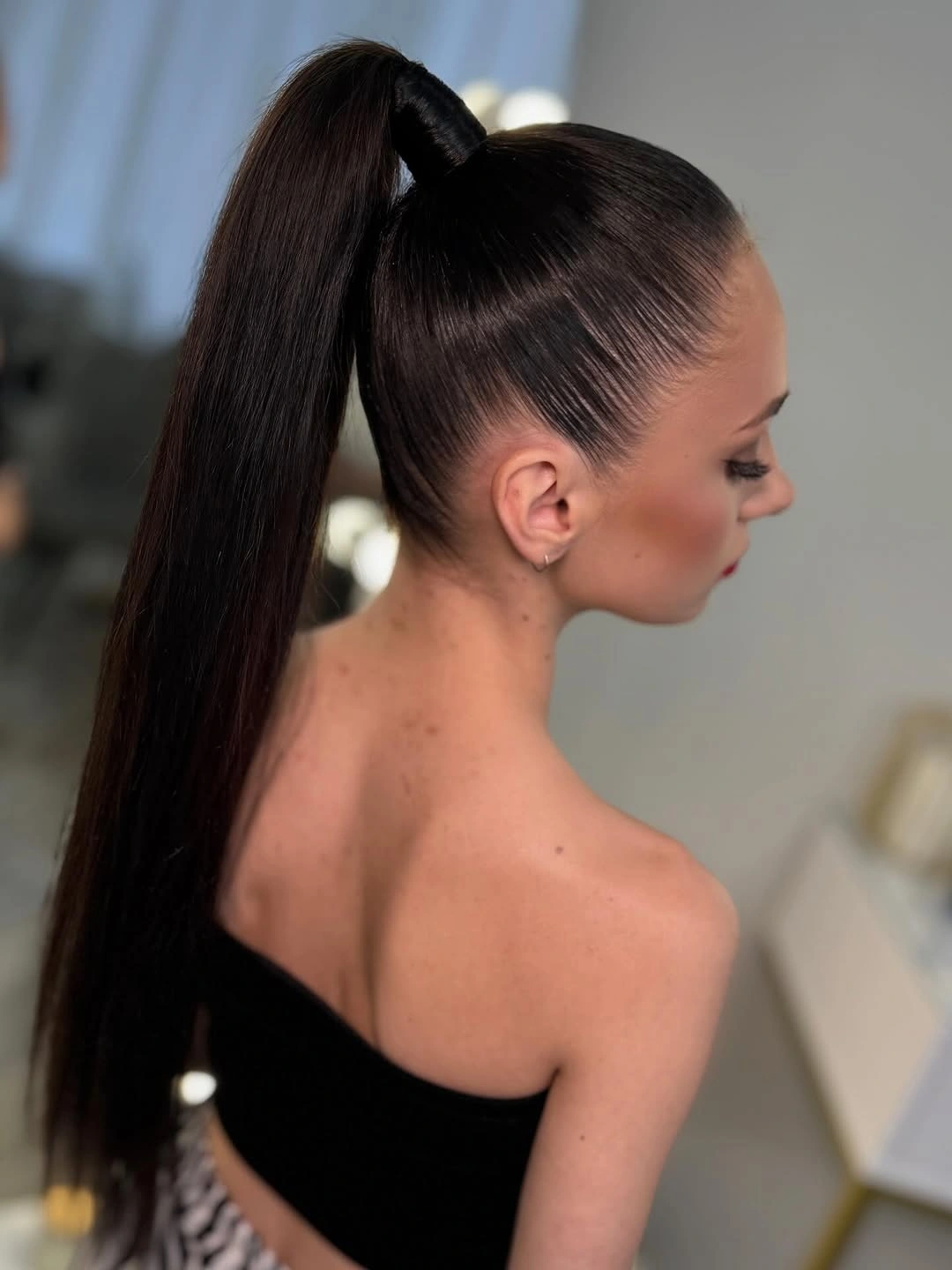
Compared with lower ponytails in the article, this style uses placement to create tension and lift. The smooth top keeps the surface controlled, while the long tail makes the profile line more dramatic without needing waves or extra decoration. That height gives the reader a clear way to compare ponytails by where they begin, not just by whether the hair is straight or curled.
The section’s point is ponytail height as a styling decision. A high base changes the silhouette before the length even becomes the focus.
Blonde Wavy Ponytail With Flowing Length
This blonde ponytail is seen from the back, with pale waves gathered at the upper back and flowing down through a long tail. The hair is pulled together at the base, but the length below stays loose enough to show repeated bends and wider movement. The contrast with a sleek straight ponytail is immediate because this one builds its shape through softness and wave width.
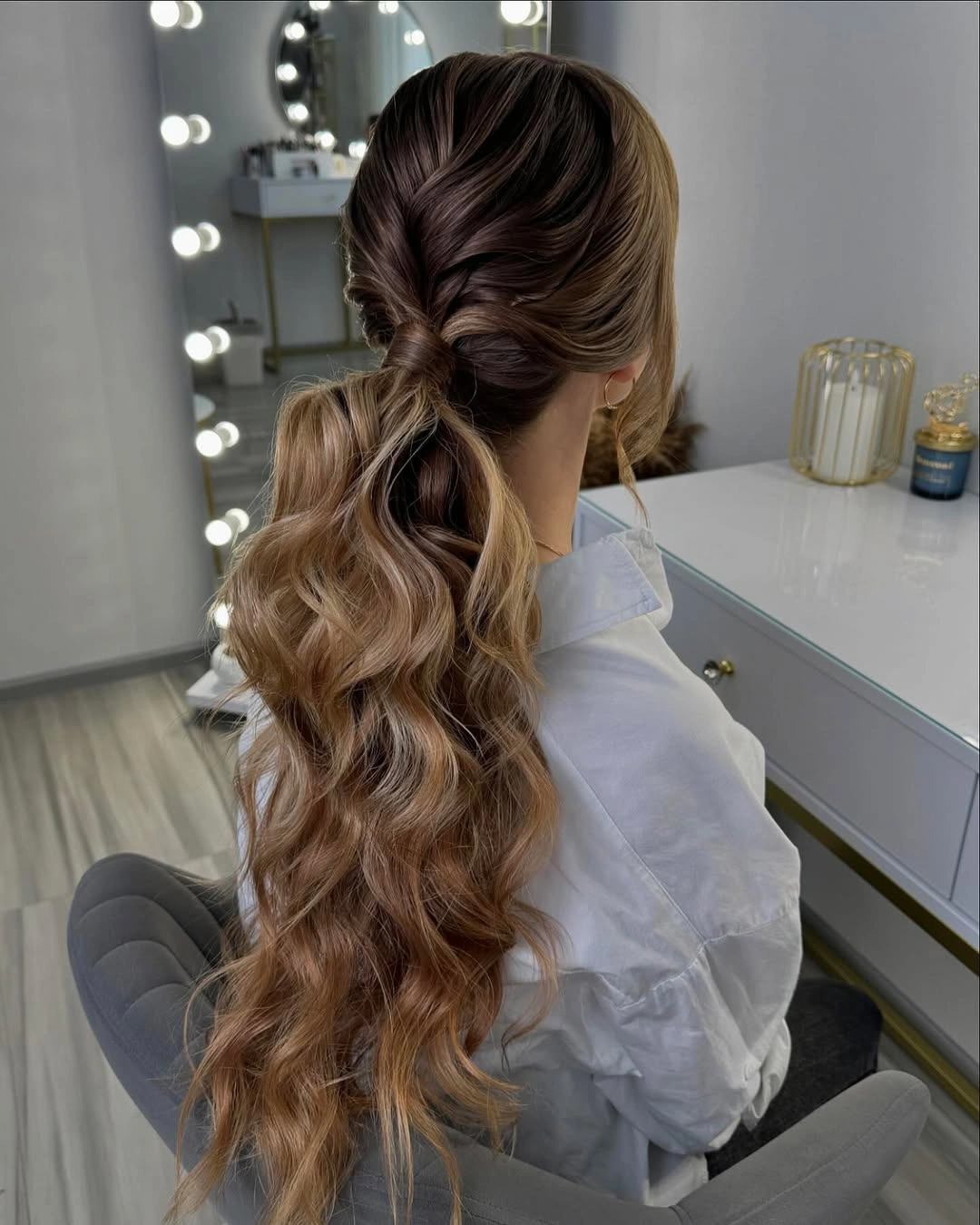
The most useful visual cue is how the ponytail expands after the gathering point. The upper section holds the hair in place, then the waves spread through the tail and make the lower half feel broader in outline. For hairstyles for women over 30 with long hair, this image shows that a ponytail can keep length visible while changing the proportion through wave scale.
The style is not just a gathered version of loose blonde waves. Its value comes from the way the tie concentrates the top and lets the length move below it.
Sleek Brown Bun With Rolled Nape Shape
This brown low bun is viewed from the back, where the hair lies smoothly across the head before folding into a compact rolled shape at the nape. The surface is controlled and reflective, making the direction of the pulled-back hair easy to read. Unlike a softer knot with loose edges, this bun has a rounded, architectural form that sits close to the neckline.
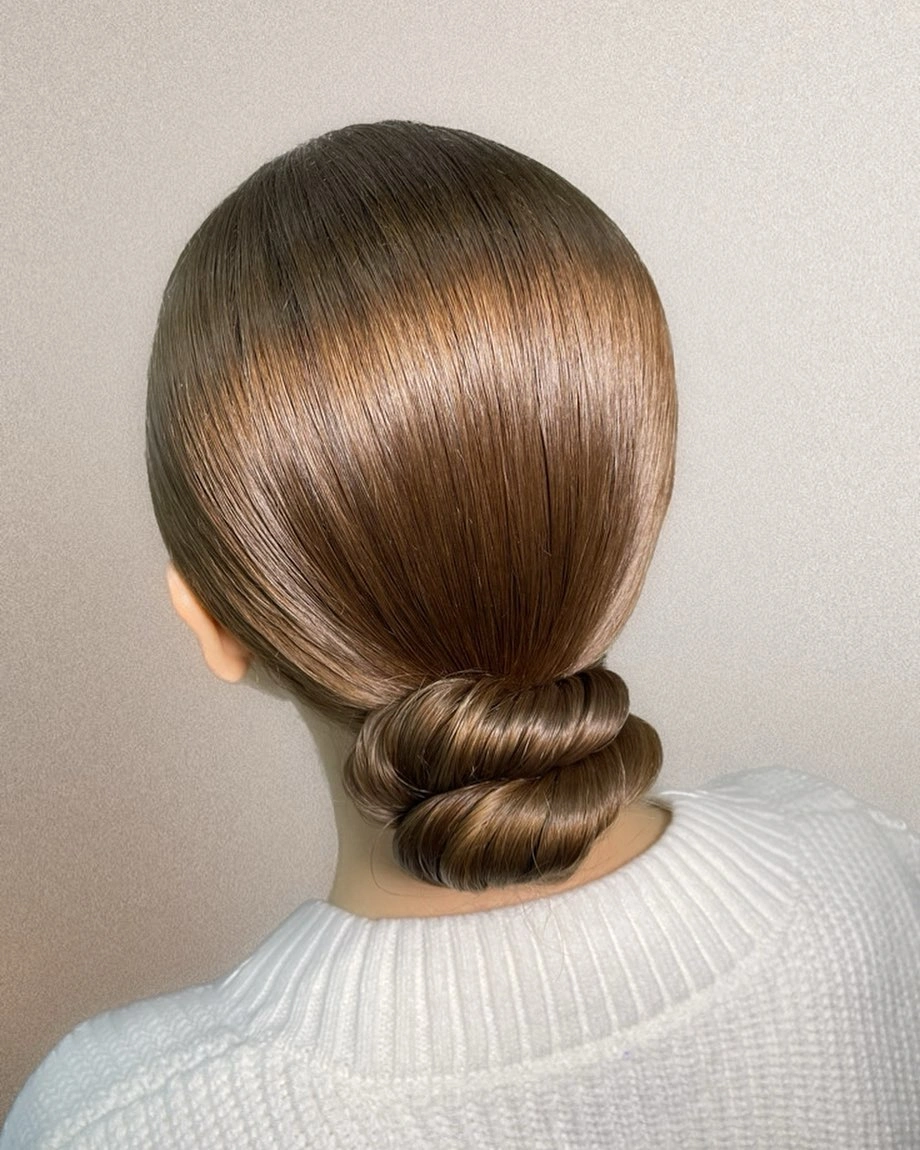
The important detail is the horizontal structure of the bun. The rolled shape creates stacked curves at the nape, while the smooth upper section keeps attention moving cleanly toward that compact finish. This makes the hairstyle distinct from the earlier low bun because the interest comes from precision, surface direction, and the bun’s sculpted placement.
The look offers a clear lesson in how a low bun can feel structured without added decoration. Shape, smoothness, and neckline placement carry the entire section.
Brown Updo With Pearl-Like Pin Placement
This warm-brown updo is shown from the back, where the hair gathers into a rounded upper section and then curves downward through smaller shaped pieces. Several pearl-like pins or bead-like accents sit along the lower movement, making the path of the style easy to follow. The interest comes from how the decoration traces the shape rather than simply sitting on top of it.
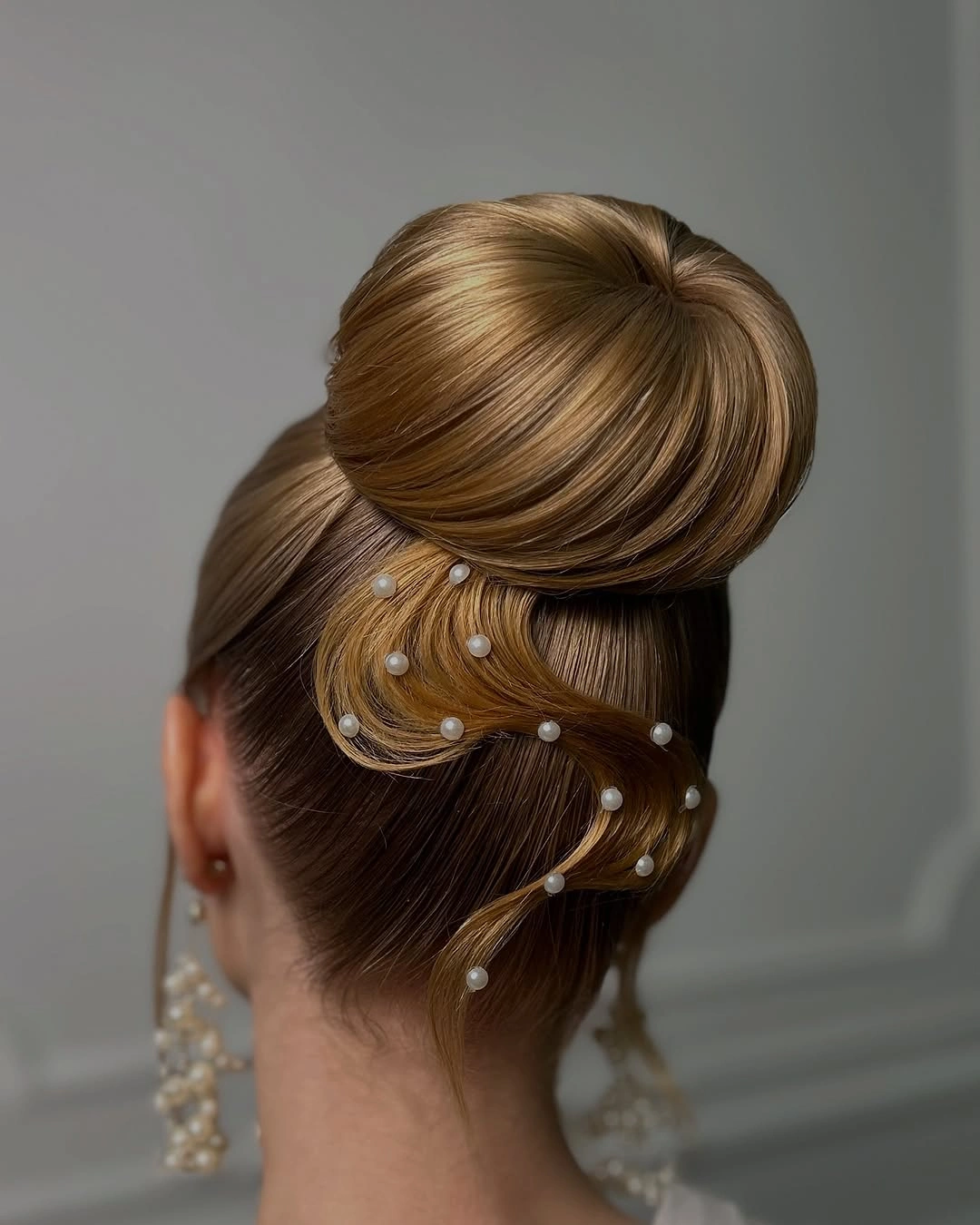
The pinned accents create a visible rhythm across the updo, especially where they move from the smooth upper area into the more sculpted lower curve. Because the hair stays gathered, the section feels compact, but the curved pieces keep it from reading as a plain bun. That makes it a strong home for new hairstyle looks for women over 30, with the idea grounded in placement and shape.
Nothing here needs an exact material claim for the pins to matter. Their visible spacing becomes part of the hairstyle’s architecture and gives the gathered back view a clear focal path.
Blonde Low Ponytail With White Ribbon Accent
This blonde low ponytail is seen from the back, where pale hair gathers below a smooth upper section and falls into long waves. A white ribbon sits at the tie, with its tails resting over the hair and against the red shoulder area of the blazer. The hairstyle keeps the length visible while making the gathering point the main visual accent.
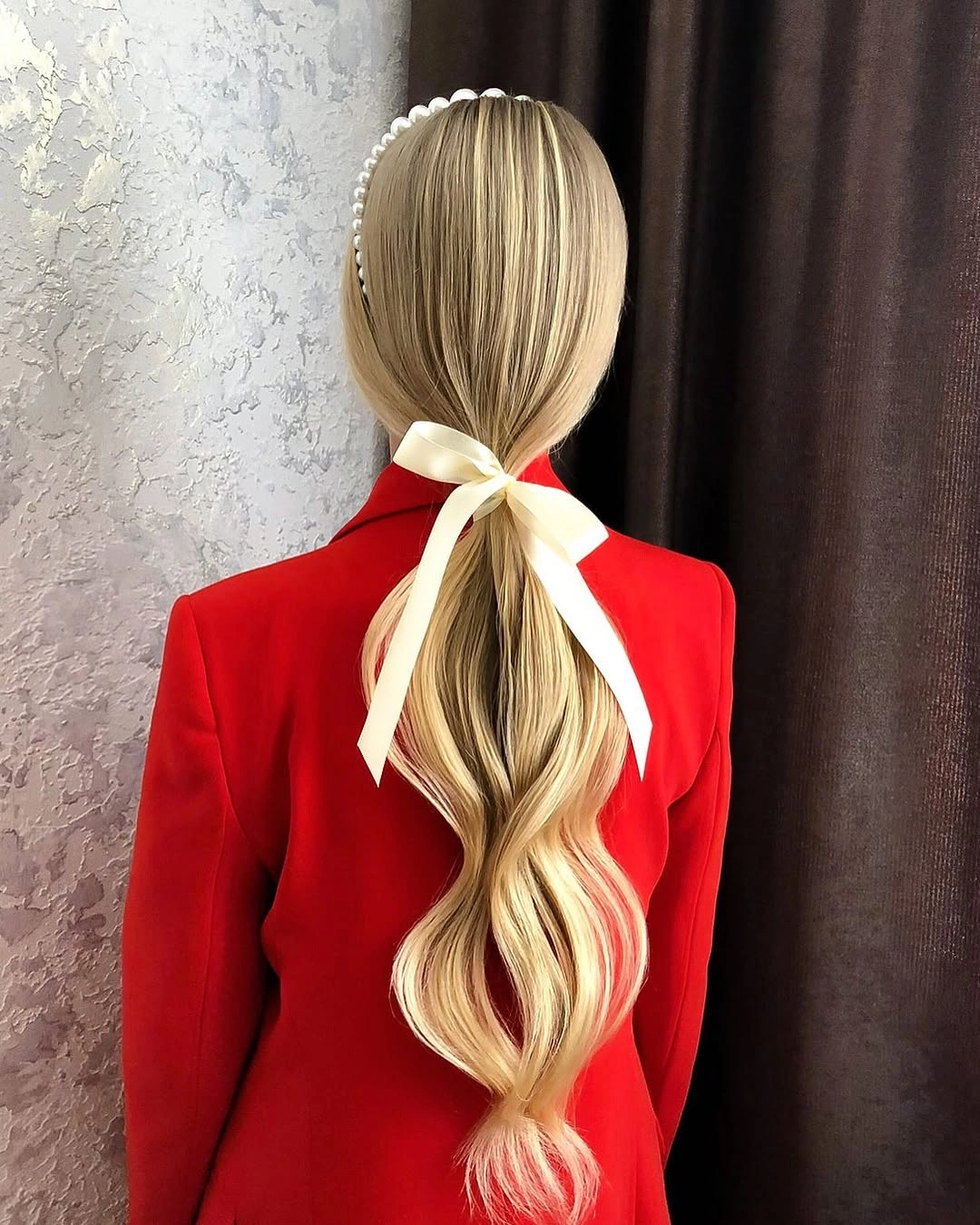
The ribbon matters because it marks the transition between the controlled top and the flowing tail. Its light color contrasts with both the blonde hair and the red garment, so the viewer reads the ponytail base before following the waves downward. The section stays about accessory placement, not a claim about occasion or fabric.
This is a useful everyday hairstyles for women over 30 reference when read as a visual idea, not a rule. A low ponytail can feel complete when the tie area has a clear accent and the length still moves below it.
Long Braided Ponytail With Sleek Profile
This profile view is dominated by a long dark-brown braided ponytail that begins from a smooth pulled-back upper section. The braid continues through most of the visible length, creating one repeated woven line from high placement down the back. Because the tail is so continuous, the hairstyle reads as a vertical structure rather than a loose cascade.
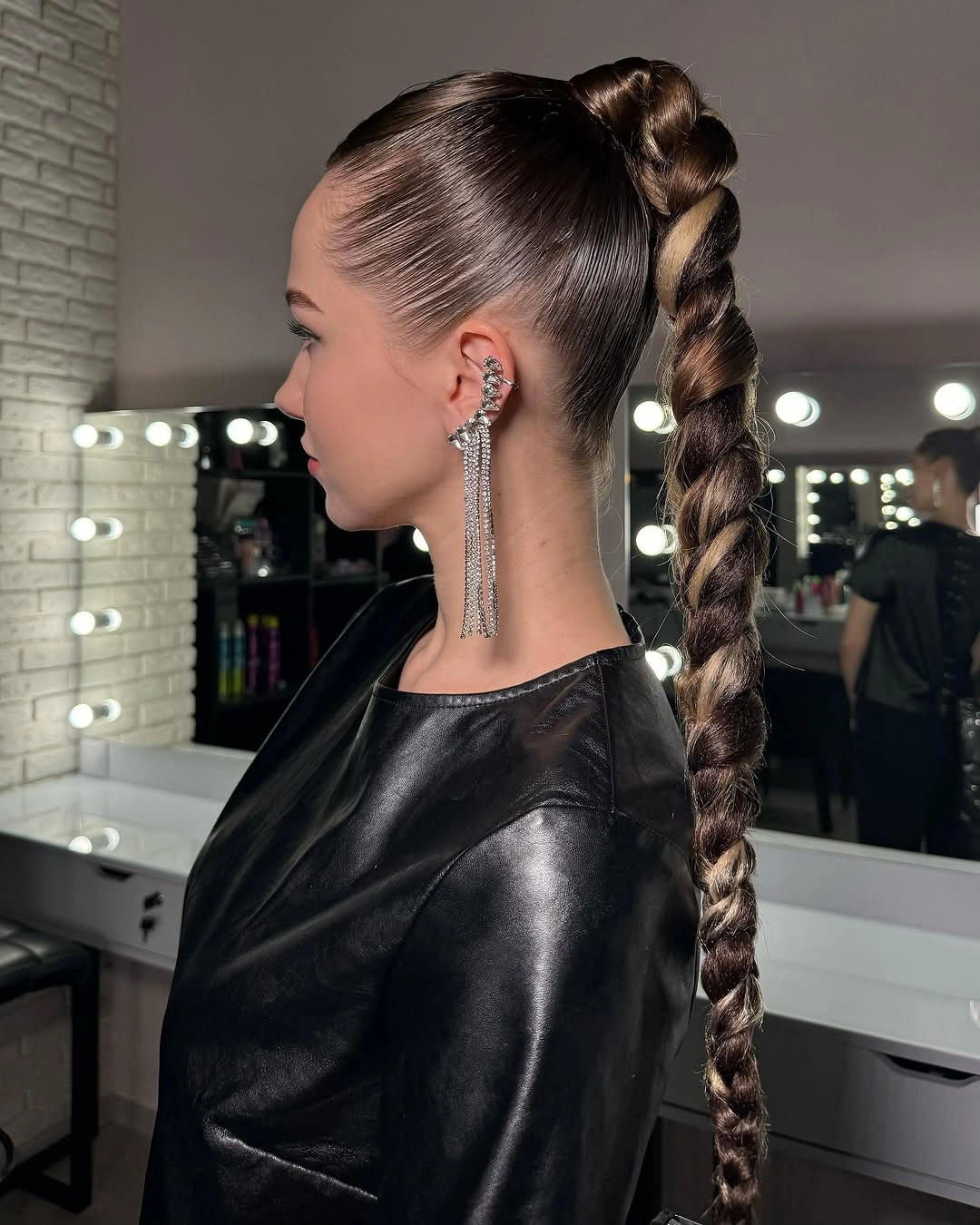
The useful detail is how the braid turns texture into the main shape. The upper hair stays close to the head, then the braid becomes the full visual path, with repeated sections that make the length easy to follow. This keeps the focus on visible structure and avoids guessing an exact braid name or styling process.
For hairstyles for women over 30 with long hair, this image shows how a braid can dominate the silhouette. The length is important, but the repeated line is what gives the style its strongest identity.
Blonde Half-Up Waves With Small Top Knot
This side-view blonde style divides the hair into a small top knot and loose waves that fall below it. The upper knot adds height near the crown, while the pale curled length continues around the face and shoulder area. The split is easy to read because the top section is compact and the lower section stays soft, open, and visibly curved.
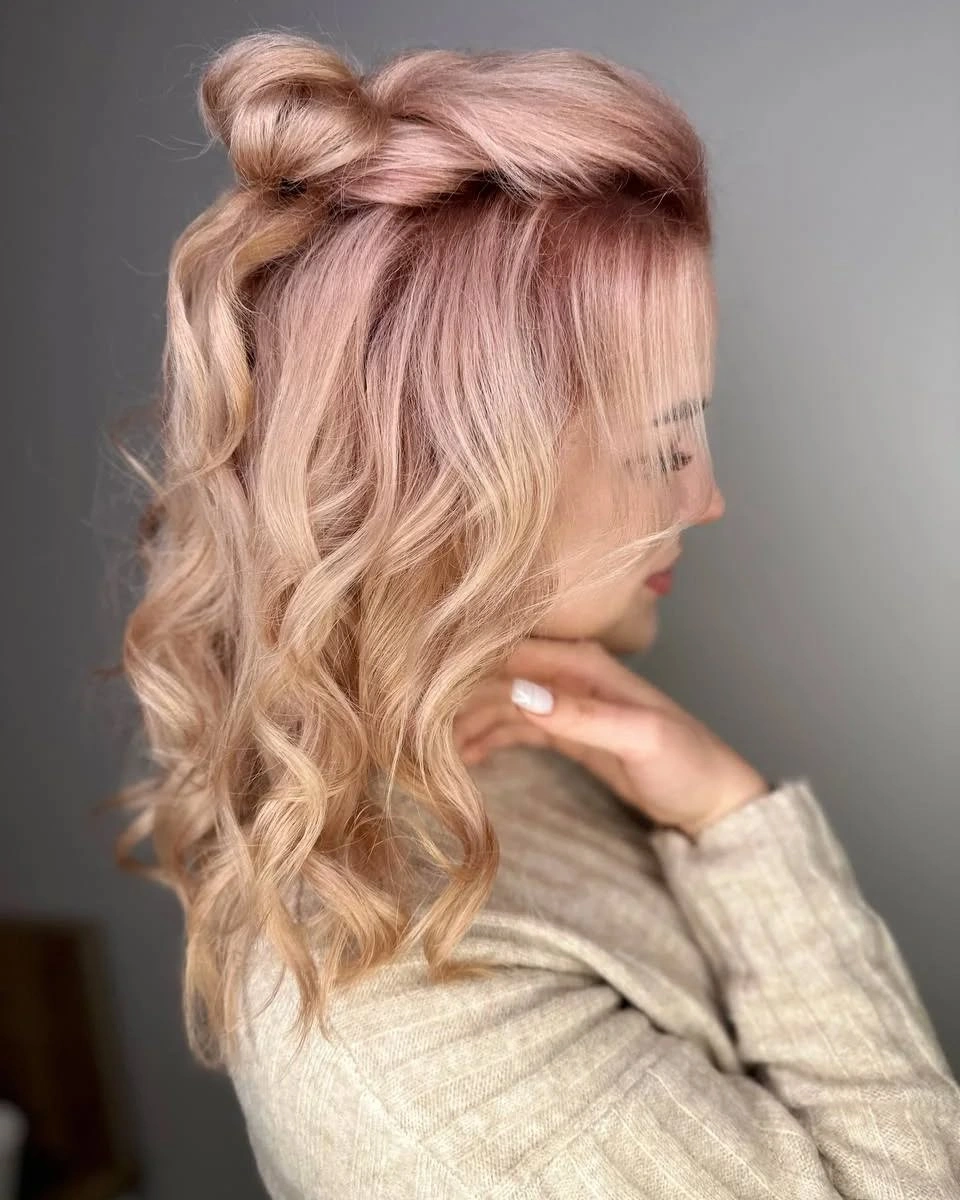
The useful idea is not that the whole style is playful or casual, but that volume is assigned to two different places. The knot creates a small lifted focal point, and the waves below keep the longer outline from disappearing. That makes the section a clear half-up reference, distinct from the earlier half-up waves that used a flatter back gathering.
This is another safe home for long-hair inspiration because the length remains visible. The top knot changes the balance without turning the style into a full updo.
Long Dark Curls With Rounded Front Shape
This front-facing style shows long dark curls forming a rounded shape around the face and shoulders. Curl pieces sit near the forehead and along both sides, so the outline feels more enveloping than the earlier dark curl reference. The length remains visible, but the strongest impression comes from the way the curls build volume around the front.
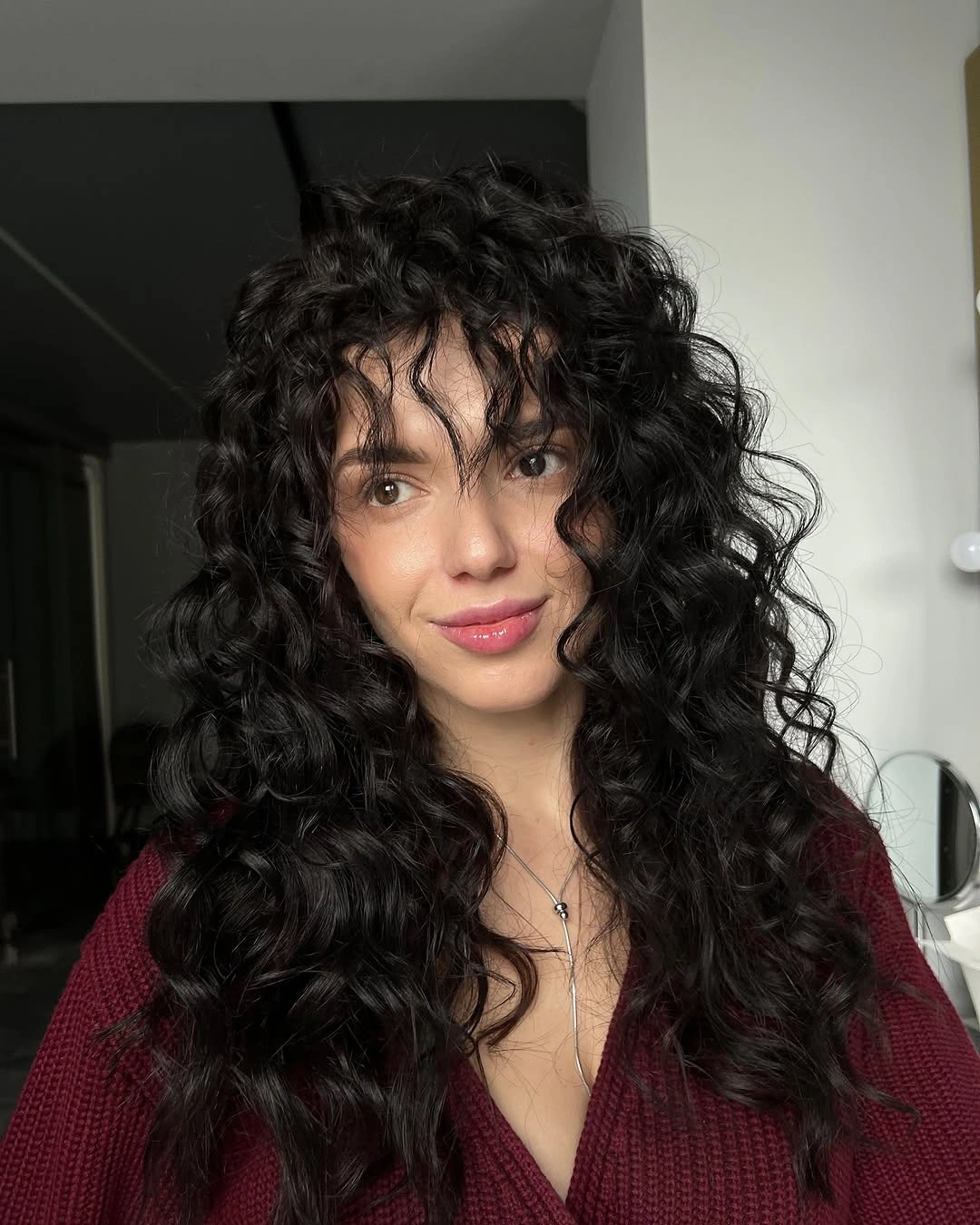
The useful distinction is how the curls frame the face without needing a face-shape claim. Some strands fall forward, others push outward, and the dark color creates shadowed separation between the bends. For hairstyles for women over 30 with long hair, this gives a front-view lesson in curl placement, where the border of the style matters as much as the length.
The look differs from smoother long styles because the edge is made of curls, not a clean line. Its visual power comes from placement, curve, and the way the front pieces change the hair’s silhouette.
Warm Brown Waves With Bow Neck Detail
This front-facing style shows warm brown waves falling below the shoulders, with the hair opening into soft bends rather than a straight sheet. A white blouse and bow are visible near the neck, so the lower part of the frame has a clear detail separate from the hair. The effect is a gentle split between the polished neckline area and the loose movement through the length.
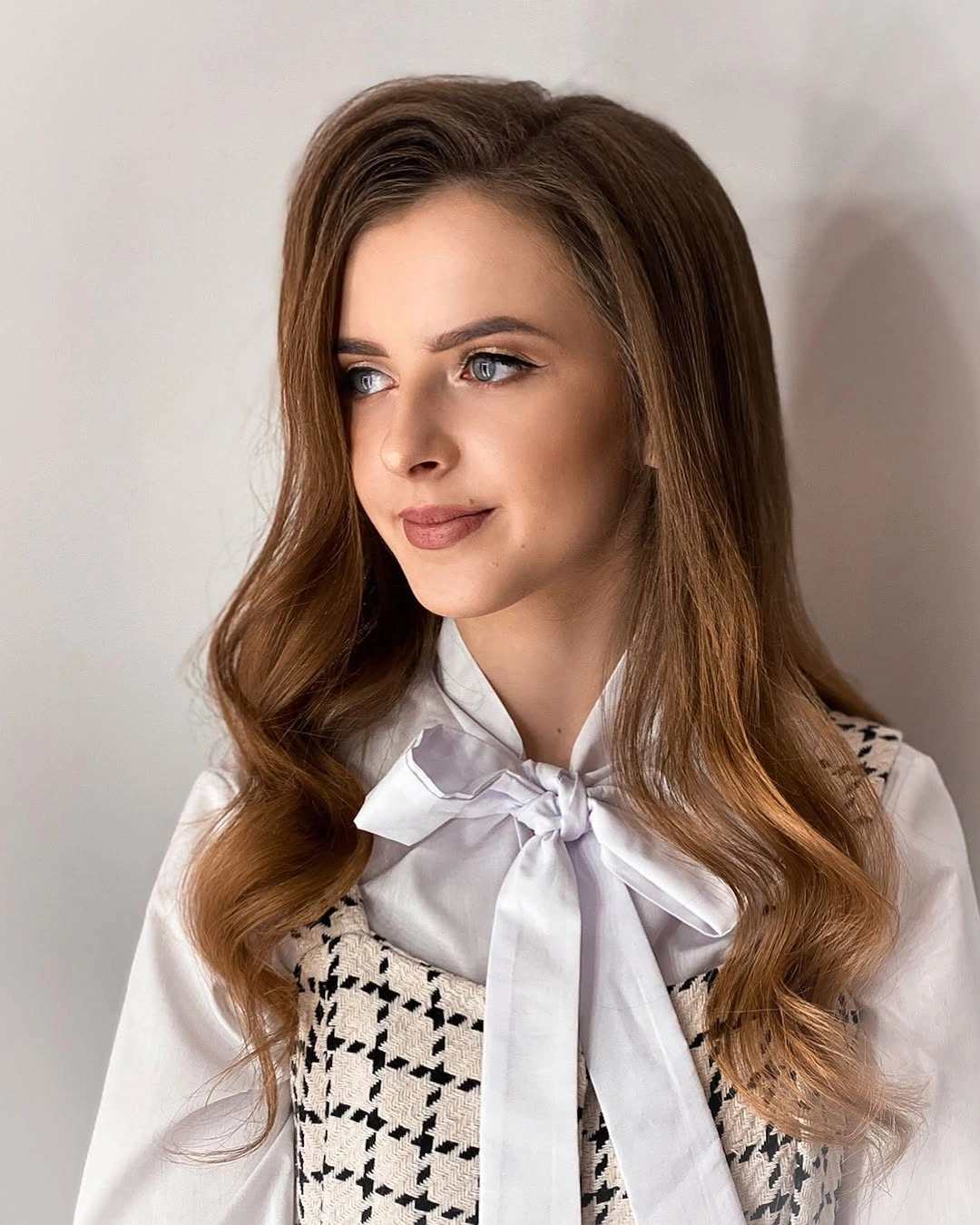
The useful detail is how the bow gives the eye a stopping point while the waves keep moving downward. In hairstyles for women over 30 with long hair, that kind of visible division can make length feel more considered because the hair is not doing all the visual work alone. The soft wave pattern frames the upper body detail, while the neckline accent keeps the front view from reading as only a long-hair silhouette.
This final image works because the bow and the waves share attention without competing. The neck detail adds a small focal point, and the warm brown length keeps the overall shape soft and continuous.