25 Winter Hair Colors for Pale Skin to Rock in 2027
I’ve been seeing more cool ash tones in the salon chair next to mine this winter. It’s a shift from the honey and caramel of fall, and for pale skin, it makes sense. The contrast is softer, less yellow, more intentional.
Here are 25 Winter Hair Colors for Pale Skin that actually work, from low-maintenance root shadows to high-drama platinum. Some take a round brush and patience, others a good stylist and a purple shampoo. I’ve tried enough bleach jobs to know which ones stay flat by 4 pm and which ones hold. Whether you have fine straight hair like mine or thick waves, there’s a shade that won’t wash you out.
Rich Cinnamon Butter Blonde
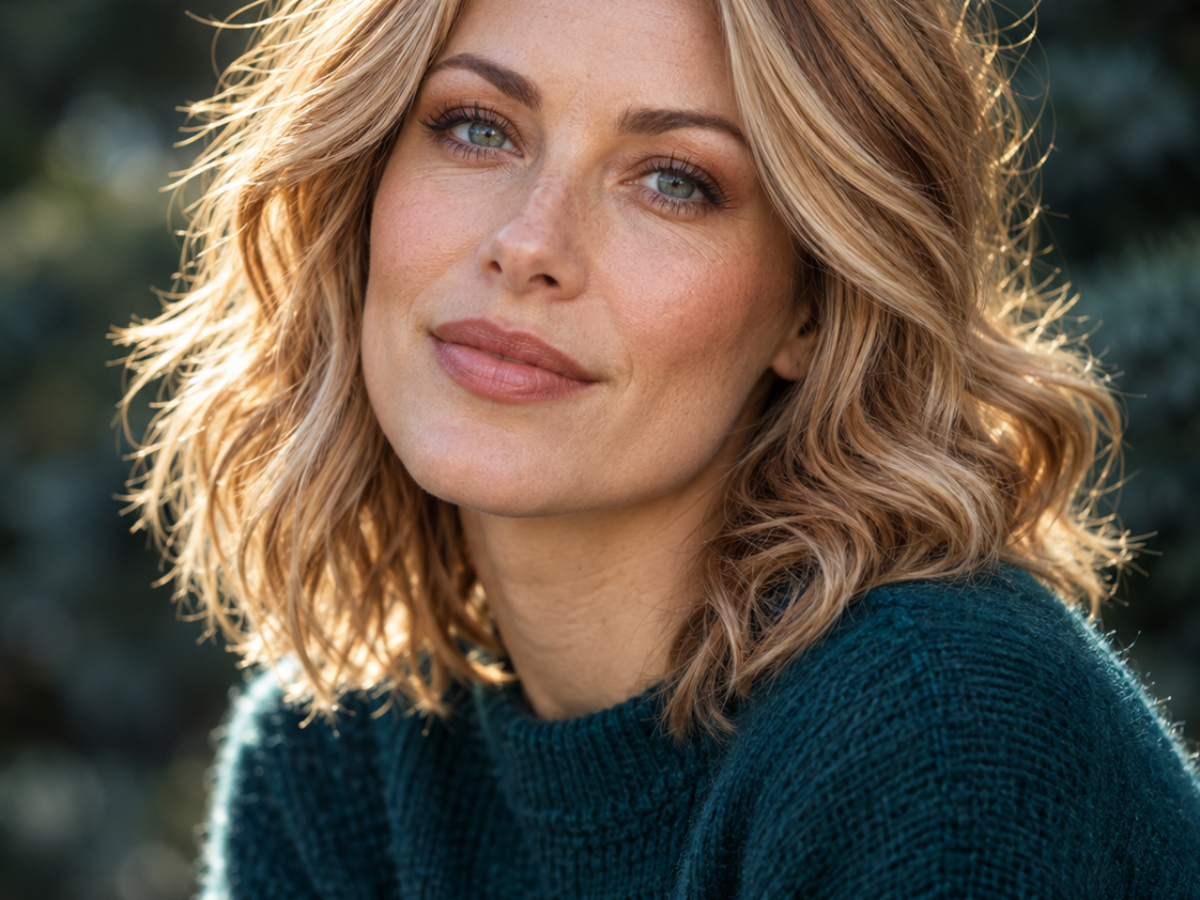
Winter blondes tend to run ice-cold, but cinnamon butter blonde is the warm exception that actually works on pale skin. The base is a soft, golden brown pulled through the shoulder-length layers with a hand-painted technique so the warm tone stays dimensional, not brassy. That ribbon effect stops the colour from flattening out on wavy, medium-density hair. The curtain bangs catch the light differently, which helps if your skin has pink or neutral undertones and you want something that adds life without yelling. A warm blonde that doesn’t try to be your summer self. Just don’t expect it to stay this vibrant past six weeks without a toner refresh.
Subtle Beige Blonde with Babylights
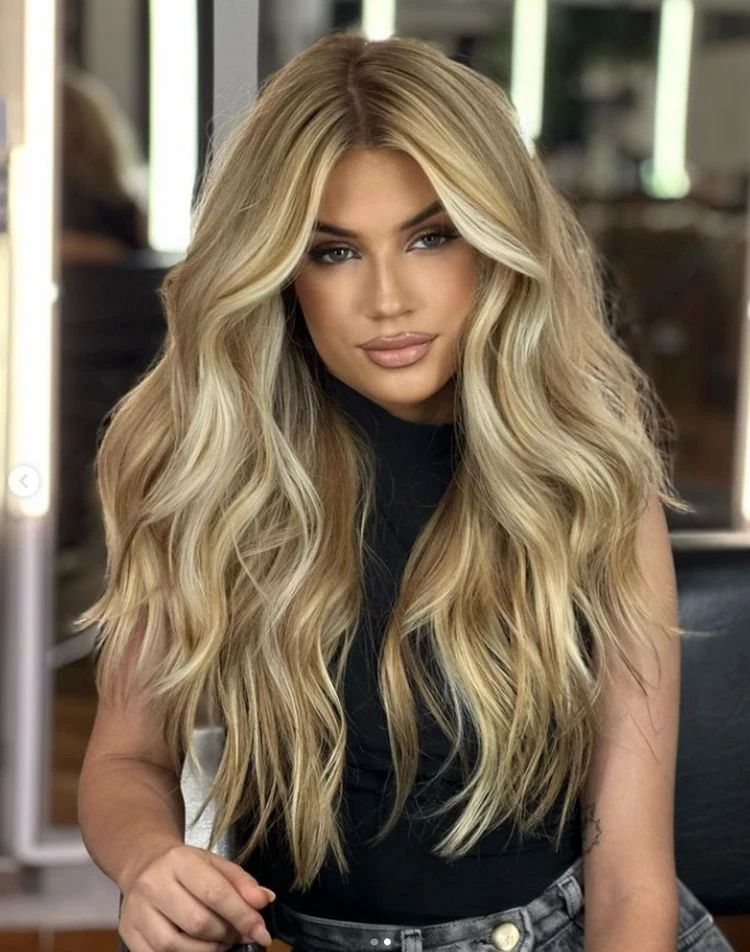
What if you could get a blonde that looks like it happened naturally, not like you sat in a bowl for three hours? That is beige blonde babylights, and the trick is in the spacing: fine, scattered foils placed around the hairline and crown, each one just a shade lighter than your base. The tone is a soft, neutral beige that lands somewhere between warm and cool, which makes it read as effortless even though it is not. On collarbone-length layers with a side part and wavy texture, the effect is subtle enough to pass as grown-in. Ask your stylist for: fine foils no wider than a pencil, a beige toner with a hint of ash, and a root smudge that softens the line of demarcation.
Cool Ash Blonde with Root Shadow
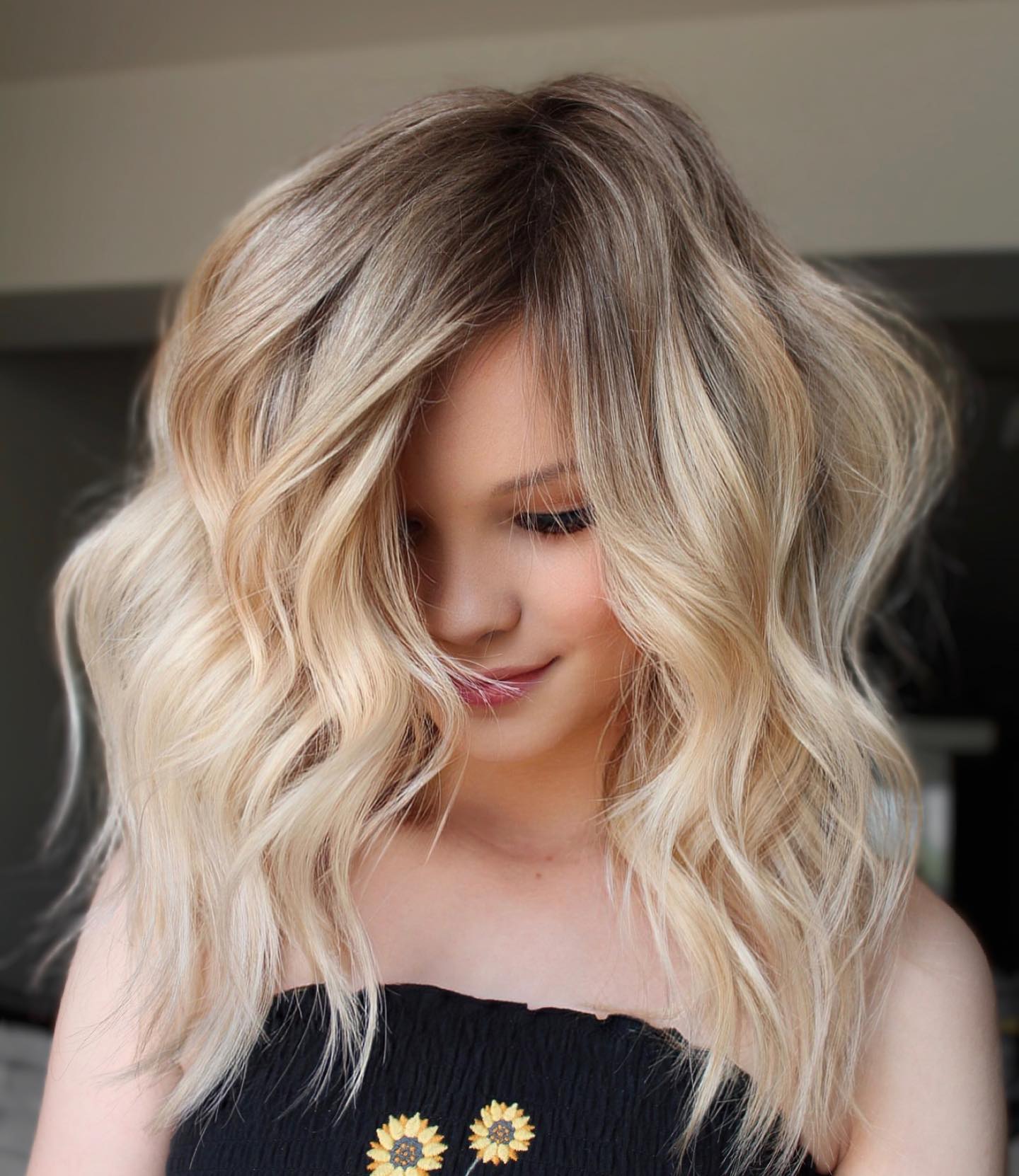
If warm tones are not your thing, this is the answer. Cool ash blonde with dark roots sits opposite the cinnamon butter crowd, and on pale skin it reads as deliberate and a little untouchable. The root shadow technique keeps the line soft, so your grow-out is not a stripe but a fade. The tone is true ash, with lighter highlights woven through the collarbone-length layers to stop it from falling flat. Wavy texture helps the contrast between the darker base and the bright pieces. The upkeep is actually reasonable: that root shadow buys you eight to ten weeks between appointments, as long as you hit it with a purple shampoo once a week.
Ash Brown with Blonde Balayage
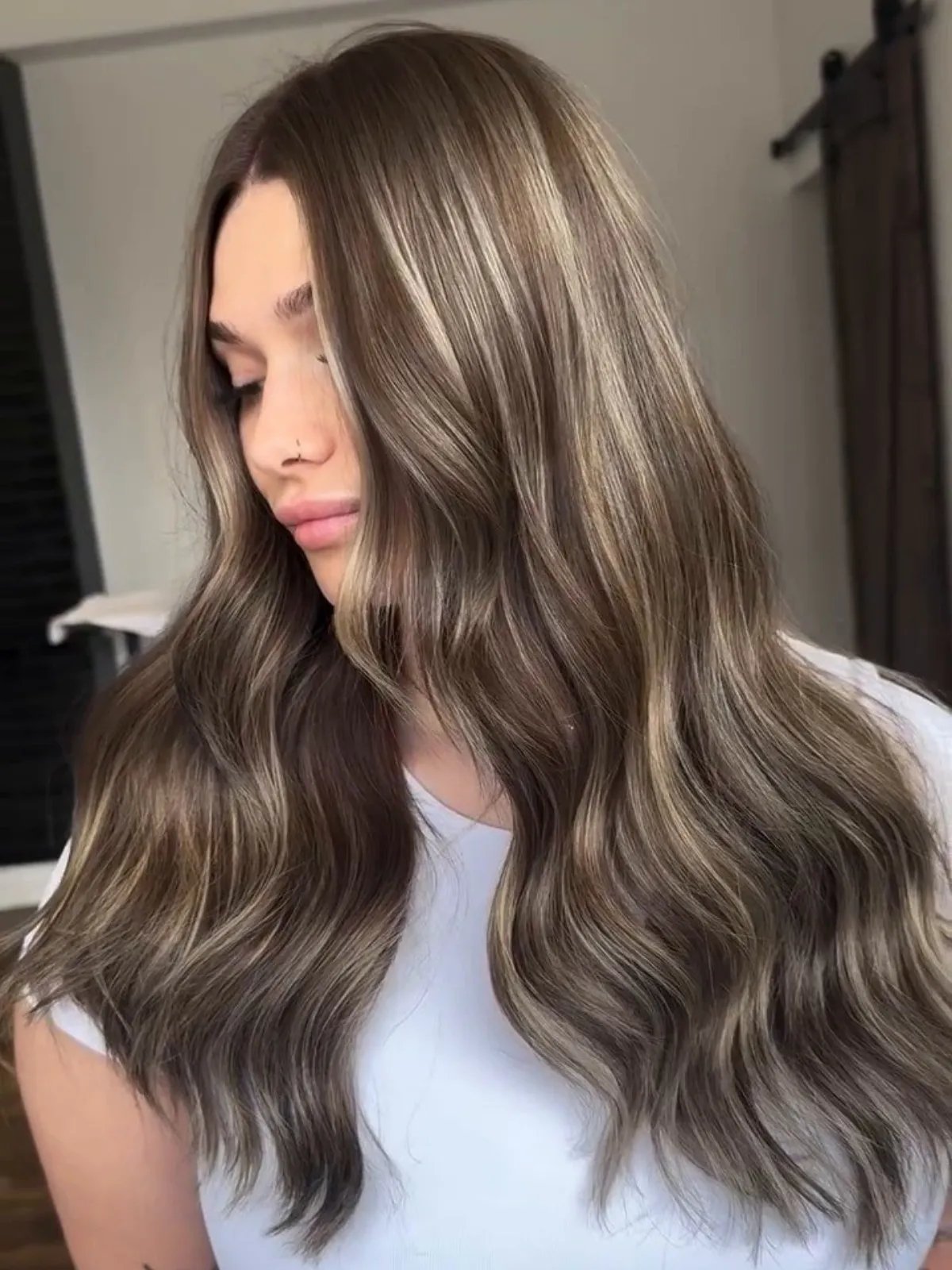
I will admit, I was skeptical about putting blonde highlights on an ash brown base for pale skin. It sounded like two colours that would fight. Instead, the balayage technique sits the blonde pieces low in the mid-back layers so the ash brown stays dominant from the front. The tone is cool on both ends, which is the key it keeps the contrast subtle rather than harsh.
Here is the wear reality: this grows out like a dream. No harsh line, no urgent root fix. The honest downside is that the blonde can turn a little warm by week nine if you skip the toning. On wavy, medium-density hair, the loose waves help the two colours blend, which is why this shade works for anyone who does not want to live at the salon. Just book the balayage and expect a touch-up every ten weeks.
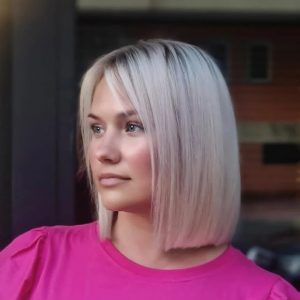
Fine Ash Blonde Bob
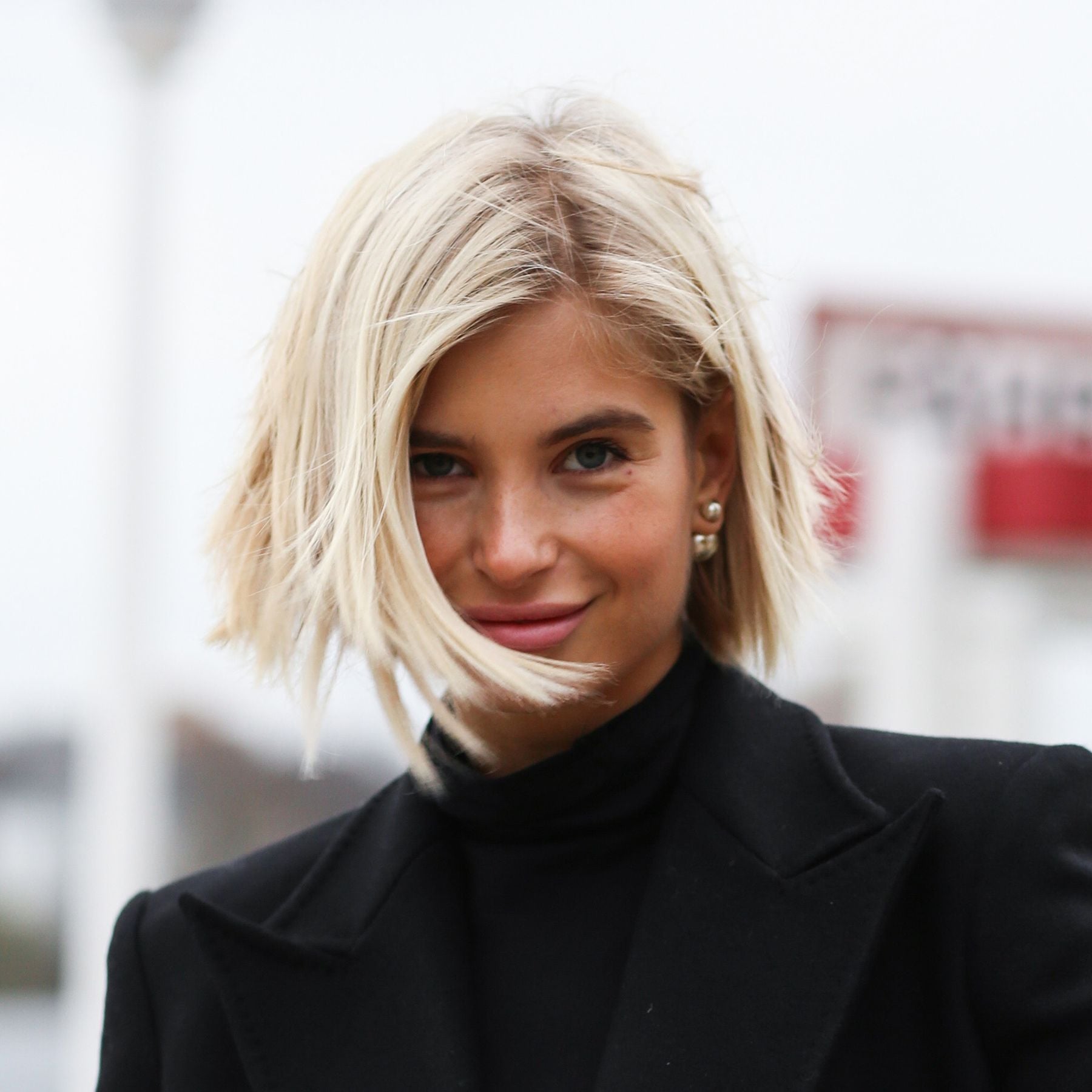
She walked out of the salon with a chin-length bob that looked like it had always been ash blonde. That is the point with fine hair the colour needs to have enough contrast to add weight, and ash blonde does it without washing you out. The tone is cool and flat, which works because the wavy texture adds movement the colour does not need to supply. This is not a DIY job the bob cut is simple, but the ash blonde requires a professional to lift fine hair evenly without breaking it. Medium-density, fine hair benefits from the blunt line, which makes the ends look thicker than they are. Just bring a photo of a cool ash tone, not a warm one.
Icy Ash Blonde Blunt Bob
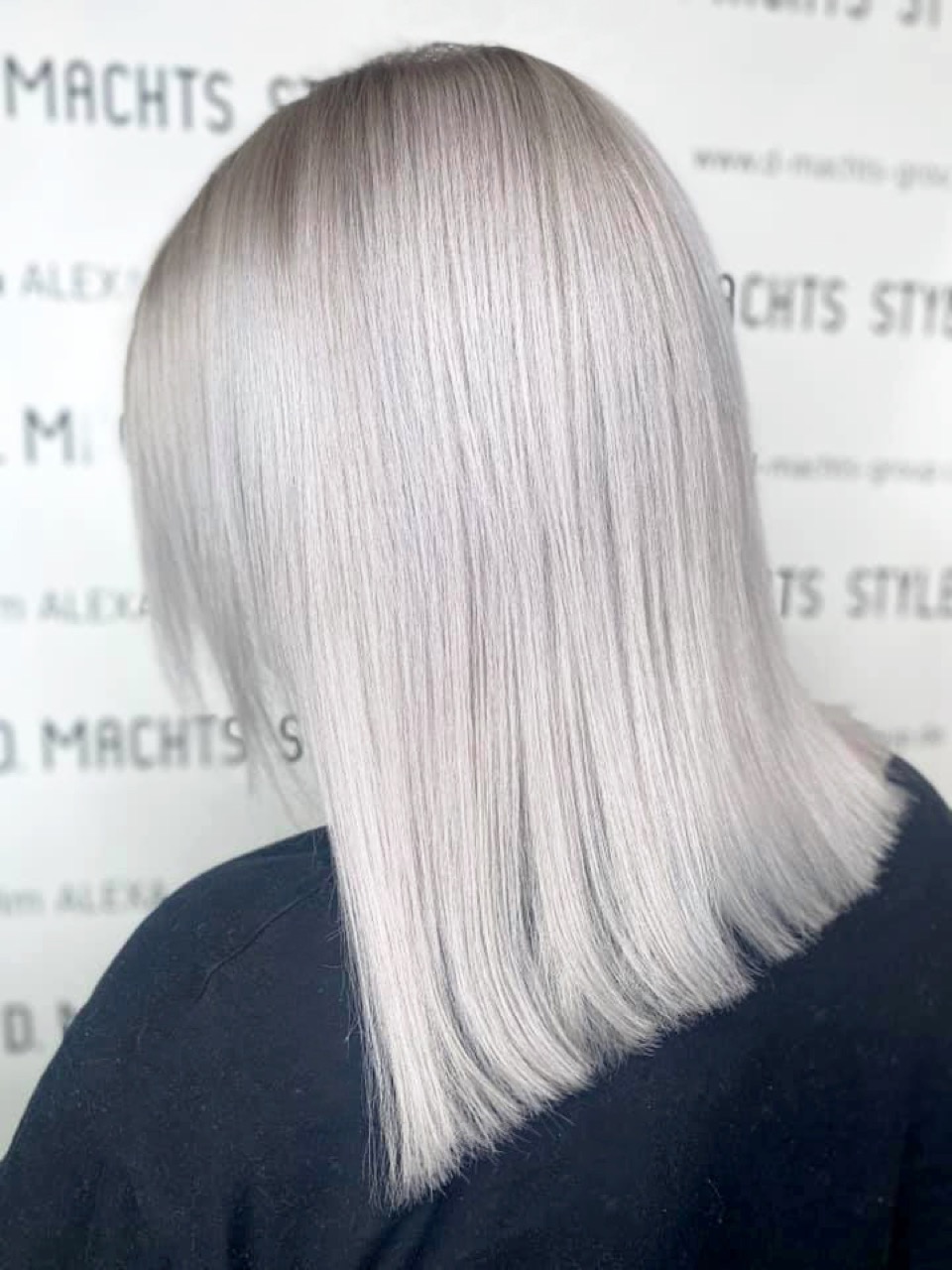
Straight, chin-length, blunt. That icy ash blonde tone is precise and cool. I booked this twice in one season. The technique demands a sharp baseline and zero warmth. Fine, straight texture shows every line, which is the point. Honest downside: toning every three weeks is non-negotiable. One skipped purple shampoo and you get yellow. The icy ash blonde bob is a commitment, but it reads clean.
Soft Rose Gold Blonde Bob
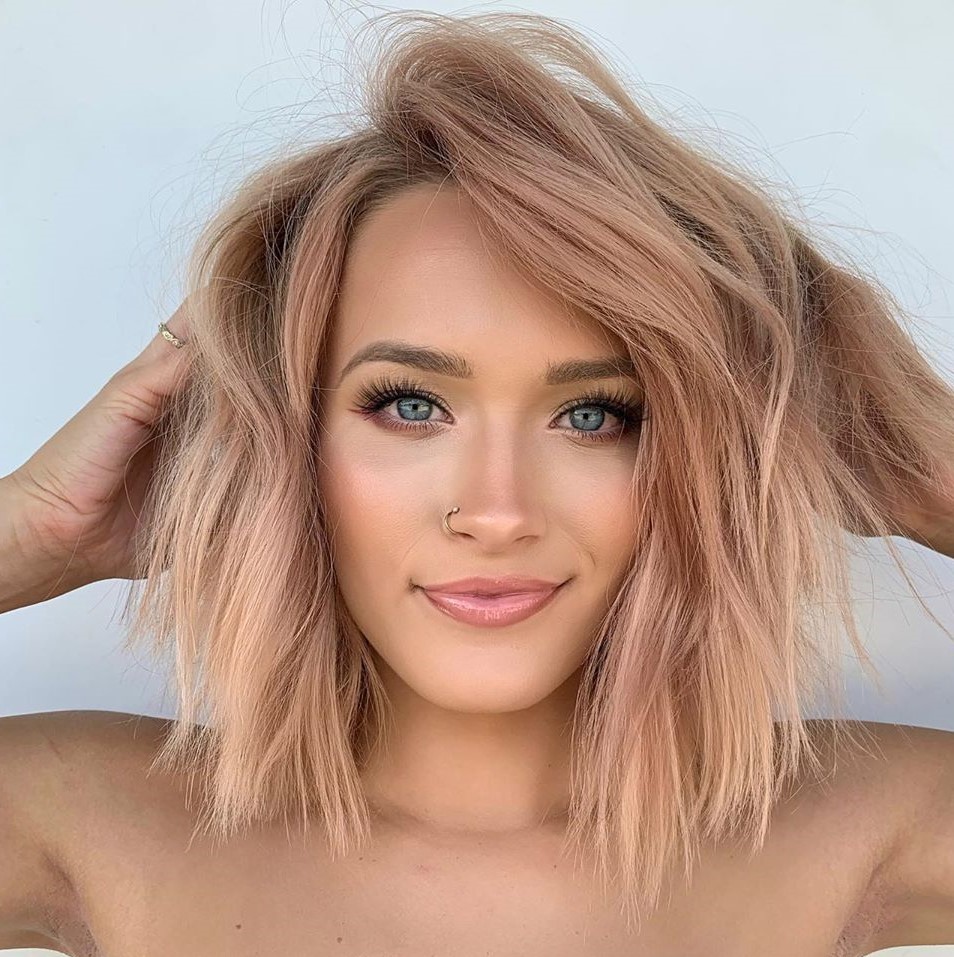
Rose gold blonde on a chin-length bob is a winter surprise. It is not pink, it is a warm blush tone with a metallic sheen. The technique is a full highlight with a rose toner over a pale base. Medium density wavy texture holds the wave without collapsing. Length sits at the jaw, which flatters round and oval face shapes. This shade lands in the colder months because it mimics the low winter sun. It is playful without being seasonal kitsch. A color-depositing conditioner every other wash keeps the rose alive. Refresh at six weeks, not eight.
Icy Blonde Textured Pixie
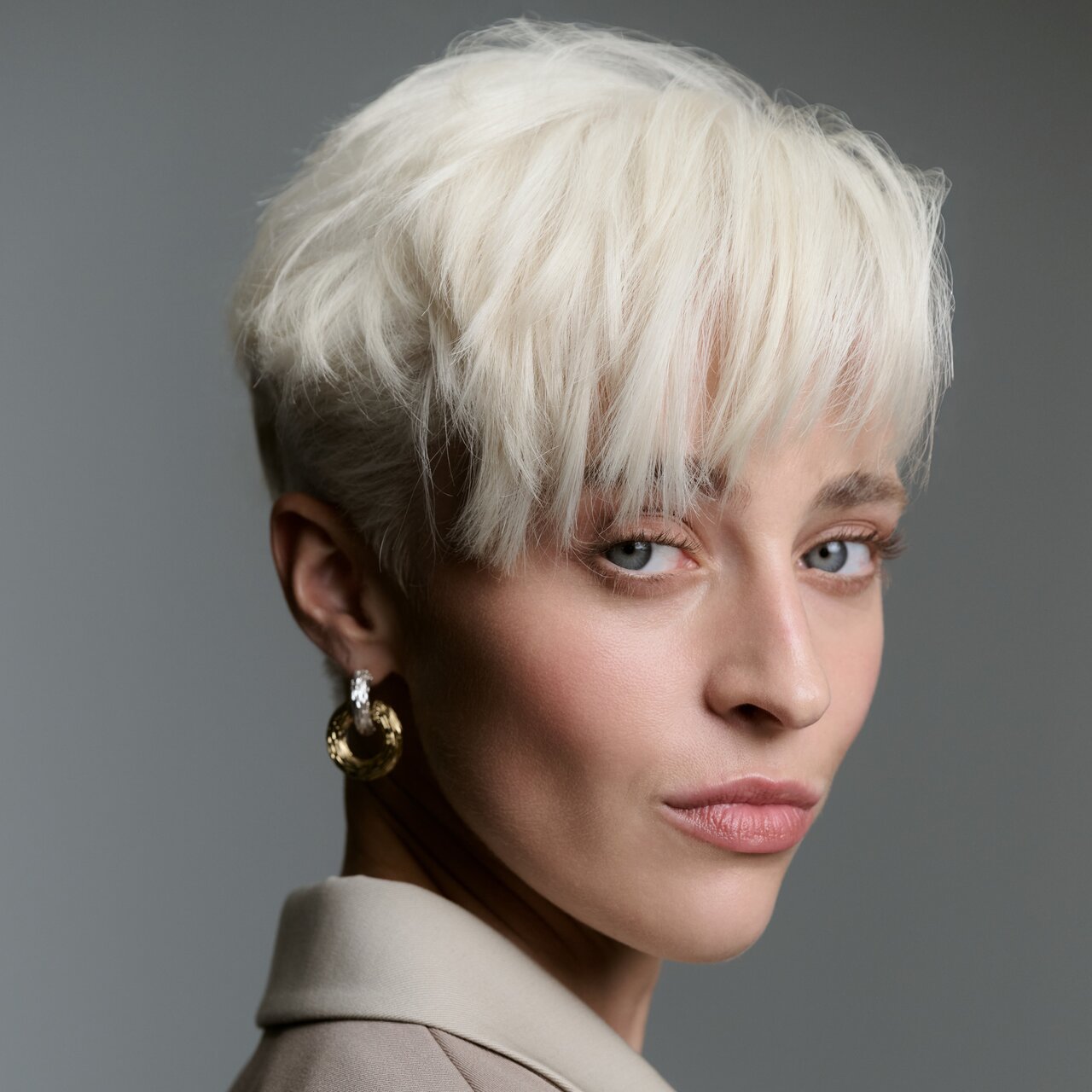
I thought an icy blonde pixie cut would be easy. It is not. The colour is a cool platinum, toned to silver-white. The technique is a full bleach with a violet toner. Fine, straight texture works because the pixie cut relies on clean lines, not volume. Length stops at the ear, with a short side fringe. Honest downside: the regrowth shows in two weeks, and the icy quality fades fast. You need a toning shampoo every wash and a salon visit every three weeks. It is bold, but it is work.
Bronde Blunt Bob
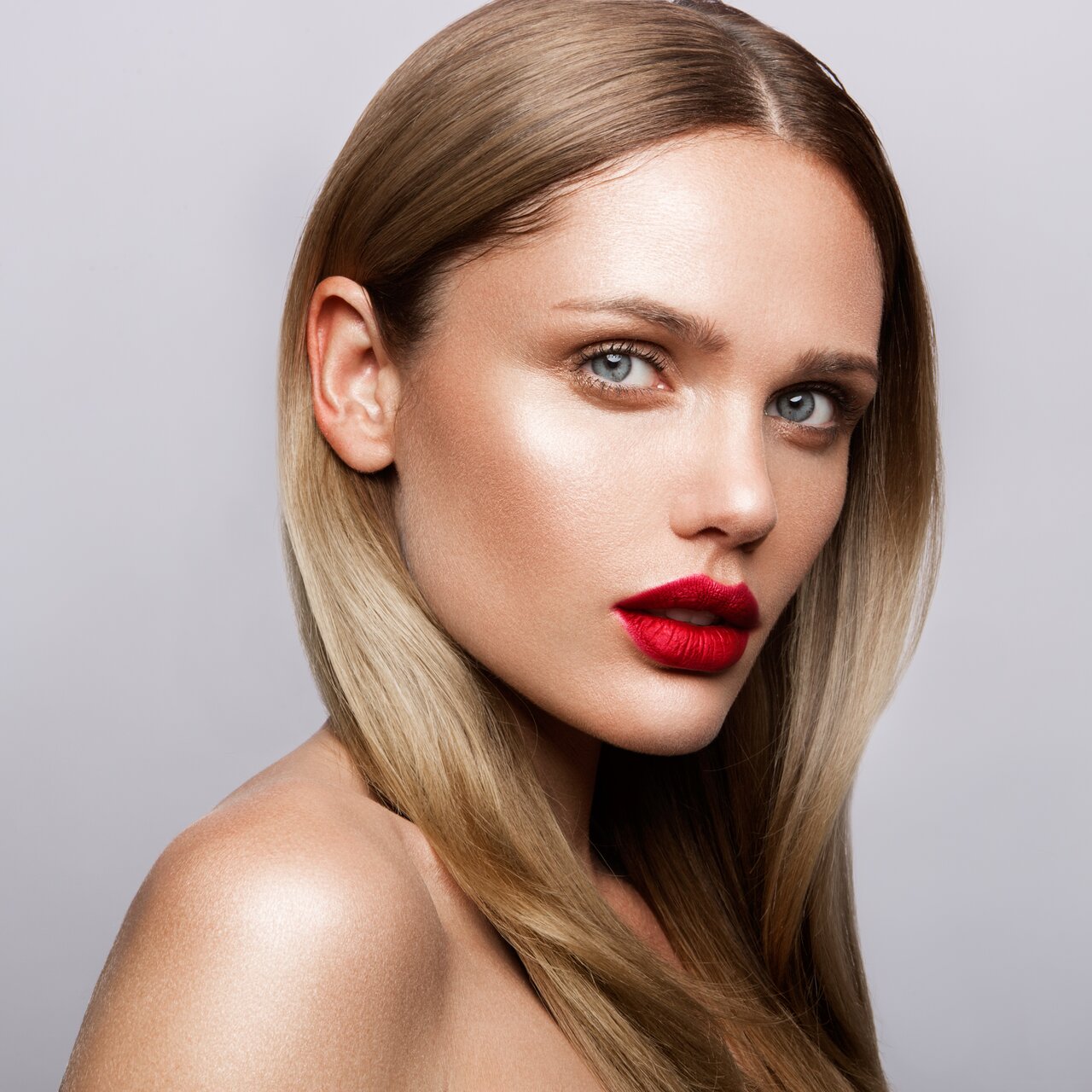
Why pick between brown and blonde when you can have both? The bronde blunt bob blends a warm brown base with soft blonde highlights. The technique is a root shadow with balayage through the ends. Tone is neutral, not too warm, not too ash. Length hits the chin, and the blunt cut works best on straight, fine texture. This is a salon job because the blend needs a trained eye. DIY would look muddy. The grow-out is forgiving, eight to ten weeks between appointments. For pale skin, bronde adds warmth without going orange.
Beige Blonde with Balayage
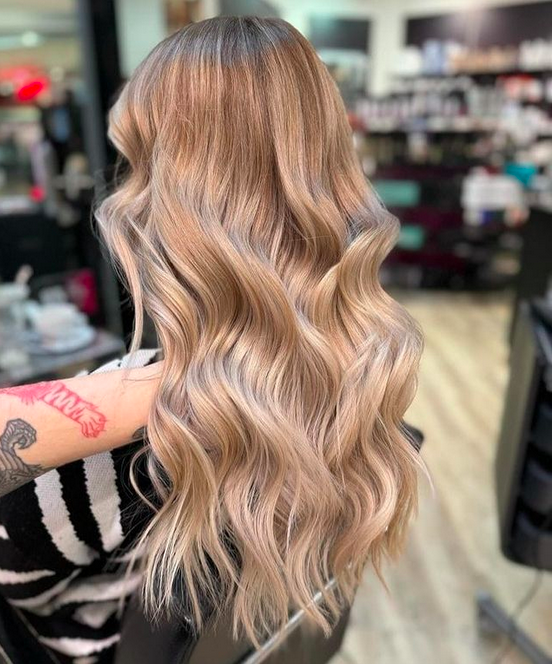
Beige blonde balayage is the color for anyone who wants dimension without high contrast. The base is a neutral beige blonde, painted with soft highlights from mid-length to ends. The technique is hand-painted balayage, which creates a natural, sun-kissed fade. Tone is cool beige, not golden or ash. Length is mid-back, and the texture is wavy and thick. This combo works because the waves catch the light and the balayage prevents flatness.
Wear and upkeep are manageable. The grow-out is soft, no harsh line, so you can stretch touch-ups to ten or twelve weeks. A sulfate-free shampoo protects the color. This shade genuinely flatters pale skin with cool undertones. If your skin runs warm, skip it. The beige can read ashy and wash you out. For the right match, it is dimensional and soft.
Champagne Beige Blonde Bob
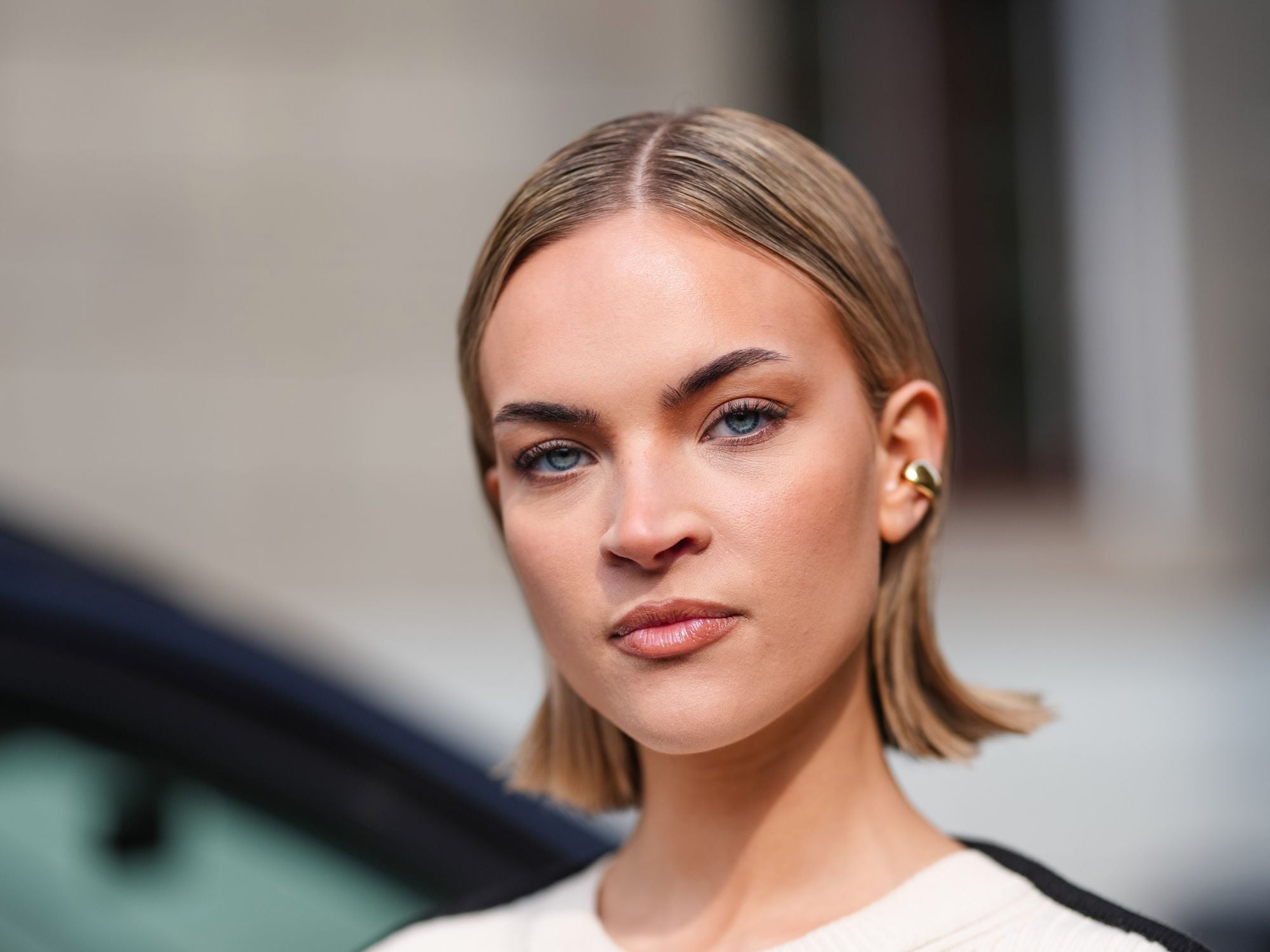
The champagne beige blonde bob looks polished in the salon mirror, but on fine straight hair the beige tone pulls yellow by week three. Sleek styling takes ten minutes with a heat protectant, but the chin-length cut shows every brassiness. A toning session every four to six weeks keeps the champagne beige blonde from turning into a dishwater blonde. That’s the honest downside: this color demands a standing appointment.
Warm Strawberry Blonde
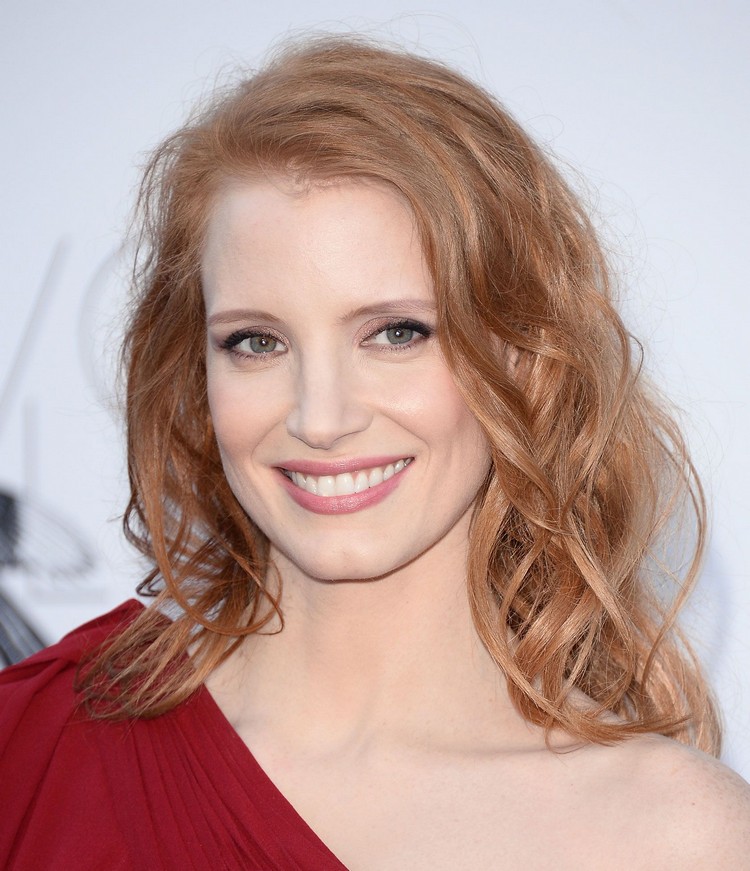
Strawberry blonde is usually a spring color, but on pale skin it catches the low winter light like a copper penny. The collarbone-length layers and side part give it a soft, wavy texture that feels warm against cool winter air. This strawberry blonde hair adds a pop of warmth without looking summery. It’s an unexpected winter choice that reads as intentional, not leftover from July. The medium density waves hold the color well, and the warm tone counteracts the blue cast that winter light throws on pale skin. For a winter wedding or holiday party, this is the color that catches candlelight.
Long Layers Ash Brown with Blonde Balayage
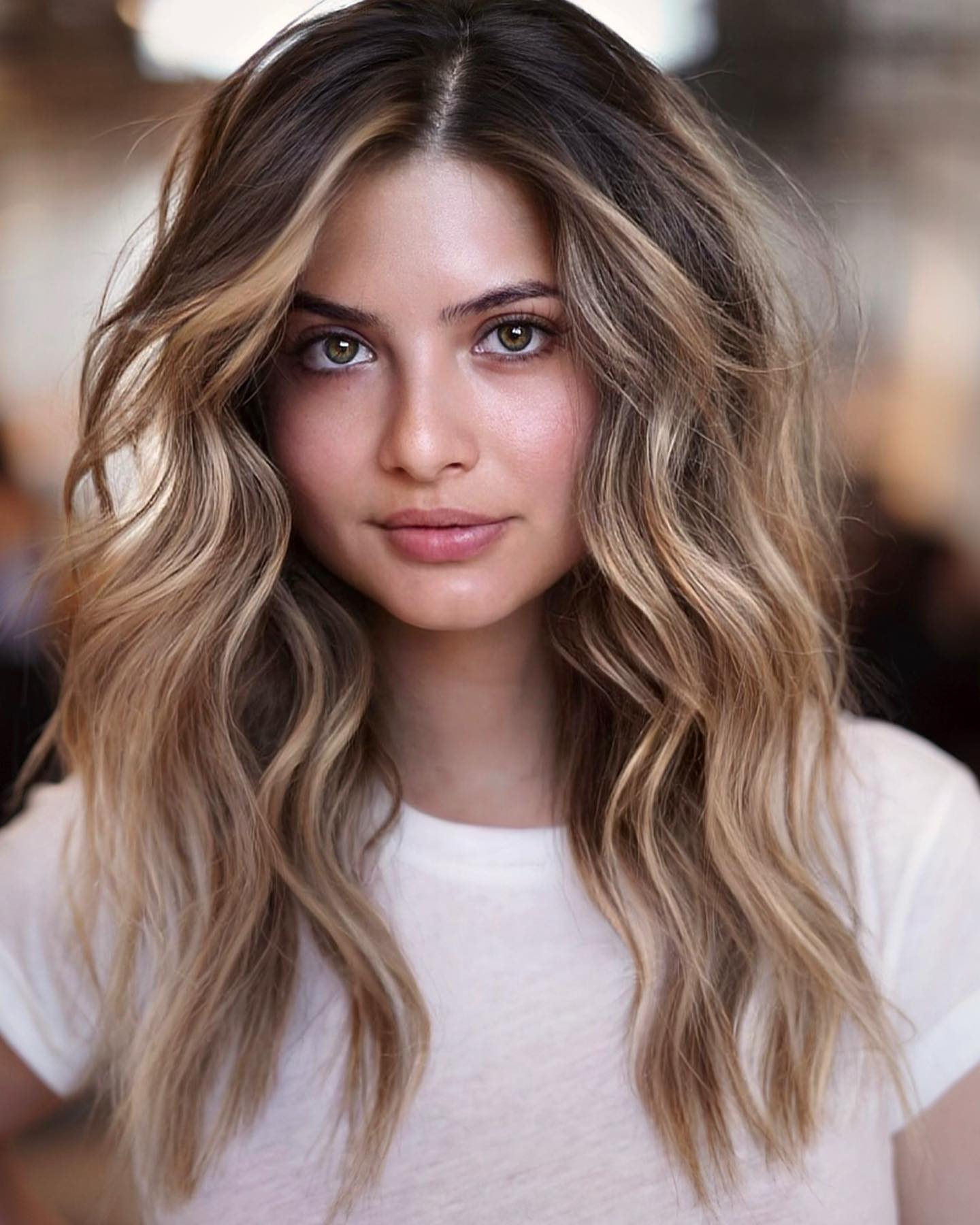
How do you make ash brown and blonde live together without a line of demarcation? The answer is balayage: hand-painted highlights that start mid-length and blend upward into the ash brown base. The stylist paints the lightener freehand, focusing on the mid-lengths and ends, then uses a toner to keep the blonde from going brassy. On shoulder-length wavy hair, the loose waves take about fifteen minutes with a curling wand. The ash brown base stays cool, while the blonde balayage adds brightness around the face. This ash brown blonde balayage technique means no harsh roots, just a soft transition that grows out gracefully. The medium density texture helps the waves hold the contrast, and the ash tone works well for pale skin with cool undertones.
Medium Brown with Subtle Highlights
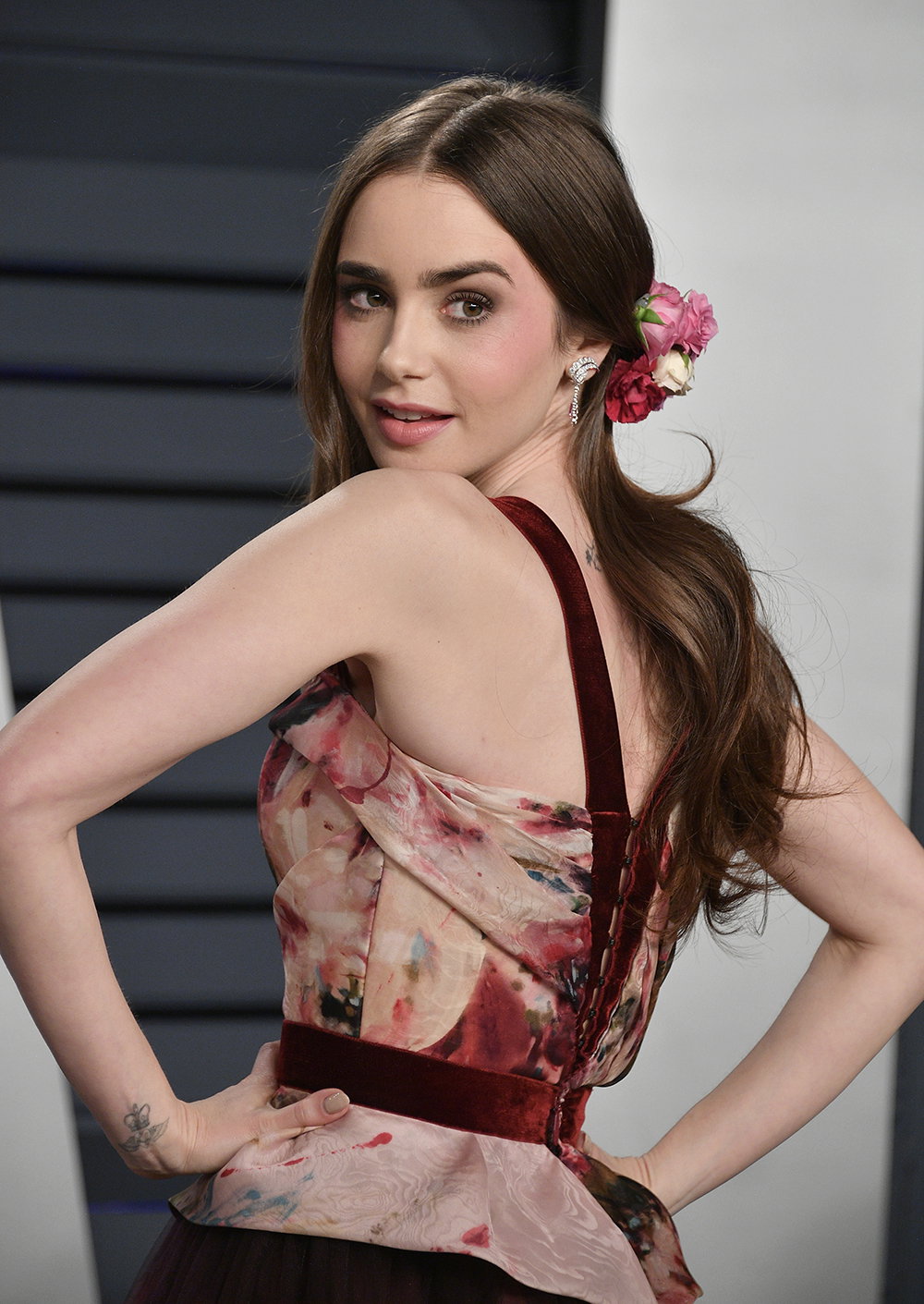
This is the color for pale skin that wants dimension without looking like you tried. Medium brown with subtle blonde highlights adds warmth and movement to collarbone-length wavy hair. The highlights are fine and spaced out, so they catch light without creating a stripe effect. It flatters pale skin with neutral or warm undertones, especially if your natural base is already a medium brown. The subtle highlights keep the overall look natural and low-key.
Who should pass? If your skin has very cool pink undertones, the warm brown base might clash. Also, if you prefer high contrast like dark hair against pale skin, this is too blended. Stick to a deeper brown with ash highlights instead.
Ash to Platinum Blonde Gradient
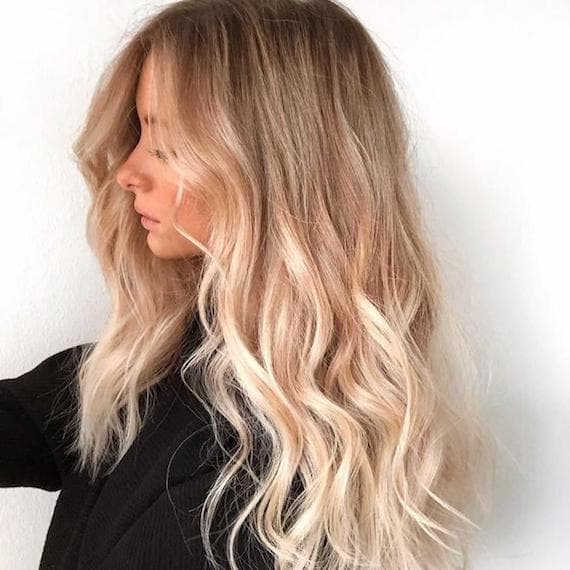
I’ll be honest, the ash to platinum blonde gradient looks like a dream in the chair. The mid-back length wavy hair shows the transition from dark ash roots to icy platinum ends, and the thick texture makes the gradient dramatic. It’s a bold winter look that really pops against pale skin.
The reality? Root touch-ups every four to six weeks, toning every other wash to keep the platinum from turning yellow, and the ends can get dry fast. The ash to platinum blonde gradient shows grow-out quickly, and the ash tone can turn muddy if you skip a toning session. It’s beautiful but it’s a commitment.
Icy Blonde with Ash Tones
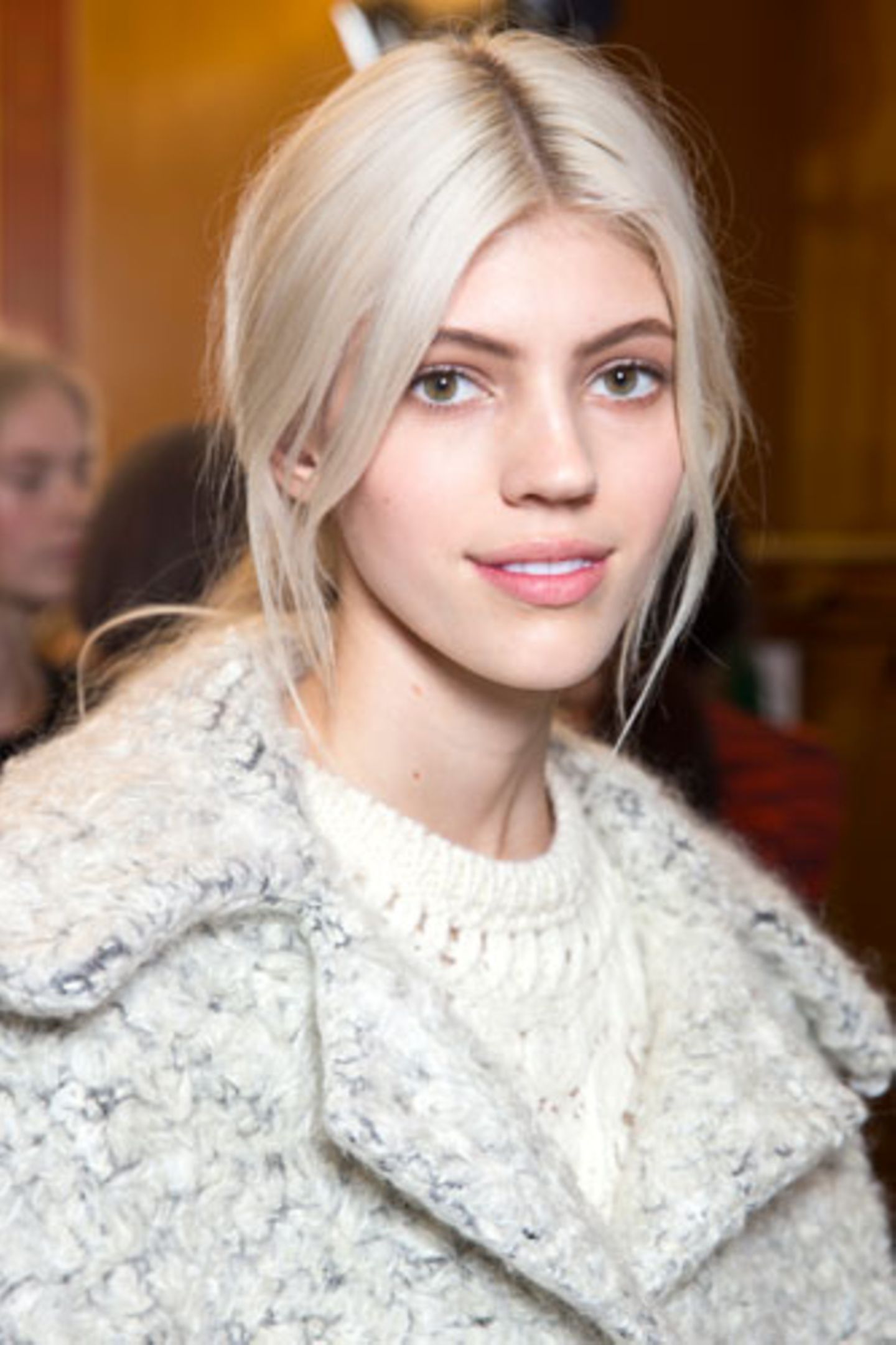
I want to like this more than I do. The icy blonde with ash tones is stunning in theory, a cool, almost silver-white base that reads expensive against pale skin. But here is the mistake I see everyone make: they try to do it at home. This is not a box-colour job, not even close. The technique requires a professional to lift the hair to a pale yellow without breaking it, then overlay an ash toner that cancels the warmth. Skip that step and you get brassiness by week two. Mid-back length, thick wavy texture, wispy bangs that need trimming every four weeks. Toning every three to four weeks is non-negotiable. Book the salon.
Natural Blonde Blowout
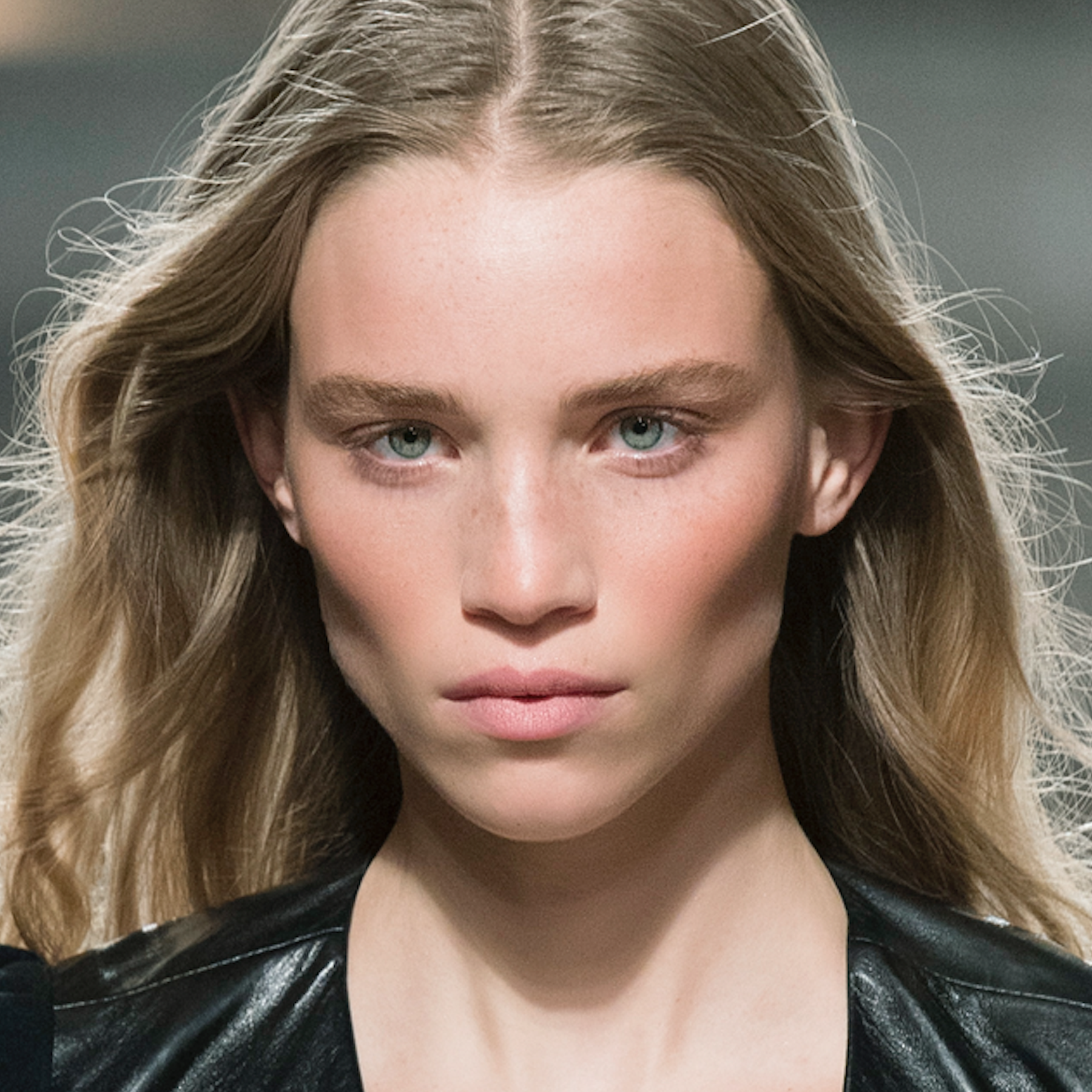
Why does everyone think winter hair needs to be platinum or silver? A natural blonde hair colour with a good blowout holds its own against any dramatic shade. The tone is warm but not golden, a soft beige that does not fight your skin. The honest downside: it is not exciting. You will not get compliments from strangers. But you will also not spend every fourth Sunday in a toner bowl. Shoulder-length layers, thick wavy texture, middle part, no bangs. A blowout takes about fifteen minutes with a round brush. Subtle brassiness can creep in around week six, so keep a toning shampoo on hand. That is the whole maintenance routine.
Ash Blonde with Platinum Highlights
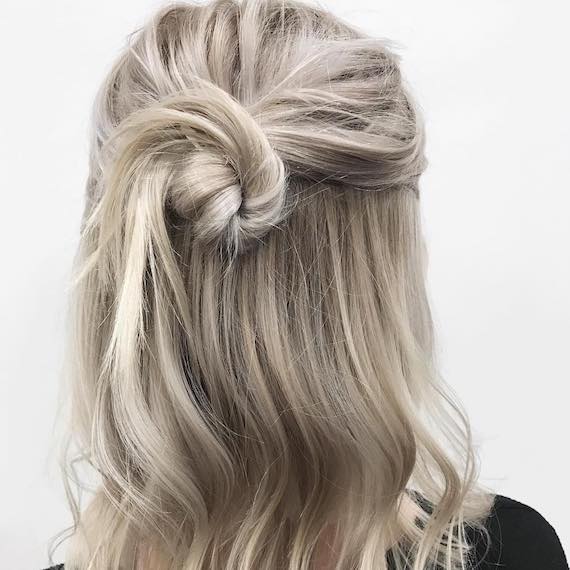
She turns her head and the light catches it. Ash blonde with platinum highlights, woven through long mid-back layers, wavy, medium density, middle part. The effect is bright without being yellow, cool without being grey. This is the colour that genuinely flatters pale skin with pink or neutral undertones. The platinum pieces lift the complexion, the ash base keeps it from washing you out. But if your skin pulls very warm, if you tan easily or have golden undertones, this will look separate from you, like a wig. The highlights need toning every three to four weeks to stay platinum and not yellow. Wavy styling takes about fifteen minutes. Not for everyone, but for the right person, it is the one.
Platinum Blonde Lob
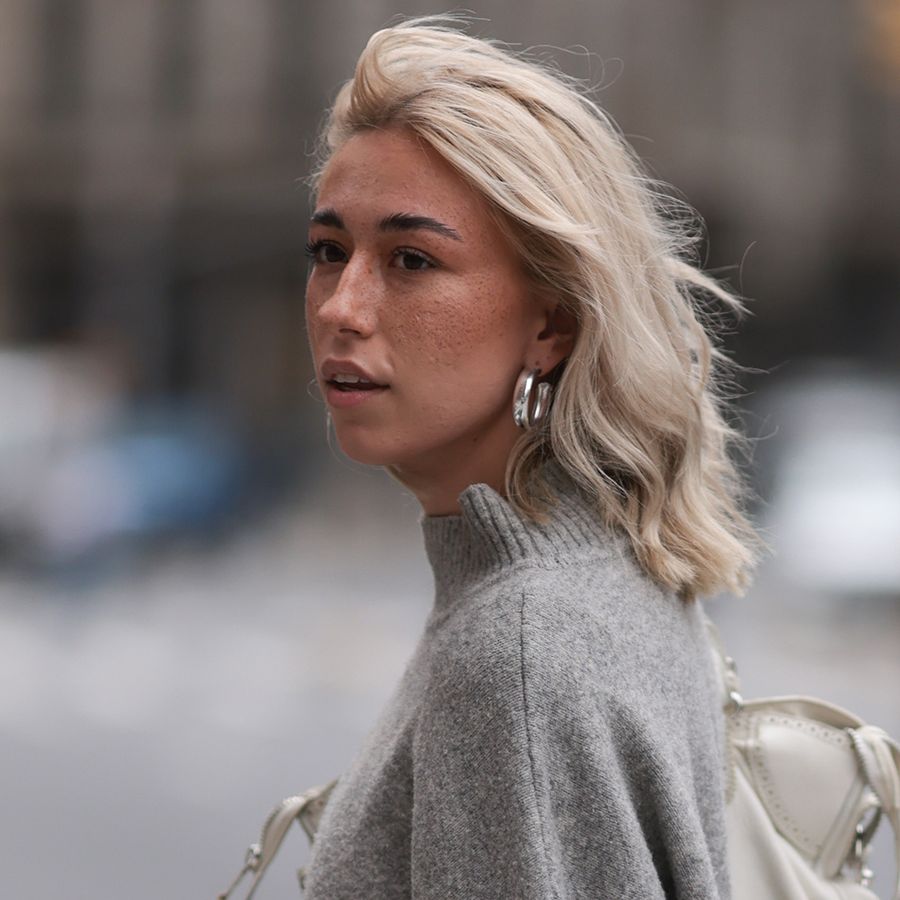
Blunt at the collarbone, no layers, no bangs. The platinum blonde lob is a single block of colour, and that is the point. The technique is simple: one all-over lightener, one toner, no dimension. That means every regrowth line is visible, every warm tone shows. The honest downside is brutal. You need toning every two to three weeks, root touch-ups every four to six weeks, and a purple shampoo used like it is your job. Wavy blowout takes about ten minutes. Medium density, wavy texture, middle part, side view. It is high maintenance, but the contrast against pale winter skin is sharp and deliberate. You know what you signed up for.
Cool Ash Blonde Waves
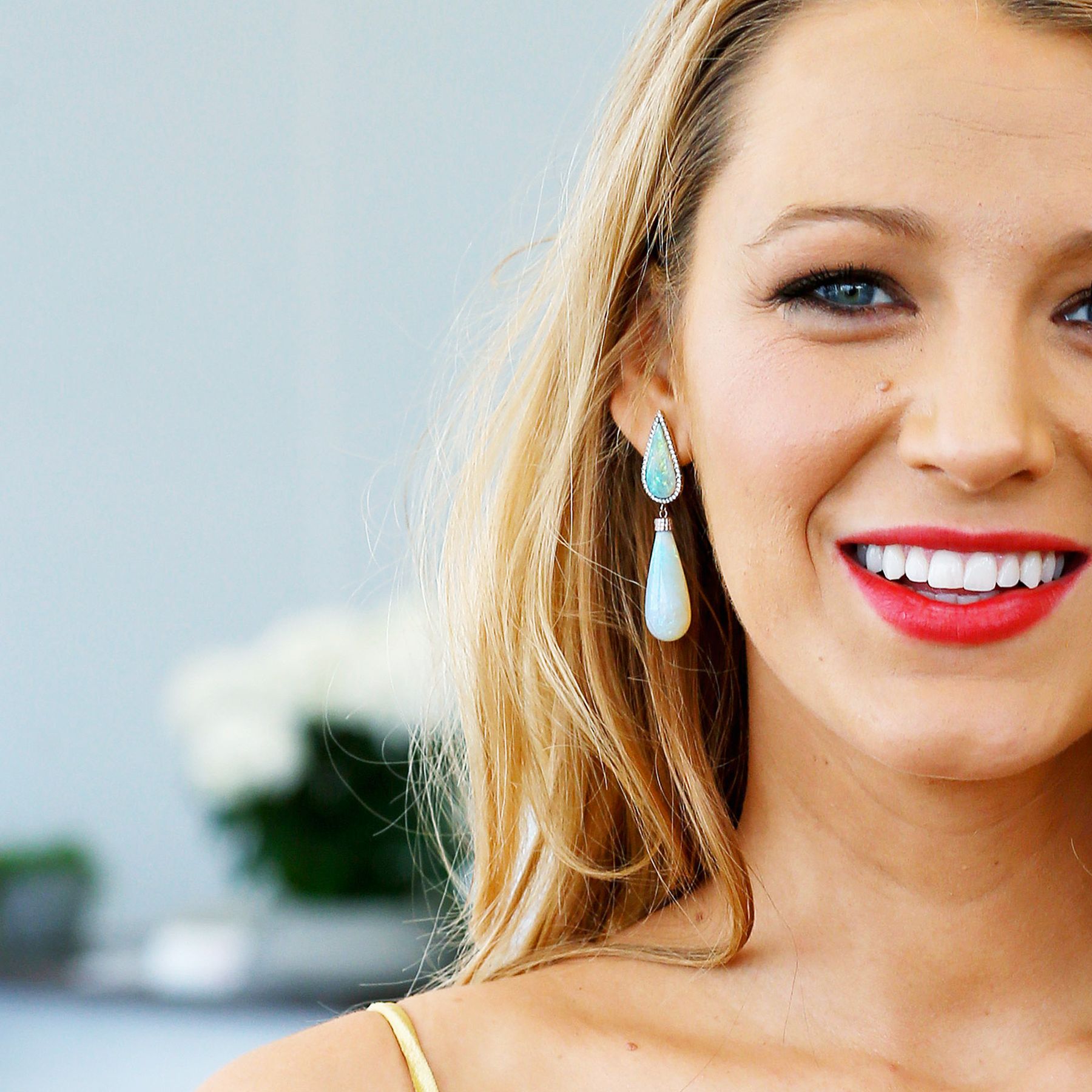
This one holds up. Cool ash blonde on long mid-back layers, loose waves, medium density, middle part. The tone is a true ash, no violet, no silver, just a muted grey-beige that sits quietly against pale skin. The wear reality is better than most blonde shades. The ash base hides minor brassiness for about four weeks before you need a toner. Loose waves take about fifteen minutes with a large barrel iron and hold for a full day if you let them cool completely. Second-day hair still looks intentional, just run your fingers through and go. The grow-out is soft because the root is not stark against the ash. Trim every eight weeks to keep the ends healthy. Reliable, not flashy.
Mid-Back Ash Blonde with Bright Highlights
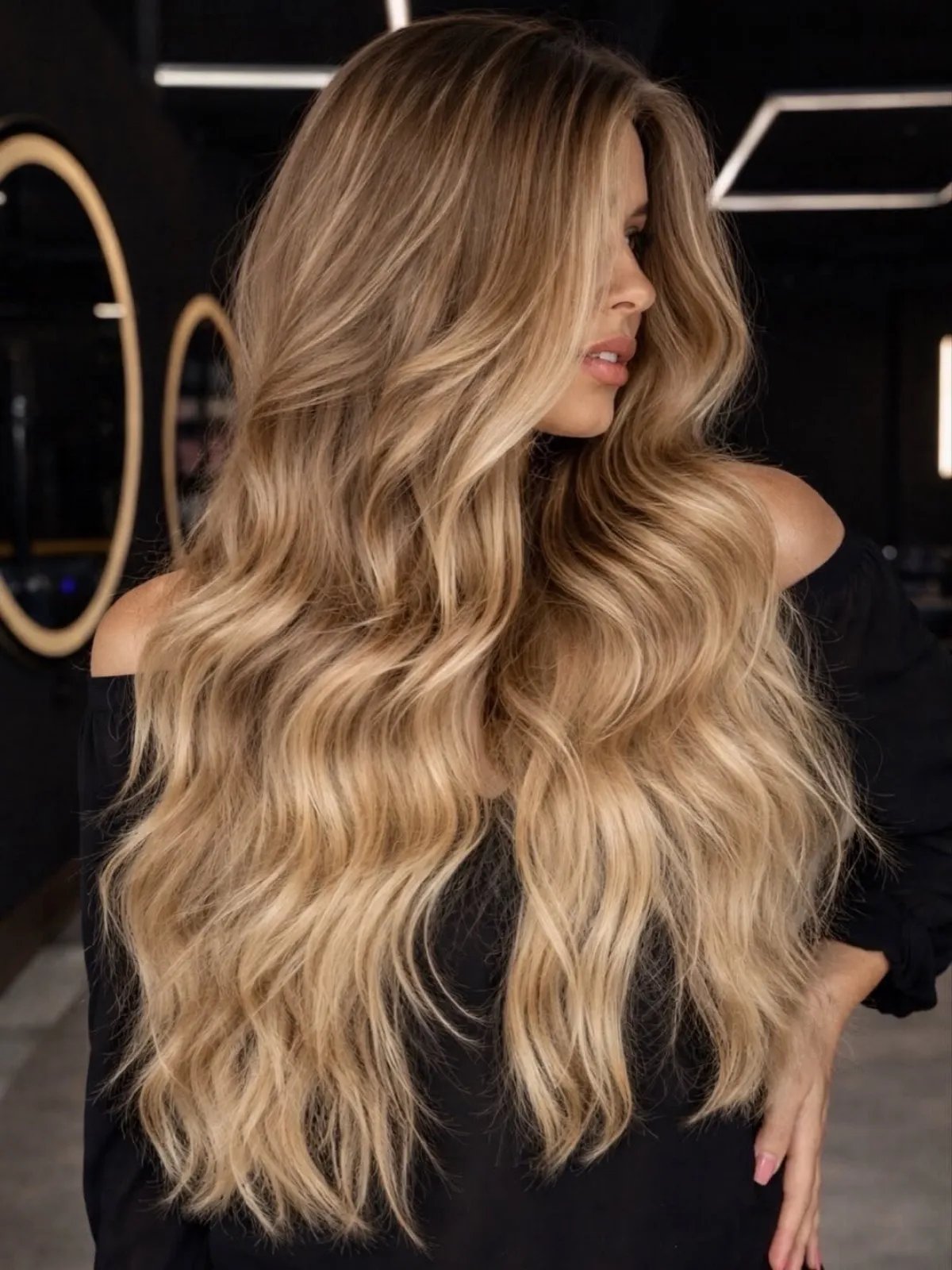
I’ll admit it: I’ve been tempted to touch up ash blonde bright highlights at home. The mistake is thinking that saving a salon visit is worth the brassy yellow that shows up by week two. Bright highlights on an ash base need professional lifting to avoid that orange stage, and even then a toner every three weeks is non-negotiable.
If you do this at home, the brass hits fast and the only fix is another salon toner, so you end up spending more time and money anyway. Book it with a colourist who understands how to keep the ash base cool and the bright pieces icy. The technique is hand-painted highlights on wavy, thick mid-back hair, and the tone stays dimensional without turning warm. Length stays long, texture stays full, and the colour earns its winter keep.
Ash Blonde Lob
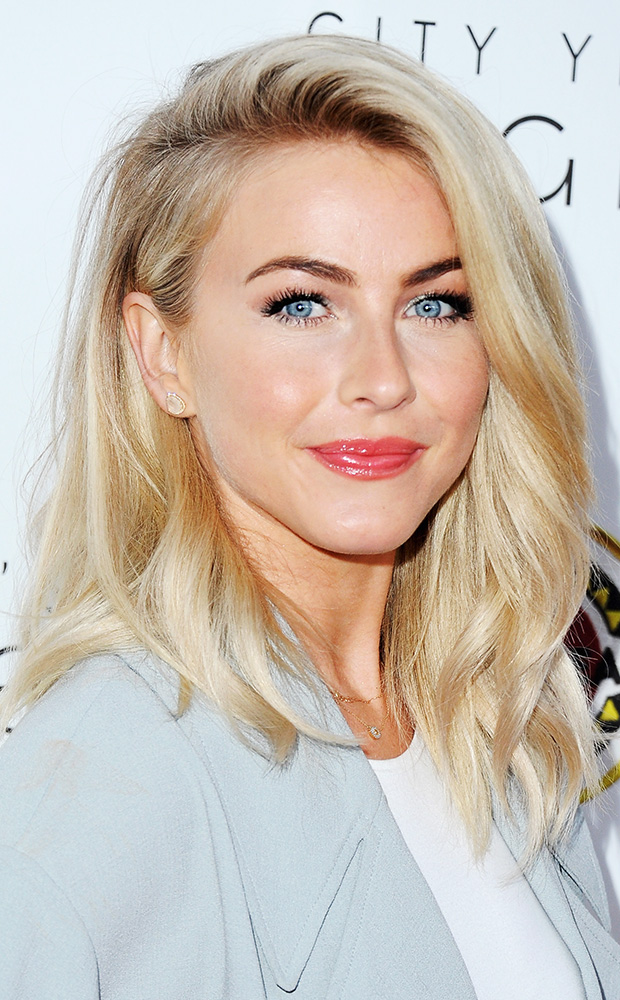
Why does ash blonde lob feel like it was made for pale skin? Because the cool tone neutralizes any redness in the complexion without washing you out the way platinum can. The technique is a single all-over ash blonde colour on shoulder-length fine-to-medium hair, cut into a blunt one-length lob with a side part. The wavy blowout adds body, and because the tone is straight ash, it reads as intentional. That is the whole trick.
Mid-Back Platinum Blonde with Ash Undertones
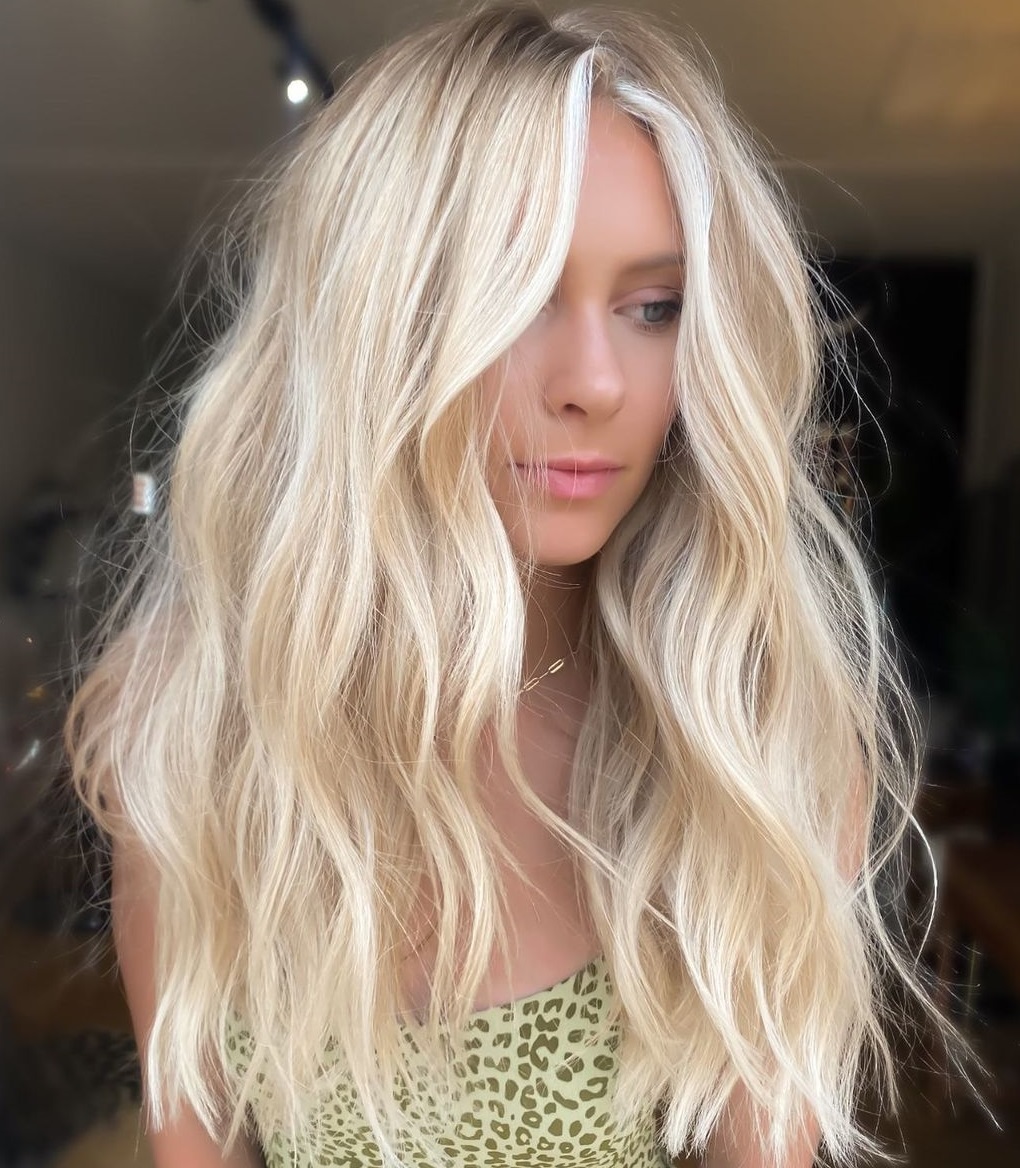
The first time I saw platinum blonde with ash undertones, I understood why winter events call for it. The technique is deliberate: lift the base to a pale yellow, then tone with a cool ash formula to kill the warmth. Subtle babylights add depth, and the curtain bangs frame the face without stealing the spotlight. For a holiday party or a New Year’s dinner, this colour catches the light like nothing else.
Here is the honest downside: it requires a session every two to three weeks to keep the ash undertones from fading into silver or, worse, yellow. The roots show by week four, and thick wavy hair at mid-back means more product and more time in the bowl. But if you have the schedule and the budget for maintenance, the result is worth the effort.
Collarbone Dark Blonde with Ash Highlights
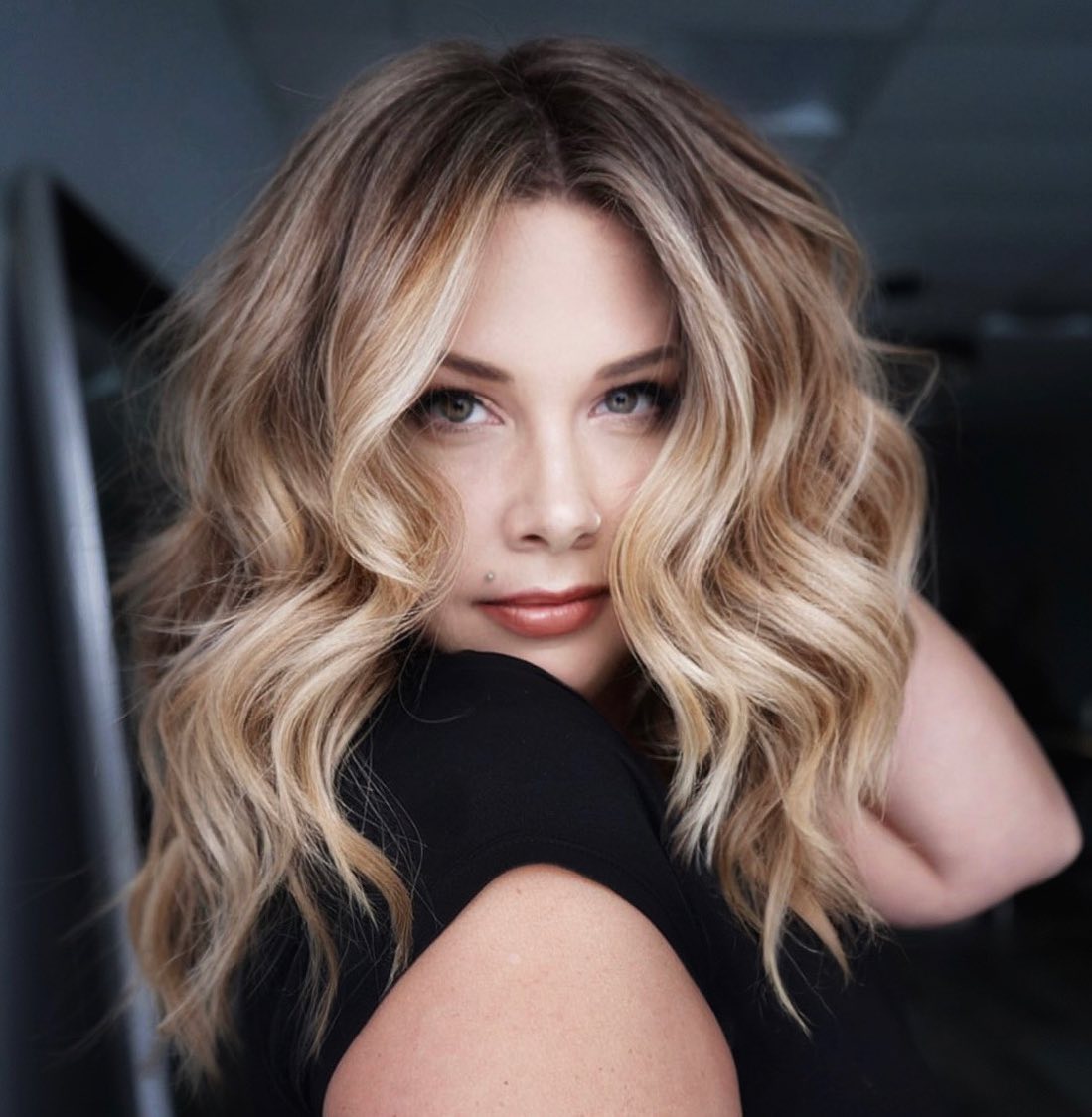
By day three, this colour still looks like it was just touched up. The dark blonde base with ash blonde highlights and a soft root shadow means no obvious grow-out line, and the ash tone keeps the highlights from pulling brassy. The technique is root shadow plus peekaboo highlights on collarbone-length wavy hair, medium density. Upkeep is a trim every eight weeks, a purple shampoo wash once a week, and a gloss appointment every ten to twelve weeks. That is about as low maintenance as a colour this dimensional gets.
Warm Honey Blonde Lob
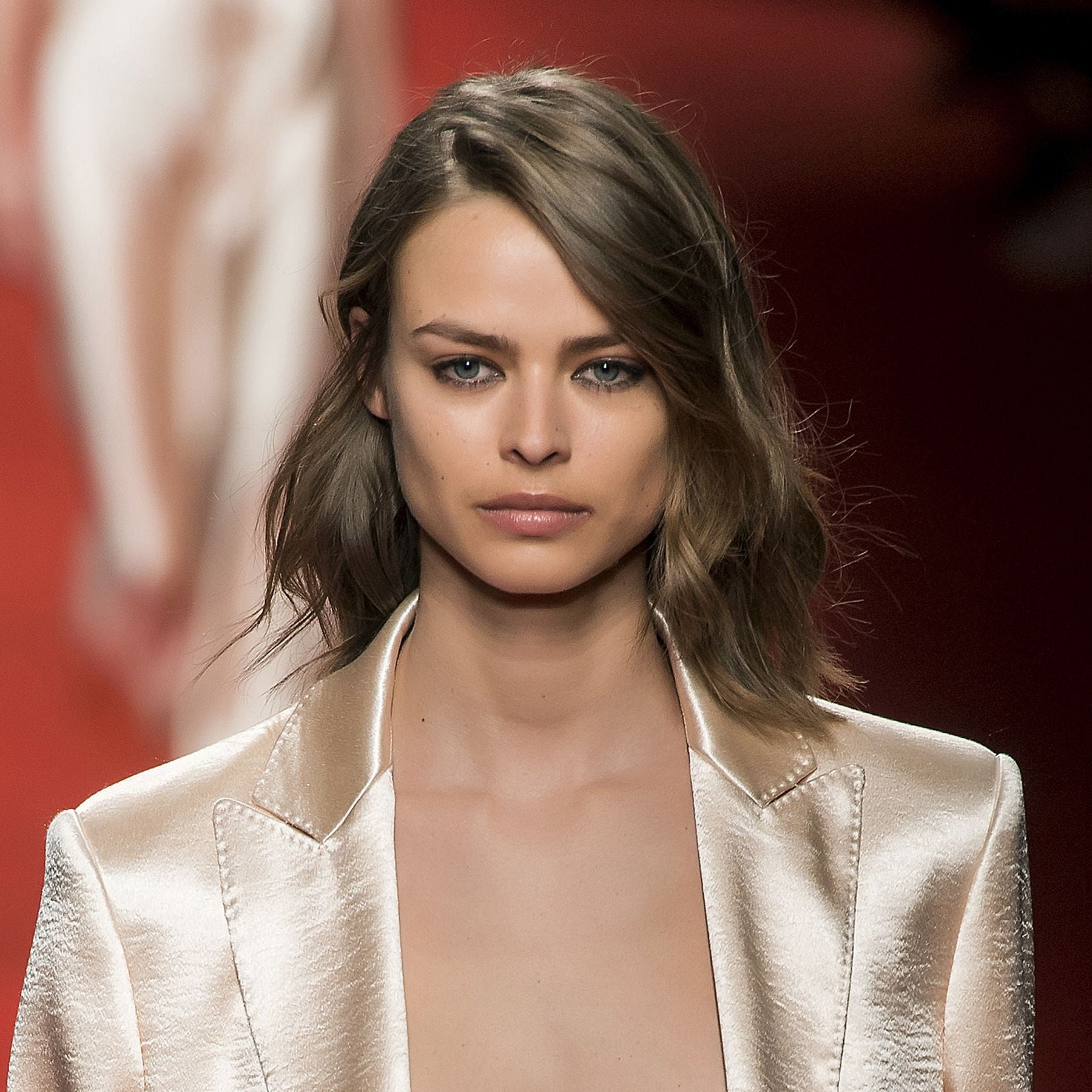
Picture a warm fire and a cup of tea. That is honey blonde in winter. The technique places warm-toned highlights on a chin-length lob, giving thick wavy hair volume and soft dimension. The downside is that honey can lean brassy if not maintained, so expect a toner every six to eight weeks to keep the warm undertones inviting rather than orange. It is a cozy counterpoint to the ice outside.
Final Thoughts
After writing all 25, I still think the cool ash tones win for pale skin. But what surprised me is how many of these rely on a soft root shadow or a babylight blend. The ones without it show root at week four.
- Tone with purple shampoo every other wash.
- Root touch-up every eight weeks.
- Use a heat protectant before styling.
- Trim ends every six to eight weeks.
- Ask for a soft root shadow to stretch time.
I’m booking the ash brown with blonde balayage next. It’s the lowest upkeep for my grow-out anxiety.