
38 Fall to Winter Hair Colors to Keep You Cozy
I saw the first shift in September. My stylist called it the annual cool-down. Blondes were going ashier, browns were getting richer. It’s not a dramatic overhaul. It’s a temperature change.
This roundup has 38 ideas. Some take a single gloss appointment. Others need a full day in the chair. They work on fine and thick hair, straight and curly. The phrase “Fall to Winter Hair Colors” covers everything from a subtle root shadow to a full copper melt. I have fine hair that shows every root by week five, so I watched for which ones grow out gracefully.
Long Dark Brown With Soft Waves
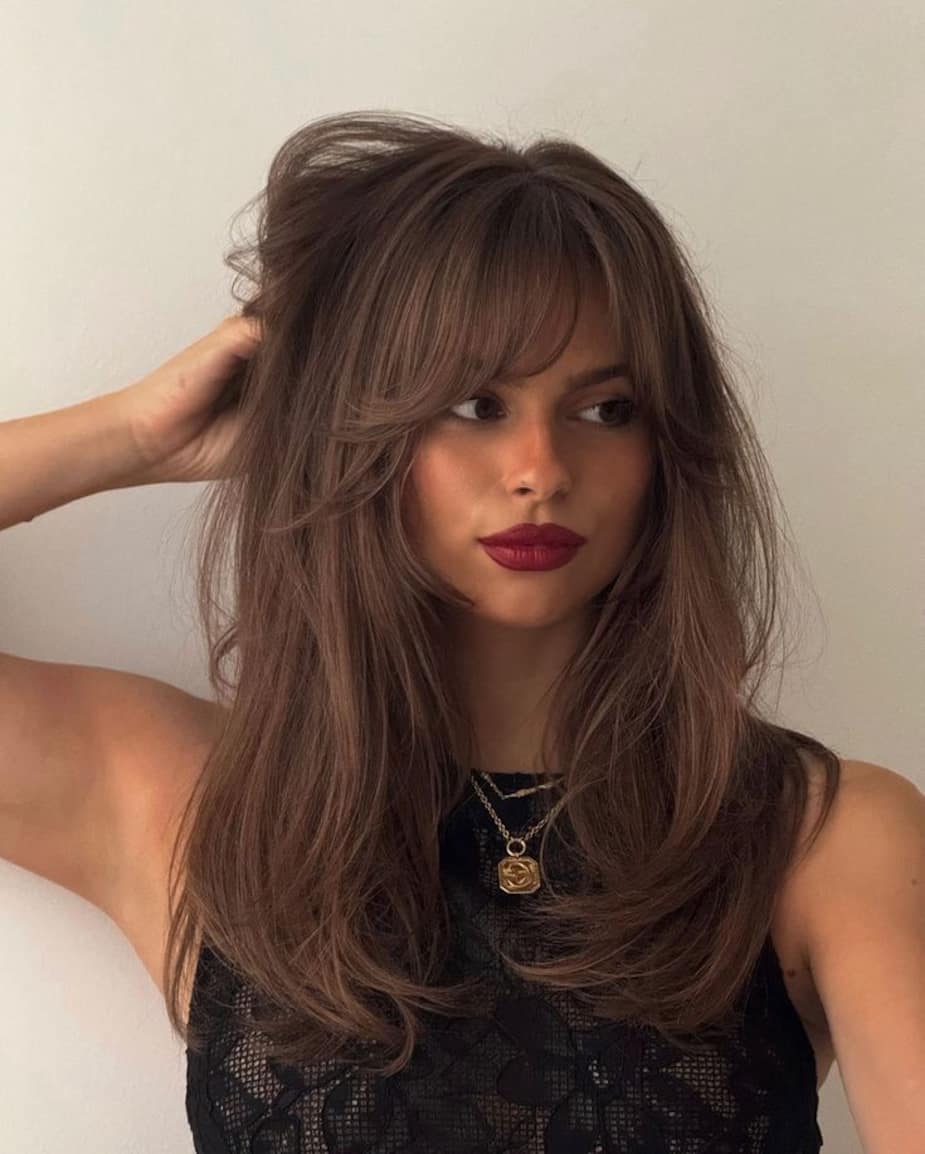
Dark brown hair with highlights is a classic fall-to-winter shift: the dark base deepens without losing dimension. Those light brown highlights are painted through the mid-lengths and ends, so the color reads rich from root to tip. On long hair with long layers and wispy bangs, the warm brown tones catch the light naturally. Wear: I need a round brush and a blow dryer for the voluminous waves, about twenty minutes, but the texture holds through the day. Upkeep: a trim every eight to ten weeks keeps the layers from growing heavy, and the grow-out line stays soft because the highlights were placed low.
Chin Bob Wavy With Curtain Bangs
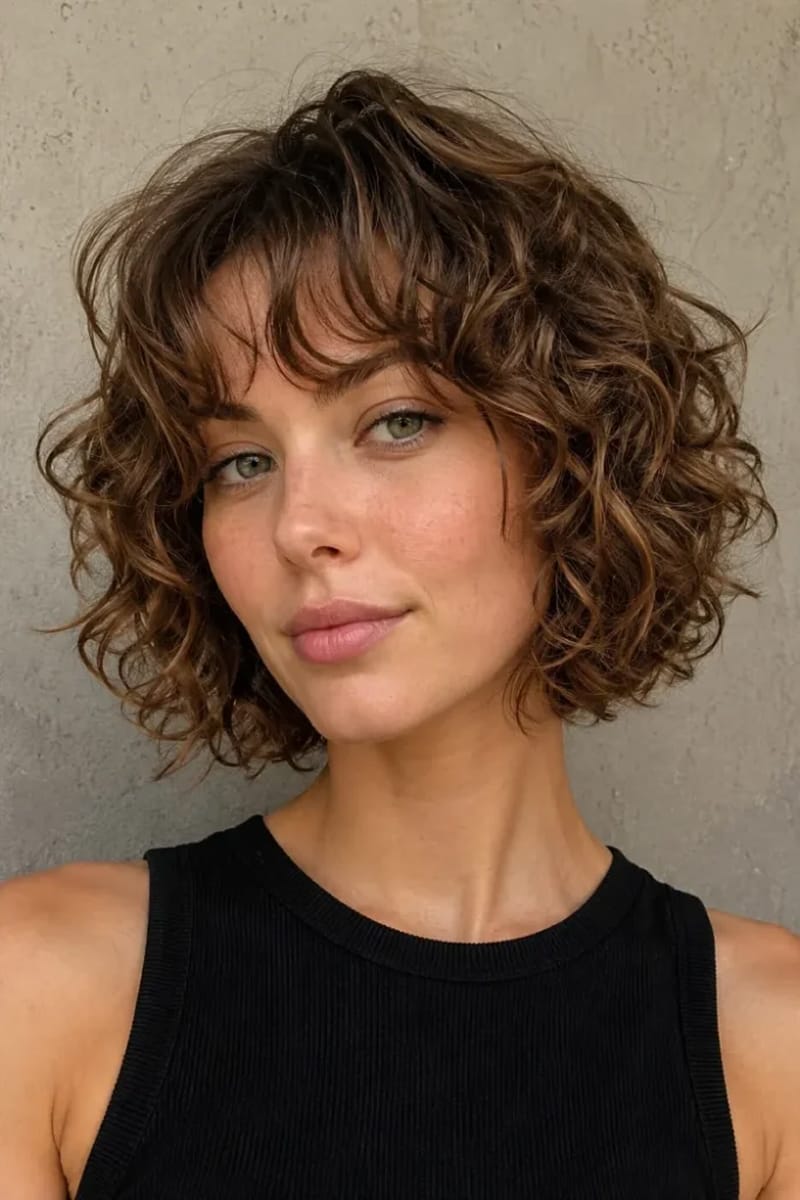
Can a chin-length bob survive air-drying? This medium brown bob with blonde highlights does, barely. The curtain bangs dry into soft pieces that frame the face, but the rest of the texture can get uneven without a scrunch or two. The honest downside: on humid days, the waves fall flat by noon. Still, for a ten-minute morning, it’s a trade I take.
Thick Wavy Dark Brown With Caramel
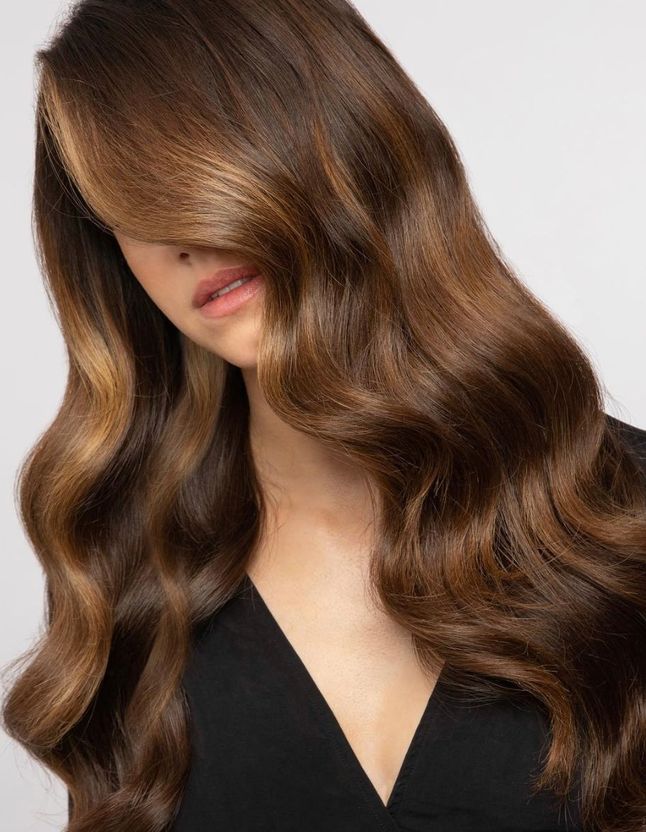
Dark brown hair caramel highlights are the dimension trick that never gets old. The technique works by weaving fine caramel highlights through the top layers, so the dark brown base stays dominant but light catches every wave. On thick wavy mid-back hair, the caramel ribbons add movement without the commitment of all-over color.
Ask your stylist for a rooted-to-ends application, with the caramel concentrated around the face and ends. Keep the base warm so the highlights blend seamlessly. This is a salon job – three hours, but the grow-out is forgiving because the root shadow remains dark.
Mid-Back Copper Red With Highlights
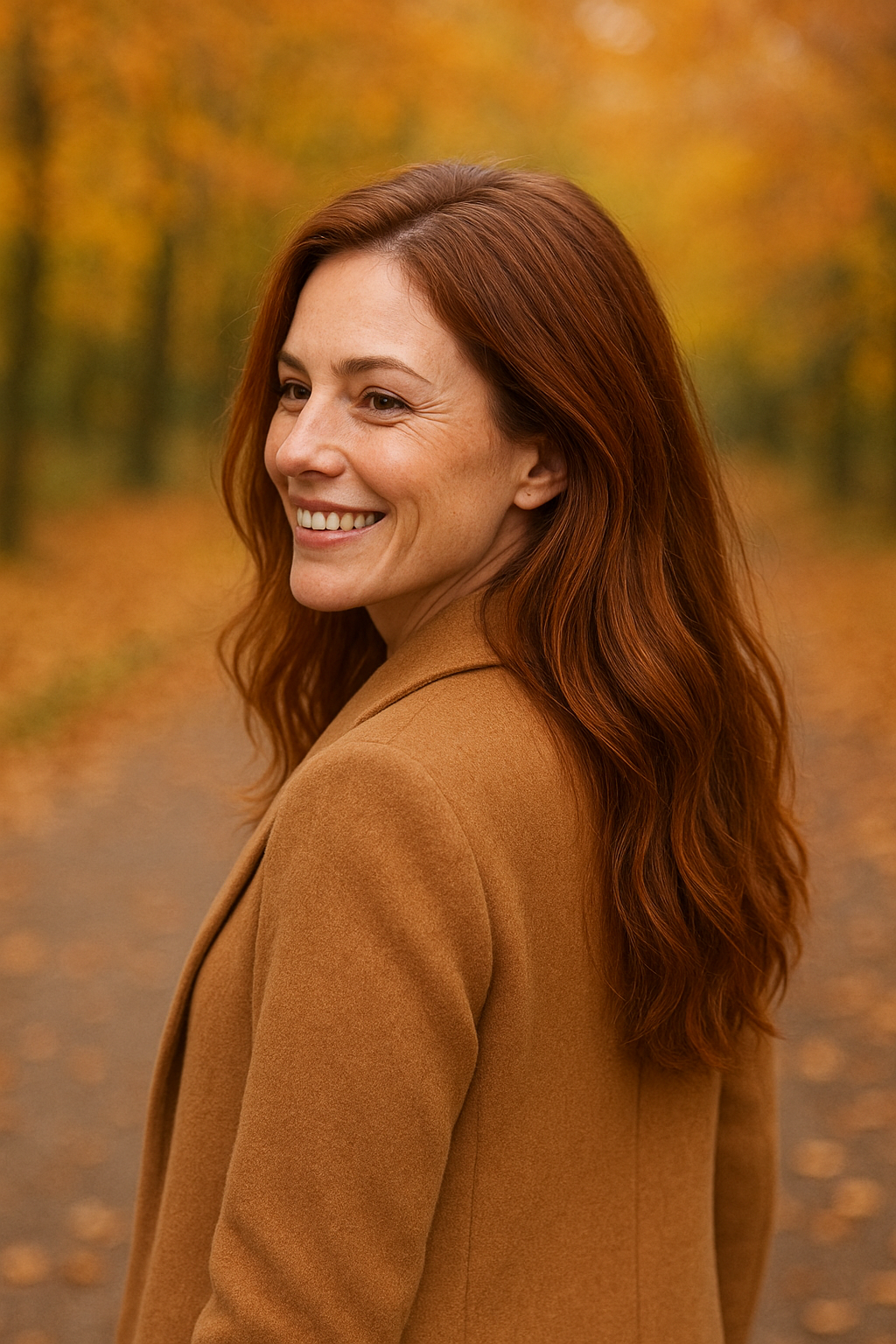
Copper red catches the low fall light better than any other tone. The copper red hair color is built on a warm base with subtle highlights pulled through the mid-lengths, so the color shifts between bright copper and deep auburn depending on the angle. It is a perfect transition shade: bright enough for September, deep enough for January snow.
This look is made for weekends and holidays – air-dried with a smoothing cream, the loose waves keep the color the star. The subtle highlights break up the solid red, preventing that flat one-note copper effect. Trim every six to eight weeks to keep the ends from fraying, and invest in a color-depositing conditioner between services.
Visual Idea
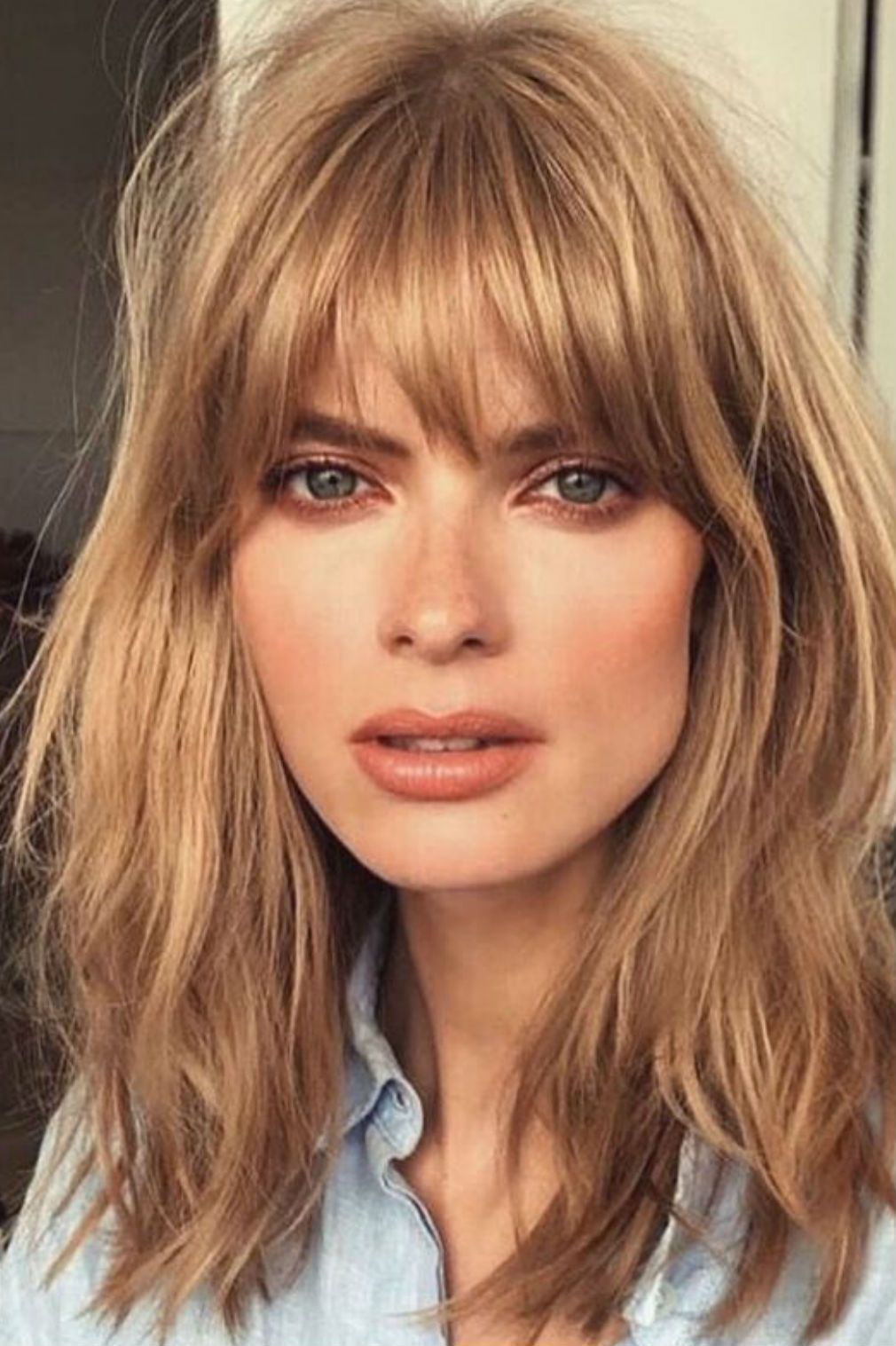
Honey blonde with full curtain bangs? I was skeptical until I saw how the shag layers hold the shape. The honey tone, with its gentle highlights, warms up the face without washing out fair complexions. Unlike a blunt shoulder-length cut, the shag’s layered texture keeps the bangs looking intentional, or at least styled. The wavy medium density texture gives the cut enough grip to hold the shape, and the shoulder length is low-maintenance between trims. For anyone torn between long and short, this splits the difference perfectly.
Mid-Back Visual Idea
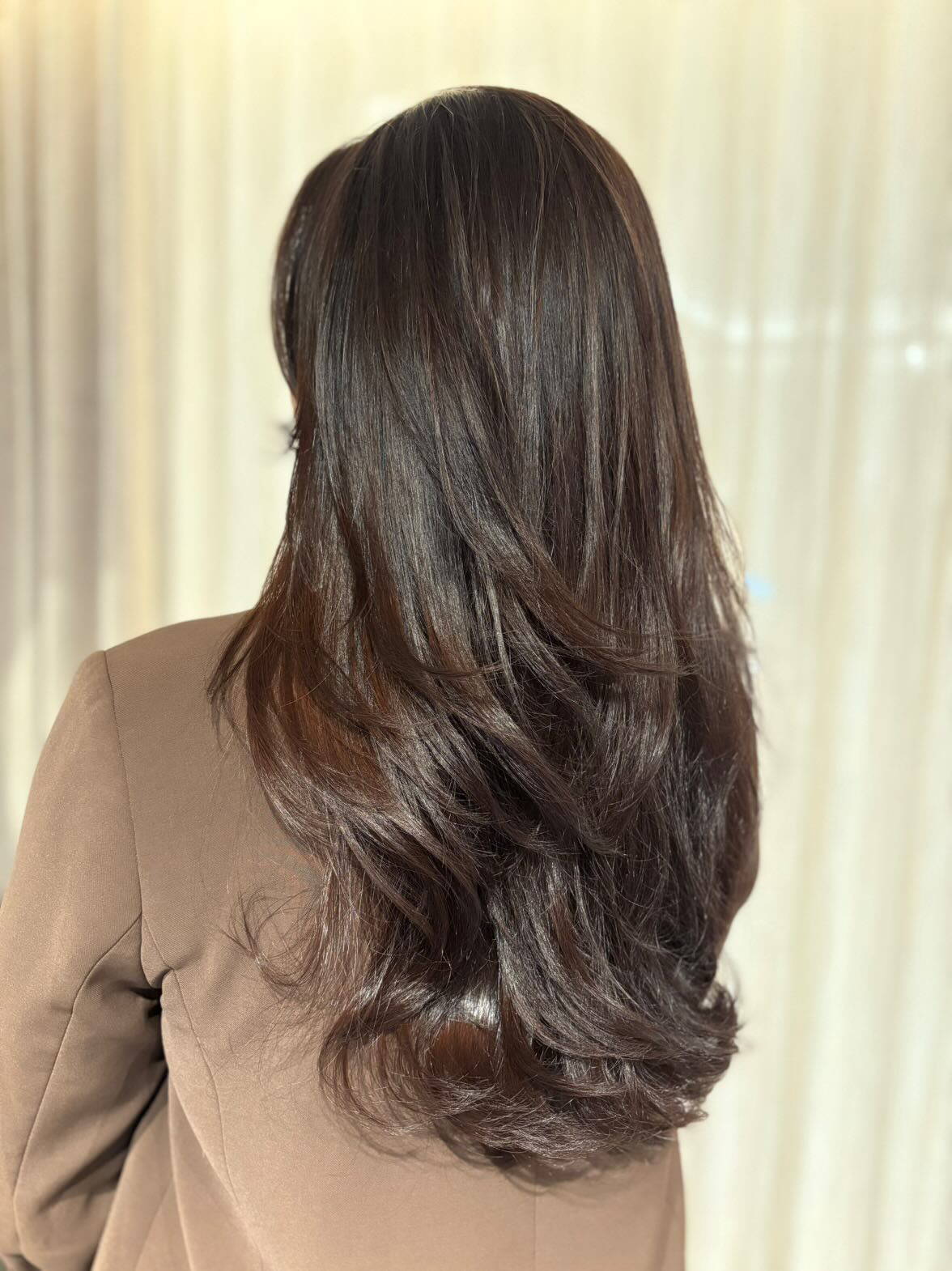
I’ll admit something: I used to think dark brown was the low-maintenance option. Then I tried a shade with subtle auburn undertones. The colour is a deep, rich dark brown with a warm auburn tone that catches the light in a way flat brown never does. The technique is a single-process colour with a warm gloss layered over it, which gives the hair that dimensional shine. The length is mid-back, layered to keep the weight from pulling the waves straight. The texture is thick and straight with soft waves, so the gloss reflects evenly.
The upkeep is the part nobody tells you. Rich brown tones fade to a brassy orange if you don’t use a color-safe shampoo and schedule regular gloss appointments. I book a salon visit every six to eight weeks for a root touch-up and a fresh gloss. DIY at home is risky because the auburn undertones are easy to mess up — you end up with a muddy brown instead of that warm depth. This is a salon colour, no question.
Vibrant Copper Red Visual Idea
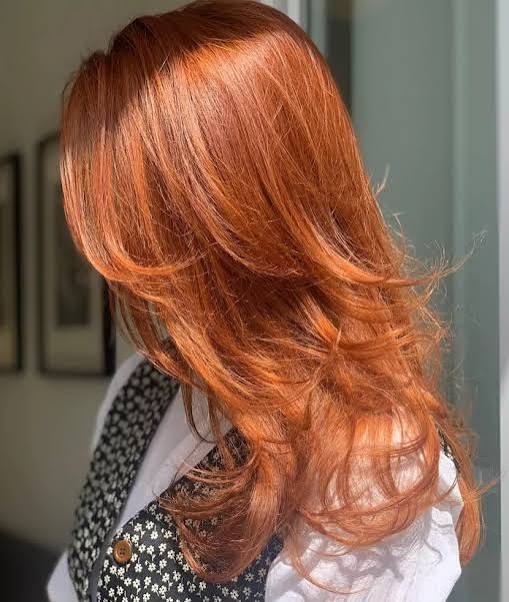
Have you ever seen a copper red that looks like it was made for someone else? This vibrant copper red is that colour. The base is a fiery copper tone, applied with a full saturation technique that ensures the colour is even and intense from root to tip. The length is mid-back, cut in layers to encourage the natural wave. The texture is wavy and thick, which is exactly what this shade needs — it catches the light in each wave, creating movement.
This colour genuinely flatters warmer skin tones, especially those with golden or peachy undertones. If your skin has pink or blue undertones, the copper can read as brassy rather than rich. Thick, wavy hair holds the pigment well and shows off the dimension. Fine or straight hair might look flat under the same shade. So if you have the texture for it, this is a knockout. If not, consider a softer copper instead.
Collarbone Visual Idea

The loose curls in this collarbone cut look effortless in the photo, but they take deliberate work to hold. The colour is a copper base with subtle red undertones, achieved with a single-process dye and a warm gloss. The length hits at the collarbone, layered to give the curls bounce. The texture is wavy and medium density, which helps the curls hold better than straight hair would. The honest downside: those textured curls fall by early afternoon if you skip a styling product. The curtain bangs separate by noon and need a quick re-curl. It’s a look that asks for ten extra minutes each morning.
Long Past Shoulders Visual Idea
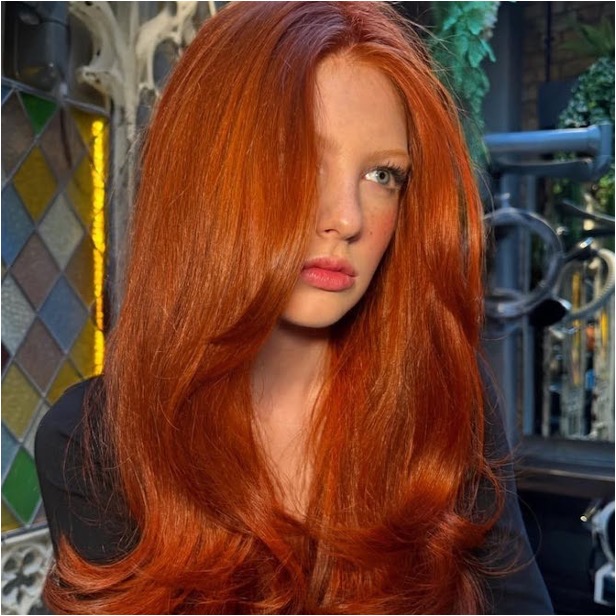
This is not a colour you walk into a salon and walk out with in an hour. The vibrant fiery orange base with hints of red requires a double process: first, the hair is lightened to a pale yellow, then a semi-permanent orange-red dye is applied. The multi-tonal effect comes from a gloss that adds depth at the roots and lightness at the ends. The length is long past shoulders, cut with long layers to prevent the weight from pulling the waves straight. The texture is wavy and thick, which helps the colour show its dimension.
The styling steps to get that voluminous blowout with soft waves are straightforward but take time. Start with a heat protectant, blow-dry with a round brush for volume at the roots, then use a large-barrel curling iron to create loose waves. Brush them out for a soft finish. The side part adds asymmetry and frames the face. It’s a 20-minute styling routine, not a five-minute one.
Terracotta Visual Idea
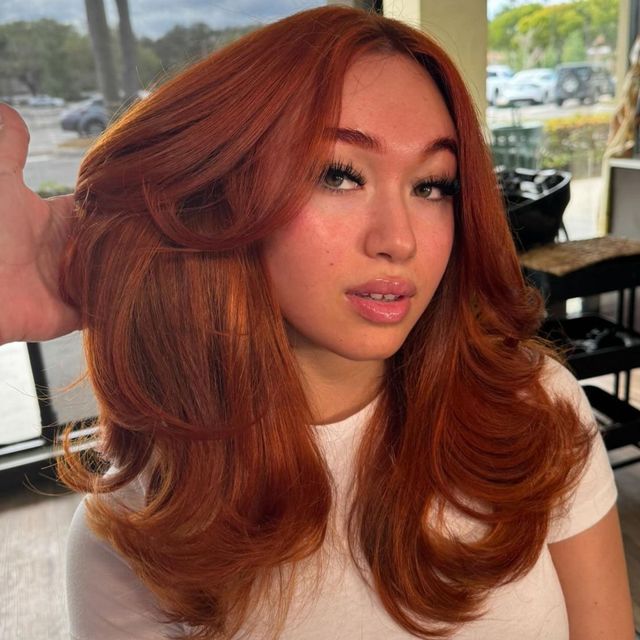
Terracotta is the colour I didn’t know I needed until I saw it on a rainy October afternoon. The shade is a warm, earthy terracotta, applied with a single-process dye that gives an even, rich tone. The length is collarbone, cut in layers with curtain bangs that soften the face. The texture is wavy and thick, which makes the terracotta look dimensional rather than flat. This colour lands perfectly in autumn — it echoes the changing leaves and the warm, cozy feeling of the season. It’s a natural fit for fall gatherings and everyday wear.
Ash Blonde With Subtle Grey Undertones Visual Idea
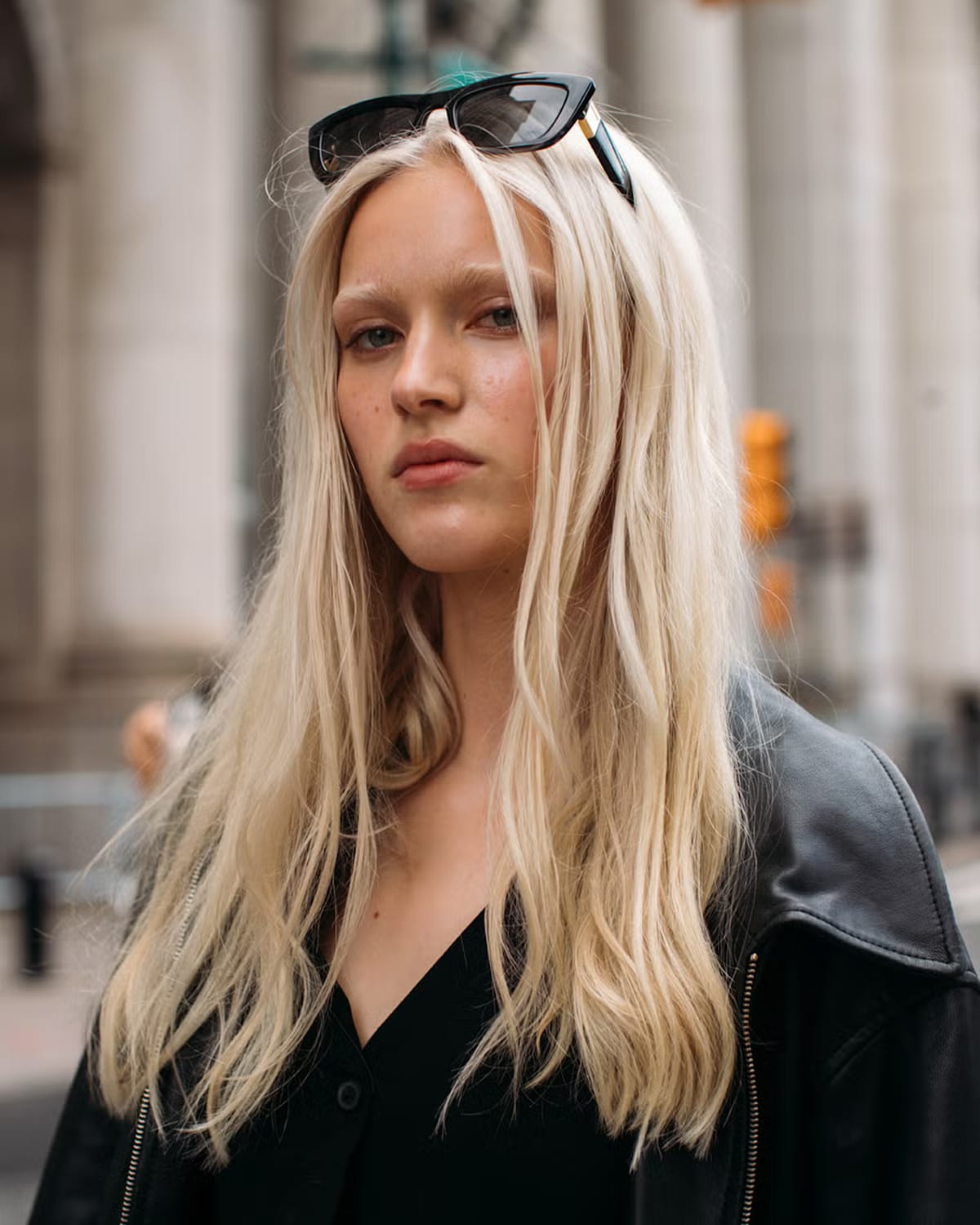
Cool ash blonde reads entirely different than a warm honey blonde. This version has subtle grey undertones that keep it from turning brassy, a common complaint with lighter shades. At mid-back length, the cool tone catches the light differently than warmer shades — it reflects silver rather than gold. The loose waves and middle part show off the even color, applied as a single-process with a cool ash toner. Cooler. Sharper. Worth the upkeep.
This shade demands regular toning. Every four to six weeks, a purple shampoo or a salon gloss keeps the grey undertones from fading to yellow. It wears well in cooler months, but summer sun can pull warmth into it. If you’re used to warmer blondes, expect a cooler reflection in natural light. The wavy texture helps diffuse any unevenness as roots grow in, but the contrast between dark roots and ash blonde is noticeable by week six. For mid-back length, that means a root touch-up every eight weeks to keep the cool tone consistent.
Chest Length Visual Idea
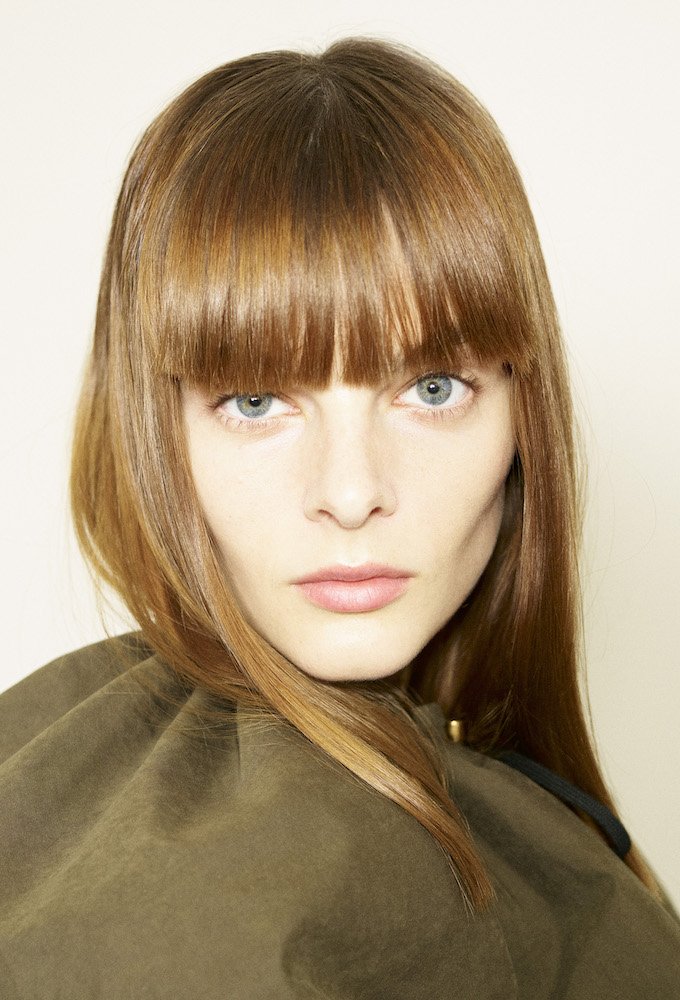
Have you got fine, straight hair and a desire for something that does not fall flat by noon? This chest-length cut with blunt bangs is a specific formula. The blunt baseline creates the illusion of density where fine texture tends to look sparse. The medium brown base with subtle auburn undertones adds warmth without the weight of a full color melt. The auburn reads as a glow, not a stripe. If your hair is thick or wavy, the blunt bangs will separate by lunch and the chest length will sit at an awkward widening point. Pass if you air-dry. This cut earns its keep with a flat iron and a heat protectant.
Layers Visual Idea
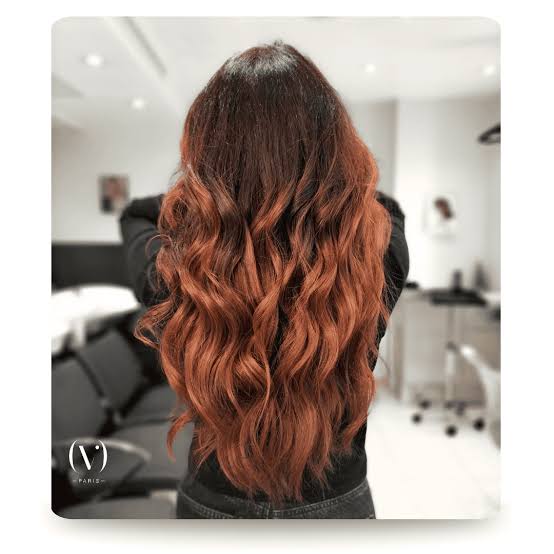
I will admit I am a sucker for a dark brown base with copper and auburn highlights. The reality of multi-tonal highlights is that they look incredible for the first four weeks. The copper pops, the auburn catches the light, the dark base grounds everything. Then the copper starts to fade to a brassy orange, and the auburn turns rusty. You are left with a muddy brown if you do not use a color-depositing conditioner. The grow-out is soft, yes, but the tone shifts are real. I have to book a gloss every eight weeks to keep the copper from going rogue. The honest downside is that this is a high-maintenance color story. It is not a single-process dye job. It is a layered highlight on wavy, thick, mid-back length hair that requires a skilled hand and a commitment to toning.
Chin-Length Visual Idea
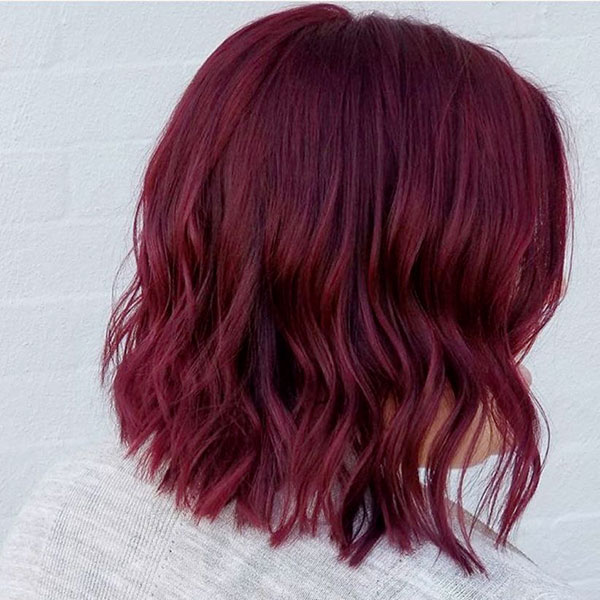
This colour is not a one-step job. Deep burgundy requires a pre-lightened base to hold the pigment, otherwise it reads as muddy brown. The technique: lift to level six or seven, then apply a cool-toned direct dye. On chin-length, wavy hair, the colour saturates evenly. The full bangs process faster, so they need a separate timing check. The result is a saturated burgundy that looks black in low light and glows red in direct light.
No Bangs Visual Idea
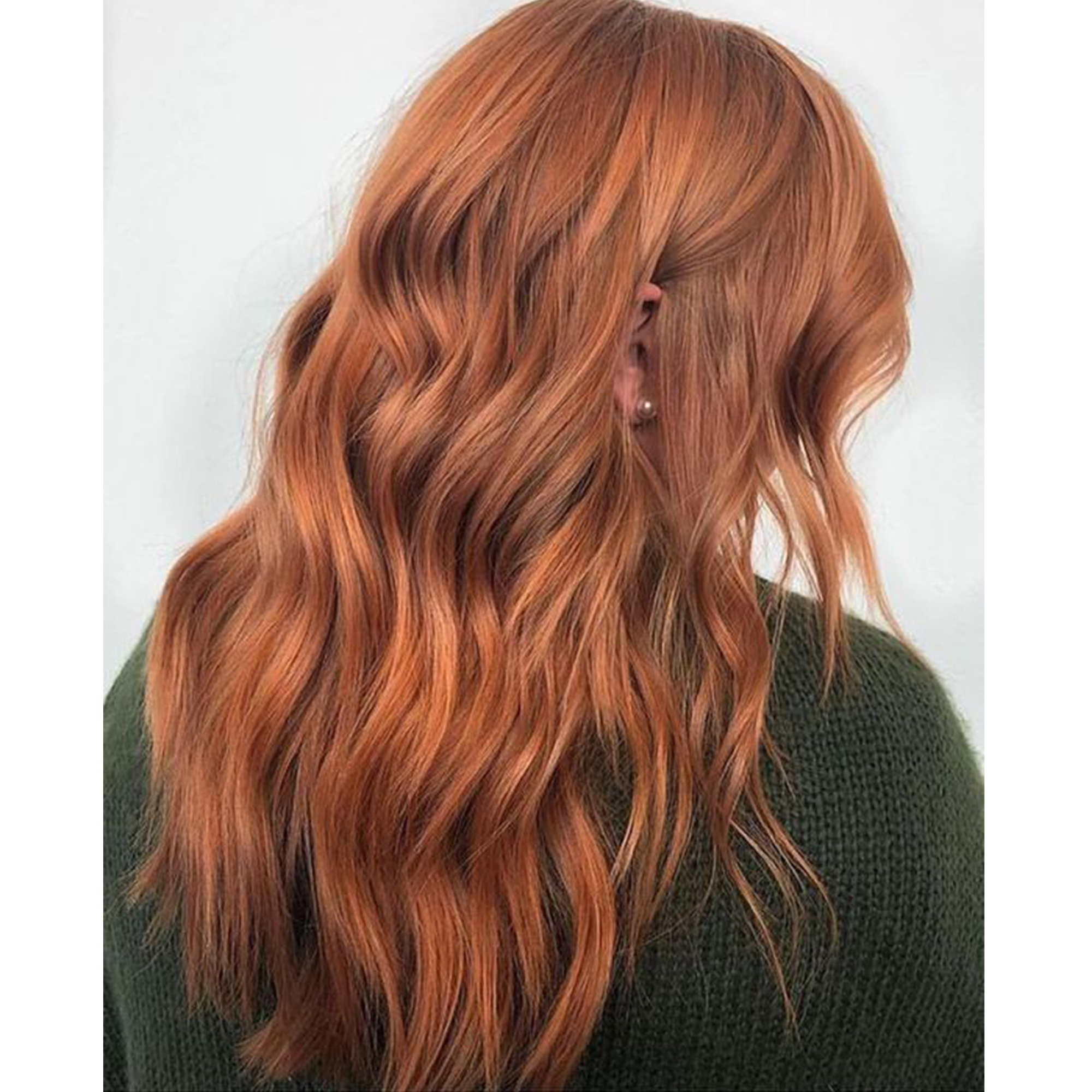
Warm copper is the colour that bridges October and December. It holds the heat of autumn leaves and the muted glow of winter sun. The subtle golden undertones keep it from turning too rusty or too brown. On mid-back, wavy, thick hair, the colour is applied with a balayage method that allows the copper to catch light in the waves. No bangs means the colour runs uninterrupted from root to tip, which emphasizes the dimension.
This shade lands perfectly in the transition because it doesn’t require a full commitment to red or brown. It reads as warm without being loud. In winter light, the golden undertones soften the copper, so it doesn’t clash with grey skies. It’s a seasonal colour that works through the holidays and into January without needing a refresh. The balayage grow-out is soft, so you can stretch the time between appointments.
Long Layers Visual Idea
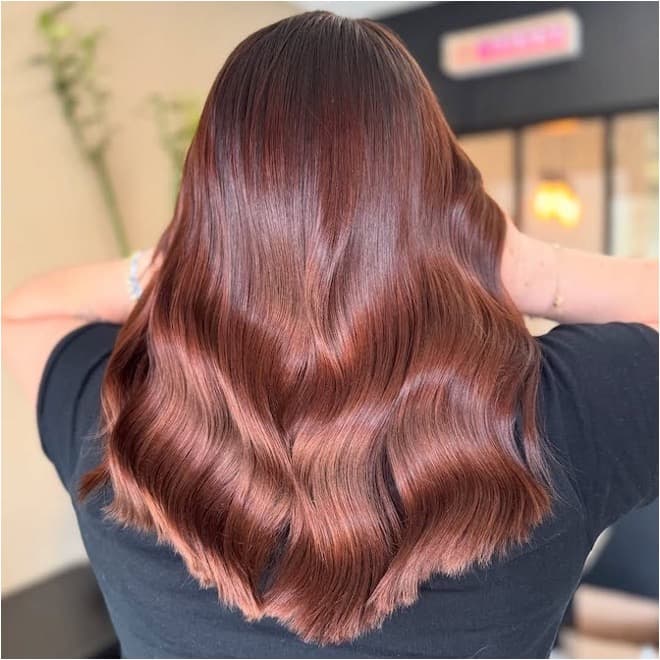
How much time are you willing to spend on a single hair colour? This rich auburn base with subtle copper undertones sits at mid-back length on thick, wavy hair cut into long layers. The technique is a single-process colour applied all over, which means the tone is uniform and needs regular upkeep to stay vibrant. The warmth catches the light beautifully, but it fades fast if you skip maintenance.
Wear and upkeep: the colour fades faster on thick hair because the cuticle is more porous. You will need a trim every eight weeks to keep the layers looking fresh. The initial appointment takes about two and a half hours including processing. Each refresh adds another hour. If you skip a gloss, the copper dulls within two weeks. The shine is what makes this colour worth the time, but it requires regular maintenance. DIY is not recommended: auburn is tricky to get even at home, and the copper undertones can pull orange if you are not careful. Salon is the only way to get that shine. Expect to spend two hours in the chair every six to eight weeks for a gloss or refresh. If you are not prepared for that commitment, skip this shade.
Back View Visual Idea
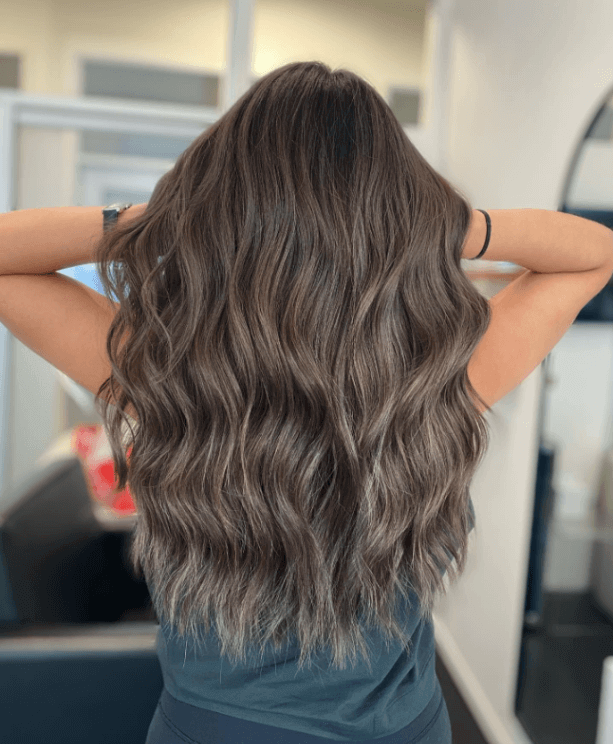
This is the colour that makes you do a double take. The ash brown base with subtle cool-toned highlights runs down the back in loose waves. The length is mid-back, the texture is thick and wavy, and the cut is long layers with no bangs. The technique is foil highlights placed to catch the light without being stripey. The highlights are placed to frame the face and add dimension to the back. The tone is cool and understated, not icy.
Who suits this? Cool-toned highlights complement fair to medium skin with pink or neutral undertones. They can also work on olive skin if the highlights are kept very subtle: the contrast is less jarring that way. Who should pass? People with very warm undertones might look washed out, especially if the ash brown base is too flat. The key is the tone: subtle cool-toned highlights, not icy. This is a salon job: the placement and toner require a professional hand. It is a winter-friendly colour because the cool tones match the grey light without clashing. This colour works best on hair that is already light to medium brown, as the ash base needs a clean canvas.
Shoulder Length Visual Idea
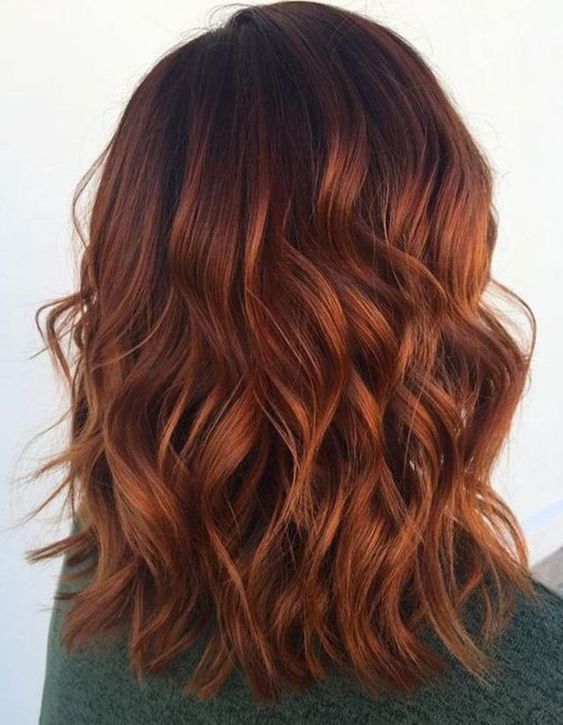
Best grow-out in this roundup. The balayage transition from dark brown to warm copper earns its keep through the grow-out, no harsh line, no urgent root appointment at week four. That alone makes it worth considering for fall to winter. The shoulder-length lob with loose waves shows off the shift best, the warm copper and auburn highlights catching light at the ends while the dark base stays grounded. Medium-density wavy texture holds the wave pattern without fighting it. The honest downside: balayage this warm can pull brassy by week six, especially if your water runs heavy on minerals. A purple shampoo once a week keeps the copper from turning orange, and a toning gloss every eight weeks helps. Not a high-maintenance color, but not a set-it-and-forget-it one either.
Ash Blonde With Subtle Beige Highlights Visual Idea
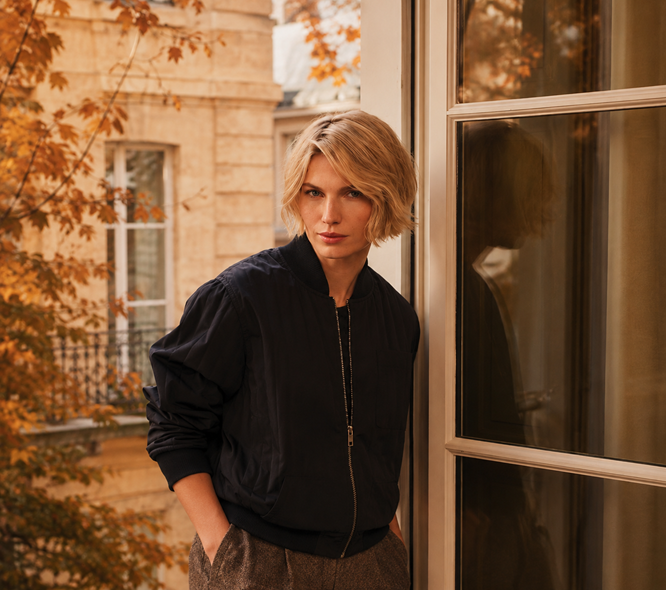
The ash blonde base reads cool, almost silver in certain light, while the subtle beige highlights add just enough warmth to keep it from looking flat. That balance is the technical trick: too much ash and the color goes muddy, too much beige and it reads warm. The soft layered lob with side-swept bangs gives the color movement, the waves breaking up the tone so it shifts as you turn your head. Collarbone length keeps it practical for winter layers and turtlenecks.
The upkeep list is short but specific. A purple shampoo every second wash to maintain the ash tone. A toner refresh at the salon every six to eight weeks. A trim every ten weeks to keep the layers from tangling at the ends. Medium-density wavy texture works with the loose waves without needing much encouragement.
Dark Brown Base With Caramel Highlights Visual Idea
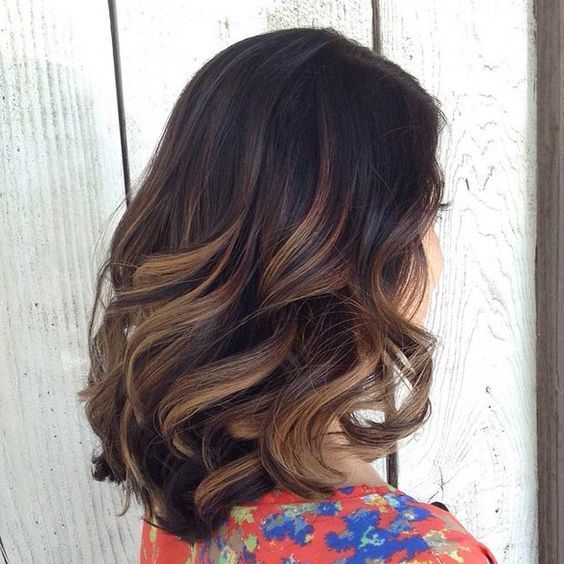
When did brown start looking this expensive? The dark brown base reads deep and rich, the kind of neutral that works with a gray wool coat or a cream sweater without clashing. The caramel highlights woven through add warmth without going red, which is why this color lands so well for fall to winter. It is not a summer blonde trying to hang on through November. It is a deliberate shift, the base darkening as the season does, the caramel acting like the last bit of October light.
The collarbone-length lob with a middle part and loose waves keeps the focus on the color. Thick, wavy texture helps the caramel highlights sit visibly through the mid-lengths and ends rather than disappearing into the density. No bangs means the color reads clean from root to tip, no break in the line. This is the kind of color that looks right at a holiday dinner or a Tuesday meeting. It does not announce itself. It just looks like you belong in the room.
Layered Bob Visual Idea
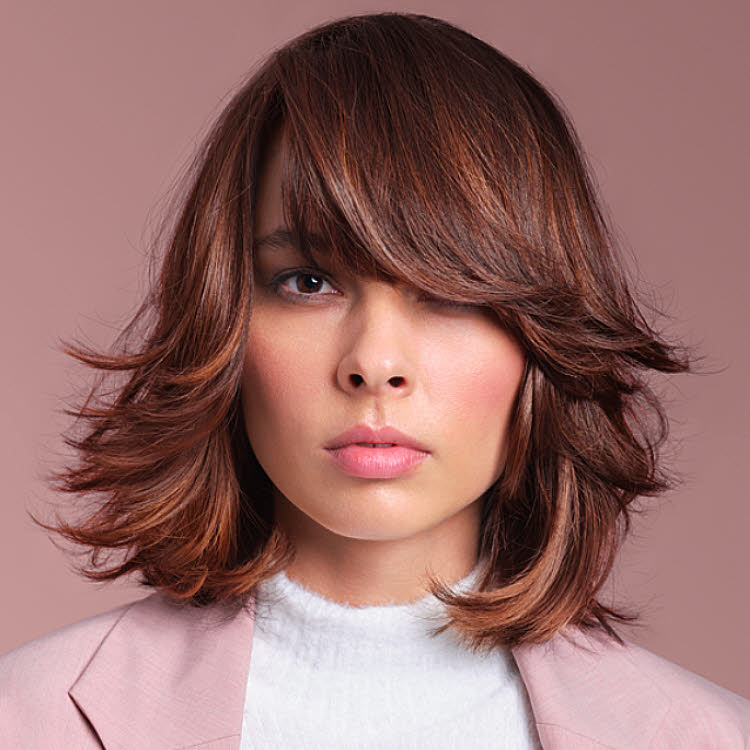
I wasn’t expecting to fall for a layered bob, but here we are. A single-process brown is fine, but it lacks dimension. This warm brown base with copper and auburn highlights catches light differently, and the side-swept bangs frame the collarbone length without hiding the layers. The tone is warm, the texture is wavy and thick, and the blowout with soft waves gives it movement. It’s not a subtle color, and that’s the point. Against a flat brown, this one wins every time.
Front View Visual Idea
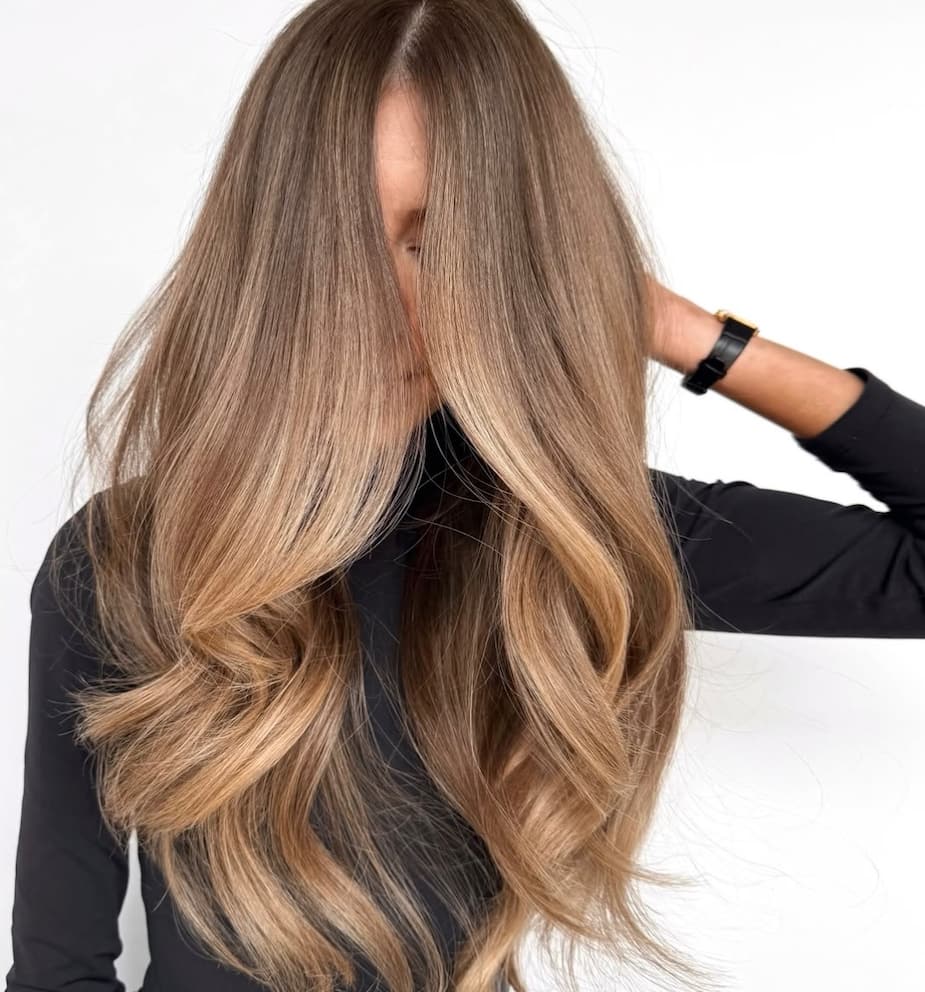
This warm blonde is a winner for the right hair type. The warm blonde base with subtle caramel highlights reads bright without being brassy, and the tone works especially well on skin with warm undertones. The mid-back length with long layers gives the voluminous blowout room to move, and the loose waves need thick, wavy texture to hold their shape. The middle part keeps it modern.
If your hair is fine or straight, expect to reach for a volumizer to get this lift. The style relies on density, so those with thinner strands may find the waves fall flat by midday. But for thick, wavy hair, this is a solid fall-to-winter choice.
Back View Medium Crop Visual Idea
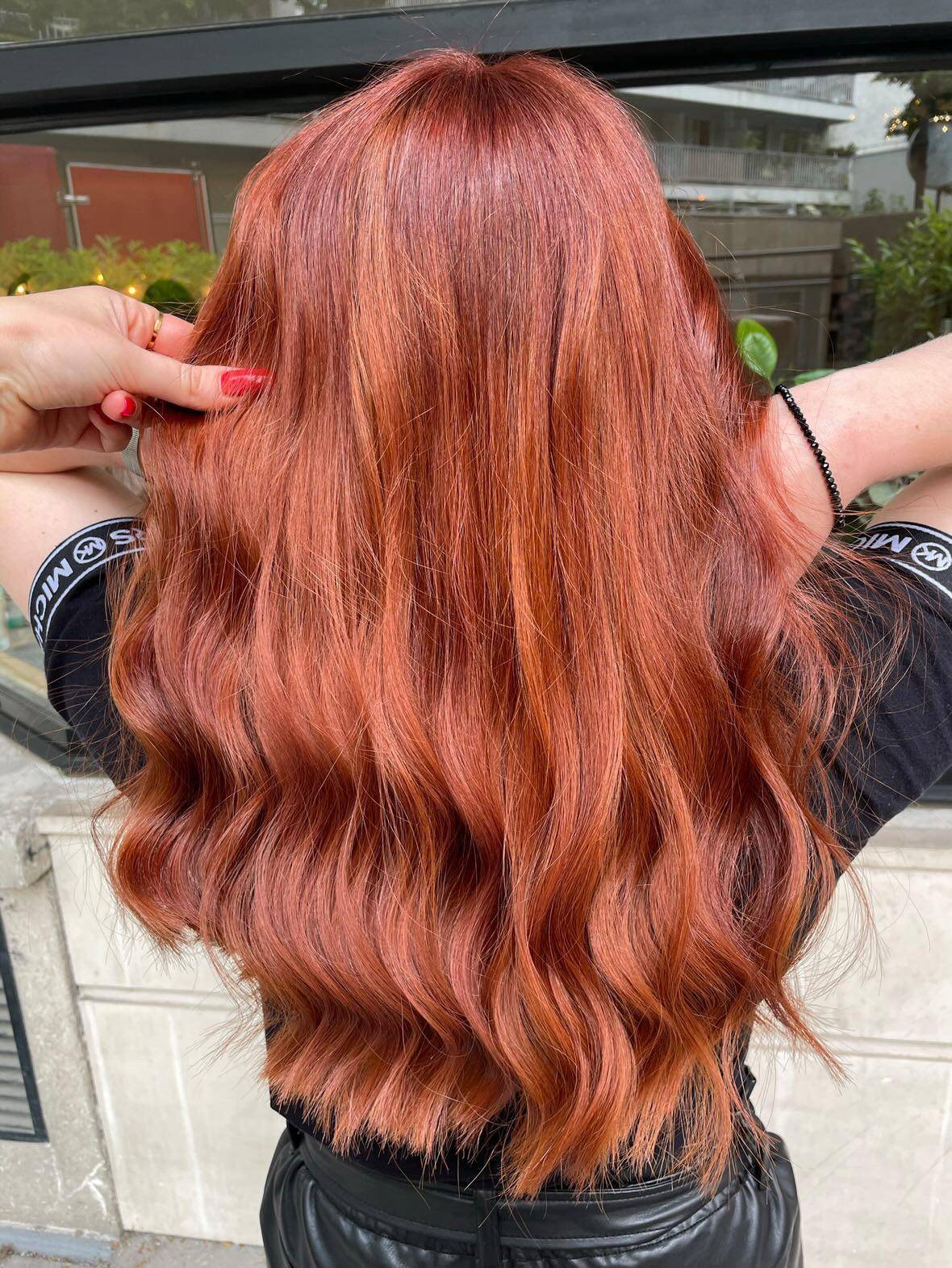
By Wednesday, the copper starts to fade, and you notice it. This copper red base with subtle lighter copper highlights looks electric fresh out of the salon, but the tone shifts fast. The mid-back length and layers keep the shape, but the wavy, thick texture needs daily refreshing to hold the loose waves. Honest downside: without a color-depositing conditioner, the vibrant hue turns brassy within two weeks. The blowout helps, but this is a commitment color.
Rose Gold Visual Idea
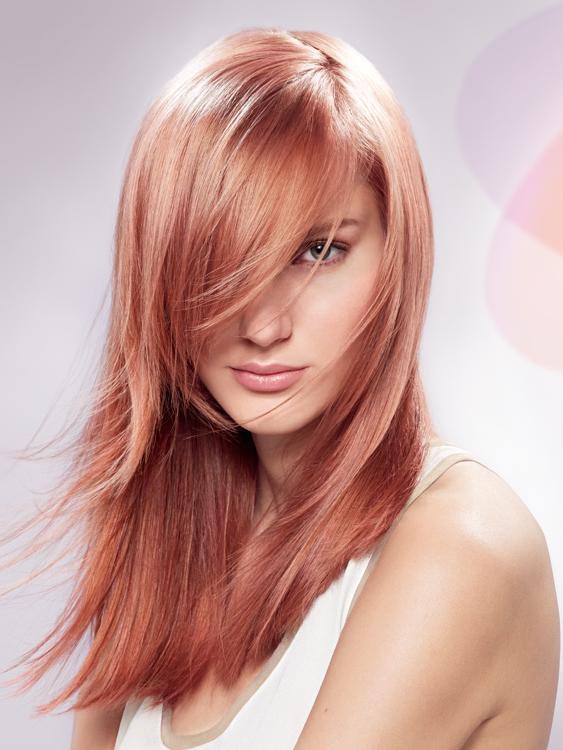
How do you get rose gold without it looking like a strawberry blonde that went wrong? The technique starts with a pale blonde base, then a pink-gold toner is applied carefully to avoid brassiness. The tone is a true rose gold, neither too pink nor too gold. On this collarbone length with long layers and side-swept bangs, the color reads delicate. The texture is straight and fine, which lets the rose gold reflect evenly. It’s a salon-only job, and the toner needs refreshing every few weeks to keep the hue pure.
Middle Visual Idea
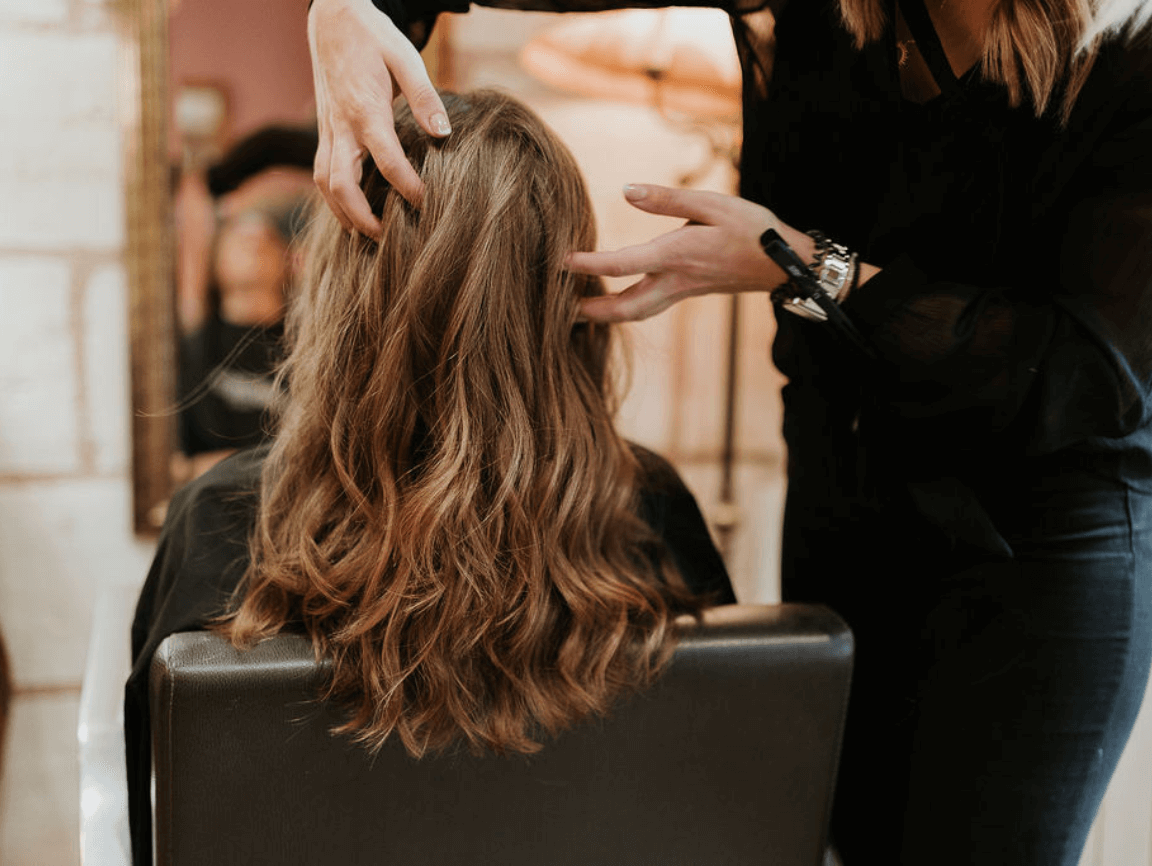
I’ll admit, I used to think balayage was a summer-only move. But a medium brown base with warm blonde balayage works for fall to winter because it adds brightness without being too light for the season. The warm tone complements the darker coats and sweaters we start wearing, and the balayage technique keeps the grow-out natural. The mid-back length with layers and a middle part gives the wavy texture room to move.
This is a subtle way to bring light into darker months. The warm blonde pieces catch the low winter sun, and the medium density waves hold the shape without heavy product. It’s not a dramatic shift, but it keeps the hair from going flat as the days get shorter.
Platinum Blonde With Ash Undertones Visual Idea
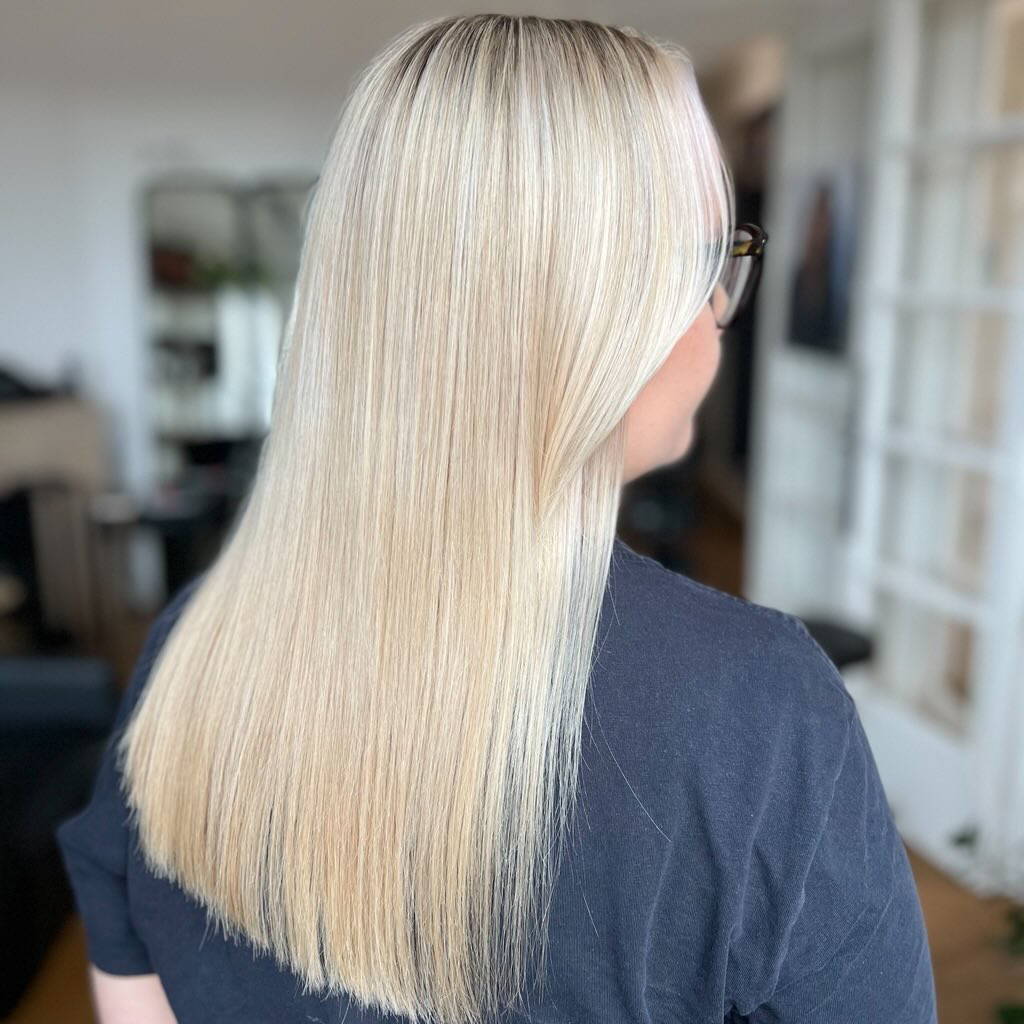
I felt my wallet twitch just looking at this. Platinum blonde with ash undertones, mid-back length, straight fine hair worn sleek: this is a second job. The technique is a full bleach plus a toner every fourth shampoo, and the week it goes brassy is week two, not week four. The grow-out line shows around the month mark, distinctly silver against new growth. In the chair, it is a reset: a full session of lifting, toning, bond strengthener and a glaze. Then back in six to eight weeks for a root touch-up and another gloss. This is not a bathroom-mirror job, not with fine hair that can snap if you sneeze near the developer. You book a stylist who breathes blonde, you bring a calendar, and you decide if your life has room for a colour that demands maintenance before coffee.
That sleek straight finish shows every demarcation line, every uneven patch. The round brush blowout or flat iron becomes your daily companion. If fine hair sounds undersold, here: the toner fades faster on porous ends, and that ashy rim you loved at week one? By week three it is a faint yellow. You rebook before you need to. Platinum done right is a beautiful, specific, time-consuming commitment. I respect it. I am not sure my schedule does.
Ear Visual Idea
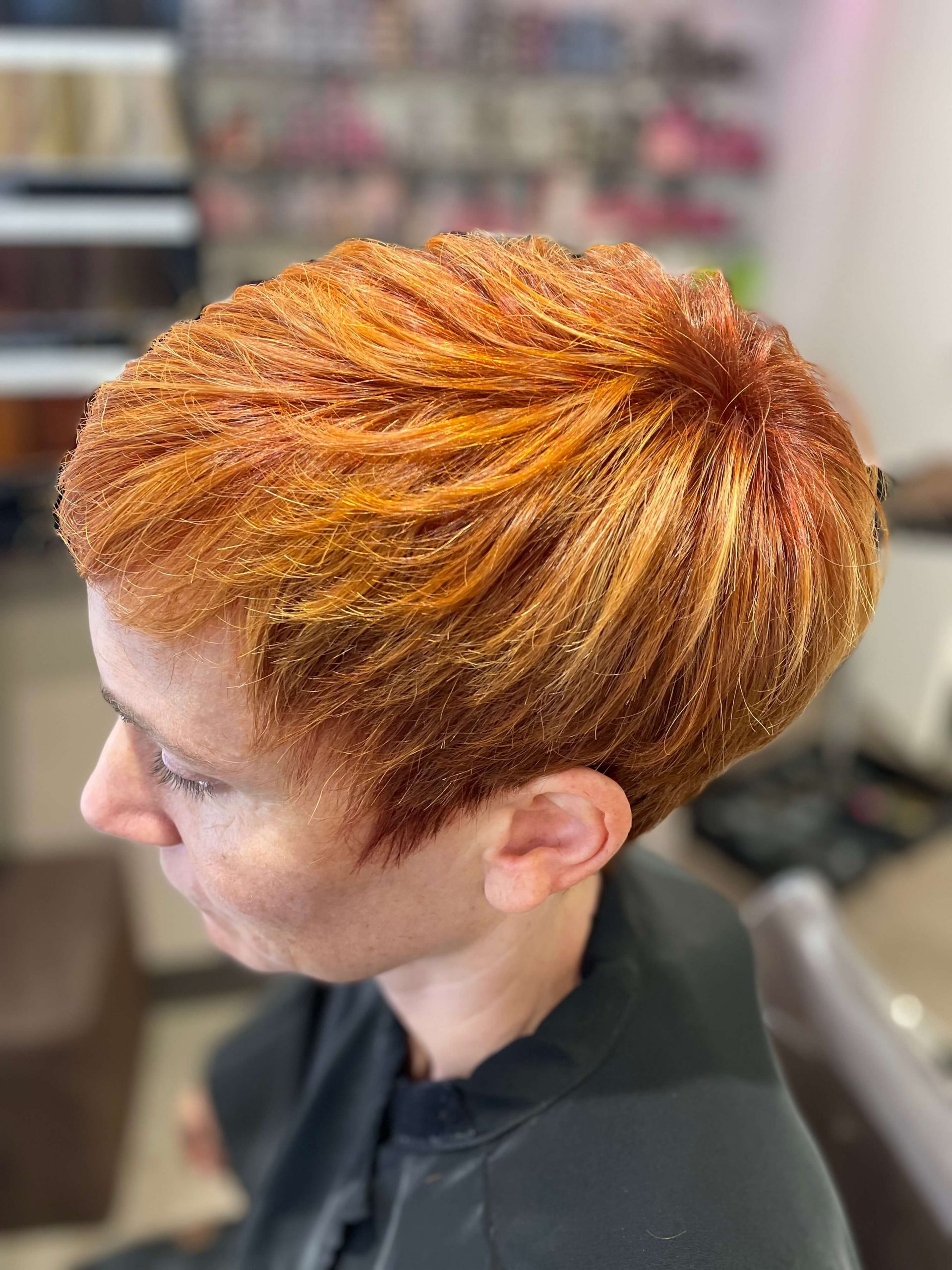
Chin Visual Idea
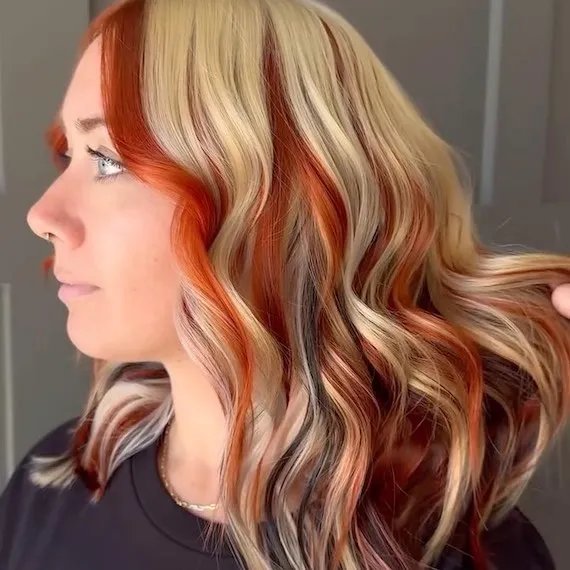
Who opens their appointment book to blonde with red and black streaks on a chin-length wavy bob with a middle part and thinks this will be calm? Because that is what this colour looks like: bold, streaky, dimensional, and a lot of choices. The red streaks will fade in about four washes if you use warm water. The black sections will stay put, which means you get a growing gap between the red and the black over the next weeks. The blonde base needs a purple shampoo or it shifts to yellow against the black. The wavy texture helps blur the line between streaks, but the middle part exposes every contrast. A low-commitment look? No. A high-impact one? Yes, and it requires a salon refresh every five to six weeks to keep the red from turning pink-eyed.
Rich Burgundy Visual Idea
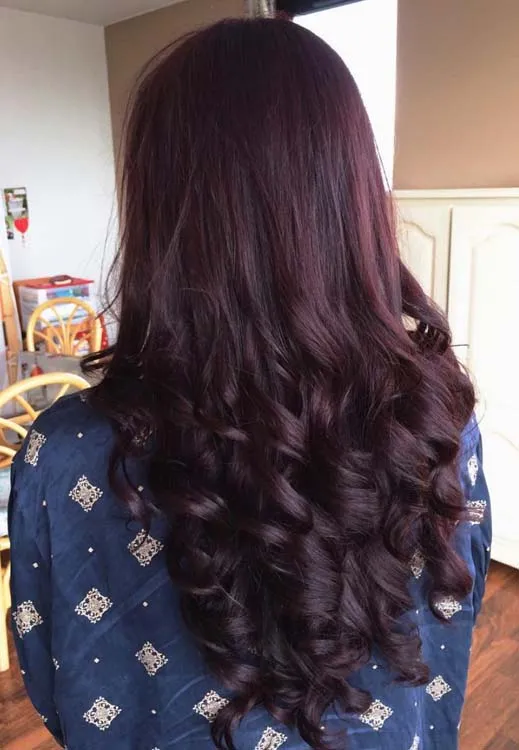
This one earned its place in the roundup because it does not look flat. Rich burgundy on mid-back wavy thick hair, no bangs, a middle part, loose curls: the colour has depth. The technique is a single-process colour, but here is the stylist trick: it is built with a mix of a cool violet-red and a warm brown-red, not a single tube. That two-shade blend keeps the burgundy from reading purple or brown, it reads burgundy. The loose curls catch the light and show both tones. Thick wavy texture helps because the colour lands on a surface that moves. Fine hair would look weighted down. Ask your stylist for a custom burgundy blend with a brown-red base and a violet accent layer, no single formula straight from the bottle. The result is a deep, wearable red that works for fall without an audition for a goth band.
This is a salon job, not a box. The base and the accent need to be mixed precisely or you get a muddy root line or a stripe effect at the ends. The curls are not required but they reveal the two-tone dimension. Straight styling would collapse the colour into a single note, still pretty but less interesting. The mid-back length shows the colour from root to tip, and the middle part keeps it symmetrical. A solid, technically sound colour that rewards a good consult.
Copper Base With Subtle Red Undertones Visual Idea
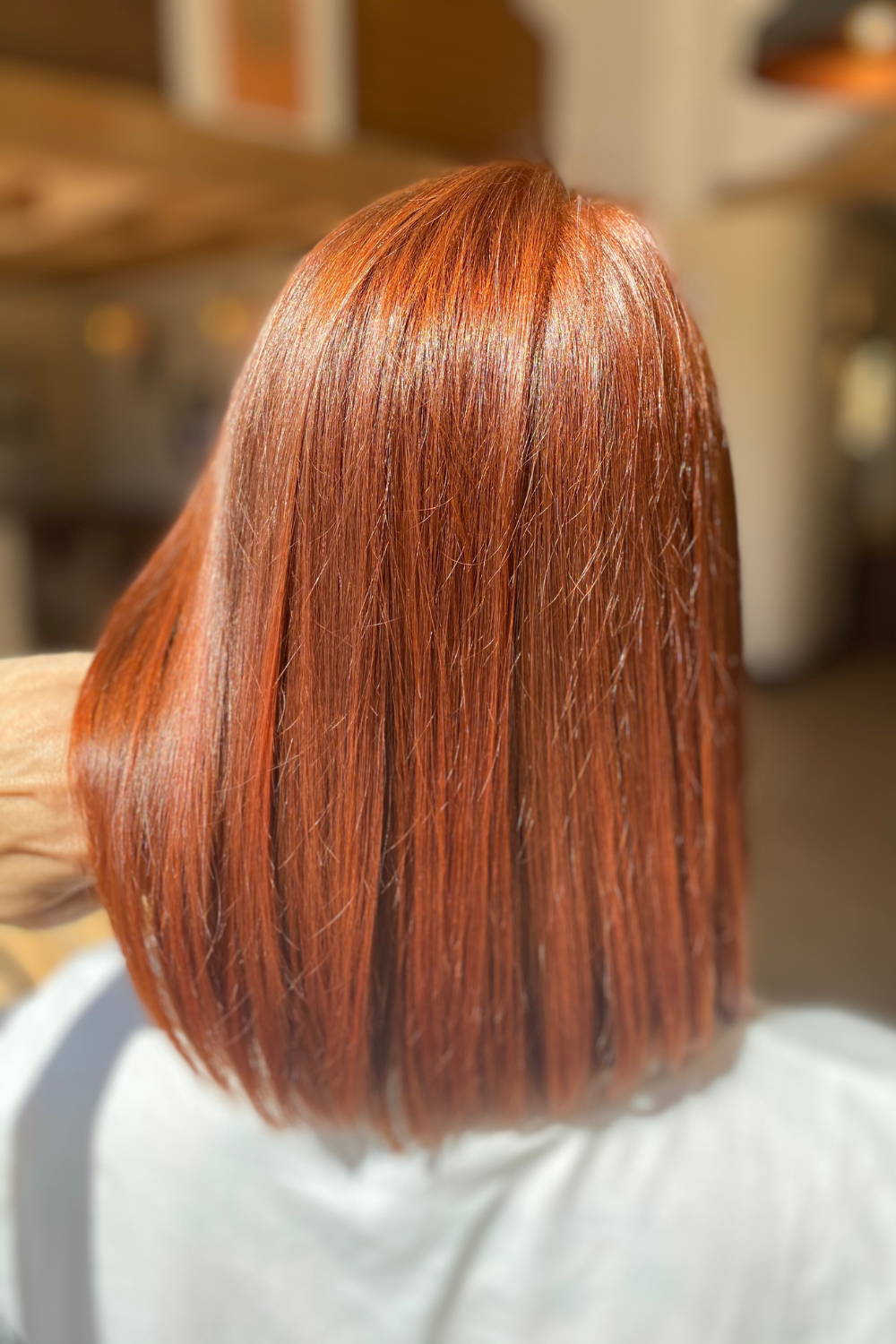
I saw this and thought: that is what I want my sweaters to look like. A collarbone bob, straight fine hair, no bangs, middle part, copper base with subtle red undertones, and it lands exactly in the season between knit scarves and slow rain. The copper base catches the low winter light and the red undertones stop it from going flat or orange. On fine straight hair, the colour sits clean against the scalp and the collarbone length keeps the shape from losing volume. It is a warm, inviting shift from summer blonde or bare browns. This colour reads as intentional in November light and survives into February without a fuss.
Dark Brown With Red Highlights Visual Idea
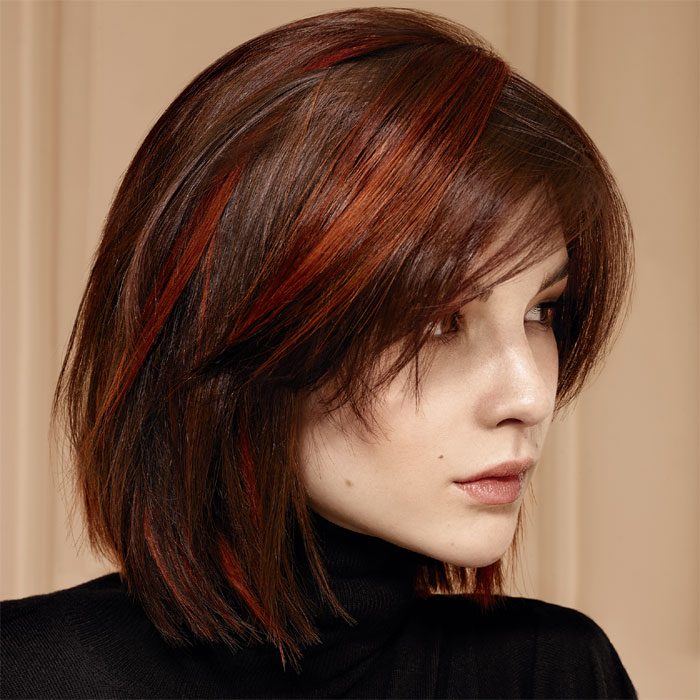
Red highlights on a dark brown base are not a DIY project. The contrast is too high, so every uneven section reads loud. A stylist uses fine foils to weave the red through the base, keeping the placement deliberate. On straight, fine hair at chin length, there is nowhere to hide a slip. The tone stays warm, not brassy, because the salon controls the developer. Book it. This is not a bathroom-mirror job.
Shoulder Visual Idea
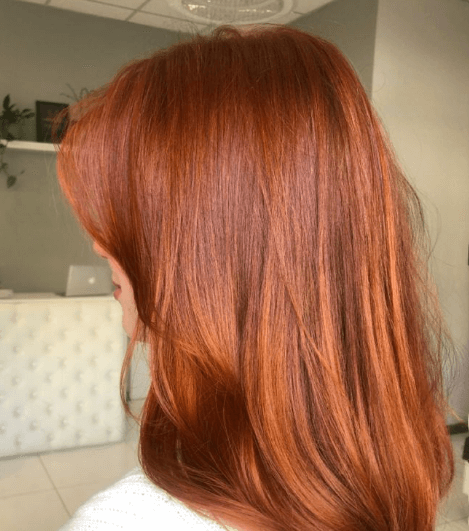
How much does it cost to stay this copper? More than the initial appointment, that is for sure. Vibrant copper at shoulder length needs a gloss or a full refresh every four to six weeks. The tone is intense, so the grow-out line shows fast. Wavy, medium-density hair holds the colour well, but the upkeep is a commitment. Budget for the chair time and the toning products. It is a beautiful colour. It is also a part-time job.
Rich Chocolate Brown Visual Idea
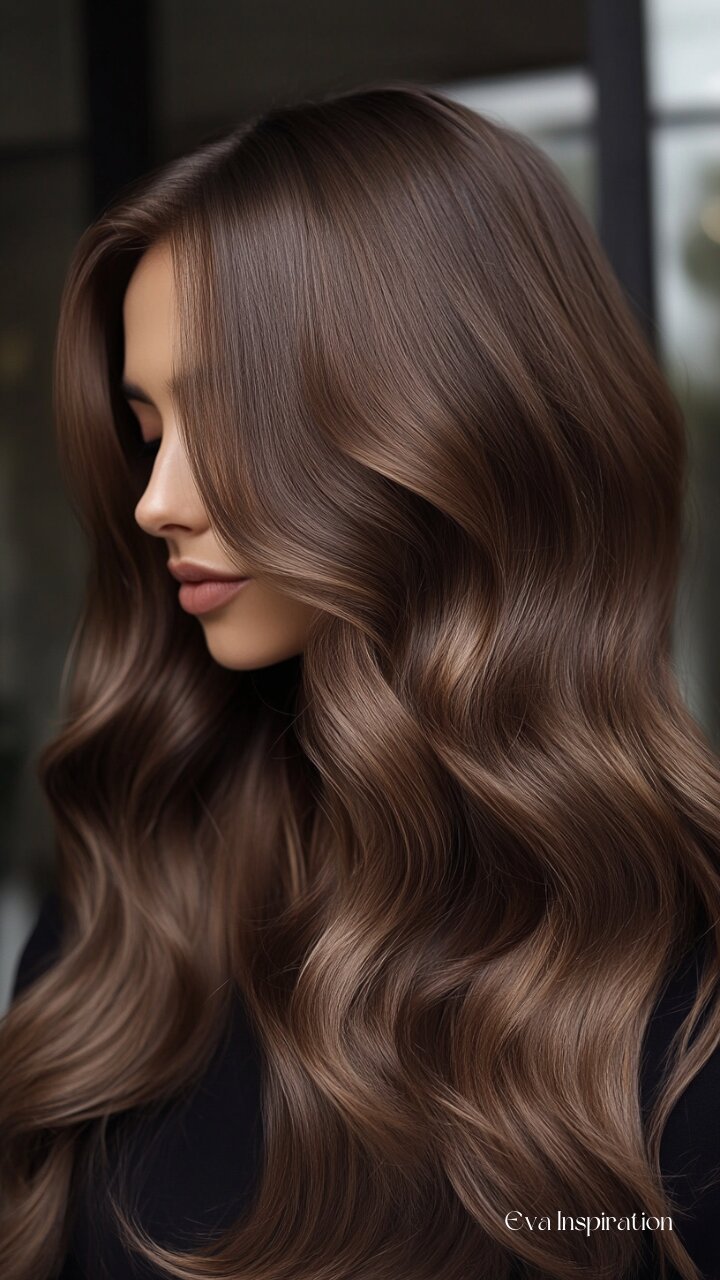
Rich chocolate brown with curtain bangs is one of the most flattering combinations I have seen. The deep brown base reads neutral, not too warm or cool, so it works with most skin tones. The curtain bangs soften a strong jawline and add width to a narrow face. On thick, straight hair at mid-back length, the weight of the colour creates a glossy finish that catches light evenly.
The style suits oval and heart shapes best, but a round face can wear it if the bangs are cut to hit the cheekbones. The long layers keep the bulk from feeling heavy. This is a salon colour, not a box job, because the richness comes from a gloss or a single process that the stylist custom mixes. The grow-out is low maintenance, which is the real win.
Auburn With Warm Undertones Visual Idea
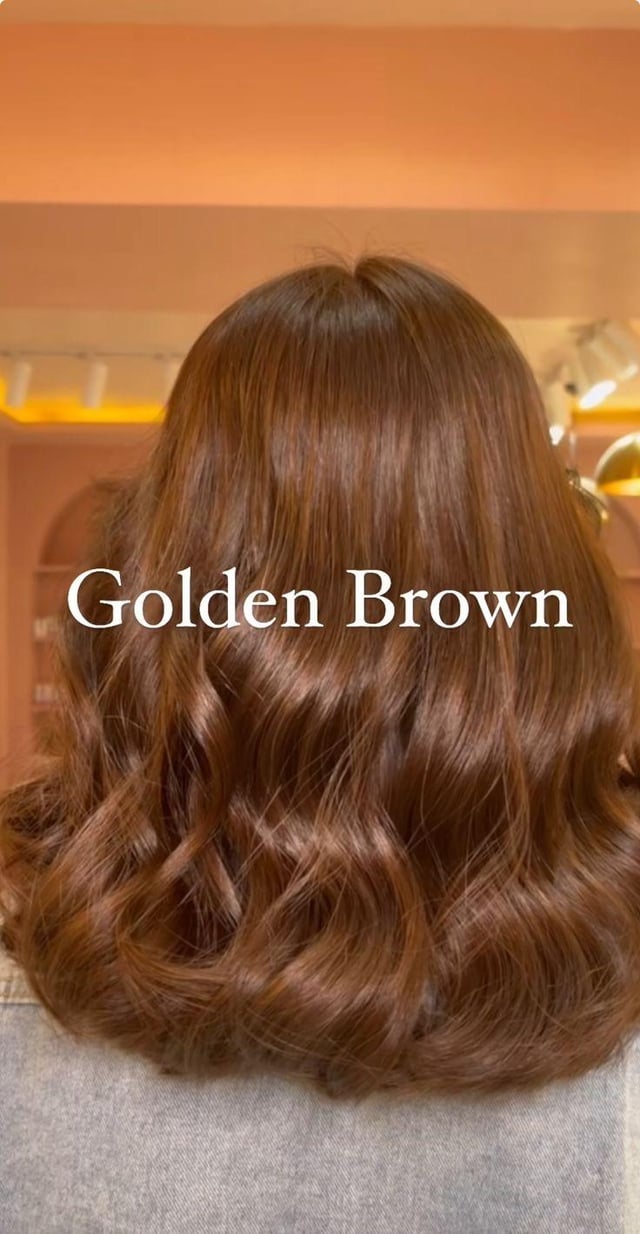
Auburn with warm undertones fades faster than you think. The red molecules are small, so they slip out of the cuticle with every wash. Within two weeks, that rich auburn shifts to a dull orange if you are not careful. Wavy, medium-density hair at shoulder length shows the fade evenly, but the warm tone loses its depth quickly. The honest downside: you need a color-depositing conditioner and cooler water to stretch the life. Without it, you are booking a gloss by week three. The initial colour is stunning, but the reality is maintenance.
Copper Base With Subtle Lighter Tones Visual Idea
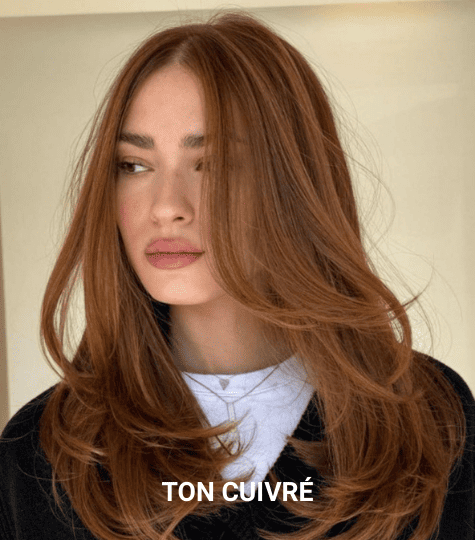
What is the secret to copper that does not look flat? The answer is subtle lighter tones woven through the base. A stylist paints fine highlights around the face and through the mid-lengths, keeping them close to the natural copper so they read as dimension, not streaks. On wavy, medium-density hair at mid-back length, the lighter pieces catch the light and break up the solid colour.
The styling steps are simple: a blowout with soft waves, using a round brush to smooth the cuticle and a curling wand to add bend at the ends. The technique relies on the contrast between the deeper copper base and the lighter tones. It is not a high-contrast look, just enough lift to give the hair movement. Ask your stylist for a copper base with babylights or a subtle balayage in a warm gold tone.
Wavy Visual Idea
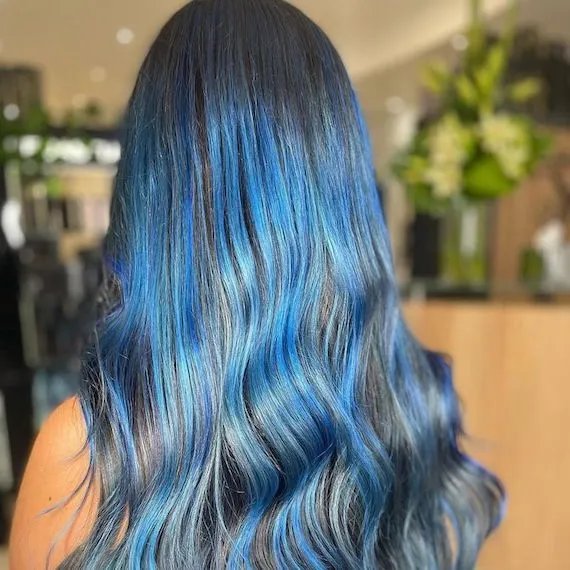
I did not expect to be convinced by blue in November. But these vibrant blue highlights against a dark base have the same pull as a bonfire in a snow bank, and the lighter blue ribbons catch the low winter light like glass. It is a loud color, sure, but for a season that leans on black and gray, that is the point. Mid-back wavy hair gives the streaks room to spiral, and the medium wave texture keeps them from reading as costume.
This is the color you book for a holiday party circuit, not for blending into the office. The dark base keeps the roots grounded, so the blue sits above it like a highlight, not a full commitment. I keep thinking about how it would catch the lights at a winter wedding or a New Year’s thing, somewhere the room is dim and the flash goes off. If you want fall to winter hair colors to actually look intentional, this is the one that makes people stop mid-sentence.
Lob Visual Idea
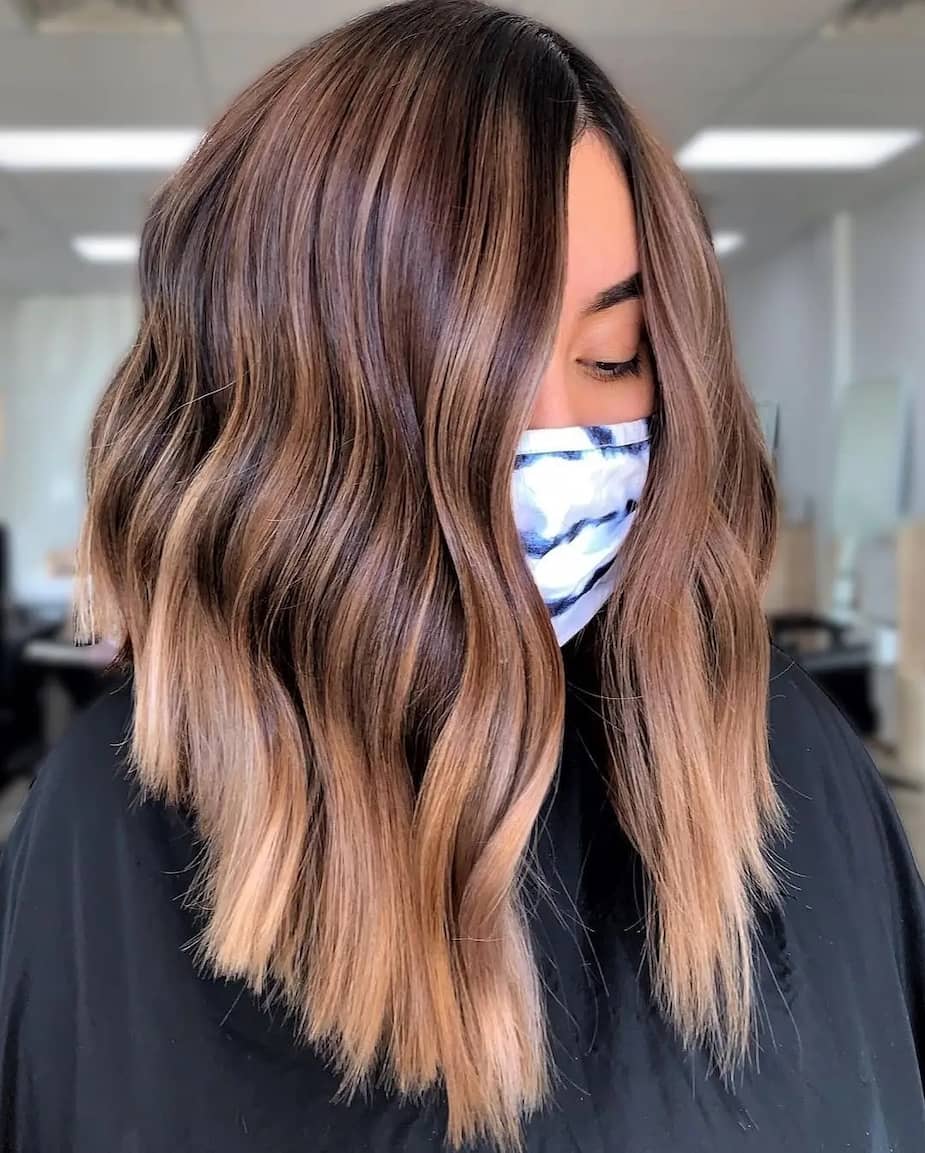
Take the flat milk-chocolate browns and the ashy taupes and set them aside: this is the brown I would pick. A rich chocolate brown lob at collarbone length reads deeper than any caramel-forward shade, and the subtle caramel highlights only surface around the waves, which is why it flatters medium-density wavy texture without turning into a stripe-y mess. Other browns go flat by the second week; this one keeps a warmth that leans more burnt sugar than yellow. The curtain bangs soften the front, and the middle part lets the chocolate base carry the weight. Espresso brown has more drama, but less dimension. This one gets the balance right. It is the brown that does the work without asking for attention.
Deep Auburn Visual Idea
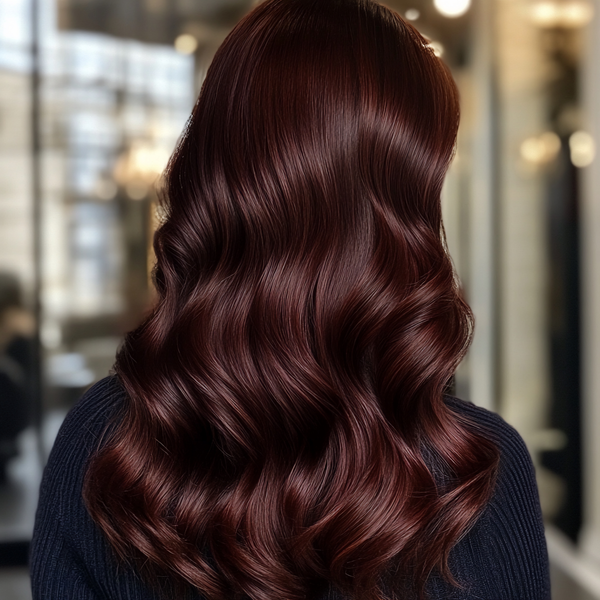
Deep auburn is the rare red that does not need to shout to be noticed. It sits at mid-back in loose waves, and the thick texture catches the light so the auburn shifts between burgundy and brown depending on the angle. Against cooler skin tones, it turns jewel-like, because the blue in the undertone makes the red richer instead of orange. If your skin runs warm and golden, this is a pass: it will pull flat and leave you looking sallow. The tone is rich and glossy, deep rather than fiery.
The upkeep is friendlier than bright copper. A single-process color in this depth fades slowly, and when it fades it drifts toward a soft berry rather than a brassy orange, so the grow-out line stays blurred for weeks. I would still book a gloss around week six to bring the shine back, but the roots themselves do not scream at you the way a brighter red does. That is the hidden gift of a deep auburn. It lets you forget you are maintaining a red until the light catches it.
Final Thoughts
After looking at all 38 of these, the thing that struck me is how personal the shift is. There is no single fall hair color. Just a direction. Cooler. Deeper. More intentional.
- Tone at week six, not week ten.
- Trim ends before they split.
- Wash in cool water.
- Skip heat one day a week.
I am booking the copper red for November. It is the one I keep scrolling back to.