
Dealing with adult acne can feel frustrating, especially when you’re trying to balance a busy life and still want clear, healthy skin. The key is a gentle, consistent routine that treats breakouts without stripping your skin or causing more irritation. This article walks you through the essential steps and products to build an effective acne skincare routine that works for adult women.
Key Takeaways
- Stick with a consistent routine for at least 4-6 weeks to see initial improvements.
- Use a gentle, pH-balanced cleanser twice daily and avoid harsh scrubbing.
- Apply targeted treatments like salicylic acid or benzoyl peroxide to affected areas only.
- Always moisturize with a non-comedogenic product, even if your skin feels oily.
- Wear broad-spectrum sunscreen with SPF 30 or higher every morning, especially when using retinoids.
Your Gentle Acne Skincare Routine for Clearer Skin
A consistent, gentle routine is the foundation of adult acne management. Focus on four steps: cleansing to remove impurities, targeted treatment to address breakouts, moisturizing to support your skin barrier, and daily sun protection. Avoid harsh products and resist the urge to pick. Both can cause irritation and scarring that make acne worse.
Understanding Adult Acne: Why Breakouts Happen
Understanding Adult Acne: Why Breakouts Happen
Acne develops from a mix of excess oil, clogged pores, bacteria, and inflammation. For many adult women, hormonal fluctuations trigger breakouts along the jawline, chin, and neck. These areas are more sensitive to shifts in hormone levels, which can increase oil production and lead to clogged pores.
Using harsh treatments, like strong scrubs or high-concentration actives, can backfire. Irritation damages the skin barrier, which may worsen inflammation and trigger more breakouts. A gentle approach helps calm the skin while addressing the root causes.
Essential Products for Your Acne Skincare Kit
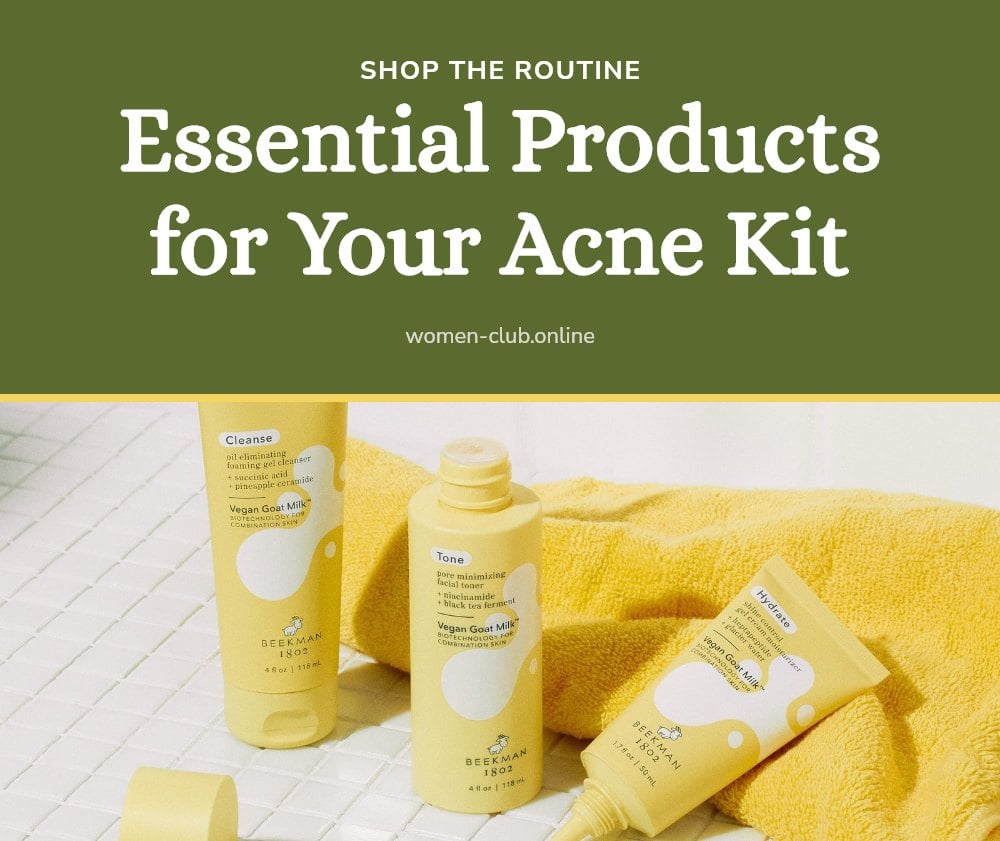
Build your kit with these essentials:
- Gentle, pH-balanced cleanser: Removes dirt and oil without stripping the skin.
- Targeted treatments: Salicylic acid for blackheads and whiteheads, benzoyl peroxide to kill bacteria, or retinoids to speed cell turnover.
- Non-comedogenic moisturizer: Hydrates without clogging pores, preventing dryness and irritation.
- Broad-spectrum SPF 30+ sunscreen: Essential daily, especially when using retinoids that increase sun sensitivity.
Your Daily Gentle Acne Skincare Routine

Morning routine:
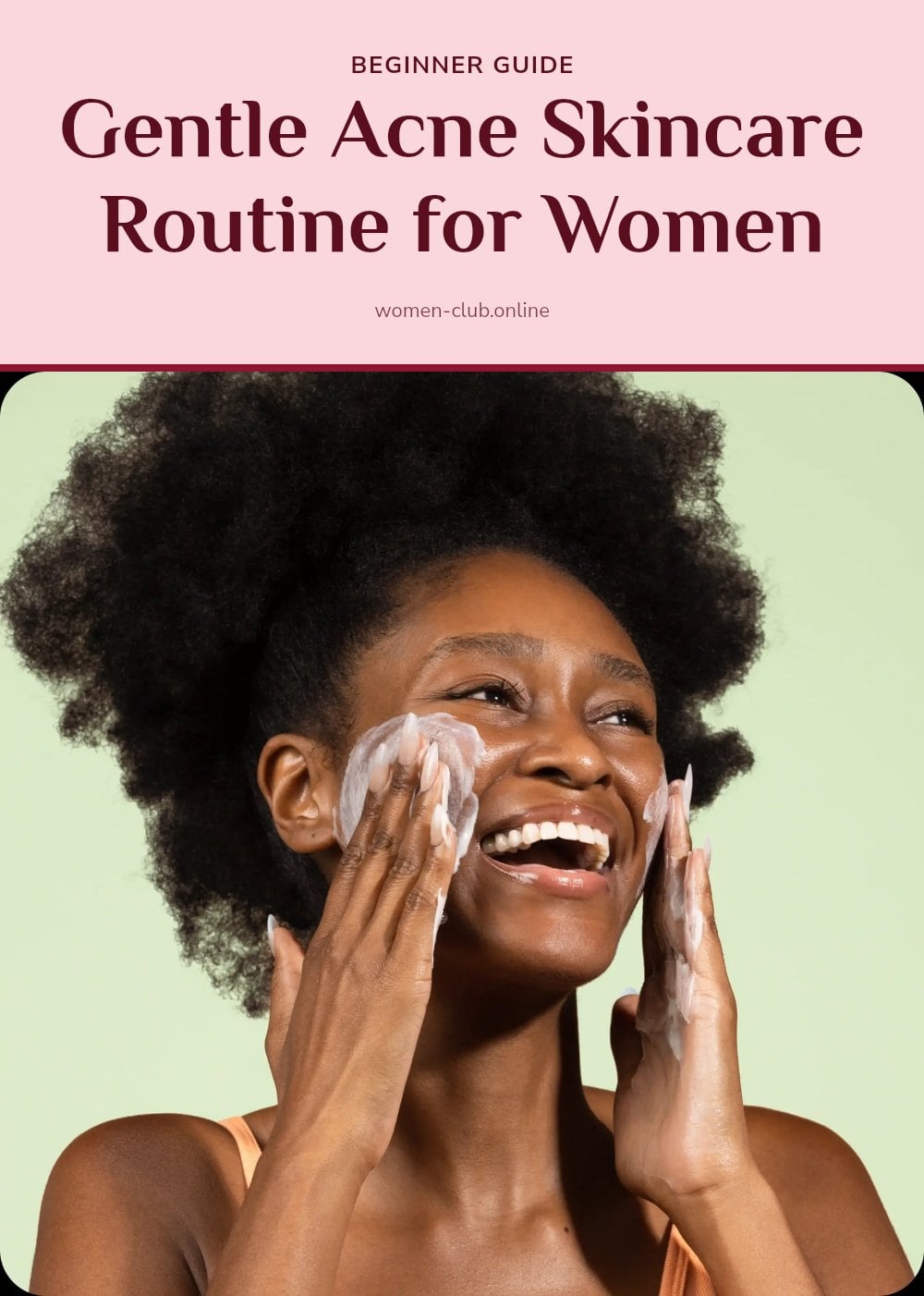
- Cleanse: Wash your face with a gentle, pH-balanced cleanser. Use lukewarm water and your fingertips, avoid scrubbing.
- Treat: Apply a targeted treatment like salicylic acid or benzoyl peroxide to clean, dry skin. Start with a thin layer on affected areas only. Caution: Benzoyl peroxide can bleach fabrics, so avoid contact with towels and clothing. Introduce treatments slowly to avoid irritation, beginning with every other day.
- Moisturize: Follow with a non-comedogenic moisturizer to lock in hydration and support your skin barrier.
- Protect: Finish with a broad-spectrum sunscreen of at least SPF 30. Apply generously and reapply if you’re spending time outdoors.
Evening routine:
- Cleanse: Remove makeup and sunscreen with the same gentle cleanser. Double cleanse if needed, but keep the second cleanse mild.
- Treat: Apply your retinoid or other treatment to dry skin. If using a retinoid, wait 20 minutes after cleansing to reduce irritation.
- Moisturize: Use your non-comedogenic moisturizer. If your treatment feels drying, apply a slightly thicker layer.
Be consistent with this routine for at least 4-6 weeks before expecting visible changes.
Targeted Acne Treatments: Which One Is Right For You?
Targeted Acne Treatments: Which One Is Right For You?
Salicylic acid is a beta-hydroxy acid (BHA) that exfoliates inside the pore, making it effective for blackheads and whiteheads. It works by loosening the debris that clogs pores and reducing inflammation. You can find it in serums, toners, or spot treatments. Tip: Use it once daily at first, and if your skin tolerates it well, you can gradually increase to twice daily after a few weeks.
Benzoyl peroxide kills acne-causing bacteria and helps shed dead skin cells, which prevents new breakouts from forming. It works well for inflamed, red pimples. Caution: It can bleach fabrics, so apply it to clean, dry skin and let it absorb before putting on a white towel or dark clothing.
Retinoids (like retinol or adapalene) increase cell turnover and prevent clogged pores, reducing both inflammatory and non-inflammatory acne. They also help with skin texture over time. Tip: Start with a low concentration once a week, then build up to every other night as your skin adjusts. Apply them only in your evening routine to clean, dry skin.
Good to know: Introduce any new treatment slowly to avoid irritation. Apply it to clean, dry skin and follow with a non-comedogenic moisturizer. If you experience redness, peeling, or stinging, reduce frequency or take a break. Consistency over weeks matters more than using a high strength from day one. Always use sunscreen in the morning when using retinoids, as they increase sun sensitivity.
Common Acne Skincare Mistakes to Avoid
Common Acne Skincare Mistakes to Avoid
- Using too many active ingredients at once: Layering salicylic acid, benzoyl peroxide, and retinoids in the same routine can overwhelm your skin, leading to redness, peeling, and more breakouts. Stick to one active per routine and rotate if needed.
- Picking or squeezing pimples: This pushes bacteria deeper, increases inflammation, and often leaves a dark mark or scar. Let treatments do their work instead.
- Skipping moisturizer: Even oily skin needs hydration. When you skip moisturizer, your skin may produce more oil to compensate, which can clog pores further.
- Neglecting sunscreen: Many acne treatments make your skin more sensitive to UV rays. Without daily SPF 30+ protection, you risk hyperpigmentation and sun damage that worsen acne’s appearance.
Pro Tips for Managing Acne-Prone Skin

Pro Tips for Managing Acne-Prone Skin
- Be patient and consistent: Most treatments take 4-6 weeks to show initial improvement and 2-3 months for significant results. Stick with your routine even when you don’t see changes right away.
- Change pillowcases frequently: At least once a week. Pillowcases collect oil, bacteria, and product residue that can transfer to your face overnight.
- Avoid harsh scrubbing or abrasive tools: Use your fingertips and a gentle touch when cleansing. Scrubbing inflames acne and can spread bacteria.
- Introduce new products one at a time: This way, if a reaction occurs, you’ll know exactly which product caused it. Give each new addition at least two weeks before adding another.
When to Consult a Dermatologist for Your Acne
When to Consult a Dermatologist for Your Acne
- OTC treatments aren’t working: If you’ve used a consistent routine for several weeks with no improvement, a dermatologist can prescribe stronger options like prescription retinoids or antibiotics.
- Acne is severe, painful, or cystic: Deep, painful bumps under the skin often require professional treatment to prevent scarring and infection.
- You experience severe irritation or allergic reactions: If a product causes intense burning, swelling, or a rash, stop using it and see a doctor. They can help identify the cause and recommend safer alternatives.
Frequently Asked Questions
How long does it take to see results from a new acne routine?
Most people start to see some improvement within 4 to 6 weeks of consistent use. Significant results, like clearer skin and fewer breakouts, often take 2 to 3 months. Patience is key, and sticking with your routine even when you don’t see immediate changes is important.
Can I use salicylic acid and benzoyl peroxide together?
Yes, you can use them, but it’s best to avoid applying both at the same time to prevent irritation. A common approach is to use one in the morning and the other at night, or to alternate days. Start slowly and see how your skin reacts, and consider consulting a dermatologist if you’re unsure.
Why is my adult acne usually on my jawline?
Adult acne often appears along the jawline, chin, and neck due to hormonal fluctuations. These areas have more sensitive oil glands that react to changes in hormone levels, which is why breakouts there are common for many women. It’s a classic sign of hormonal acne.
Should I moisturize if my skin is oily and acne-prone?
Yes, absolutely. Skipping moisturizer can actually make your skin produce more oil to compensate for dryness, which can worsen breakouts. Use a lightweight, oil-free, non-comedogenic moisturizer to keep your skin hydrated without clogging pores.
What should I do if my acne treatments cause dryness or irritation?
If you experience dryness, redness, or peeling, reduce how often you use the treatment. Start with every other night or even twice a week, and always apply it to clean, dry skin. If irritation persists or is severe, stop using the product and consult a dermatologist.
Final Thoughts
Building a gentle acne routine is about consistency, not perfection. Stick with a simple set of steps: cleanse, treat, moisturize, and protect. Expect to see initial changes in about 4 to 6 weeks, with more noticeable results after 2 to 3 months. Remember, your skin’s health comes first, so listen to it and adjust if something feels too harsh.
This article is for informational purposes only and does not constitute medical advice. Acne and skincare needs vary from person to person. If you have persistent, severe, or painful acne, or if over-the-counter treatments are not working, please consult a dermatologist or healthcare professional for personalized guidance.








