When you’re dealing with persistent aches, fatigue, or just feeling off, your diet might be playing a bigger role than you think. Chronic inflammation is linked to conditions like heart disease and diabetes, but the foods you eat every day can help calm that fire. This article breaks down exactly what to eat more of, like fatty fish and colorful veggies, and what to cut back on, so you can build a sustainable anti-inflammatory eating pattern without the guesswork.
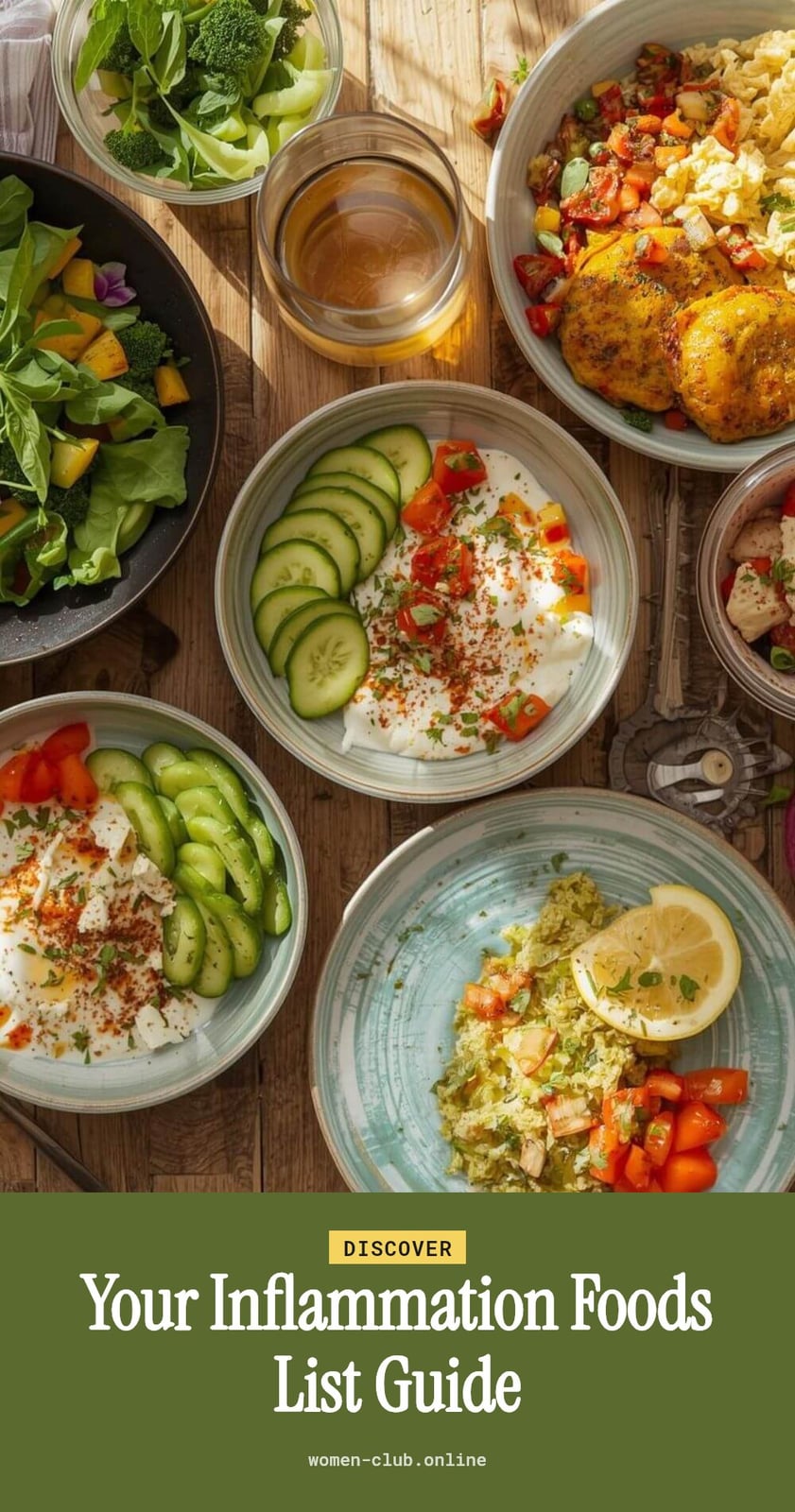
Key Takeaways
- Eat fatty fish like salmon or mackerel at least twice a week for omega-3s.
- Fill half your plate with colorful fruits and vegetables daily for antioxidants.
- Swap refined grains like white bread for whole grains such as oats or quinoa.
- Limit sugary drinks, processed foods, and red or processed meats.
- Stay consistent for weeks to months before expecting noticeable improvements.
What is an Anti-Inflammatory Diet?
An anti-inflammatory diet centers on whole, unprocessed foods packed with antioxidants and omega-3 fatty acids. It works by cutting back on refined sugars, processed foods, and unhealthy fats that can trigger inflammation. This is a sustainable lifestyle shift, not a restrictive quick fix, designed to support long-term health.
1. Fatty Fish Rich in Omega-3s
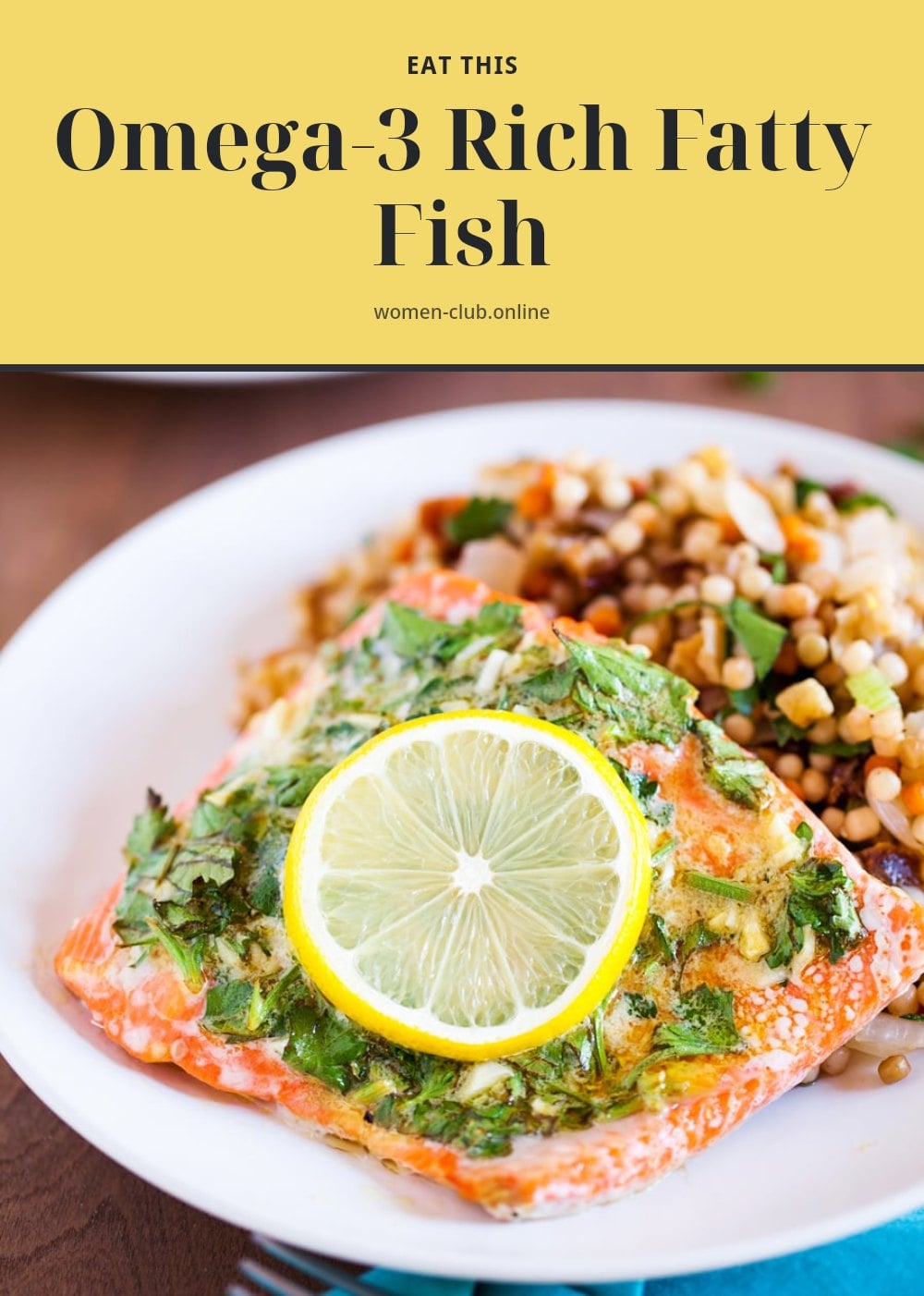
Add fatty fish like salmon, mackerel, and sardines to your meals on a regular basis. These fish are loaded with omega-3 fatty acids, which have well-documented anti-inflammatory effects. My tip: Aim for at least two servings per week to keep a steady supply of those beneficial fats.
2. Colorful Fruits and Vegetables

Fill your plate with a wide range of colorful fruits and vegetables every day. They are rich in antioxidants that help shield your cells from inflammation-related damage. The more colors you include, the broader the mix of protective compounds you get.
3. Whole Grains Over Refined Grains
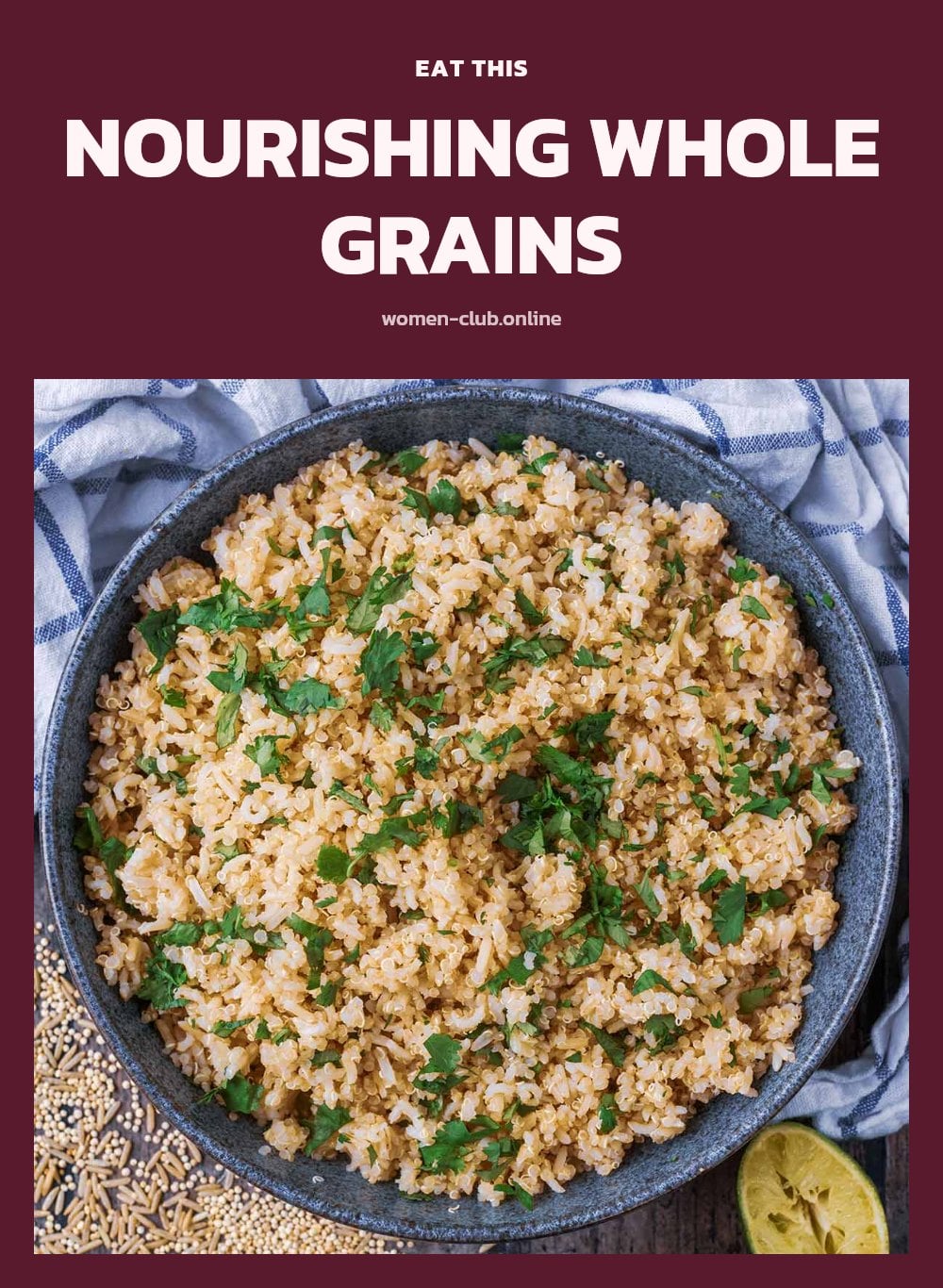
Swap refined grains like white bread and pastries for whole grains such as oats, brown rice, and quinoa. Whole grains are high in fiber, which supports a healthy gut microbiome, a key player in controlling inflammation. Refined carbs can actually promote inflammation, so making this switch is a big step forward.
4. Healthy Fats Like Olive Oil and Avocado
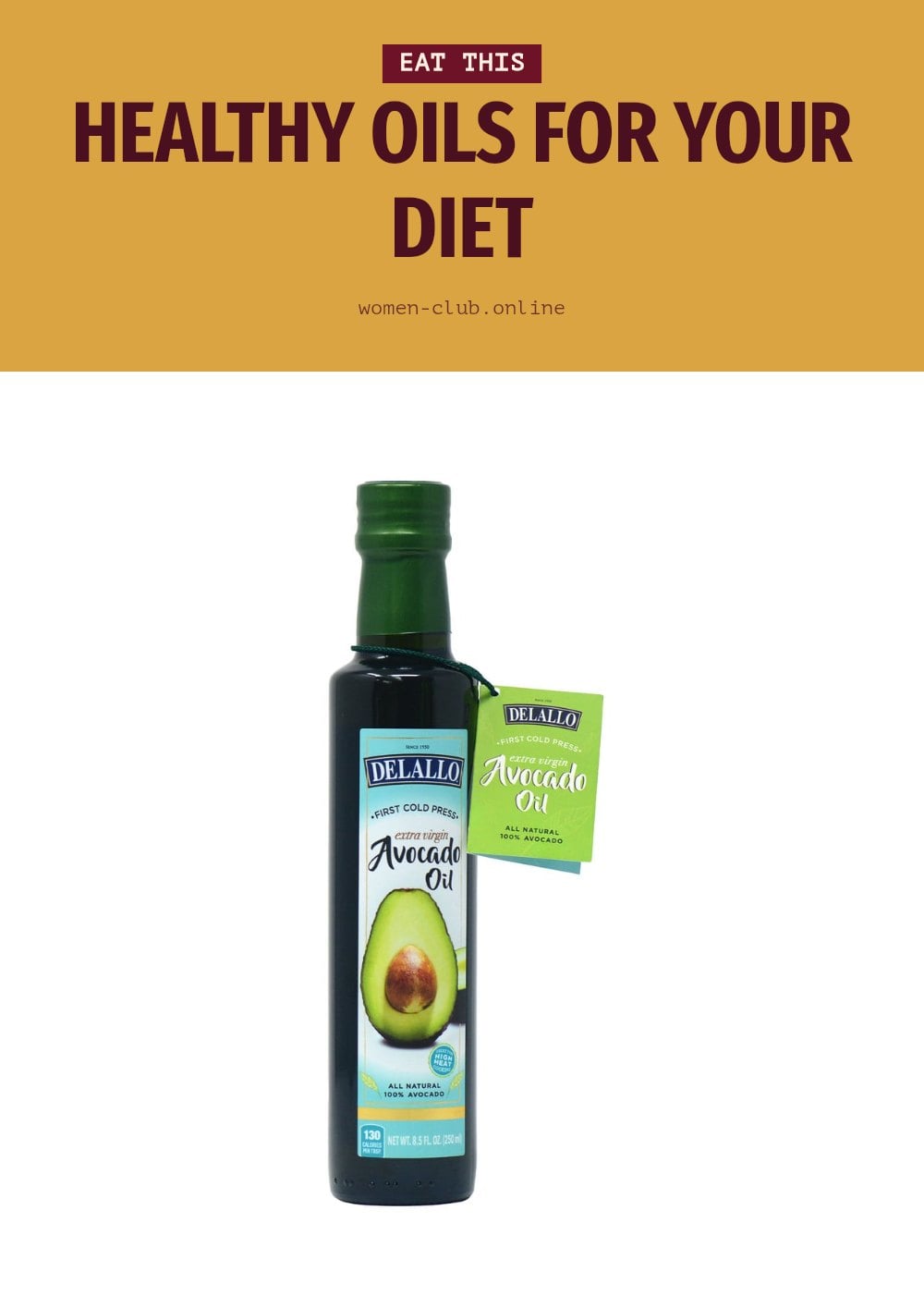
Opt for healthy fats like extra virgin olive oil, avocados, and nuts. These sources are rich in monounsaturated fats, which are considered anti-inflammatory and support heart health. My tip: Use olive oil for dressings and finishing dishes, and enjoy avocado in salads or as a spread.
5. Anti-Inflammatory Spices
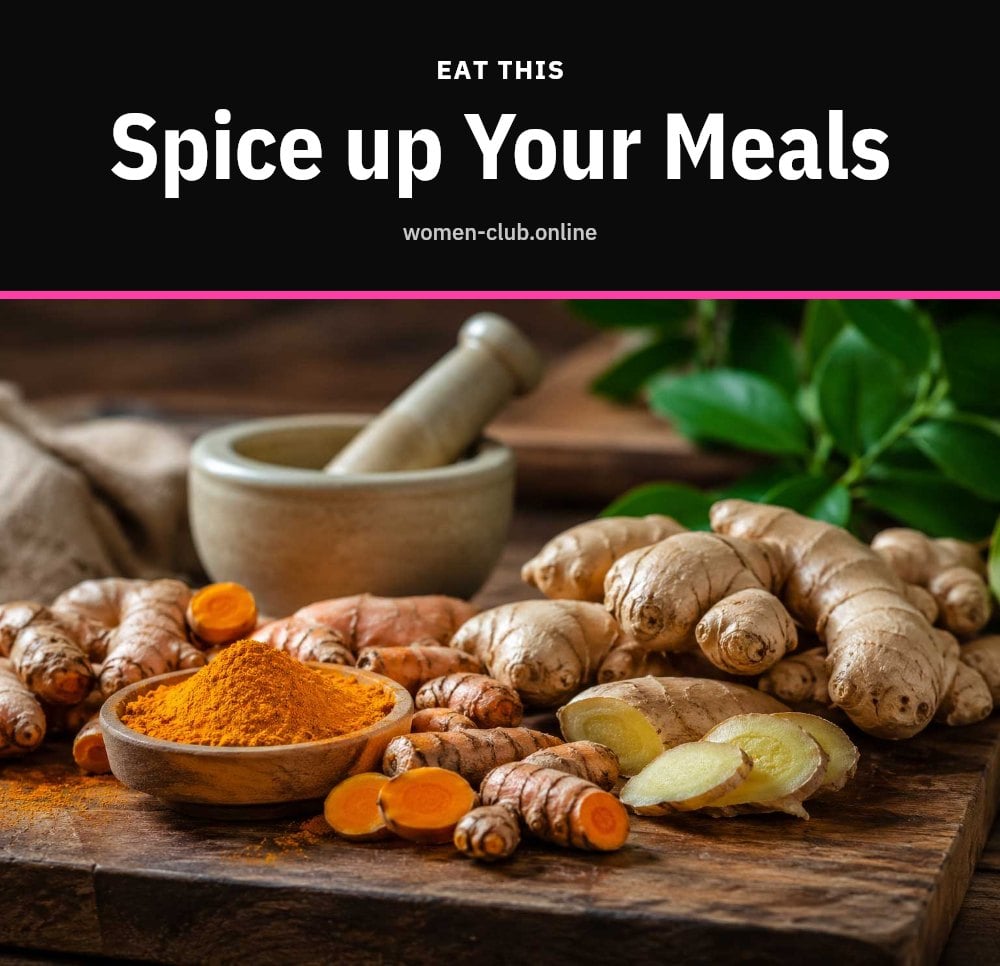
Add turmeric and ginger to your cooking whenever you can. These spices contain curcumin and gingerol, compounds with scientifically recognized anti-inflammatory effects. A little goes a long way: a teaspoon of turmeric in soups or a thumb of fresh ginger in stir-fries adds fantastic flavor while supporting your body’s inflammation response. Pro move: Pair turmeric with black pepper to boost its absorption.
6. Lean Proteins and Legumes
Prioritize lean protein sources such as poultry, fish, and legumes like beans and lentils. These provide essential nutrients without the high saturated fat found in red and processed meats, which can be pro-inflammatory. Legumes also offer a great source of fiber.
7. Limit Sugary Drinks and Added Sugars
Cut sugary drinks and added sugars: Soda, sweetened teas, and most packaged desserts deliver a direct hit of refined sugar that can spike inflammation in your body. I’ve found that swapping these out for water or unsweetened options makes a noticeable difference in how I feel within a few days. Read labels carefully, added sugar hides in salad dressings, granola bars, and even pasta sauces.
8. Reduce Processed Foods and Trans Fats
Cut back on processed foods, fast food, and anything with trans fats. Trans fats are often hidden in fried items and packaged snacks, and they’re known to directly promote inflammation. Cooking fresh meals at home lets you control the ingredients and avoid these hidden culprits.
9. Moderate Red and Processed Meats
Cut back on red and processed meats like bacon and sausages. They tend to be high in saturated fat and sodium, both of which can contribute to inflammation. Treat them as an occasional indulgence rather than a daily staple, and you will give your body a break without feeling deprived.
10. Stay Hydrated with Water
Drink plenty of water throughout the day. Hydration supports every system in your body, including those that help manage inflammation. Even mild dehydration can make you feel sluggish and achy. Tip: Keep a reusable bottle on your desk and sip consistently rather than chugging all at once. Sometimes simply increasing your water intake can make you feel noticeably better within a few days.
11. Consider Individual Sensitivities
Not everyone reacts the same way to the same foods. Some people find that dairy products contribute to their inflammation, while nightshade vegetables like tomatoes and bell peppers are sometimes anecdotally linked to inflammation, though scientific evidence is limited. Good to know: Pay attention to how your body responds to different foods and adjust your diet accordingly.
Common Mistakes to Avoid on Your Anti-Inflammatory Journey
Expecting immediate results: Consistency is key here. Your body needs weeks to months of steady dietary changes before inflammation markers may improve. Stay patient and stick with your new habits.
Focusing too much on eliminating single ‘bad’ foods: Instead of obsessing over cutting out one ingredient, adopt an overall healthy eating pattern. Balance matters more than perfection.
Believing it’s a temporary diet: An anti-inflammatory approach is a sustainable lifestyle change, not a short-term fix. Aim for long-term habits you can maintain.
Ignoring other lifestyle factors: Diet is powerful, but stress, poor sleep, and lack of exercise also significantly impact inflammation. Address these areas too for the best results.
Frequently Asked Questions
How quickly can an anti-inflammatory diet show results?
Most people need weeks to months of consistent dietary changes before they see improvements in inflammation markers or how they feel. Don’t expect overnight changes, stick with your new habits, and your body will respond gradually.
Can an anti-inflammatory diet help with weight loss?
Many people find that following an anti-inflammatory diet naturally supports weight loss because it emphasizes whole, unprocessed foods and cuts out sugary drinks and refined carbs. However, it’s not a weight-loss diet per se; focus on the overall pattern, not just calories.
Are all healthy fats anti-inflammatory?
Not all healthy fats are equally anti-inflammatory. Monounsaturated fats from olive oil, avocados, and nuts are considered anti-inflammatory, while omega-3s from fatty fish are especially powerful. Saturated fats and trans fats, even from some plant sources, can promote inflammation in excess.
Do I need to completely avoid all pro-inflammatory foods?
No, you don’t have to eliminate every pro-inflammatory food forever. The goal is to reduce them significantly, not to be perfect. Treat red meat, processed foods, and sugary treats as occasional indulgences rather than daily staples, and focus on the overall quality of your diet.
What is the link between gut health and inflammation?
A healthy gut microbiome helps regulate inflammation throughout your body. Fiber-rich foods like whole grains, legumes, and vegetables feed beneficial gut bacteria, which produce compounds that reduce inflammation. Poor gut health can allow inflammatory substances to leak into your bloodstream.
Final Thoughts
Start by swapping one refined grain for a whole grain and adding a serving of vegetables to your dinner tonight. Realistic expectation: you may begin to notice changes in how you feel within a few weeks, but long-term commitment yields the best results. Small, steady changes add up to a big difference over time.
This information is for general educational purposes only and is not a substitute for professional medical advice, diagnosis, or treatment. Always consult your doctor or a registered dietitian before making significant dietary changes, especially if you have a health condition or take medication.