Effective Detangling Techniques for Curly Hair on Wash Day

Wash day can feel like a battle when your curls are determined to tangle. You know the struggle: you want clean, defined hair, but knots and mats make the whole process stressful and painful. The good news is that the right technique can turn this around.
This article walks you through a gentle, effective wet detangling method, explains why it works, and shares the tools and mistakes to avoid so you can keep your curls healthy and happy.
Key Takeaways
- Always detangle curly hair while wet and saturated with conditioner for slip.
- Start combing from the ends and work up to the roots in small sections.
- Use a wide-tooth comb first, then a finer comb or brush.
- Cut out hair ties with scissors instead of pulling them out.
- Finger-comb dry hair before wetting to prevent tangles from worsening.
The Best Way to Detangle Curly Hair on Wash Day
The best way to detangle curly hair on wash day is to do it while your hair is wet and fully saturated with conditioner or a detangling product. This method provides the necessary slip to gently work through knots and minimize breakage. Always start from the ends of your hair, working in small sections, and move upwards toward the roots.
Why Curly Hair Tangles More Easily
Curly hair is more prone to tangling than straight hair because of its unique structure. The natural curves and kinks in each strand allow individual hairs to interlock easily, creating knots and mats.
Why Dry Detangling Fails
Dry curly hair lacks the slip needed for easy detangling. Pulling a comb through dry curls causes significant breakage, pain, and damage to the hair cuticle. The friction from dry detangling can also roughen the cuticle, making future tangles worse.
The Risk of Ignoring Tangles
Small tangles left untreated can grow into larger, more difficult knots over time. Regular detangling on wash day prevents this buildup and keeps your curls healthy.
Essential Tools and Products for Detangling
Having the right tools makes all the difference. Here is what you need for a smooth detangling session.
- Wide-tooth comb: Your first line of defense for larger tangles. It glides through hair without snagging.
- Detangling brush: A brush with flexible bristles to smooth and define curls after initial detangling.
- Conditioner: A generous amount is crucial for slip. Do not skimp.
- Hair clips or ties: For sectioning hair into manageable parts.
- Small scissors: To cut out stubborn hair ties without pulling or causing breakage.
Step-by-Step: The Ultimate Wet Detangling Method

Follow this method for a pain-free wash day that protects your curls.
- Cut out hair ties: Use small scissors to cut out any hair ties instead of pulling them. This prevents pain and breakage.
- Finger-comb dry hair: Before wetting, use your fingers to gently separate any matted or clumped sections. This prevents water from making tangles worse.
- Wet hair with bathwater: Use a pitcher of bathwater for the first wetting. For all subsequent rinses, use clear faucet water to ensure thorough cleaning and prevent dryness.
- Apply shampoo: Rake a generous amount of shampoo through the hair in a downward motion from roots to tips. Avoid scrubbing in a circular motion on top of the head, as this causes tangles.
- Rinse shampoo thoroughly: Use clear water from the faucet. Leaving shampoo in can dry out the hair and make detangling harder.
- Apply conditioner: Use a very generous amount of conditioner, raking it through sections from roots to tips. The more conditioner, the better the slip.
- Let conditioner sit: Allow the conditioner to sit for 5 to 10 minutes. This lets it deeply penetrate and soften the hair.
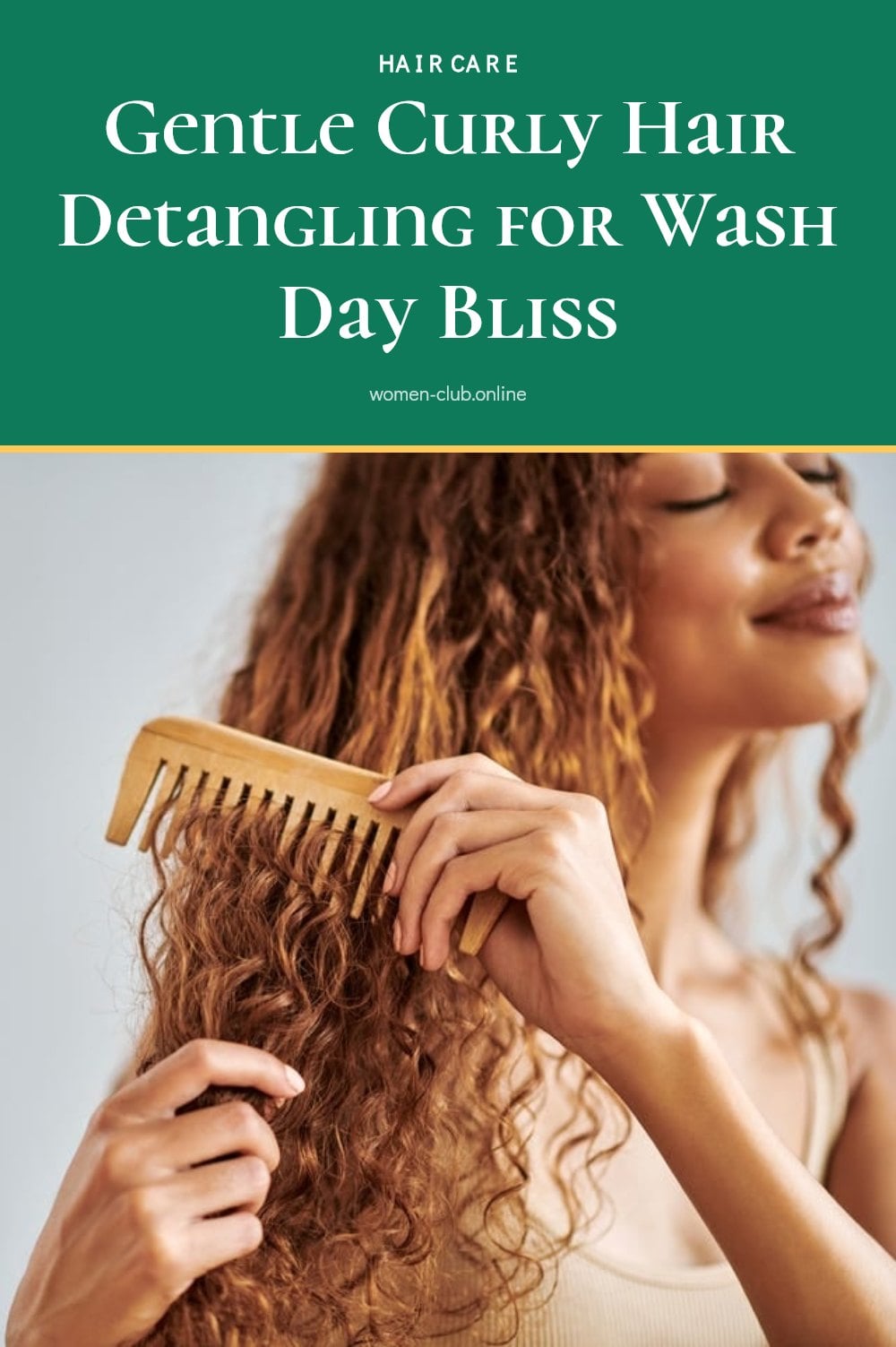
- Detangle with a wide-tooth comb: Start combing from the ends of the hair and work your way up to the roots. Work in small sections. If you feel pain, hold the hair tightly above the tangle to reduce tension on the scalp.
- Switch to a finer-tooth comb: Once the wide-tooth comb moves easily, switch to a slightly finer-tooth comb and repeat the process from ends to roots. This removes smaller tangles.
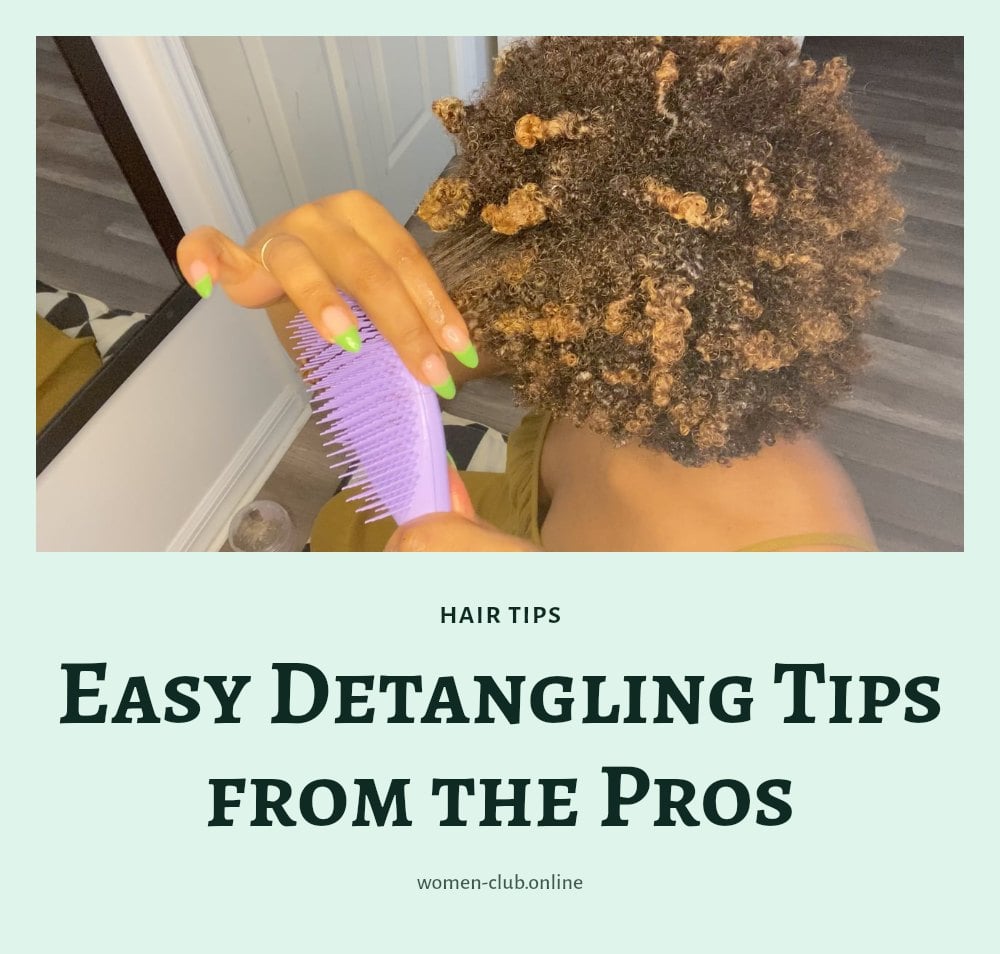
- Finish with a wet brush: Use a wet brush or Denman brush to smooth the hair and define curls. Only use this brush after most tangles are removed to avoid breakage.
Here is the method in action: RAVEN ELYSE demonstrates it in about 13 minutes. The how-to part starts at 4:38.
Common Detangling Mistakes to Avoid
Detangling dry curly hair is one of the fastest ways to cause breakage and pain. Without the slip from water and conditioner, dry strands snap and fray. Always wet your hair first and saturate it with conditioner before you touch a comb.
Starting at the roots is another common mistake. If you begin there, you push tangles downward into tighter knots. Instead, always start at the ends and work your way up in small sections.
Using the wrong tools makes the job harder. Fine-tooth combs and regular brushes tug and tear through curls. Stick to a wide-tooth comb or a detangling brush with flexible bristles.
Not using enough conditioner is a recipe for frustration. A generous amount provides the slip your comb needs to glide through knots. Finally, never force your way through a tangle. Being patient and gentle prevents scalp irritation and keeps your curl pattern intact.
Pro Tips for Easier Detangling
Use small, cheap rubber bands: Choose inexpensive plastic bands so you can cut them out on wash day without pulling or creating new tangles.
Finger-comb before wetting: Use your fingers to gently separate matted sections before you add water. This prevents water from making the tangles worse.
Section your hair: Work in small, manageable parts. It makes the process less overwhelming and ensures every strand gets attention.
Distract children: Keep plastic toys in the bath to keep kids calm and occupied during detangling.
Encourage head tilting: Use a toy or something interesting to look at so children tilt their head back during rinsing, keeping water out of their face.
Frequently Asked Questions
How often should I detangle my curly hair?
Detangle on wash day, which is typically every few days to once a week, depending on your hair type and styling routine. Regular detangling prevents small tangles from turning into larger, more difficult knots.
Can I use a regular brush on my curly hair?
It’s best to avoid regular brushes and fine-tooth combs on curly hair. Instead, use a wide-tooth comb or a detangling brush with flexible bristles. These tools glide through curls without snagging and help minimize breakage.
What if my child is resistant to detangling?
Distraction can be a great ally. Provide waterproof toys in the bath, and have your child look at something interesting while you rinse to encourage tilting their head back. Patience and a calm approach also help make the experience more positive.
Should I rinse out all the conditioner after detangling?
It depends on your method. The video method rinses conditioner out fully and applies a separate leave-in conditioner afterward. Leaving a small amount of conditioner in can help maintain moisture and reduce future tangles, but make sure it doesn’t weigh your curls down.
Does detangling cause hair loss?
Detangling itself should not cause hair loss if done gently. Excessive pulling or yanking can lead to breakage and scalp irritation. If you notice significant shedding or pain, re-evaluate your technique or consult a professional stylist.
Final Thoughts
For a pain-free wash day, commit to the wet detangling method: saturate your hair with conditioner, work in sections from ends to roots, and always start with a wide-tooth comb. Expect the process to take a little extra time, especially if your hair is prone to mats, but the reduced breakage and smoother curls are worth it.
Make this your regular routine on every wash day to keep small tangles from becoming big problems. Your curls will thank you.