Deodorant vs. Antiperspirant: How to Choose What Works for You

Ever stood in the deodorant aisle, staring at the shelves and wondering if you’re picking the right product? You’re not alone. The difference between deodorant and antiperspirant is more than just label wording, and it can make a real difference in how you feel all day. This article breaks down the key differences, helps you decide which type fits your needs, and shares practical tips for getting the most out of whichever you choose.

Key Takeaways
- Deodorant neutralizes odor, while antiperspirant reduces sweat production.
- Apply antiperspirant at night on clean, dry skin for best results.
- Natural deodorants control odor but do not stop sweating.
- Stop using a product if you get persistent redness, itching, or a rash.
- Wash underarms daily with soap and water to manage odor.
Deodorant vs. Antiperspirant: The Key Difference
Deodorant and antiperspirant are not the same thing. Deodorant targets odor by creating an acidic environment that makes it harder for bacteria to thrive, and it often includes fragrances to mask any smell. Antiperspirant actively reduces how much you sweat by using aluminum-based compounds to temporarily block sweat ducts. Your choice comes down to your main concern: if it’s odor, go with deodorant; if it’s wetness (or both), an antiperspirant is the better fit.
How Body Odor and Sweat Work
How Body Odor and Sweat Work
Sweat itself is mostly odorless. The smell happens when bacteria on your skin break down the proteins and fats in sweat. Deodorants tackle this by creating an acidic environment that inhibits those odor-causing bacteria, and many also add fragrances for extra coverage. Antiperspirants take a different route: they use aluminum compounds to form temporary plugs inside your sweat ducts, which physically reduces the amount of sweat that reaches the surface. So if you want to stop the smell, deodorant handles the bacteria. If you want to stop the wetness, antiperspirant blocks the sweat.
Comparing Deodorant, Antiperspirant, and Natural Deodorant
| Type | Primary Function | Active Ingredients | Best For |
|---|---|---|---|
| Deodorant | Neutralizes odor; may add fragrance | Acidifiers (e.g., citric acid), antibacterial agents, fragrances | Odor control without reducing sweat |
| Antiperspirant | Reduces sweat production | Aluminum-based compounds (e.g., aluminum chlorohydrate) | Reducing sweat and associated odor |
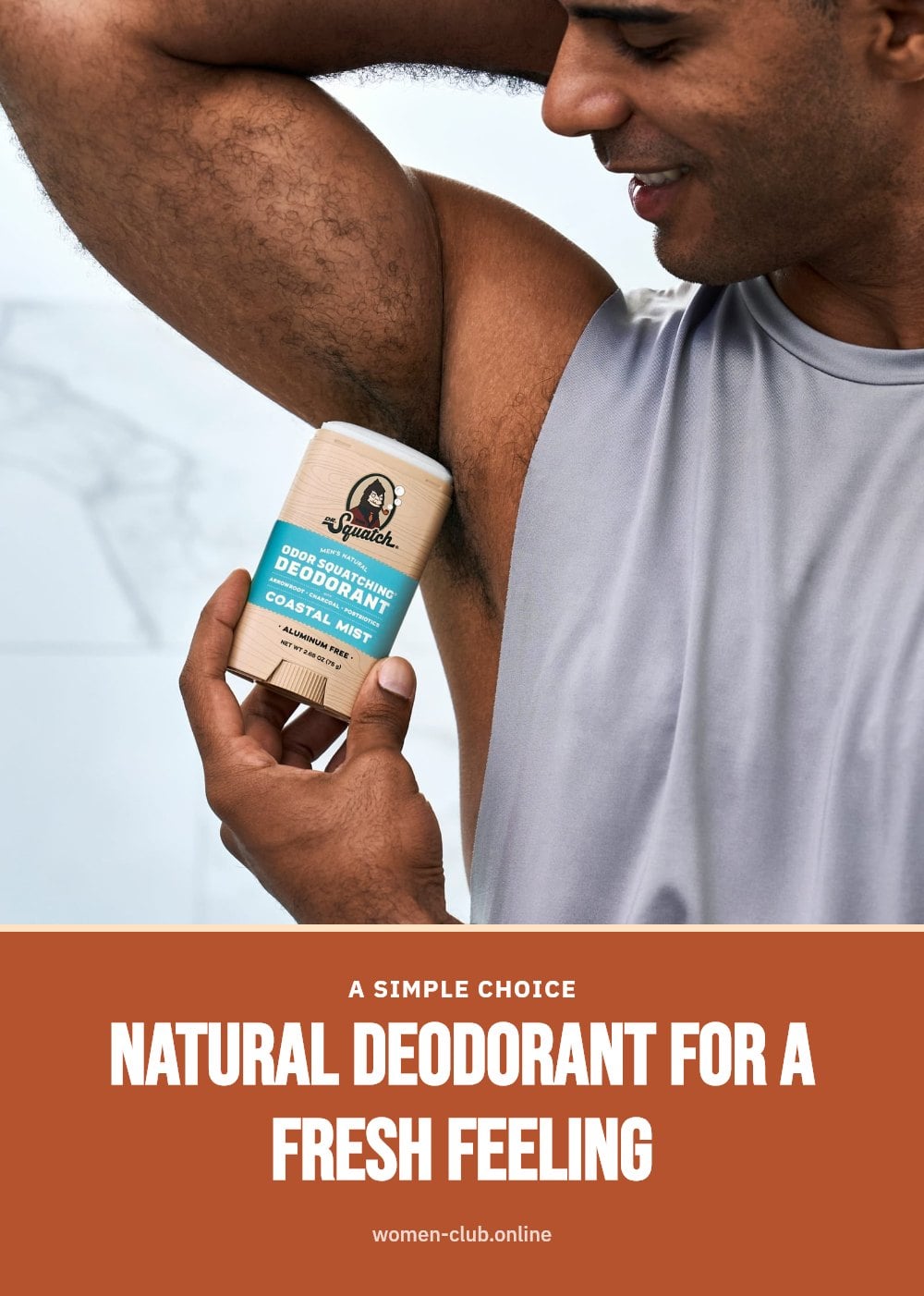
| Natural Deodorant | Absorbs moisture; neutralizes odor | Baking soda, arrowroot powder, essential oils | Odor control with plant-based ingredients, no aluminum |
Deodorant is best for odor control without sweat reduction. Antiperspirant is best for reducing sweat and associated odor. Natural deodorant offers odor control using plant-based ingredients, typically without aluminum.
Smart Tips for Using Underarm Products
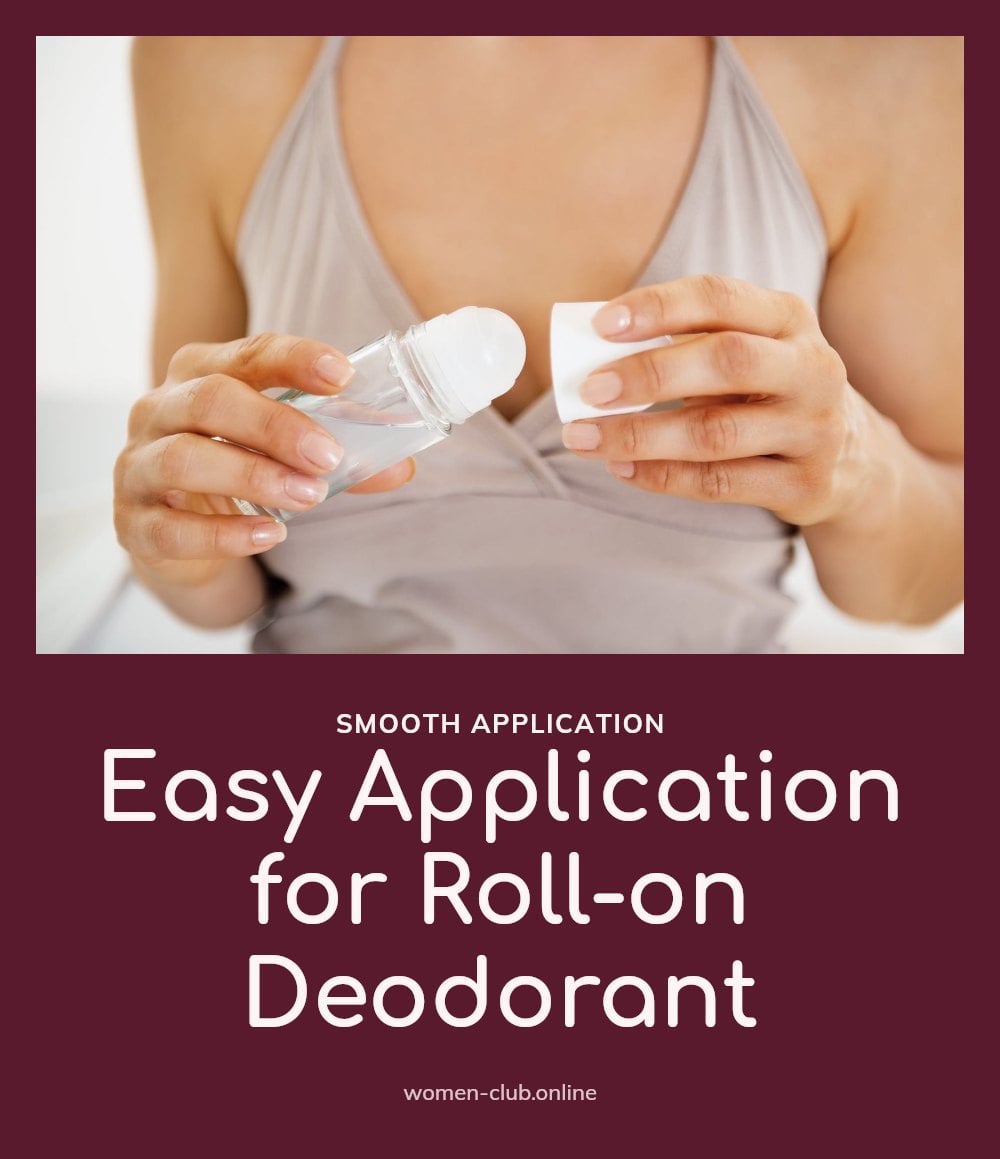
Getting the most out of your underarm product comes down to a few simple habits. Apply antiperspirant at night: putting it on clean, dry skin before bed gives the active ingredients time to work while your sweat glands are less active. Wash daily: use soap and water every day to remove bacteria and old product buildup that can reduce effectiveness. Choose fragrance-free if you are sensitive: scents are a common irritant, so look for products labeled fragrance-free. Patch test new products: if you have sensitive skin, test a small area before full use to avoid a reaction.
Common Mistakes to Avoid When Using Deodorant or Antiperspirant
One of the biggest mistakes is thinking all underarm products do the same job. Deodorant controls odor, antiperspirant reduces sweat, and natural deodorant typically does neither in the same way. Applying antiperspirant right after shaving is another common error; the open pores and micro-cuts can cause stinging and irritation. Wait at least 24 hours before applying it to freshly shaved skin.
Natural deodorants aren’t automatically better or safer for everyone. Some people react to baking soda or essential oils, so check the ingredients and do a patch test if you have sensitive skin. Finally, don’t skip washing off old product. Buildup of deodorant or antiperspirant residue can clog pores and reduce effectiveness. A quick wash with soap and water each day keeps your underarm skin clean and ready for the next application.
Understanding Clinical Strength and Natural Deodorants
Clinical Strength Antiperspirants
Clinical strength antiperspirants contain a higher concentration of aluminum-based active ingredients, such as aluminum chlorohydrate or aluminum zirconium. They are designed for people who experience excessive sweating (hyperhidrosis) and need stronger wetness control than standard formulas provide. You apply them the same way as regular antiperspirants, on clean, dry skin at night, but they may take a few days of consistent use to reach full effectiveness.
Natural Deodorants
Natural deodorants avoid aluminum compounds entirely. Instead, they rely on ingredients like baking soda, arrowroot powder, or essential oils to absorb moisture and neutralize odor. They do not stop sweating, so they are best if your main concern is smell rather than wetness. The so-called ‘detox’ period when switching to natural deodorant is not a medically recognized phenomenon. It is usually just your skin adjusting to a different formula, and any temporary increase in odor typically fades within a week or two.
When to Consult a Doctor or Dermatologist
If you develop persistent redness, itching, burning, or a rash after using a deodorant or antiperspirant, stop using it and consult a dermatologist. Avoid applying any product to broken or irritated skin, as this can worsen the reaction. If you suspect you have hyperhidrosis (excessive sweating that interferes with daily life), a doctor can offer medical advice and treatment options beyond over-the-counter products. Do not ignore ongoing skin issues or discomfort.
Frequently Asked Questions
Can I use deodorant and antiperspirant together?
Yes, you can. Some people use an antiperspirant at night to reduce sweat and a deodorant during the day for extra odor protection. Just make sure your skin is clean and dry before applying either product, and avoid layering them right after shaving to prevent irritation.
Why do some natural deodorants cause a ‘detox’ period?
The so-called detox period is not medically recognized. It likely happens because your skin and bacteria are adjusting to different ingredients. You might notice a temporary increase in odor for a few days or weeks. It’s not harmful, but if irritation occurs, stop using the product and consider a different formula.
Is it bad to use antiperspirant every day?
For most people, daily use of antiperspirant is safe and effective. It’s designed for regular application. If you have sensitive skin, you may want to apply it less often or choose a formula without fragrances. If you notice any redness or itching, discontinue use and consult a dermatologist.
What causes underarm odor even with product use?
Underarm odor can persist if bacteria are not properly washed away, if you’re applying product to wet or dirty skin, or if the product isn’t strong enough for your needs. Try washing with soap and water daily, applying antiperspirant at night, and ensuring your underarms are completely dry before application.
How long does it take for antiperspirant to work effectively?
Antiperspirants begin to reduce sweat within a few hours, but optimal results often appear after consistent daily use for a few days. For best effect, apply it at night on clean, dry skin, and be patient. You should notice a difference within the first week of regular use.
Final Thoughts
When choosing between deodorant and antiperspirant, think about your main concern. If sweat wetness is your issue, go with an antiperspirant and apply it at night for best results. If odor is your only worry, a deodorant might be all you need. Remember that natural deodorants won’t stop sweat, so they may not be the best choice for heavy sweaters. Give any new product a few days of consistent use to see how it works for you, and if irritation happens, stop and talk to a dermatologist.
This article is for general information only and is not medical advice. Everyone’s skin is different, and what works for one person may not work for another. If you have persistent irritation, a rash, or concerns about excessive sweating, consult a dermatologist or healthcare professional before continuing use.