
Sticking to a home workout routine can be tough when life gets busy or motivation dips. The good news is that with a few practical strategies, you can make exercise a regular part of your day without ever leaving the house. This article covers simple, effective tips to help you stay consistent and build a habit that actually lasts.
Key Takeaways
- Schedule your workouts as non-negotiable appointments, even if they are only 10-15 minutes long.
- Set SMART goals, like completing three 30-minute strength sessions per week for a month.
- Create a dedicated, clutter-free space that mentally signals it is time to exercise.
- Track your progress in a journal or app to see small improvements add up over time.
- Find a workout style you enjoy, whether dance cardio, yoga, or bodyweight circuits, to prevent boredom.
Why Home Workouts Are Worth It
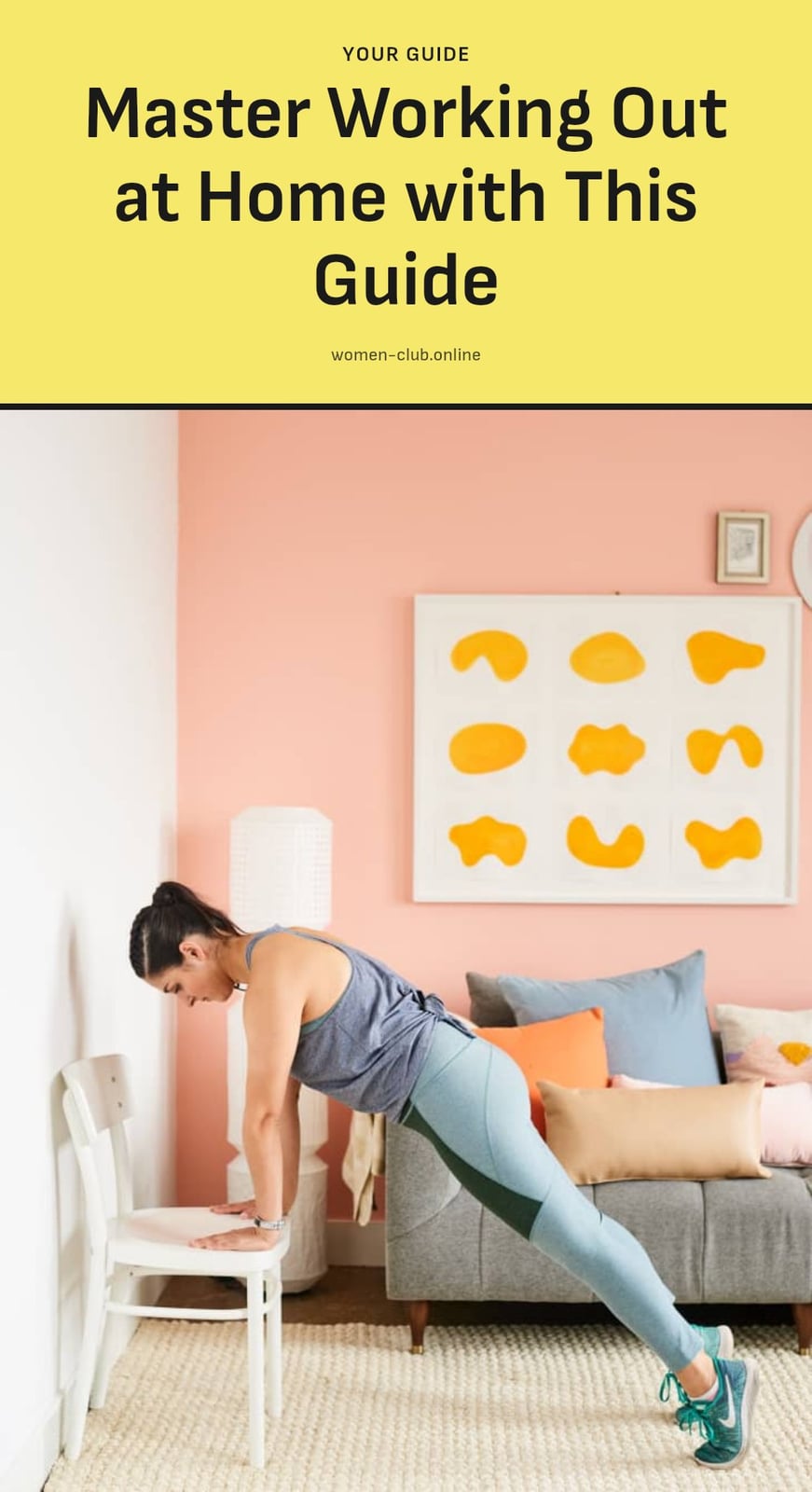
Home workouts give you the freedom to exercise whenever it fits your day, without a commute or gym fees. That flexibility makes it much easier to stay active, even on busy weeks. The real key to consistency is treating your home workout like any other commitment. Set a regular time, clear a small corner just for moving, and pick activities you look forward to. When you make it a priority, it stops feeling like a chore.
1. Set SMART Goals for Success
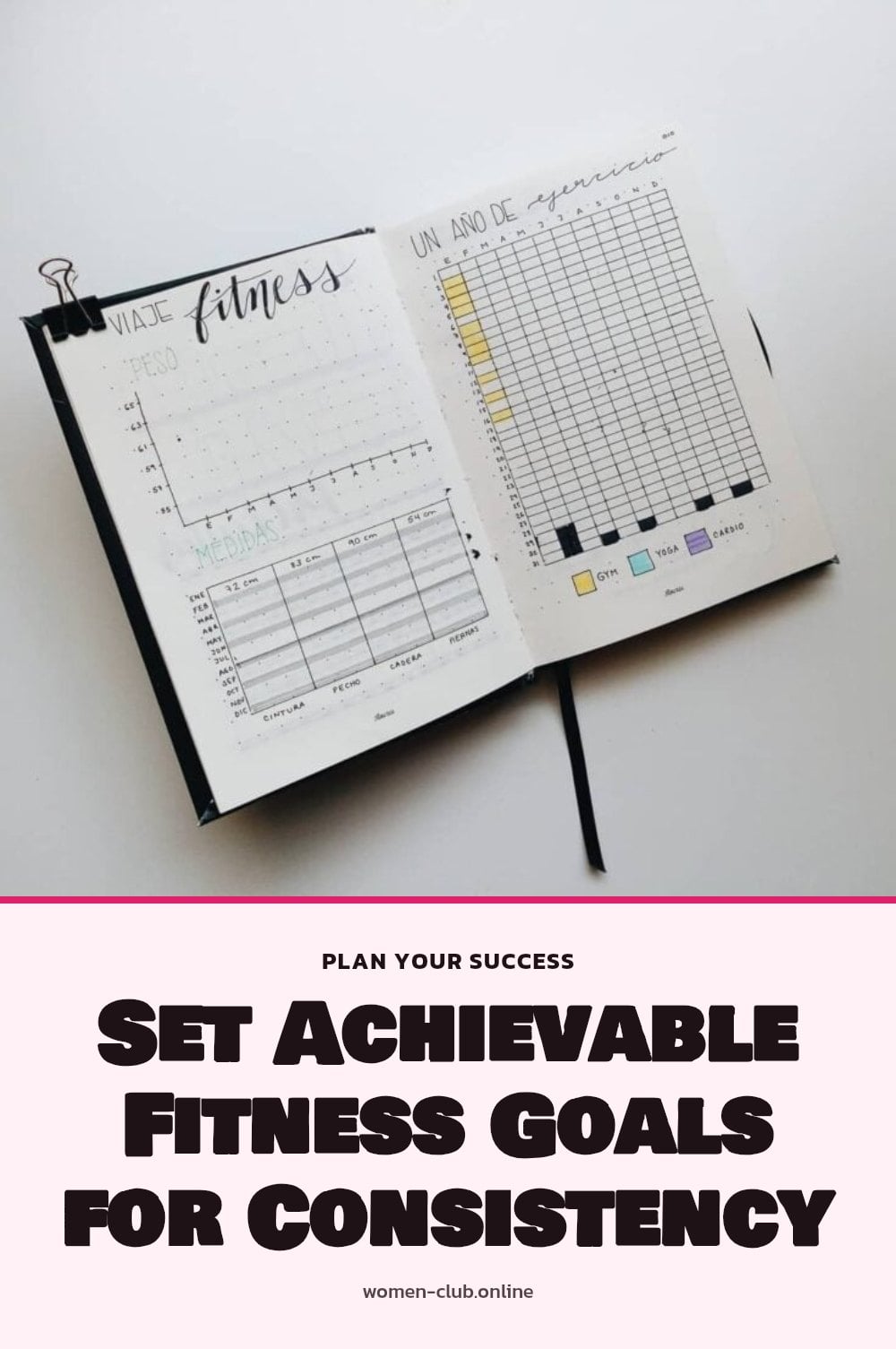
SMART goals turn a vague intention into a clear plan. Instead of saying “I’ll work out more,” set a goal like “complete three 30-minute strength training sessions per week for the next month.” This gives you a specific target to hit and a way to measure your progress. Each time you check off a session, you see real results, which keeps you motivated to keep going.
2. Create a Dedicated Workout Space

Pick a spot in your home that you use only for exercise, even if it’s just a corner of the living room. That dedicated area becomes a mental trigger: when you step into it, your brain knows it’s time to move. Keep the space clear of clutter so you can start right away. My tip: Lay out your mat and water bottle the night before so there’s zero friction in the morning.
3. Schedule Your Sessions Like Appointments

Open your calendar and block out workout time just like you would a meeting or doctor’s appointment. When you treat it as non-negotiable, you’re far less likely to skip it. Short sessions of 10-15 minutes done consistently build a stronger habit than sporadic hour-long workouts. However, to meet the World Health Organization’s recommendation of at least 150 minutes of moderate-intensity aerobic activity per week, you may need multiple short sessions each day or longer sessions on some days. Scheduling helps you distribute those minutes evenly across the week.
4. Find Workouts You Genuinely Enjoy

Boredom is the fastest way to quit a home workout routine. Experiment with different styles until something clicks. Try dance cardio for a fun sweat session, yoga for flexibility and stress relief, HIIT for a quick calorie burn, or bodyweight circuits and strength training for muscle building.
Tip: Rotate between two or three formats each week. This keeps your brain engaged and challenges different muscle groups, which helps prevent plateaus and keeps progress steady.
5. Gather Essential Home Workout Gear

You do not need a garage full of equipment to get a great workout at home. A yoga mat gives you a comfortable, non-slip surface for floor exercises and stretching. Resistance bands add progressive resistance without taking up space, and a pair of light to medium dumbbells covers most strength moves.
My tip: A good water bottle and comfortable workout shoes make a real difference. They keep you hydrated and support your feet during jumping or lunging moves, reducing the risk of slips or strain.
6. Prioritize Proper Form Over Speed

Moving fast with sloppy technique does more harm than good. Proper form protects your joints and ensures the target muscles do the work. Watch a short instructional video for each new move, exercise in front of a mirror, or record a set to check your alignment.
Caution: Consult a healthcare professional before starting any new exercise program, especially if you have underlying health conditions or concerns. If a move feels wrong in your joints, stop and adjust your position.
7. Incorporate Warm-Ups and Cool-Downs
A warm-up literally prepares your muscles and cardiovascular system for work. Spend 5-10 minutes doing light cardio like marching in place or arm circles, followed by dynamic stretches such as leg swings and torso twists. This raises your heart rate gradually and increases blood flow to your muscles.
Good to know: After your workout, cool down with 5-10 minutes of static stretching. Hold each stretch for 20-30 seconds without bouncing. This helps reduce muscle soreness and improves flexibility over time, making your next workout feel easier.
8. Track Your Progress and Celebrate Wins
Use a fitness tracker, journal, or app to log each workout, including reps, sets, and how you felt afterward. Seeing those numbers add up over days and weeks is a powerful motivator, even if the changes feel small at first.
Tip: Set a small reward for each milestone, like a new workout top or a relaxing bath after completing four weeks of consistent sessions. This positive reinforcement helps turn exercise into a lasting habit.
9. Find Accountability and Community
Exercising alone can feel isolating, but you don’t have to go it alone. Schedule a video call with a friend to do the same workout at the same time, or join an online fitness community where members share progress and encouragement.
Knowing someone else expects you to show up makes it much harder to hit snooze. Sharing your journey, even just a quick check-in, builds accountability that keeps you consistent.
10. Listen to Your Body and Rest
Rest days are not a sign of weakness; they are essential for muscle repair and preventing burnout. Pushing through sharp pain or extreme fatigue can lead to injury and setbacks that derail your progress.
Caution: Stop exercising immediately if you experience sharp pain, dizziness, chest pain, or shortness of breath. Consult a healthcare professional before resuming. A well-timed rest day helps you come back stronger.
11. Stay Hydrated and Fuel Your Body
What you put into your body directly affects how you perform and recover. Drink water steadily throughout the day, not just during your workout, to keep your muscles and joints working smoothly.
Aim for a glass of water 15-30 minutes before you start, small sips during your session, and a full glass afterward. Pair that with a balanced meal or snack within two hours to support muscle repair and energy replenishment.
Common Home Workout Mistakes to Avoid
No clear plan: Walking into a workout without knowing what you are doing is a fast track to wasted time and skipped sessions. Write out each session beforehand, even if it is just a short bodyweight circuit, so you have a target to hit.
Cluttered environment: A messy space full of laundry or kids’ toys makes it hard to focus and easy to quit early. Clear your workout area of everything except your mat and gear before you start.
Skipping warm-ups and cool-downs: These are not optional extras. A 5-10 minute warm-up prepares your muscles for work, and a cool-down with stretching improves recovery. Skip them and you raise your risk of injury.
Doing too much too soon: Jumping into high-intensity workouts every day can lead to burnout or injury. Start with 2-3 sessions per week, build consistency, then gradually increase intensity or duration.
Monotonous routine: Repeating the same video every day kills motivation quickly. Rotate between strength, cardio, yoga, or dance to keep your brain engaged and work different muscle groups.
Not tracking progress: Without a log of what you did, it is easy to feel like you are not improving. Jot down your reps, sets, or how you felt after each session so you can see how far you have come.
Frequently Asked Questions
How long should a home workout be to be effective?
Even short sessions of 10 to 15 minutes can be effective when done consistently. The World Health Organization recommends at least 150 minutes of moderate-intensity aerobic activity per week, so you can break that into manageable chunks that fit your schedule.
Can I build muscle effectively with home workouts?
Yes, you can build muscle at home using bodyweight exercises, resistance bands, and dumbbells. Focus on progressive overload by gradually increasing reps, sets, or resistance, and incorporate strength training at least two days per week for best results.
What are the best types of home workouts for beginners?
Beginners often do well with bodyweight circuits, yoga, or low-impact cardio like marching in place. These options are easy on the joints and help you learn proper form before adding intensity or equipment.
How do I prevent boredom with my home workout routine?
Vary your routine by trying different workout styles such as dance cardio, HIIT, or strength training. You can also switch up the music or podcasts you listen to during sessions to keep things fresh and engaging.
Is it okay to skip a home workout sometimes?
Yes, it is okay to miss a session now and then. The key is not to let one missed workout derail your entire routine. Listen to your body, take rest days when needed, and simply get back on track the next day.
Final Thoughts
Building a consistent home workout habit takes time, but the payoff is worth it. Start by choosing one or two strategies that feel manageable, such as scheduling your sessions or setting a clear goal. Expect to see noticeable physical and mental benefits within 4 to 6 weeks of regular practice. Remember, consistency beats perfection every time.
This article is for general informational purposes only and does not constitute medical or professional advice. Before starting any new exercise program, consult a healthcare professional, especially if you have underlying health conditions or concerns. Stop exercising immediately if you experience sharp pain, dizziness, or chest pain.