Heat Protectant Sprays, Creams and Serums: Choosing by Hair Type

If you regularly use a blow dryer, flat iron, or curling iron, you already know heat can take a toll on your hair. The good news is that the right heat protectant can make a real difference in preventing breakage, split ends, and dryness. This article breaks down the different types of heat protectants and helps you choose the best one for your hair type.
Key Takeaways
- Choose a lightweight spray for fine or oily hair to avoid weighing it down.
- Thick, coarse, or dry hair benefits from a richer cream or serum for moisture and protection.
- Color-treated hair needs a heat protectant with UV filters and color-preserving ingredients.
- Apply heat protectant evenly from roots to ends every time you use heat, even for quick touch-ups.
- Always use the lowest effective heat setting on your tools for maximum protection.
The Right Heat Protectant for Your Hair Type
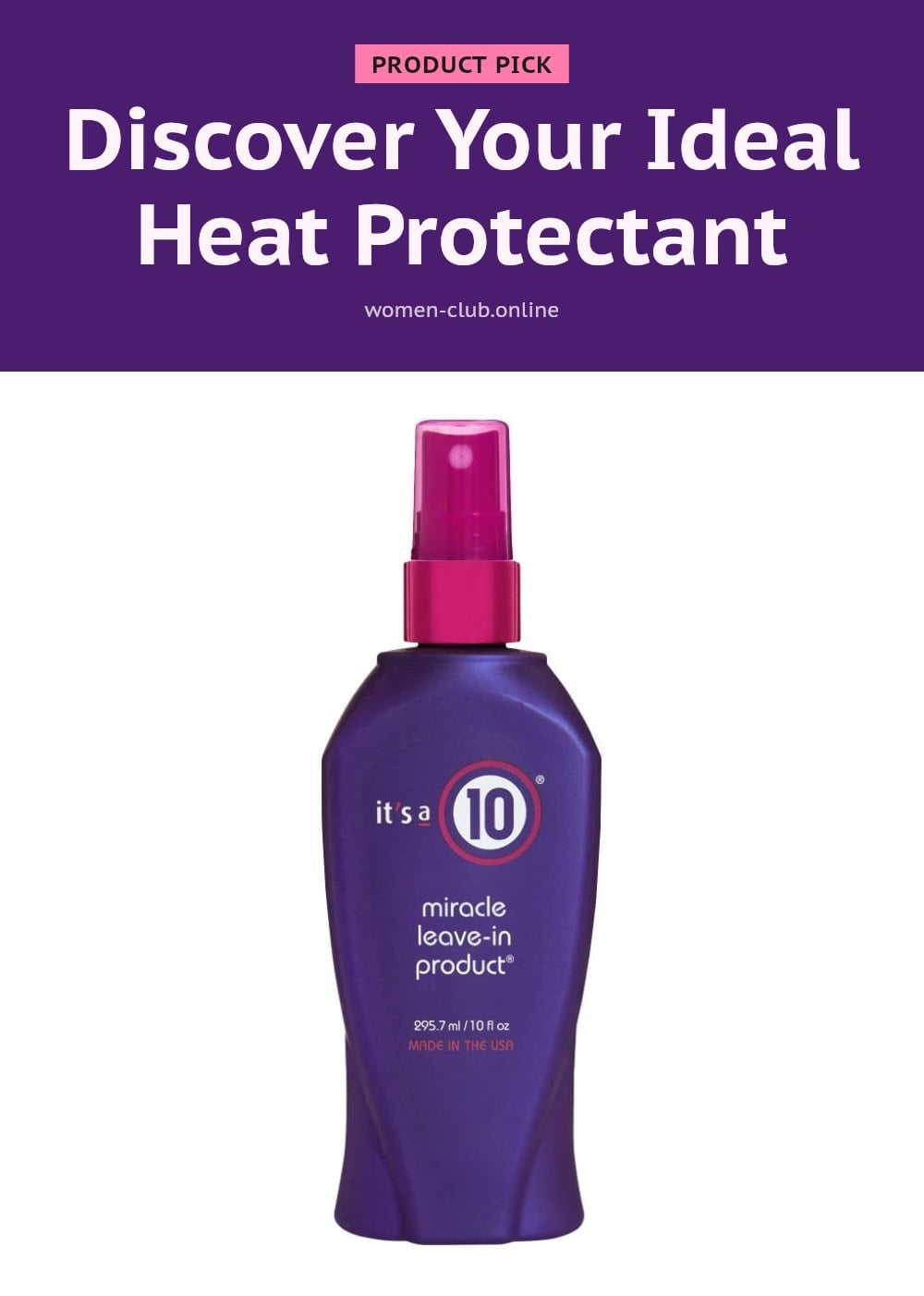
Heat protectants are non-negotiable if you use hot tools. They form a barrier that minimizes damage like breakage and split ends. The trick is picking the right format for your hair type. Sprays are lightweight and best for fine hair, creams offer richer conditioning for thick hair, and serums deliver intense moisture for very dry or damaged strands. Your choice should also factor in whether your hair is oily, dry, or color-treated.
How Heat Protectants Shield Your Hair from Damage
How Heat Protectants Shield Your Hair from Damage
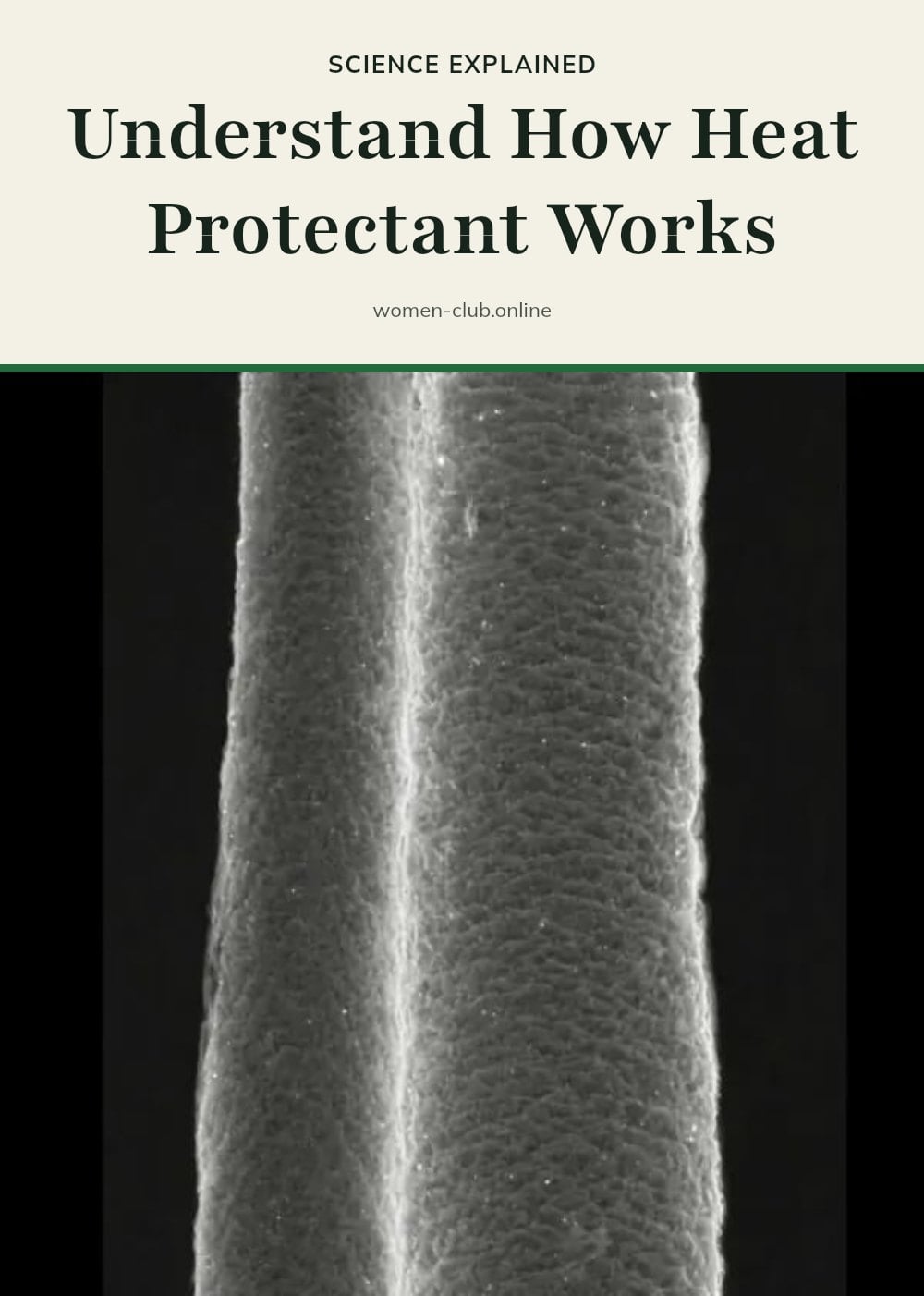
Heat protectants work by depositing a thin, even barrier over each hair strand. This barrier doesn’t block heat; it spreads it more evenly across the hair shaft and slows down how fast the heat conducts into the cortex. The result is less shock to the hair’s internal structure, which means fewer split ends and less breakage over time.
Two key ingredient groups make this happen. Silicones like dimethicone and cyclomethicone coat the cuticle, creating a smooth, slippery surface that reduces friction as the flat iron or curling iron glides along the strand. Less friction means less mechanical damage and higher heat resistance. Hydrolyzed proteins (often wheat or keratin) penetrate the hair shaft to temporarily reinforce weak spots. They add a layer of structural strength that helps the hair withstand heat better than it could on its own.
Together, these ingredients let you style at effective temperatures without the same level of cumulative damage.
Choosing Your Heat Protectant: Sprays, Creams, and Serums
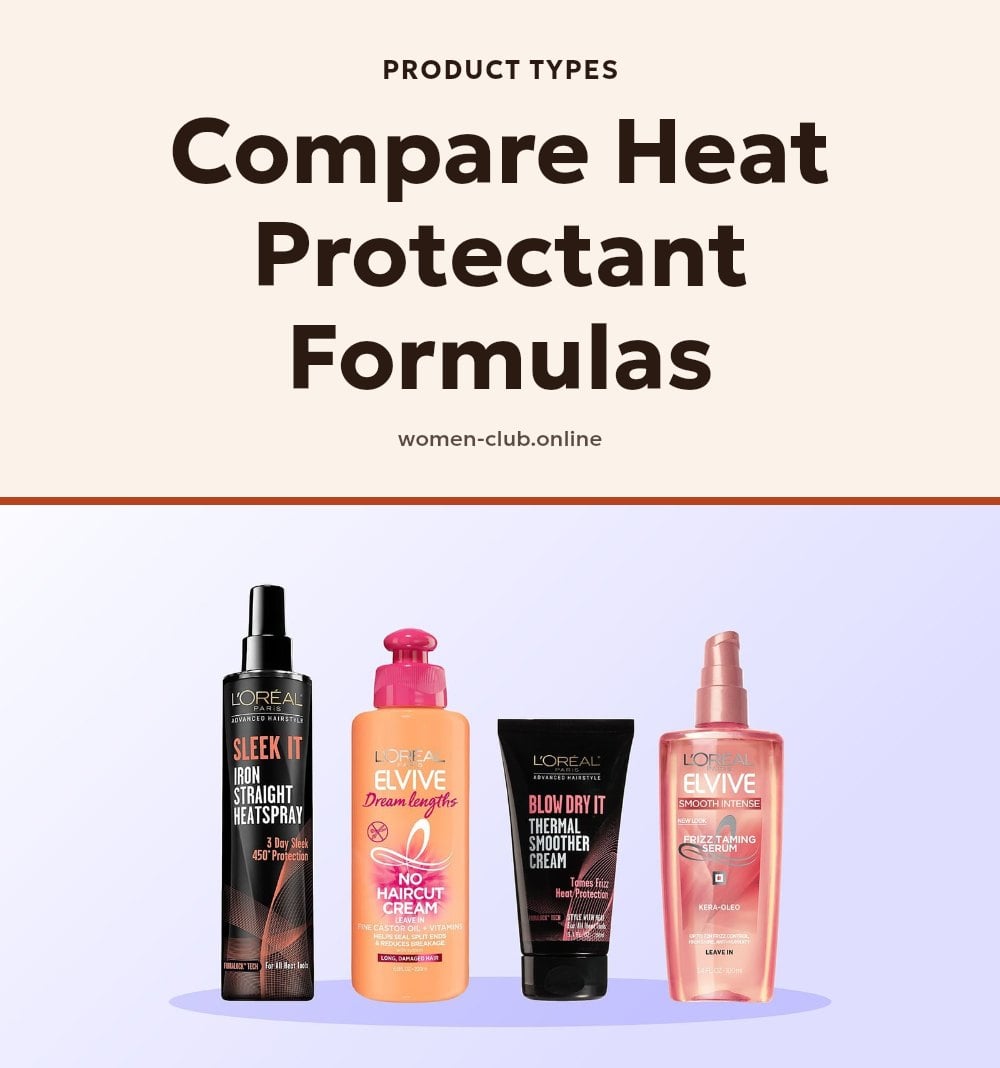
Not all heat protectants are the same. Sprays, creams, and serums differ in weight, moisture, and how they sit on your hair. Here is a quick breakdown to help you match the format to your strands.
| Type | Best For | Downside |
|---|---|---|
| Spray | Fine to medium hair, quick application | Can be drying if alcohol-heavy |
| Cream | Thick, coarse, or dry hair needing moisture | May weigh down fine hair |
| Serum | Very dry, damaged, or frizzy hair | Can feel heavy if overused |
Sprays are the lightest option. They spread fast and don’t leave residue, making them ideal for fine or medium hair. Creams pack more conditioning, so they work well on thick or coarse hair that needs extra moisture. Serums are concentrated and deliver intense shine and frizz control, which is why they suit very dry or damaged hair best.
Tailoring Your Choice for Specific Hair Needs
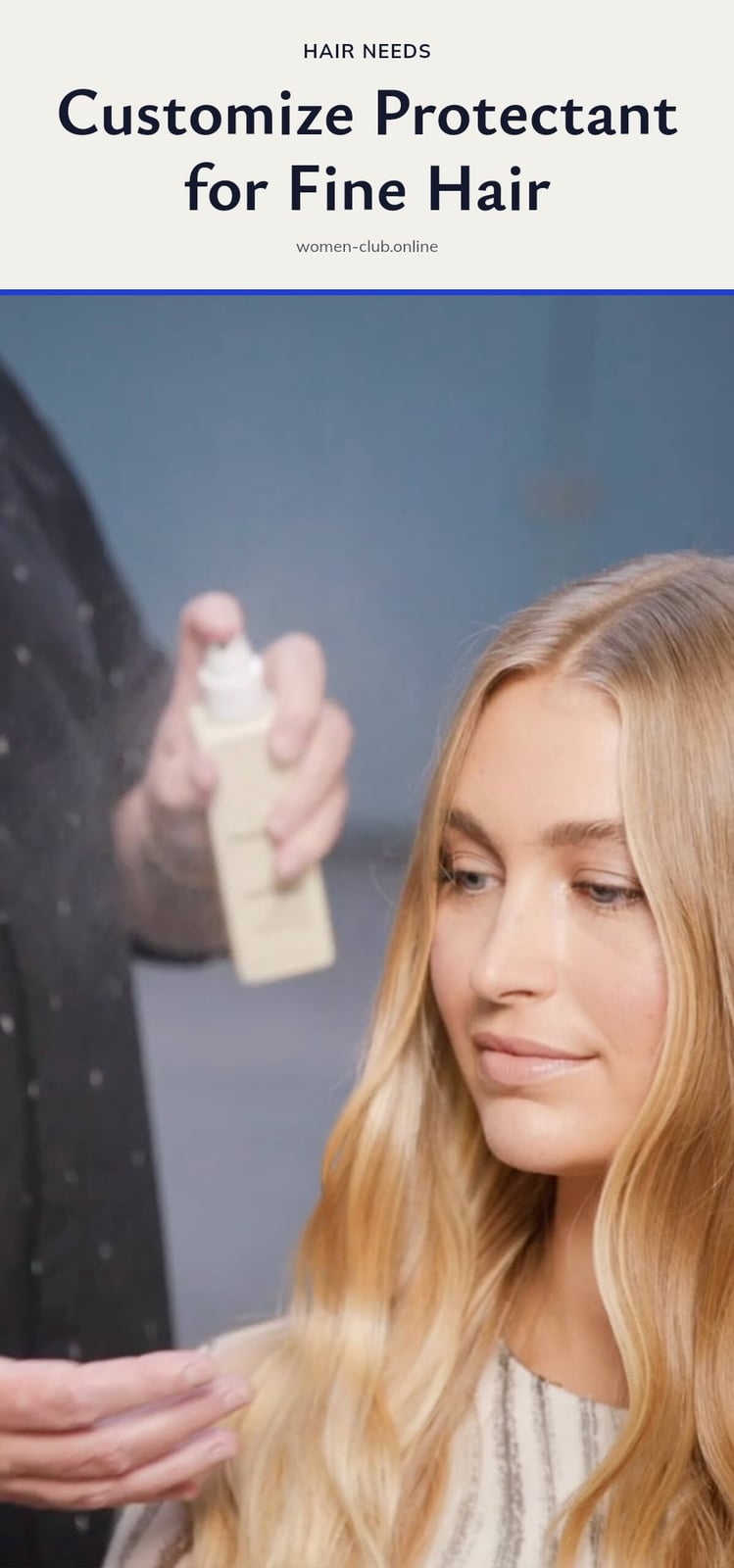
Fine or Oily Hair
If your hair gets greasy by midday or falls flat easily, reach for a lightweight spray. Sprays evaporate quickly and won’t coat your strands in heavy oils, so you get protection without limpness. My tip: hold the nozzle 6 to 8 inches away and mist in thin layers, then brush through to distribute.
Thick or Coarse Hair
Thick strands need more moisture to stay flexible under heat, so creams and serums are your friends. These richer formulas penetrate deeper and lock in hydration, which reduces the chance of brittleness and breakage. Work a quarter-size amount through damp hair from mid-lengths to ends before blow-drying.
Dry or Damaged Hair
For parched or over-processed hair, serums offer the most intense conditioning. They smooth the cuticle and add shine while sealing in moisture, making them ideal for daily heat styling. Apply sparingly to avoid buildup, focusing on the driest areas like the ends.
Color-Treated Hair
Dyed hair loses moisture faster and is more vulnerable to heat fading. Look for protectants with UV filters and color-preserving ingredients like antioxidants. These shield both the strand and the pigment, helping your color stay vibrant longer between salon visits.
How to Apply Heat Protectant Effectively
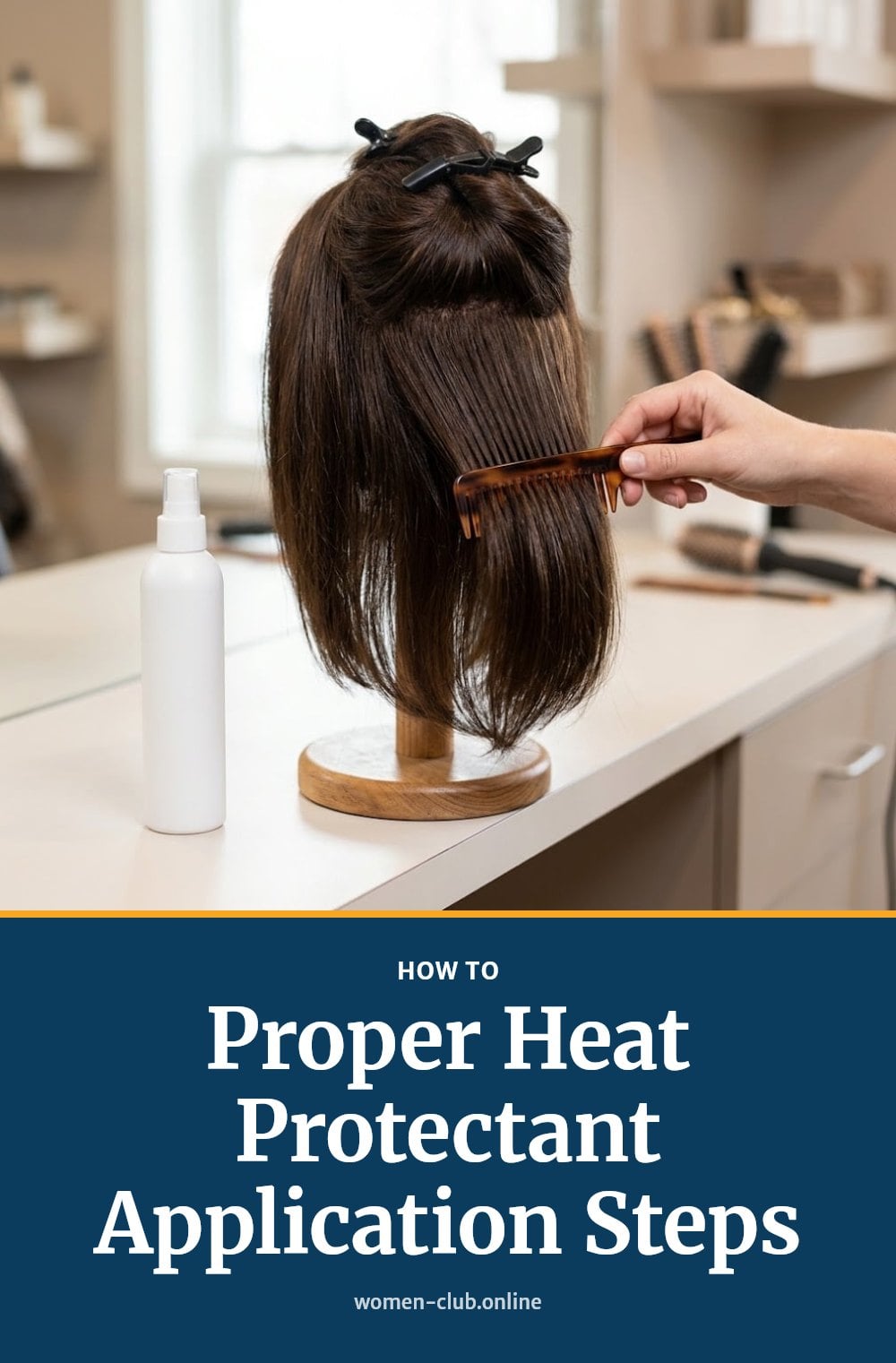
Start with damp hair: Apply heat protectant right after washing, before you blow-dry. This is when the cuticle is most receptive, and the product seals in moisture while building a heat shield.
- Section your hair: Divide damp hair into 4-6 sections with clips. This ensures every strand gets coated, especially for thick or long hair.
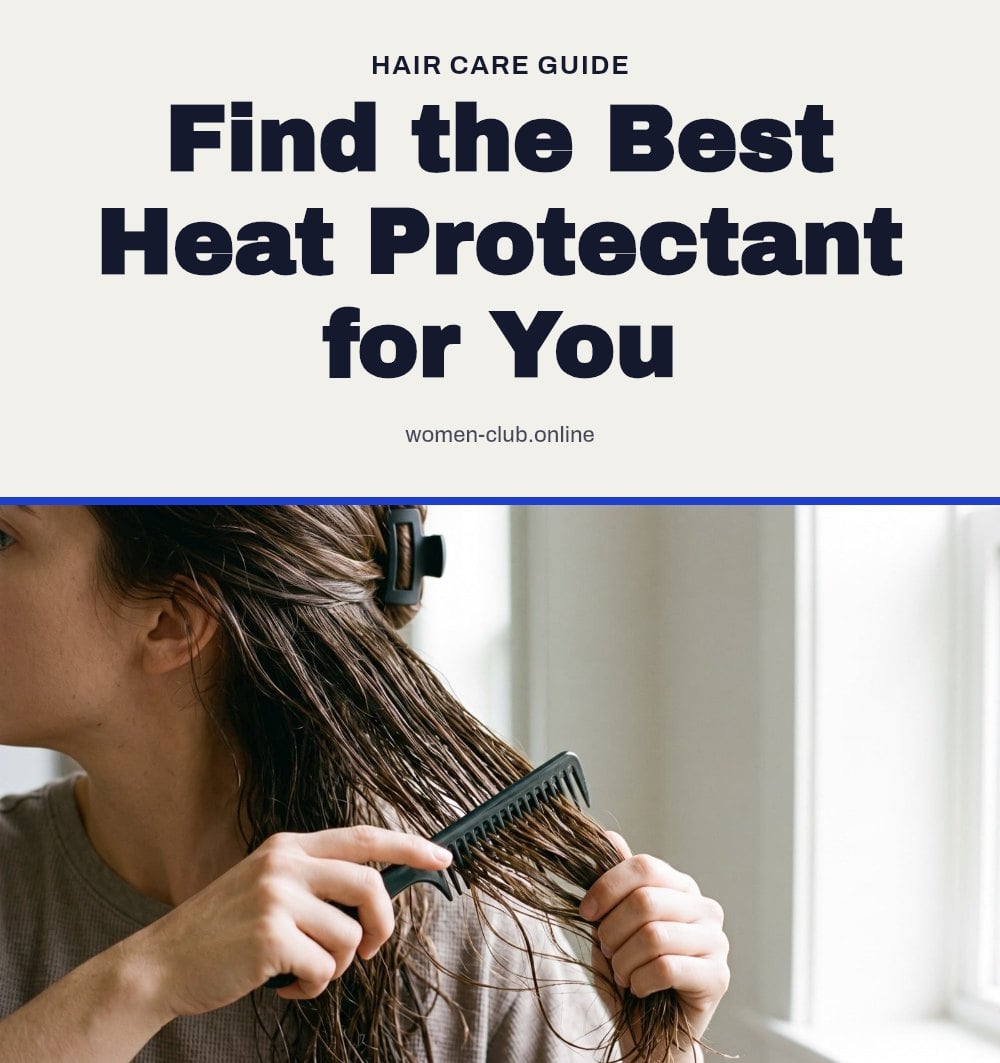
- Spray or apply evenly: Hold the spray 6-8 inches away and mist each section from roots to ends. For cream or serum, rub a dime-sized amount between palms, then smooth it down each section. Use a wide-tooth comb to pull the product through for even coverage.
- Let it dry slightly: Wait until the product is no longer wet or sticky before using a flat iron or curling iron. If the hair still feels damp, blow-dry on low heat first. This prevents uneven heat distribution and ensures the protectant forms a consistent barrier.
- Reapply for touch-ups: If you’re restyling dry hair later, use a dry-heat protectant spray. Regular damp-hair formulas can leave residue on dry strands.
Common Heat Protectant Mistakes to Avoid
Even with the best product, small mistakes can cut your protection in half. Here are the ones I see most often:
- Not using enough: A light mist won’t cover all strands. You need enough product to feel a slight slip when you run your fingers through your hair. For shoulder-length hair, aim for 8-10 sprays or a nickel-sized amount of cream, adjusting based on hair thickness.
- Only coating the ends: The mid-lengths and roots face the highest heat from blow-dryers and flat irons. Apply protectant from the scalp down, not just the last 3 inches.
- Wrong weight for your hair type: A heavy cream on fine hair leaves it greasy and limp. A lightweight spray on thick, coarse hair won’t provide enough barrier. Match the format to your texture.
- Using a damp-hair spray on dry hair: Some products are designed only for wet application. Using them on dry hair can cause stickiness, uneven coating, and less protection. Check the label: if it says “apply to damp hair,” stick to that.
- Thinking protectant makes you invincible: Heat protectant reduces damage, but it doesn’t eliminate it. Crank your flat iron to 450°F and you’ll still get breakage over time. Use the lowest effective setting and keep passes to a minimum.
Smart Tips for Maximizing Heat Protection
These small adjustments make a real difference in how well your protectant works:
- Use it every time: Even a 30-second touch-up with a curling iron needs protection. Heat damage is cumulative, and skipping once adds up.
- Pick multitasking formulas: Look for protectants that also offer frizz control, shine, or UV filters. For color-treated hair, a UV-blocking spray helps prevent fading from sunlight.
- Distribute with a comb: After applying, run a wide-tooth comb through each section. This pushes the product into the inner layers where heat hits hardest.
- Dial down the heat: While many protectants are rated up to 450°F, your hair doesn’t need that much. Fine hair styles well at 300-350°F; thick hair at 350-400°F. Lower heat means less moisture loss.
- Read the label: Some sprays warn against using on extensions or near the scalp. Others specify a maximum temperature. Follow those limits for the best results.
When to Consult a Professional for Hair Damage
Most heat damage can be managed with good products and lower heat, but sometimes you need a professional eye. See a stylist or dermatologist if:
- You have persistent scalp irritation, redness, or itching after using a heat protectant or other styling products. This could signal an allergy or sensitivity.
- Your hair still shows significant breakage, split ends, or dryness even after you’ve switched to a protectant and lowered your heat settings. A stylist can assess the cuticle health and recommend targeted treatments.
- You’re dealing with severe chemical damage from bleach, relaxers, or multiple color processes. DIY masks and oils won’t fix structural damage. A professional can suggest a repair regimen or trim strategy.
Frequently Asked Questions
Can I use heat protectant on dry hair?
Yes, some heat protectants are specifically designed for dry hair and can be applied before using a flat iron or curling iron. Check the product label to confirm it is safe for dry application. Using a product meant for damp hair on dry hair may result in uneven coverage or stickiness.
How often should I use heat protectant?
You should use heat protectant every single time you apply heat to your hair, no matter how short the styling session. Heat damage is cumulative, so skipping even once can add up over time. Make it a non-negotiable step in your routine.
Does heat protectant really work?
Yes, when used correctly, heat protectant forms a barrier on the hair shaft that helps distribute heat more evenly and slows down heat conduction. It significantly reduces damage like breakage and split ends, but it does not make hair immune to high temperatures.
What temperature does heat protectant protect up to?
Most heat protectants offer protection up to around 450°F (232°C), but this can vary by product. Always check the label for the specific temperature rating. Even with protection, it is best to use the lowest effective heat setting on your tools.
Is it okay to mix different heat protectant products?
It is generally not recommended to mix different heat protectant products, as this can lead to uneven coverage or product buildup. Stick with one product per styling session to ensure consistent protection. If you need extra moisture, choose a single product that offers both heat protection and conditioning.
Final Thoughts
For most people, the best approach is to match the product format to your hair type: a spray for fine hair, a cream for thick hair, and a serum for very dry or damaged strands. Remember that consistent use is key, and heat protectant works best when combined with lower heat settings. With the right product and a good application routine, you can keep your hair healthier and stronger over time.