11 Bad Habits to Quit for a Calmer, Healthier Daily Life

You already know which habits leave you feeling drained, stressed, or stuck in a loop. The real question isn’t what to stop, it’s how to stop it for good. This article walks through practical, research-backed steps to identify your triggers, replace old routines with healthier ones, and build an environment that actually supports lasting change.
Key Takeaways
- Identify your habit loop: cue, routine, and reward, then replace the routine.
- Focus on one small change at a time; it takes an average of 66 days to form a new habit.
- Manage stress and fatigue, because they drain willpower and make bad habits harder to resist.
- Set a digital curfew at least an hour before bed to protect sleep and self-control.
- Seek professional help if your habits are linked to severe anxiety, depression, or addiction.
How to Break Bad Habits for Good
Breaking bad habits starts with understanding the habit loop: cue, routine, and reward. The most effective approach is to identify your triggers and the underlying reward you seek, then consciously replace the undesirable routine with a healthier alternative. Consistency, patience, and environmental support are key to making these changes stick long-term.
1. Identify Your Habit Loop

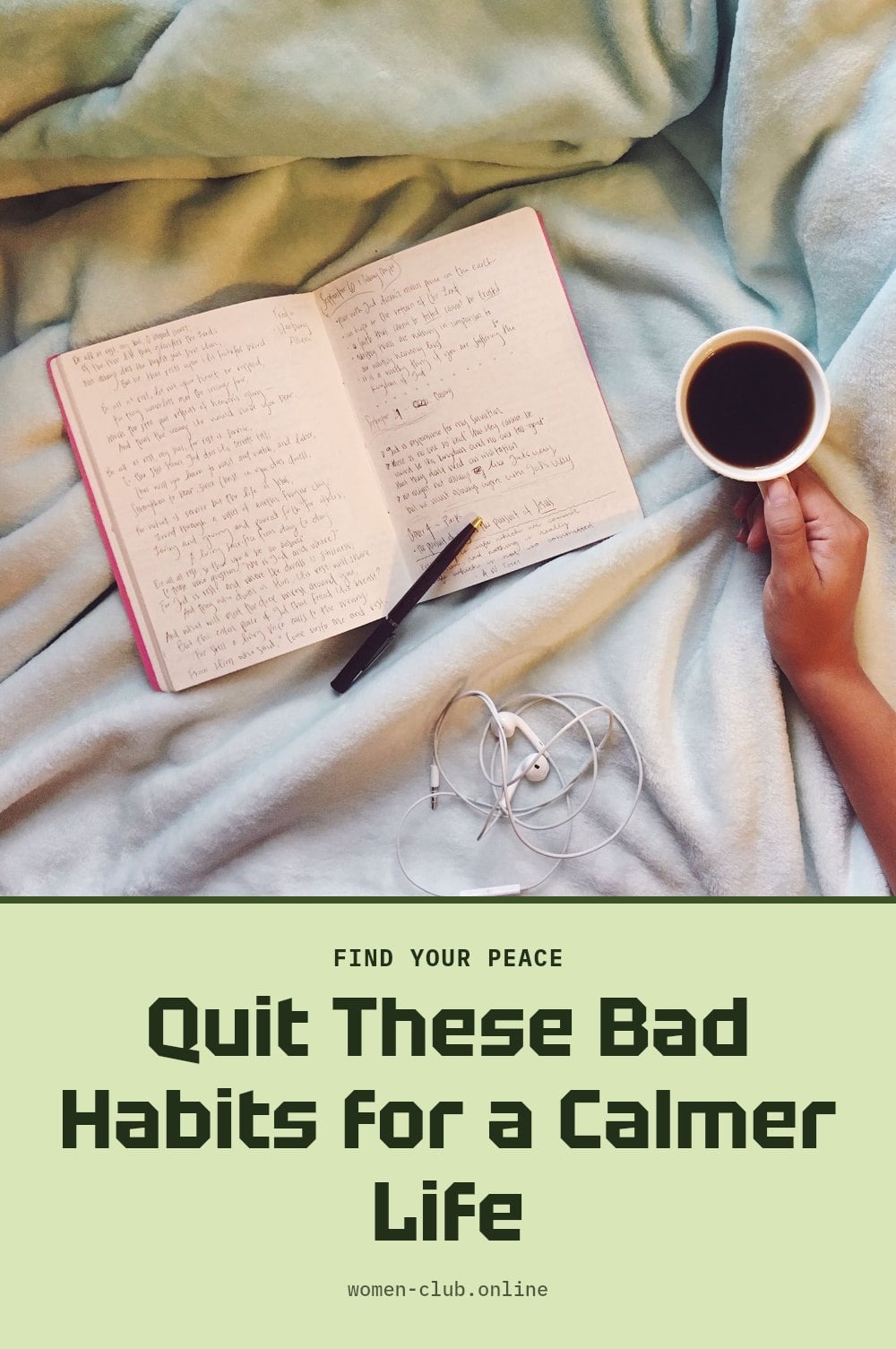
Every habit has a cue (trigger), a routine (the habit itself), and a reward. My tip: Use a journal to track when, where, and why you engage in a bad habit, and what feeling or outcome you get from it. This helps you pinpoint your unique triggers and rewards.
2. Replace, Don’t Just Remove
Simply trying to stop a bad habit often leaves a void, making it hard to sustain. Instead, actively plan a healthier, alternative routine that fulfills the same reward. For example, if you snack out of boredom (cue: boredom, reward: distraction), try reading a book or going for a short walk instead of reaching for chips.
3. Start Small and Be Consistent
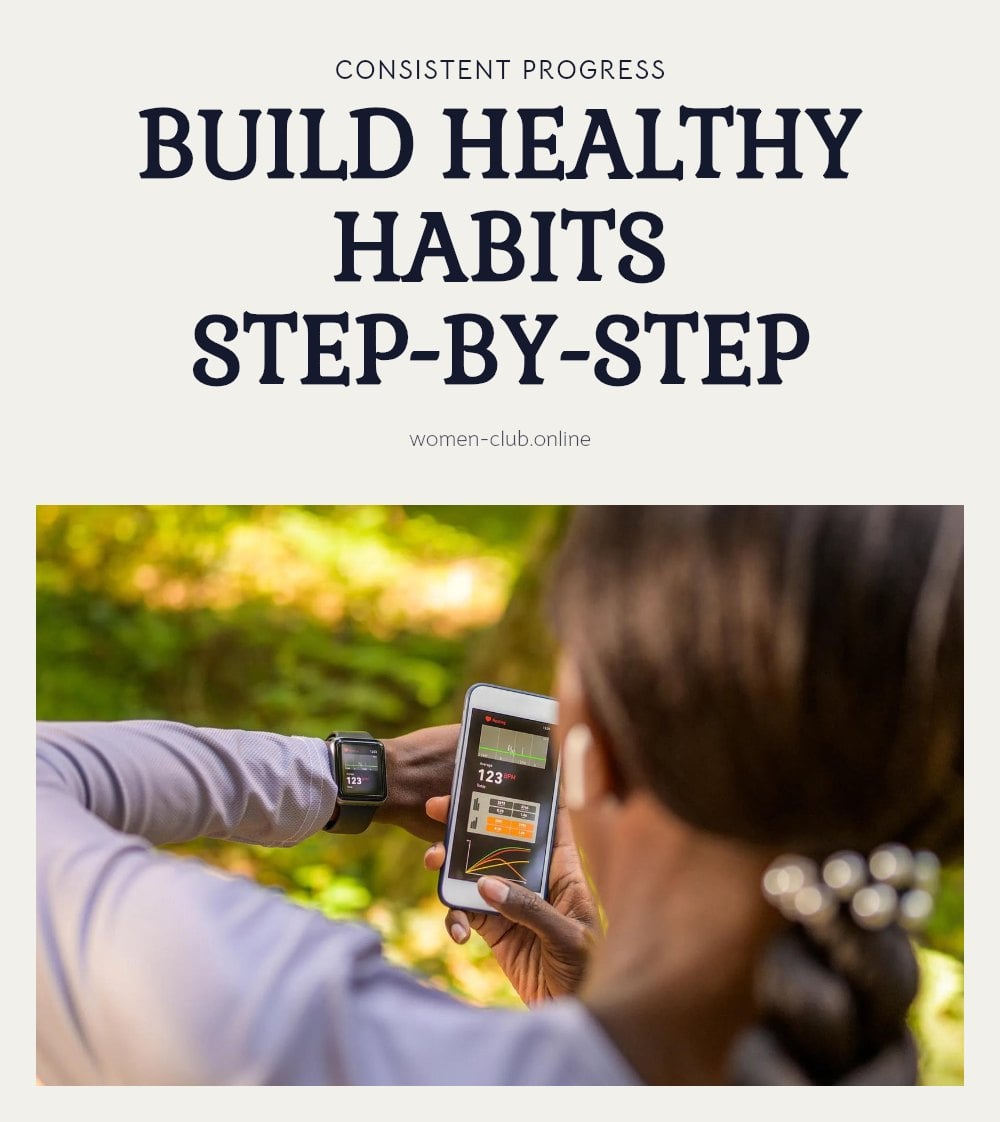
Drastic changes are often overwhelming and unsustainable. My tip: Focus on one small, manageable change at a time. Small, consistent efforts build momentum and are more effective for long-term habit change, potentially taking an average of 66 days to form a new habit.
4. Create a Supportive Environment
Your surroundings shape your choices more than willpower does. Remove temptations from your home or workspace and make desired behaviors easier to access. If you want to eat healthier, keep fruits and vegetables visible on the counter and store chips in a high cabinet or skip buying them altogether. A clean counter with a fruit bowl prompts a better snack choice every time.
5. Manage Stress and Fatigue
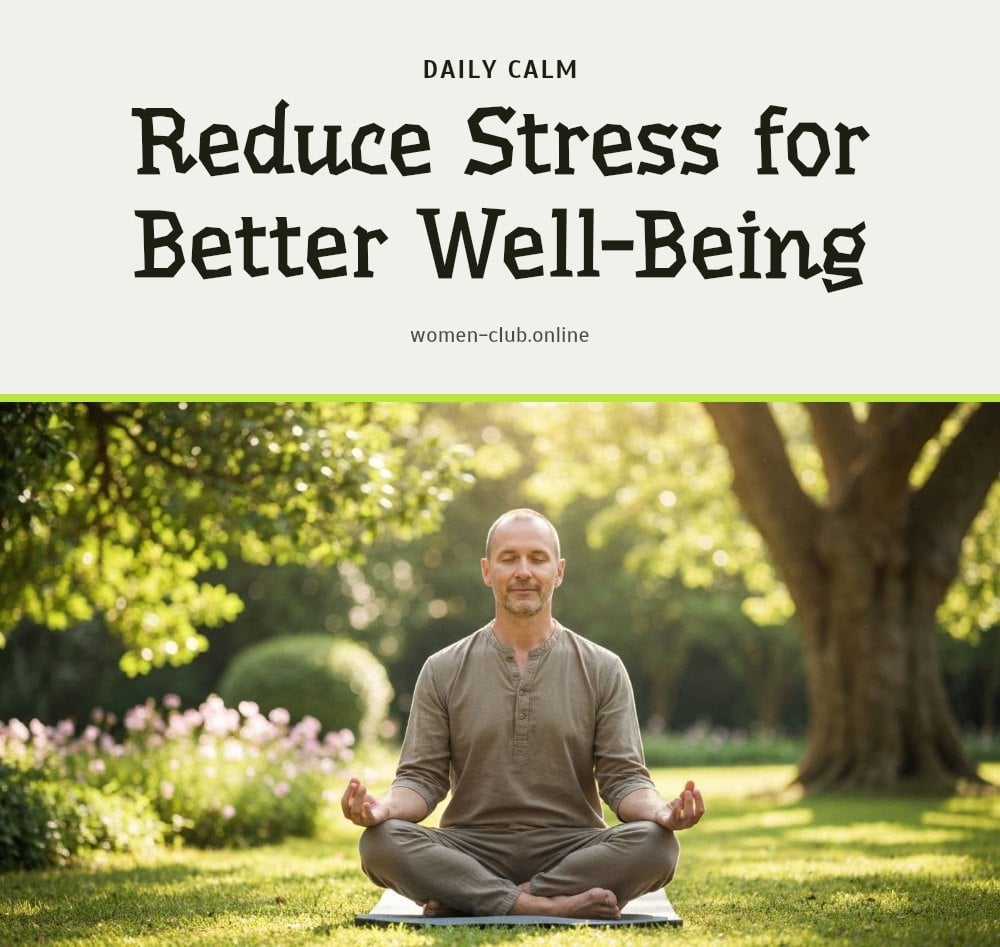
Stress and fatigue drain self-control, making it harder to resist bad habits. Prioritize sleep by setting a consistent bedtime, and add short stress-reducing activities like a 5-minute meditation or a brief walk during your workday. A well-rested mind makes conscious choices more easily, so regular breaks and good sleep are non-negotiable for lasting change.
6. Practice Mindfulness
Mindfulness builds awareness of your urges before you act on them. When a bad habit cue appears, pause for a few seconds and observe the thought or feeling without judgment. That small gap between trigger and response gives you room to choose a different action instead of reacting automatically.
7. Seek Social Support
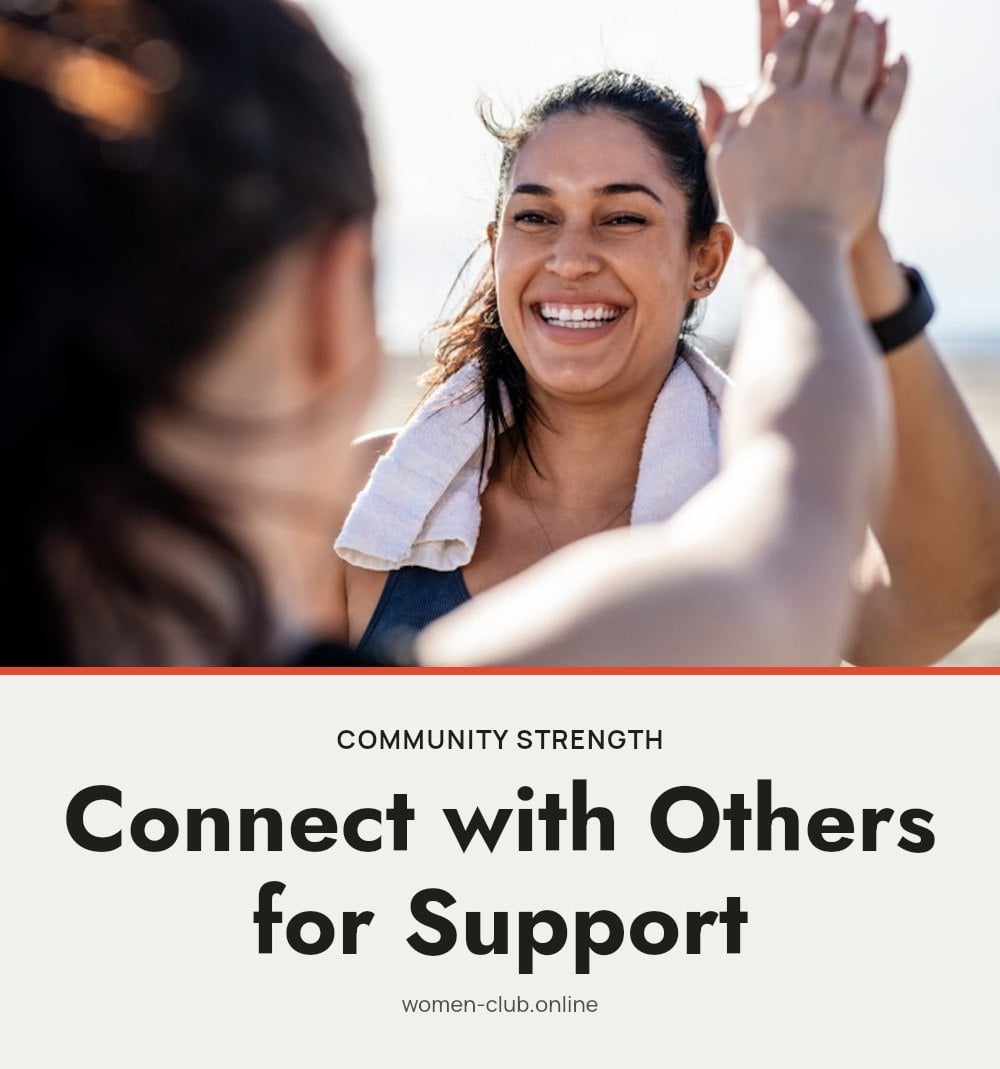
You do not have to do it alone. Share your goals with trusted friends or family members who can offer encouragement and hold you accountable. Even better, find a habit buddy who is also working on positive changes so you can check in with each other regularly and celebrate small wins together.
8. Be Patient and Practice Self-Compassion
Habit change takes time, often an average of 66 days for a new habit to form, and sometimes much longer for deeply ingrained patterns. Setbacks are a normal part of the process, not a sign of failure. Treat yourself with the same kindness you would offer a friend who is trying to improve. Acknowledge the slip, learn what triggered it, and move on without guilt.
9. Limit Excessive Screen Time

Excessive screen time, especially before bed, disrupts sleep and contributes to fatigue, which weakens self-control. Tip: Set a digital curfew at least an hour before you plan to sleep. Replace that last hour with reading, gentle stretching, or journaling. These activities signal your brain to wind down, improving sleep quality and making it easier to stick with other healthy changes the next day.
10. Overcome Procrastination
Procrastination increases stress and leads to missed opportunities. Break large tasks into smaller, manageable steps so they feel less overwhelming. Good to know: Use the two-minute rule: if a task takes less than two minutes, do it immediately. This clears small items quickly and builds momentum for bigger work. For larger projects, commit to just five minutes of work to overcome the initial resistance.
11. Challenge Negative Self-Talk
Negative self-talk reinforces feelings of inadequacy and can sabotage your progress. When you catch yourself thinking ‘I can’t do this,’ pause and reframe the thought. Replace it with ‘I’m learning and making progress, even if it’s slow.’ This shift reduces shame and keeps you focused on the next small step rather than on an imagined failure.
When to Seek Professional Help
If your bad habits are deeply linked to severe anxiety, depression, or a potential addiction, professional help is essential. A mental health professional can offer personalized strategies and support that self-help methods cannot provide. Additionally, if changes in your diet or exercise habits might affect an existing health condition, consult your doctor first.
Frequently Asked Questions
How long does it take to break a bad habit?
There is no single timeline. Research suggests it can take anywhere from 18 to 254 days to form a new habit, with an average of around 66 days. Deeply ingrained patterns may take longer, so consistency and patience are more important than speed.
Can I break multiple bad habits at once?
It is not recommended. Trying to change too many habits at once is overwhelming and usually unsustainable. Focus on one small, manageable change at a time. Building success with one habit creates momentum that makes it easier to tackle another later.
What if I relapse into a bad habit?
Setbacks are normal and do not mean failure. Treat yourself with the same kindness you would offer a friend. Reflect on what triggered the relapse, adjust your plan if needed, and get back on track. The key is to learn from the slip rather than using it as a reason to give up.
How does stress affect habit formation?
Stress and fatigue weaken self-control, making it much harder to resist bad habits. When you are stressed, your brain defaults to familiar routines, even unhealthy ones. Prioritizing sleep and adding short stress-reducing activities, like a five-minute meditation or a walk, can help restore your ability to make conscious choices.
Is willpower enough to change habits?
Willpower alone is rarely enough for long-term change. It is a limited resource that gets depleted by stress and fatigue. Building a supportive environment, removing temptations, and having a clear replacement routine are more reliable strategies than relying solely on self-control.
Final Thoughts
Pick just one habit to work on and start with the smallest possible swap. Expect it to take at least a couple of months before the new behavior feels automatic, and know that setbacks are part of the process, not a reason to quit. The goal isn’t perfection, it’s progress that makes your daily life calmer and healthier.
This article is for general informational purposes only and does not constitute medical or professional advice. If your bad habits are linked to severe anxiety, depression, or addiction, please consult a qualified mental health professional. Always talk to your doctor before making significant changes to your diet or exercise routine.








