Beginner Workout Plan for Women: Your First Month at the Gym

Starting at the gym can feel intimidating, but the right plan makes all the difference. This beginner workout guide gives you a simple, structured month to build strength and confidence, focusing on proper form and gradual progress.
You will learn exactly which exercises to do, how often to do them, and how to warm up and cool down safely. My tip: stick with the schedule and listen to your body, consistency matters more than pushing too hard too fast.
Key Takeaways
- Aim for 2-3 full-body strength sessions and 3-5 cardio sessions per week.
- Start with bodyweight or light weights to master form before adding resistance.
- Always include a 5-10 minute warm-up and cool-down in every workout.
- Rest 2-3 days per week to allow your muscles to recover and grow.
- Track your weights, reps, and cardio time to see your progress over 4-6 weeks.
Your First Month at the Gym: A Beginner’s Guide
A beginner workout plan is designed to build foundational strength and cardiovascular fitness without overwhelming you. It typically involves 2-3 full-body strength sessions and 3-5 cardio sessions per week. The key is to prioritize proper form, gradually increase intensity, and include adequate rest days to prevent injury and build consistency.
1. Warm-Up: Light Cardio and Dynamic Stretches
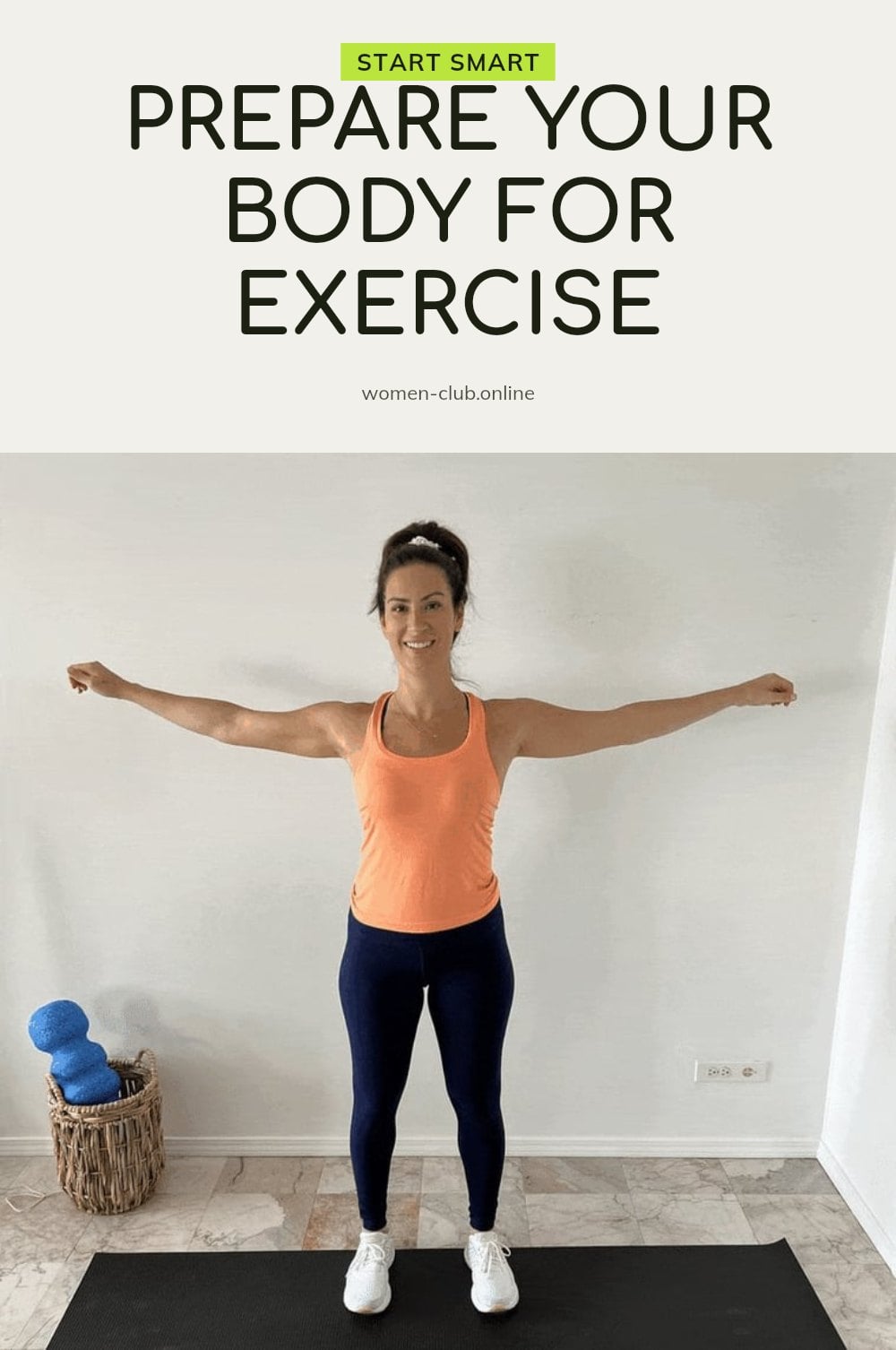
Start each workout with 5-10 minutes of light cardio, such as walking on a treadmill or cycling, to raise your heart rate and increase blood flow to your muscles. Follow this with dynamic stretches like arm circles, leg swings, and torso twists. My tip: Focus on controlled, deliberate movements to prepare your muscles for the work ahead.
- Time: 5-10 minutes of light cardio, then 5-10 minutes of dynamic stretches
- Form cue: Keep your movements smooth and within a comfortable range of motion
- Make it easier or harder: Start with slower, smaller circles and gradually increase speed and range
2. Bodyweight Squats
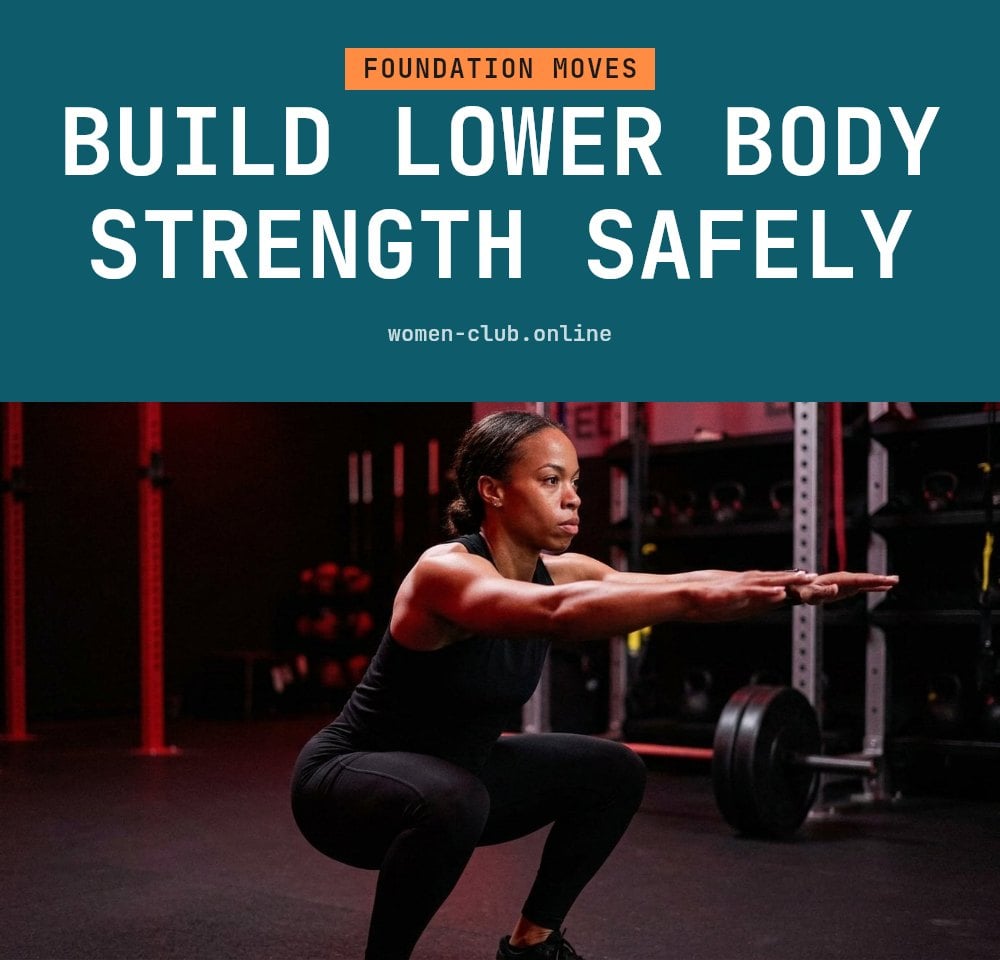
Stand with your feet shoulder-width apart, chest lifted, and core engaged. Lower your hips as if you are sitting back into a chair, keeping your back straight and your knees tracking over your toes. Push through your heels to return to the starting position. My tip: Go as deep as you can while maintaining good form, even if that is just a quarter squat at first.
- Sets and reps: 3 sets of 10-12 repetitions
- Form cue: Keep your weight in your heels and your chest up
- Make it easier or harder: Place a chair behind you to control depth, or focus on a slower tempo to increase difficulty without adding weight
3. Dumbbell Rows
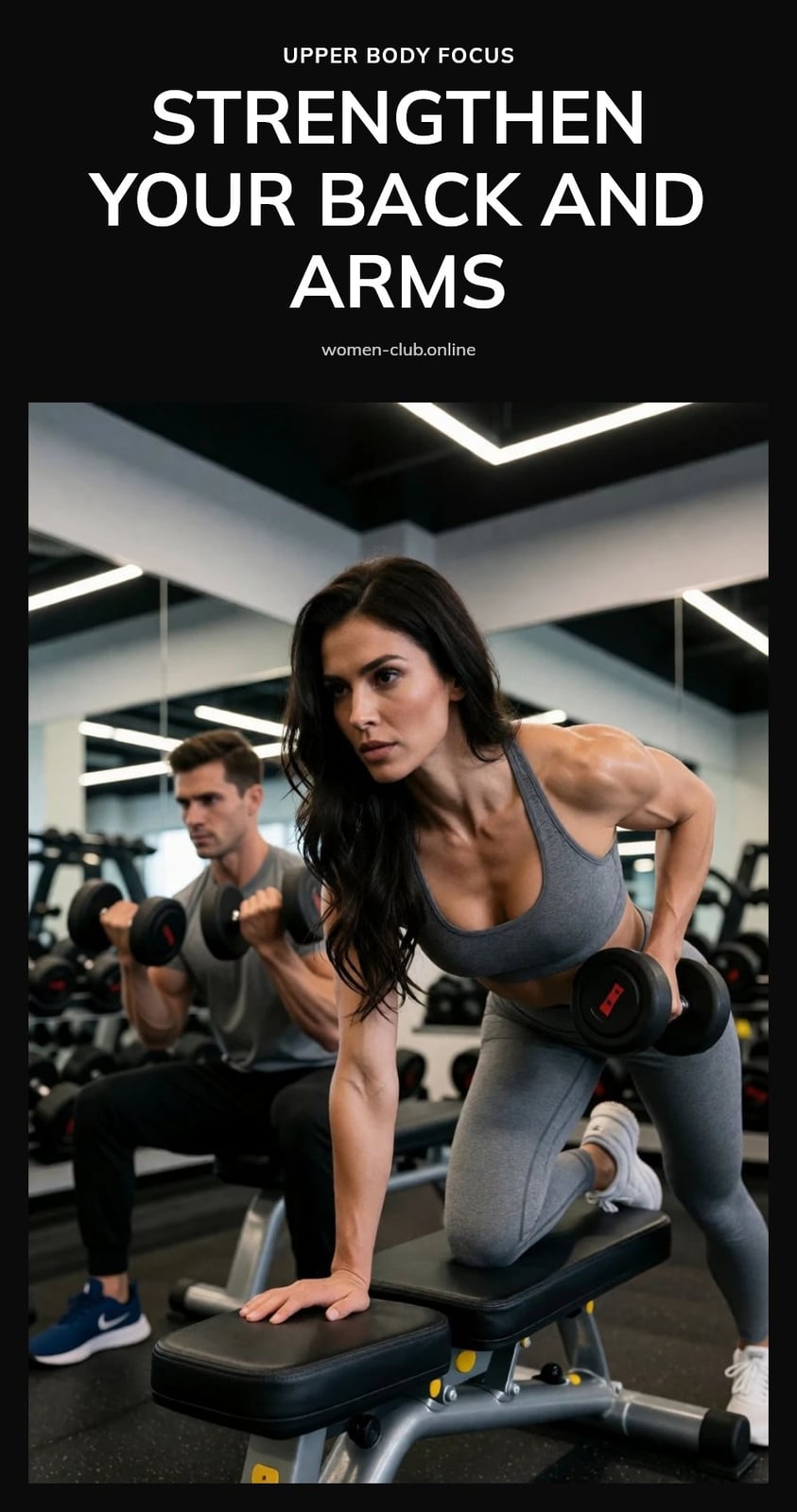
Hold a light dumbbell in one hand and hinge forward at your hips, keeping your back flat and core tight. Let the dumbbell hang straight down from your shoulder. Pull the dumbbell toward your hip, squeezing your shoulder blade, then slowly lower it back down. Tip: Keep your elbow close to your body throughout the movement.
- Sets and reps: 3 sets of 8-10 repetitions per arm
- Form cue: Keep your hips and shoulders square to the floor, not rotated
- Make it easier or harder: Use a lighter weight to focus on form, or increase the weight slightly once you can complete all reps with control
4. Push-Ups (Modified or Full)
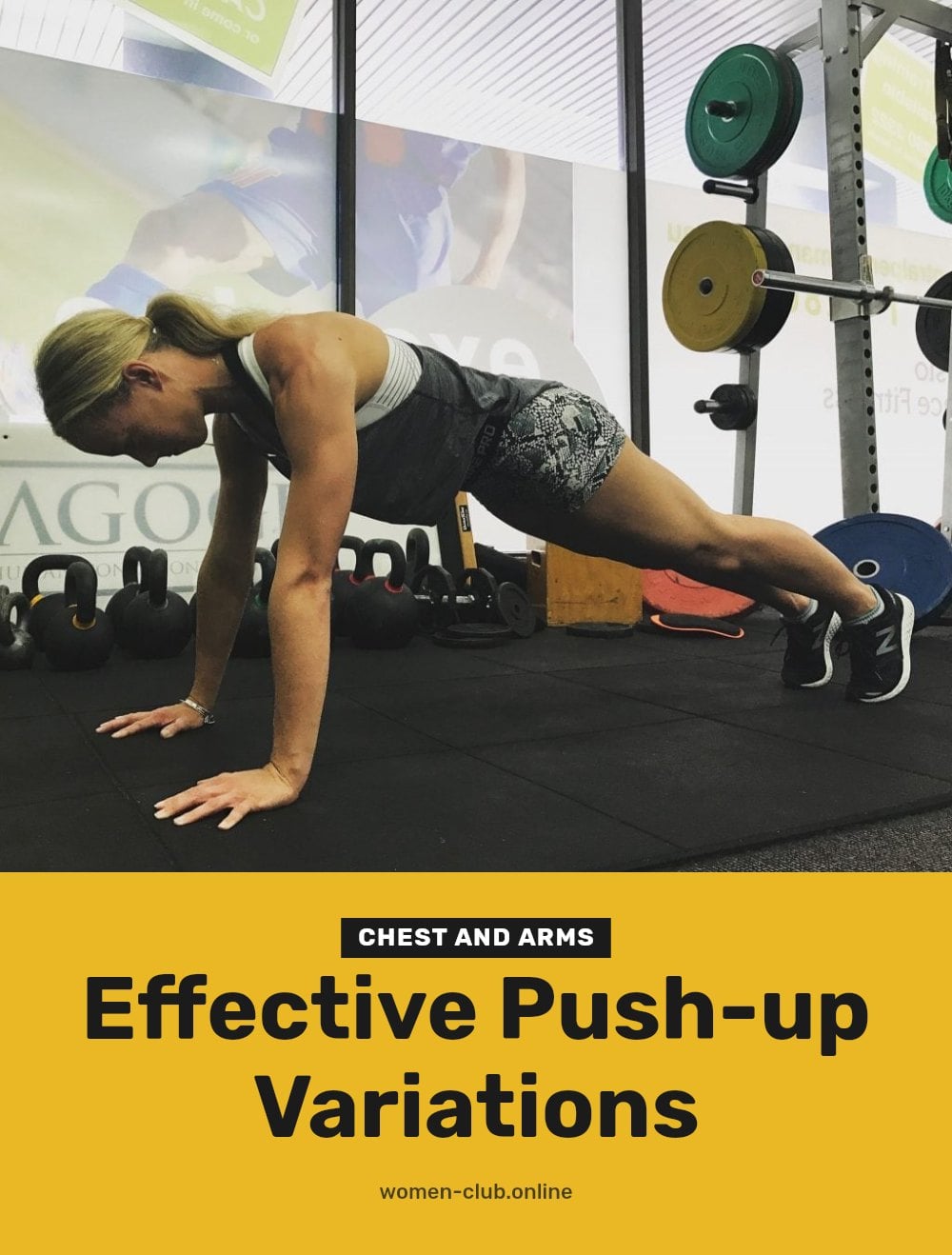
Start on your knees or on your hands and toes, with your hands slightly wider than shoulder-width apart. Lower your chest toward the floor while keeping your body in a straight line, then push back up to the start.
- Sets and reps: Aim for 2-3 sets of as many repetitions as you can with good form.
- Form cue: Engage your core to prevent your hips from sagging.
- Make it easier or harder: Perform on your knees for less resistance, or on your toes for a greater challenge.
5. Walking Lunges
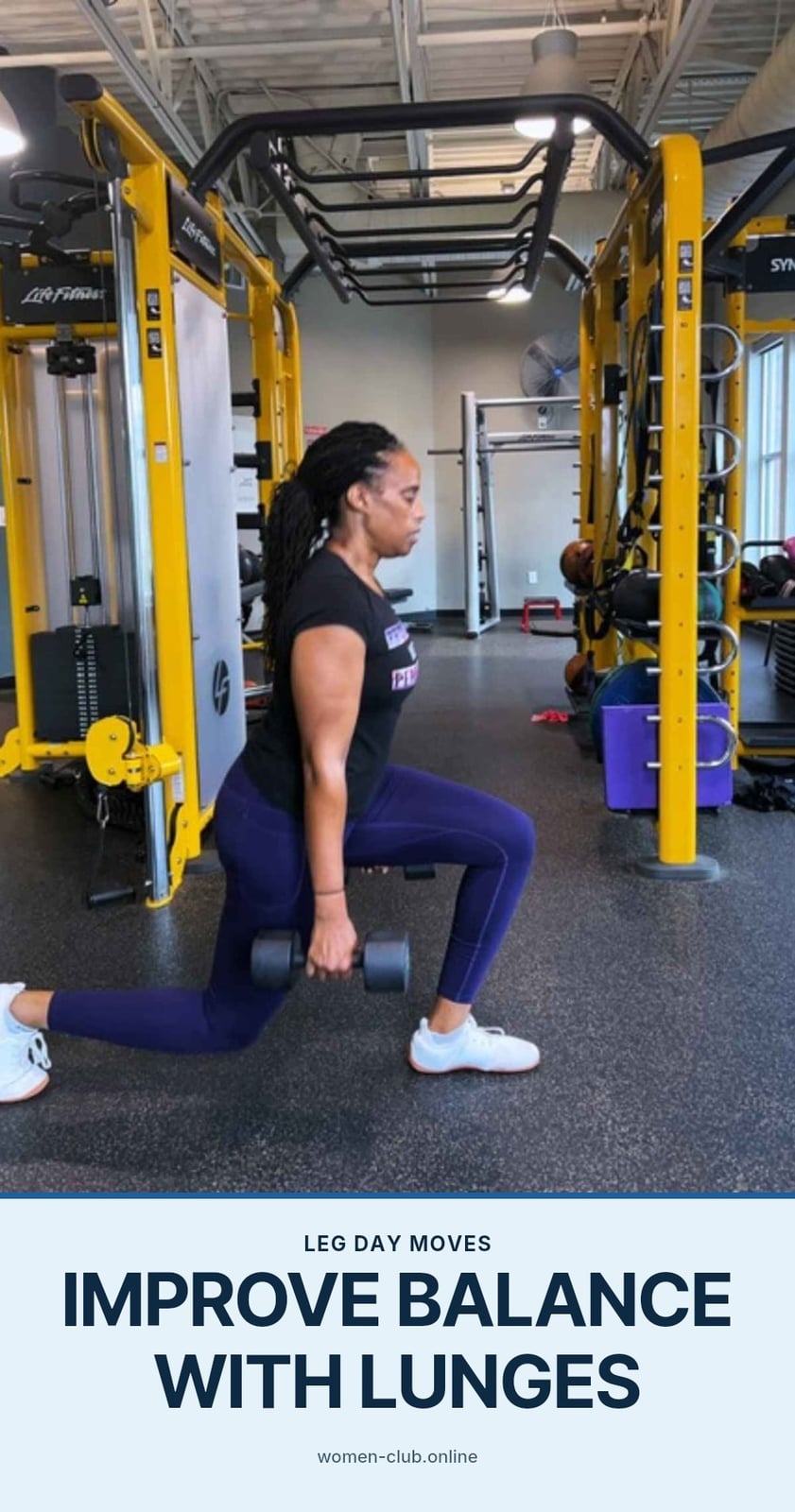
Step forward with one leg, lowering your hips until both knees are bent at a 90-degree angle. Your front knee should be directly over your ankle, and your back knee should hover just above the floor. Alternate legs as you walk forward.
- Sets and reps: Complete 3 sets of 8-10 repetitions per leg.
- Form cue: Keep your torso upright and core engaged throughout.
- Make it easier or harder: Reduce your step length for a smaller range of motion, or hold light dumbbells for added resistance.
6. Plank
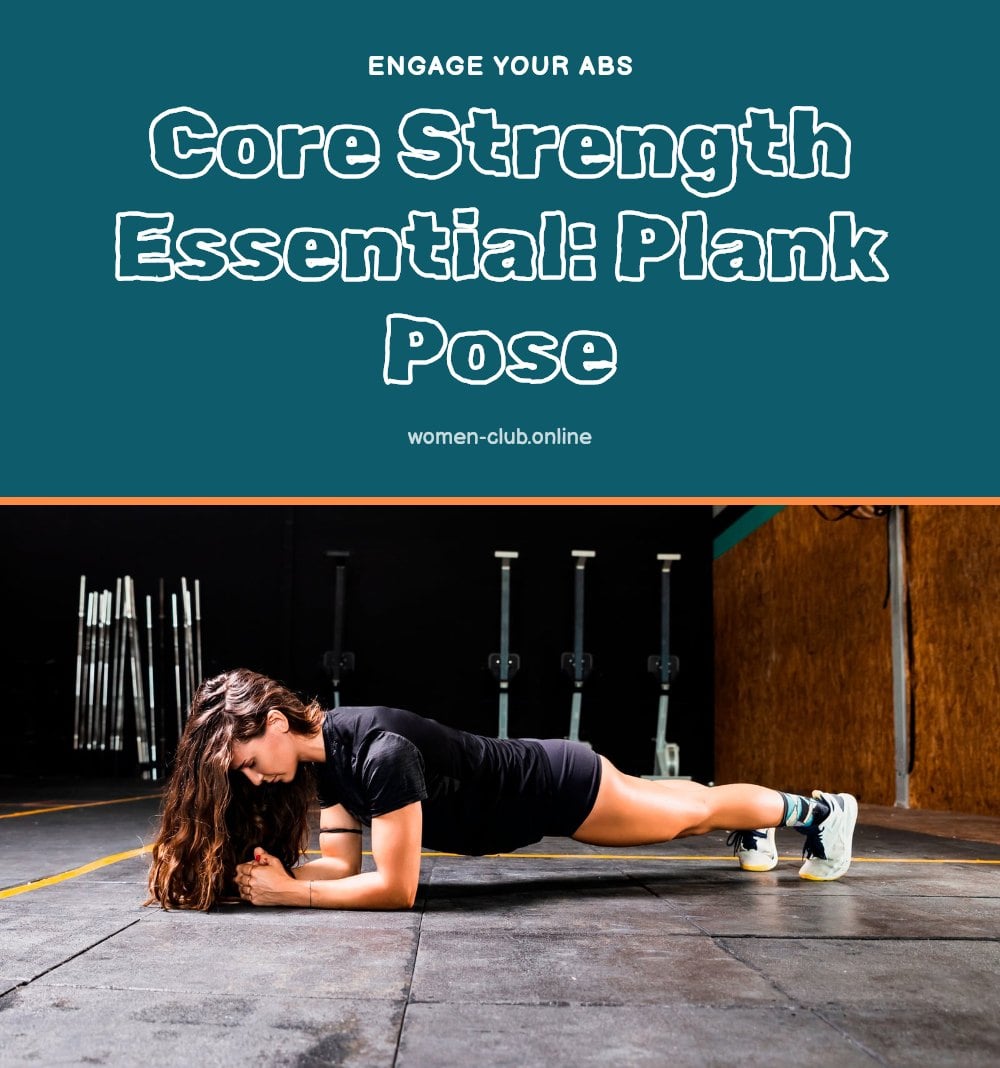
Support your body on your forearms and toes, forming a straight line from your head to your heels. Engage your core, glutes, and quads to prevent your hips from sagging or rising too high.
- Time: Hold for 30-60 seconds for 2-3 sets.
- Form cue: Imagine pulling your belly button toward your spine to keep your core tight.
- Make it easier or harder: Drop to your knees for a modified plank, or extend one leg off the floor to increase difficulty.
7. Cardio: Treadmill or Elliptical
Choose a cardio machine like the treadmill or elliptical and aim for 20-30 minutes at a moderate intensity. You should be able to talk but still feel challenged by the pace.
- Time: 20-30 minutes per session.
- Form cue: Maintain a steady, consistent pace rather than alternating between fast and slow.
- Make it easier or harder: Reduce your speed or lower the incline to make it easier; gradually increase speed or incline as your fitness improves.
8. Cool-Down: Static Stretches
After your workout, spend 5-10 minutes on static stretches. Hold each stretch for 20-30 seconds without bouncing. Focus on the major muscle groups you worked, like your hamstrings, quads, chest, and back.
- Time: 20-30 seconds per stretch, 2-3 stretches per muscle group.
- Form cue: Keep your body relaxed and never push into pain.
- Make it easier or harder: Use a towel or strap to gently deepen a stretch if needed.
Good to know: Breathe deeply into each stretch to help your muscles relax and improve flexibility.
Essential Gear for Your Beginner Workouts
You don’t need much to get started, but a few essentials make your gym sessions safer and more comfortable.
- Comfortable athletic clothing: Choose moisture-wicking fabrics that allow a full range of motion.
- Supportive athletic shoes: Look for shoes with good cushioning and stability to prevent injury.
- Water bottle: Staying hydrated before, during, and after your workout is crucial.
- Dumbbells and resistance bands: These are versatile for strength training and easy to adjust as you progress.
- Exercise mat: Provides cushioning and grip for floor exercises like planks and stretches.
Your Weekly Beginner Workout Schedule
This weekly schedule balances strength training, cardio, and rest days. Adjust the days to fit your personal schedule, but keep at least one rest day between strength sessions.
| Day | Activity | Duration |
|---|---|---|
| Monday | Full-body strength | 30-40 min |
| Tuesday | Cardio (treadmill or elliptical) | 20-30 min |
| Wednesday | Rest or light stretching | |
| Thursday | Full-body strength | 30-40 min |
| Friday | Cardio (treadmill or elliptical) | 20-30 min |
| Saturday | Full-body strength | 30-40 min |
| Sunday | Rest |
Stick with this routine for 4-6 weeks to build consistency and see initial improvements in strength and endurance.
Frequently Asked Questions
How long should a beginner workout last?
Each strength session should take about 30-40 minutes, including warm-up and cool-down. Cardio sessions are shorter, around 20-30 minutes. This keeps your workouts effective without being overwhelming for a new routine.
Can I do this workout at home without a gym?
Yes, many of these exercises like bodyweight squats, modified push-ups, and planks can be done at home. You may need dumbbells or resistance bands for rows and lunges, but you can start with bodyweight only. Just ensure you have enough space and a mat.
What should I eat before and after a workout?
Eat a light snack with carbs and protein about 30-60 minutes before your workout, such as a banana with peanut butter. After your session, refuel with a balanced meal containing protein and carbs, like grilled chicken with rice and vegetables, within two hours.
How often should a beginner work out?
Beginners should aim for 2-3 full-body strength sessions per week and 3-5 cardio sessions per week. Include 2-3 rest days to allow for recovery. Adjust the days to fit your schedule, but keep at least one rest day between strength workouts.
Is it normal to be sore after a workout?
Yes, mild muscle soreness, known as DOMS, is normal and usually appears 24-48 hours after exercise. It is a sign your muscles are adapting. However, sharp or intense pain is not normal and means you should stop and rest. If pain persists, consult a healthcare professional.
Final Thoughts
For your first month, commit to the weekly schedule of strength and cardio with rest days built in. Expect to feel mild muscle soreness at first, but that is a normal sign of adaptation. If you stay consistent for 4-6 weeks, you will notice real improvements in strength and endurance.
Remember to fuel your body, stay hydrated, and consult a doctor before starting if you have any health concerns. You have got this.
This article provides general fitness information for educational purposes only and is not a substitute for professional medical advice. Always consult your doctor before starting any new exercise program, especially if you have underlying health conditions or concerns. Listen to your body and stop if you experience pain.








