
You know that feeling when your head is so full of to-do lists, worries, and random ideas that you can’t focus on anything? That mental clutter can be exhausting. The brain dump method is a simple, fast way to get it all out on paper so you can finally breathe and think clearly. This article walks you through exactly how to do it, what you need, and how to make it a habit that actually sticks.

Key Takeaways
- A brain dump means writing down every thought without organizing or editing for 5 to 15 minutes.
- Use pen and paper or a digital document, whichever feels less distracting for you.
- After the dump, take a short break before reviewing and organizing your items.
- Do a brain dump whenever you feel overwhelmed, often daily or weekly.
- If chronic overwhelm persists, consider speaking with a mental health professional.
What Exactly Is a Brain Dump?
A brain dump is a rapid technique where you externalize every thought, worry, and task from your mind onto paper or a screen. Its purpose is to clear mental space and reduce overwhelm, not to solve problems or organize anything yet. By writing things down, abstract worries become more concrete and manageable, which creates room for clearer thinking afterward.
Why Your Brain Feels Cluttered (And How a Brain Dump Helps)
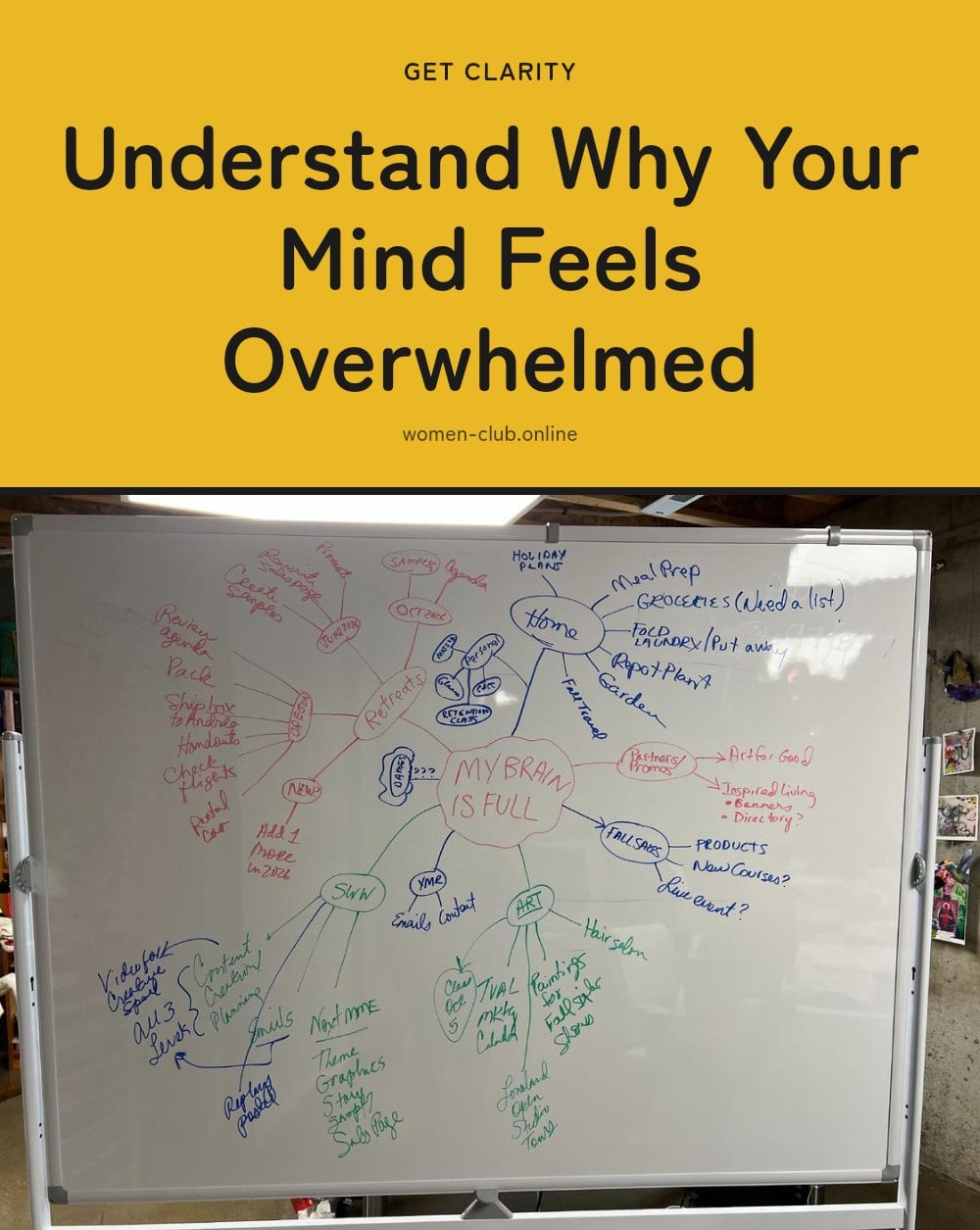
Why Your Brain Feels Cluttered (And How a Brain Dump Helps)
Your mind constantly juggles tasks, ideas, and concerns, which builds up to a feeling of mental overload. That clutter makes it hard to focus or decide what to do next. Externalizing those thoughts through a brain dump helps you identify hidden stressors or tasks you had forgotten about.
The act of writing makes abstract worries feel more concrete and manageable. Once they are on paper, you can see them clearly instead of letting them swirl around. Regular brain dumps can improve focus and reduce procrastination by clearing that mental backlog. It is a simple reset for your brain.
Tools for Your Brain Dump Session
You only need a few basic tools for a brain dump session.
- Pen: Provides a tactile, less distracting experience than typing.
- Paper (notebook or loose sheets): Gives you a physical space for freeform writing without screen glare.
- Digital document (word processor or notes app): A convenient option if you prefer typing or want to keep everything searchable.
- Timer: Sets a short, focused period for the dump so you don’t overthink it.
Your Step-by-Step Guide to a Mind-Clearing Brain Dump

Find a quiet spot where you won’t be interrupted for 15 minutes. Turn off notifications on your phone and close unnecessary browser tabs. The goal is to give your full attention to the emptying process.
- Set a timer: Choose 5 to 15 minutes depending on how much is on your mind. A shorter timer pushes you to write faster, which helps bypass your inner critic. Start with 10 minutes if you are unsure.
- Write everything down: Put every single thought, task, idea, worry, or reminder on the page. No item is too small or too silly. If it is in your head, it belongs on the list.
- Resist all editing: Do not fix spelling, grammar, or handwriting. Do not group related items or cross anything out. The only rule is to keep writing until the timer rings.
- Take a short break: When the timer goes off, step away for 2 to 5 minutes. Get water, stretch, or just close your eyes. This separation helps you shift from dumping mode to organizing mode.
- Review and organize: Read through your list and mark each item. Group tasks you can do today, ideas you want to explore later, and things that can be discarded or delegated. This turns raw thoughts into a usable plan.
My tip: keep your brain dump list visible for the rest of the day. Seeing the items you already processed reduces the urge to keep replaying them in your head.
Common Brain Dump Mistakes to Avoid
Most people make a few common mistakes that reduce the benefit of a brain dump. Trying to organize or categorize items during the dump itself defeats the purpose. The goal is pure output, not sorting. Stopping too soon because you think you’ve run out of things to write is another trap. Keep writing until the timer goes off, even if you have to repeat yourself. Getting distracted by other tasks or thoughts breaks the flow. Stay with the pen and paper for the full session. Not following up with organizing or acting on the dumped items means you lose the real value. Set aside a few minutes afterward to review. Finally, believing it’s a one-time fix rather than a potential ongoing practice limits its effectiveness. Regular dumps prevent clutter from building up again.
Top Tips for an Effective Brain Dump
These tips will help you get the most out of every brain dump session. Use pen and paper: For me, the physical act of writing helps dislodge thoughts more effectively than typing. The slower pace gives your brain time to surface hidden items. Don’t censor yourself: My tip: if it’s in your head, it belongs on the page. No thought is too silly or insignificant. Write down the worry about the grocery list and the recurring work stress. Make it a regular habit: Even short, frequent dumps can prevent mental clutter from building up. A five-minute morning dump can set a clear tone for the day. Follow up: The real magic happens when you review and process your list. Don’t just dump and forget. Spend a few minutes turning items into actions or discarding what doesn’t matter.
How Long Does a Brain Dump Take and How Often Should You Do It?
A typical brain dump session takes 5 to 15 minutes, depending on how much mental clutter you are carrying. Set a timer and write without stopping for the full duration. You can do a brain dump whenever you feel overwhelmed, often daily or weekly, to maintain mental clarity. Some people use it as a morning ritual or a pre-bedtime reset. The cost is essentially zero. You only need pen and paper or a digital device you already own. There are no subscriptions or special tools required, which makes it easy to start today.
When to Seek Professional Help
A brain dump is a tool for managing everyday mental clutter, not a cure for clinical conditions. If your brain dumps consistently reveal severe anxiety, depression, or an inability to cope with daily life, it is time to seek professional help. If chronic overwhelm persists despite regular use of this and other self-help techniques, a therapist or counselor can provide deeper support. If you find yourself unable to function or experience significant distress for extended periods, do not rely on self-help alone. Professional mental health support is the appropriate next step.
Frequently Asked Questions
What if I don’t know what to write?
Start by writing down anything that comes to mind, even if it feels silly or unrelated, like ‘buy milk’ or ‘why did that conversation bother me.’ If you still feel stuck, try writing about your current physical surroundings or how your body feels. The act of writing itself often unlocks more thoughts.
Is a brain dump the same as journaling?
No, they are different. Journaling usually involves reflecting on emotions, events, or goals in a structured or narrative way. A brain dump is a rapid, unfiltered list of everything on your mind, with no reflection or storytelling. The purpose is to clear mental clutter, not to process feelings in depth.
What’s the best time of day for a brain dump?
There is no single best time, it depends on your schedule and when your mind feels most cluttered. Many people find it helpful first thing in the morning to clear overnight thoughts, or right before bed to quiet the mind for sleep. Experiment with different times to see what works for you.
Can I do a brain dump digitally?
Yes, you can use a digital document, notes app, or word processor if that feels more natural. However, many people find that typing can be more distracting due to notifications or screen glare. If you choose digital, turn off notifications and close other tabs to stay focused.
What is a brain dump?
A brain dump is a technique where you write down every single thought, task, idea, or concern currently occupying your mind, without judging or organizing anything. The goal is to externalize all that mental clutter onto paper or a screen so you can clear your head and reduce overwhelm.
Final Thoughts
My tip: Keep a dedicated notebook or note on your phone just for brain dumps so it’s always ready when you need it. Expect that the first few sessions might feel messy or incomplete, but with regular practice, you will notice clearer thinking and less procrastination. The goal is not perfection, it’s giving your mind the space it needs to reset.
This article is for general informational purposes only and does not constitute medical or professional advice. A brain dump is a tool for managing everyday mental clutter, not a treatment for clinical conditions. If you experience persistent severe anxiety, depression, or difficulty coping, please consult a qualified mental health professional.








