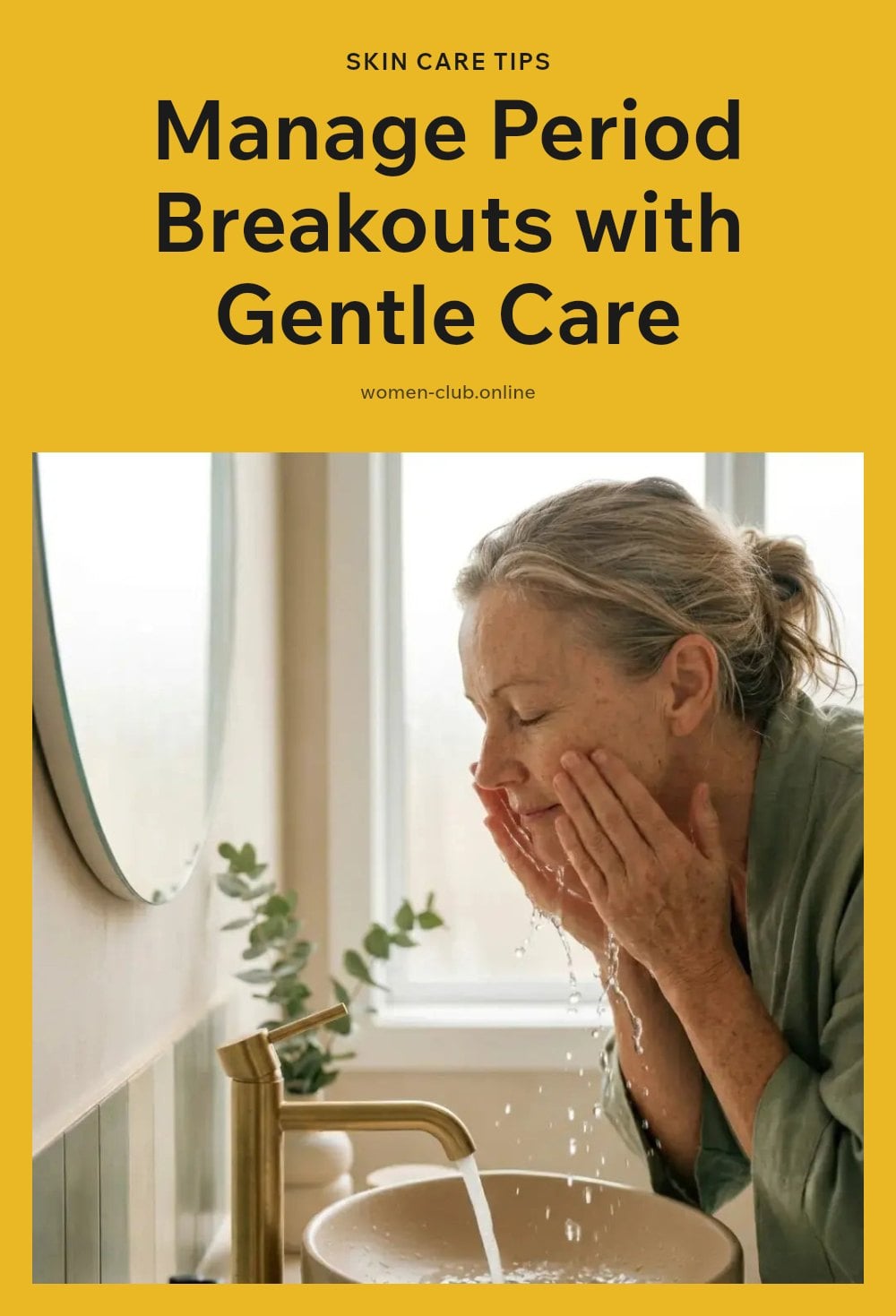
That familiar breakout right before your period can feel like clockwork, but you don’t have to just put up with it. The cause is hormonal, but the way your skin reacts is something you can influence with the right habits. This article covers the skincare and lifestyle changes that can help you manage and reduce period-related breakouts without making things worse.
Key Takeaways
- Cleanse gently twice a day with a mild, non-comedogenic cleanser to avoid stripping your skin.
- Use salicylic acid to exfoliate inside pores and benzoyl peroxide to target bacteria.
- Apply a non-comedogenic moisturizer daily to prevent dehydration and excess oil production.
- Wear broad-spectrum sunscreen with SPF 30 or higher every day, especially when using active ingredients.
- Expect noticeable improvements within 4 to 8 weeks of consistent use, but managing breakouts is ongoing.
Managing Period Breakouts: What You Need to Know
Period breakouts happen when your hormones shift before your period. A rise in androgens signals your oil glands to produce more sebum, which can clog pores and trigger pimples. You can’t stop that hormonal change, but you can manage the results. A consistent, gentle routine focused on controlling oil, keeping pores clear, and reducing inflammation can make a real difference. Targeted skincare and a few lifestyle tweaks help you stay ahead of the breakout cycle.
1. Cleanse Gently Twice a Day
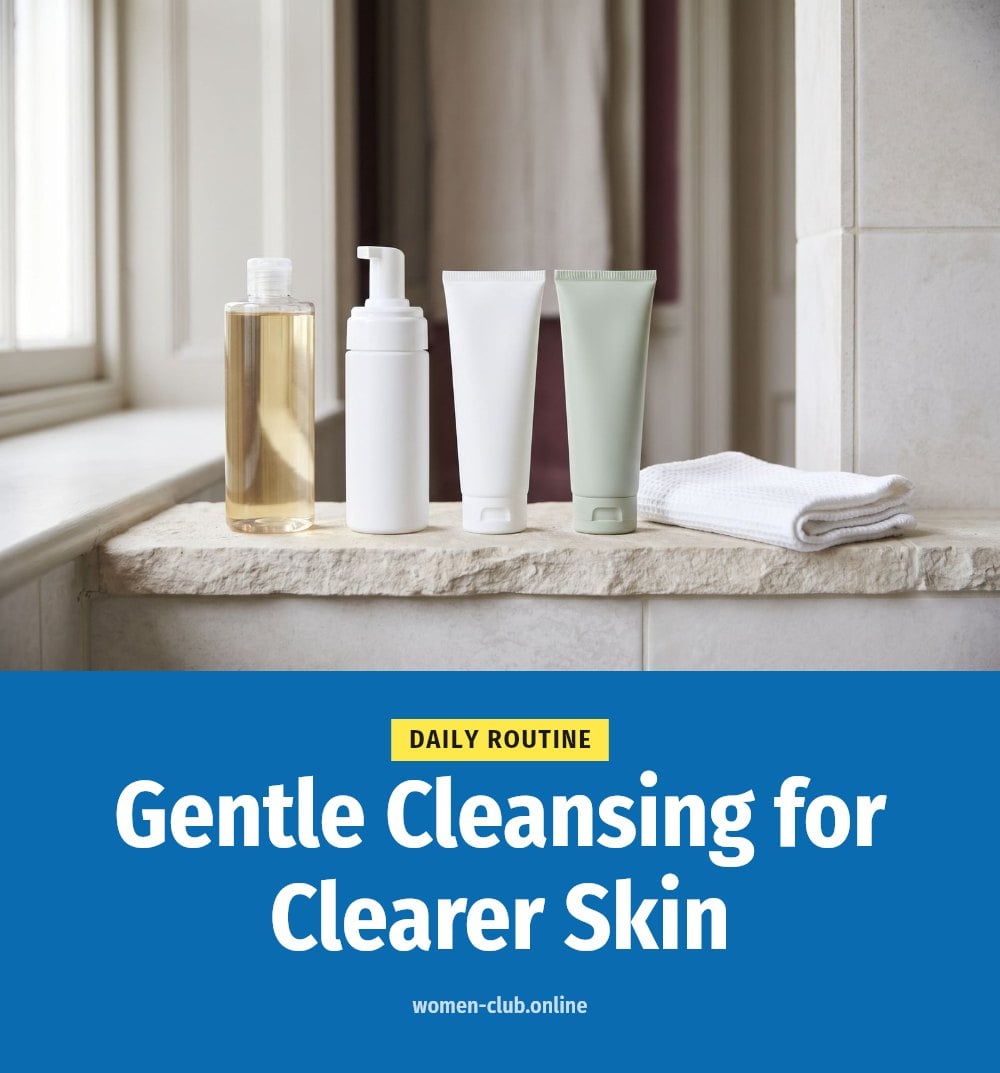
Use a mild, non-comedogenic cleanser morning and night to remove excess oil, makeup, and impurities without stripping your skin. Harsh scrubbing or over-washing backfires by irritating the skin and triggering even more oil production.
- My tip: Choose a gel or cream formula that rinses clean without leaving a tight feeling. Wet your face, massage the cleanser gently for 60 seconds, then rinse with lukewarm water.
- Good to know: If you wear makeup, consider a double cleanse: start with an oil-based cleanser to dissolve makeup, then follow with your gentle cleanser.
2. Incorporate Salicylic Acid
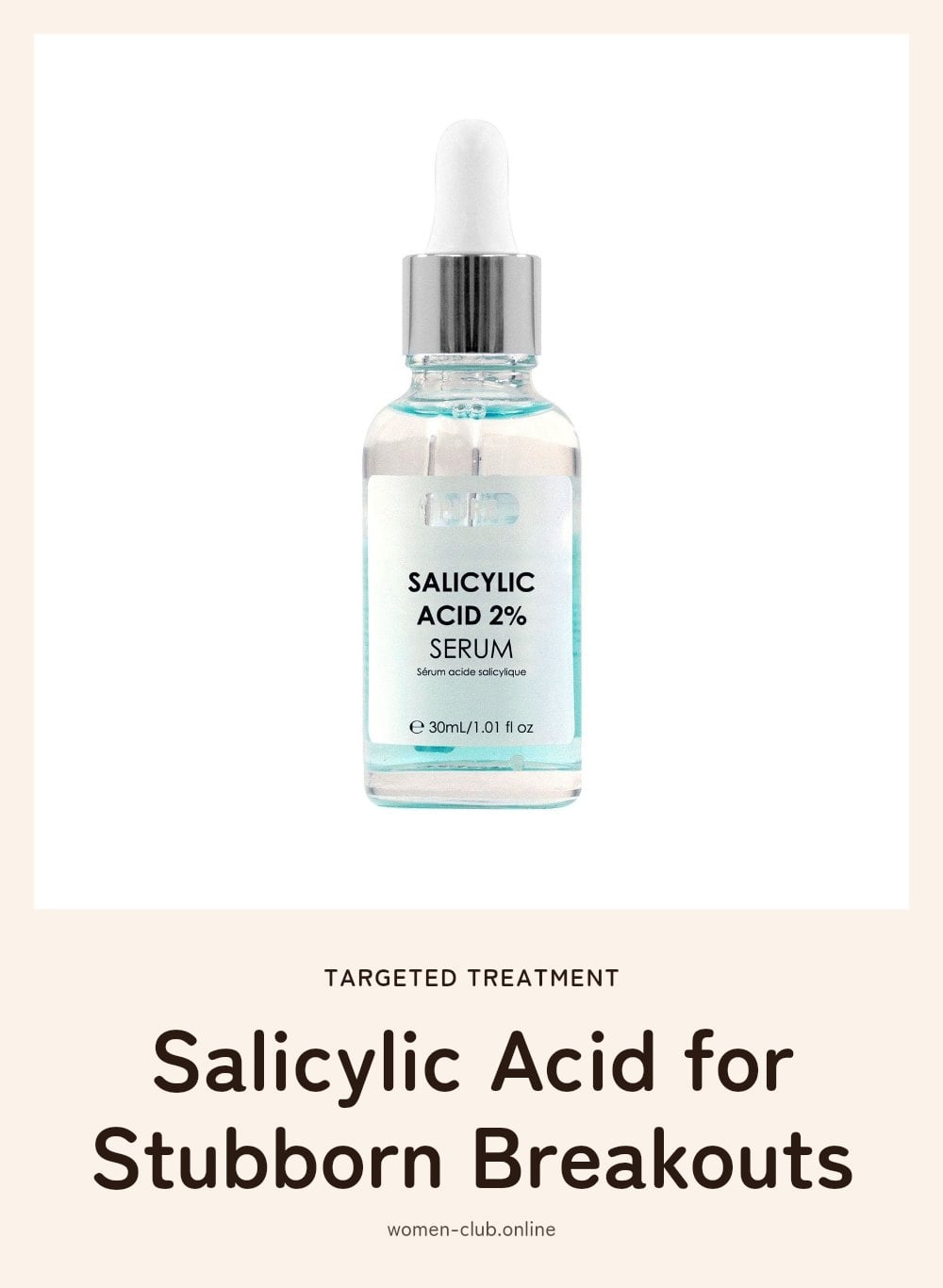
Salicylic acid (a beta-hydroxy acid, or BHA) is oil-soluble, so it can penetrate deep into your pores to exfoliate from within. It dissolves dead skin cells and excess sebum, which prevents the clogs that turn into blackheads and whiteheads.
- My tip: Start with a lower concentration (0.5% to 2%) applied a few times a week, then gradually increase frequency as your skin adjusts. This helps you avoid irritation and peeling.
- How to use: Apply a salicylic acid serum or leave-on treatment after cleansing and before moisturizer. You can also find it in some cleansers, but leave-on formulas tend to be more effective.
3. Consider Benzoyl Peroxide
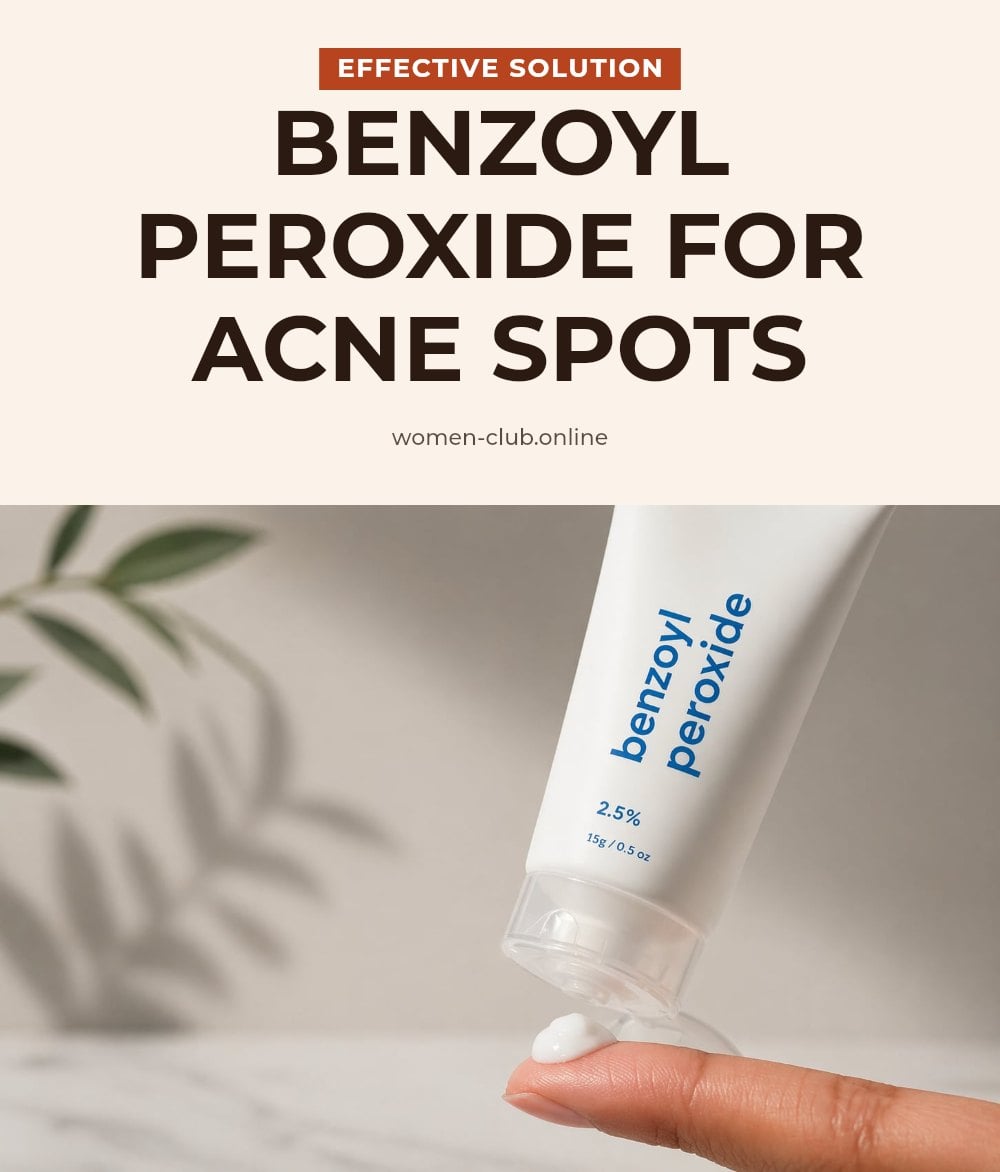
Benzoyl peroxide targets acne-causing bacteria on the skin’s surface and also helps unclog pores by removing excess oil and dead cells. It works quickly on active breakouts and can prevent new ones.
- Start low: Begin with a 2.5% or 5% concentration to minimize dryness and redness. Higher strengths don’t necessarily work better, but they do increase irritation.
- Caution: Benzoyl peroxide can bleach fabrics, so be careful with your towels, pillowcases, and dark-colored clothing. Let the product absorb completely before dressing.
- How to apply: Use a thin layer on affected areas after cleansing and before moisturizer. If your skin feels dry, reduce use to every other day.
4. Use a Non-Comedogenic Moisturizer
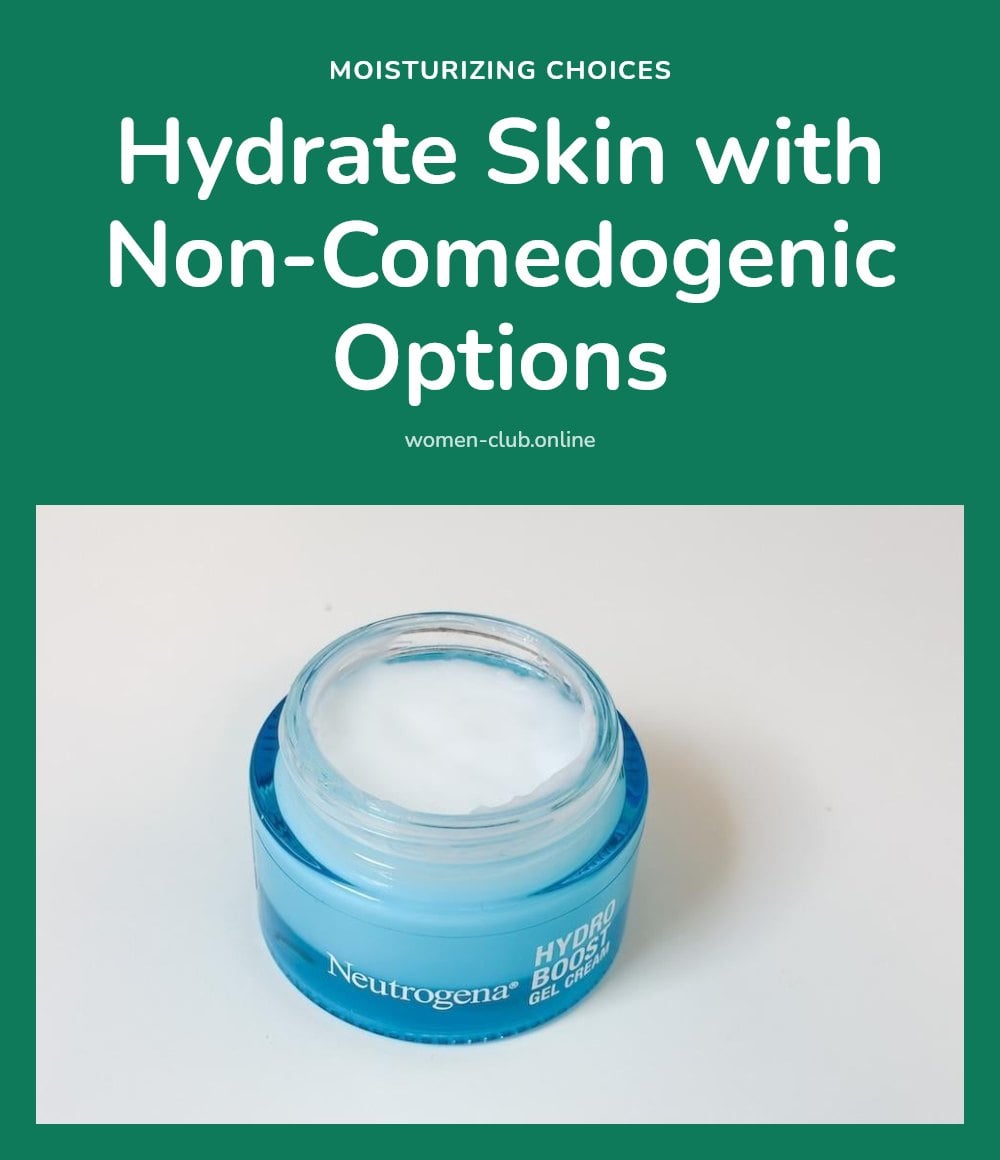
Even if your skin leans oily, skipping moisturizer can backfire. Dehydrated skin often compensates by producing even more sebum, which can worsen breakouts. Look for a moisturizer labeled “non-comedogenic”. That means it won’t clog your pores.
Tip: A lightweight, gel-based formula works well for acne-prone skin. It hydrates without feeling heavy or greasy. Apply it after your active treatments, while your skin is still slightly damp, to lock in moisture.
5. Apply Daily Sunscreen
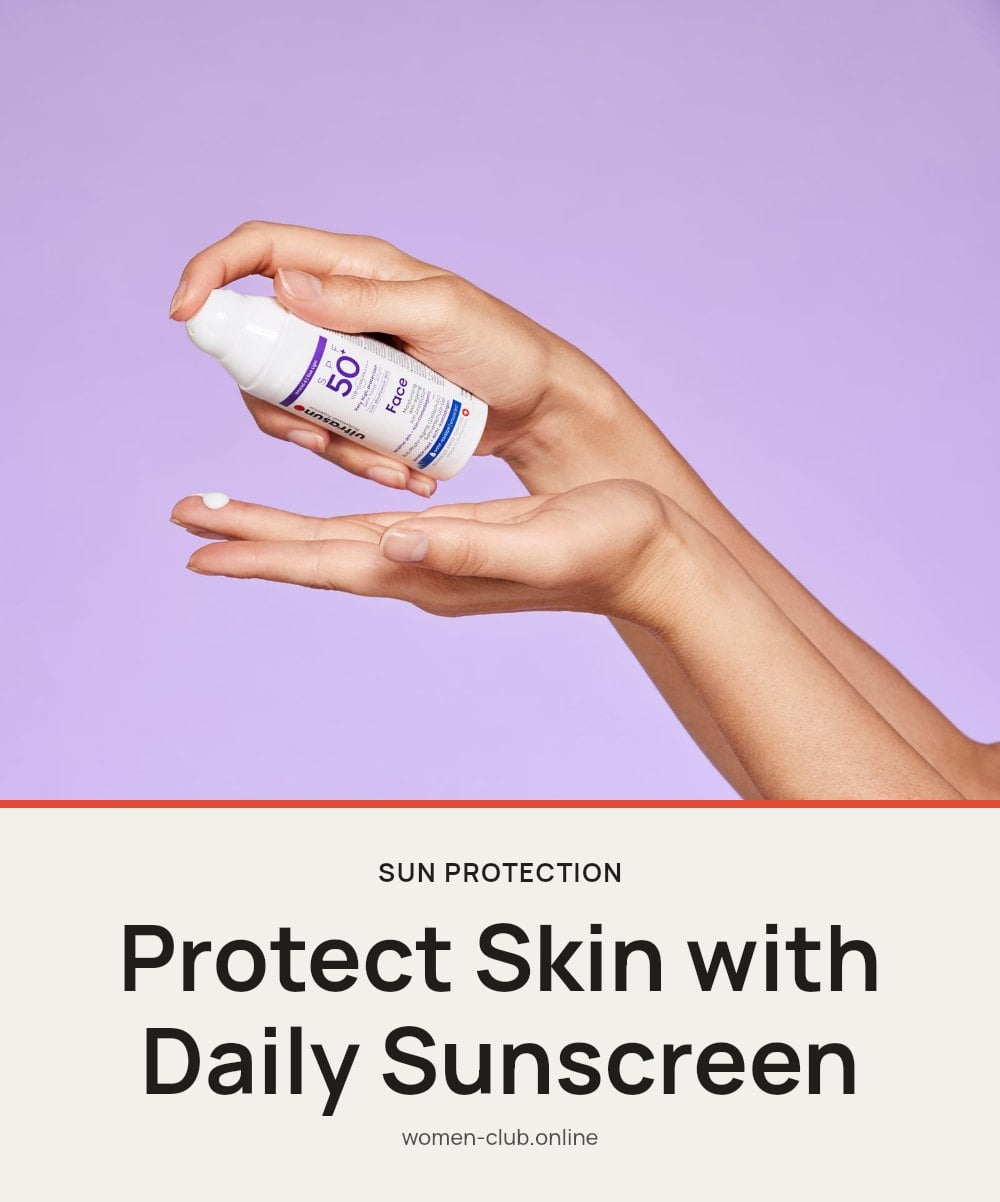
Many acne treatments, like salicylic acid and retinoids, increase your skin’s sensitivity to the sun. A broad-spectrum sunscreen with at least SPF 30 is essential every single day, rain or shine, to protect your skin from UV damage and prevent post-inflammatory hyperpigmentation from healing breakouts.
Good to know: Choose a non-comedogenic formula so you don’t add to pore clogging. A lightweight, oil-free sunscreen works well under makeup and won’t feel heavy on oily or combination skin.
6. Try an Over-the-Counter Retinoid
Adapalene gel is an over-the-counter retinoid that helps prevent new breakouts by speeding up cell turnover and keeping pores clear. It normalizes how skin cells grow and shed, so dead cells and oil are less likely to get trapped inside a pore.
Caution: Retinoids can cause initial dryness, redness, and a temporary purging phase where existing clogs rise to the surface. Start by applying a pea-sized amount to clean, dry skin two to three nights a week. Always follow with a non-comedogenic moisturizer, and use sunscreen every morning, because retinoids increase sun sensitivity.
7. Change Pillowcases Frequently
Your pillowcase collects oil, sweat, dead skin cells, and bacteria from your hair and face every night. Changing it every 2-3 days reduces the grime your skin contacts during sleep, which can help minimize pore clogging.
Pro move: Silk or satin pillowcases are gentler on your skin and hair and may also cause less friction, which can reduce irritation for acne-prone skin.
8. Manage Your Stress Levels
Stress can influence your hormone levels, which may worsen hormonal breakouts. Finding ways to manage stress, like yoga, meditation, deep breathing, or spending time outside, can indirectly support your skin. Quick tip: Even 10 to 15 minutes of mindfulness each day can help lower stress and potentially reduce flare-ups.
9. Avoid Picking or Squeezing
I know it’s tempting, but picking or squeezing pimples is one of the worst things you can do. It pushes bacteria deeper, increases inflammation, and can lead to infection, dark spots, or permanent scars. Tip: Use a targeted spot treatment instead, or apply a hydrocolloid patch overnight to let it heal without interference.
10. Be Patient and Consistent
Skincare is a marathon, not a sprint. Products take time to work, and your skin needs consistency to respond. With a targeted routine, you may see noticeable improvements within 4 to 8 weeks, but managing hormonal breakouts is an ongoing process. Good to know: Don’t give up too soon, and avoid adding many new products at once. That can irritate your skin and set you back.
11. Don’t Neglect Your Diet
Some research suggests a possible link between high glycemic index foods, like sugary snacks and refined carbs, and acne, though more studies are needed. Focus on a balanced diet with whole foods, fruits, vegetables, and lean proteins to support overall skin health. Pro move: Pay attention to how your skin reacts to certain foods and adjust your choices accordingly.
When to Consult a Dermatologist
If your breakouts are severe, painful, or persistent even after you’ve stuck with an over-the-counter routine for a few months, it’s time to see a dermatologist. Cystic acne, which feels like deep, tender lumps under the skin, often needs prescription treatments to clear up effectively. You should also make an appointment if you’re worried about scarring or dark spots left behind by previous breakouts, since early intervention can prevent long-term marks.
Caution: If you are pregnant or breastfeeding, talk to your doctor before using any acne products. Certain ingredients, like retinoids and high-dose salicylic acid, may need to be avoided or adjusted during this time.
Frequently Asked Questions
Why do I get breakouts before my period?
In the week before your period, your levels of androgens rise, which signals your oil glands to produce more sebum. This extra oil, combined with dead skin cells, can clog your pores and lead to pimples. It’s a normal hormonal shift, not a sign that you’re doing something wrong.
Can diet affect period breakouts?
Some research suggests that high glycemic index foods, like sugary snacks and refined carbs, may be linked to acne, but more studies are needed. A balanced diet with whole foods, fruits, vegetables, and lean proteins supports overall skin health, but diet alone is unlikely to stop hormonal breakouts.
How long does it take to see results from a new acne routine?
With consistent use of a targeted routine, you may notice improvements within 4 to 8 weeks. However, because hormonal breakouts are tied to your cycle, you might still see some breakouts during that time. Stick with it, and don’t expect overnight changes.
Is it okay to use salicylic acid and benzoyl peroxide together?
Yes, many people use both, but it’s best to start slowly to avoid irritation. You could use a salicylic acid cleanser in the morning and a benzoyl peroxide spot treatment at night, or alternate days. If your skin gets red or dry, reduce frequency or use them on different days.
Can stress make period breakouts worse?
Stress can influence your hormone levels, which may worsen hormonal breakouts. While stress alone doesn’t cause acne, managing it through relaxation techniques like deep breathing or meditation can help support your skin and reduce the severity of breakouts.
Final Thoughts
If you stick with a gentle, consistent routine that includes cleansing, targeted ingredients like salicylic acid or benzoyl peroxide, and daily sunscreen, you should start to see fewer and less severe breakouts within a month or two. Just remember that hormonal acne is a recurring pattern, so staying consistent is key. Pick one or two changes to start with and build from there.
This information is for general informational purposes only and does not constitute medical or dermatological advice. If you have persistent, severe, or painful acne, or if you are pregnant or breastfeeding, please consult a doctor or dermatologist for guidance tailored to your situation.