Summer heat and humidity can turn a simple walk into a painful battle with chafing. That red, irritated skin between your thighs or under your arms is a common problem, but you don’t have to suffer through it. This article covers practical, proven strategies to prevent chafing before it starts, from choosing the right fabrics to using barrier products effectively.
Key Takeaways
- Wear moisture-wicking synthetic fabrics like polyester or nylon for exercise, not cotton.
- Apply anti-chafing balm or petroleum jelly to prone areas before activity and reapply often.
- Choose seamless underwear or bike shorts to minimize friction points under skirts and dresses.
- Shower promptly after sweating and gently pat skin dry instead of rubbing.
- See a doctor if chafed skin breaks open, bleeds, or shows signs of infection like pus or spreading redness.
Stop Chafing in Summer with These Key Strategies
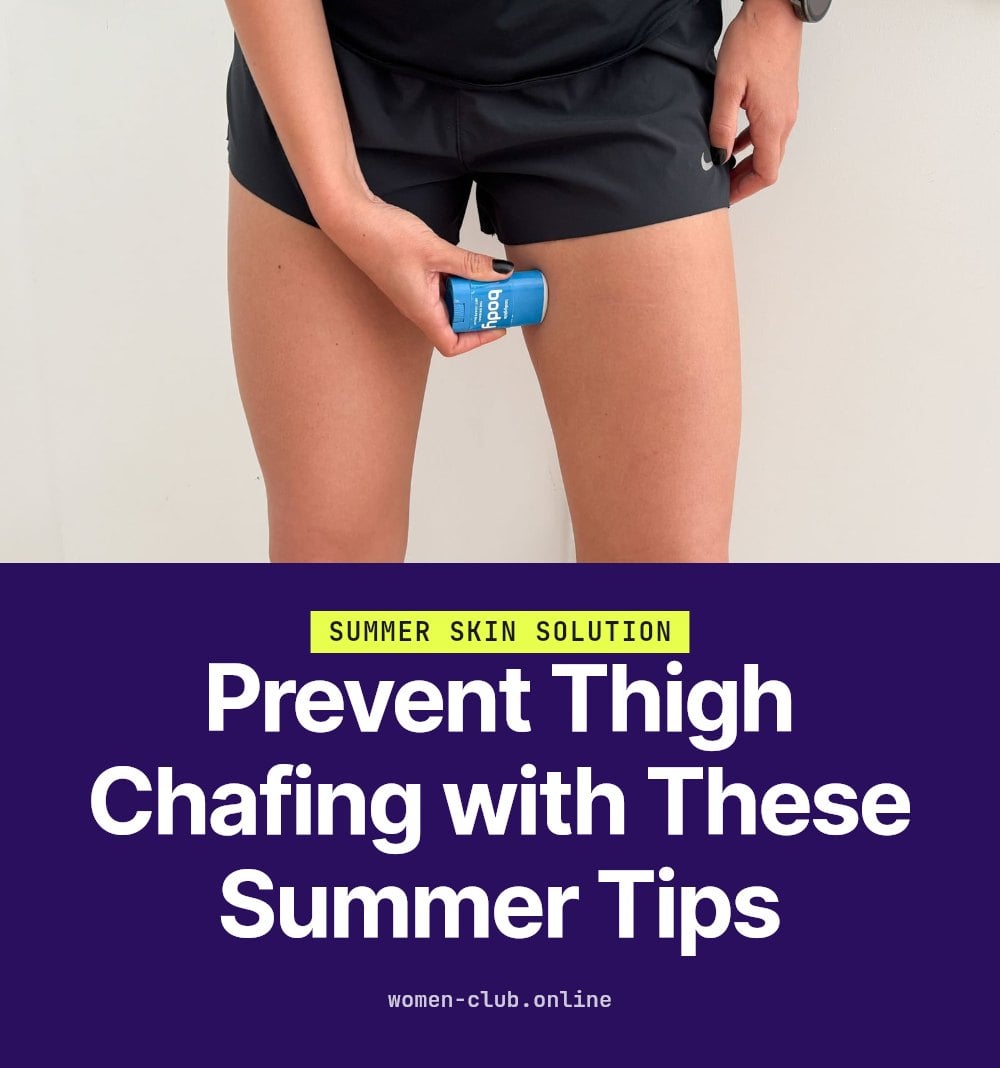
Chafing is a form of irritant contact dermatitis caused by skin rubbing against skin or clothing, especially in warm, moist conditions. You can prevent it by reducing friction and moisture through smart clothing choices and barrier products. At the first sign of redness or discomfort, clean the area gently with mild soap and water, then pat it dry, and apply a soothing balm or petroleum jelly to create a protective barrier.
1. Choose Moisture-Wicking Fabrics
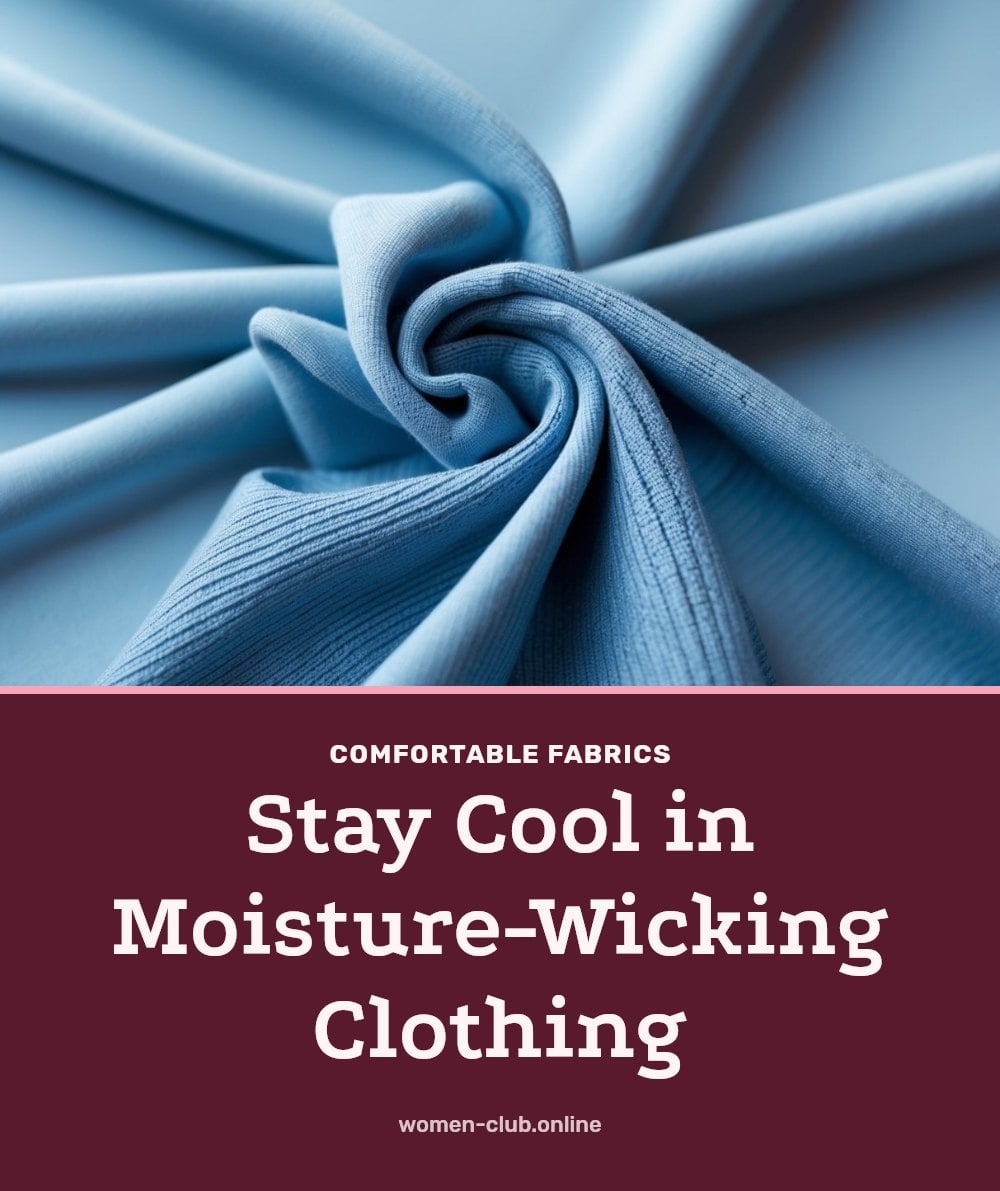
Synthetic blends like polyester or nylon are excellent for wicking sweat away from your skin, keeping you dry during activity. Avoid cotton for activewear, as it absorbs moisture and stays wet, which increases friction.
- Look for: activewear specifically designed to keep you dry, such as running shorts or workout leggings.
- Why it works: less moisture on your skin means less friction, so you can move without irritation.
2. Apply Anti-Chafing Balms or Sticks
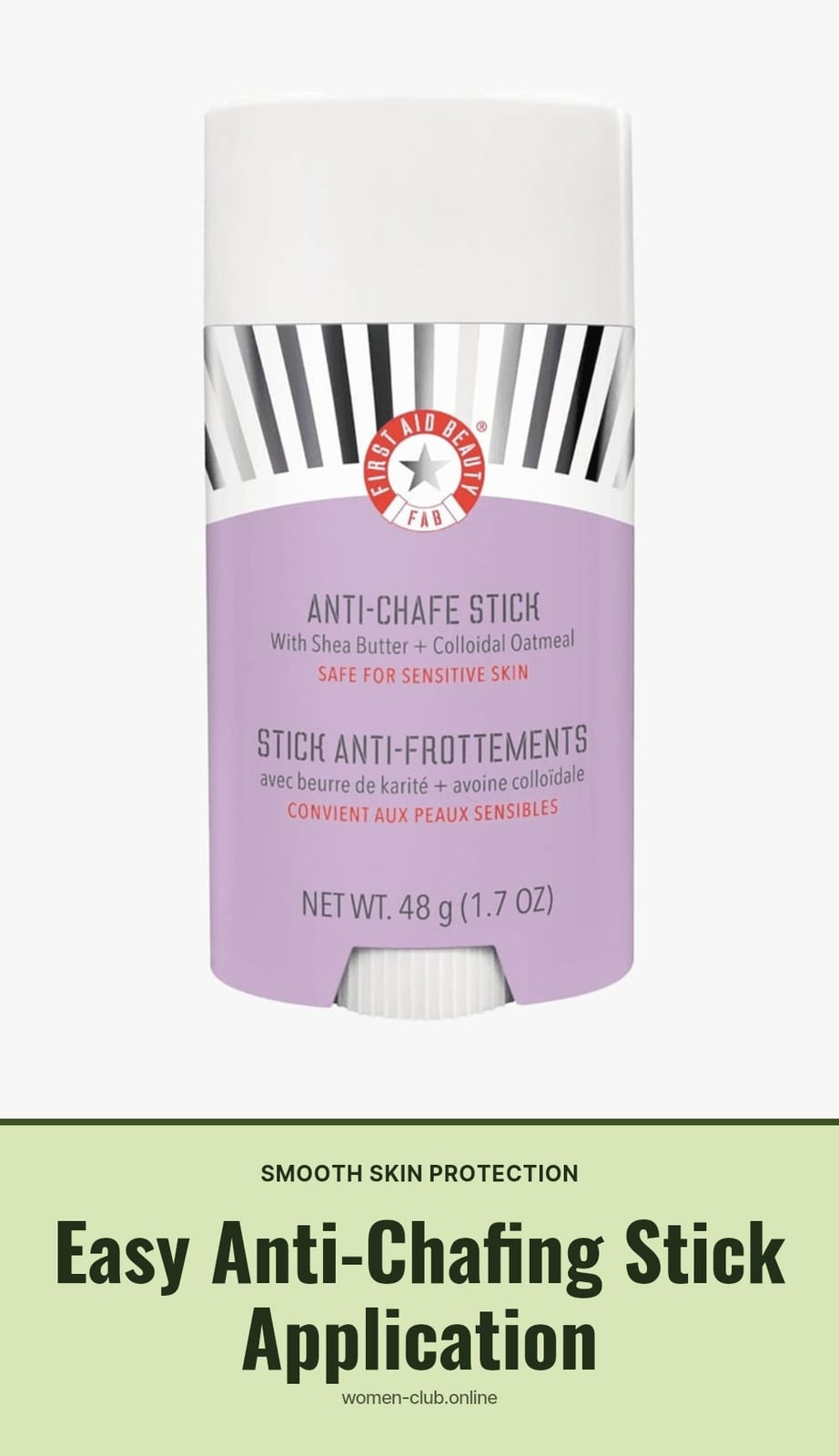
Anti-chafing balms or sticks create a protective, slippery barrier on your skin to reduce friction. Apply them to areas prone to chafing, like inner thighs, under breasts, or armpits, before you start your activity.
My tip: Reapply frequently, especially during long periods of activity or in very humid conditions, to maintain that protective layer.
3. Wear Seamless Underwear or Shorts
Seamless garments minimize rubbing points, unlike traditional seams that can cause irritation. Opt for bike shorts or slip shorts under dresses and skirts to create a physical barrier between your thighs.
Fit matters: ensure they fit well, too loose can bunch up and create new friction, while too tight can still cause pressure and discomfort.
4. Keep Skin Clean and Dry
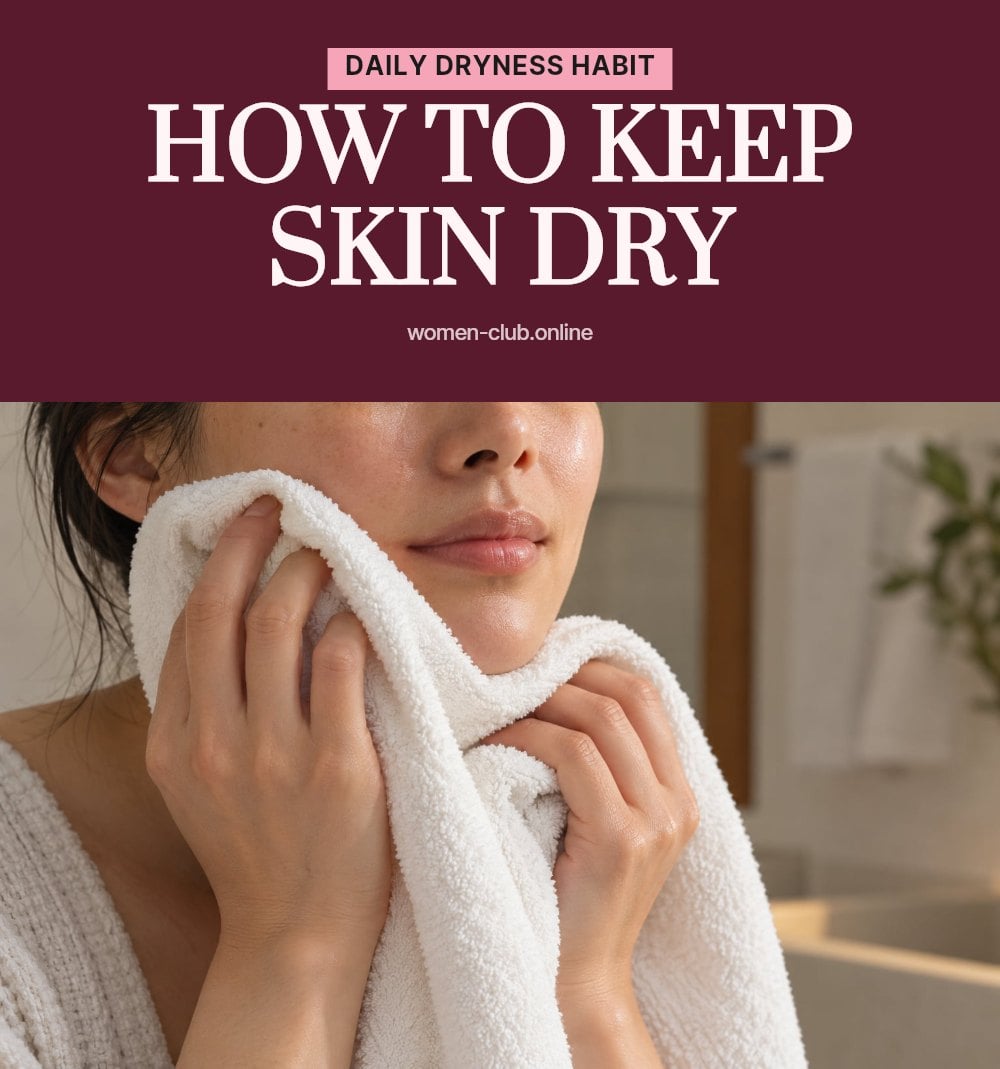
Shower as soon as you can after sweating. Salt and other irritants left on your skin can worsen chafing if they sit there. When drying, gently pat your skin dry instead of rubbing, especially in folds and creases like the groin and under the breasts.
Tip: Moisture is a major contributor to friction, so staying dry is crucial. A quick cool rinse after a workout can make a big difference.
5. Consider Thigh Bands
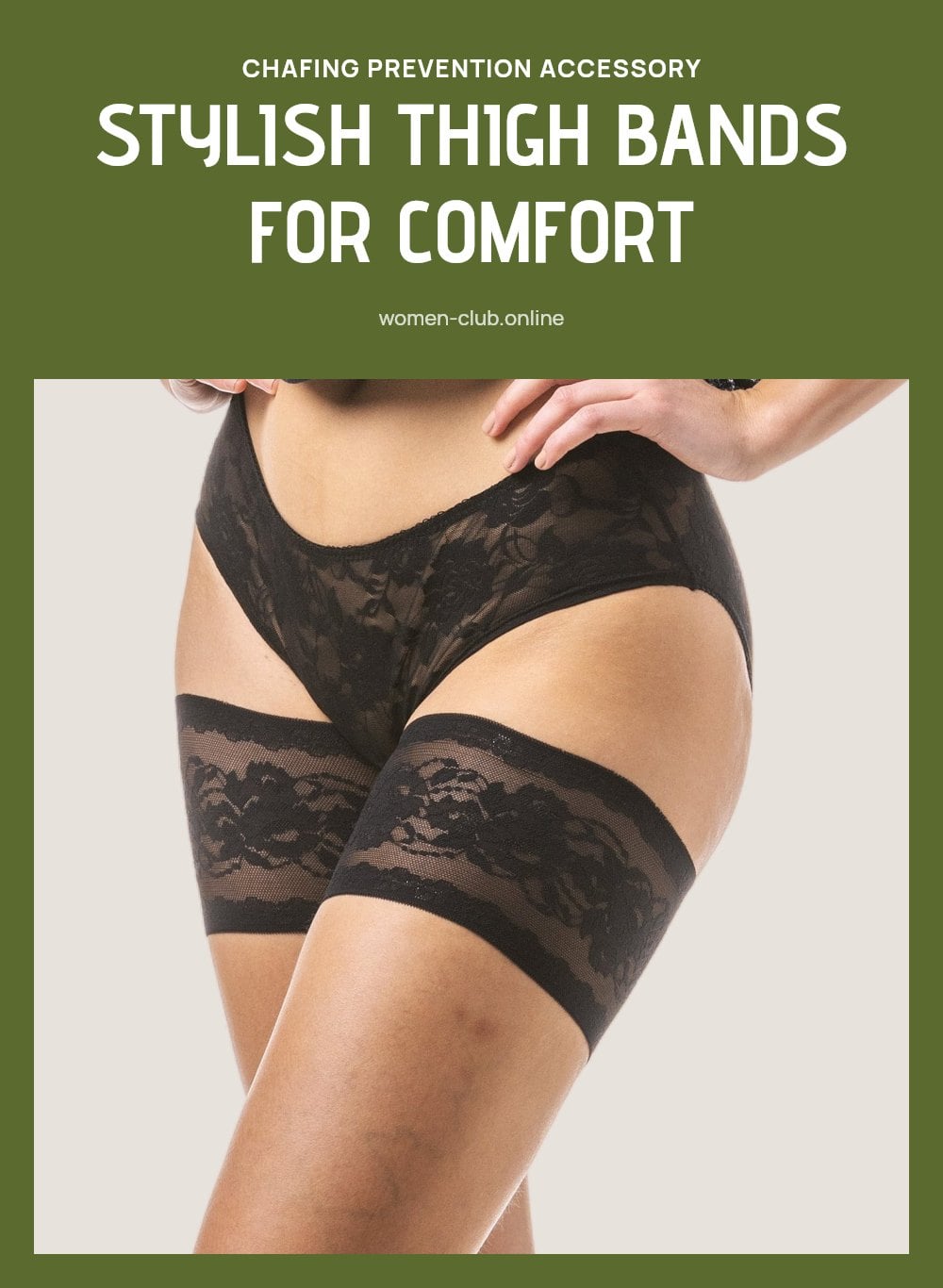
Thigh bands are fabric strips worn around the upper thighs to prevent skin-on-skin rubbing. They come in various materials, including lace or smooth fabrics, and can be a stylish solution under skirts and dresses.
Good to know: Ensure they fit snugly but comfortably to avoid rolling down or digging into your skin. A proper fit means they stay in place all day.
6. Use Petroleum Jelly for Protection
A thin layer of petroleum jelly creates a simple, effective barrier against friction. It’s a classic option for protecting skin in areas prone to rubbing, like the inner thighs or under the arms.
Pro move: Apply it before activity, just like an anti-chafing balm, to create a smooth surface. A little goes a long way.
7. Opt for Breathable Fabrics
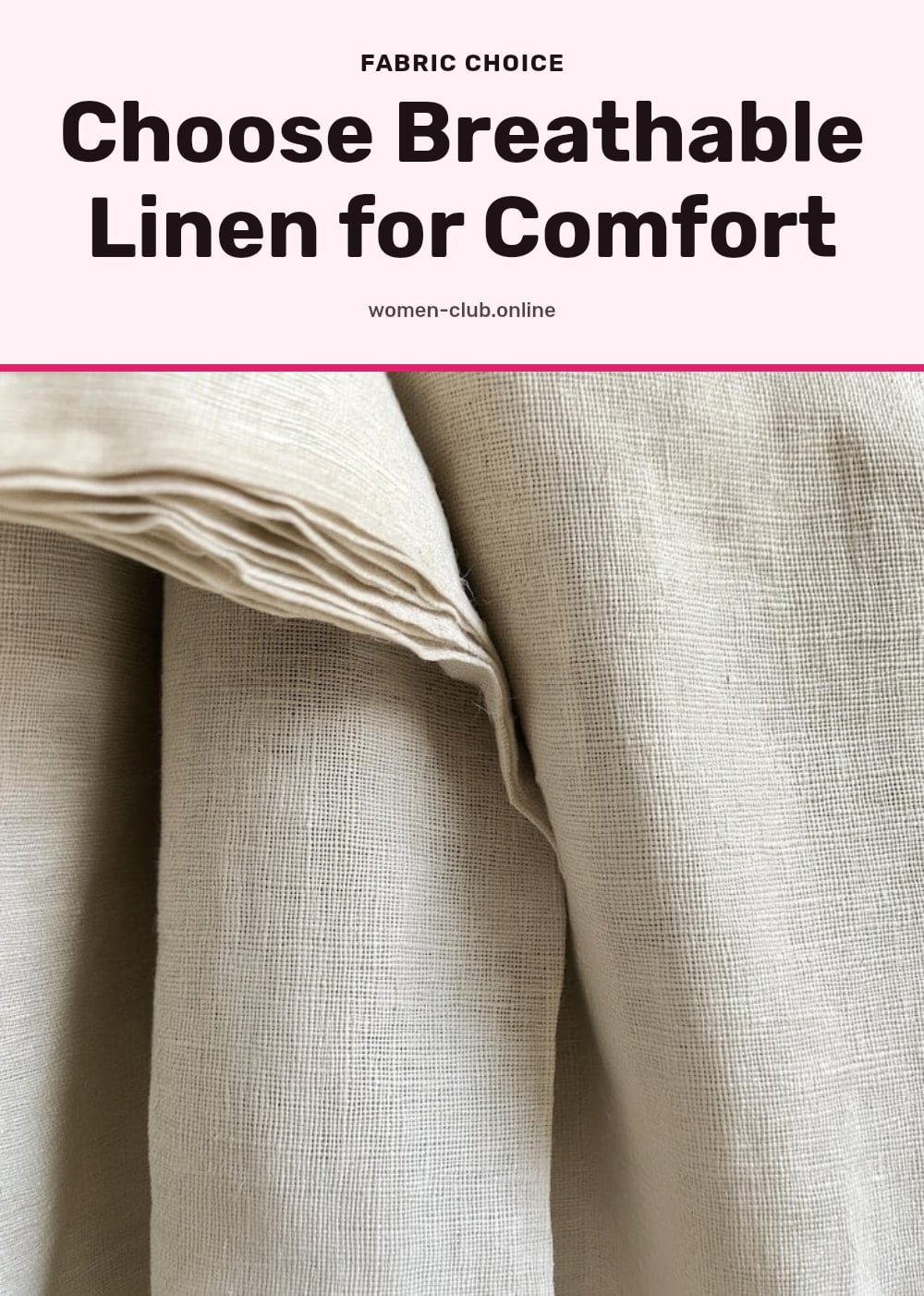
When you are not exercising, choose natural, breathable fabrics like cotton or linen. These materials allow air circulation and can help prevent excessive sweating during everyday activities.
Caution: Cotton is not ideal for heavy sweating during workouts because it absorbs moisture and stays wet. Save it for low-sweat days.
8. Avoid Ill-Fitting or Rough Clothing
Pay attention to how your clothes fit, because both too tight and too loose can cause chafing. Tight garments press fabric against your skin, while loose ones let it rub back and forth with each step.
Rough seams, zippers, or decorative embellishments are common culprits. Run your hand over the inside of a garment before wearing it, especially around the inner thighs, underarms, and bra line.
Choose pieces that sit smoothly against your body without bunching or digging in. If a seam lands right on a sensitive area, look for a different style or size.
9. Be Cautious with Powders
Talc-free powders can absorb moisture, but use them sparingly and only on areas where you are confident they won’t cause irritation. Some concerns exist about using powders in the genital area, so many people prefer to stick with balms there.
If you do use powder, choose a non-irritating, talc-free variety. Apply a light dusting before dressing, and never use it on already irritated or broken skin.
Caution: avoid inhaling powder when applying, and discontinue use if you notice any redness or discomfort.
10. Address Early Signs Promptly
Address chafing at the first sign of redness or discomfort, before it becomes painful or severe. Clean the area gently with mild soap and water, then pat it dry. Apply a soothing balm or petroleum jelly to create a protective layer while your skin recovers.
Early intervention can prevent worsening irritation and promote faster healing. With proper care, mild chafing typically heals within a few days. If it does not improve or worsens, consult a healthcare professional.
11. Stay Hydrated and Cool
Staying hydrated helps regulate your body temperature, which can reduce excessive sweating. While it is not a direct chafing fix, less sweat means less moisture on your skin to increase friction.
Try to stay in cool environments when possible, especially during peak summer heat. Plan outdoor activities for early morning or evening, and take breaks in shaded or air-conditioned spots.
Carrying a water bottle and sipping throughout the day can help you stay cool and keep your skin drier during warm weather.
When to Consult a Doctor for Chafing
If chafing leads to broken skin, bleeding, or open sores, it is time to see a healthcare professional. Signs of infection, such as pus, increasing pain, warmth, or spreading redness, also require medical attention. If the irritation does not improve after a few days of self-care or worsens, consult your doctor.
Frequently Asked Questions
Can I use deodorant to prevent chafing?
Some people use solid deodorant or antiperspirant as a quick barrier on inner thighs, but it is not specifically designed for that purpose and may contain ingredients that irritate sensitive skin. A dedicated anti-chafing balm or petroleum jelly is generally a safer and more reliable choice.
How long does it take for chafing to heal?
With proper care, mild chafing typically heals within a few days. Keep the area clean, dry, and protected with a soothing balm. If the irritation does not improve after a few days or gets worse, it is a good idea to check with a healthcare professional.
Is chafing a sign of poor hygiene?
No, chafing is not a sign of poor hygiene. It is caused by friction and moisture, which can happen to anyone, especially in hot weather or during physical activity. However, keeping skin clean and dry after sweating does help prevent and treat chafing.
What is the best fabric to wear to prevent chafing?
For exercise or any activity where you might sweat, moisture-wicking synthetic blends like polyester or nylon are best because they keep your skin dry. For everyday wear when you are not sweating, breathable natural fabrics like cotton or linen allow air circulation and can help reduce moisture.
Can weight loss help with chafing?
Weight loss may reduce skin-on-skin contact in some areas for some people, but chafing can affect individuals of any size. Focusing on moisture management, proper clothing, and barrier products is a more direct and reliable way to prevent chafing regardless of body shape.
Final Thoughts
My top recommendation is to keep a stick of anti-chafing balm in your gym bag and another in your purse for hot days. With consistent prevention, mild chafing usually heals within a few days, but the real win is stopping it from happening in the first place. A little preparation goes a long way toward enjoying summer without the sting.
This article is for general informational purposes only and does not constitute medical advice. Chafing is a common skin irritation, but if you experience broken skin, signs of infection, or persistent discomfort, consult a healthcare professional or dermatologist for personalized guidance.