
You probably know that a clay mask can help with oily skin and clogged pores, but with so many types of clay out there, picking the right one can feel confusing. The truth is, each clay has its own superpower, and the best choice depends on whether your skin is oily, dry, sensitive, or a mix of both. This guide breaks down the most popular clays and their benefits, so you can find your perfect match and use it the right way.
Key Takeaways
- Choose bentonite clay for very oily or acne-prone skin, and kaolin clay for sensitive or dry skin.
- Always use a non-metal bowl and spoon when mixing clay, especially bentonite.
- Leave the mask on for 10 to 15 minutes, and rinse before it cracks and tightens.
- Moisturize immediately after rinsing to prevent dryness and maintain your skin barrier.
- Use a clay mask 1 to 2 times per week for best results without over-drying.
Which Clay Mask Is Right for My Skin Type?
The best clay mask for you depends on your skin type and concerns. For very oily, acne-prone skin, bentonite clay is ideal because of its strong oil-absorbing properties. Kaolin clay is gentler, making it suitable for sensitive, dry, or normal skin. French green clay works well for oily and combination skin, while Rhassoul clay improves texture and hydration.
How Clay Masks Work Their Magic on Your Skin
How Clay Masks Work Their Magic on Your Skin
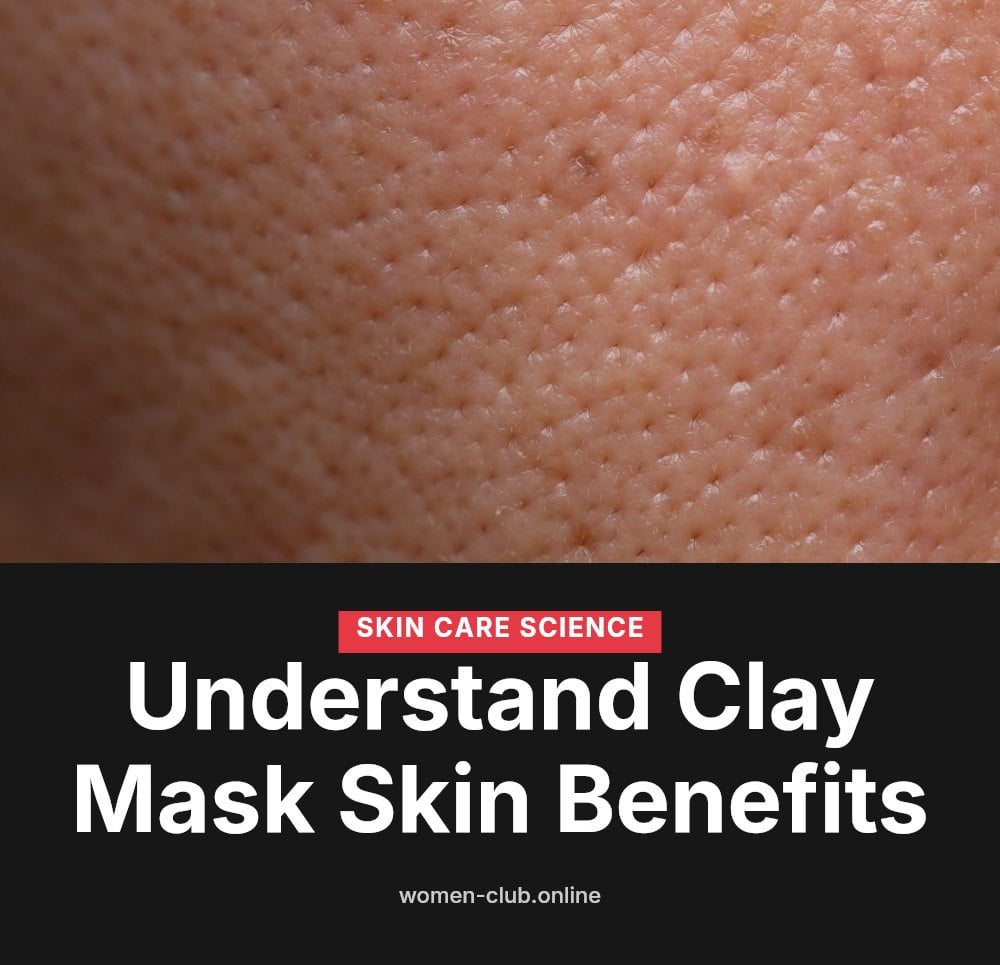
Clay masks absorb excess sebum and impurities from the skin’s surface and deep within pores. Many clays, especially bentonite, carry a negative electrical charge that acts like a magnet, drawing out positively charged toxins and impurities.
Different clays offer varying levels of absorption and mineral content. Kaolin is gentle, while French green clay is highly absorbent for oily skin. Rhassoul clay is rich in silica and magnesium, which improve texture and elasticity.
This clarifying action helps reduce the appearance of pores by clearing them of debris and oil. The result is a cleaner, more balanced complexion with regular use.
Comparing Clay Types: Find Your Perfect Match
Not all clays are created equal. Here is a quick comparison to help you pick the right one.
| Clay Type | Best For | Downsides |
|---|---|---|
| Bentonite | Very oily, acne-prone skin | Can be too drying for dry or sensitive skin |
| Kaolin (white, pink, red) | Sensitive, dry, or normal skin | Less effective for heavy oil control |
| French Green | Oily and combination skin | May be too stimulating for sensitive skin |
| Rhassoul | All skin types, especially dry | Less absorbent than bentonite |
| Fuller’s Earth | Very oily skin, occasional use | Can be very drying |
Your Clay Mask Essentials: What You’ll Need
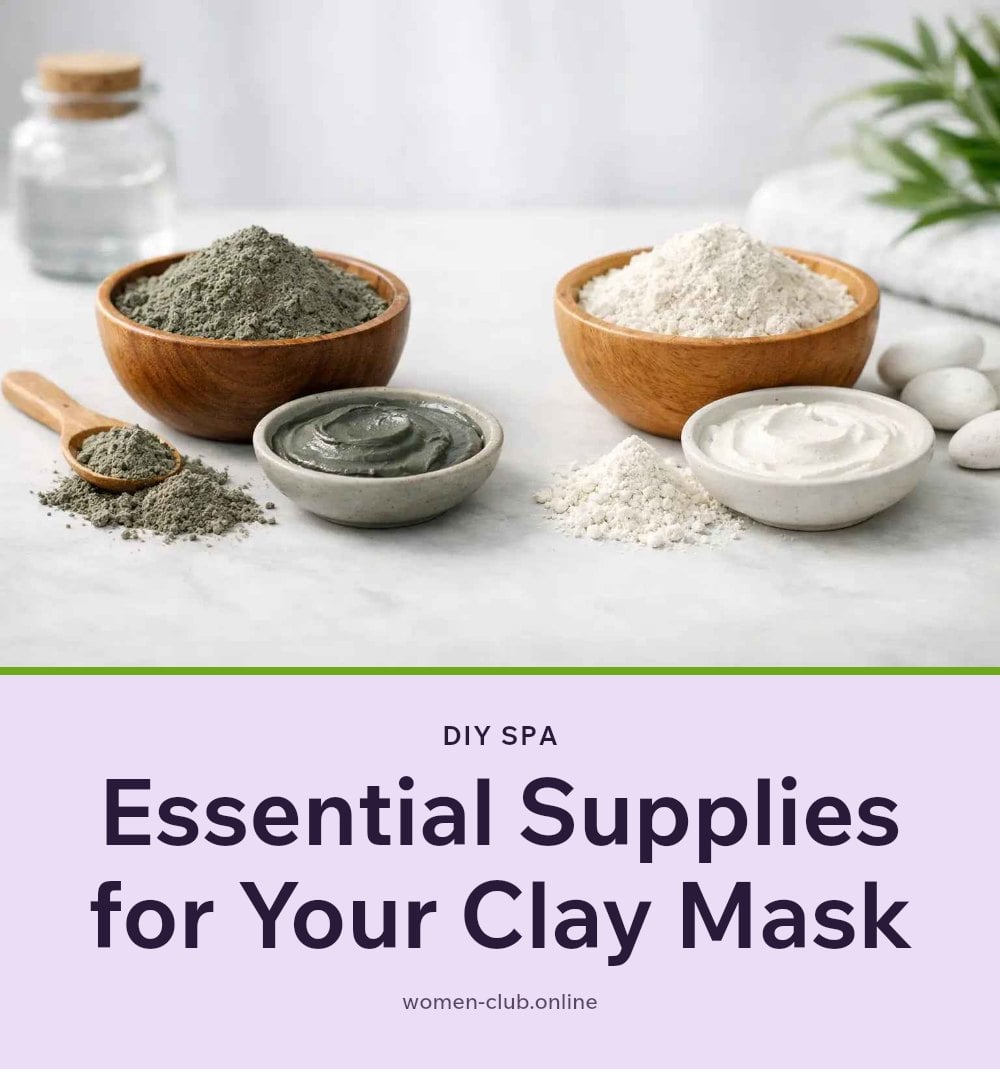
Before you start, gather your supplies. Pick a clay powder that matches your skin type, like bentonite for oily skin or kaolin for sensitive skin. You will also need a non-metal bowl and spoon or spatula, especially for bentonite clay, since metal can react with it and reduce its effectiveness.
For mixing, keep water on hand, or swap in rosewater, aloe vera gel, or apple cider vinegar for extra benefits. Hydrating add-ins like honey or glycerin can also help offset the drying effect of stronger clays.
Finally, have a moisturizer ready for aftercare. Rinsing off the mask leaves your skin clean but thirsty, so apply a hydrating serum or moisturizer immediately afterward to lock in moisture.
Step-by-Step: How to Apply a Clay Mask for Best Results
Patch test first: Apply a small amount of the mixed clay to your inner arm or behind your ear. Wait 10-15 minutes to check for any redness or irritation before moving to your face.
- Mix the mask: In a non-metal bowl, combine 1-2 tablespoons of clay powder with enough water or a liquid like rosewater or aloe vera to form a smooth, spreadable paste. Stir with a non-metal spoon.
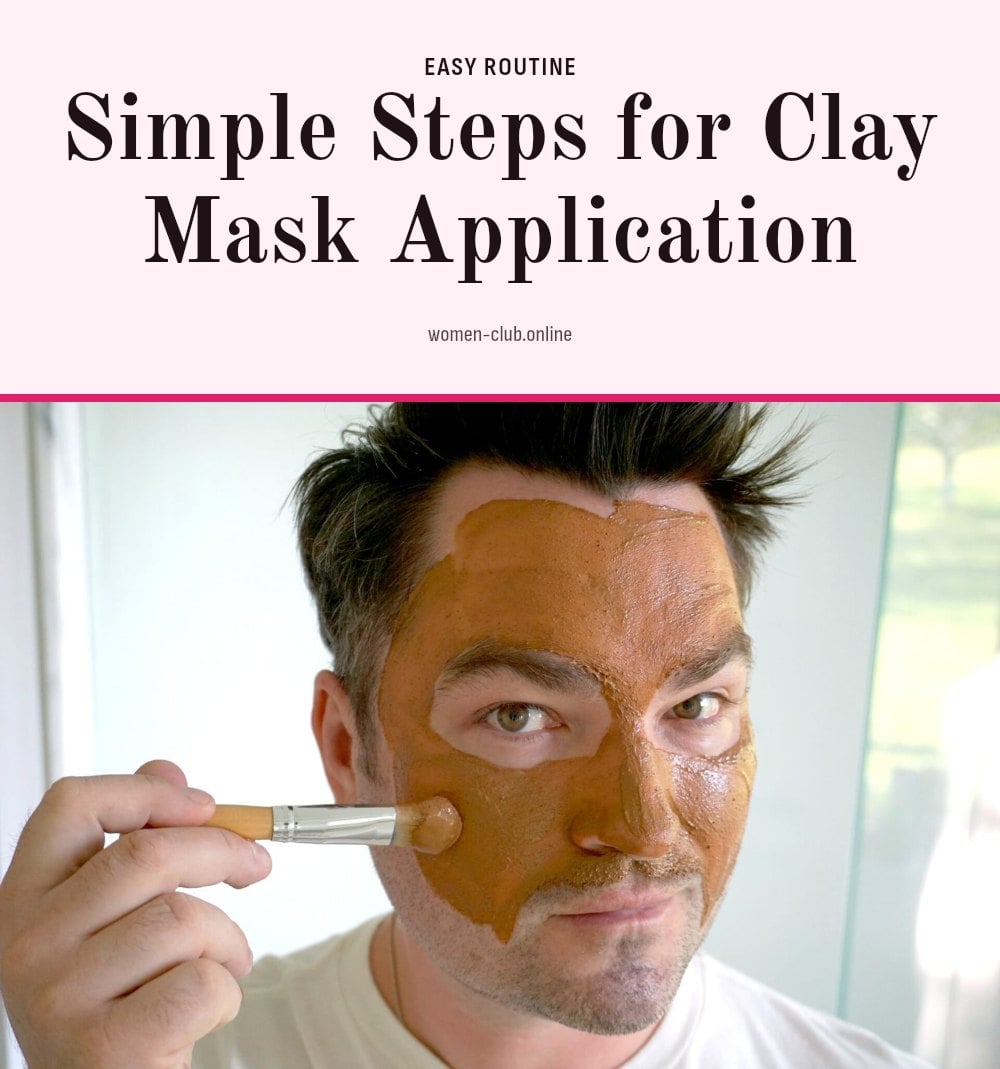
- Apply an even layer: On clean, dry skin, spread the paste evenly, avoiding the eye and lip areas. A 1/8-inch thickness is enough to cover the skin without dripping.
- Rinse at the right time: Leave the mask on for 10-15 minutes. Rinse thoroughly with lukewarm water before the mask dries completely and starts to crack, which can strip moisture.
- Moisturize immediately: Pat your face dry and follow with a hydrating serum or moisturizer to replenish hydration and lock in the benefits.
Common Clay Mask Mistakes and How to Avoid Them
Even the best clay mask can backfire if you make these common errors. Here is how to avoid them.
- Using the wrong clay for your skin type: A strong clay like bentonite on dry or sensitive skin can cause irritation. Stick to gentler options like kaolin or rhassoul if your skin is prone to dryness.
- Leaving the mask on too long: Waiting until it is fully cracked and tight pulls moisture out of your skin. Rinse at the 10-15 minute mark while the mask is still slightly damp.
- Skipping moisturizer: Clay draws out oil, so your skin needs hydration afterward. Apply a moisturizer immediately after rinsing to prevent tightness.
- Using metal utensils with bentonite: Metal can react with bentonite clay and reduce its oil-absorbing power. Always use a glass, ceramic, or wooden bowl and spoon.
- Expecting instant results: A single mask will not erase pores or stop oil for good. Consistent use over a few weeks is needed to see noticeable changes in clarity and texture.
How Often to Use Clay Masks and When to See Results
Use a clay mask 1-2 times per week, no more. Overusing can strip your skin of its natural oils and cause irritation.
Leave the mask on for 10-15 minutes. Do not wait until it is completely dry and cracked, as that can lead to over-drying.
With regular weekly use, you may start to see visible improvements in oiliness and pore clarity within a few weeks. Clay powders are generally affordable, making this a cost-effective addition to your routine.
When to Consult a Dermatologist About Clay Masks
Stop using the clay mask and see a dermatologist if you experience excessive redness, burning, itching, or severe dryness that does not go away after rinsing.
If you have a pre-existing skin condition like rosacea or eczema, talk to your doctor before trying a clay mask. Some clays can aggravate these conditions.
Also consult a doctor if you suspect an allergic reaction to any ingredient in the mask, such as swelling or a rash.
Frequently Asked Questions
Can I use a clay mask if I have sensitive skin?
Yes, but choose a gentle clay like kaolin (white, pink, or red) or rhassoul clay. These are milder and less likely to cause irritation. Always do a patch test first, and mix the clay with a soothing liquid like aloe vera gel or rosewater instead of water.
Will a clay mask make my skin drier?
Clay masks can be drying, especially if you leave them on too long or use a strong clay like bentonite on already dry skin. To minimize dryness, rinse the mask off while it is still slightly damp, and follow up with a good moisturizer. You can also mix in honey or glycerin for extra hydration.
What should I mix with my clay mask powder?
Water is the simplest option, but you can use rosewater, apple cider vinegar, or aloe vera gel for added benefits. Apple cider vinegar helps balance pH, while aloe vera soothes. Avoid metal bowls or spoons when mixing bentonite clay, as metal can reduce its effectiveness.
How long does it take to see results from clay masks?
You may notice less oiliness and a clearer complexion after a few weeks of consistent use, around 1 to 2 times per week. One application won’t give dramatic results, so patience and regular use are key. Visible improvements in pore appearance can take a bit longer.
What is the best clay mask for oily skin?
Bentonite clay is a top choice for very oily and acne-prone skin because of its strong oil-absorbing and drawing properties. French green clay is also excellent for oily and combination skin, thanks to its high absorbency and mineral content. Both can be drying, so moisturize afterward.
Final Thoughts
To get the most out of a clay mask, match the clay to your skin type and keep your routine simple. For oily skin, bentonite or French green clay works well; for sensitive or dry skin, stick with kaolin or rhassoul clay. Expect to see gradual improvements in clarity and oil control within a few weeks of consistent use, not overnight. The key is to listen to your skin and never skip that moisturizer afterward.
This article is for general informational purposes only and does not replace professional medical or dermatological advice. Always perform a patch test before trying a new product, and consult a dermatologist if you have a persistent skin condition or experience irritation. Your skin is unique, so what works for others may not work for you.








