
If you’re ready to eat cleaner but worry about the cost, I’ve got good news: whole foods can actually be more budget-friendly than packaged options. This article breaks down what clean eating really means, gives you a practical shopping list, and walks you through simple swaps that work on a busy schedule. You’ll also learn common mistakes to avoid and how to make this lifestyle stick without breaking the bank.
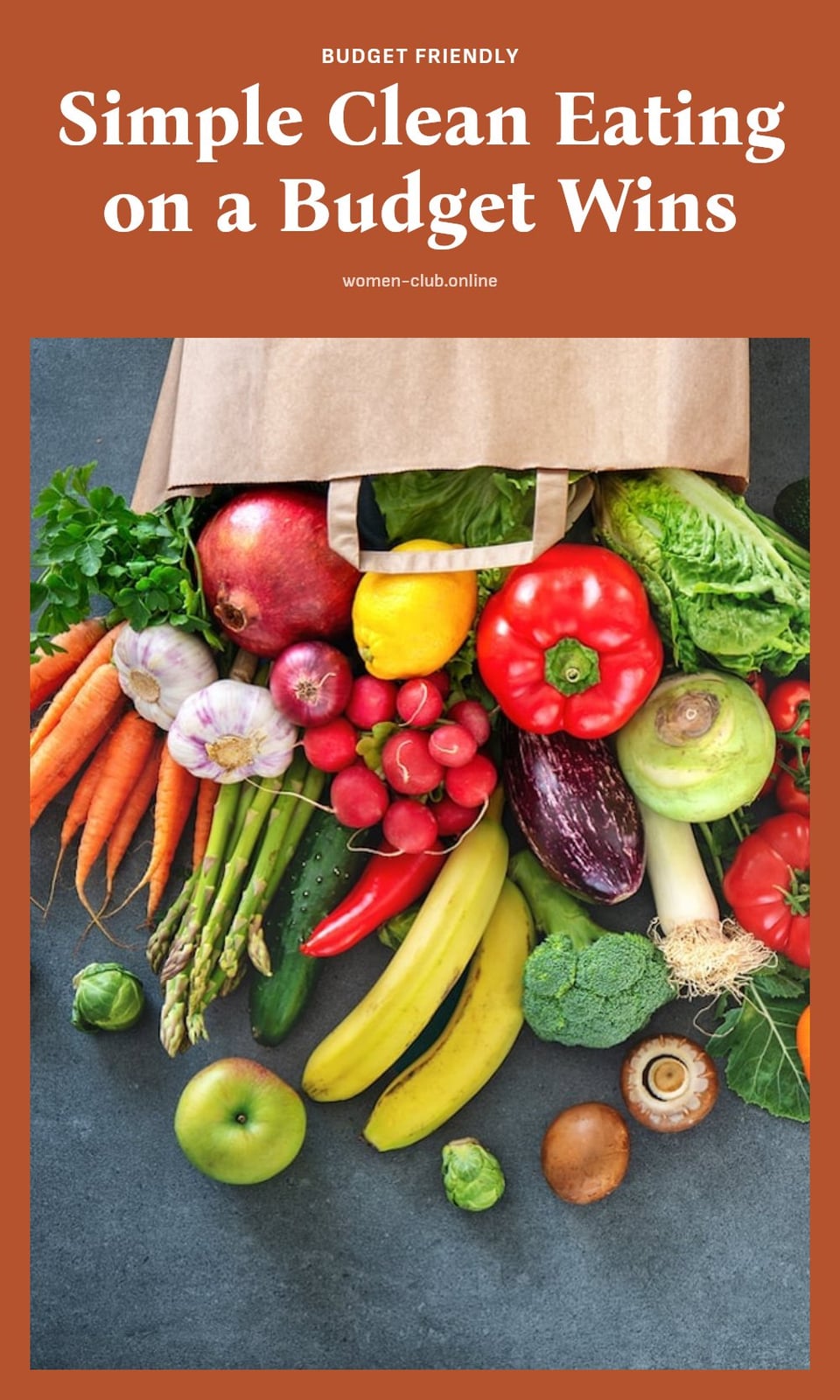
Key Takeaways
- Focus on whole, unprocessed foods like fruits, vegetables, lean proteins, and healthy fats.
- Buy in-season produce and use frozen options to save money without losing nutrition.
- Cook at home as much as possible to control ingredients and reduce costs.
- Read food labels to avoid hidden sugars and artificial ingredients.
- Plan meals and batch cook to make clean eating sustainable on a busy schedule.
What Exactly Is Clean Eating?
Clean eating means choosing whole, unprocessed foods as the foundation of your meals. Think fresh fruits and vegetables, lean proteins like chicken and beans, and healthy fats from avocados and nuts. It also means cutting back on refined grains, added sugars, and artificial ingredients you find in many packaged items. This isn’t a strict diet with rules to follow. It’s a lifestyle that encourages you to eat more mindfully and focus on nutrient-dense foods most of the time.
Your Clean Eating Shopping List Essentials
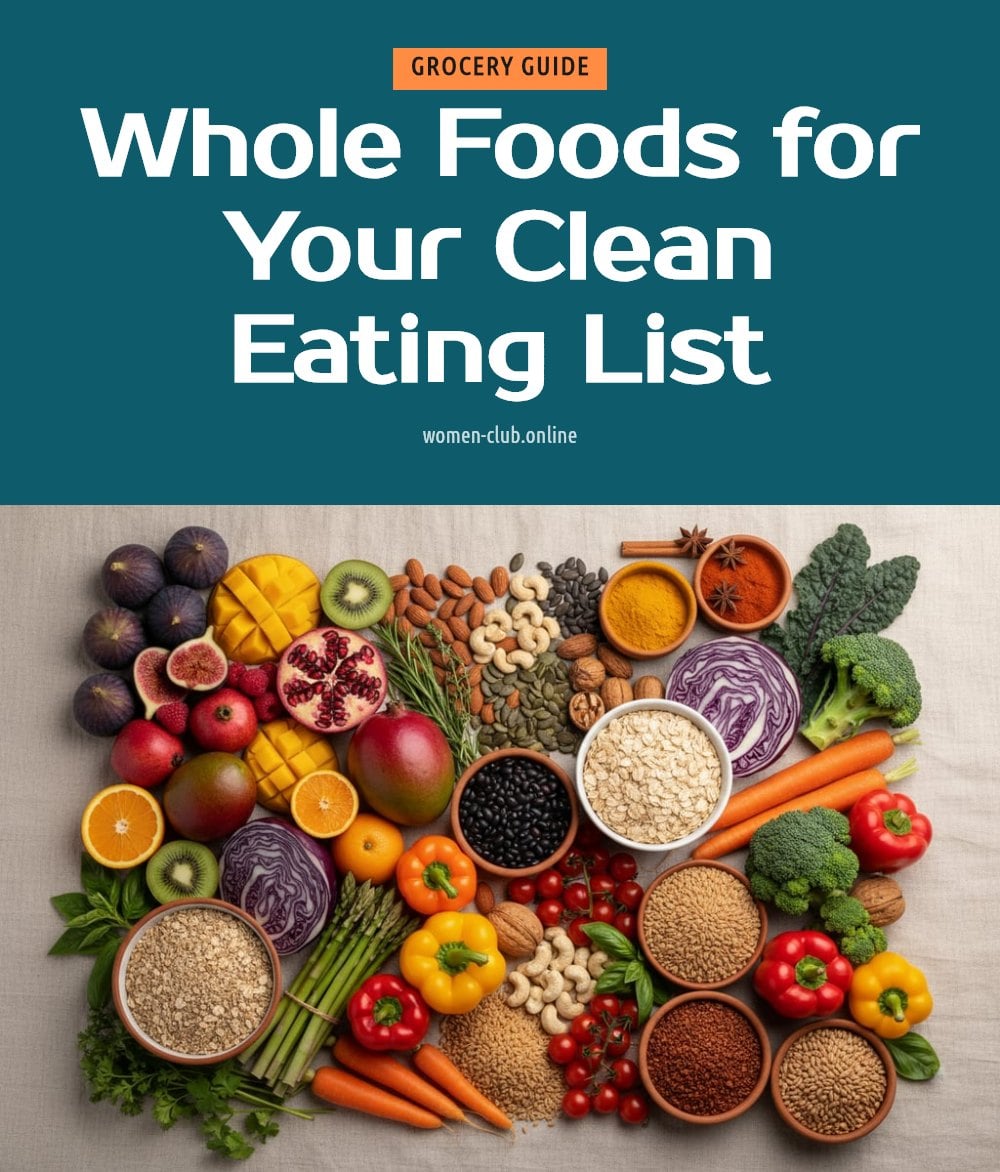
Stocking your kitchen for clean eating doesn’t require a special trip to a fancy store. Here are the categories to focus on:
- Fresh fruits and vegetables: The base of every meal. Go for a variety of colors to get different nutrients.
- Lean proteins: Chicken, fish, beans, lentils, and eggs are all excellent choices.
- Whole grains: Oats, brown rice, and quinoa provide steady energy and keep you full longer.
- Healthy fats: Avocados, nuts, seeds, and olive oil support overall health.
- Herbs and spices: They add big flavor without any artificial additives or extra sodium.
Your Step-by-Step Guide to Clean Eating on a Budget
Eating clean on a budget is absolutely doable with a little planning. Here is my step-by-step approach:
- Read labels first: Start by checking ingredient lists for hidden sugars and artificial ingredients. If you can’t pronounce it, think twice.
- Buy what’s in season: Seasonal produce is fresher and usually costs less. Check what’s at its peak before you shop.
- Choose affordable proteins: Legumes like lentils and chickpeas, along with eggs, are budget-friendly and packed with protein.
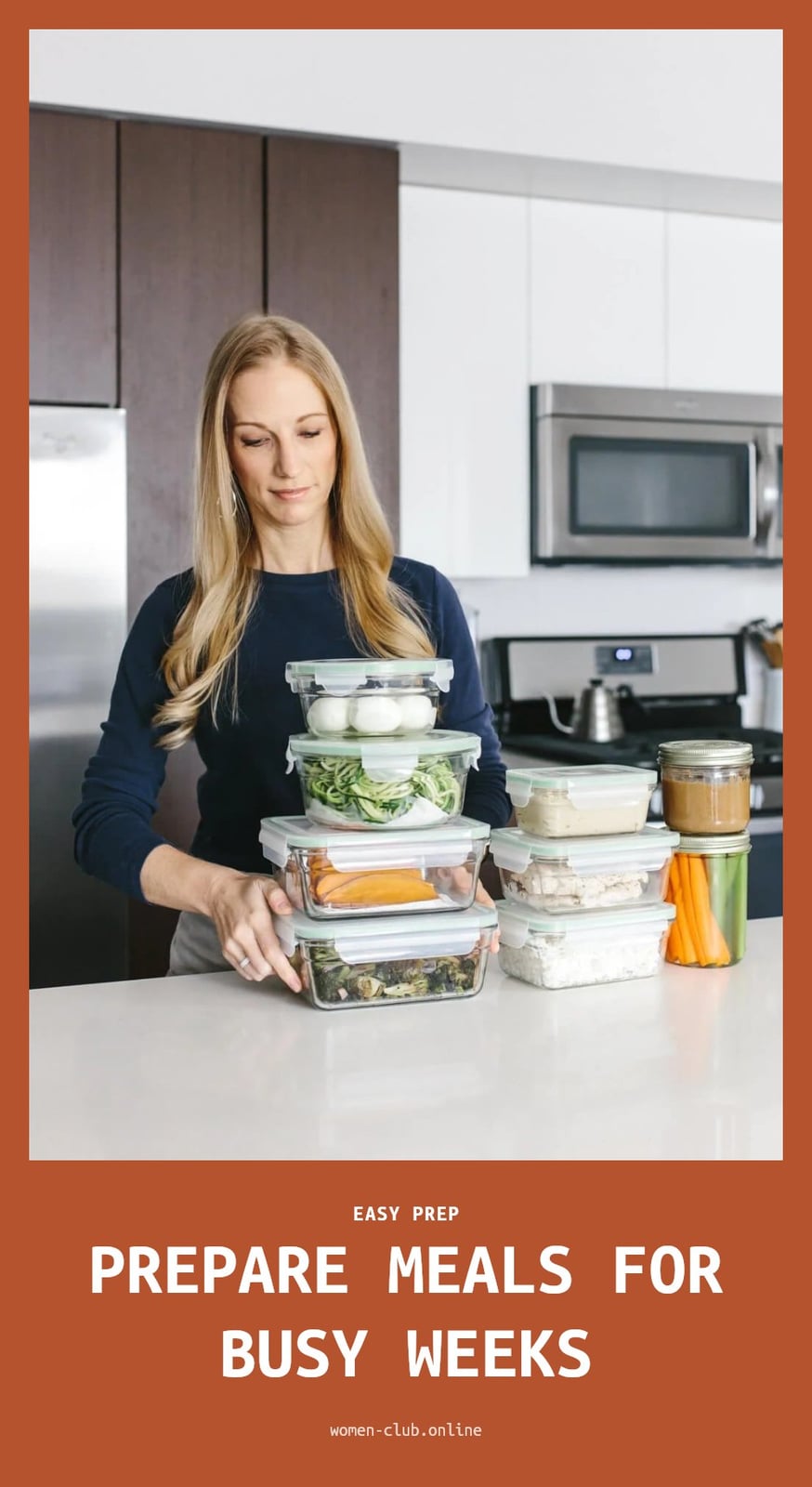
- Batch cook and meal prep: Spend a couple of hours on Sunday cooking grains, roasting veggies, and portioning out proteins. It saves time and money during the week.
- Swap your grains: Replace white rice with brown rice and regular pasta with whole wheat pasta. It’s a simple change that makes a big difference.
- Drink water: Make water your main beverage. It cuts out sugary drinks and is free from your tap.
Why Clean Eating Is Easier (and Cheaper) Than You Think
Many people think clean eating is expensive, but it really doesn’t have to be. You don’t need trendy superfoods or a specialty grocery store to make it work. Cooking at home is the biggest money-saver because you control every ingredient and portion.
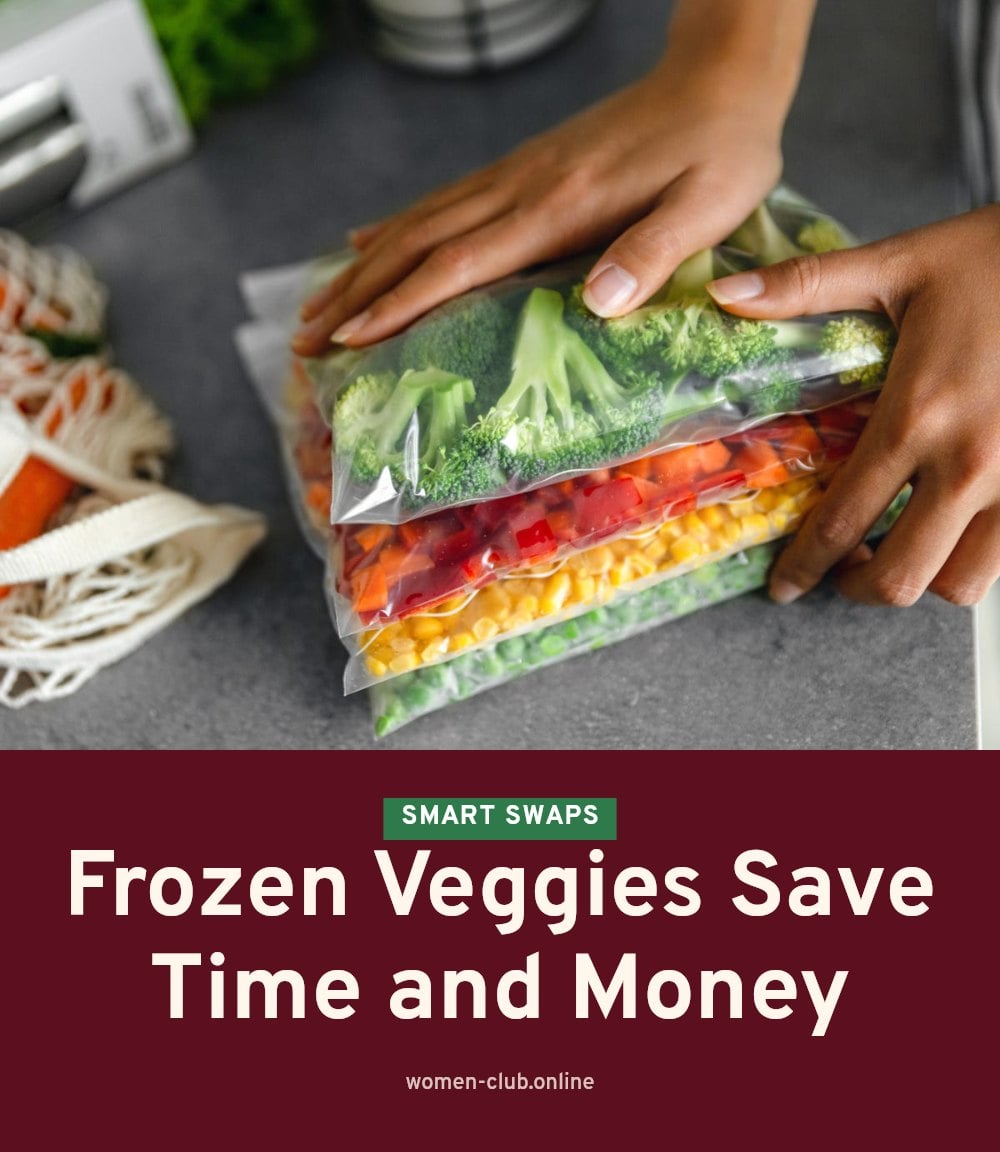
Frozen fruits and vegetables are just as nutritious as fresh ones, and they often cost less, especially when a fruit is out of season. Legumes like dried beans and lentils are another powerhouse: they are cheap, full of protein and fiber, and can be used in dozens of dishes. My tip: keep a few cans of lentils or a bag of frozen spinach on hand for quick, affordable meals.
Common Clean Eating Mistakes to Avoid
One of the biggest misconceptions I hear is that clean eating is always expensive. In reality, budget-friendly whole foods like beans, lentils, and seasonal produce are the foundation of this approach. Another common mistake is eliminating entire food groups without professional guidance. This can lead to nutritional gaps, so consult a doctor or dietitian before making restrictive changes.
Mistake: Aiming for perfection. Small, consistent changes are far more sustainable than trying to eat ‘perfectly’ every day. Also watch out for ‘health halos’: packaged foods marketed as healthy often contain added sugars and artificial ingredients, so always read the label. Finally, not planning meals almost always leads to last-minute, less healthy choices. A little planning goes a long way.
Top Tips for Sustainable Clean Eating
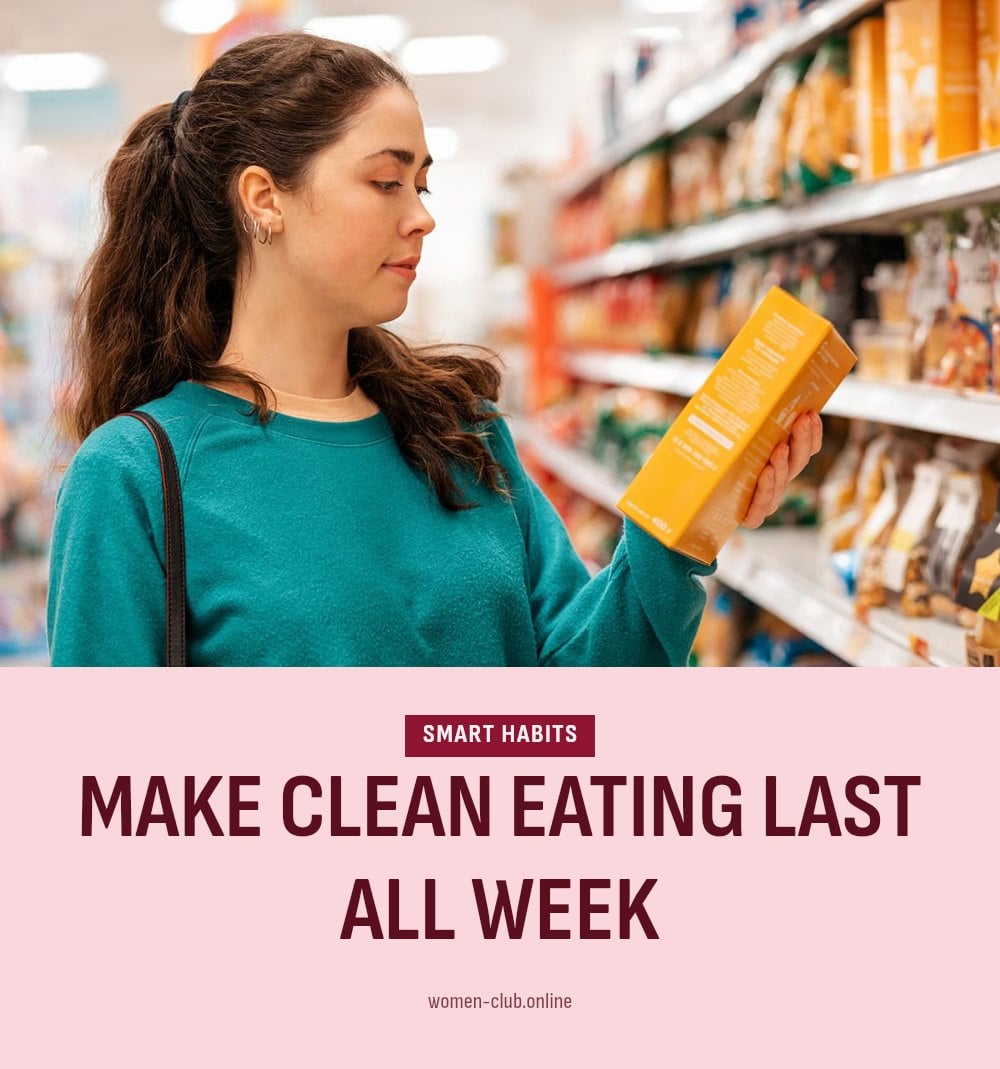
My top tip for making clean eating stick is to shop the perimeter of the grocery store. That’s where you’ll find the freshest, unprocessed foods like produce, meat, and dairy. Then make smart swaps: exchange white rice for brown rice, sugary drinks for water, and processed snacks for fruit or nuts.
Tip: Don’t be afraid of frozen fruits and vegetables. They are picked at peak ripeness and retain their nutrients, often at a lower price. Batch cook staples like grains, roasted vegetables, or lean protein on the weekend so you have easy meals ready all week. And always read ingredient labels, look for short lists with recognizable whole foods.
When to Consult a Professional About Your Diet
If you have underlying health conditions, it’s wise to talk to a doctor or registered dietitian before making major dietary changes. The same goes if you suspect food allergies or intolerances, professional guidance can help with proper diagnosis and management.
For anyone considering a highly restrictive diet, a dietitian can ensure you still meet all your nutritional needs. They can also provide personalized advice on nutrient intake or managing chronic conditions through diet.
Timeline for Results and Cost Considerations
You might notice increased energy and improved digestion within a few weeks of eating clean. But remember, this is a long-term lifestyle, not a quick fix, consistency is what brings sustained benefits.
As for cost, clean eating can be very affordable when you focus on seasonal produce, legumes, and home cooking. The initial investment might include stocking your pantry with staples like whole grains and healthy oils, but you’ll often save money long-term by eating out less and buying fewer processed foods.
Frequently Asked Questions
Is clean eating suitable for weight loss?
Many people find that clean eating supports weight loss because it emphasizes nutrient-dense, lower-calorie foods like vegetables and lean proteins while cutting out added sugars and refined grains. However, weight loss depends on overall calorie balance, so portion sizes still matter. For personalized advice, consult a registered dietitian.
Can I still eat out while clean eating?
Yes, you can eat out while sticking to clean eating principles. Look for grilled or steamed options, ask for dressings and sauces on the side, and choose water as your drink. Many restaurants offer salads, vegetable sides, and lean protein dishes that fit well with a clean eating approach.
How do I handle cravings on a clean eating plan?
Cravings are normal, and you don’t have to be perfect. My tip is to keep healthy snacks on hand, like fresh fruit, nuts, or cut veggies, so you have a go-to option when a craving hits. Drinking water first can also help, as thirst is sometimes mistaken for hunger. Over time, cravings for sugary foods often decrease.
What if I have dietary restrictions or allergies?
Clean eating can be adapted to most dietary restrictions, such as gluten-free, dairy-free, or vegetarian needs, by focusing on whole foods that fit your requirements. If you have food allergies or intolerances, consult a healthcare professional or registered dietitian for safe and balanced meal planning.
How long does it take to see results from clean eating?
You might notice increased energy and improved digestion within a few weeks of eating clean. However, results vary based on your starting point and consistency. Clean eating is designed as a long-term lifestyle change, so focus on building sustainable habits rather than expecting immediate changes.
Final Thoughts
For a realistic start, focus on one swap at a time, like replacing sugary drinks with water or white rice with brown rice. You may notice increased energy and better digestion within a few weeks, but remember this is a long-term lifestyle, not a quick fix. Small, consistent changes are what make clean eating work for your health and your wallet.
This article is for informational purposes only and does not constitute medical or dietary advice. Before making significant changes to your diet, especially if you have underlying health conditions or food allergies, consult with a healthcare professional or registered dietitian.