11 Clear Signs of Self-Respect (and How to Cultivate Them)

Have you ever wondered what self-respect actually looks like in your daily life? It is not just a nice idea or something you either have or don’t have. Self-respect is a practice, a way of treating yourself with dignity and honor that shows up in your choices, your relationships, and how you talk to yourself. This article breaks down 11 clear signs of self-respect and offers practical ways to cultivate them, so you can start recognizing and strengthening your own sense of worth today.
Key Takeaways
- Self-respect means setting clear boundaries and communicating them firmly but kindly.
- Prioritizing your physical and mental well-being is a sign of self-respect, not selfishness.
- Acting in alignment with your core values, even when unpopular, reflects self-respect.
- Self-respect involves learning from mistakes with self-compassion rather than excessive criticism.
- Healthy self-respect means your sense of worth comes from within, not from constant external validation.
What is Self-Respect?
Self-respect is the deep regard you hold for your own dignity and worth. It guides how you treat yourself and what you allow from others. For me, it’s about acting in line with my personal values, setting healthy boundaries, and prioritizing my well-being, even when that’s tough. The key distinction: self-esteem is how you feel about yourself, but self-respect is how you actually treat yourself. It’s an active practice, not just a feeling.
1. You Set Clear Boundaries
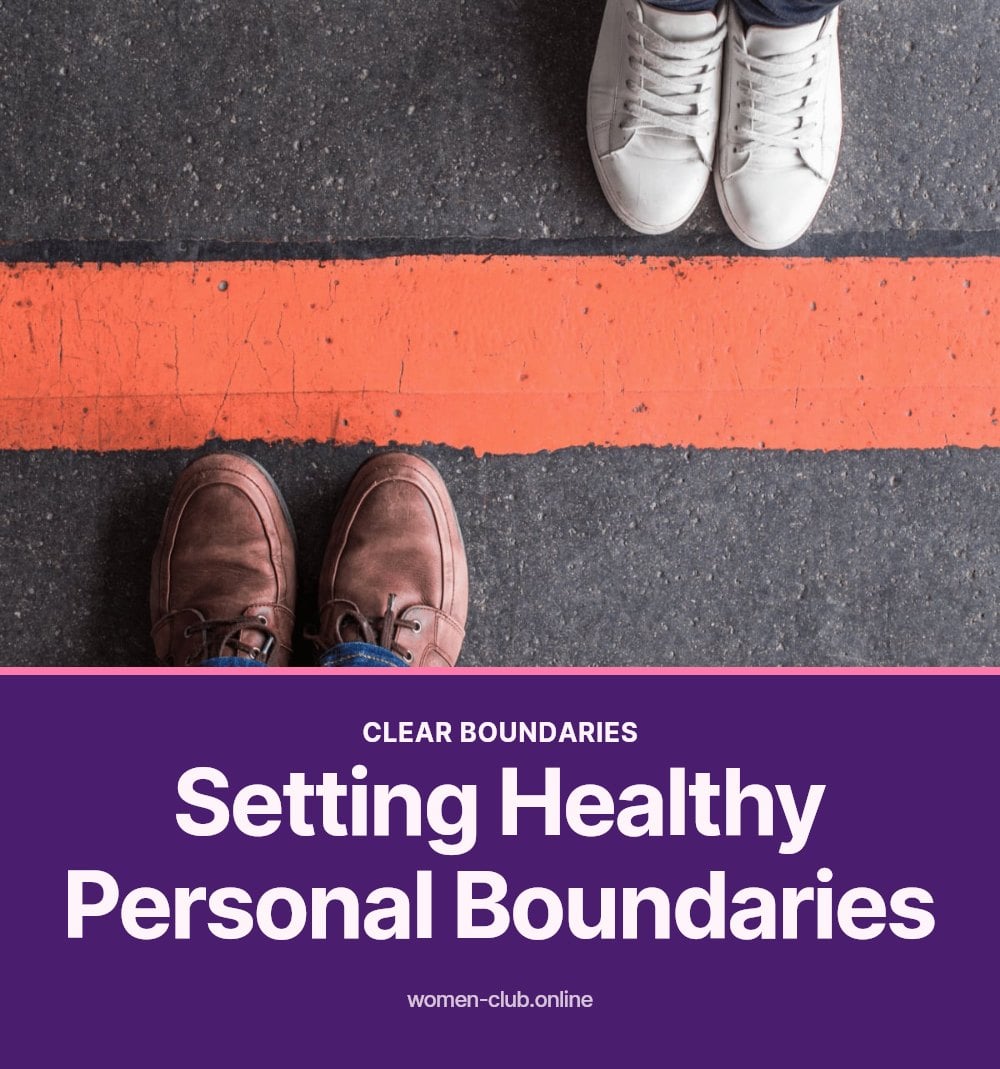
Self-respect means knowing your limits and communicating them firmly but kindly, in both personal and professional relationships. It’s about saying ‘no’ when you need to, without guilt, to protect your time, energy, and emotional well-being.
My tip: Start small. Practice saying ‘no’ to minor requests that don’t align with your priorities. Each small ‘no’ builds the muscle for bigger boundaries later.
2. You Prioritize Your Well-being
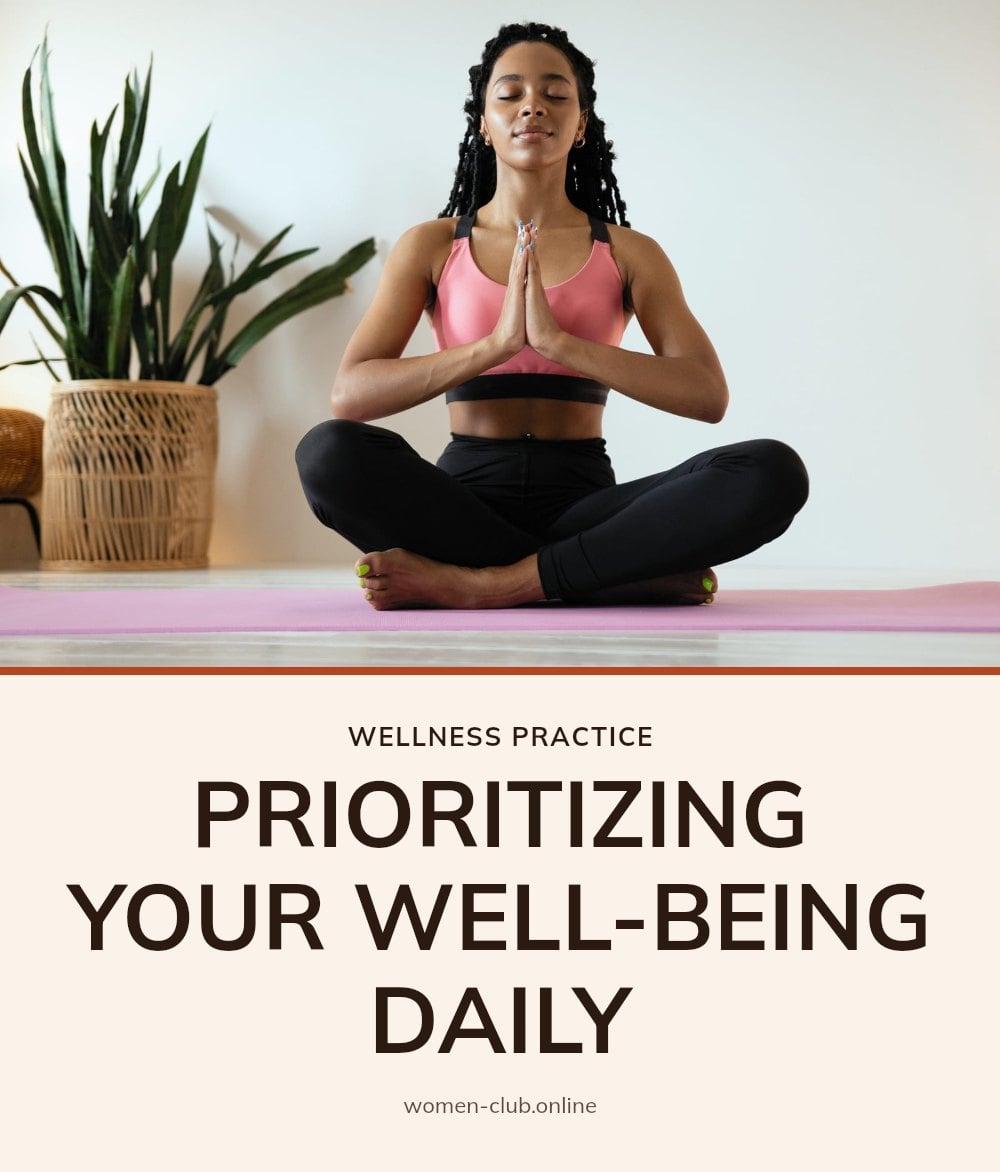
Self-respect involves actively safeguarding your physical and mental health by making choices that nourish you. This includes consistent self-care practices like getting adequate sleep, eating well, and moving your body regularly.
It’s recognizing that your well-being isn’t selfish; it’s the foundation for everything else. When you prioritize yourself, you show that you matter.
3. You Act on Your Values
A strong sign of self-respect is living in alignment with your core values and beliefs, even when it’s unpopular or difficult. It means making choices that reflect who you truly are, rather than compromising for external approval.
I’ve found that when my actions match my values, I feel a deep sense of integrity and peace. That internal consistency is worth more than any temporary approval.
4. You Learn From Mistakes

Self-respect allows you to own your mistakes without spiraling into self-criticism. You take responsibility for what happened, extract the lesson, and then move forward with self-compassion. The goal isn’t to dwell on the failure but to grow from it.
My tip: Treat yourself with the same kindness you’d offer a friend who made a mistake. Ask what you can learn, then let the rest go.
5. You Don’t Tolerate Disrespect
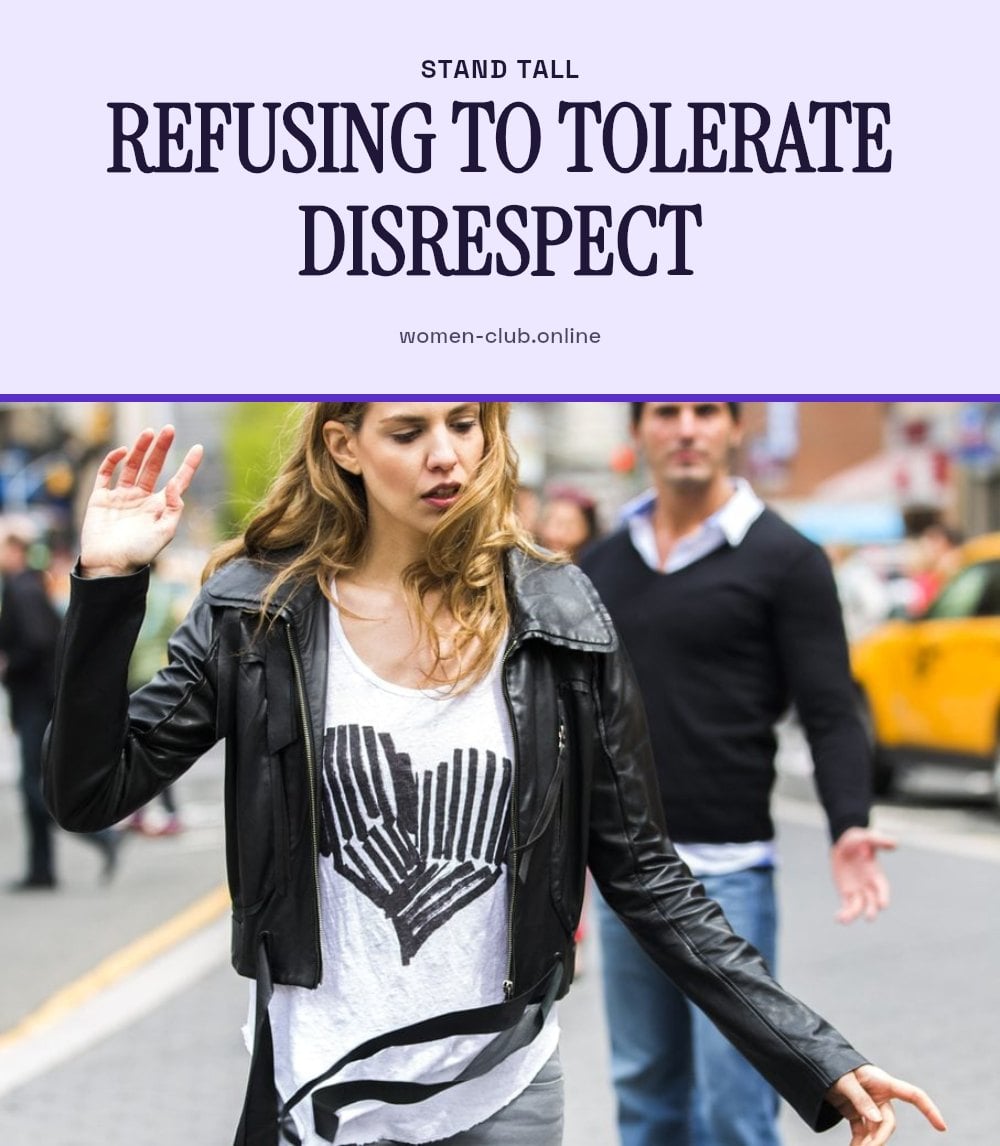
Someone with self-respect doesn’t allow others to consistently demean, belittle, or disrespect them in words or actions. This means having the courage to speak up when a line is crossed or to distance yourself from toxic relationships entirely. It’s a firm belief that you deserve to be treated with kindness and consideration.
Pro move: If a pattern of disrespect persists, you have permission to step away without guilt.
6. You Seek Healthy Relationships
Self-respect naturally draws you toward relationships that are supportive, reciprocal, and uplifting. You actively distance yourself from those who drain your energy or make you feel less than. I’ve learned that the people you surround yourself with profoundly impact your self-worth.
Good to know: Healthy relationships feel like mutual care, not constant negotiation for basic respect.
7. You Take Responsibility
A key sign of self-respect is owning your choices and actions rather than blaming others or making excuses. This demonstrates maturity and a belief in your own ability to influence your life. It’s not about self-blame but about empowered accountability.
Tip: When something goes wrong, focus on what you can do differently next time instead of who to blame.
8. You Don’t Need Constant Validation

External praise feels good, but self-respect means your sense of worth comes from within, not from others’ opinions. You trust your own judgment and don’t constantly seek approval or affirmation. Tip: Practice validating your own feelings and accomplishments daily. At the end of each day, name one thing you did well or one moment you handled with grace. Over time, this builds a reliable internal compass.
9. You Have Personal Integrity
Self-respect shows in your commitment to your word, especially the promises you make to yourself. Being honest, reliable, and consistent in your character and actions builds something valuable: self-trust. When you keep commitments to yourself, you prove to yourself that you are dependable. Start with small promises, like a daily walk or a 10-minute wind-down routine, and honor them.
10. You Forgive Yourself
The capacity to forgive yourself for past mistakes or shortcomings is a powerful act of self-respect. It means letting go of self-punishment and embracing growth, recognizing that perfection isn’t the goal. I’ve learned that holding onto past failures only blocks future progress. When you catch yourself replaying an old error, pause and say, ‘I did the best I could with what I knew then.’ Then move on.
11. You Celebrate Your Strengths

Self-respect isn’t just about acknowledging flaws; it’s about recognizing and celebrating your unique talents, achievements, and positive qualities. Appreciate your own journey and the progress you’ve made. Good to know: Keep a ‘win journal’ where you note your accomplishments, big and small. Write down three things you did well each week. Reviewing it later reminds you how far you’ve come.
Common Misconceptions About Self-Respect
Self-respect is often mistaken for arrogance, but the two are opposites. Arrogance puts others down to feel superior; self-respect is quiet confidence rooted in your own dignity. Pro move: If your ‘self-respect’ makes you feel better by diminishing someone else, it’s not self-respect. It’s ego.
Another common belief is that self-respect means being flawless. That’s not true. Self-respect is about accepting your imperfections and learning from mistakes without beating yourself up. Perfection isn’t the goal; growth is.
Some people wait for others to respect them first. But self-respect is an inside-out process. When you treat yourself with dignity, you set a standard that others are more likely to follow. It starts with you.
Finally, self-respect isn’t a destination you reach once. It’s an ongoing practice that requires consistent effort and self-awareness, like a muscle you strengthen over time. Some days are easier than others, and that’s normal.
Frequently Asked Questions
Is self-respect the same as self-esteem?
No, they are distinct. Self-esteem is about feeling good about yourself, while self-respect is about treating yourself with dignity and honor. You can have high self-esteem in one area but still struggle with self-respect if you let others cross your boundaries or neglect your own needs.
Can you lose self-respect?
Yes, it is possible to feel a loss of self-respect after making choices that go against your values or after tolerating ongoing disrespect from others. The good news is that self-respect can be rebuilt with intentional actions, such as recommitting to your boundaries and practicing self-compassion.
How long does it take to build self-respect?
Cultivating self-respect is an ongoing journey, not a quick fix. Many people see progress over weeks and months of consistent practice. The key is to keep showing up for yourself, even when you stumble, and to treat each step forward as a win.
What if setting boundaries causes conflict?
Conflict when setting boundaries is common, especially with people who are used to you saying yes. If the conflict escalates or puts you in danger, seek professional guidance. For everyday situations, stay calm and restate your boundary clearly. Over time, most relationships adjust, and those that don’t may not be healthy for you.
Final Thoughts
If you take one thing from this, let it be this: self-respect is something you practice every day, not a final destination. Start with one small action, like saying no to a request that drains you or writing down one thing you appreciate about yourself. Over weeks and months of consistent effort, you will likely notice a shift in how you feel and how others treat you. You deserve to treat yourself with the same dignity and honor you offer to those you love.
This article is for informational purposes only and does not constitute medical or professional advice. If you are experiencing persistent feelings of worthlessness, are in an abusive relationship, or find it difficult to cultivate self-respect, please consult a mental health professional or other qualified expert for support.








