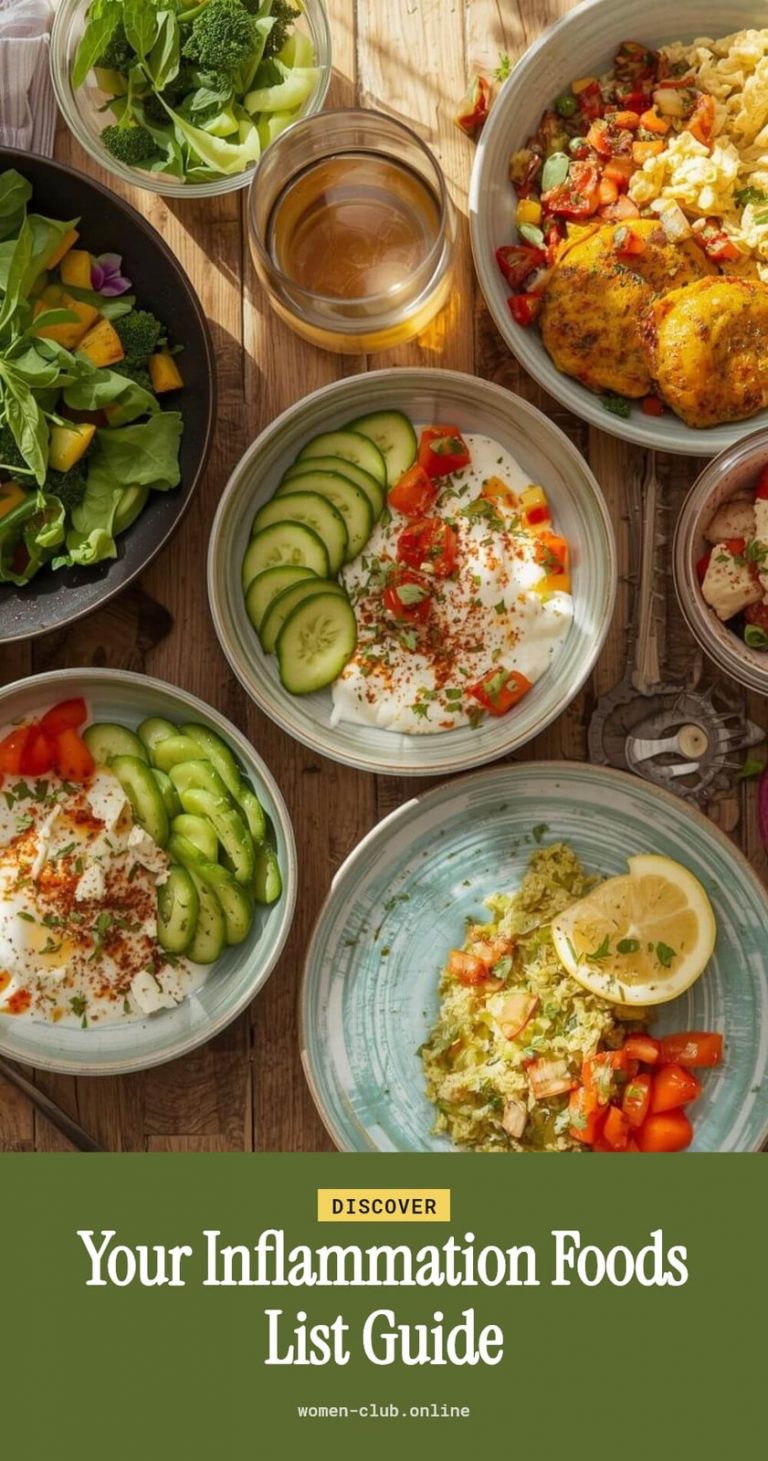
Your Comprehensive Inflammation Diet Meal Plan for Seven Days

If you’ve been dealing with stubborn aches, fatigue, or just want to feel better overall, you might be wondering if your plate has something to do with it. An anti-inflammatory diet meal plan is a practical way to support your body’s natural defenses by choosing foods that fight inflammation and avoiding ones that fuel it. This article walks you through a simple seven-day menu, a shopping list, and tips to make it stick.
Key Takeaways
- Focus on whole foods like fruits, vegetables, whole grains, and lean proteins.
- Include omega-3 sources like salmon, walnuts, and flaxseeds daily.
- Limit refined carbs, added sugars, and processed snacks.
- Use turmeric, ginger, and garlic to add flavor and anti-inflammatory benefits.
- Give your body weeks to months for noticeable changes.
What Is an Anti-Inflammatory Diet Meal Plan?
An anti-inflammatory diet meal plan centers on whole, unprocessed foods rich in antioxidants and omega-3s to support your body’s natural anti-inflammatory processes. It emphasizes fruits, vegetables, whole grains, lean proteins, and healthy fats while limiting refined sugars, unhealthy fats, and processed ingredients. This eating pattern closely resembles a Mediterranean-style diet, and it’s designed for consistent adherence over quick fixes. Think of it as a sustainable way of eating, not a strict set of rules.
Your Anti-Inflammatory Shopping List
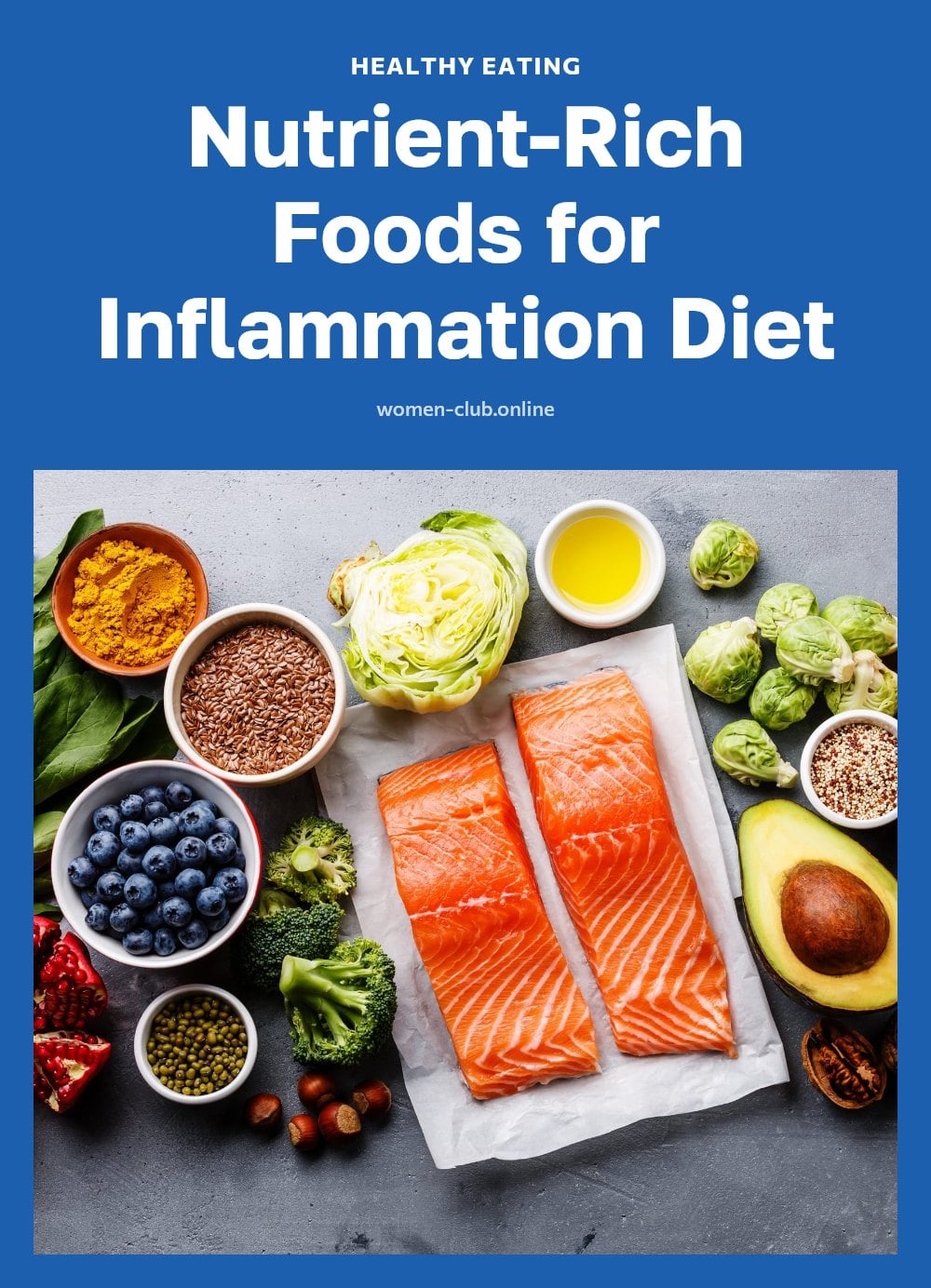
Stock your kitchen with these anti-inflammatory staples to make healthy meals easy all week.
- Fruits: Berries, citrus, and apples are packed with antioxidants.
- Vegetables: Leafy greens, cruciferous veggies, and bell peppers deliver vitamins and fiber.
- Fatty fish: Salmon, mackerel, and sardines provide omega-3s.
- Nuts and seeds: Almonds, walnuts, flaxseeds, and chia seeds offer healthy fats and fiber.
- Healthy oils: Extra virgin olive oil is a key anti-inflammatory fat.
- Whole grains: Oats, quinoa, and brown rice give you complex carbs and fiber.
- Legumes: Beans and lentils are excellent plant-based protein and fiber sources.
- Spices: Turmeric, ginger, garlic, and cinnamon are powerful anti-inflammatory additions.
- Lean poultry: Chicken and turkey provide healthy protein.
- Water: Plenty of it is crucial for hydration.
Your Seven-Day Anti-Inflammatory Meal Plan
This seven-day plan balances variety and nutrient density. Adjust portion sizes to your hunger and energy needs, and swap meals or ingredients based on what you have on hand. Keep the core principles in mind, and drink water throughout the day.
| Day | Breakfast | Lunch | Dinner |
|---|---|---|---|
| Monday | Oatmeal with berries, walnuts, and ground flaxseeds | Quinoa salad with chickpeas, bell peppers, and olive oil | Baked salmon with roasted broccoli and brown rice |
| Tuesday | Greek yogurt with chia seeds and sliced apple | Lentil soup with a side of mixed greens | Grilled chicken with sweet potato and steamed spinach |
| Wednesday | Smoothie with spinach, banana, and flaxseeds | Whole grain wrap with turkey, avocado, and greens | Stir-fried tofu with ginger, garlic, and vegetables over quinoa |
| Thursday | Scrambled eggs with spinach and whole grain toast, topped with walnuts | Mediterranean bowl with brown rice, cucumber, tomatoes, and feta | Mackerel with roasted Brussels sprouts and wild rice |
| Friday | Chia pudding with mixed berries and a sprinkle of flaxseeds | Black bean and corn salad with lime dressing | Baked cod with quinoa and sautéed kale |
| Saturday | Whole grain pancakes with fresh fruit and a side of walnuts | Grilled chicken salad with walnuts and orange segments | Turkey chili with beans and a side salad |
| Sunday | Omelet with mushrooms, onions, and bell peppers | Leftover turkey chili over brown rice | Roasted vegetable and lentil casserole |
For snacks, try a handful of almonds, carrot sticks with hummus, or a piece of fruit. Hydration is key, so keep a water bottle nearby.
Practical Tips for Success on Your Anti-Inflammatory Journey

These practical tips help you stay on track with your anti-inflammatory eating plan.
- Read food labels carefully: My tip: Always check for hidden sugars, unhealthy fats like trans fats, and artificial ingredients, even in products that look healthy. You’d be surprised what sneaks in.
- Prioritize hydration: I always keep a water bottle handy. Aim for at least 8 glasses of water a day; it’s vital for all bodily functions, including inflammation response.
- Embrace herbs and spices: Don’t be afraid to experiment. Turmeric, ginger, garlic, and cinnamon aren’t just for flavor; they’re powerhouses of anti-inflammatory compounds.
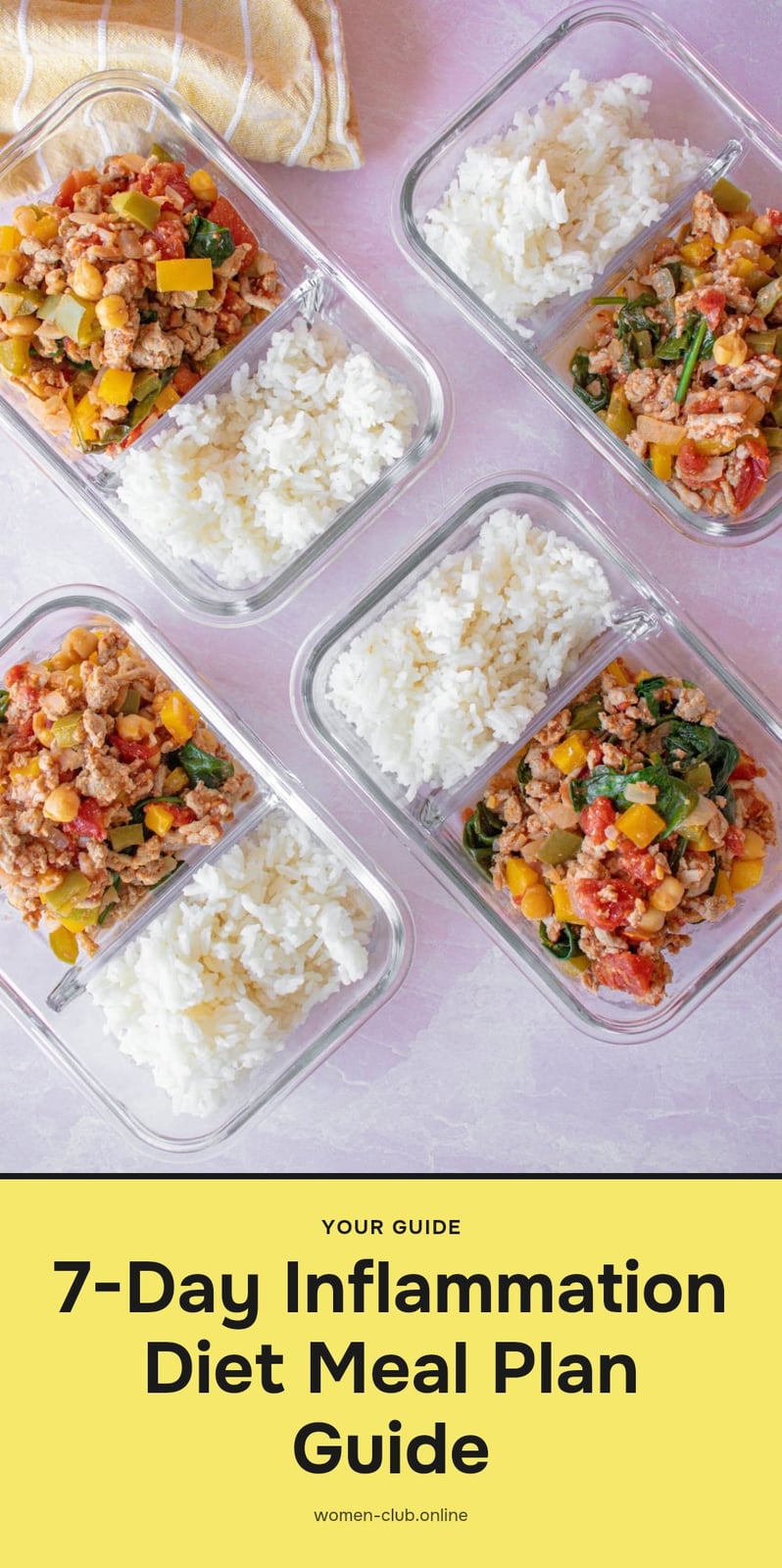
- Meal prep for convenience: On a busy week, prepping ingredients or whole meals on Sunday makes sticking to the plan much easier. Roast a big batch of veggies, cook some quinoa, or portion out nuts for snacks.
- Mindful eating: Pay attention to your body’s hunger and fullness cues. Eating slowly and savoring your meals can aid digestion and overall well-being.
Common Mistakes to Avoid on an Anti-Inflammatory Diet
Expecting overnight results is the fastest way to get discouraged. Consistency is truly key with an anti-inflammatory diet. Give your body time to respond, often over weeks or months, not days.
It is easy to get caught up in what you cannot eat, but the real benefit comes from focusing on all the nutrient-dense foods you can add to your plate. Diet is a major piece, but do not forget the bigger picture. Stress, sleep, and exercise all influence inflammation levels. My tip: think holistically and address each area.
Many people believe an anti-inflammatory diet has to be bland. With fresh produce, herbs, and spices, your meals can be incredibly flavorful and satisfying. If you have existing medical conditions or take medication, making significant dietary changes without professional guidance can be a mistake. Always check with your doctor or a registered dietitian before starting.
When to Consult a Healthcare Professional
You should consult a healthcare professional before starting this diet if you have a chronic inflammatory condition, such as rheumatoid arthritis, Crohn’s disease, or lupus. Also check with your doctor if you are currently taking medications, as dietary changes can sometimes interact with their effectiveness. Pregnant or breastfeeding individuals have unique nutritional needs and should seek guidance. If you experience any new or worsening symptoms after starting the diet, or if you have a history of eating disorders or restrictive eating patterns, professional support is essential.
Frequently Asked Questions
What foods should I avoid on an anti-inflammatory diet?
Steer clear of refined carbohydrates like white bread and pastries, added sugars, sugary drinks, and processed snacks. Also limit trans fats and excessive saturated fats often found in fried foods and fatty red meats. Reading labels can help you spot hidden inflammatory ingredients.
How quickly can I see results from an anti-inflammatory diet?
Some people notice improvements in symptoms like joint discomfort or energy levels within a few weeks, but it often takes consistent effort over months for significant, lasting changes. Your body needs time to adjust, so don’t expect overnight fixes.
Is an anti-inflammatory diet suitable for weight loss?
Yes, it can support weight loss because it emphasizes whole, nutrient-dense foods and limits empty calories from sugars and refined grains. However, portion sizes still matter. Adjust servings based on your hunger and activity level, and consult a professional if you have specific weight goals.
Can children follow an anti-inflammatory diet?
Generally, children can benefit from eating more whole foods and fewer processed items, but their nutritional needs differ from adults. Always consult a pediatrician or registered dietitian before making significant changes to a child’s diet, especially if they have medical conditions or are on medications.
What snacks are good for an anti-inflammatory diet?
Good snack choices include a handful of almonds or walnuts, fresh fruit like berries or an apple, carrot sticks with hummus, or a small serving of Greek yogurt with chia seeds. These provide fiber, healthy fats, and antioxidants without added sugars.
Final Thoughts
Starting an anti-inflammatory diet doesn’t have to be complicated. My tip: keep it simple by building each meal around a colorful vegetable, a lean protein, and a healthy fat like olive oil or avocado. You’ll likely notice small shifts in how you feel within a few weeks, but the real payoff comes from sticking with it for several months. Be patient with your body and let the food do its work.
This article is for general informational purposes only and is not a substitute for professional medical or dietary advice. Always consult a doctor or registered dietitian before making significant changes to your diet, especially if you have a medical condition, are pregnant, breastfeeding, or taking medications. If you experience new symptoms or adverse reactions, seek professional guidance.