
You know that feeling when you finish a meal and still feel hungry, or when cravings hit an hour later? Managing your appetite isn’t about willpower, it’s about working with your body’s natural signals. The right foods, eating habits, and lifestyle choices can help you feel satisfied longer and avoid those mid-afternoon snack attacks.
In this article, I’ll walk you through practical, science-backed strategies to control your appetite and stay full longer, from choosing the right nutrients to tweaking how you eat. You’ll also learn common mistakes to avoid and get answers to frequently asked questions.

Key Takeaways
- Build meals around protein, fiber, and healthy fats to slow digestion and boost fullness.
- Drink a glass of water before meals to avoid mistaking thirst for hunger.
- Eat slowly and mindfully, giving your brain 20 minutes to register fullness.
- Keep consistent meal times and don’t skip meals, especially breakfast.
- Aim for 7-9 hours of sleep nightly to balance appetite hormones.
How to Control Your Appetite and Stay Full Longer
To control your appetite and stay full longer, build meals around protein, fiber, and healthy fats. These nutrients work together to slow digestion and signal fullness to your brain. Beyond what you eat, how you eat matters too. Staying hydrated, eating mindfully, and keeping consistent meal times help regulate hunger signals so you can respond to your body’s true needs, not just cravings.
1. Prioritize Protein at Every Meal

Protein is the most satiating macronutrient, meaning it keeps hunger at bay better than carbs or fat. Including a lean source at every meal and snack can significantly reduce overall appetite.
- Animal options: Chicken, turkey, fish, eggs, or low-fat dairy
- Plant options: Beans, lentils, tofu, tempeh, or edamame
- Quick snack: A hard-boiled egg or a small Greek yogurt
2. Boost Your Fiber Intake

Fiber, especially soluble fiber, absorbs water and forms a gel in your digestive tract. This slows digestion and stretches your stomach, signaling fullness to your brain for hours.
- Vegetables: Broccoli, carrots, Brussels sprouts
- Fruits: Apples, berries, pears (with skin)
- Whole grains: Oats, quinoa, barley
- Nuts and seeds: Almonds, chia seeds, flaxseeds
3. Include Healthy Fats

Healthy fats slow stomach emptying, which means food stays in your stomach longer and you feel satisfied well after eating. Add a small serving to each meal for lasting satiety.
- Avocado: A few slices on toast or in a salad
- Nuts: A handful of almonds or walnuts
- Seeds: Pumpkin seeds or sunflower seeds
- Olive oil: Drizzle over roasted vegetables or grains
4. Stay Well Hydrated

Dehydration can easily mimic hunger, tricking you into eating when your body really needs water. Your brain’s signals for thirst and hunger are close together, so a sudden craving outside meal times is often a false alarm.
My tip: Drink a full glass of water first whenever you feel an unexpected urge to eat. Wait 10 minutes. If the hunger fades, it was thirst. Sip water throughout the day, especially before meals, to stay ahead of the confusion.
5. Practice Mindful Eating
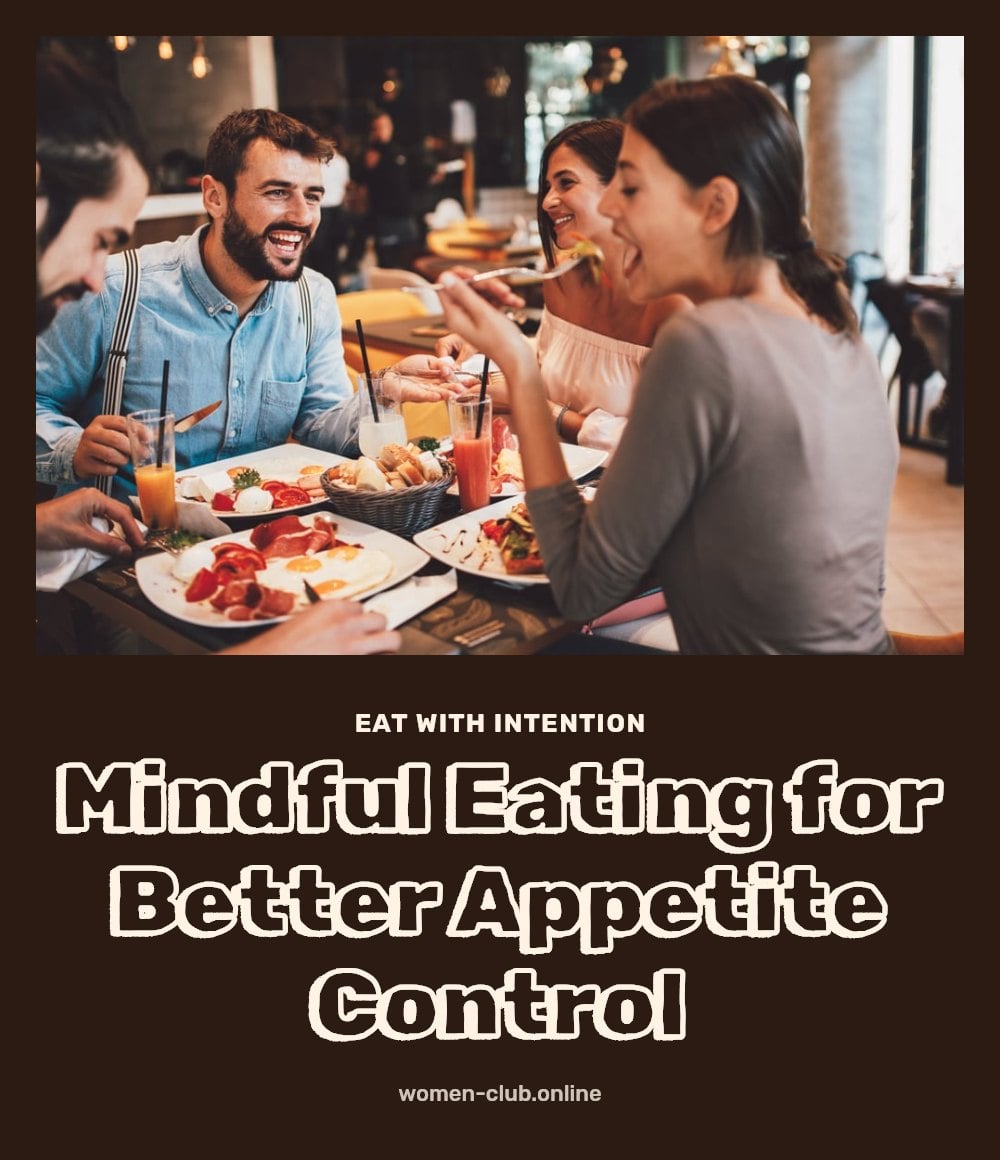
Mindful eating means tuning into your body’s real hunger and fullness signals while you eat. It’s the opposite of distracted eating, no phone, no TV, no rushing. Slow down, chew each bite, and really taste your food.
This practice gives your brain the 20 minutes it needs to register fullness, so you stop when satisfied, not stuffed. You’ll feel more satisfied with less food because you’re paying attention.
6. Eat Consistently Timed Meals
Skipping meals, especially breakfast, sets you up for a hunger crash later that often leads to overeating. Your body’s hunger hormones spike when you go too long without fuel, making it harder to stop once you start eating.
Aim for meals at roughly the same times each day. This routine helps regulate ghrelin and insulin, keeping energy stable and preventing that ravenous feeling that derails your appetite control.
7. Get Enough Quality Sleep
Skimping on sleep disrupts two key appetite hormones: ghrelin (which triggers hunger) rises, and leptin (which signals fullness) drops. The result is a double hit. You feel hungrier and less satisfied after eating.
Prioritizing 7-9 hours of quality sleep each night helps keep these hormones balanced. Consistent sleep habits can noticeably reduce those extra cravings and make your appetite easier to manage throughout the day.
8. Manage Stress Effectively
Stress affects appetite differently for everyone. Some people crave high-calorie foods, while others lose interest in eating entirely. Both patterns can derail your appetite control. Incorporating stress management techniques like meditation, yoga, or a brisk walk helps stabilize hunger hormones and reduces the urge to eat for emotional reasons. Even five minutes of deep breathing before a meal can reset your focus.
9. Chew Your Food Thoroughly
Chewing each bite thoroughly gives your brain time to register that you are eating. It takes about 20 minutes for fullness signals to reach your brain, so slowing down at the start of a meal helps you stop when you are truly satisfied. This simple habit can reduce overall intake without making you feel deprived, and many people find it boosts meal satisfaction as well.
10. Eat a Variety of Textures
A meal with varied textures keeps your palate engaged and increases satisfaction. Crunchy vegetables, creamy avocado, chewy whole grains, and tender proteins each trigger different sensory responses that signal fullness. Mix textures in every meal: toss roasted chickpeas onto a salad, add nuts to oatmeal, or layer crunchy slaw on a sandwich. Your brain registers the variety as a more complete eating experience.
11. Choose Whole, Unprocessed Foods
Whole foods like vegetables, fruits, legumes, and whole grains naturally contain more fiber, water, and nutrients than processed alternatives. A bowl of oatmeal with berries delivers lasting fullness, while a packaged granola bar with similar calories leaves you hungry soon after. Choose foods in their original form whenever possible. Your body processes them more slowly, keeping blood sugar stable and hunger at bay.
Common Mistakes to Avoid When Managing Appetite
Believing all calories are equal: Not all calories affect fullness the same way. A 200-calorie apple provides fiber and water that fill you up, while 200 calories of chips offer little satiety. Focus on nutrient density, not just the number.
Ignoring thirst signals: Your brain can confuse thirst with hunger. My tip: When you feel a sudden urge to eat outside of your usual meal times, drink a glass of water first. Wait a few minutes to see if the feeling passes.
Eating too quickly: Your brain needs about 20 minutes to register fullness. Eating fast means you can overeat before your body knows it’s satisfied. Put your fork down between bites and chew thoroughly.
Thinking all hunger means ‘eat now’: True physiological hunger builds gradually and is satisfied by any food. Emotional hunger or cravings often feel sudden and specific. Pause to assess: are you actually hungry, or bored, stressed, or thirsty? A distraction or water may be enough.
Underestimating sleep and stress: Poor sleep raises ghrelin (hunger hormone) and lowers leptin (satiety hormone), while chronic stress can trigger cravings. No diet can fully compensate for neglecting these factors. Prioritize 7-9 hours of sleep and daily stress management.
Frequently Asked Questions
Can stress affect my appetite?
Yes, stress can change your appetite in different ways. Some people feel hungrier and crave high-calorie foods, while others lose their appetite entirely. Both responses can disrupt your eating patterns. Managing stress through techniques like meditation, yoga, or a brisk walk can help stabilize your hunger hormones and reduce stress-related eating.
How does sleep impact hunger?
Lack of sleep disrupts two key appetite hormones: ghrelin, which triggers hunger, goes up, and leptin, which signals fullness, goes down. That means you feel hungrier and less satisfied after eating. Prioritizing 7-9 hours of quality sleep each night helps keep these hormones balanced, making it easier to control your appetite.
Is it bad to feel hungry sometimes?
Feeling hungry occasionally is normal and not harmful. It’s your body’s way of telling you it needs fuel. What matters is the type of hunger: if it’s a mild stomach growl, it’s time to eat, but if it’s sudden and intense, you might actually be thirsty or stressed. Assess the situation before reaching for food, and choose a balanced snack if you’re truly hungry.
What are the best snacks for appetite control?
Snacks that combine protein, fiber, and healthy fats are best for keeping you full. Good options include an apple with peanut butter, Greek yogurt with berries, a handful of almonds, or hummus with carrot sticks. These combinations slow digestion and provide lasting energy, unlike processed snacks that leave you hungry soon after.
How quickly will I see results from these tips?
You may notice a difference in how full you feel right after your first meal using these strategies. However, more consistent appetite control develops over several weeks as your body adjusts to new eating habits and your hunger hormones regulate. Be patient and stick with it, the results are worth the effort.
Final Thoughts
Start with one or two changes that feel doable, like adding protein to your breakfast or drinking water before lunch. These small shifts can make a noticeable difference in how full you feel after meals right away, and with consistent practice over a few weeks, your appetite signals should become more regular and easier to manage.
Remember, appetite control is a skill you build, not a perfect outcome. Be patient with yourself and focus on progress, not perfection. If you have persistent concerns about your appetite or are planning major dietary changes, a quick chat with a healthcare professional can provide personalized guidance.
This article is for general informational purposes only and is not a substitute for professional medical advice. Always consult a doctor or registered dietitian before making significant dietary changes, especially if you have underlying health conditions or concerns about your appetite. If you experience sudden, unexplained changes in appetite, seek medical guidance.