
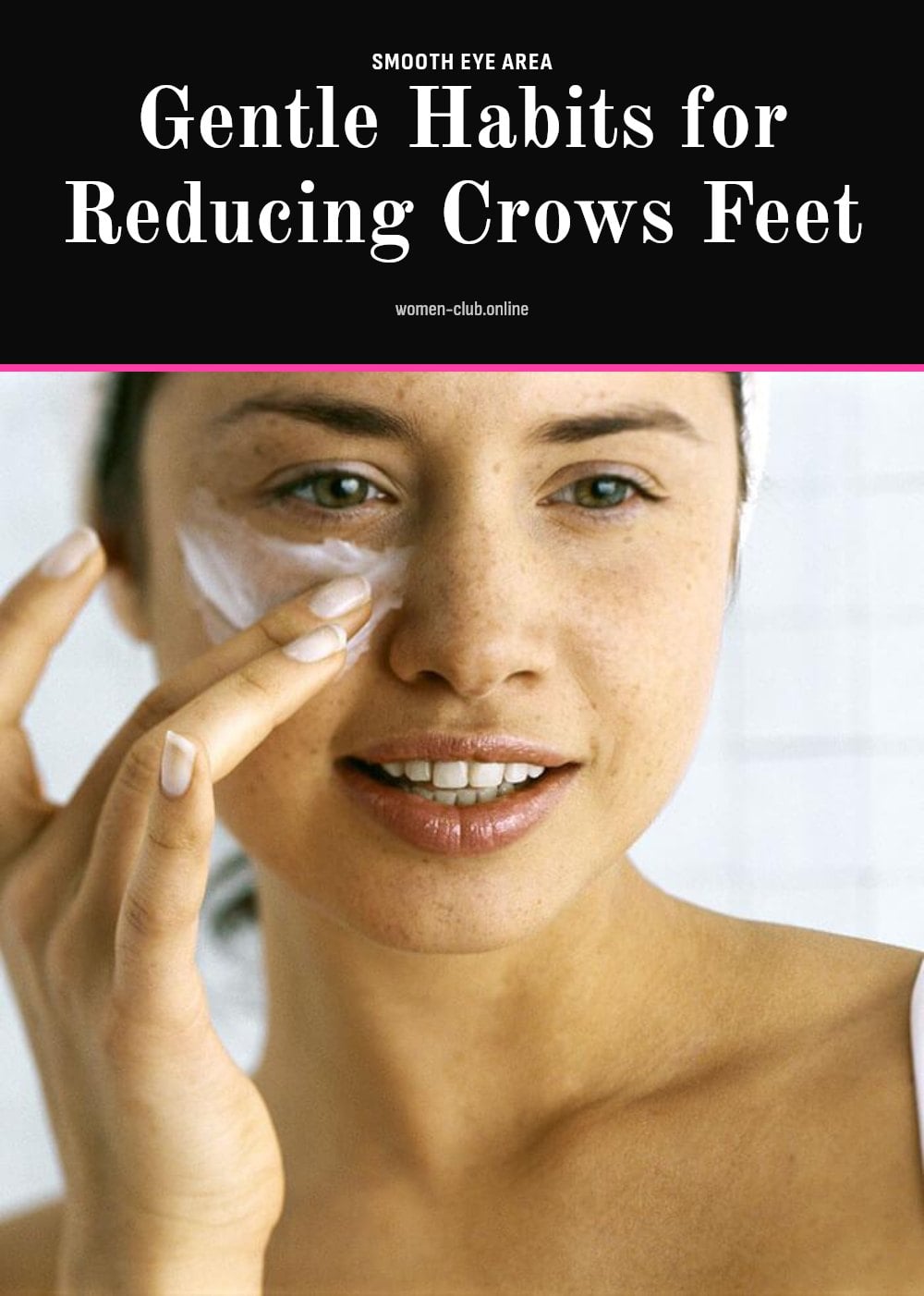
You’ve probably noticed those little lines at the corners of your eyes when you smile or squint. They’re called crow’s feet, and while they’re a completely normal part of life, you can take steps to soften their appearance and keep new ones from forming. This article covers the most effective strategies, from daily SPF and targeted eye creams to simple habits that protect your delicate eye area.
Key Takeaways
- Apply a broad-spectrum SPF 30 or higher around your eyes every day, even indoors.
- Use an eye cream with retinoids, hyaluronic acid, or antioxidants for targeted care.
- Pat eye cream gently with your ring finger, never rub or pull the skin.
- Wear sunglasses and a wide-brimmed hat to reduce squinting and sun exposure.
- Expect visible improvements from consistent use within 4 to 12 weeks.
What Are Crow’s Feet?
Crow’s feet are those fine lines and wrinkles that creep out from the outer corners of your eyes. Medically, they’re called lateral canthal lines. They start as dynamic wrinkles that show up when you smile or squint, but over time they can become static, meaning they’re visible even when your face is relaxed. The main reasons they appear are the naturally thin, delicate skin around your eyes, ongoing sun exposure, and the gradual loss of collagen that happens as we age.
1. Prioritize Daily Broad-Spectrum SPF

Consistent sun protection is my number one tip for preventing and managing crow’s feet. UV radiation is a major accelerator of skin aging and wrinkle formation around the eyes.
- Apply daily: Use a broad-spectrum SPF 30 or higher around your entire orbital bone every single day, even on cloudy days or when you’re indoors near windows.
- Reapply as needed: If you’re spending time outdoors, reapply every two hours.
2. Invest in a Retinoid Eye Cream
Retinoids, which are derivatives of Vitamin A, are powerhouses for stimulating collagen production and reducing the appearance of existing wrinkles. Look for an eye cream specifically formulated with retinol or a gentler retinoid.
My tip: Start with a low concentration a few times a week and gradually increase frequency to avoid irritation, as the skin around the eyes is sensitive. Always patch test a new product first.
3. Boost Hydration with Hyaluronic Acid
Hyaluronic acid is a fantastic humectant that draws moisture into the skin, temporarily plumping it up and making fine lines less noticeable. It won’t permanently erase wrinkles, but it makes a significant difference in their immediate appearance. I always recommend an eye cream with hyaluronic acid for that instant smoothing effect and deep hydration.
4. Incorporate Antioxidant-Rich Products
Antioxidants like Vitamin C and E are crucial for protecting your delicate eye area from environmental damage. They neutralize free radicals that break down collagen and elastin, which keeps wrinkles at bay.
Look for eye creams that combine these protective ingredients. Using them daily, especially under your SPF, gives your skin an extra shield against premature aging.
5. Apply Eye Cream Gently
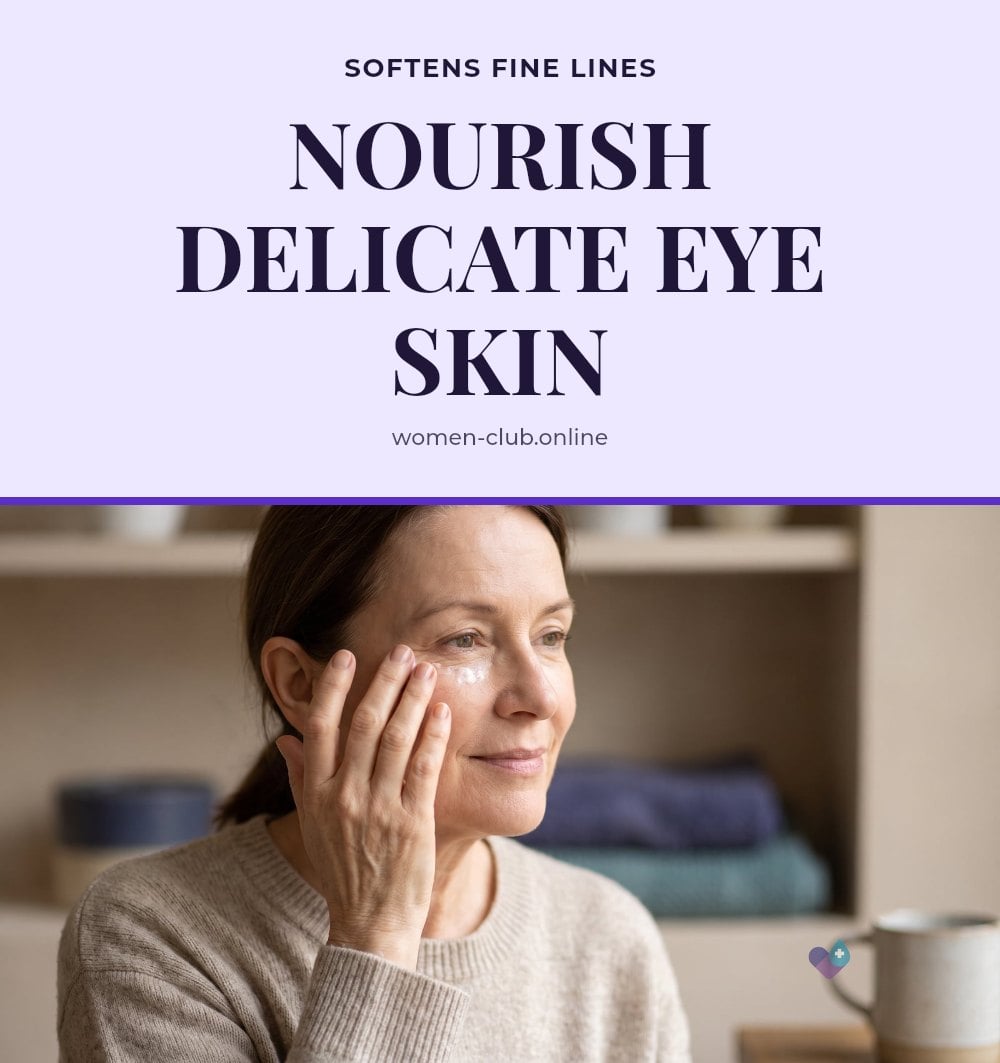
The skin around your eyes is incredibly delicate, so how you apply products matters. Always use your ring finger, it applies the least pressure, and gently pat the eye cream around your orbital bone. Never rub or pull.
Avoid applying too close to your lash line, which can cause irritation. Patting, not rubbing, helps the product absorb without stretching the skin.
6. Wear Sunglasses and Hats

Beyond SPF, physical protection is key to preventing crow’s feet. Wearing sunglasses reduces squinting, which lessens the repetitive muscle contractions that form these lines. A wide-brimmed hat adds an extra layer of defense against sun exposure when you’re outdoors.
Make sunglasses and a hat your go-to accessories on sunny days. Your eyes and the skin around them will thank you.
7. Stay Well-Hydrated Internally
Drinking plenty of water throughout the day is crucial for overall skin health, including the delicate eye area. Dehydration can make fine lines appear more prominent, even if it doesn’t cause permanent wrinkles.
My tip: Keep a water bottle handy and sip consistently to support your skin from the inside out. Aim for at least 8 glasses a day to keep your skin plump and hydrated.
8. Prioritize Quality Sleep
Your skin does its main repair and regeneration work while you sleep. When you skimp on sleep, fine lines look more prominent and your skin appears duller. Aim for 7-9 hours of quality sleep each night to give your skin the best chance to rejuvenate.
9. Avoid Harsh Cleansers and Exfoliants
The skin around your eyes is much thinner and more sensitive than the rest of your face. Harsh cleansers or exfoliants strip its natural oils, leading to dryness and irritation that can actually make lines look worse. Stick to gentle, hydrating cleansers for your entire face, and keep abrasive products away from your eyes.
10. Quit Smoking for Healthier Skin
If you smoke, quitting is one of the most impactful changes you can make for your skin. Smoking accelerates aging by breaking down collagen and elastin, directly contributing to crow’s feet and other wrinkles. It actively counteracts every other effort you make to keep your skin looking healthy.
11. Be Patient and Consistent
Skin care is a marathon, not a sprint. You won’t see results overnight, and that is normal. Consistent use of eye creams and daily sun protection typically shows visible improvements within 4-12 weeks. My advice: Stick with your routine; continued use is essential for maintaining results and preventing further development of crow’s feet.
When to Consult a Dermatologist
If over-the-counter products aren’t giving you the results you want for deeper crow’s feet, it may be time to see a dermatologist. Persistent irritation, redness, itching, swelling, or burning from any eye product also warrants a professional opinion. A dermatologist can assess your skin and discuss options like Botox, fillers, or laser therapy, which can offer more dramatic results for deeper lines.
Frequently Asked Questions
Can crow’s feet be completely removed?
No topical product can completely erase crow’s feet. However, consistent use of SPF, retinoid eye creams, and good habits can significantly reduce their appearance and prevent them from deepening. For deeper lines, a dermatologist may offer more advanced options.
Is it okay to use facial moisturizer around the eyes?
It’s not ideal. Facial moisturizers are often too heavy or lack the targeted ingredients like retinoids, peptides, or hyaluronic acid that eye creams are formulated with. They may also cause irritation if they get too close to the lash line, so stick with a dedicated eye cream.
Do sunglasses really help prevent crow’s feet?
Yes, they do. Wearing sunglasses reduces squinting, which lessens the repetitive muscle contractions that cause crow’s feet. They also block UV rays, a major contributor to skin aging, so they offer double protection for the delicate eye area.
How long does it take to see results from eye creams?
You can expect to see visible improvements within 4 to 12 weeks of consistent daily use. Results vary depending on the product and your skin, but continued use is necessary to maintain any benefits. Patience is key.
What causes crow’s feet?
Crow’s feet form from a combination of factors: repetitive facial movements like smiling and squinting, sun exposure that breaks down collagen and elastin, and the natural aging process. The thin, delicate skin around the eyes makes it especially prone to these lines.
Final Thoughts
Start with the two non-negotiables: daily broad-spectrum SPF and a gentle eye cream with proven ingredients like retinoids or hyaluronic acid. Be realistic about results, you’ll likely see a visible difference within 4 to 12 weeks of consistent use, but ongoing care is key to maintaining those improvements. Your skin will thank you for the patience and the protection.
This article is for general informational purposes only and does not constitute medical or dermatological advice. Individual results may vary. If you have persistent skin concerns or severe wrinkles, please consult a board-certified dermatologist for a professional evaluation and treatment plan.