
If your hair feels dry, brittle, or breaks easily, you’re not alone. Heat styling, chemical treatments, and even harsh brushing can damage the cuticle, leaving strands weak and dull. The good news is that with the right routine, you can significantly improve your hair’s health in a matter of weeks.
This article covers a step-by-step repair routine, targeted treatments, common mistakes to avoid, and how to prevent future damage. You’ll also learn how long it takes to see results and when to seek professional help.
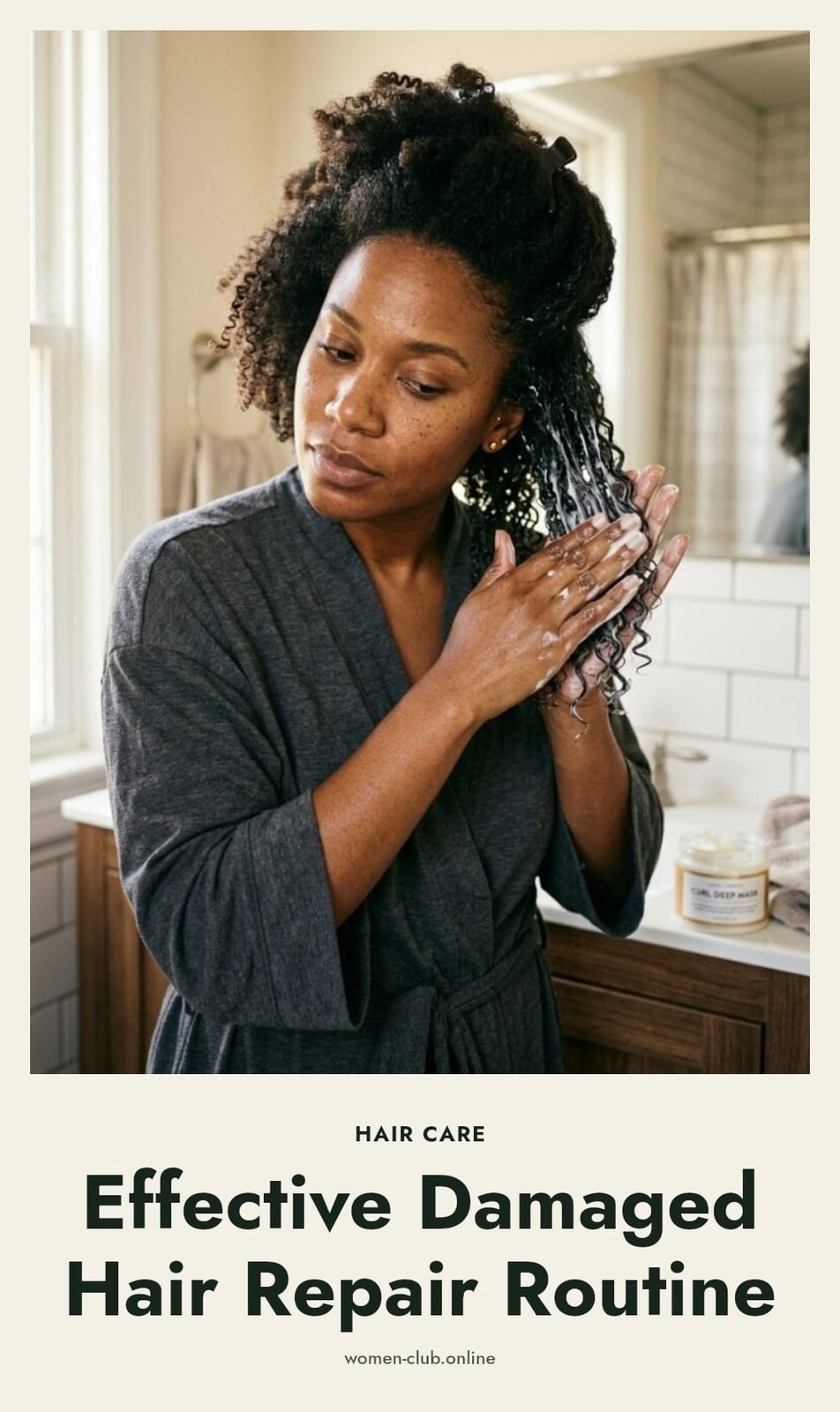
Key Takeaways
- Use a deep conditioning mask 1-2 times weekly to restore moisture.
- Always apply heat protectant before using any hot styling tools.
- Detangle wet hair gently with a wide-tooth comb, starting at the ends.
- Get a trim every 6-8 weeks to remove split ends.
- Expect visible improvement in 4-8 weeks with consistent care.
How to Repair Damaged Hair
Repairing damaged hair starts with a consistent routine: handle strands gently, deep condition weekly, and shield them from further harm. Focus on restoring moisture and rebuilding the cuticle with targeted products like sulfate-free shampoos and nourishing masks. Mindful styling, such as air drying and using heat protectants, makes a real difference. While many improvements show within weeks, severe damage often needs regular trims and time for healthier hair to grow in.
Why Your Hair Gets Damaged
What’s Behind the Damage
I’ve seen my own hair suffer from too much heat styling, and it’s no surprise that blow dryers, flat irons, and curling wands are top culprits. High temperatures lift the cuticle, the outer layer that protects your strands, leaving them vulnerable to moisture loss and breakage.
Chemical treatments like coloring, perms, and relaxers weaken the hair’s internal structure, making it less elastic and more prone to snapping. Even your daily habits matter: rough brushing, tight ponytails, and UV exposure can strip away natural oils and cause dullness, frizz, and split ends.
- Heat styling: Damages the cuticle, causing it to lift.
- Chemicals: Weaken the hair shaft from within.
- Rough handling: Leads to breakage and frayed ends.
- Environment: Sun and pollution contribute to dullness.
Essential Tools and Products for Hair Repair
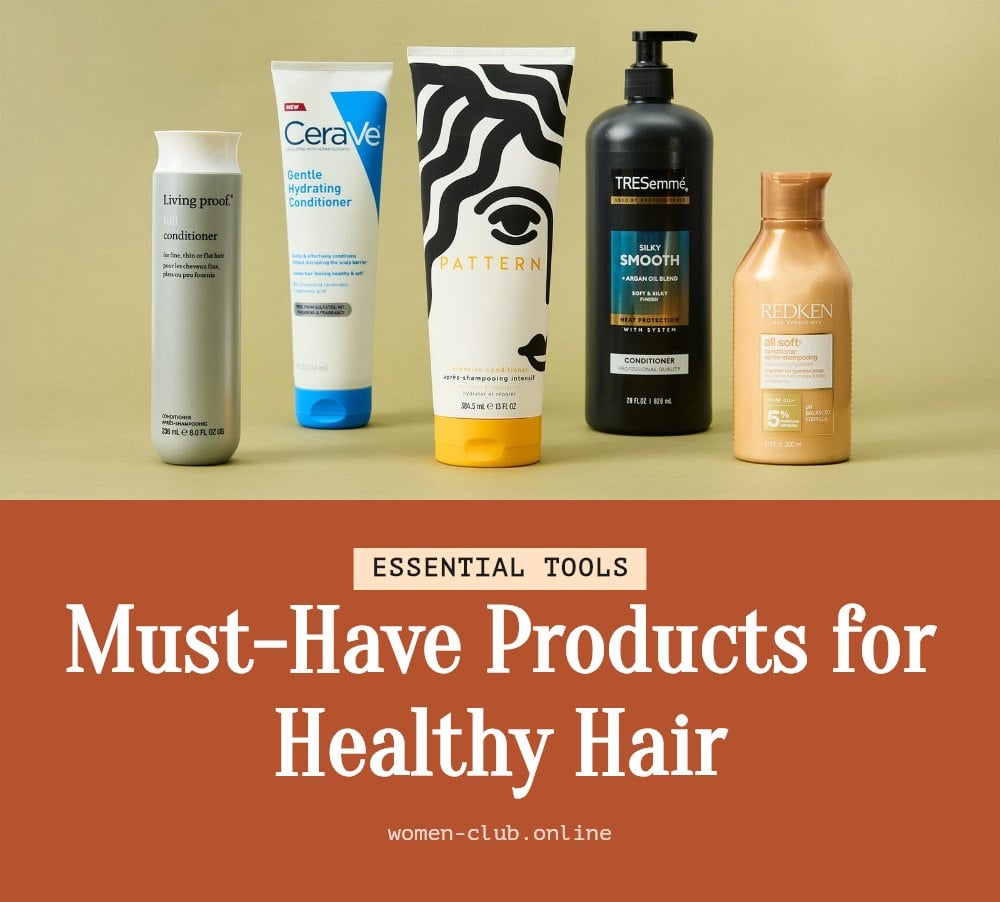
To repair damaged hair, you need the right tools and products. A sulfate-free shampoo and deep conditioner clean without stripping natural oils, keeping hair hydrated. A wide-tooth comb is essential for detangling wet hair gently, starting from the ends to prevent breakage. Heat protectant spray creates a barrier between your strands and hot tools, reducing thermal damage. Hair oils, like argan or jojoba, seal the cuticle and lock in moisture. Leave-in conditioner provides daily hydration and protects against environmental stressors.
Your Step-by-Step Damaged Hair Repair Routine
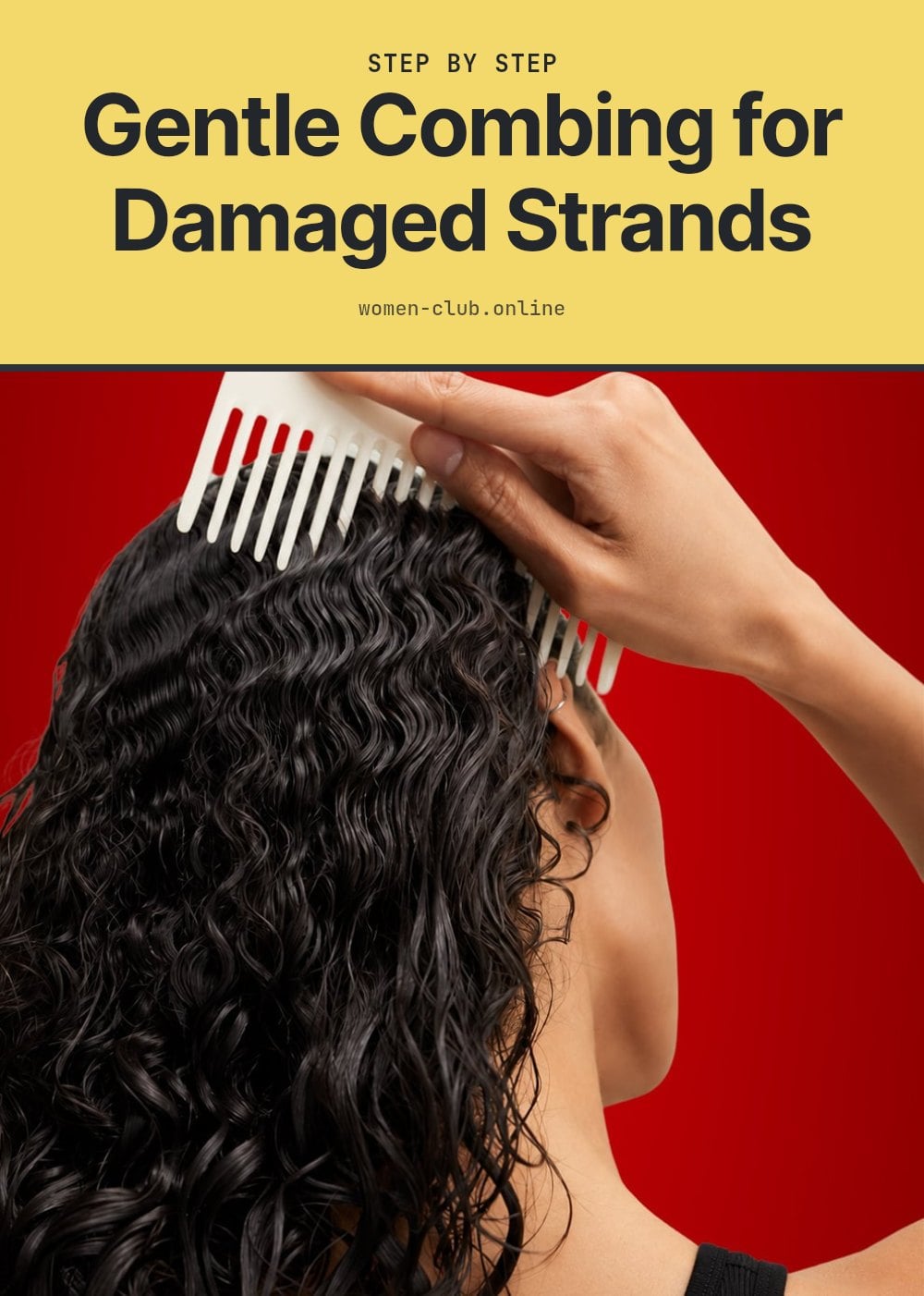
Follow this routine consistently, and you’ll see real improvement in 4 to 8 weeks.
- Wash gently: Use a sulfate-free shampoo, focusing on your scalp. Let the suds rinse through the ends, which are older and more fragile.
- Deep condition weekly: Apply a deep conditioner or mask from mid-length to ends. Leave it on for 5 to 10 minutes (or as directed) to restore moisture and elasticity.
- Detangle with care: After washing, use a wide-tooth comb on wet hair. Start at the ends and work up to the roots to avoid snapping strands.
- Apply heat protectant: If you must use heat, spray a protectant evenly over damp hair. This barrier reduces damage even on low settings.
- Air dry whenever possible: Skip the blow dryer and let your hair dry naturally. If you need volume, use a diffuser on low heat.
- Trim regularly: Book a trim every 6 to 8 weeks to remove split ends and stop them from traveling up the shaft.
Targeted Treatments for Specific Damage Concerns
Targeted Treatments for Specific Damage Concerns
Not all damage is the same, so your repair strategy should match your hair’s specific needs. For dry, brittle strands, a moisturizing mask is your best friend. These masks are packed with humectants and emollients that pull moisture into the hair shaft and lock it in. Use one 1-2 times a week, leaving it on for 5-10 minutes under a shower cap for deeper penetration.
If your hair feels weak and breaks easily, a protein treatment can help by filling in gaps in the hair shaft. Caution: Protein is powerful, but overusing it can make hair stiff and more prone to breakage. Stick to a protein treatment every 4-6 weeks, and always follow up with a moisturizing conditioner to restore balance.
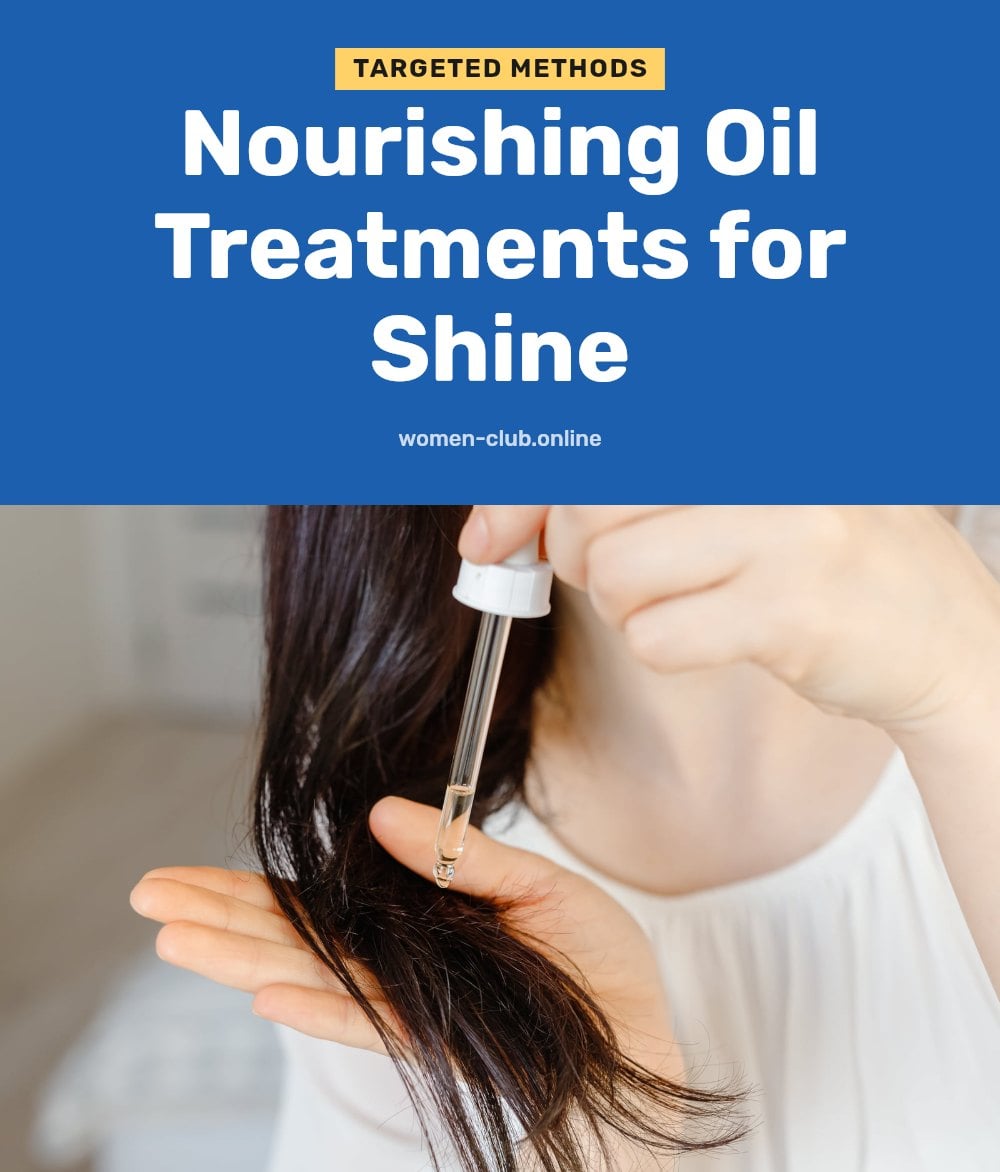
For daily maintenance, a leave-in conditioner provides ongoing moisture and protection against environmental stressors. Spray it on damp hair after washing, focusing on the mid-lengths and ends. Hair oils like argan or jojoba seal the cuticle, locking in moisture and adding shine. Apply a few drops to your palms, warm them up, and smooth over dry ends.
Common Mistakes That Make Damaged Hair Worse
Common Mistakes That Make Damaged Hair Worse
Even with the best intentions, certain habits can sabotage your repair efforts. The biggest myth is that split ends can be repaired without cutting them. No product can truly fuse a split end back together; the only solution is a trim. Skipping trims allows splits to travel up the hair shaft, causing more breakage.
Another common pitfall is overusing protein treatments. While protein strengthens hair, too much can make it brittle and snap easily. Stick to a schedule and always pair with moisture. Similarly, skipping heat protectant even on low heat settings is a mistake. Heat protectants create a barrier that reduces thermal damage, so never skip it.
Brushing wet hair aggressively from the roots down is a surefire way to cause breakage. Instead, detangle gently from the ends upward with a wide-tooth comb. Finally, washing hair too often with harsh shampoos strips natural oils. Aim for 2-3 times a week with a sulfate-free formula.
Preventing Future Hair Damage

Preventing Future Hair Damage
Once your hair is on the mend, keep it healthy with these habits:
- Minimize heat styling: Let your hair air dry when you can, and always spray on a heat protectant before using any hot tools.
- Choose gentle hair ties: Soft fabric scrunchies or spiral hair ties reduce tension and prevent breakage. Avoid tight ponytails, especially when hair is wet.
- Protect from sun: UV rays can weaken the hair cuticle. Wear a hat or use a UV-protectant spray when spending time outdoors.
- Sleep on silk: A silk or satin pillowcase reduces friction, preventing tangles and breakage while you sleep.
- Space out chemical treatments: Give your hair at least 4-6 weeks between coloring or perming sessions, and always do a patch test before applying new chemicals.
How Long Until You See Results and Cost Considerations
How Long Until You See Results and Cost Considerations
With consistent care, you can expect to see significant improvement in 4 to 8 weeks. Your hair will feel softer, look shinier, and break less. However, full restoration depends on how much new hair growth is needed. For severe damage, it may take several months to a year to grow out the compromised strands completely.
Costs vary widely: drugstore products like sulfate-free shampoos and deep conditioners are affordable and effective, while salon-grade treatments can cost more. Consistency matters far more than the price tag. Stick to your routine, and your hair will thank you.
When to Consult a Professional
If your hair is severely damaged and you notice scalp irritation, excessive hair loss, or open sores, see a dermatologist. These symptoms can signal an underlying condition that needs medical attention, not just a new conditioner.
For chemical damage or significant breakage, a professional stylist can provide specialized treatments like bond builders and give you a personalized plan. They can also trim strategically to remove damage without sacrificing length.
Suspect an allergic reaction to a product? Stop using it immediately and seek medical advice if you experience itching, redness, or swelling. A patch test before any new chemical treatment can help you avoid this situation altogether.
Frequently Asked Questions
How often should I use a protein treatment on damaged hair?
Protein treatments can help strengthen damaged hair, but overuse can cause stiffness and breakage. A good rule of thumb is to use a protein treatment once a month, or every other week if your hair is very damaged. If your hair feels stiff or brittle after a protein treatment, cut back on frequency and focus on moisturizing masks instead.
Can I completely reverse hair damage?
No product can truly reverse damage to the hair shaft that has already occurred, especially split ends. However, you can significantly improve the appearance and strength of your hair with consistent care, and as new, healthy hair grows in, the damaged ends can be trimmed away. Full restoration depends on how much new growth you have.
Is air drying always better for damaged hair?
Air drying is generally gentler than heat styling, but it’s not always the best option. If you air dry, avoid rubbing your hair with a towel, which can cause breakage. Instead, gently squeeze out excess water with a microfiber towel. If you must use heat, always apply a heat protectant and use the lowest effective setting.
What’s the best way to detangle severely damaged hair?
For severely damaged hair, detangle very gently while it’s wet and coated with conditioner. Use a wide-tooth comb, starting at the very ends and working your way up in small sections. Never pull or yank through tangles. If you encounter a knot, hold the hair above it and gently work it out with your fingers.
How long does it take to see results from a hair repair routine?
With consistent care, you can expect to see significant improvement in 4 to 8 weeks. Your hair will feel softer and look shinier, and you’ll notice less breakage. However, full restoration depends on how much new hair growth you have, which can take several months to a year.
Final Thoughts
Repairing damaged hair takes time and consistency, but it’s absolutely possible. Stick to a gentle routine: wash with sulfate-free products, deep condition weekly, and protect your strands from heat and friction. Remember, regular trims are non-negotiable for getting rid of split ends.
You’ll likely notice softer, shinier hair within 4 to 8 weeks, but full restoration can take several months to a year depending on how severe the damage is and how fast your hair grows. Be patient and keep at it, your hair will thank you.
This article is for general information only and is not a substitute for professional medical or hair care advice. If you have severe damage, scalp irritation, excessive hair loss, or open sores, please consult a dermatologist or a qualified hair care professional for a proper diagnosis and treatment plan.








