
Dealing with an itchy, flaky scalp can be frustrating, but you’re not alone. Dandruff is a common condition that often comes down to an overgrowth of a yeast-like fungus on your scalp. The good news is that with the right shampoo and a few gentle habits, you can get flakes under control. This article walks you through a simple, step-by-step routine to help you manage dandruff and keep your scalp feeling comfortable.
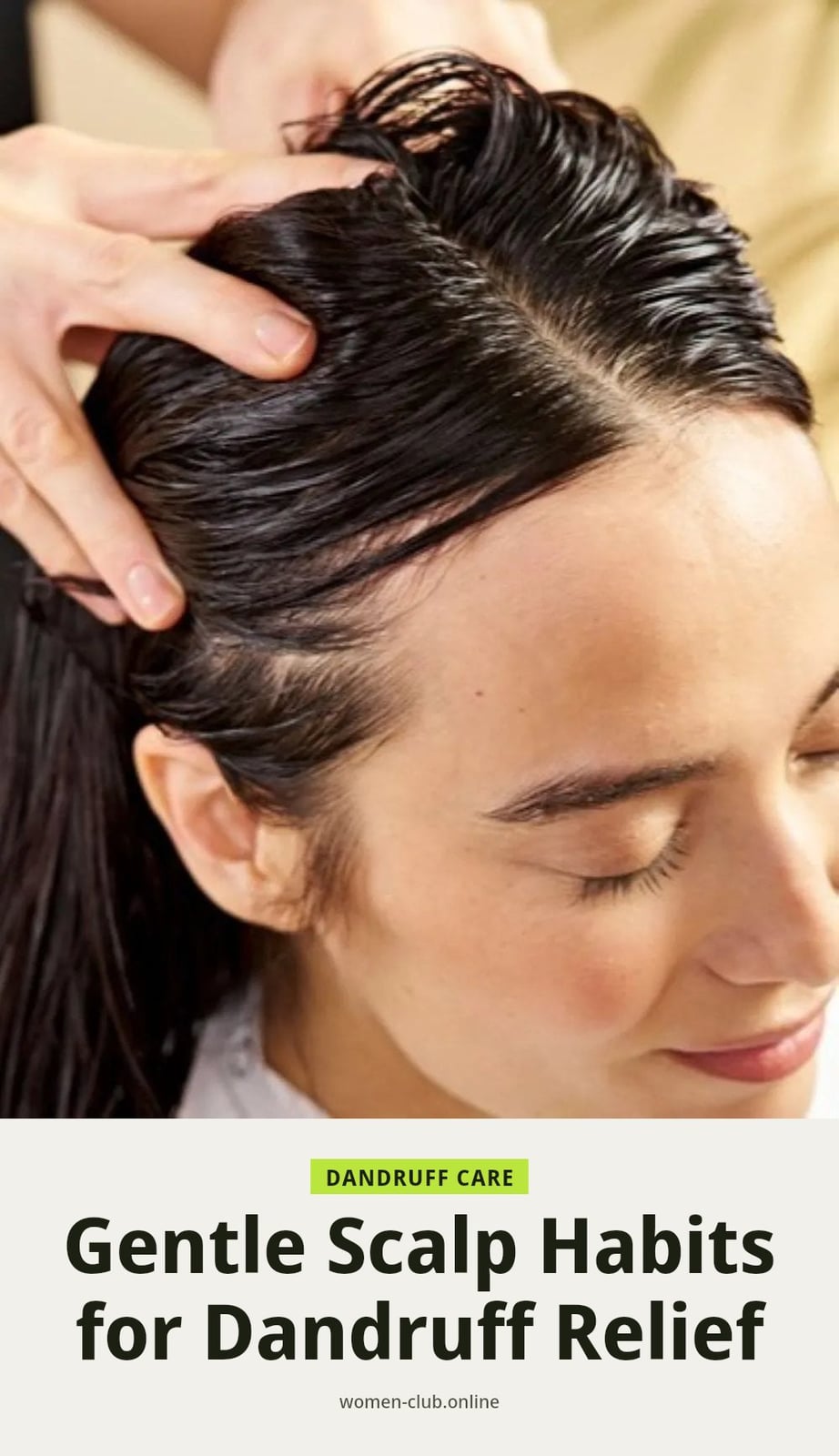
Key Takeaways
- Use an anti-dandruff shampoo with zinc pyrithione, selenium sulfide, ketoconazole, salicylic acid, or coal tar.
- Massage shampoo into your scalp and leave it on for 3 to 5 minutes.
- Shampoo 2 to 3 times a week, but avoid over-washing to prevent irritation.
- Apply conditioner only to hair lengths, not the scalp, to avoid clogging pores.
- If symptoms don’t improve after several weeks, see a dermatologist.
What is Dandruff and How to Manage It?
Dandruff is a common scalp condition that shows up as white or yellowish flakes of dead skin, often with an itchy scalp. It’s primarily caused by an overgrowth of Malassezia globosa, a yeast-like fungus that feeds on the natural oils on your scalp. Effective management usually involves using specialized anti-dandruff shampoos and sticking with a consistent, gentle scalp care routine.
1. Choose the Right Anti-Dandruff Shampoo
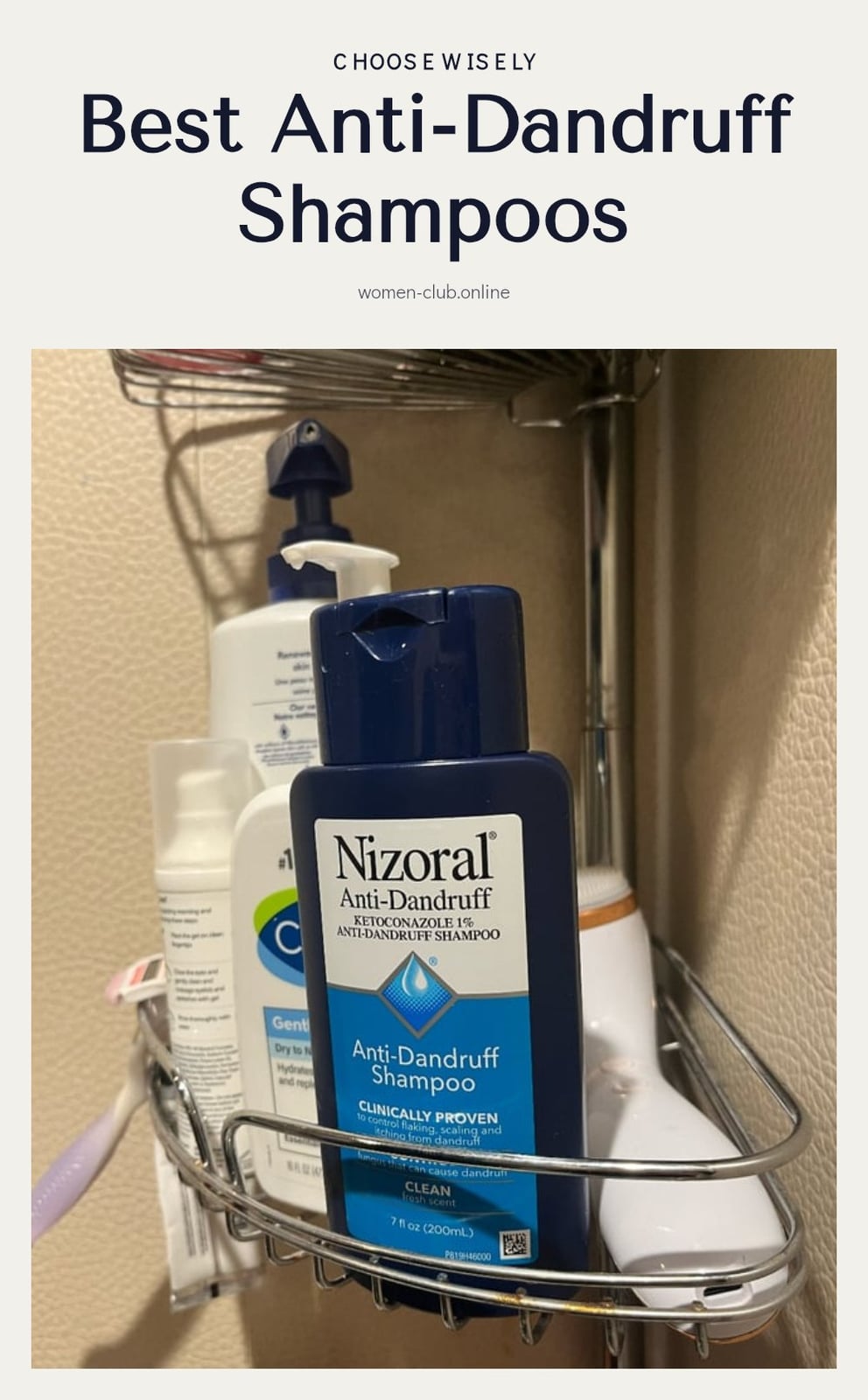
Look for an anti-dandruff shampoo that contains one of these active ingredients: zinc pyrithione, selenium sulfide, ketoconazole, salicylic acid, or coal tar. Each works differently: some reduce fungus growth, others slow down skin cell turnover, and some help exfoliate the scalp.
- Zinc pyrithione and selenium sulfide target the fungus directly.
- Ketoconazole is a strong antifungal.
- Salicylic acid helps remove flakes by exfoliating.
- Coal tar slows cell turnover.
My tip: If one shampoo stops working after a while, try switching to another with a different active ingredient. Rotating between two types can keep your scalp from getting too used to one formula.
2. Apply Shampoo Directly to Scalp
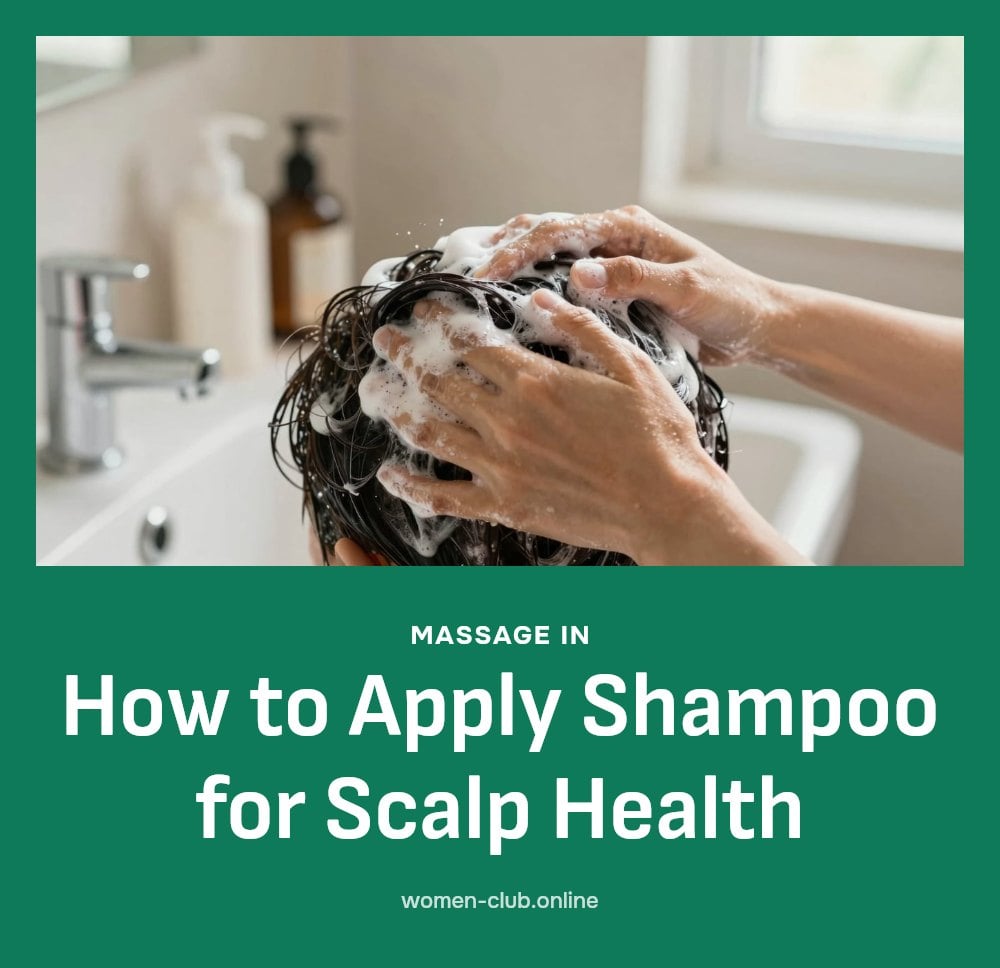
Focus the shampoo on your scalp, not just the lengths of your hair. Dandruff starts on the scalp, so that’s where the active ingredients need to go. Gently massage the shampoo into your scalp with your fingertips. This helps the ingredients make direct contact with the skin and work against the yeast and flakes. Avoid using your nails, which can irritate the scalp.
3. Leave Shampoo On for Several Minutes
Let the anti-dandruff shampoo sit on your scalp for 3 to 5 minutes before rinsing. This contact time is crucial for the active ingredients to reduce fungal growth or exfoliate the skin. Rinsing too quickly can make the treatment much less effective, so set a timer if you need to.
4. Rinse Thoroughly to Avoid Residue
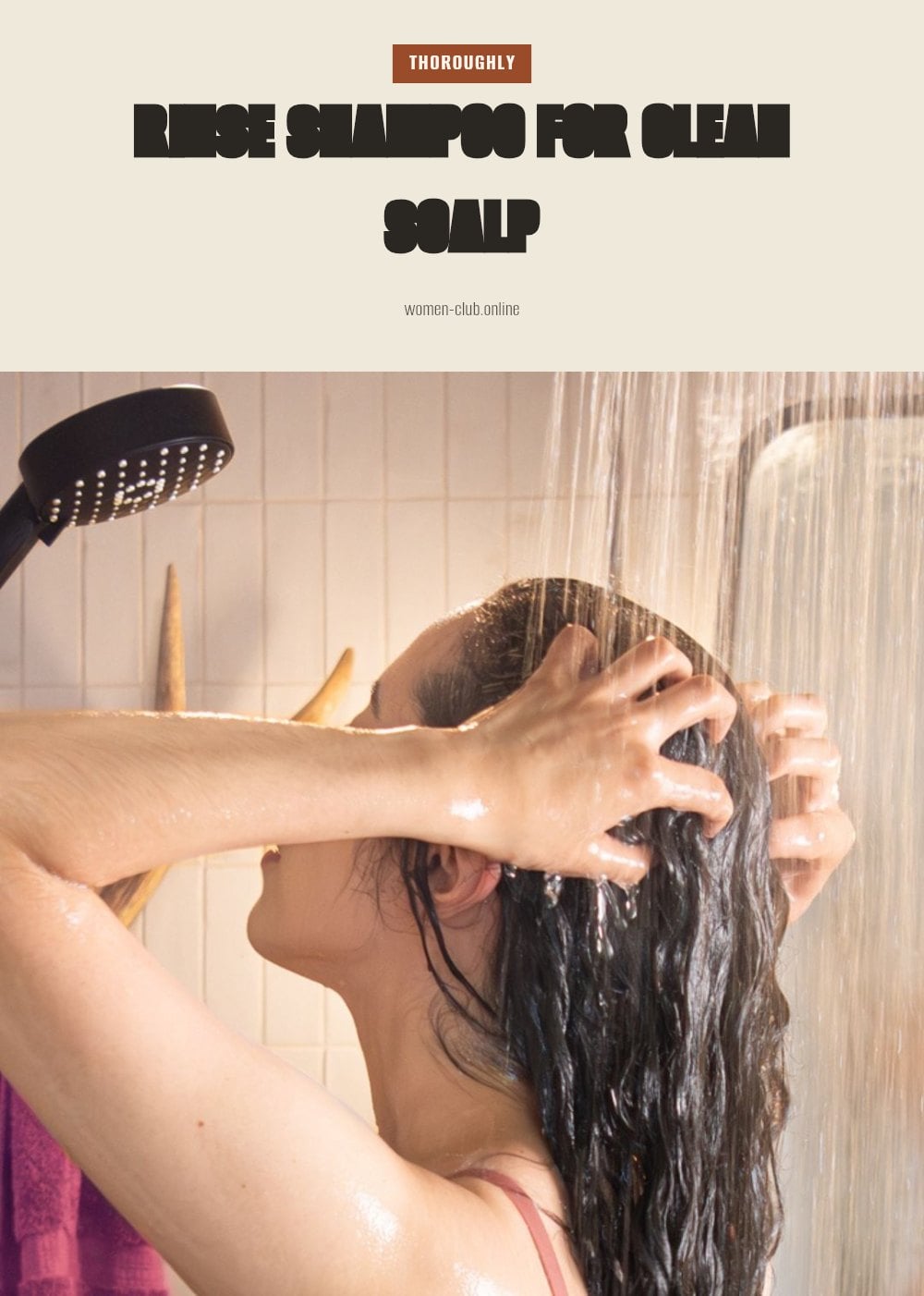
Rinse your hair and scalp completely until the water runs clear. Leftover shampoo residue can irritate your scalp and make it feel heavier or greasier, which may worsen flakes. Use lukewarm water for rinsing, as very hot water can strip natural oils and increase irritation.
5. Shampoo Regularly But Don’t Over-Wash
Aim to use your anti-dandruff shampoo 2 to 3 times a week at first to get symptoms under control. Shampooing too rarely lets flakes build up and become more noticeable, but over-washing strips natural oils and can cause irritation. Find a routine that keeps your scalp clean without over-drying it.
6. Condition Hair Lengths, Not Scalp
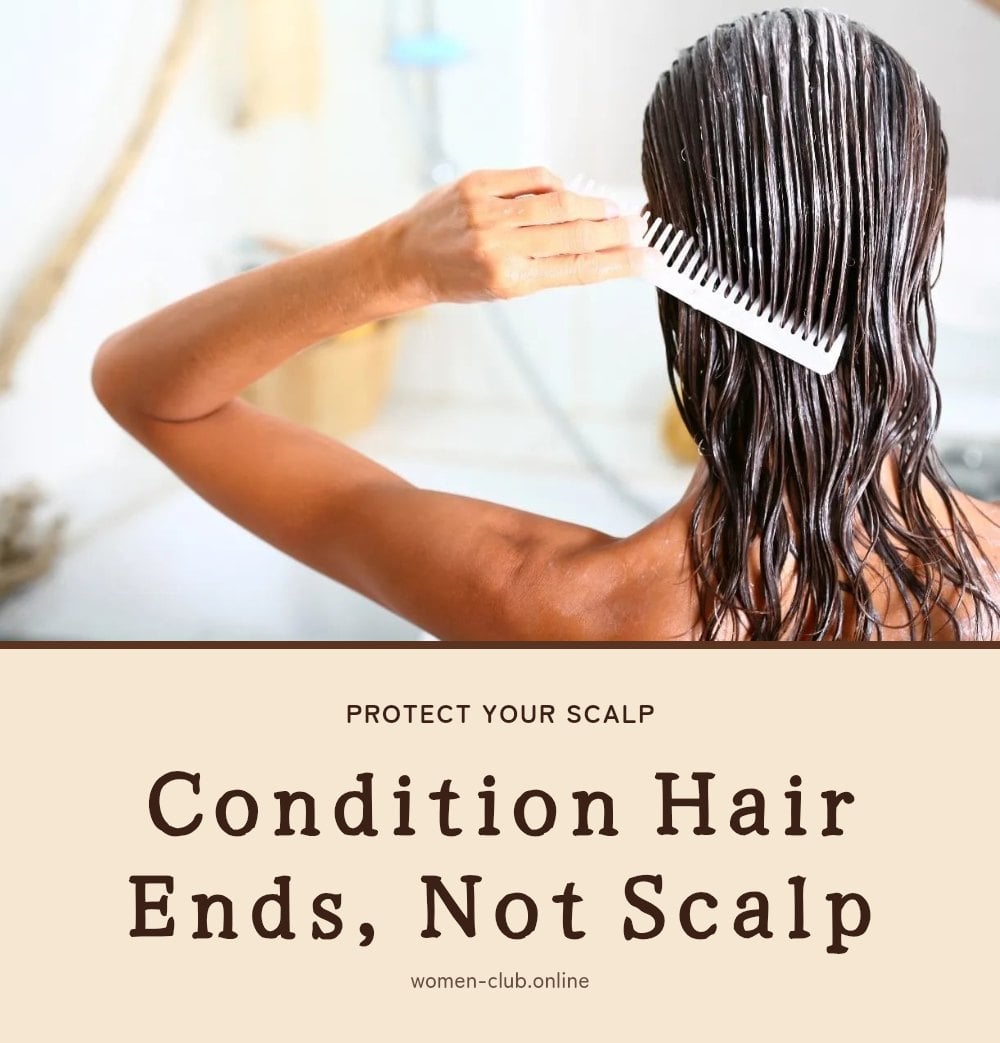
Apply conditioner only to the mid-lengths and ends of your hair, not to your scalp. Conditioner on the scalp can clog pores, leading to increased oiliness and a more favorable environment for Malassezia growth. Keep your scalp free of heavy products to help manage flakes.
7. Brush Hair Gently and Regularly
Gently brush your hair daily to help distribute natural oils from your scalp down the hair shaft. This also loosens and removes dead skin flakes, making them easier to wash away during shampooing. Use a soft-bristled brush to avoid irritating your scalp.
8. Manage Stress Levels Effectively
Stress is a known trigger that can make dandruff flare-ups worse. It doesn’t directly cause dandruff, but it can weaken your immune response, allowing Malassezia to thrive. Incorporate stress-reducing activities into your routine: meditation, yoga, or spending time in nature. Even a short daily walk can help lower stress levels and may reduce the frequency of flare-ups.
9. Avoid Harsh Hair Products and Heat

Stay away from hair products with strong fragrances, alcohol, or harsh chemicals that can irritate your scalp. Excessive heat styling can dry out and further irritate the scalp, making dandruff worse. My tip: Opt for gentle, sulfate-free products and air-dry your hair when possible. If you must use heat, keep the temperature low and always use a heat protectant.
10. Support Scalp Health with Diet
While direct links are not fully established, a healthy diet can support overall skin and scalp health. Focus on foods rich in zinc, B vitamins, and healthy fats (like omega-3s) found in nuts, seeds, and fatty fish. These nutrients contribute to skin barrier function and inflammation control, which may help keep your scalp in better condition.
11. Be Patient and Consistent
Dandruff treatment requires consistency. Results typically begin within a few days to two weeks of regular use. Don’t stop treatment as soon as symptoms improve, as dandruff can easily recur. Ongoing management is often necessary to keep flakes at bay, so stick with your routine even after your scalp feels better.
When to Consult a Dermatologist
If you’ve been using an over-the-counter anti-dandruff shampoo consistently for several weeks and see no improvement, it’s time to see a dermatologist. You should also seek professional help if your scalp becomes very red, swollen, develops sores, or shows signs of infection. Severe itching or irritation that interferes with your daily life is another clear sign. A dermatologist can diagnose underlying conditions and prescribe stronger treatments if needed.
Frequently Asked Questions
Can stress cause dandruff?
Yes, stress is a known trigger that can make dandruff flare-ups worse. It doesn’t directly cause dandruff, but it can weaken your immune response, allowing the fungus that contributes to dandruff to thrive. Managing stress through activities like meditation, yoga, or a short daily walk may help reduce flare-ups.
Is dandruff contagious?
No, dandruff is not contagious. It’s a common scalp condition caused by an overgrowth of a yeast-like fungus that lives on most adult scalps. You can’t catch dandruff from someone else, and you don’t need to worry about spreading it through casual contact. However, it’s still wise to avoid sharing combs, brushes, or hats to prevent the spread of other microbes.
How often should I wash my hair if I have dandruff?
Initially, aim to use your anti-dandruff shampoo 2 to 3 times a week to get symptoms under control. Shampooing too rarely lets flakes build up, but over-washing can strip natural oils and irritate your scalp. Find a routine that keeps your scalp clean without overdoing it, and adjust based on how your scalp responds.
Can diet affect dandruff?
While direct links are not fully established, a healthy diet can support overall skin and scalp health. Foods rich in zinc, B vitamins, and healthy fats, like omega-3s found in nuts, seeds, and fatty fish, may help maintain a healthy skin barrier. Eating well won’t cure dandruff, but it can be part of a supportive approach.
What’s the difference between dandruff and a dry scalp?
Dandruff is caused by an overgrowth of a yeast-like fungus and often comes with oily, yellowish flakes and itchiness. A dry scalp, on the other hand, results from lack of moisture and produces smaller, white, dry flakes. Treatment differs: dandruff needs anti-dandruff shampoos with active ingredients, while a dry scalp may benefit from gentler, moisturizing products. If you’re unsure, a dermatologist can help distinguish between the two.
Final Thoughts
The key to managing dandruff is consistency and patience. Stick with your anti-dandruff shampoo 2 to 3 times a week, leave it on for a few minutes, and follow the other gentle scalp habits outlined here. You can expect to see some improvement within a few days to two weeks, but ongoing care is often needed to keep flakes from coming back. If your scalp becomes very red, swollen, or sore, or if you see no change after several weeks of use, it’s time to consult a dermatologist for further guidance.
This article is for general information only and is not a substitute for professional medical advice. If you have persistent or severe dandruff, scalp redness, swelling, or sores, or if symptoms don’t improve with over-the-counter treatments, consult a dermatologist or healthcare provider.








