
You spent a little too long in the sun, and now your skin is hot, red, and painful. It happens to the best of us, and the first thing you want is relief. This article walks you through the best steps to cool, soothe, and heal sunburned skin at home, from immediate first aid to long-term aftercare.
I’ve gathered the essentials and tips that actually work, so you can get comfortable and help your skin recover without making things worse.
Key Takeaways
- Cool your skin with a damp cloth or cool bath for 10-15 minutes several times a day.
- Apply a fragrance-free moisturizer or 100% aloe vera gel while skin is still damp.
- Take an over-the-counter pain reliever like ibuprofen to reduce inflammation and pain.
- Do not pop blisters; let them heal naturally to prevent infection.
- Drink extra water to support your body’s healing process.
Immediate Relief for Sunburn: What to Do First
Get out of the sun immediately and start cooling your skin. Take a cool bath or apply a clean, damp cloth to the burned area for 10-15 minutes several times a day. Drink a full glass of water right away to help your body recover from the inside out. Cover up with loose, soft clothing before going back outside.
Understanding Sunburn: Why Your Skin Is Hurting
What Happens to Your Skin
Sunburn is your skin’s inflammatory response to damage from ultraviolet (UV) radiation. When UV rays penetrate the outer layers, your body sends extra blood flow to the area, which causes redness, warmth, pain, and tenderness. These symptoms usually appear a few hours after exposure and peak within 24-48 hours.
As your skin works to repair itself, it sheds the damaged cells. This natural process leads to peeling a few days after the burn. The peeling is a sign that your skin is healing, but it also means the new skin underneath is delicate and needs extra protection.
- Redness and warmth: caused by increased blood flow to the damaged area.
- Pain and tenderness: result from nerve irritation and inflammation.
- Peeling: happens as your body removes dead, damaged skin cells.
Essential Supplies for Sunburn Relief
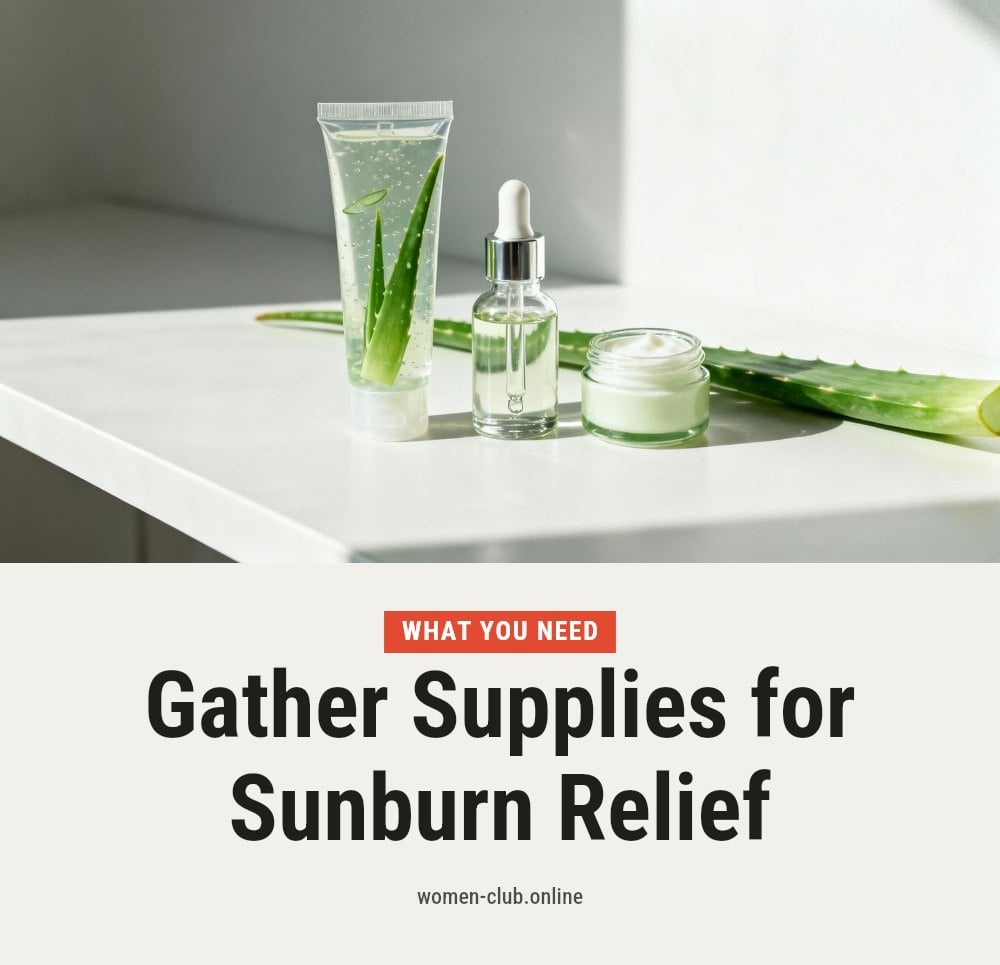
Gather these items before you start treatment so you don’t have to search while you’re uncomfortable.
- Cool water and soft cloths: for making soothing compresses that reduce skin temperature.
- Aloe vera gel: choose 100% pure gel to cool and hydrate the burn without added fragrances.
- Fragrance-free moisturizer: locks in moisture and supports skin repair after cooling.
- Over-the-counter pain relievers: ibuprofen or aspirin can reduce inflammation and ease pain.
Step-by-Step: Soothing Your Sunburned Skin
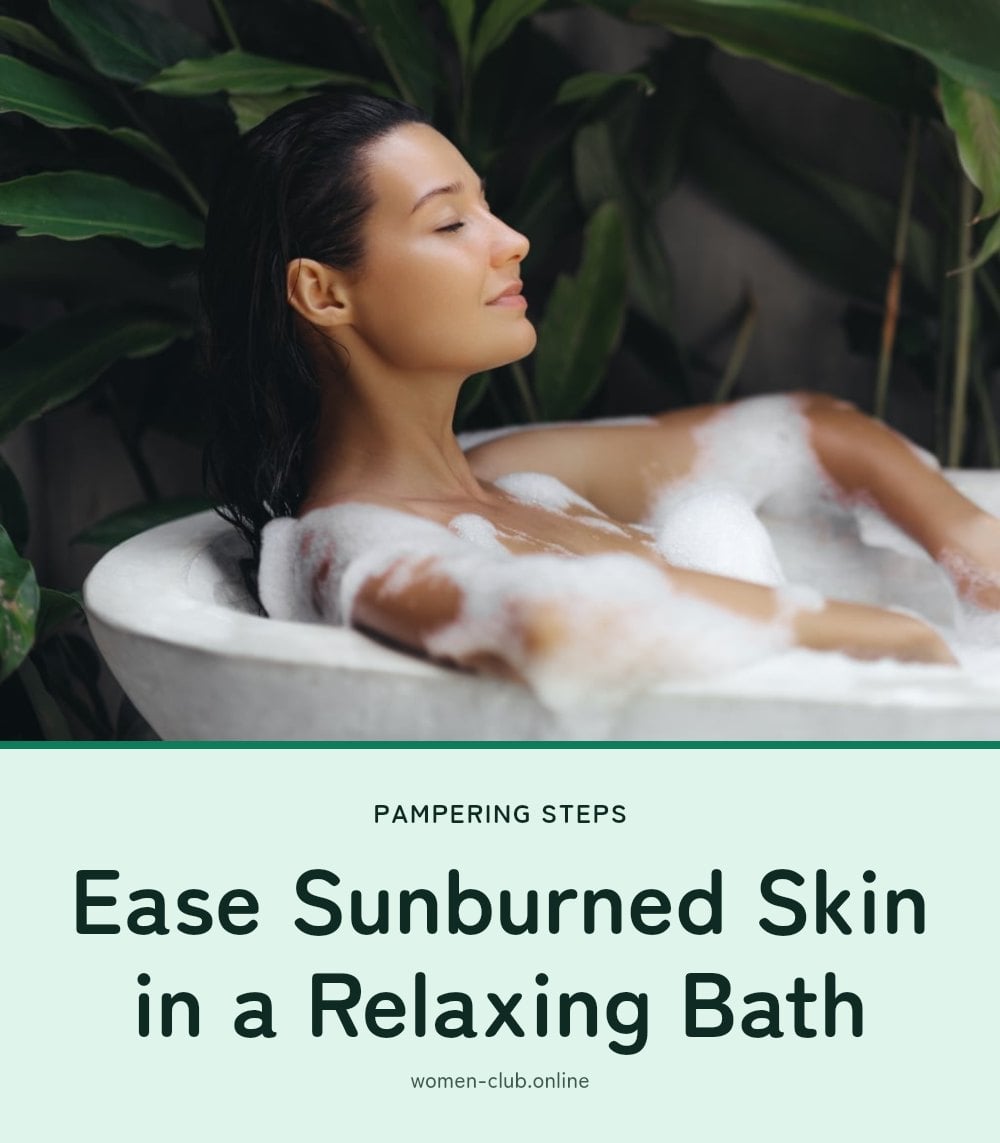
- Cool your skin: Take a cool bath or shower, or apply a damp cloth to the burn for 10-15 minutes several times a day. Avoid ice directly on the skin, which can cause more damage.
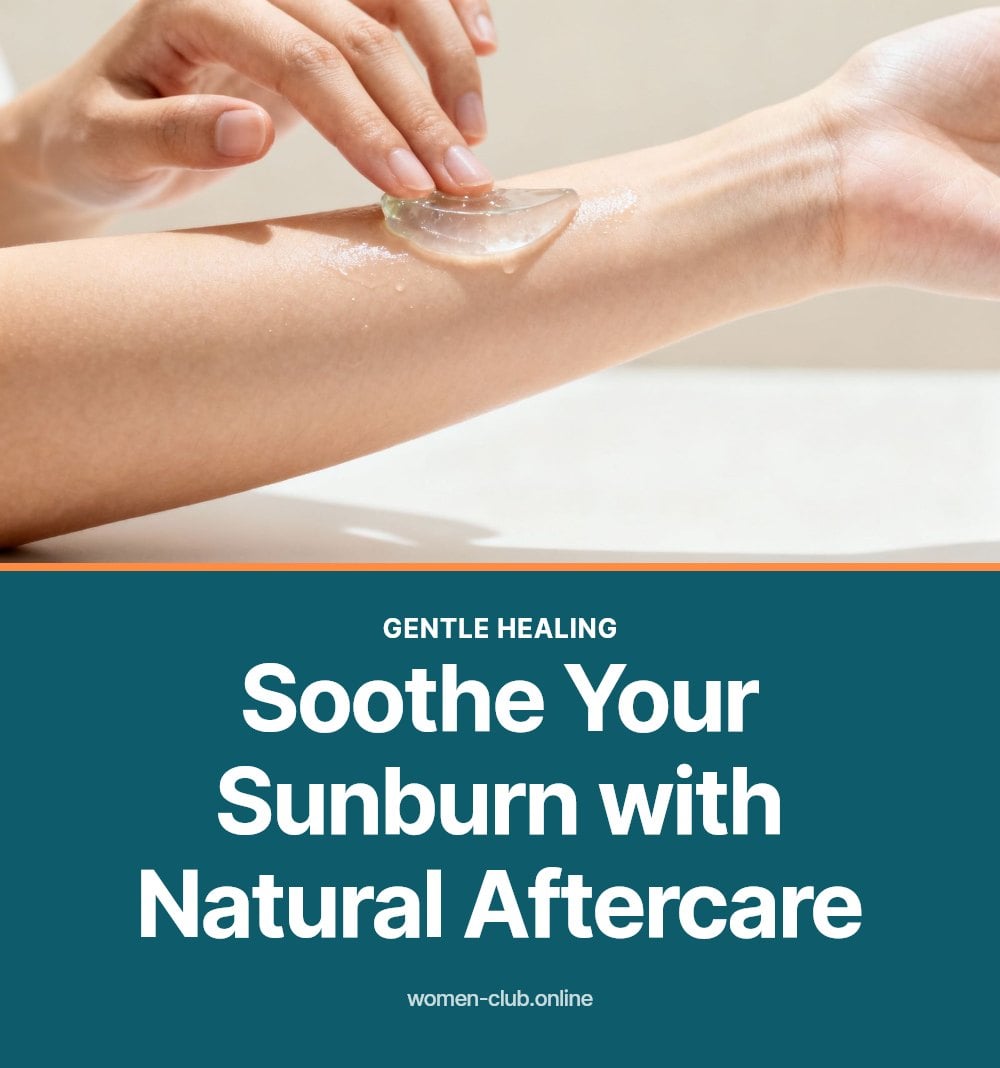
- Moisturize while damp: Pat your skin dry gently, then apply a fragrance-free moisturizer or aloe vera gel. This helps seal in moisture and calm the irritation.
- Drink extra water: Sunburn draws fluid to the skin’s surface and away from the rest of your body. Drinking plenty of water helps prevent dehydration and supports healing.
- Take an NSAID: Ibuprofen or aspirin can reduce pain and swelling. Follow the label directions for dosing.
- Protect with loose clothing: Wear soft, breathable fabrics like cotton that won’t rub against the burn. Stay out of the sun until the skin is fully healed.
My tip: Cool water is your best friend here. Keep a spray bottle in the fridge for quick relief throughout the day.
Common Sunburn Mistakes to Avoid
Ignoring the pain and hoping it fades on its own can prolong your discomfort. Take an over-the-counter pain reliever like ibuprofen to reduce inflammation and manage the ache.
Skip home remedies like butter, essential oils, or vinegar. These can irritate the burn further. Stick with proven soothers like aloe vera or a fragrance-free moisturizer.
My tip: Resist the urge to pick at peeling skin. Your body knows what it’s doing. Premature peeling can lead to infection and scarring. Keep the area hydrated and let the flakes fall off naturally.
Drink extra water. Dehydration slows your skin’s recovery and leaves you feeling worse overall. Re-exposing sunburned skin to the sun before it heals adds more damage and delays recovery. Cover up with loose, soft clothing when you go outside.
Never pop blisters. They form a natural protective barrier against infection. If a blister breaks on its own, clean the area gently with mild soap and water, then cover it with a sterile gauze bandage.
Long-Term Care for Healing Sunburned Skin
Once the initial redness and heat fade, your skin still needs consistent care. Continue applying a gentle, fragrance-free moisturizer twice a day to support the repair of your skin barrier. Aloe vera gel or a moisturizer with ceramides works well.
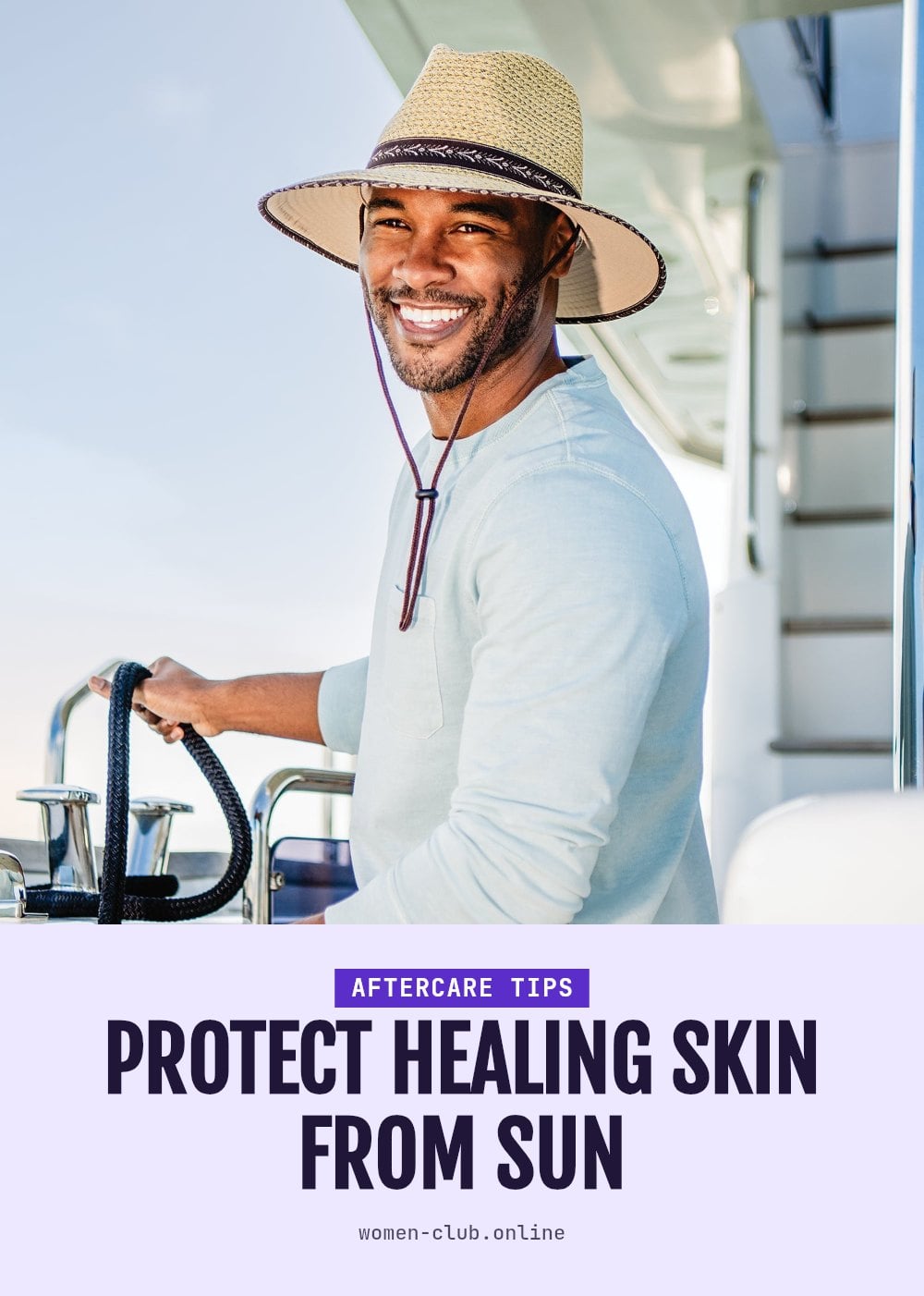
Keep drinking plenty of water. Hydration from the inside helps your skin regenerate and stay supple. Prioritize sun protection until your skin is fully healed. Wear long sleeves, pants, and a wide-brimmed hat when you go outside, and stick to the shade as much as possible.
Let any peeling happen on its own schedule. Picking at loose skin can cause scarring or infection. If peeling feels tight, apply extra moisturizer to ease the sensation.
When to Seek Medical Attention for a Sunburn
Most sunburns heal at home, but some symptoms require a doctor’s attention. Seek medical care if you have severe blistering over a large area of your body, or if you notice signs of infection like pus, increasing redness, or swelling.
Fever, chills, severe pain, headache, or confusion can indicate heat exhaustion or a more serious reaction. These warrant professional evaluation right away. Children and infants are more vulnerable to severe sunburn and heat-related illness. If a young child has a bad sunburn, especially with blisters or fever, see a doctor immediately.
Avoid products with ‘caine’ ingredients, such as benzocaine. These can cause allergic reactions in some people and may worsen the irritation.
Preventing Future Sunburns
The best way to deal with sunburn is to prevent it in the first place. Apply a broad-spectrum sunscreen with at least SPF 30 to all exposed skin 15 minutes before going outside. Use about a shot glass full for your body and reapply every two hours, or more often if you swim or sweat.
Wear protective clothing, including a wide-brimmed hat and UV-blocking sunglasses. Seek shade during peak UV hours, between 10 AM and 4 PM, when the sun’s rays are strongest.
Be extra cautious near water, sand, or snow, because these surfaces reflect UV radiation and can increase your exposure. Tip: Don’t forget those often-missed spots like your ears and the tops of your feet. They burn just as easily as the rest of you.
Frequently Asked Questions
How long does it take for a sunburn to heal completely?
Mild to moderate sunburns usually start to feel better within 3 to 7 days. The redness and pain peak around 24 to 48 hours after sun exposure, and peeling often begins a few days later as the damaged skin sheds. Full healing may take a week or two, depending on the severity.
Can I put ice directly on my sunburn?
No, do not apply ice directly to sunburned skin. Ice can cause frostbite or further damage to the already injured tissue. Instead, use a cool, damp cloth or take a cool bath to lower your skin temperature safely.
What should I do if my sunburn blisters?
If blisters form, leave them alone. Blisters act as a natural protective barrier against infection. Do not pop them. If they break on their own, clean the area gently with mild soap and water, apply an antibiotic ointment, and cover with a sterile bandage. See a doctor if you see signs of infection like pus or increasing redness.
Is it normal for sunburned skin to peel?
Yes, peeling is a normal part of the healing process. It means your body is shedding damaged skin cells to make way for new ones. Do not pick or pull at the peeling skin, as this can cause irritation or infection. Keep the area moisturized to help the process along.
Final Thoughts
For most sunburns, a few days of consistent care will have you feeling much better. Stick with cool compresses, gentle moisturizing, and plenty of water. My tip: keep a bottle of pure aloe vera gel in the fridge for instant cooling relief when you need it. If you have severe blistering, fever, or signs of infection, see a doctor. Your skin will thank you for the extra attention.
This article is for informational purposes only and does not constitute medical advice. Sunburn can vary in severity, and individual reactions may differ. If you have severe symptoms, a large area of blistering, or signs of infection, please consult a healthcare professional or dermatologist for personalized guidance.








