
Have you ever felt like your energy and motivation just need a little reset? A dopamine menu is a simple, personalized list of healthy activities you can turn to for a natural mood boost. In this article, I’ll walk you through what a dopamine menu is, why it works, and how to build one that fits your life.

Key Takeaways
- A dopamine menu is a curated list of healthy activities that naturally boost dopamine.
- Include a variety of physical, creative, social, and relaxing activities for balance.
- Start with just 10-15 minutes a day to build a sustainable routine.
- Expect immediate mood lifts from some activities, but lasting changes take weeks.
- Consult a professional if you experience persistent low mood for more than two weeks.
What Exactly Is a Dopamine Menu?
A dopamine menu is simply a personalized list of healthy, accessible activities that naturally stimulate dopamine release. I think of it as a go-to menu for my mood, built from small actions I can take intentionally to gently uplift my energy and motivation. The goal here is sustainable well-being, not chasing artificial highs or relying on unhealthy coping mechanisms.
Why Dopamine Matters for Your Mood and Motivation
Why Dopamine Matters for Your Mood and Motivation
Dopamine is a neurotransmitter that plays a central role in your brain’s reward system. It directly influences your motivation, your sense of pleasure, and even motor control. When you do something that gives you a feeling of accomplishment, introduces novelty, or connects you with others, your brain naturally releases more dopamine. That’s why a simple win like finishing a small task or chatting with a friend can genuinely lift your mood and get you moving.
Creating Your Personalized Dopamine Menu in 5 Steps

- Identify your genuine favorites: Make a list of activities you actually enjoy and find fulfilling, not what you think you should like. This is your menu, so it should reflect what brings you a real sense of reward.
- Categorize for balance: Sort those activities into physical, creative, social, and relaxing. Having variety prevents boredom and ensures you have options for different moods and energy levels.
- Keep it accessible: For each activity, make sure it’s easy to start and doesn’t require a lot of prep. If you need to drive somewhere or gather complicated supplies, you’re less likely to do it. Tip: I keep a pair of walking shoes by the door and a small sketchbook on my desk for this reason.
- Schedule short slots: Block out 10-15 minutes in your day for a dopamine menu activity. Treat it like a non-negotiable appointment with yourself, even if it’s just a quick walk or listening to one song.
- Review and refine regularly: After a week, check in with yourself. How did each activity make you feel? Drop what doesn’t work and add new ideas that come up. Your menu should evolve with you.
Dopamine-Boosting Activities to Add to Your Menu
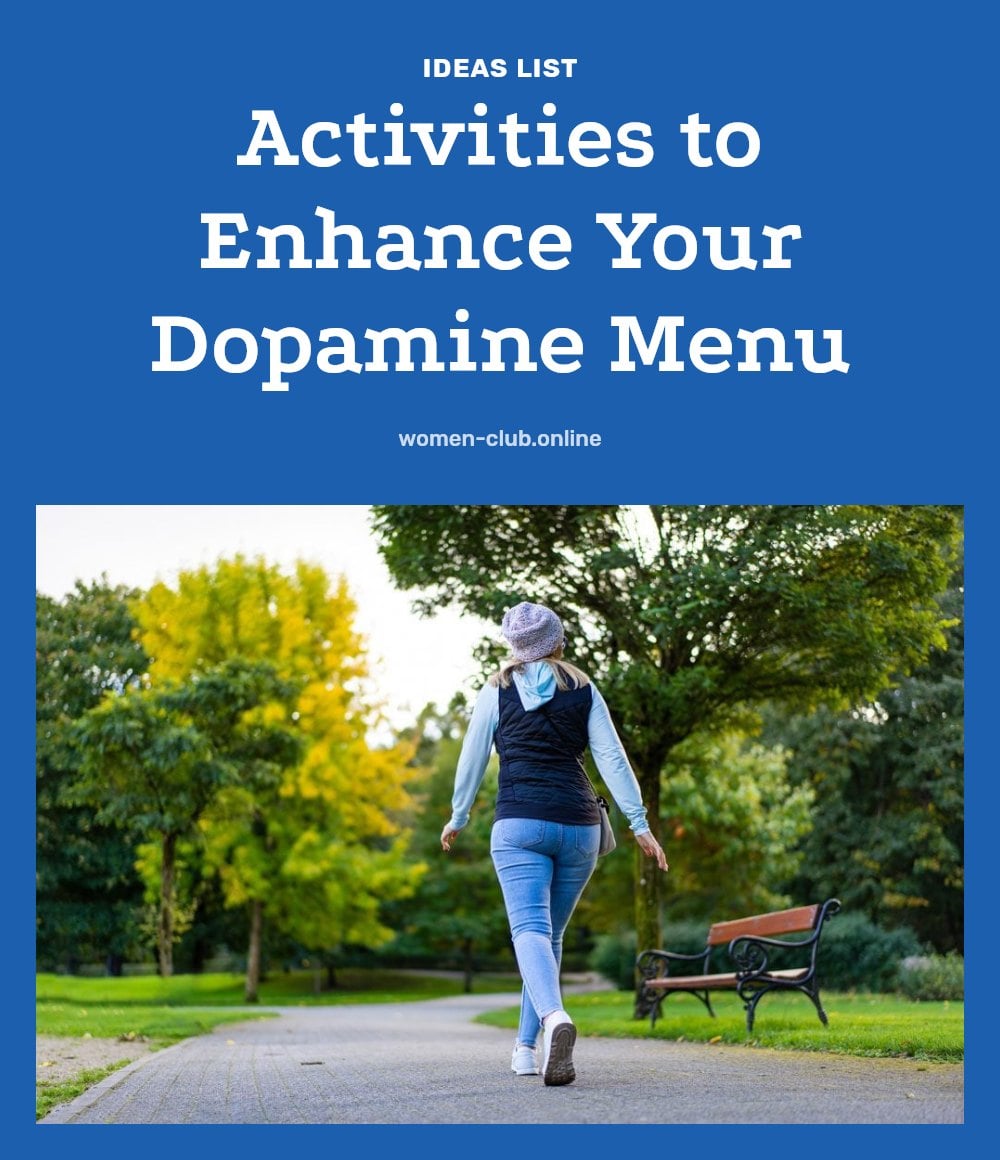
Here are healthy activities you can add to your own dopamine menu, covering a range of needs and settings.
- Moderate aerobic exercise: A brisk 20-minute walk, jog, or bike ride can boost dopamine production and release.
- Music you love: Listening to songs you genuinely enjoy directly stimulates dopamine release.
- Learn or create: Pick up a new skill, try a creative hobby like drawing or playing an instrument, and get that sense of mastery.
- Time outdoors: Spending time in nature is linked to improved mood and may help with dopamine regulation.
- Restful sleep: Prioritizing 7-9 hours of quality sleep each night supports healthy neurotransmitter levels.
- Protein-rich foods: Include chicken, eggs, almonds, or other protein sources to provide tyrosine, which supports dopamine synthesis.
- Positive social interactions: A genuine conversation, a shared laugh, or even a quick check-in with a friend can influence dopamine.
- Mindfulness or meditation: Even 5 minutes of focused breathing can help regulate mood and improve brain function over time.
- Small goals: Set and complete one tiny task, like making your bed or sending an email, to trigger a sense of accomplishment.
Common Dopamine Menu Mistakes to Avoid
Confusing healthy boosts with unhealthy highs: A dopamine menu is about natural, sustainable activities, not quick fixes like junk food or endless scrolling. Stick to activities that leave you feeling refreshed, not drained.
Creating an impractical menu: If your menu includes a 2-hour hike or a complicated craft, you will skip it. Keep activities short and easy to start, like a 10-minute walk or listening to one song.
Expecting a cure for serious conditions: A dopamine menu is a supportive tool, not a treatment for depression or anxiety. It helps with everyday mood, but it cannot replace professional care.
Failing to vary your activities: Doing the same thing every time reduces its effect over time. Rotate between physical, creative, social, and relaxing options to keep the menu fresh.
Neglecting sleep and nutrition: Even the best activities won’t work well if you are exhausted or undernourished. Prioritize 7-9 hours of sleep and protein-rich meals to support dopamine synthesis.
Pro Tips for Making Your Dopamine Menu Work for You
Start small: Commit to just 10-15 minutes of an activity. A short walk or a few minutes of drawing can still shift your mood without feeling like a chore.
Keep a journal: Note which activities lift your energy and which fall flat. Over a few weeks, you will spot patterns that help you refine your menu.
Make it visible: Post your menu on the fridge, set it as your phone wallpaper, or keep it in a notebook you see daily. Out of sight often means out of mind.
Don’t compare: Your menu should reflect what you enjoy, not what works for a friend. One person’s calming puzzle is another’s frustration.
Be patient: Mood improvement is often gradual. You might not feel a big shift after one session, but consistent practice over weeks can build a more stable sense of well-being.
When to Seek Professional Support for Your Mood
If you experience persistent low mood, lack of motivation, or symptoms of depression that last more than two weeks, consult a healthcare professional. A dopamine menu is a complementary tool, not a replacement for therapy or prescribed treatments. Also watch for activities that start to feel compulsive or addictive, like exercising excessively or checking social media repeatedly, and seek help if that happens.
Timeline for Results and What to Expect
Some activities, like listening to a favorite song or taking a quick walk, can provide an immediate mood lift. For more lasting changes in well-being, expect to practice your dopamine menu consistently for several weeks to a few months. Most items on your menu are free or low-cost, requiring only your time and intention.
Frequently Asked Questions
How quickly can a dopamine menu improve my mood?
Some activities, like listening to music you love or taking a brisk walk, can lift your mood almost immediately. For more lasting changes in your overall sense of well-being, it’s best to practice your dopamine menu consistently for several weeks to a few months.
Can I include my favorite comfort foods on a dopamine menu?
Yes, but focus on healthy options that support dopamine synthesis, like protein-rich foods such as chicken, eggs, or almonds. Avoid relying on junk food or sugary treats for a quick hit, as those can leave you feeling drained later.
Is a dopamine menu the same as seeking instant gratification?
No, a dopamine menu is about natural, sustainable activities that boost your mood without negative side effects. It’s different from seeking instant gratification through unhealthy habits like excessive screen time or junk food, which can lead to a crash.
How often should I update my dopamine menu?
Review your menu every few weeks to see which activities still feel rewarding. As your preferences change or you try new things, swap out activities that no longer lift your mood to keep your menu fresh and effective.
What if I don’t feel motivated to do anything on my dopamine menu?
Start with the smallest possible action, like putting on headphones for one song or stepping outside for two minutes. If you consistently lack motivation for several weeks, consider speaking with a healthcare professional, as it could be a sign of something deeper.
Final Thoughts
My tip: start with one or two small activities you genuinely enjoy, like a short walk or listening to a favorite song, and build from there. Consistent practice over several weeks can lead to more sustained improvements in your mood and motivation. Remember, a dopamine menu is a tool to support your well-being, not a quick fix.
This article is for general informational purposes only and does not constitute medical or professional advice. If you are experiencing persistent low mood, lack of motivation, or symptoms of depression, please consult a qualified healthcare professional.








