Drinking Water Habits: Easy Ways to Hydrate Throughout the Day

You already know that drinking water is important, but actually hitting your daily goal can feel like a chore. The truth is, your hydration needs are personal and depend on things like how active you are and the weather where you live. This article covers simple, practical ways to build better drinking water habits that fit into your real life, without a complicated routine.
From starting your morning right to making water more appealing, these tips are designed to help you stay hydrated consistently.
Key Takeaways
- Drink a glass of water first thing in the morning to rehydrate after sleep.
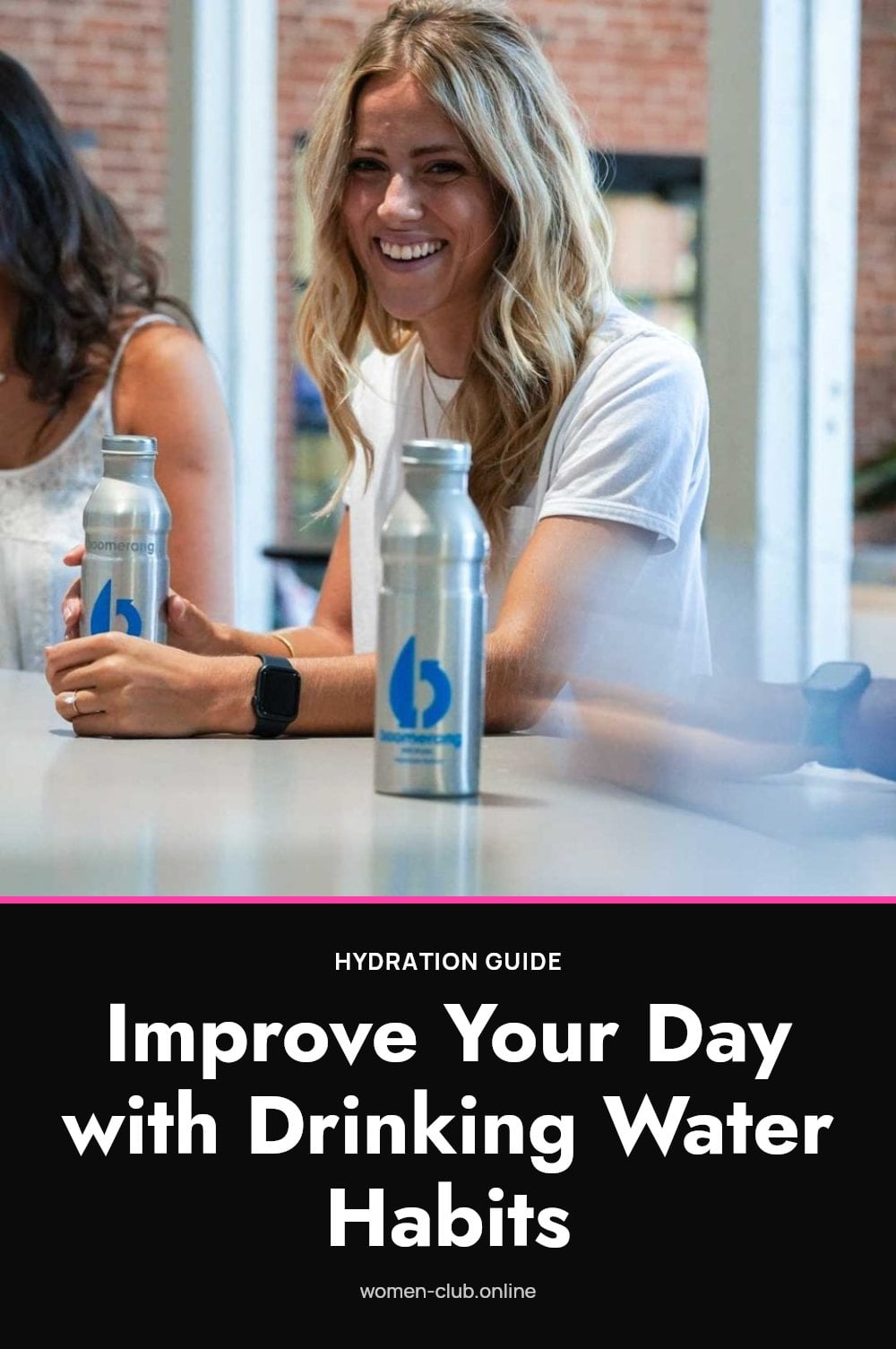
- Carry a reusable water bottle as a constant visual reminder to sip throughout the day.
- Infuse water with fruits or herbs for natural flavor without added sugar.
- Eat water-rich foods like watermelon and cucumber to get about 20% of your daily fluids.
- Check your urine color; pale yellow usually means you are well hydrated.
Why Hydration Matters for Your Well-being
Staying hydrated is crucial for overall health, impacting your energy levels, skin appearance, and bodily functions. Individual fluid needs vary based on your activity level, climate, and health, but general guidelines from the National Academies recommend about 11.5 cups of fluids daily for women and about 15.5 cups for men. About 20% of your daily intake typically comes from water-rich foods, with the rest from beverages.
1. Start Your Day with Water
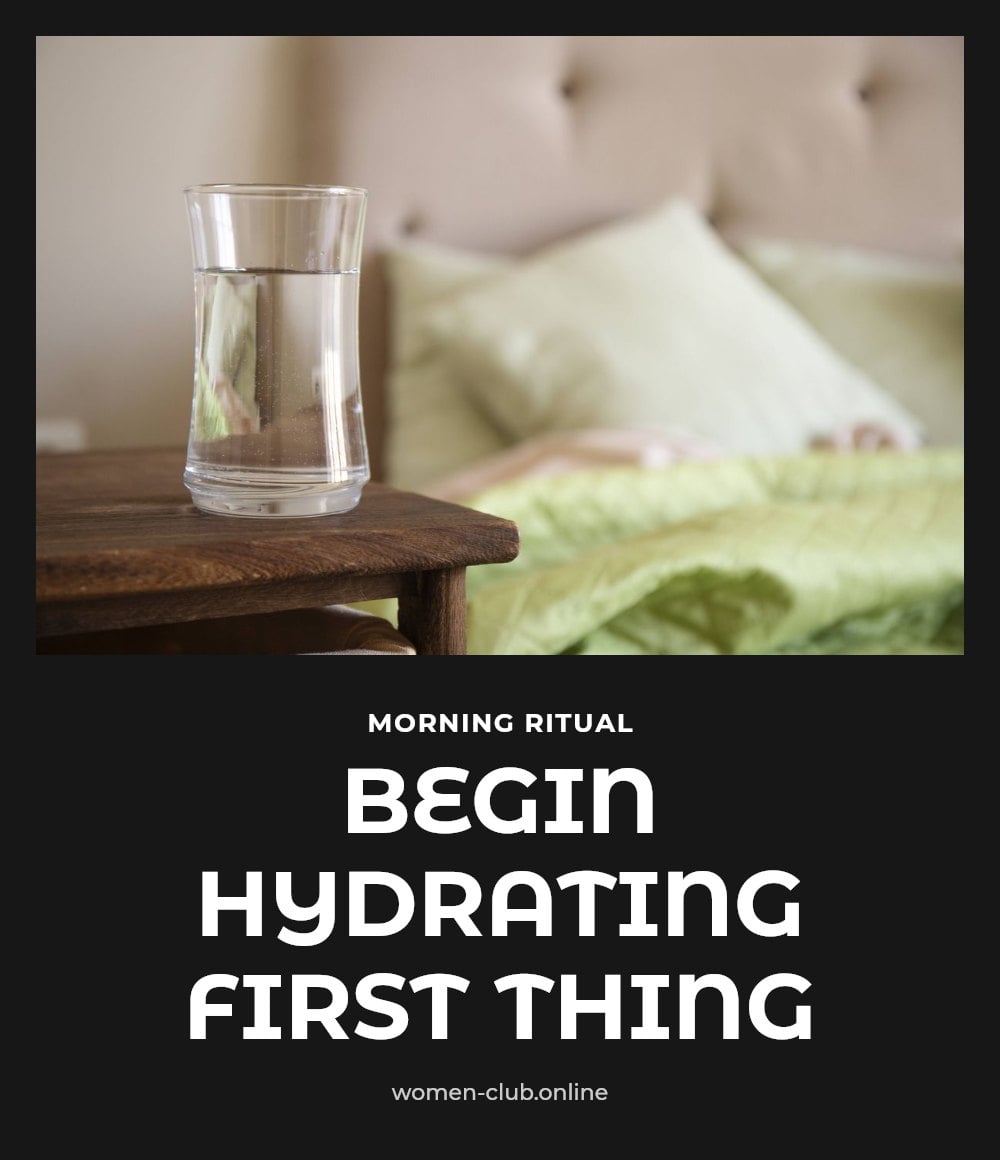
Drink a full glass of water first thing in the morning to rehydrate after a night of sleep. This simple habit can kickstart your metabolism and support mental clarity.
My tip: Keep a glass or bottle on your nightstand so it’s the first thing you see when you wake up.
2. Carry a Reusable Water Bottle
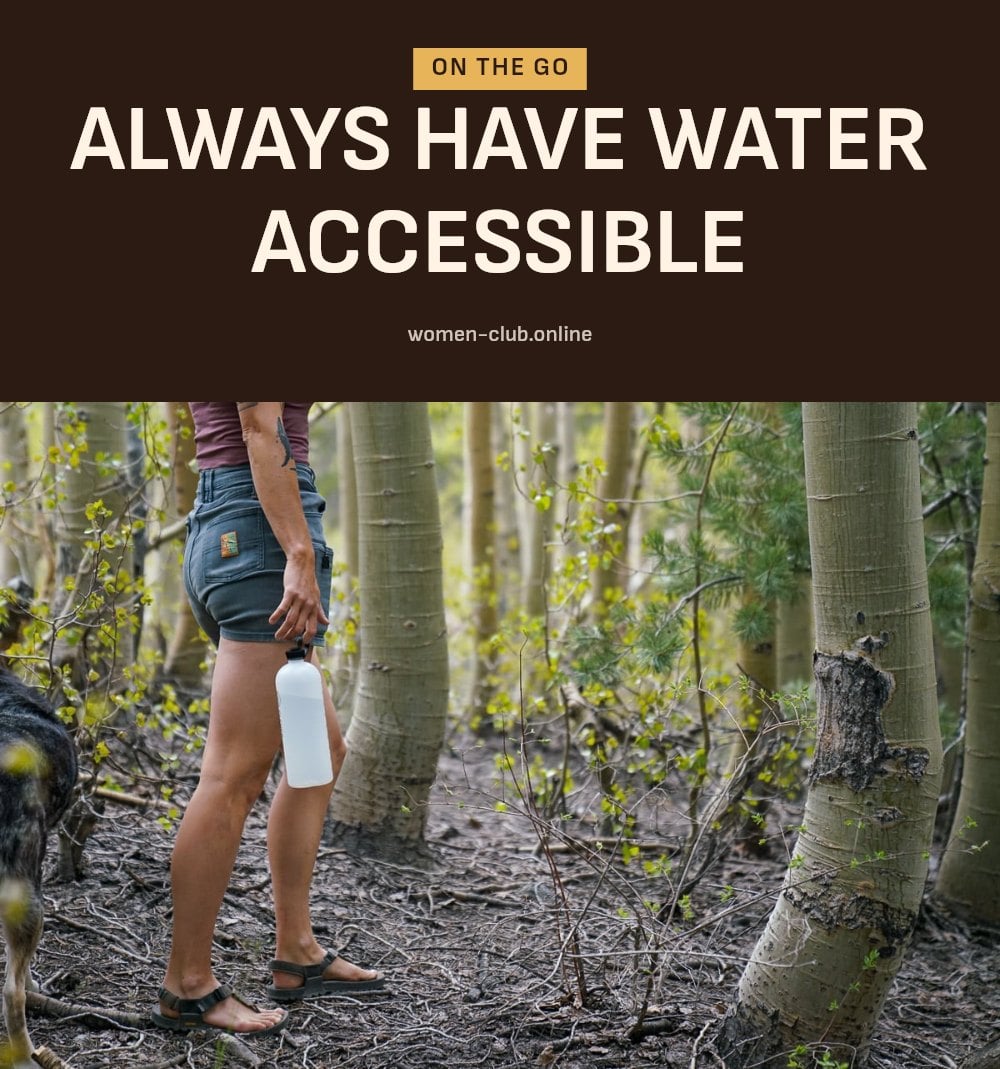
Carry a reusable water bottle with you throughout the day. It acts as a constant visual cue to drink, making it easier to stay consistent.
Refill it from water fountains or a filter at work or home.
My tip: Choose a bottle you genuinely like using. One that’s easy to clean and carry.
3. Set Hydration Reminders
Use your phone’s alarm or a dedicated hydration tracking app to prompt you to drink. Set reminders for every hour or two to ensure consistent intake throughout the day.
This is especially helpful if you’re easily distracted or tend to forget to drink while busy.
4. Flavor Your Water Naturally

Infuse plain water with fruits like lemon, lime, or berries, or vegetables like cucumber and mint. This adds a refreshing taste without extra sugar or artificial ingredients. Tip: Prepare a pitcher of infused water in the fridge for easy access. Let it sit for an hour or two before drinking so the flavors meld. Try combinations like strawberry-basil or cucumber-lime for variety.
5. Drink Before, During, and After Exercise

Fluid needs increase significantly with physical activity and in hot climates. Drink water before, continuously during, and after your workout to replace lost fluids and electrolytes. Good to know: For intense or prolonged exercise, consider a drink with electrolytes. This helps maintain fluid balance and prevents cramping. A good rule is to sip every 15-20 minutes during activity.
6. Incorporate Water-Rich Foods
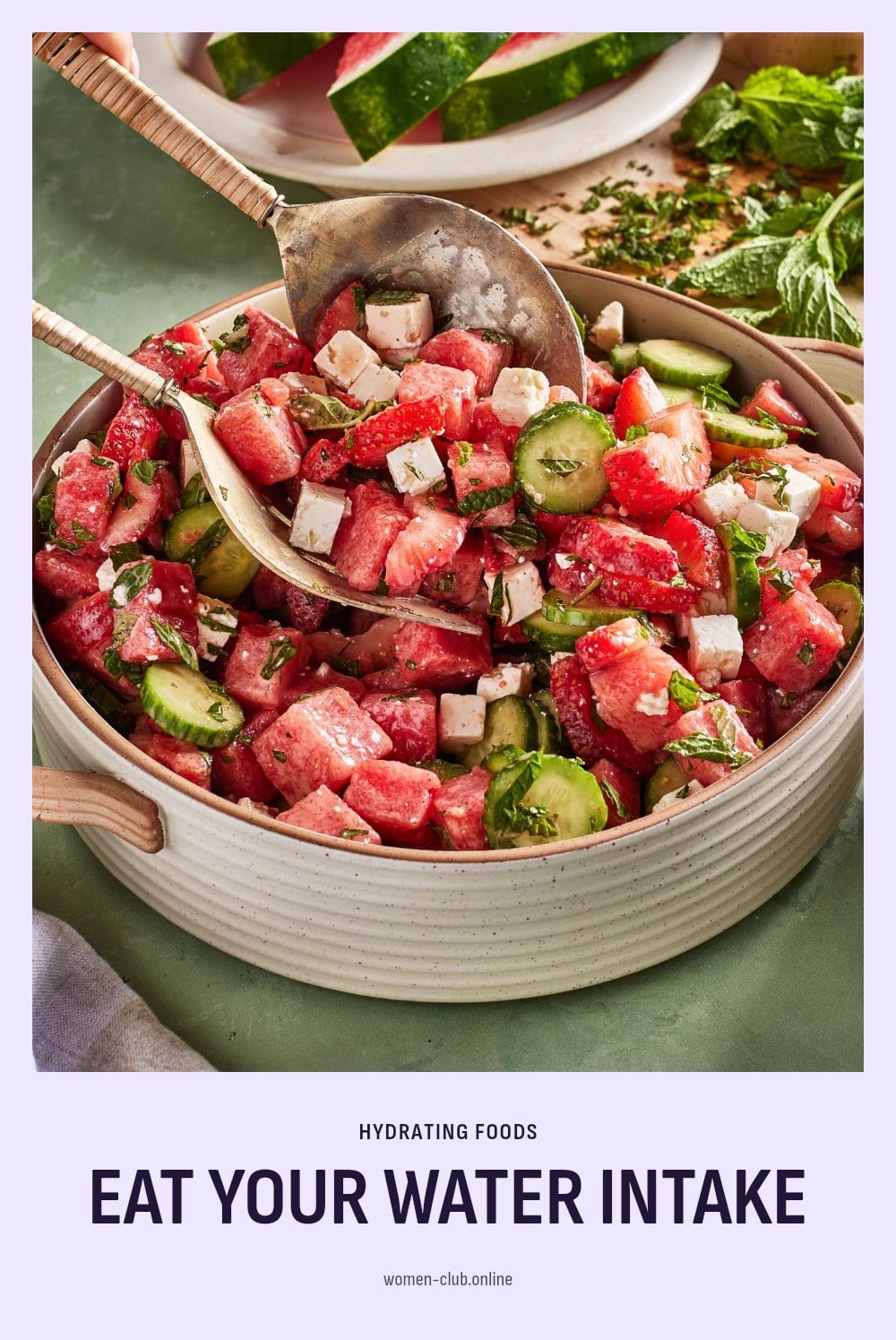
About 20% of your daily fluid intake comes from food, especially fruits and vegetables. Foods like watermelon, strawberries, cucumber, lettuce, and oranges have very high water content. Pro move: Snack on these throughout the day to boost your hydration naturally. Keep a bowl of cut fruit on your desk or add cucumber slices to your lunch salad.
7. Drink Water Before Each Meal
Having a glass of water before meals can aid digestion and may help with satiety. This simple habit ensures you’re getting fluids at regular intervals throughout the day. It can also help you differentiate between hunger and thirst, which many people confuse. Drink a full glass about 20-30 minutes before you eat.
8. Keep Water in Sight

Place a glass of water on your desk, kitchen counter, or any spot where you spend a lot of time. The visual cue makes it much more likely you’ll reach for it throughout the day. Quick tip: Use a fun or aesthetic glass you enjoy looking at, and the habit becomes something you actually look forward to.
9. Monitor Your Urine Color
Your urine color is a simple and effective hydration check. Pale yellow typically means you’re well hydrated, while darker yellow signals it’s time to drink more. Tip: Aim for a light lemonade shade, not clear (which can mean overhydration) or dark apple juice.
10. Understand Your Personal Needs
Your ideal fluid intake isn’t one-size-fits-all. It shifts with your activity level, climate, and health conditions. Listen to your body, especially during illness or if you’re taking medications that affect fluid balance. Good to know: Consult a healthcare professional if you have specific health concerns like kidney disease or heart failure, as your needs may differ.
11. Prioritize Plain Water
Plain water is generally the best choice for hydration. Sugary drinks add calories without significant nutritional benefits, and while coffee and tea contribute to fluid intake, they shouldn’t be your primary source. Pro move: Save sugary drinks for occasional treats, not your daily hydration routine.
Common Hydration Mistakes to Avoid
Waiting until extreme thirst: Thirst is often a sign you’re already mildly dehydrated. Drink consistently throughout the day instead of relying on that cue.
Relying on sugary or caffeinated drinks: These don’t hydrate as effectively as plain water and can add unwanted calories or stimulate fluid loss. Save them for occasional treats.
Ignoring urine color: Don’t just guess. Use your urine color as a practical guide to your hydration status. Pale yellow is your target.
Underestimating personal fluid needs: Factors like exercise, hot weather, and certain health conditions increase your need for water. Adjust your intake accordingly.
Frequently Asked Questions
How much water should I drink daily?
General guidelines from the National Academies recommend about 11.5 cups (2.7 liters) of total fluids per day for women and about 15.5 cups (3.7 liters) for men. However, your individual needs may be higher if you are very active, live in a hot climate, or have certain health conditions.
Can I get enough water from food?
Yes, about 20% of your daily fluid intake typically comes from food. Fruits and vegetables with high water content, like watermelon, strawberries, cucumber, and lettuce, can contribute significantly to your overall hydration.
What are the signs of dehydration?
Common signs of mild dehydration include feeling thirsty, having a dry mouth, urinating less frequently than usual, and feeling fatigued. Checking your urine color is a helpful tool; a dark yellow color often indicates you need to drink more water.
Are flavored waters as good as plain water?
Water infused with natural flavors from fruits, vegetables, or herbs is a great choice because it adds taste without extra sugar or artificial ingredients. Plain water is generally the best option for hydration, but naturally flavored water is a healthy alternative if it helps you drink more.
What is hyponatremia and how can I avoid it?
Hyponatremia is a rare but serious condition caused by drinking excessive amounts of water, which dilutes the sodium in your body. Symptoms can include nausea, headache, and confusion. To avoid it, don’t force yourself to drink far beyond your thirst, and listen to your body’s signals.
Final Thoughts
Building a new hydration habit doesn’t have to be overwhelming. Pick one or two tips from this list to start with, like keeping a water bottle on your desk or drinking a glass before each meal. Most people notice improvements in their energy and how they feel within a few days of being more consistent.
Your body will thank you for making water a regular part of your day.
This article is for general informational purposes only and does not constitute medical advice. Individual hydration needs vary based on health, activity, and climate. If you have a medical condition such as kidney disease or heart failure, or if you experience persistent symptoms, consult a healthcare professional for personalized guidance.