
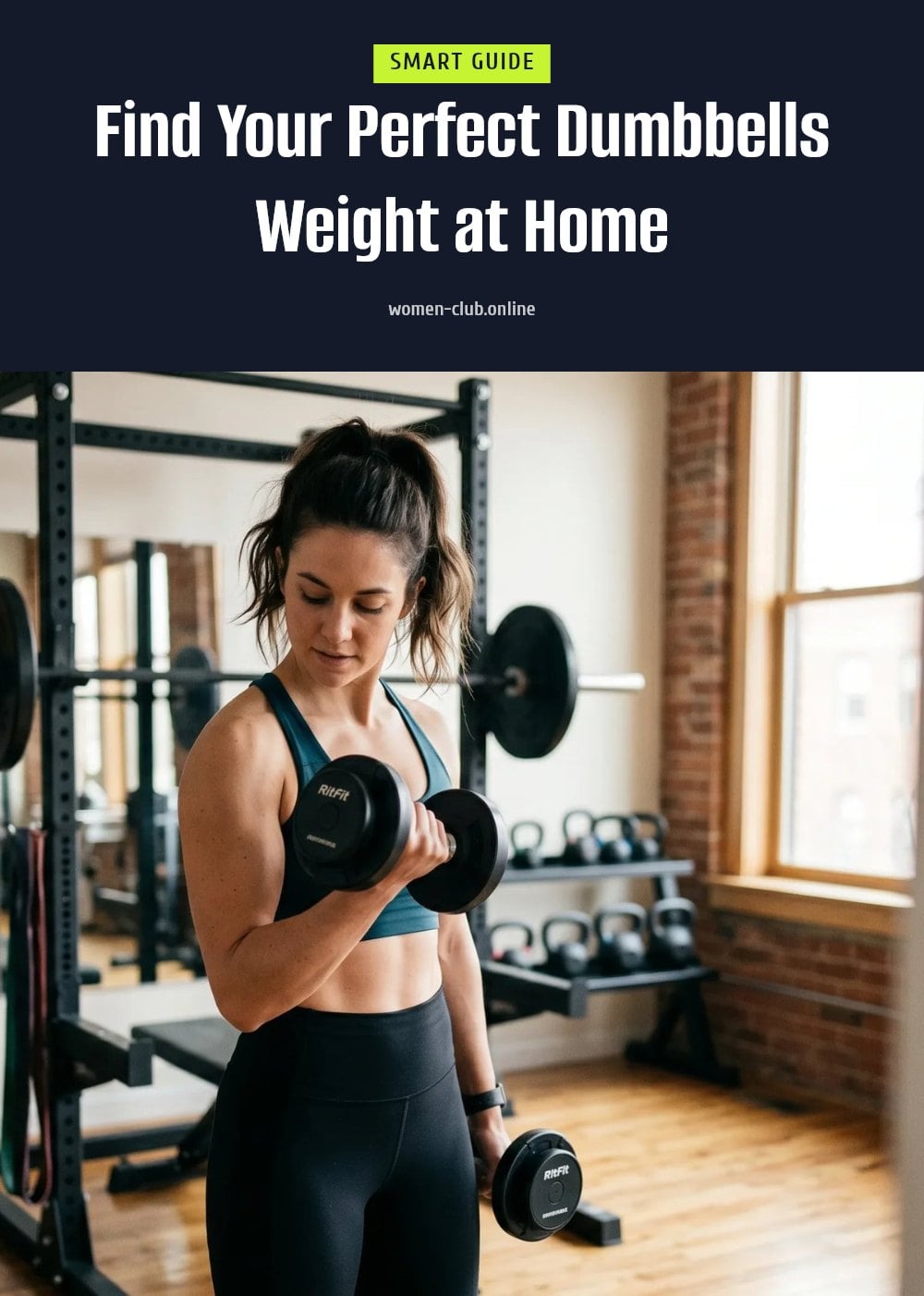
You are ready to start strength training at home, but you are wondering which dumbbell weight to choose. The right weight is not one number. It depends on the exercise and your current strength. This article covers how to find your starting weight, the types of dumbbells available, and how to safely progress over time.
Key Takeaways
- Start with 2-5 pounds for upper body and 5-10 pounds for lower body exercises.
- Choose a weight that makes the last 2-3 reps of an 8-12 rep set feel challenging.
- Increase weight gradually (progressive overload) to keep building strength.
- Use different weights for different muscle groups, legs are stronger than arms.
- Always prioritize proper form over lifting heavier weight.
Finding Your Starting Dumbbell Weight for Home Workouts
If you are new to strength training at home, start with 2-5 pound dumbbells for upper body moves like bicep curls or shoulder presses. For lower body exercises such as squats or lunges, begin with 5-10 pounds. The right weight lets you complete 8-12 repetitions with good form while feeling challenged by the last few reps. If you can easily do more than 12, go heavier. If you cannot finish 8 with proper form, go lighter.
Essential Dumbbell Types for Your Home Gym

For a home gym, you have two main dumbbell options. Fixed-weight dumbbells are simple, durable, and come in single weights. Adjustable dumbbells use a dial or pin system to change weight quickly, saving space and offering versatility. Material matters for grip and floor protection. Neoprene or vinyl coatings are gentle on floors and easy to grip, while rubber coatings reduce noise if you set them down. Cast iron is durable but can damage floors without a mat.
Step-by-Step: How to Choose the Right Dumbbell Weight
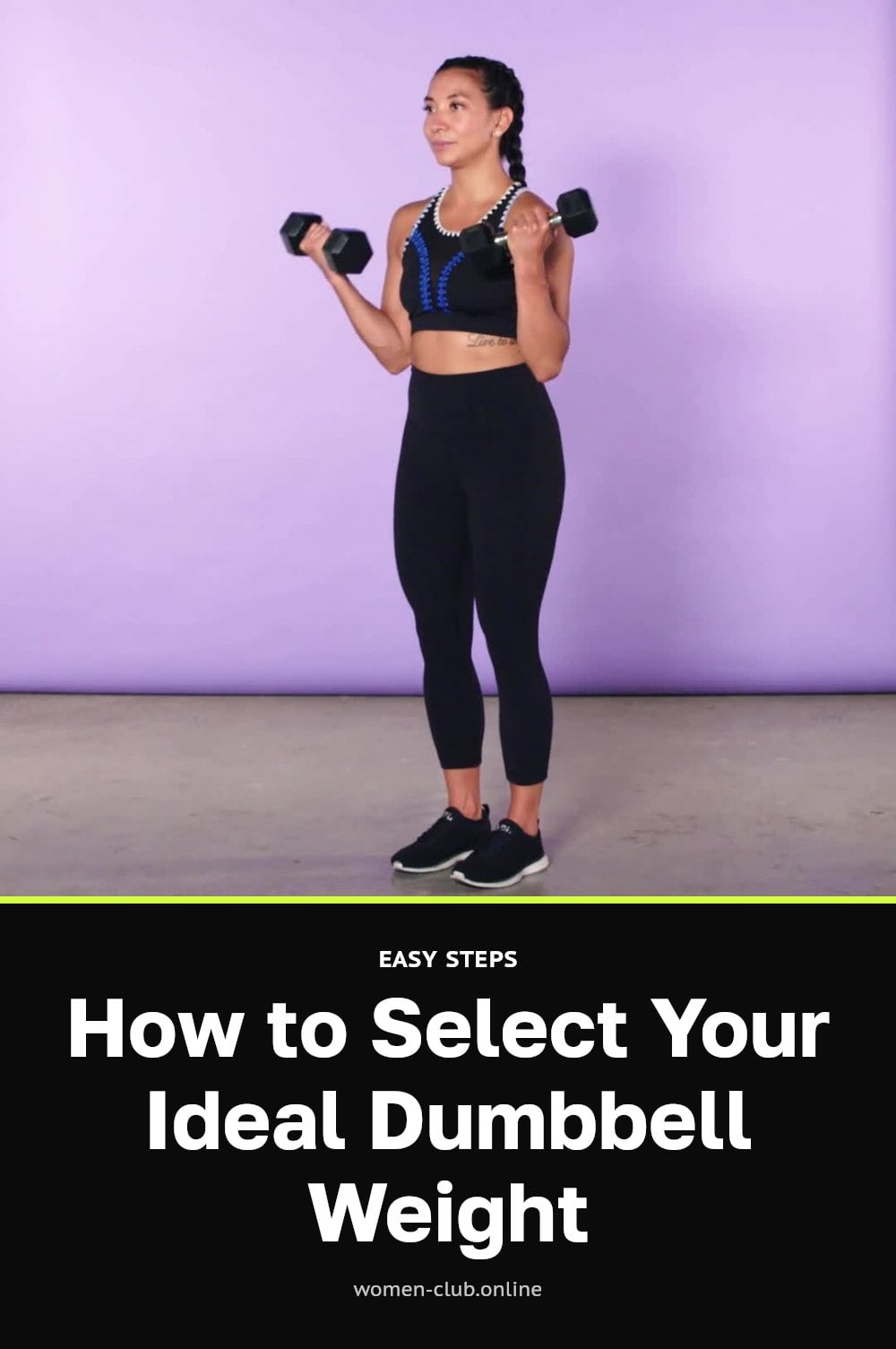
Start with a conservative weight: Pick a weight you think is slightly too light. For a new exercise, it is better to under-estimate than risk injury.
- Perform 8-12 repetitions: Use controlled movements through the full range of motion. If you cannot finish 8 reps with good form, the weight is too heavy.
- Assess your effort level: The last two to three reps should feel difficult but still possible without breaking form. If you can easily do 13 or more reps, increase the weight next set.
- Increase weight gradually: When you can complete 12 reps with good form for two consecutive workouts, move up by 2-5 pounds. This is progressive overload.
- Use different weights for different muscle groups: Your legs can handle heavier weights than your arms. Keep separate pairs for upper and lower body work.
Common Dumbbell Weight Selection Mistakes to Avoid
Choosing weights that are too light: You will not build strength if you can easily do 15 or more reps. The muscles need a challenge to adapt.
Choosing weights that are too heavy: This forces you to use momentum or poor form, increasing injury risk. You should never sacrifice form for heavier weight.
Using the same weight for all exercises: Leg exercises are naturally stronger than arm exercises. Use lighter weights for bicep curls and heavier ones for squats.
Neglecting progressive overload: Your muscles adapt quickly. Without gradually increasing weight or reps, progress stalls.
Comparing personal progress to others: Your starting weight is yours alone. Focus on your own form and gradual improvement, not what someone else lifts.
Why Progressive Overload is Key to Strength Gains
Your muscles adapt to the stress you put on them. If you always lift the same weight, your strength will plateau. Progressive overload means gradually increasing the challenge to keep making gains. You can do this by adding more weight, doing more reps or sets, or shortening your rest between sets. Even a small increase each week signals your body to build more muscle. This principle is what turns a routine into real progress.
Smart Tips for Effective and Safe Dumbbell Training
Prioritize proper form: Perfect your movement before adding weight. Bad form can lead to injury and reduces the exercise’s effectiveness.
Warm up and cool down: Spend 5-10 minutes warming up with light cardio and dynamic stretches. After your workout, stretch to help recovery.
Listen to your body: Rest days are essential for muscle repair. If you feel pain (not just muscle fatigue), take a break.
Breathe consistently: Exhale during the effort (lifting phase) and inhale during the release. Holding your breath can spike blood pressure.
Consider adjustable dumbbells: They let you change weight quickly and save space, making it easier to progress across different exercises.
When to Consult a Professional for Your Fitness Journey
Consult a doctor before starting any new exercise program, especially if you have a health condition or are recovering from an injury. If you feel sharp or persistent pain during a workout, stop and see a professional. A certified personal trainer can also help with form, program design, and setting realistic goals. Getting expert guidance early can prevent setbacks and keep you on track.
Frequently Asked Questions
How often should I increase my dumbbell weight?
Increase the weight when you can comfortably complete 12 repetitions of an exercise with good form and the last few reps no longer feel challenging. For most people, this happens every few weeks, but listen to your body, some muscle groups may progress faster than others.
Can I build muscle with just light dumbbells?
Yes, you can build muscle with light dumbbells, especially as a beginner. The key is to challenge your muscles by increasing reps, slowing down the movement, or reducing rest time between sets. Over time, you will need heavier weights to continue making gains, but light weights are a great starting point.
How do I know if my form is correct?
Good form means you can perform the exercise through a full range of motion without using momentum, arching your back, or feeling pain in your joints. If you are unsure, record yourself and compare to a trusted video, or work with a certified personal trainer for a session or two.
Is strength training good for bone density?
Yes, strength training is one of the most effective ways to improve and maintain bone density, which is especially important for women as they age. Lifting weights puts healthy stress on bones, encouraging them to become stronger. Always start with a weight you can handle safely and consult your doctor if you have concerns.
What is a good starting dumbbell weight for a woman?
A common starting range is 2-5 pounds for upper body exercises and 5-10 pounds for lower body exercises. If you are unsure, begin with the lighter end of that range and test it with 8-12 reps. The weight should feel challenging by the last few reps but not impossible to complete with good form.
Final Thoughts
My tip: buy a set that includes a few light and medium weights so you can adjust for different exercises. Expect to see strength gains within 4-8 weeks of consistent training, with visible changes taking 2-3 months or more. Start light, focus on form, and increase the weight only when you can complete 12 reps with control.
This article is for general informational purposes only and is not a substitute for professional medical or fitness advice. Always consult a doctor before starting a new exercise program, especially if you have a health condition or injury. Stop immediately if you experience sharp pain and seek guidance from a qualified professional.








