
Anger is a natural human emotion, but when it flares up in the moment, it can feel overwhelming. You might notice your heart racing, your jaw clenching, or your thoughts spiraling before you even realize what’s happening. The good news is that you can learn to recognize those early signs and use simple techniques to calm down and respond constructively, rather than reacting impulsively. This article covers practical, in-the-moment strategies to help you manage anger, from breathing exercises and time-outs to long-term habits that reduce triggers.

Key Takeaways
- Recognize your physical anger cues, like a racing heart or tight shoulders, as your signal to act.
- Step away from the situation for a few minutes to prevent escalation.
- Use the 4-4-6 breathing pattern: inhale for four counts, hold for four, exhale for six.
- Write down triggers and reactions in a journal to spot patterns over time.
- Seek professional help if anger feels overwhelming or impacts your relationships or job.
What to Do When Anger Strikes
When I feel anger rising, I first check for physical signs: faster heartbeat, clenched jaw, shallow breaths. That’s my cue to act before I say something I’ll regret. My go-to move is to step away for a few minutes and take slow, deep breaths. The goal isn’t to suppress the anger but to prevent an impulsive reaction and respond thoughtfully instead. A quick pause can change the entire outcome.
Simple Tools for Managing Anger
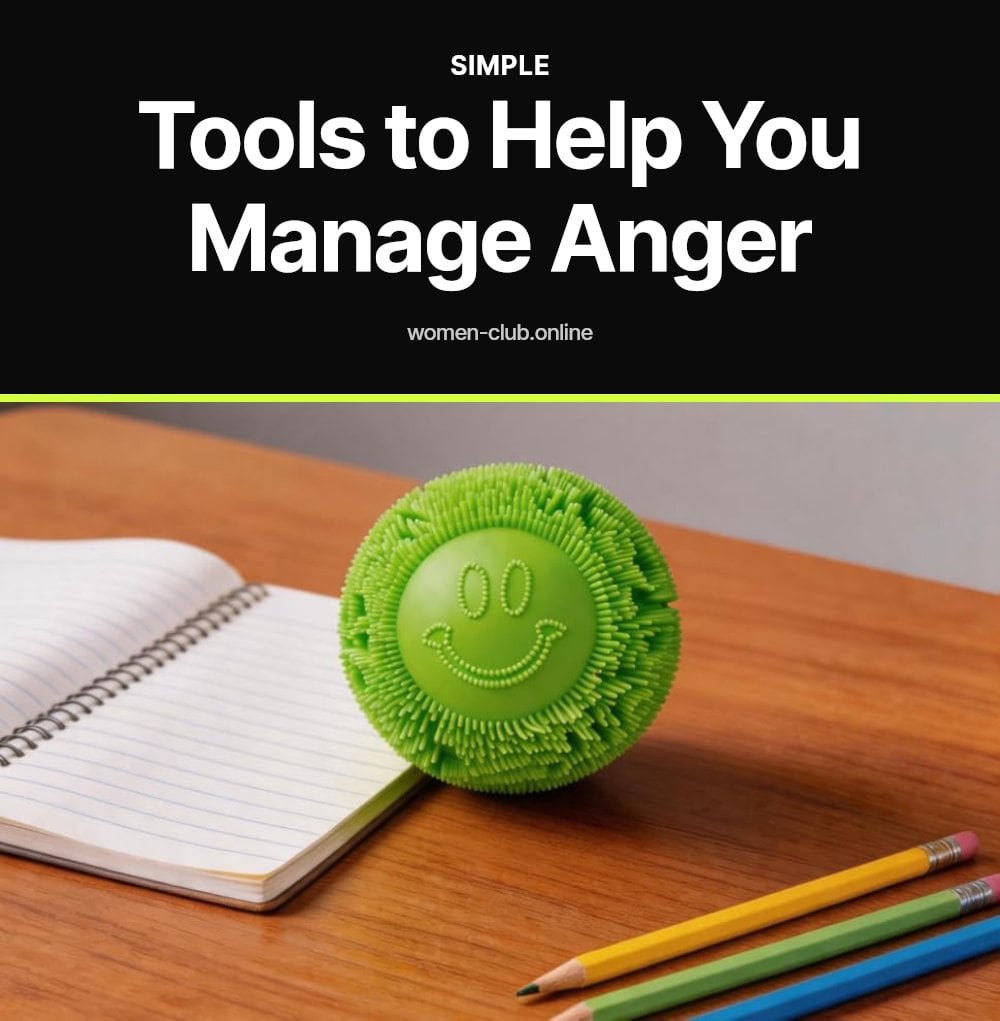
You don’t need a lot of fancy gear to manage anger. A few simple tools can make a big difference when you’re on edge.
- Journal: Writing down what triggered you and how you responded helps you spot patterns over time.
- Stress ball: Squeezing one gives your hands something to do and releases physical tension.
- Timer: Set it for 5-10 minutes when you need a structured time-out to cool down.
My tip: Keep a stress ball in your desk drawer or bag so it’s ready when frustration hits.
Step-by-Step: Calming Down in the Moment
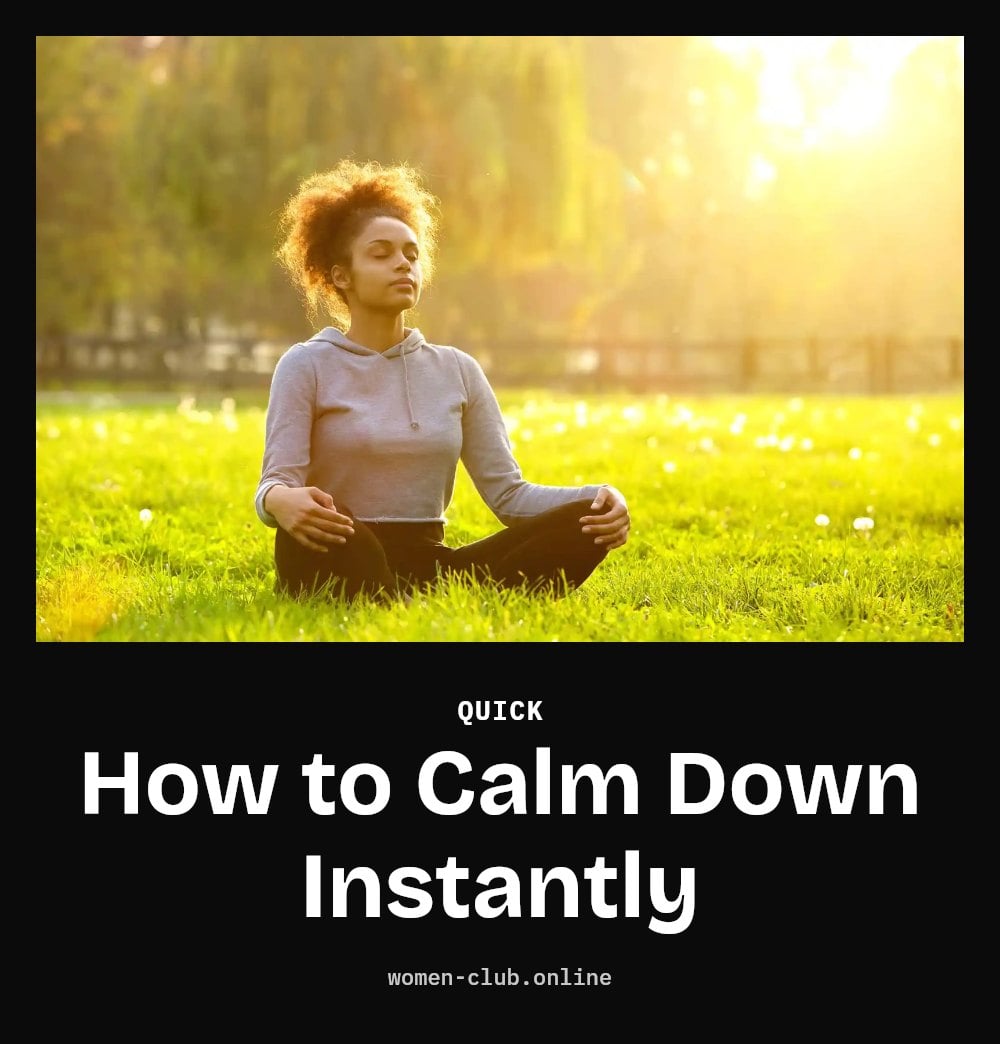
When anger starts to boil, follow these steps to regain control and respond calmly.
- Recognize your cues: Notice your personal warning signs, a racing heart, tight shoulders, or irritated thoughts. The sooner you spot them, the sooner you can act.
- Take a physical break: Step away from the situation. Even a short walk to another room creates distance and gives your brain a chance to reset.
- Breathe deeply: Inhale slowly through your nose for four counts, hold for four, then exhale through your mouth for six. This activates your relaxation response and lowers your heart rate.
- Challenge negative thoughts: Ask yourself, “Is this situation as bad as I’m making it?” or “What’s another way to look at this?” Reframing the thought reduces its power.
- Use ‘I’ statements: When you’re ready to talk, say “I feel frustrated when…” instead of “You always…” This expresses your feelings without blaming the other person and keeps the conversation productive.
My tip: Practice these steps when you’re calm so they feel automatic during a heated moment.
Effective Techniques to Diffuse Anger
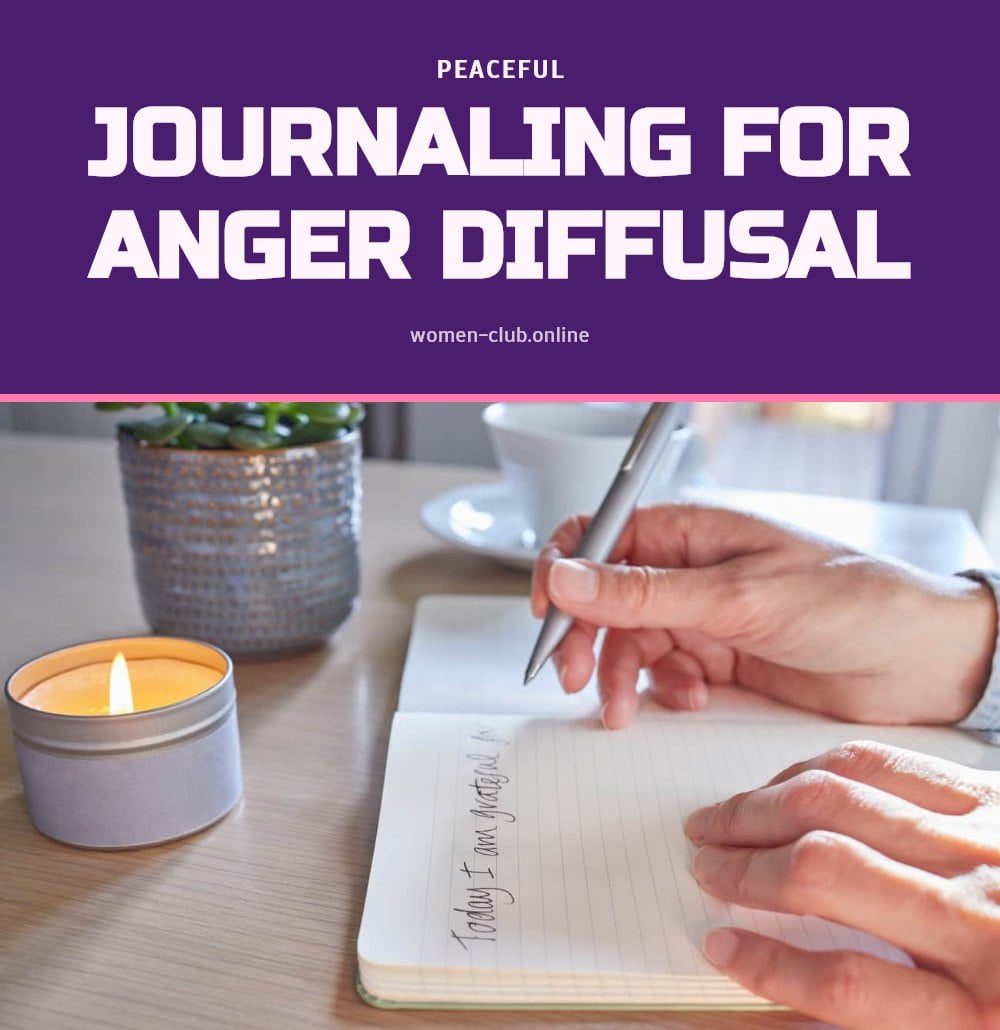
Different situations call for different approaches. Here are five techniques I’ve found effective for diffusing anger before it escalates.
Deep Breathing
Slow, intentional breaths signal your nervous system to calm down. Try the 4-4-6 pattern: inhale for four counts, hold for four, exhale for six. Repeat until you feel your muscles relax.
Cognitive Restructuring
This means catching and changing the thoughts that fuel your anger. If you catch yourself thinking “This is unfair,” replace it with “I can handle this one step at a time.” It shifts your focus from blame to problem-solving.
Taking a Time-Out
Step away for 5-10 minutes. Tell the other person you need a break and will return to talk. Use that time to breathe or walk. Caution: Don’t use the time-out to replay the argument in your head. That defeats the purpose.
Mindfulness
Mindfulness is about noticing what you’re feeling without judgment. When anger rises, pause and observe the sensation in your body, tight chest, hot face, without reacting. This awareness alone can reduce its intensity.
Humor
Finding something lighthearted in the situation can break the tension. A silly mental image or a funny memory can shift your perspective. Tip: Use humor only for your own mental reset, not to interact with others in the moment. It works best when you’re alone and need to reframe your thoughts.
Long-Term Strategies to Reduce Anger Triggers
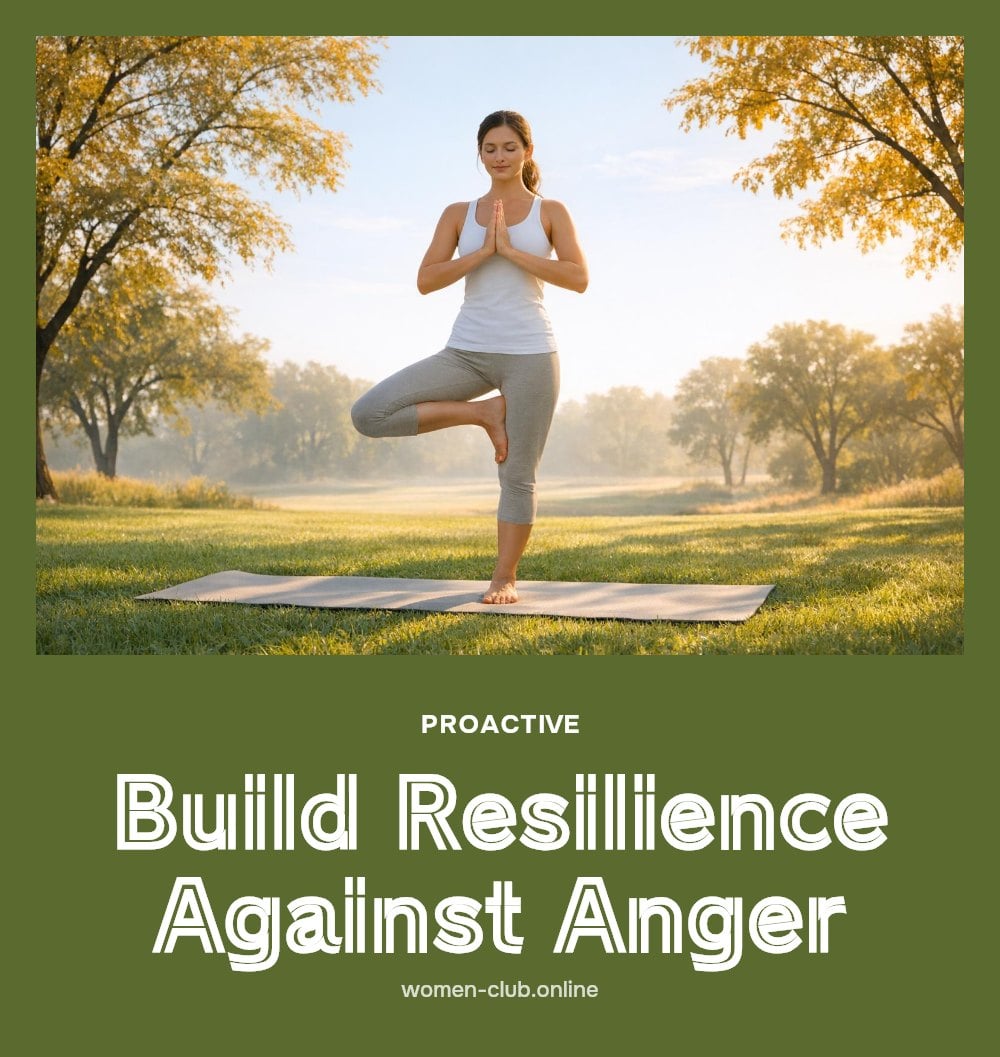
Long-term anger management starts before you feel angry. I keep a journal to log what triggered me, how I reacted, and what I felt physically. After a few weeks, patterns emerge: certain times of day, specific people, or recurring situations. That awareness lets me prepare or avoid those triggers altogether.
Regular physical activity also helps. A 20-minute walk or a quick workout burns off stress hormones that build up during the day. I notice I’m much less reactive on days I exercise.
Improving problem-solving skills addresses the root causes of frustration. Instead of fuming about a recurring issue, I break it down: what can I control, what can I change, and what do I need to accept? Mindfulness practice, even 5 minutes a day, increases emotional awareness so I notice anger earlier. Good to know: consistency is key. Pick one strategy and do it daily for a month before adding another.
Common Anger Management Mistakes to Avoid
I’ve tried them all, and these are the real pitfalls. First, don’t suppress anger entirely. Pushing it down only makes it erupt later. Acknowledge the feeling, then decide how to handle it.
Avoid blaming others for your anger. Saying “you made me mad” gives away your control. Take personal responsibility: “I felt angry when that happened.” That shift puts you back in charge.
Don’t expect instant results. Anger management is a learned skill, like playing an instrument. You’ll slip up, and that’s normal. Each attempt builds the muscle.
And don’t confuse anger management with never feeling angry. Anger is a natural emotion. The goal is healthy expression, not elimination. You can feel angry without acting destructively.
When to Seek Professional Help for Anger
Professional help is a sign of strength, not weakness. If anger ever leads to thoughts of harming yourself or others, seek immediate professional help. Call a crisis line or go to an emergency room.
Consult a therapist if anger causes significant distress or negatively impacts your relationships or work. A counselor can help you uncover underlying causes and teach tailored strategies.
Seek medical attention for physical symptoms of extreme anger like chest pain or dizziness. These could signal a serious health issue. Pro move: it’s okay to ask for help. You don’t have to figure this out alone.
Frequently Asked Questions
How long does it take for anger management techniques to work?
In the moment, techniques like deep breathing or stepping away can help you calm down within a few minutes. For long-term improvement in how you handle anger, consistent practice over several weeks is typical. The more you use the techniques, the faster and more automatic your calm response becomes.
Can anger ever be a good thing?
Yes, anger is a natural emotion that can signal that something is wrong or that a boundary has been crossed. The key is how you express it. Channeled constructively, anger can motivate you to address problems or make positive changes, rather than letting it lead to impulsive or harmful reactions.
What is the difference between anger management and suppressing anger?
Anger management means acknowledging your anger and then choosing a constructive way to respond, such as communicating calmly or taking a break. Suppressing anger means pushing it down and ignoring it, which often leads to it building up and erupting later. Management is about control, suppression is about avoidance.
Are there apps that can help with anger management?
Yes, many apps offer guided breathing exercises, mood tracking, and journaling prompts that can support your anger management practice. They can help you log triggers and track patterns over time. However, apps are a supplement, not a replacement for professional help if your anger is severe or impacting your life.
How can I help a friend who struggles with anger?
Start by listening without judgment and letting them know you care. Encourage them to try techniques like taking a break or deep breathing when they feel angry. Avoid telling them to calm down or blaming them. If their anger is causing serious problems, gently suggest they talk to a therapist or counselor.
Final Thoughts
Managing anger in the moment is a skill you can build with practice. Start with one technique that feels doable, like taking a physical break or using deep breathing, and use it consistently. Expect that it may take a few weeks of regular practice before you notice a real shift in how you respond. The goal isn’t to never feel angry, it’s to stay in control and choose your response.
This article is for informational purposes only and is not a substitute for professional medical or mental health advice. If you are experiencing thoughts of harming yourself or others, or if anger is causing significant distress in your life, please consult a qualified therapist, counselor, or crisis service.








