Effective No Equipment Workouts to Build Strength Anywhere

You don’t need a gym membership, fancy equipment, or a lot of space to build strength and get a great workout. Bodyweight exercises are a powerful, versatile way to train anywhere, whether you’re at home, in a hotel room, or outdoors. This article covers effective no-equipment workouts, a weekly schedule, and essential tips for staying safe and seeing results.
Key Takeaways
- Do 3-5 sessions per week, with rest days to prevent overtraining.
- Prioritize proper form over speed or repetition count.
- Warm up for 5-10 minutes and cool down with static stretches.
- Progress by adding reps, sets, or harder variations like plyometrics.
- Listen to your body and stop if you feel sharp pain or dizziness.
1. Warm-Up: Arm Circles
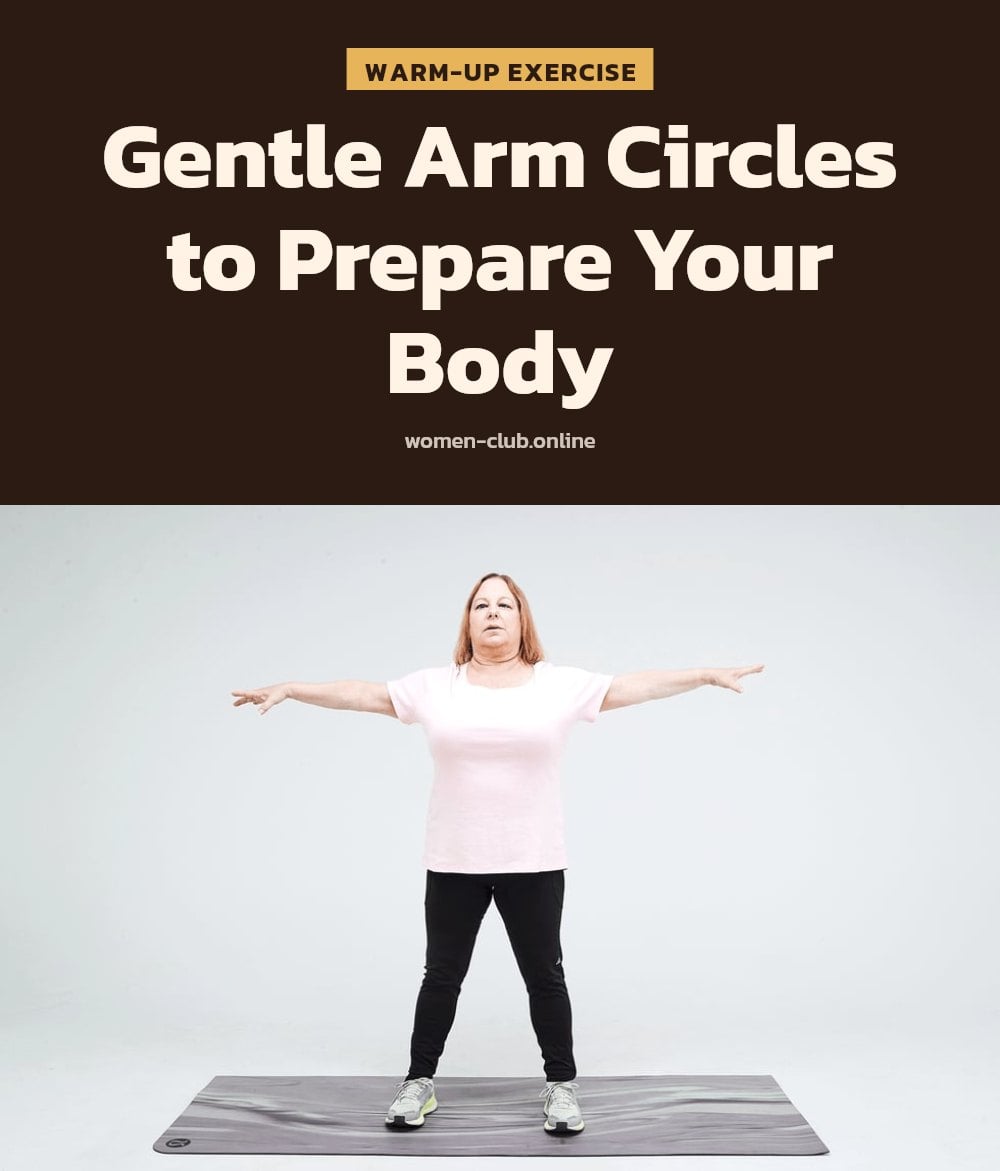
Stand with your feet shoulder-width apart and extend your arms straight out to the sides, parallel to the floor. Perform small forward circles for 30 seconds, then switch to backward circles for another 30 seconds. Keep the movement controlled and gentle to prepare your shoulders and upper body.
- Time: 30 seconds forward, 30 seconds backward
- Form cue: Keep your arms at shoulder height and your shoulders relaxed, not hunched.
- Make it easier or harder: Reduce the circle size for a gentler warm-up or make them larger for more range of motion.
2. Squats
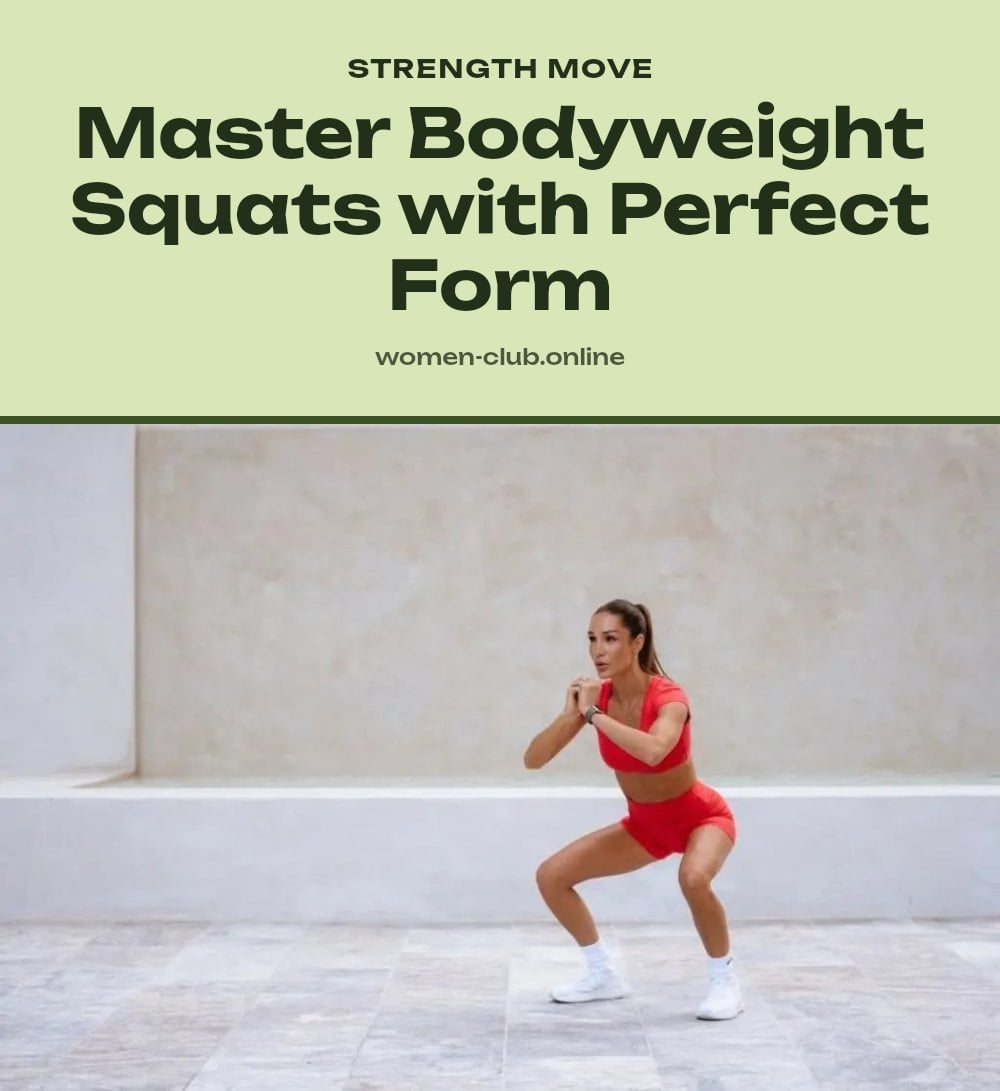
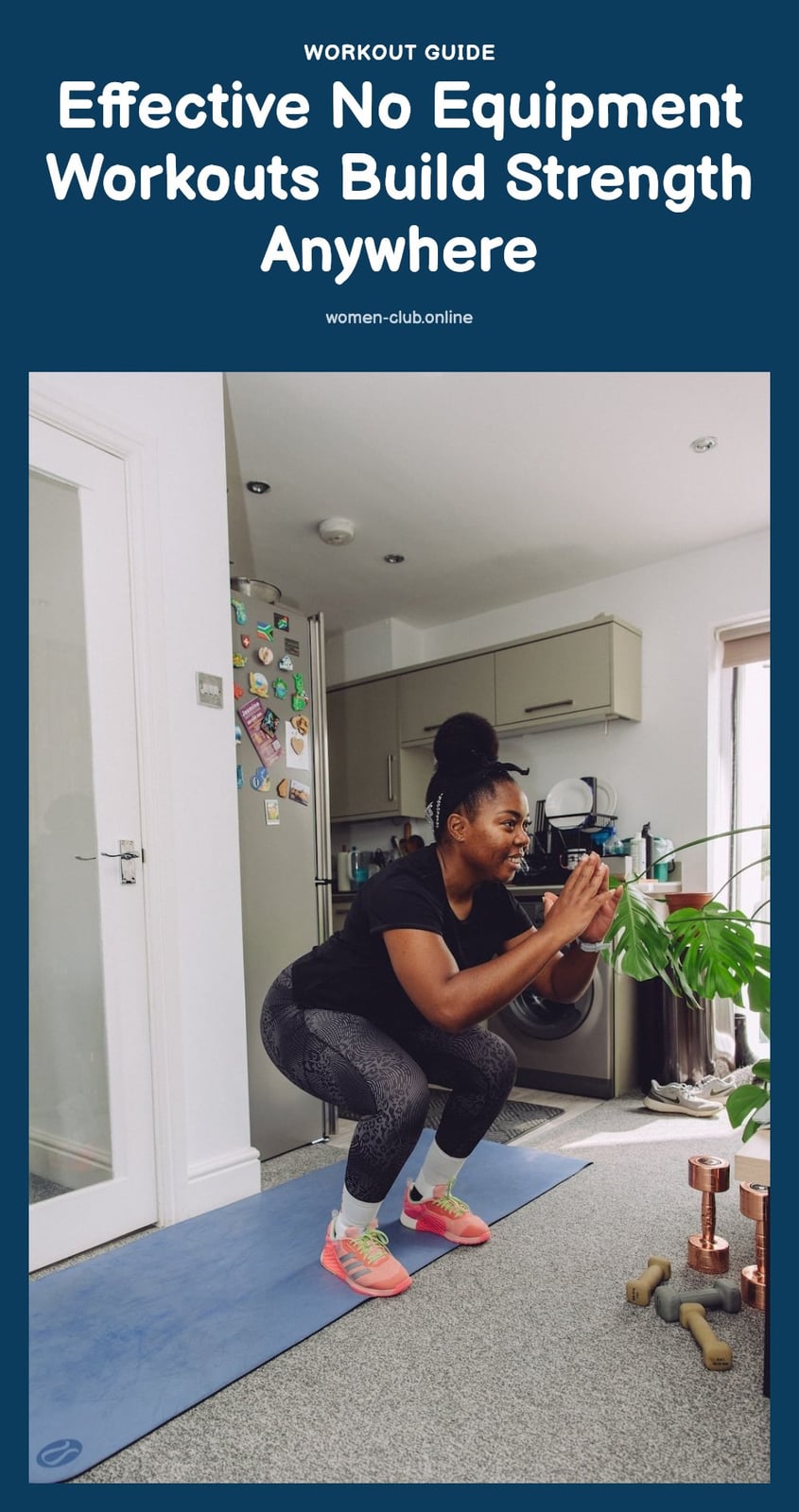
Stand with your feet shoulder-width apart and toes pointing slightly out. Lower your hips as if sitting in a chair, keeping your chest up and back straight, until your thighs are parallel to the floor or as deep as comfortable. Push through your heels to return to the starting position.
- Sets and reps: 3 sets of 10-15 repetitions
- Form cue: Keep your weight in your heels and your knees tracking over your toes, not caving inward.
- Make it easier or harder: Reduce your range of motion for a shallower squat, or add a pulse at the bottom for extra challenge.
3. Push-Ups (Modified or Standard)
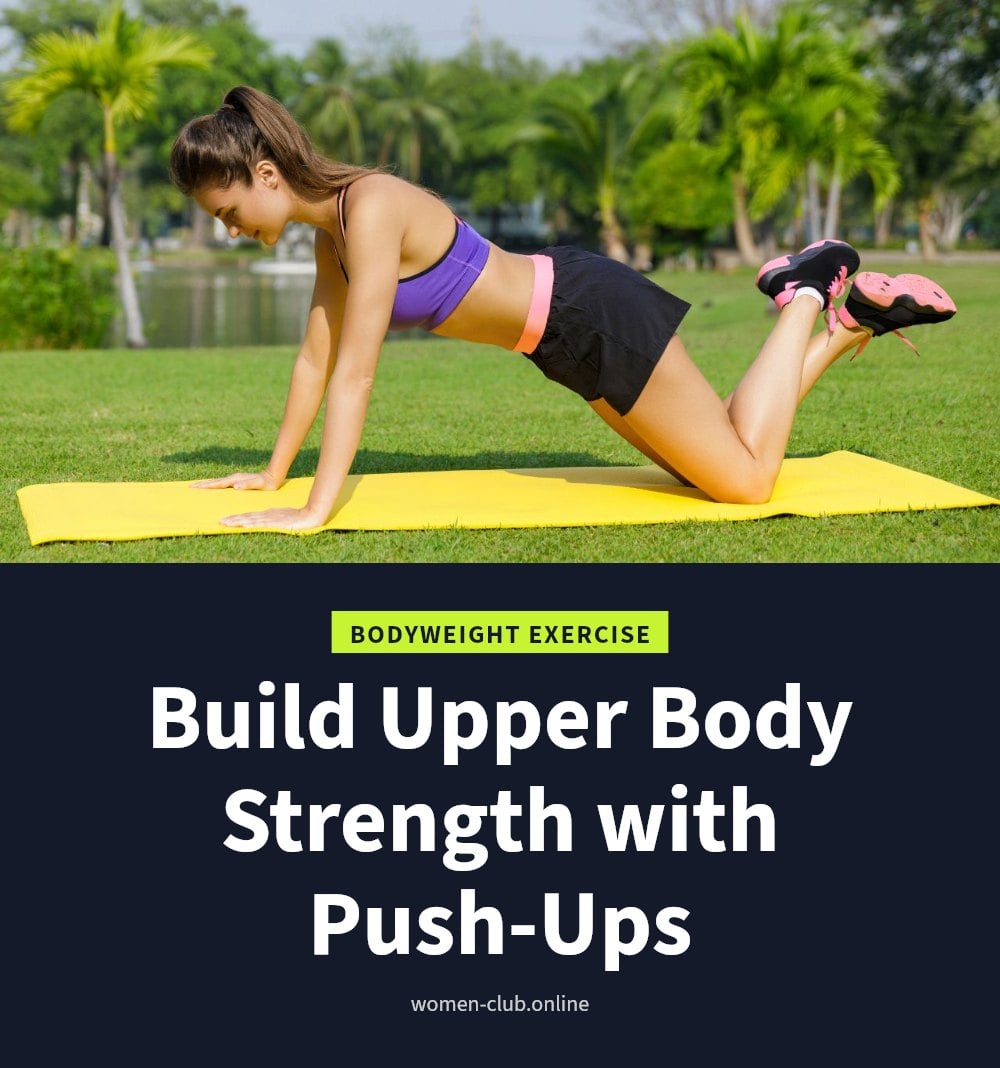
Start in a plank position with your hands slightly wider than shoulder-width apart. Lower your chest toward the floor, keeping your body in a straight line from head to heels, then push back up. For a modified version, perform the movement on your knees or against a wall.
- Sets and reps: 3 sets of 8-12 repetitions
- Form cue: Keep your core engaged and your hips from sagging or piking up throughout the movement.
- Make it easier or harder: Use knee push-ups or wall push-ups to reduce difficulty, or elevate your feet on a step for a greater challenge.
4. Lunges

Stand with your feet hip-width apart and step one leg forward, lowering your hips until both knees are bent at about a 90-degree angle. Your front knee should be directly above your ankle, and your back knee should hover just above the floor. Push off your front foot to return to the start and alternate legs.
- Sets and reps: 3 sets of 10-12 repetitions per leg
- Form cue: Keep your torso upright and your front knee aligned with your ankle, not past your toes.
- Make it easier or harder: Take a shorter step for less depth, or add a rear lunge by stepping backward instead of forward.
5. Plank
Lower onto your forearms from a push-up position, keeping your elbows directly under your shoulders. Engage your core, glutes, and quads to hold a straight line from head to heels. Avoid letting your hips sag or rise too high.
- Time: Hold for 30-60 seconds. Perform 3 sets.
- Form cue: Squeeze your glutes and pull your belly button toward your spine to keep the line straight.
- Make it easier or harder: Drop your knees to the floor for less intensity, or lift one leg off the ground to increase the challenge.
6. Glute Bridges
Lie on your back with knees bent, feet flat on the floor hip-width apart, and arms by your sides. Engage your glutes and lift your hips until your body forms a straight line from shoulders to knees. Squeeze your glutes at the top, then slowly lower back down.
- Sets and reps: 3 sets of 12-15 repetitions.
- Form cue: Drive through your heels and avoid arching your lower back at the top.
- Make it easier or harder: Perform the movement with both feet on the floor, or lift one foot off the ground for a single-leg bridge.
7. Jumping Jacks
Stand with feet together and arms at your sides. Jump, spreading your feet wide and bringing your arms overhead, then jump back to the starting position in a controlled motion. This plyometric exercise boosts cardiovascular health.
- Time: 3 sets of 30-60 seconds.
- Form cue: Land softly on the balls of your feet with knees slightly bent to absorb impact.
- Make it easier or harder: Step instead of jump for a lower impact version, or increase speed for a greater challenge.
8. Cool-Down: Hamstring Stretch
Lie on your back and extend one leg straight up toward the ceiling. Gently grasp behind your thigh or calf (avoid the knee) and pull the leg closer until you feel a stretch. Keep your other leg flat on the floor or bent for comfort.
- Time: Hold for 20-30 seconds per leg, breathing deeply.
- Form cue: Keep your hips flat on the floor and avoid locking the knee of the lifted leg.
- Make it easier or harder: Use a towel looped around your foot to pull if you can’t reach your leg, or straighten the bottom leg for a deeper stretch.
Your Weekly No-Equipment Workout Schedule
This schedule rotates bodyweight exercises to hit all major muscle groups while giving each area time to recover. Swap days as needed, but try not to skip more than one rest day in a row.
| Day | Workout Focus | Duration |
|---|---|---|
| Monday | Full body (squats, push-ups, lunges, plank) | 20-30 min |
| Tuesday | Rest or light stretching | 10-15 min |
| Wednesday | Lower body (squats, lunges, glute bridges, jumping jacks) | 20-30 min |
| Thursday | Rest or active recovery (walking, yoga) | 20-30 min |
| Friday | Upper body (push-ups, plank, arm circles) | 20-30 min |
| Saturday | Full body HIIT (alternate 30 sec work, 30 sec rest) | 15-20 min |
| Sunday | Rest |
Repeat each exercise for 3 sets with 30-60 seconds rest between sets. Increase reps or add a harder variation every 2 weeks to keep progressing.
Common Mistakes to Avoid in No-Equipment Workouts
Even the best bodyweight routine can fall flat if you fall into these common traps. Avoid them to stay safe and see real results.
- Neglecting Proper Form: Always prioritize correct form over the number of repetitions. Poor form can lead to ineffective workouts and potential injury. If you’re unsure, watch videos or use a mirror.
- Skipping Warm-Up and Cool-Down: These are crucial for preparing your body for exercise and aiding recovery. A proper warm-up prevents injury, and a cool-down improves flexibility.
- Doing the Same Routine Every Day: Your muscles need variation to grow stronger. Incorporate different exercises or vary your sets and reps to challenge your body and prevent plateaus.
- Ignoring Pain Signals: Sharp pain is your body’s way of telling you something is wrong. Stop immediately if you feel sharp pain, dizziness, or chest discomfort. Listen to your body and rest when needed.
- Not Progressing Gradually: As you get stronger, your body adapts. To continue seeing results, gradually increase the difficulty by doing more repetitions, adding sets, or trying more challenging variations of exercises.
My tip: Keep a simple workout log. Jot down the exercises, sets, and reps you did each session. It helps you track progress and spot when it’s time to level up.
Frequently Asked Questions
How often should I do no-equipment workouts?
For best results, aim for 3-5 sessions per week, as the article’s weekly schedule suggests. This gives your muscles time to recover between workouts. If you’re new to exercise, start with 3 days and gradually increase frequency as your fitness improves.
Can I build muscle with just bodyweight exercises?
Yes, bodyweight exercises can build muscle, especially for beginners. The key is progressive overload, which means making the exercise harder over time. You can increase repetitions, slow down the movement, or try more challenging variations like one-legged squats or plyometric push-ups.
What if I’m a beginner and can’t do all the exercises?
That’s completely fine. The article includes modified versions, like knee push-ups, to make exercises easier. Start with what you can do, even if it’s just a few repetitions, and build up gradually. Focus on form over quantity, and don’t compare yourself to others.
How can I make no-equipment workouts more challenging?
Once an exercise feels easy, you can increase the number of repetitions or sets, slow down the tempo, or try a harder variation. For example, you can move from standard push-ups to decline push-ups or add plyometric moves like jump squats. The key is to keep challenging your muscles to see progress.
Is it okay to work out every day without equipment?
Working out every day is not recommended because your muscles need time to recover and grow. The article suggests taking rest days and not skipping more than one rest day in a row. Overtraining can lead to injury and burnout. Listen to your body and include rest days in your routine.
Final Thoughts
For real results, commit to a routine you can stick with, aiming for 3-5 sessions per week. Start with the basics, focus on form, and gradually increase the challenge as you get stronger. Expect to notice improvements in strength and endurance within 4-6 weeks if you stay consistent. Remember, consistency beats intensity, so show up, do your best, and give your body time to recover.
This article provides general fitness information and is not a substitute for professional advice. Before starting any new exercise program, especially if you have pre-existing health conditions, consult a healthcare professional. If you experience sharp pain, dizziness, or chest discomfort during exercise, stop immediately and seek medical attention.








