
You know that heavy, foggy feeling that hits around 2 PM? It’s not just you. It’s a natural dip in your body’s internal clock. The good news is you don’t have to power through it with more coffee or sugar. This article covers simple, practical habits that can help you feel more alert and focused during that afternoon slump, from hydration and movement to smart snacking and power naps.

Key Takeaways
- Drink water consistently throughout the day, especially in the afternoon, to prevent fatigue.
- Eat a balanced lunch with protein, vegetables, and whole grains to avoid a blood sugar crash.
- Take a 10-minute walk or stretch break every 60-90 minutes to boost energy and mood.
- A 10-20 minute power nap can improve alertness without causing grogginess.
- If fatigue is persistent and extreme, consult a healthcare professional to rule out underlying issues.
Conquering the Afternoon Energy Dip
That 2 PM drowsiness is real. The afternoon slump, hitting between 1 PM and 3 PM, is a natural dip in your circadian rhythm. You can reduce its impact with smart choices around hydration, nutrition, movement, and short breaks. My tip: Small, consistent habits work far better than powering through with extra caffeine or sugar.
1. Stay Hydrated All Day

Even mild dehydration can cause fatigue and foggy thinking. Keep a water bottle on your desk and sip consistently, especially in the afternoon.
- My tip: Add a slice of lemon or cucumber to your water. The subtle flavor makes you want to drink more, keeping your energy steady.
2. Eat a Balanced Lunch

A heavy, carb-loaded lunch can spike your blood sugar and then crash it, leaving you drowsy. Instead, build a balanced plate with lean protein, vegetables, and whole grains.
- Tip: Swap a big pasta dish for a salad with grilled chicken or a veggie and hummus wrap. Your energy will stay stable through the afternoon.
3. Move Your Body Regularly
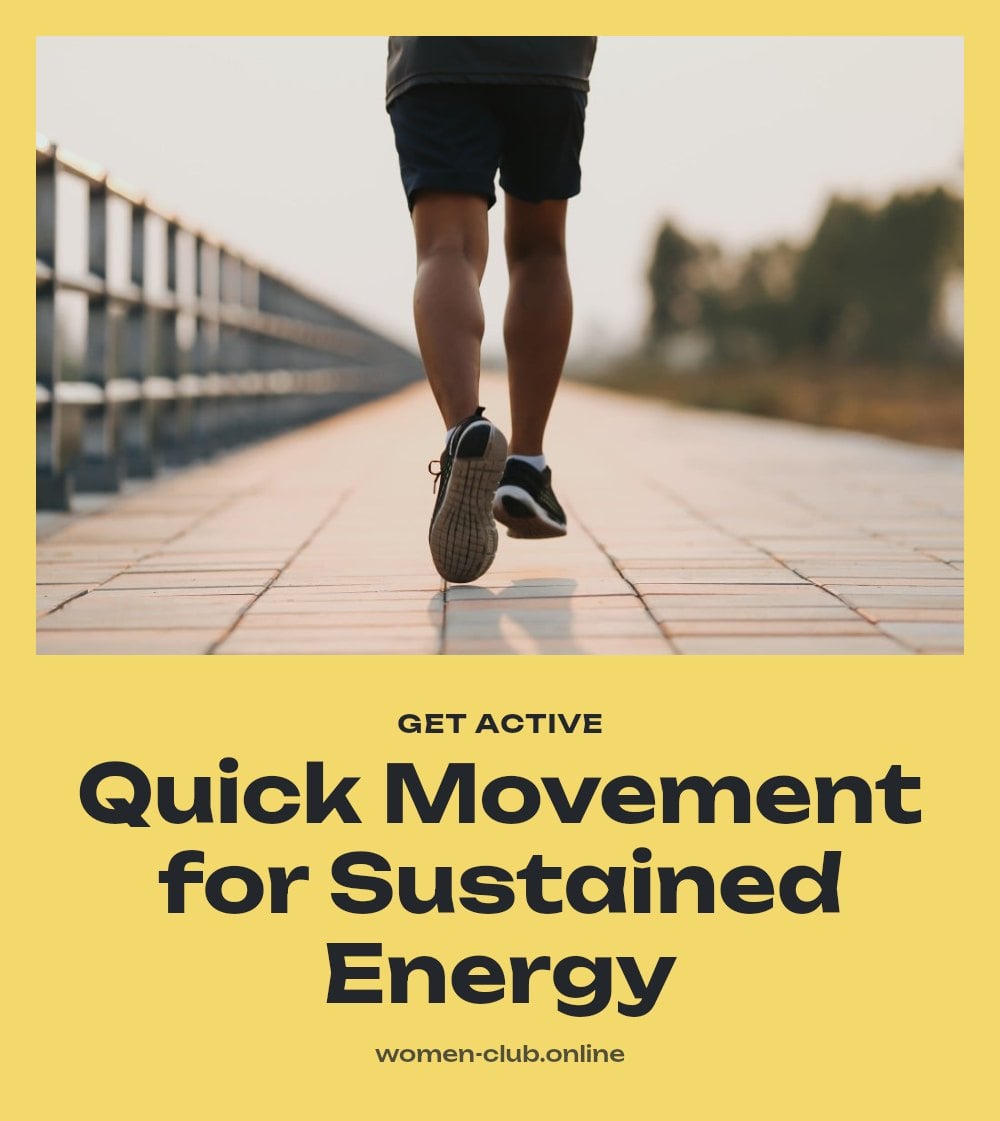
Sitting for hours makes you feel sluggish and less alert. Short movement breaks, even a 10-minute walk, boost blood flow, mood, and energy.
- Good to know: Set a timer to stand up, stretch, or walk around every 60-90 minutes. It’s a simple reset that keeps the slump away.
4. Seek Natural Light
Natural light helps regulate your circadian rhythm, which directly affects alertness. Stepping outside for even a few minutes signals to your body that it’s still daytime, reducing drowsiness.
Tip: If you can’t go outside, sit near a window for a while to soak up some natural light. Even indirect exposure can help.
5. Take a Power Nap
A power nap of 10-20 minutes can improve alertness and cognitive performance without causing post-nap grogginess. The goal is to recharge just enough to shake off the slump, not enter deep sleep.
Tip: Set an alarm to ensure you don’t oversleep and wake up feeling more tired than before.
6. Snack Smart for Sustained Energy
Balanced snacks that combine protein, healthy fats, and complex carbohydrates stabilize blood sugar and sustain energy between meals. Avoid sugary snacks that offer a quick spike followed by an inevitable crash.
Tip: Keep healthy options like a handful of almonds, an apple with peanut butter, or Greek yogurt with berries accessible.
7. Practice Mindful Breathing
Mindful breathing exercises reduce stress, calm the nervous system, and increase oxygen flow to the brain, all of which improve energy. Even a few minutes of deep, intentional breaths can make a difference.
Tip: Try the 4-7-8 technique: inhale for 4 counts, hold for 7, exhale for 8. Repeat a few times.
8. Listen to Uplifting Music
Put on some uplifting music. Energizing tunes can boost your mood and perceived energy levels, helping you refocus when you feel sluggish. It acts as a mental pick-me-up without any caffeine or sugar.
Tip: Create a ‘power playlist’ of your favorite upbeat songs to play the moment the slump hits.
9. Prioritize Quality Sleep
Prioritize quality sleep. Poor sleep the night before is a major reason the afternoon slump hits harder. Aim for 7-9 hours of consistent, restorative sleep each night to set yourself up for sustained energy the next day.
Pro move: Establish a consistent bedtime routine, like reading or a warm bath, to signal your body it’s time to wind down.
10. Chew Gum for Alertness
Chew sugar-free gum. Some studies suggest the act of chewing may increase blood flow to the brain and stimulate the nervous system, offering a mild, non-caffeinated energy boost. It can improve alertness and cognitive performance.
Quick tip: Keep a pack of sugar-free gum in your bag or at your desk for a quick pick-me-up when focus fades.
11. Limit Afternoon Caffeine
Limit afternoon caffeine. Relying on coffee or energy drinks after 2 PM can disrupt your nighttime sleep, creating a vicious cycle of fatigue. Be mindful of your caffeine intake to ensure it doesn’t interfere with falling asleep soundly.
Tip: If you need a warm drink, switch to herbal tea or decaf coffee in the late afternoon.
When to Consult a Professional
If you have persistent, extreme fatigue that significantly impacts your daily life even after trying these habits, consult a healthcare professional. Consistent overwhelming tiredness may signal an underlying condition like anemia, thyroid issues, sleep disorders, or chronic fatigue syndrome. A doctor can rule out serious health concerns and offer personalized advice or treatment.
Frequently Asked Questions
Why do I feel so tired every afternoon?
The afternoon slump is a natural part of your body’s circadian rhythm, typically hitting between 1 PM and 3 PM. It’s a dip in alertness that everyone experiences to some degree. Lifestyle factors like dehydration, a heavy lunch, poor sleep, or sitting too long can make it feel much worse.
Can certain foods make the afternoon slump worse?
Yes. A large, carbohydrate-heavy lunch can spike your blood sugar and then cause a crash, leading to drowsiness. Sugary snacks and drinks do the same. Opt for a balanced meal with lean protein, vegetables, and whole grains, and keep healthy snacks like nuts or fruit on hand.
How long should a power nap be?
Aim for 10 to 20 minutes. This length lets you recharge without entering deep sleep, so you wake up feeling refreshed rather than groggy. Set an alarm to make sure you don’t oversleep.
Is it bad to drink coffee in the afternoon?
It can be. Caffeine late in the afternoon, especially after 2 PM, may interfere with your ability to fall asleep at night. Disrupted sleep then makes the next day’s slump worse. If you want a warm drink, try herbal tea or water instead.
What are the best healthy snacks for energy?
Snacks that combine protein, healthy fats, and complex carbohydrates help stabilize your blood sugar. Good options include a handful of almonds, an apple with peanut butter, yogurt, or a small piece of fruit. Avoid sugary snacks that give a quick spike followed by a crash.
Final Thoughts
Start with one or two of these habits today, like sipping water steadily or taking a short walk after lunch. You’ll likely feel a difference within minutes, but consistent practice over days and weeks builds more steady energy. Small, consistent habits work better than any quick fix.
This article is for general informational purposes only and does not constitute medical advice. If you experience persistent or extreme fatigue that affects your daily life, please consult a healthcare professional to rule out any underlying conditions.








