
If you are curious about fasting but worried about how it might affect your hormones, you are in the right place. Fasting can be a powerful wellness tool, but for women, the approach matters a lot. This article covers the basics of intermittent fasting, gentle schedules that are beginner friendly, and what to expect along the way.
Key Takeaways
- Start with a 12-hour overnight fast to let your body adjust gently.
- Stay hydrated with water, black coffee, or plain tea during fasting windows.
- Eat nutrient-dense whole foods during your eating windows to support hormone health.
- Listen to your body and stop fasting if you feel dizzy, overly tired, or unwell.
- Consult a healthcare professional before starting, especially if you have health conditions.
What is Fasting and How Does It Work?
Fasting means voluntarily choosing to abstain from some or all food and drink for a set period. Intermittent fasting (IF) is a popular approach that cycles between eating windows and fasting windows. Two common methods are the 16/8 method (fasting for 16 hours and eating within an 8-hour window) and the 5:2 method (eating normally for five days and restricting calories to 500-600 on two non-consecutive days). During fasting periods, water, black coffee, and plain tea are generally allowed. Potential benefits can include weight management, improved insulin sensitivity, and cellular repair processes like autophagy.
Why Fasting Can Be Different for Women
Why Fasting Can Be Different for Women
Your body’s response to fasting is closely tied to your hormones, and women’s hormonal systems are more sensitive to energy availability than men’s. When you fast, your body perceives a potential energy shortage, which can signal your reproductive system to slow down or pause. This is why aggressive or prolonged fasting may lead to menstrual cycle disruptions, mood changes, or fertility concerns for some women.
My tip: start with the gentlest approach possible. A 12-hour overnight fast is a safe entry point that allows your body to adjust without triggering a stress response. If you have a history of irregular cycles, PCOS, or are trying to conceive, take extra caution. Your reproductive health relies on consistent energy intake, so listen to any changes in your cycle, mood, or energy levels.
Gentle, shorter fasting windows and nutrient-dense eating periods help maintain hormonal balance. Prioritizing protein, healthy fats, and complex carbohydrates during your eating window supports stable blood sugar and cortisol levels, which are key for women’s hormonal health.
Gentle Fasting Schedules for Beginners
Gentle Fasting Schedules for Beginners
If you are new to fasting, starting with a manageable schedule helps your body adjust without shock. Here are three beginner-friendly methods to consider.
- 12-hour overnight fast: This is the gentlest entry point. Simply finish dinner by 7 p.m. and do not eat again until 7 a.m. the next morning. Many women find this easy to incorporate into their daily routine. My tip: Use this schedule for at least a week before trying anything longer.
- 16/8 method: Once the 12-hour fast feels comfortable, you can extend the fasting window to 16 hours, leaving an 8-hour eating window. A common example is eating between noon and 8 p.m., then fasting overnight and through the morning. My tip: Keep the eating window consistent each day to help regulate your hunger cues and energy levels.
- 5:2 method: This method focuses on calorie restriction rather than time restriction. For two non-consecutive days per week, limit your calorie intake to 500-600 calories. On the other five days, eat normally with an emphasis on nutrient-dense foods. Tip: Choose your two fasting days based on your schedule, such as a less busy Tuesday and Thursday, to make it easier to stick with.
Throughout any schedule, prioritize whole, nutrient-dense foods during your eating windows to ensure you get enough vitamins and minerals. Listen to your body and adjust the duration or frequency if you feel overly fatigued, irritable, or notice changes in your menstrual cycle.
Essential Tools for a Successful Fast
Essential Tools for a Successful Fast
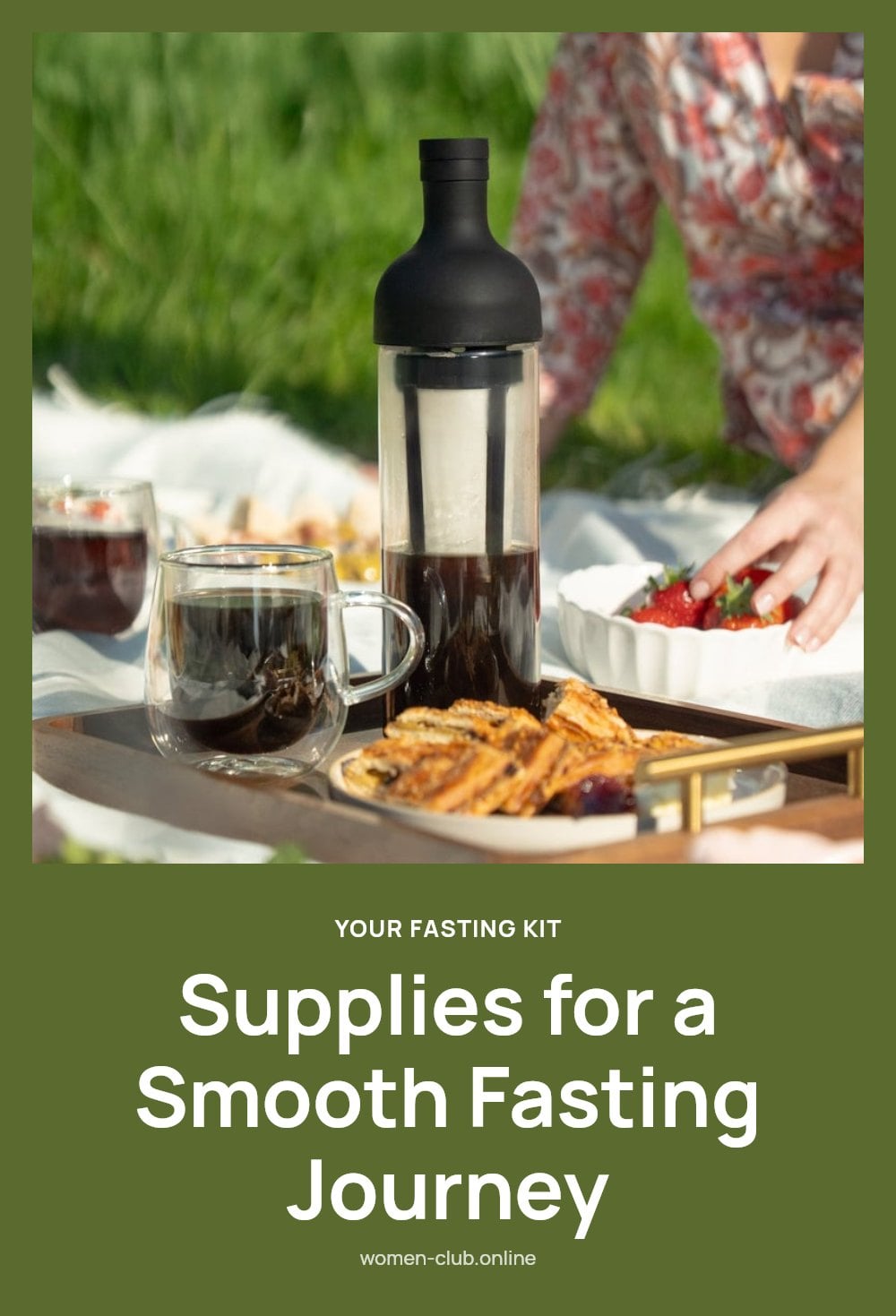
Having a few simple items on hand can make fasting more comfortable and sustainable. A good water bottle is your most important tool for staying hydrated throughout the day. Herbal teas, such as peppermint or chamomile, offer warmth and variety without breaking your fast. Black coffee can provide an energy boost and may help curb appetite during fasting periods. Electrolyte supplements, like those containing sodium, potassium, and magnesium, can be useful if you experience headaches or fatigue, but only use them if advised by a healthcare professional.
Common Fasting Mistakes Women Make
One of the biggest mistakes I see women make is jumping into aggressive fasting schedules, like 24-hour fasts, right away. This can be especially disruptive for your hormones, potentially affecting your menstrual cycle and mood. Start with a gentle 12-hour overnight fast instead.
Not drinking enough water during your fast is another common pitfall. Dehydration can cause headaches, fatigue, and irritability, which are often mistaken for hunger. Keep a water bottle nearby and sip on black coffee or plain tea for variety.
What you eat during your eating window matters just as much as when you fast. Filling up on processed, sugary foods can negate the potential benefits and leave you feeling worse. Prioritize whole, nutrient-dense foods like vegetables, lean proteins, and healthy fats.
Ignoring your body’s signals is a mistake that can lead to negative health impacts. If you feel dizzy, extremely tired, or overly irritable, your body is telling you something. Listen to it and adjust your approach.
Good to know: Don’t compare your fasting experience to a man’s. Women’s bodies respond differently due to hormonal fluctuations, so what works for him may not work for you. And always consult a doctor before starting, especially if you have any hormonal imbalances or health conditions.
Best Tips for a Positive Fasting Experience
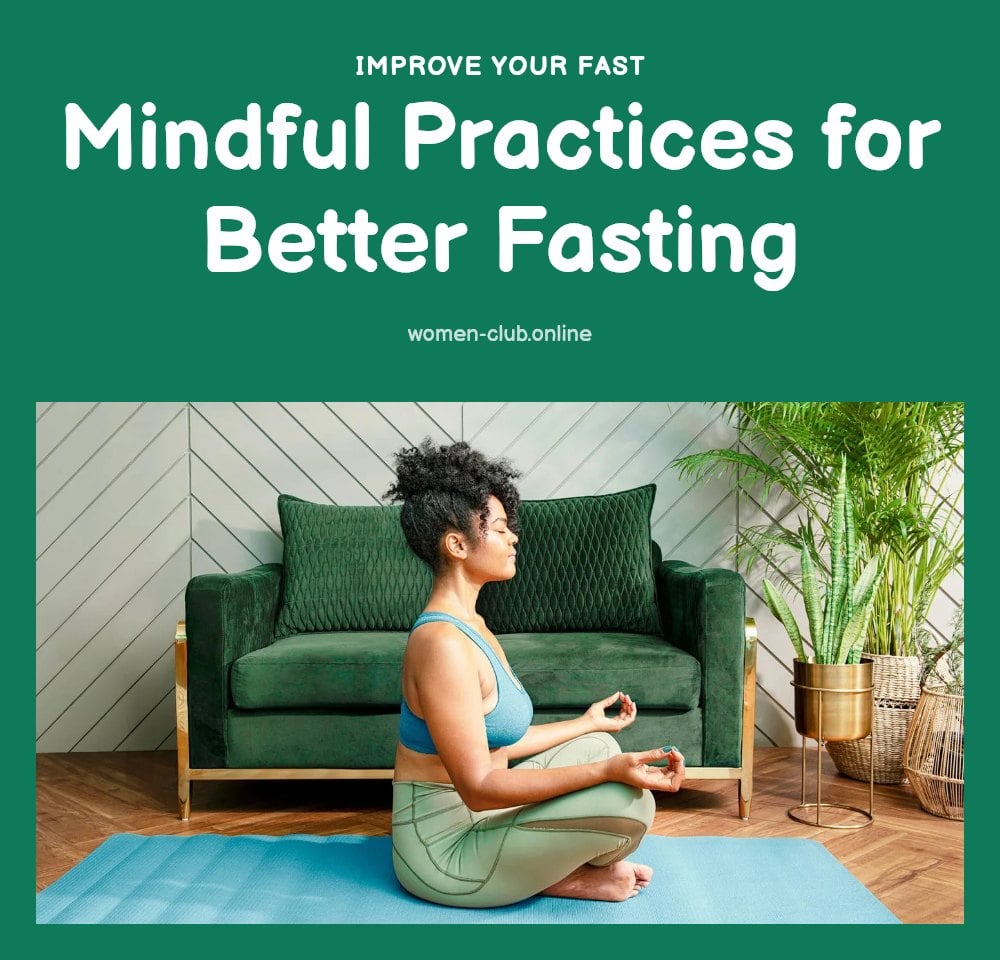
For a positive fasting experience, start with hydration as your foundation. Drink plenty of water throughout the day, and enjoy black coffee or plain tea during your fast for warmth and a gentle energy boost. Herbal teas are a great option too.
When it’s time to eat, focus on nutrient-dense, whole foods. Think leafy greens, colorful vegetables, lean proteins, and healthy fats like avocado or nuts. This ensures your body gets the vitamins and minerals it needs.
Begin with a gentle schedule, like a 12-hour overnight fast, and only increase the duration if you feel comfortable. Your body needs time to adapt, and pushing too hard too fast can backfire.
Tip: Listen to your body closely. If you experience adverse symptoms like dizziness, extreme fatigue, or mood changes, discontinue fasting and reassess. Adequate sleep and stress management are also crucial, as they directly impact your hormonal balance.
Break your fast gently with easily digestible foods, such as a small smoothie, soup, or a piece of fruit. This helps avoid digestive upset and eases your body back into eating mode.
When to Talk to a Healthcare Professional
Before starting any fasting regimen, it is essential to consult a healthcare professional, especially if you have an underlying health condition. This is particularly important for women with hormonal imbalances, a history of menstrual irregularities, or those who are pregnant or breastfeeding.
Fasting is not suitable for everyone. It should be avoided by individuals with diabetes (especially type 1), eating disorders, low blood pressure, or those taking certain medications. Pregnant and breastfeeding women should not fast due to increased nutritional needs.
Caution: Stop fasting immediately and seek medical advice if you experience severe dizziness, fainting, extreme fatigue, heart palpitations, or significant mood disturbances. Pay attention to signs of hormonal disruption, such as changes in your menstrual cycle, hair loss, or increased anxiety.
Women with a history of amenorrhea (missing periods) or other menstrual irregularities should be particularly cautious. Always prioritize your health and safety over any fasting schedule.
What to Expect: Timeline and Results
Results from fasting vary greatly from person to person, so try not to compare your journey to anyone else’s. Some women notice changes in their energy levels or weight within the first few weeks, while others may take longer to see any shifts.
Hormonal adaptations, such as improvements in menstrual cycle regularity, can take several months to manifest. Consistency with your chosen schedule and listening to your body’s signals are far more important than chasing rapid results.
Fasting itself has no direct cost, but investing in nutrient-dense foods for your eating windows is key to supporting your overall health. Focus on whole foods and gentle, sustainable habits rather than quick fixes.
Frequently Asked Questions
What is the easiest way to start fasting?
The easiest way is to try a 12-hour overnight fast. Finish dinner by 7 p.m. and wait until 7 a.m. to eat breakfast. This schedule fits naturally into most routines and gives your body a gentle introduction without feeling extreme.
Can fasting help with weight loss for women?
Fasting may help with weight management for some women by creating a natural calorie deficit and improving insulin sensitivity. However, results vary, and it is not a guaranteed solution. Pairing fasting with nutrient-dense meals and regular activity is more likely to support your goals.
How long should a woman fast for beginners?
Beginners should start with a 12-hour overnight fast, which is the gentlest option. Once your body adjusts, you can gradually increase the fasting window, such as moving to a 14-hour fast, but only if you feel comfortable and have no adverse symptoms.
What can I drink during a fast?
During fasting periods, you can drink water, black coffee, and plain tea. Herbal teas like peppermint or chamomile are also great choices for warmth and variety. Avoid adding sugar, cream, or milk, as these can break your fast.
Does fasting affect menstrual cycles?
Some women may experience changes in their menstrual cycle, especially with aggressive or prolonged fasting. This is due to hormonal sensitivity to energy availability. If you notice disruptions, stop fasting and speak with a healthcare professional.
Is fasting safe for all women?
No, fasting is not safe for everyone. It is not recommended for women who are pregnant, breastfeeding, or trying to conceive. Women with a history of eating disorders, diabetes, or menstrual irregularities should avoid fasting unless a doctor approves and supervises.
Final Thoughts
If you are new to fasting, my tip is to begin with a simple 12-hour overnight fast and see how your body responds over a week or two. You may notice changes in energy or weight within a few weeks, but hormonal adaptations can take longer, so be patient. The key is to stay flexible and always prioritize your well being over any schedule.
This article is for general information only and is not a substitute for professional medical advice. Fasting may not be suitable for everyone. Always consult a doctor or qualified healthcare provider before starting any fasting regimen, especially if you have underlying health conditions or are pregnant, breastfeeding, or trying to conceive.








