
If you’re constantly feeling drained, you might be surprised to learn that the culprit isn’t always a lack of sleep. Fatigue is a persistent lack of energy that can make everyday tasks feel overwhelming, and it’s often rooted in simple, everyday habits. This article covers the common lifestyle factors that can quietly drain your energy, from sleep and diet to stress and your environment, so you can start feeling more like yourself again.
By identifying and adjusting these habits, many women find they can significantly improve their vitality without drastic changes. My tip is to start with just one or two areas that feel most manageable, rather than trying to overhaul everything at once.

Key Takeaways
- Prioritize 7 to 9 hours of quality sleep each night to support energy levels.
- Stay hydrated throughout the day, as even mild dehydration can cause fatigue.
- Eat balanced meals and snacks regularly to avoid blood sugar crashes.
- Incorporate regular physical activity, like short walks, to boost rather than drain energy.
- Manage chronic stress with techniques like deep breathing to prevent exhaustion.
Why You Might Be Feeling So Tired
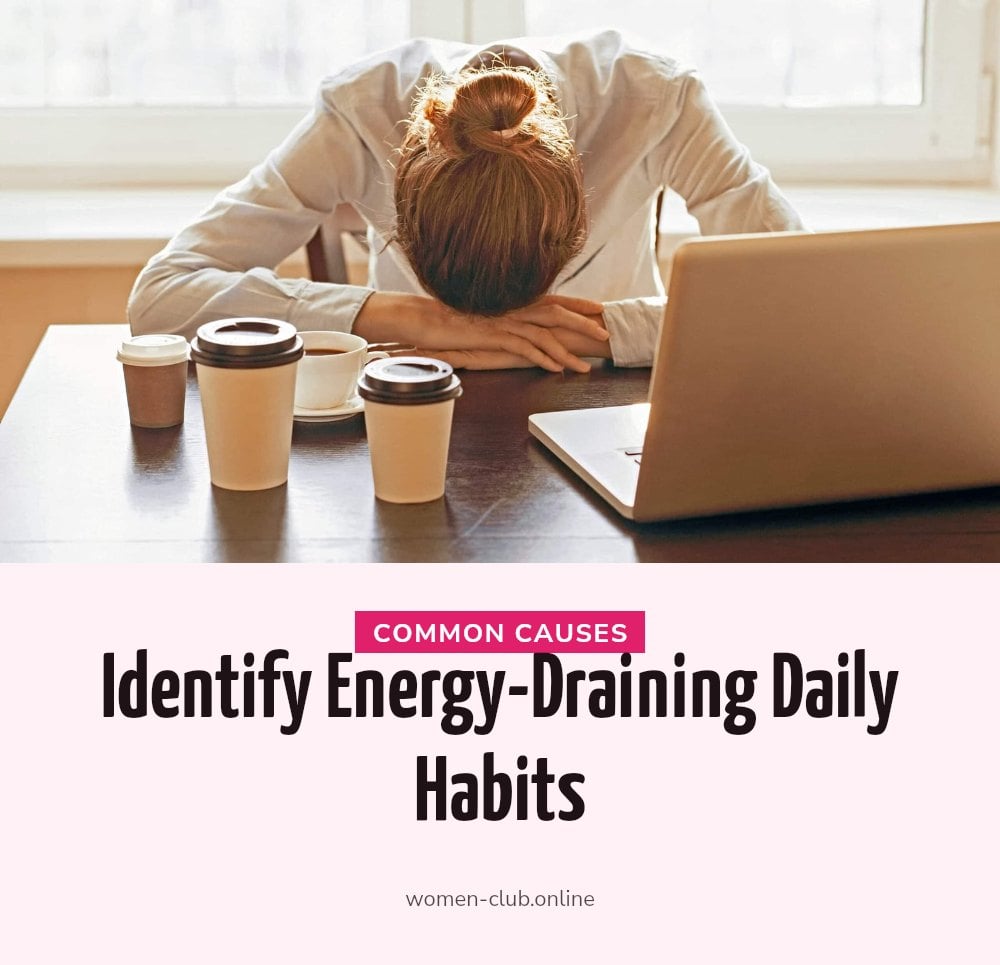
Fatigue isn’t just about needing more sleep. It’s a persistent lack of energy that makes daily tasks feel harder. While medical conditions can be the cause, everyday habits like poor sleep, diet, hydration, and stress are often the real energy drains. Identifying and adjusting these common factors can significantly improve your energy levels.
Your Sleep Habits: Are They Helping or Hurting?
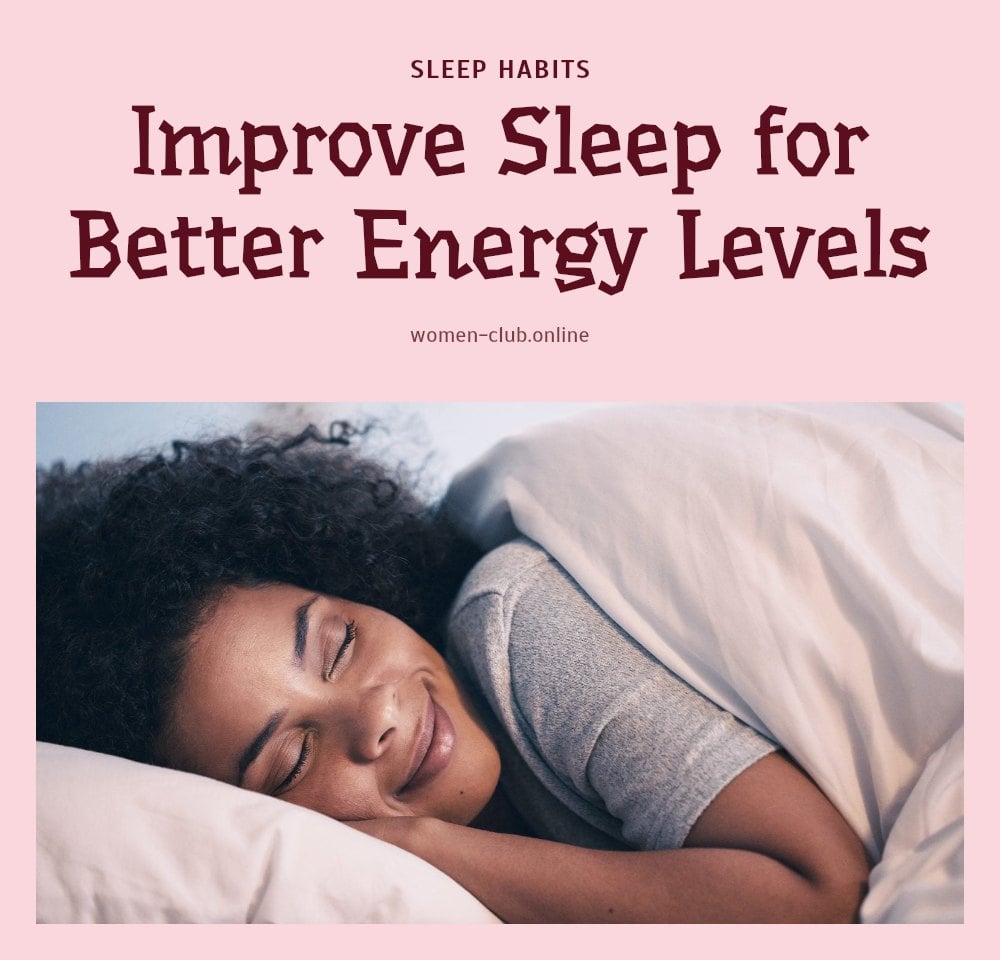
Your sleep habits might be working against you. Here are 12 common culprits to check.
- Sleeping fewer than 7 hours a night
- Going to bed at a different time each night
- Using your phone or laptop right before bed
- Drinking caffeine within 6 hours of bedtime
- Skipping a relaxing wind-down routine
- Keeping your bedroom too warm or bright
- Eating heavy meals close to bedtime
- Exercising vigorously within 2 hours of sleep
- Relying on alcohol to fall asleep
- Napping for more than 30 minutes during the day
- Ignoring your body’s natural sleep cues
- Not using blackout curtains or a sleep mask
Diet and Hydration: Fueling Your Energy Levels
What you eat and drink directly fuels your energy. These 12 habits can drain it fast.
- Skipping breakfast or other meals
- Eating meals high in refined sugars
- Relying on processed foods for quick energy
- Not drinking enough water throughout the day
- Consuming sugary snacks between meals
- Eating heavy, fatty foods right before sleep
- Drinking excessive caffeine to stay awake
- Going more than 4 hours without eating
- Choosing energy drinks over balanced snacks
- Ignoring signs of mild dehydration
- Eating large meals that cause blood sugar spikes
- Not including protein or fiber in meals
Physical Activity: Moving Towards More Energy
Movement can boost your energy, not drain it. Here are 12 habits to consider.
- Sitting for more than 6 hours a day
- Avoiding exercise because you feel too tired
- Exercising vigorously within 2 hours of bedtime
- Thinking exercise will make you more fatigued
- Not taking short walks during the day
- Staying sedentary for hours without breaks
- Ignoring the benefits of moderate activity
- Exercising too intensely without recovery days
- Not incorporating stretching into your routine
- Relying on caffeine instead of moving your body
- Spending all day indoors without fresh air
- Forgeting that even 10 minutes of activity helps
Stress and Mental Well-being: Managing Your Inner World
Your mental and emotional habits can drain energy just as much as physical ones. Here are 12 common factors to watch for.
- Living with chronic stress: Keeps your body in fight-or-flight mode, leading to exhaustion.
- Multitasking throughout the day: Splits your focus and causes mental fatigue.
- Skipping mental breaks: Prevents your brain from recharging between tasks.
- Ruminating on worries: Drains energy without producing solutions.
- Working through lunch: Denies you a reset and increases stress.
- Checking email constantly: Keeps your mind in reactive mode, not rest mode.
- Neglecting relaxation techniques: Misses a chance to lower cortisol naturally.
- Living in a cluttered space: Adds visual noise that can feel mentally overwhelming.
- Saying yes too often: Overcommits your time and energy reserves.
- Holding onto perfectionism: Creates unnecessary pressure that wears you down.
- Bottling up emotions: Stores tension that manifests as physical tiredness.
- Not journaling or reflecting: Leaves mental clutter unprocessed.
My tip: Journaling has been my go-to for untangling mental fatigue. Even five minutes can clear the fog.
Environmental Factors: Light, Air, and Your Surroundings
Your surroundings can quietly drain your energy. Here are 12 environmental factors to check.
- Lack of natural light: It disrupts your body’s internal clock.
- Spending all day indoors: A sedentary indoor lifestyle can lower your energy.
- Too much screen time: Blue light before bed interferes with sleep quality.
- Cluttered living space: Visual mess can increase mental stress and fatigue.
- Poor air quality: Stale indoor air can make you feel sluggish.
- No fresh air breaks: Staying inside without ventilation reduces oxygen flow.
- Dark or dim rooms: Low light during the day signals your body to rest.
- Uncomfortable temperature: Being too hot or too cold can disrupt sleep.
- Noise pollution: Constant background noise prevents deep relaxation.
- Lack of outdoor time: Missing sunlight and nature can lower mood and energy.
- Poorly ventilated bedroom: Stuffy air can lead to restless sleep.
- Artificial lighting after sunset: It can confuse your circadian rhythm.
My tip: A dose of sunshine is my natural energy shot.
Frequently Asked Questions
How quickly can I expect to feel better?
Many people notice improvements in their energy levels within a few days to a few weeks after consistently making positive lifestyle changes. However, the timeline varies depending on which habits you adjust and how your body responds. Be patient with yourself and focus on steady progress rather than overnight results.
Can stress alone cause chronic fatigue?
Yes, chronic stress can be a major contributor to persistent fatigue. When your body stays in ‘fight or flight’ mode for long periods, it depletes your energy reserves and can lead to exhaustion. Managing stress through techniques like meditation, deep breathing, or journaling can help restore your energy over time.
Is it normal to feel tired after exercise?
It is normal to feel temporarily tired after a workout, especially if you are new to exercise or pushed yourself hard. However, regular moderate activity typically boosts overall energy levels in the long run. If you feel excessively tired or exhausted after exercise, consider reducing intensity or consulting a professional.
What’s the best time to stop caffeine intake?
To protect your sleep, it is generally recommended to avoid caffeine within 6 hours of bedtime. Caffeine can interfere with your ability to fall asleep and reduce sleep quality, which directly impacts your energy the next day. Switching to caffeine-free herbal teas in the afternoon can help.
How does natural light affect my energy?
Exposure to natural light, especially in the morning, helps regulate your body’s internal clock, or circadian rhythm. This rhythm controls your sleep-wake cycle and energy levels throughout the day. Spending time outdoors each day can improve alertness and make it easier to fall asleep at night.
Can certain foods make fatigue worse?
Yes, a diet high in processed foods and refined sugars can cause energy crashes, leaving you feeling more tired. Skipping meals or eating irregularly can also destabilize your blood sugar and energy. Eating balanced meals with protein, fiber, and healthy fats helps maintain steady energy throughout the day.
Final Thoughts
To start improving your energy, pick one habit to adjust this week, such as drinking more water or going to bed at a consistent time. You can often notice positive changes within a few days to a few weeks of consistent effort. Remember that small, steady steps are more sustainable than a complete lifestyle overhaul, and they add up to real, lasting energy.
This article is for general informational purposes only and does not constitute medical advice. Fatigue can be a symptom of an underlying medical condition. If your tiredness is sudden, severe, or persists despite lifestyle changes, please consult a healthcare professional for a proper evaluation.