After a breakup, it’s normal to feel like you’ve lost a part of yourself. Your daily routines, hobbies, and even your sense of identity may have been wrapped up in the relationship. This article walks you through small, practical steps to reconnect with who you are, from processing your emotions to setting personal goals that rebuild your confidence and purpose.

Key Takeaways
- Allow yourself to feel and process emotions instead of suppressing them.
- Set small, achievable personal goals unrelated to relationships to build self-efficacy.
- Reconnect with supportive friends and family who encourage your individual growth.
- Explore new hobbies or revisit old ones that you put aside during the relationship.
- Expect gradual progress over weeks to months, not an overnight transformation.
What Does ‘Finding Yourself’ After a Breakup Mean?
Finding yourself after a breakup means rediscovering who you are as an individual, separate from your past relationship. It involves reconnecting with your core values, passions, and needs that may have been overshadowed while you were part of a couple. This journey helps you rebuild your identity and learn to enjoy your own company, fostering a sense of purpose and self-worth that doesn’t depend on your relationship status.
Why Breakups Make You Feel Lost
Why Breakups Make You Feel Lost
Breakups often trigger a temporary loss of identity because you may have merged your daily life, hobbies, and social circles with your partner’s. Your sense of self can become intertwined with theirs, so when they leave, it genuinely feels like a part of you is missing.
This is a natural response. You are grieving not just the relationship itself, but also the future you envisioned together and the version of yourself that existed within that partnership. Recognizing this helps you understand that feeling lost is a normal part of the process, not a sign that something is wrong with you.
Tools and Resources for Your Journey
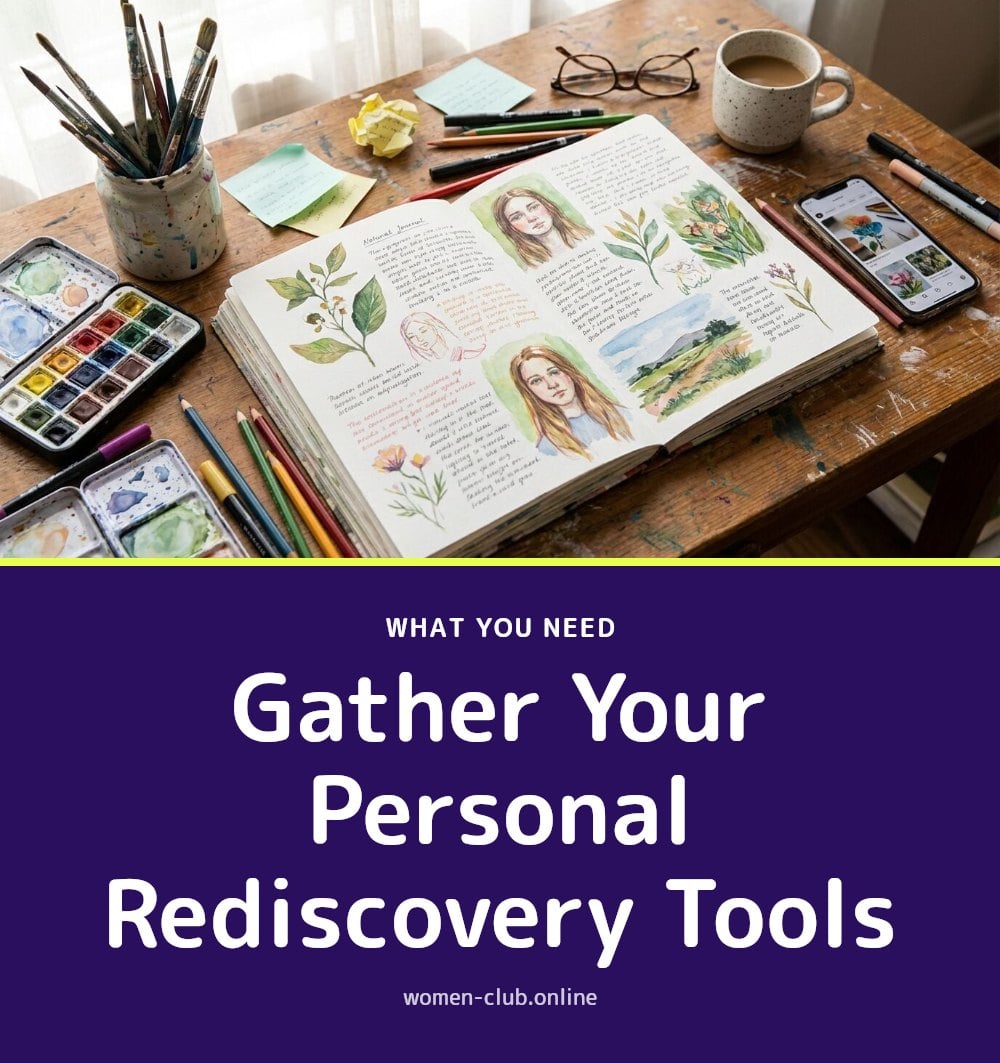
Having a few simple tools on hand can make your rediscovery journey more intentional.
- Journal or notebook: For self-reflection and processing emotions without judgment.
- Art supplies: For creative expression and exploring new parts of yourself.
- Books on self-improvement or personal growth: To gain new perspectives and guidance.
- Yoga mat or exercise equipment: To support both physical and mental well-being.
- Meditation app or guided meditations: For mindfulness and staying present when your mind wanders.
Practical Steps to Reconnect with Yourself
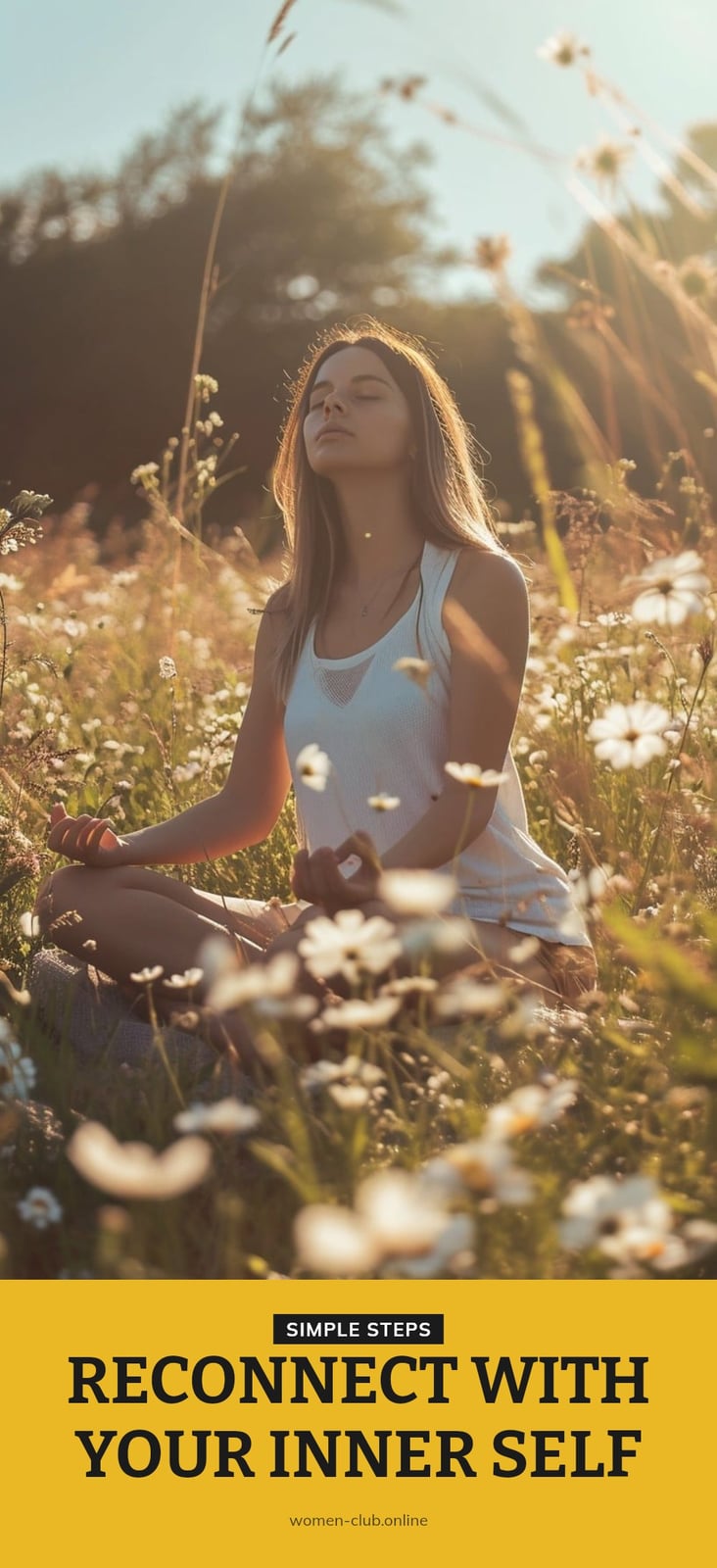
- Feel your emotions: Allow yourself to sit with sadness, anger, or confusion instead of pushing them away. Processing feelings as they come is a vital part of healing.
- Practice self-reflection: Use a journal, meditation, or conversations with a trusted friend or therapist to clarify what you truly value and want now.
- Revisit old hobbies or try new ones: Pick up an activity you enjoyed before the relationship or explore something you have been curious about. This helps re-establish your individual interests.
- Set small, personal goals: Focus on objectives unrelated to relationships, such as reading one book a month or walking 15 minutes daily. Achieving them builds a sense of accomplishment and self-efficacy.
- Reconnect with supportive people: Reach out to friends and family who encourage your growth without judgment. Their support reinforces your identity outside of the relationship.
- Spend time alone: Plan solo activities like a coffee shop visit or a walk in a park. Learning to enjoy your own company deepens introspection and self-trust.
Common Pitfalls to Avoid While Finding Yourself
It’s easy to fall into patterns that slow down your rediscovery. Here are the common pitfalls to sidestep.
- Rushing into a new relationship: Resist the urge to fill the void with another person. Focus on your own healing first so you don’t carry unresolved baggage forward.
- Ignoring painful emotions: Suppressing sadness or anger only prolongs the process. Allow yourself to grieve the relationship and the future you imagined.
- Isolating yourself: Alone time is valuable for introspection, but completely cutting off your support system can hinder recovery. Stay connected with people who uplift you.
- Comparing yourself to your ex or others: Your journey is unique. Focus on your own progress instead of measuring it against someone else’s timeline.
- Neglecting physical health: Adequate sleep, balanced nutrition, and regular exercise directly support your emotional and mental well-being during this period.
Best Tips for Your Rediscovery Journey

These tips can help you move forward with intention and self-compassion.
- Prioritize genuine self-care: Choose activities that truly rejuvenate you, not just what’s trendy. A quiet walk might serve you better than a crowded yoga class.
- Explore new interests: Step out of your comfort zone and try something you’ve always been curious about. You might discover a hidden talent or passion.
- Set boundaries: Learn to say no to things that drain your energy and yes to what nourishes your soul. This includes limiting contact with people who don’t support your growth.
- Practice gratitude: Write down three things you’re thankful for each day. Shifting your focus to what’s good can boost your mood and perspective.
- Create a vision board: Visualizing your future aspirations can be a powerful motivator. Clip images and words that represent the life you want to build.
Understanding Your Timeline and Progress
Understanding the timeline helps you set realistic expectations and avoid frustration.
- Timeline: The process is highly individual. It can take several months to a few years, with small steps showing results over weeks.
- Progress: Expect gradual changes rather than an overnight transformation. Celebrate small wins like trying a new hobby or spending an evening alone comfortably.
- Cost: This journey is largely free, relying on introspection and self-care. Professional support like therapy is an investment in your well-being, with costs varying by provider and insurance.
When to Seek Professional Support
While self-guided work is valuable, some signs indicate it’s time to bring in a professional.
- Persistent sadness: If feelings of sadness, hopelessness, or emptiness last more than a few weeks and interfere with your daily life, consider speaking with a therapist.
- Self-harm thoughts: If you experience thoughts of self-harm or suicidal ideation, seek immediate help from a crisis hotline or mental health professional.
- Unhealthy coping: If you rely on excessive alcohol, substances, or other harmful behaviors to numb pain, professional support can help you find healthier strategies.
- Overwhelm or trauma: If you feel unable to cope or past traumas are resurfacing, a therapist can provide tools to process these emotions safely.
- Safety concerns: If you feel unsafe or threatened by an ex-partner, prioritize your safety and contact resources like domestic violence hotlines or legal aid.
Frequently Asked Questions
How long does it take to find yourself after a breakup?
The timeline varies for everyone. It can take several months to a few years, with small steps showing results over weeks. The key is to focus on gradual progress rather than expecting a quick fix. Celebrate small wins along the way, and be patient with yourself.
Is it normal to feel lost after a long-term relationship ends?
Yes, it’s very common. Breakups often cause a temporary loss of identity because you may have merged your life, hobbies, and social circles with your partner’s. Feeling disoriented or unsure of who you are is a normal part of the healing process.
What if I don’t know what my passions are anymore?
That’s okay. Start by exploring new interests or revisiting old ones you once enjoyed. Try simple activities like drawing, hiking, or reading a new genre. You don’t need to have a clear passion right away. The act of exploring itself helps you reconnect with what feels meaningful.
Should I start dating again while finding myself?
It’s generally best to avoid rushing into a new relationship as a distraction. Focus on your own healing and rediscovery first. Jumping into dating too soon can carry unresolved baggage into a new partnership. Give yourself time to rebuild your sense of self before inviting someone new in.
Can I still be friends with mutual friends after a breakup?
Yes, but it depends on the situation. If those friends are supportive of your individual growth, maintaining those connections can be healthy. However, avoid cutting off all ties with mutual friends who are supportive. If a friend pressures you to take sides or brings up painful memories, it may be wise to set boundaries.
Final Thoughts
My tip: pick one small goal this week that’s just for you, whether it’s trying a new hobby or journaling for ten minutes. Real progress comes in small steps, and you’ll start to see shifts in how you feel within a few weeks. Be patient and kind to yourself as you rebuild your identity at your own pace.
This article is for informational purposes only and does not constitute medical or mental health advice. If you experience persistent sadness, hopelessness, or thoughts of self-harm, please consult a licensed therapist or counselor. For immediate help, contact a crisis hotline in your area.