
You’re juggling a career, a home, and everything in between, and staying focused can feel like an uphill battle. The good news is that focus isn’t a fixed trait; it’s a skill you can build with the right strategies. This article covers practical, science-backed tips to help you minimize distractions, manage your energy, and get more done without burning out.

Key Takeaways
- Schedule dedicated focus blocks and use ‘do not disturb’ features to protect them.
- Break large tasks into smaller, manageable steps with specific goals.
- Single-task instead of multitasking; it reduces efficiency and increases completion time.
- Take 5-10 minute breaks every hour to refresh your mind and prevent fatigue.
- Prioritize 7-9 hours of sleep and stay hydrated to support cognitive function.
Boost Your Focus: A Quick Guide
Improving focus isn’t about willpower; it’s about strategy. Start by minimizing distractions, managing your energy, and breaking tasks into smaller steps. These intentional actions, practiced consistently, train your brain to concentrate better. Adjust your routine and environment to support deep work, and don’t skip self-care: sleep and hydration are non-negotiables for sustained attention. With time, focus becomes a habit, not a struggle.
1. Schedule Dedicated Focus Blocks
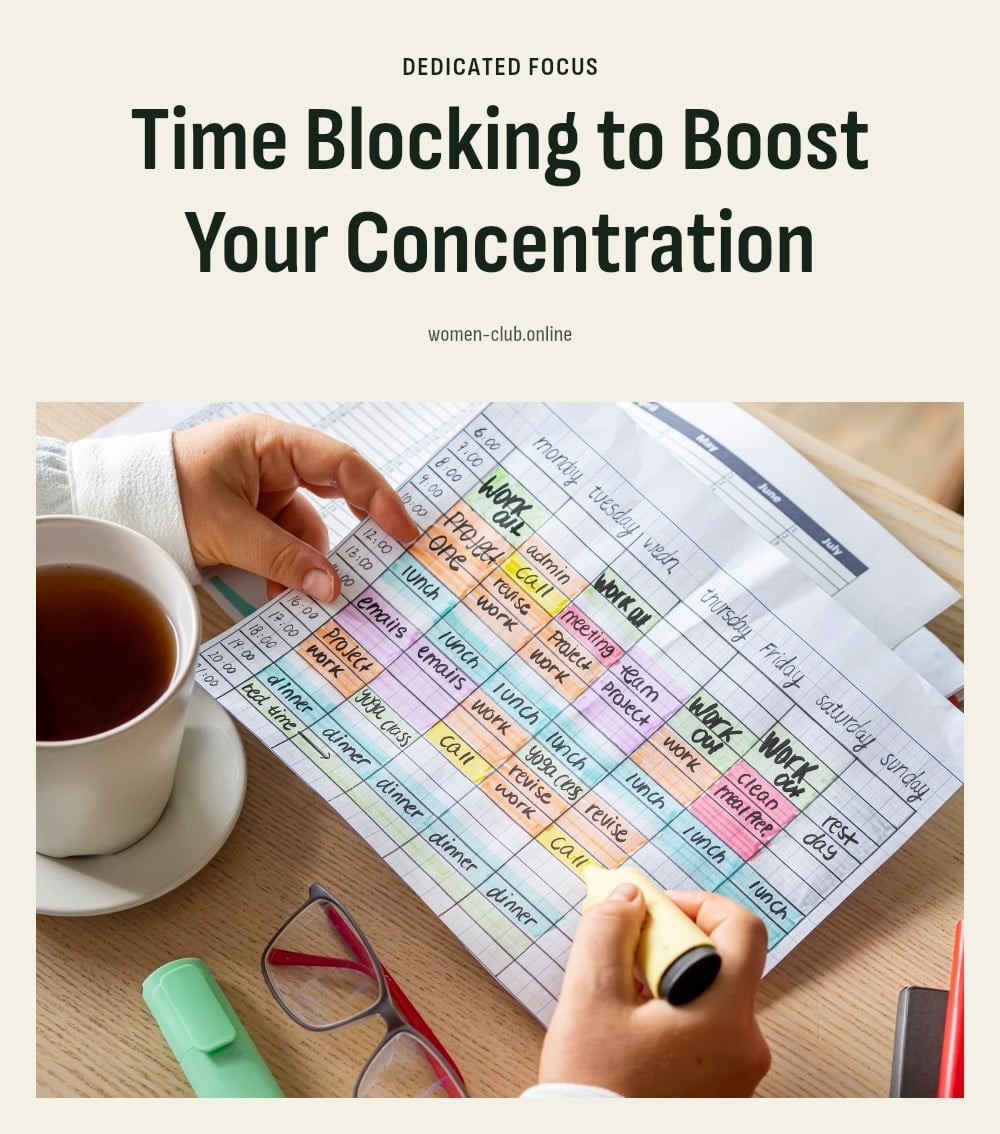
Set aside specific times each day for deep work, free from interruptions. Treat these blocks like important appointments, and don’t let them be easily derailed. During these periods, use ‘do not disturb’ features on all devices to minimize digital distractions.
- Choose your hours: Pick times when you’re most alert, whether that’s early morning or after lunch.
- Protect the block: Communicate to family or colleagues that you’re unavailable.
- Start small: Begin with 25-minute blocks and gradually extend them.
My tip: Schedule focus blocks on your calendar just like meetings, so they feel official and harder to skip.
2. Break Down Large Tasks
Divide big projects into smaller, more manageable steps. A large task like “write report” becomes “outline sections,” “draft intro,” and “compile data.” This makes the work less intimidating and easier to start. Set clear, specific goals for each mini-task, which can significantly enhance your focus and motivation. You’ll prevent overwhelm and celebrate small wins, building momentum as you go.
- List the steps: Write down every action required, no matter how small.
- Set a mini-goal: For each step, define what “done” looks like.
- Check off as you go: The visual progress fuels your drive.
3. Create a Tidy Workspace

A cluttered physical environment can contribute to mental clutter, making it harder to concentrate. Designate a specific area for work, even a small corner, and keep it organized. Remove non-work items like dishes, mail, or personal projects. A tidy desk helps create a clean mental slate for the task at hand.
- Clear the surface: Keep only what you need for the current task.
- Use storage: Boxes or drawers hide visual chaos.
- Clean up daily: Spend five minutes at the end of each work session.
My tip: If you can’t clear your whole desk, at least clear the zone in front of you. That’s your focus zone.
4. Practice Single-Tasking
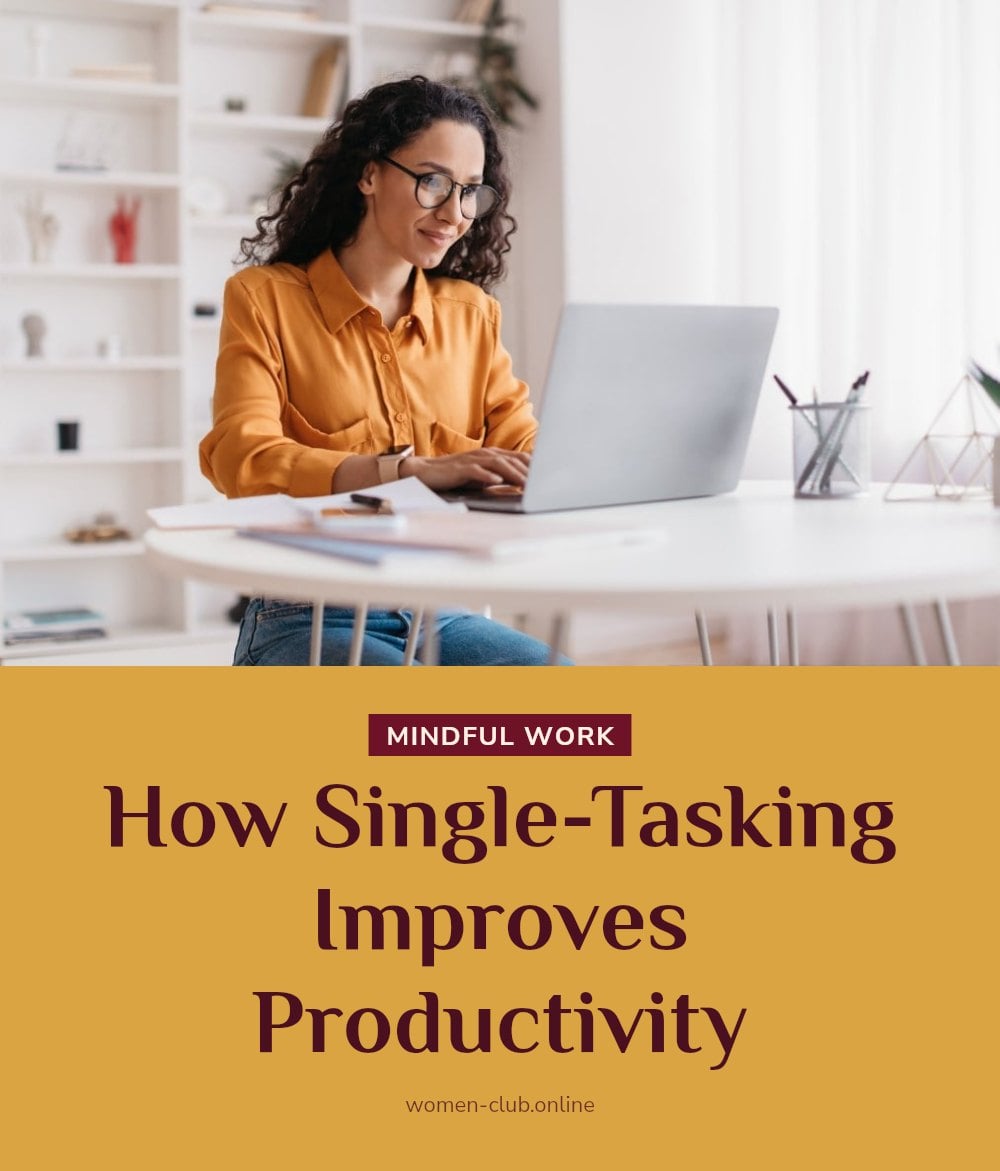
Multitasking feels productive, but it actually reduces efficiency and increases the time tasks take because your brain constantly switches contexts. Focus on one thing at a time until it’s done or you reach a planned break. This improves the quality of your work and reduces mental fatigue. Pro move: Close all unrelated tabs and apps before starting a single task.
5. Take Short, Intentional Breaks

The average attention span for a single task is about 20-30 minutes before you need a break. Schedule short breaks of 5-10 minutes every 20-30 minutes to refresh your mind and prevent mental fatigue. My tip: Use these breaks to move your body, hydrate, or simply look away from your screen. A timer can help you stick to the rhythm.
6. Prioritize Sleep and Hydration

Sleep is non-negotiable for focus. Most adults need 7-9 hours per night for optimal cognitive function, including attention and concentration. Even mild dehydration impairs concentration, so keep a water bottle on your desk. Caution: Don’t rely on caffeine to compensate for poor sleep; it can lead to anxiety and a crash later.
7. Incorporate Movement Breaks
Regular physical activity improves focus and memory by increasing blood flow to the brain. You don’t need a long workout; even a short walk to get water or a quick stretch can re-energize your mind. Tip: Set a timer to stand up and move for 5-10 minutes every hour. A few minutes of activity resets your brain for better concentration.
8. Manage Digital Distractions
Use ‘do not disturb’ features on your phone and computer during your focus blocks. Turn off non-essential notifications so they don’t pull your attention away from the task at hand. My tip: If you find yourself constantly checking your phone, put it in another room entirely. Out of sight really does help keep it out of mind.
9. Fuel Your Brain with Nutrition

What you eat directly affects your ability to concentrate. A balanced diet with omega-3 fatty acids, antioxidants, and vitamins supports cognitive function. Avoid relying on sugary snacks for a quick boost; they often lead to energy crashes and impaired focus. Don’t skip meals either. Consistent fuel helps maintain stable blood sugar, which keeps your brain running steadily.
10. Practice Mindfulness
Mindfulness practices like meditation train your brain to sustain attention and reduce distractibility. You don’t need a long session; even a few minutes of focused breathing can bring your mind back to the present moment. The goal isn’t to empty your mind. It’s about observing thoughts without judgment and gently redirecting your attention when it wanders.
11. Set Realistic Expectations
Don’t expect perfect focus every day. Treat it as a skill you build through consistent effort, not a switch you flip on. Some days will be harder than others, and that’s completely normal. Tip: Be kind to yourself and celebrate progress, not perfection. Acknowledge the small wins, even if your focus wasn’t flawless.
When to Talk to a Professional
If you consistently struggle with focus and it’s paired with severe fatigue, significant mood changes, or memory problems, it’s time to talk to a healthcare professional. These symptoms may point to an underlying health condition that needs proper attention. Avoid leaning on excessive caffeine or stimulant use as your main strategy for focus; it can lead to anxiety, sleep disturbances, and a crash later on. A doctor can help rule out other causes and guide you toward safe, effective solutions.
Frequently Asked Questions
How long does it take to see improvements in focus?
You may notice small improvements within days or weeks of implementing new habits, but more significant and lasting results typically come from consistent practice over several months. Focus is like a muscle; the more you train it, the stronger it gets, so stick with your new routines even if progress feels slow at first.
Can diet really affect my concentration?
Yes, nutrition plays a key role in brain health and cognitive function. A balanced diet rich in omega-3 fatty acids, antioxidants, and vitamins can support concentration, while sugary snacks and skipped meals often lead to energy crashes and impaired focus. Staying hydrated is also crucial, as even mild dehydration can affect your ability to concentrate.
Is multitasking ever a good idea?
For cognitively demanding tasks, multitasking is rarely a good idea. It reduces overall productivity and increases the time tasks take because your brain constantly switches contexts. However, you might pair a low-effort activity like folding laundry with listening to a podcast, but for work that requires focus, single-tasking is always more effective.
What if I can’t stop my mind from wandering?
Mind wandering is completely normal, and the goal isn’t to eliminate it but to notice it and gently bring your attention back. Mindfulness practices, like a few minutes of focused breathing, can help train your brain to sustain attention and reduce distractibility. My tip: when you catch your mind drifting, simply acknowledge it and return to your task without judgment.
Are there apps that can help with focus?
Yes, many apps can support focus, such as timer apps for the Pomodoro technique, to-do list apps for task management, and apps that block distracting websites or notifications. However, the most important factor is your own commitment to using them. My tip: choose one simple app and use it consistently rather than downloading several that you rarely open.
Final Thoughts
Improving your focus is a gradual process, not an overnight fix. Start by picking one or two strategies from this article and practicing them consistently. You may notice small improvements within days or weeks, but lasting change comes from months of regular practice. Be patient with yourself and remember that some days will be harder than others. My tip: celebrate your progress, no matter how small, and keep building those focus muscles one day at a time.
This article is for general informational purposes only and is not a substitute for professional medical or mental health advice. If you have persistent difficulty focusing, especially when accompanied by severe fatigue, mood changes, or memory problems, consult a qualified healthcare provider for a proper evaluation and guidance.








