Focusing Better: Practical Techniques to Beat Distraction While Working

Struggling to stay on task during your workday is incredibly common, and it doesn’t mean you lack willpower. The real secret to focusing better isn’t about eliminating every distraction, but about building mental resilience and setting up your environment for success. This article breaks down why you lose focus and gives you practical, step-by-step techniques to sharpen your concentration, from managing your digital space to structuring your work time.

Key Takeaways
- Focus on one task at a time to avoid the productivity loss from context switching.
- Use a timer for structured work intervals, like the 25-minute Pomodoro technique.
- Schedule specific times for deep work and treat them as non-negotiable appointments.
- Take short, intentional breaks to restore mental energy and prevent burnout.
- If focus issues persist with mood changes or fatigue, consult a healthcare professional.
How to Improve Your Focus and Concentration
Improving your focus isn’t about eliminating every distraction. It’s about understanding what pulls your attention away and building mental resilience to manage it. A holistic approach works best: tidy your physical space, control digital notifications, practice mindfulness, and structure your work time with techniques like the Pomodoro method. Consistent effort in these areas can significantly enhance your ability to sustain attention and achieve your goals.
Why We Lose Focus: Understanding Common Distractions
Understanding why you lose focus is the first step to fixing it. Here are the main culprits:
Common Distractions That Steal Your Attention
- Multitasking: Switching between tasks creates a ‘context switching’ cost that reduces productivity and increases errors. You’re not doing two things at once; you’re rapidly switching, and it’s draining.
- Environmental factors: Noise, visual clutter, and uncomfortable temperatures can significantly impair your ability to concentrate. Your brain has to process these inputs, leaving less bandwidth for work.
- Digital notifications: Pings, buzzes, and pop-ups from your phone and computer are major modern distractions. Each one pulls your focus away, and it takes time to get back into a flow state.
- Shrinking attention span: The average human attention span is often cited as decreasing, though the exact numbers are debated. Regardless, the modern environment is designed to fragment your attention.
Essential Tools for a Focused Workspace
Having the right tools in your workspace can make focusing much easier. Here’s what I keep on hand:
- Timer: A physical or app-based timer is essential for structured work intervals, like the 25-minute Pomodoro technique. It helps you stay on task and reminds you to take breaks.
- Noise-canceling headphones: These block out auditory distractions, from office chatter to street noise. They create a quiet bubble for deep work.
- Task management app or planner: Writing down tasks gets them out of your head and onto a list where you can prioritize. It reduces mental clutter and gives you a clear plan.
- Comfortable setup: An ergonomic chair and desk setup prevents physical discomfort that can pull your attention away. Your body shouldn’t be a distraction.
Step-by-Step: Building Your Focus Superpowers

Building focus is a skill you can strengthen with practice. Follow these steps consistently for several weeks to see real improvement.
- Schedule deep work time: Block out specific hours on your calendar for focused work and treat them as non-negotiable. Protect this time from meetings and interruptions.
- Use ‘do not disturb’ modes: Before a focus session, silence notifications on your phone and computer. Close email and messaging apps so they don’t tempt you.
- Break down large tasks: Big projects feel overwhelming and lead to procrastination. Divide them into smaller, manageable steps and focus on completing one step at a time.
- Take regular, short breaks: After 25-30 minutes of focused work, take a 5-minute break to rest your eyes and mind. This restores mental energy and prevents burnout.
- Tidy your workspace: Clear unnecessary clutter from your desk before you start. Visual clutter competes for your attention and makes it harder to concentrate.
- Practice mindfulness daily: Spend 5-10 minutes each day on meditation or mindfulness exercises. This trains your brain to sustain attention and reduce mind-wandering.
- Prioritize for peak times: Identify when your focus is naturally highest (morning, afternoon, or evening) and schedule your most demanding tasks for those windows.
Common Mistakes That Sabotage Your Concentration
Multitasking is a myth: Switching between tasks actually costs you time and mental energy. Focus on one task at a time for better quality and fewer errors.
Notifications disrupt focus: Each ping or buzz pulls your attention away for minutes. Use ‘do not disturb’ modes during focused work to protect your concentration.
More hours equals more output: Forcing focus for hours without breaks leads to burnout and diminishing returns. Short, intentional breaks restore mental energy.
Focus varies throughout the day: Ignoring your natural energy rhythms makes tasks harder. Schedule demanding work during your peak productivity times, whether morning or evening.
Sleep and nutrition are crucial: Skipping meals or running on caffeine hurts your brain’s ability to focus. Prioritize 7-9 hours of sleep and balanced meals.
Focus techniques require practice: Expecting immediate results sets you up for frustration. Consistent practice over several weeks is what builds lasting improvement.
Best Tips for Sustained Focus and Productivity
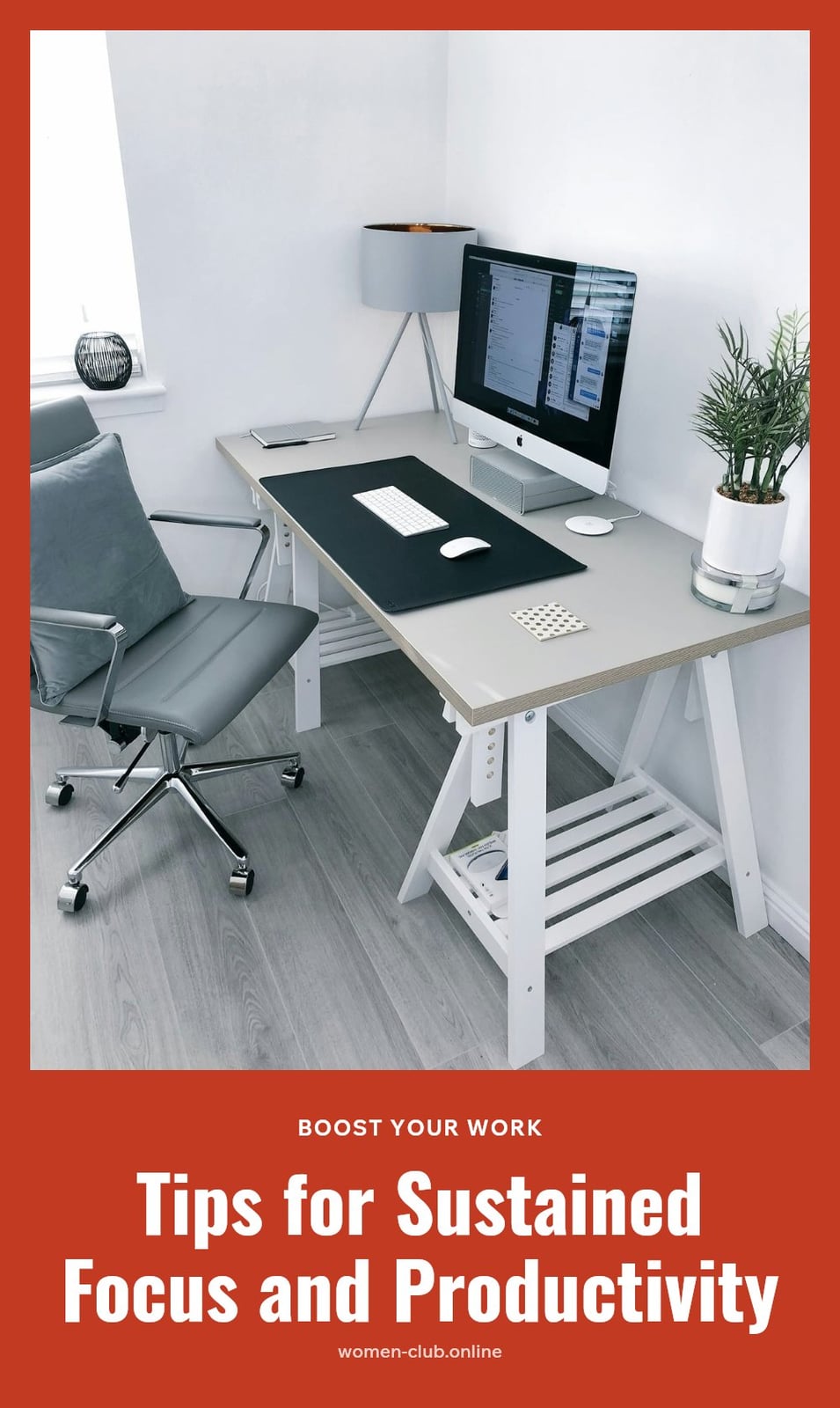
Create a dedicated workspace: Even a small desk or corner signals to your brain that it is time to focus. Keep it tidy and separate from relaxation areas.
Limit stimulants: Relying on excessive caffeine or energy drinks can lead to jitters and sleep disruption. Use them sparingly, if at all.
Redirect gently: When you notice your mind wandering, bring your attention back without self-criticism. Acknowledging the distraction and returning to the task is more effective than frustration.
Close unnecessary tabs: Each open tab in your browser is a visual distraction. Keep only the ones you need for the current task.
When to Talk to a Professional About Focus Issues
If your inability to focus persists despite trying these strategies and is accompanied by mood changes, severe fatigue, or memory issues, consult a healthcare professional. These symptoms could indicate an underlying condition such as ADHD, depression, or anxiety. A professional can provide a proper diagnosis and guide you toward an appropriate treatment plan. Do not self-diagnose based on online information.
Frequently Asked Questions
How long does it take to improve focus?
You can see small benefits from daily mindfulness practice within days to weeks. For more structured techniques like the Pomodoro method, consistent application over several weeks usually leads to noticeable improvements in your ability to sustain attention.
Can diet affect my ability to focus?
Yes, nutrition plays a role in brain health. A balanced diet can support cognitive function, while sugary or highly processed foods can lead to energy crashes that make it harder to concentrate. Staying hydrated is also key.
Is multitasking ever a good idea?
For most tasks, multitasking reduces productivity and increases errors due to the mental cost of switching between tasks. It is generally best to focus on one thing at a time, especially for work that requires deep concentration.
What if I can’t stop checking my phone?
Start by using your phone’s ‘do not disturb’ mode during focused work sessions. You can also place it in another room or a drawer to remove the temptation. Over time, these small barriers help break the habit of reaching for it automatically.
How do I know if my focus issues are serious?
If your inability to focus persists despite trying these strategies and is accompanied by mood changes, severe fatigue, or memory issues, it is a good idea to consult a healthcare professional. These symptoms could indicate an underlying condition like ADHD, depression, or anxiety.
Final Thoughts
My tip for getting started is to pick just one technique from this article and try it for a week. For most people, consistent practice over several weeks leads to noticeable improvements in focus and productivity. The goal isn’t perfection, but progress in building a skill that will serve you every day.
This article is for general informational purposes only and does not constitute medical or professional advice. If you are experiencing persistent difficulty with focus that affects your daily life, please consult a qualified healthcare professional for a proper evaluation and personalized guidance.








