Forehead Wrinkles: Skincare Habits and Ingredients to Know

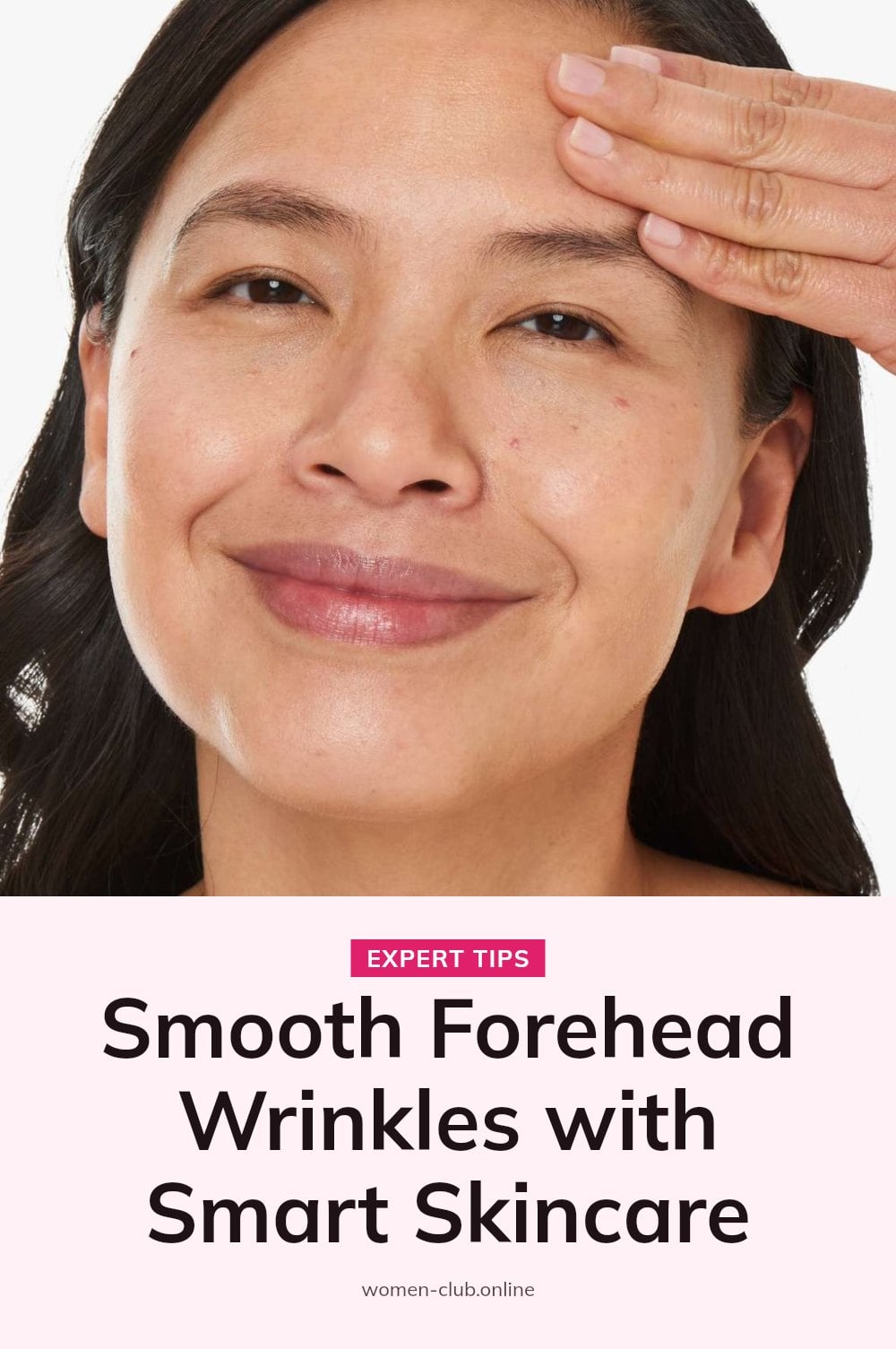
Forehead wrinkles are one of those things that seem to appear overnight, but they actually develop over time from a mix of facial expressions, sun exposure, and the natural loss of collagen. While you can’t stop the clock, you can definitely slow it down and soften what’s already there with the right habits. This article covers the skincare ingredients and daily routines that make a real difference, from sun protection to retinoids, plus lifestyle tweaks that support your skin from the inside out.
Key Takeaways
- Apply broad-spectrum sunscreen with SPF 30 or higher every single day to prevent new wrinkles.
- Use a moisturizer with hyaluronic acid to keep skin plump and reduce the look of fine lines.
- Start retinoids gradually, using a low concentration every other night to avoid irritation.
- Add a Vitamin C serum to your morning routine for antioxidant protection and collagen support.
- Expect noticeable improvements in fine lines within 3 to 6 months of consistent care.
The Best Ways to Smooth Forehead Wrinkles
Forehead wrinkles are a common sign of aging, resulting from repetitive facial expressions, sun exposure, and natural collagen loss. While completely eliminating them without professional intervention is challenging, a consistent skincare routine focusing on hydration, sun protection, and specific active ingredients can significantly improve their appearance and prevent new ones from forming. Lifestyle factors like diet and not smoking also play a crucial role in maintaining skin health and reducing wrinkles.
1. Prioritize Daily Sun Protection

Consistent use of broad-spectrum sunscreen with an SPF of 30 or higher is crucial for preventing new wrinkles and worsening existing ones. UV radiation from sun exposure is a major contributor to premature skin aging, damaging collagen and elastin fibers.
My tip: Make sunscreen the last step in your morning skincare routine, every single day, even when it’s cloudy or you’re indoors near windows. This habit protects your forehead from cumulative damage that deepens lines over time.
2. Hydrate Your Skin Consistently
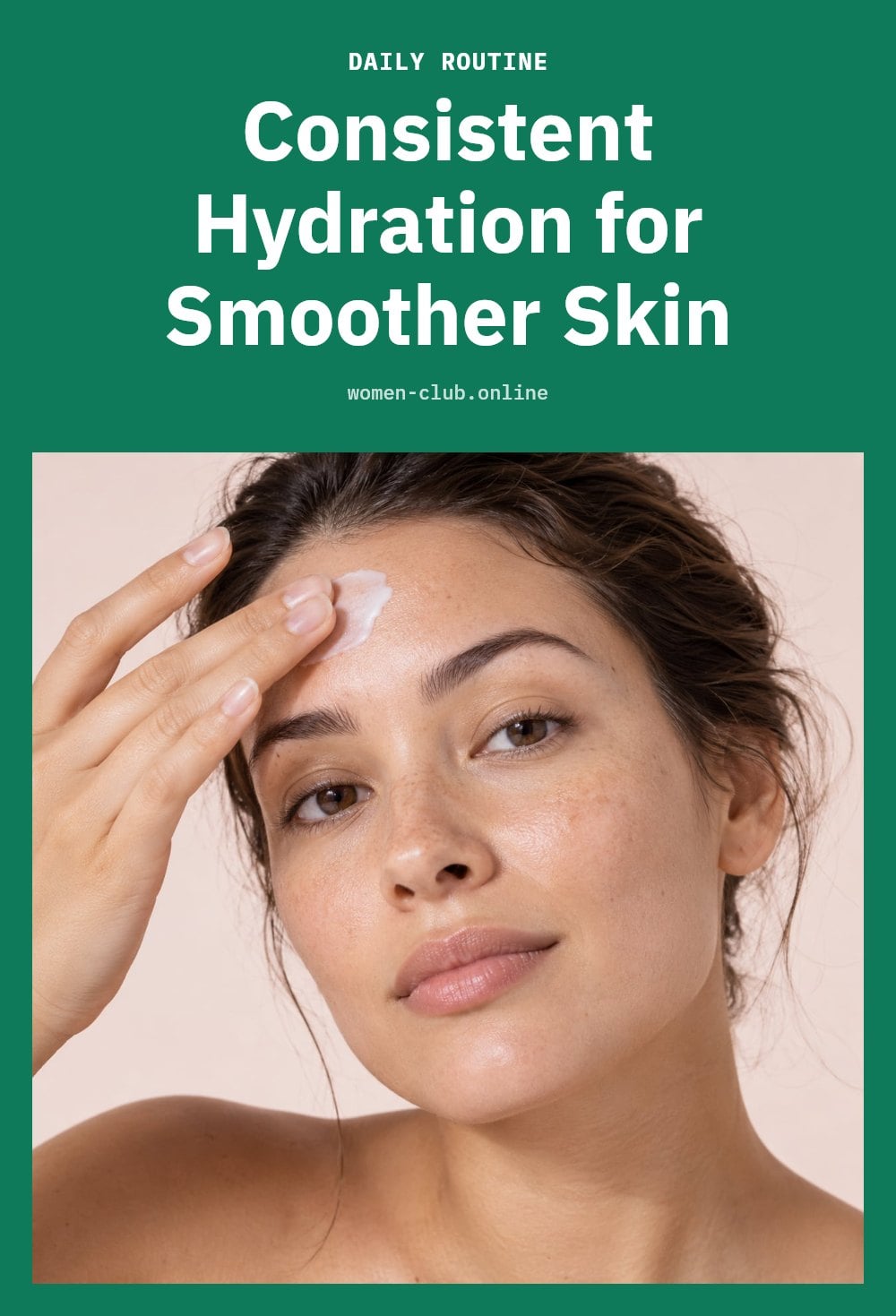
Using a good moisturizer regularly helps to keep skin hydrated and plump, which can significantly reduce the appearance of fine lines and wrinkles. Dehydration can make fine lines and wrinkles appear more prominent, as plump, hydrated skin reflects light better and looks smoother.
Look for moisturizers containing humectants like hyaluronic acid or glycerin to attract and hold moisture in the skin. Applying a hydrating cream morning and night creates a smoother canvas and softens the look of forehead lines.
3. Incorporate Retinoids Gradually
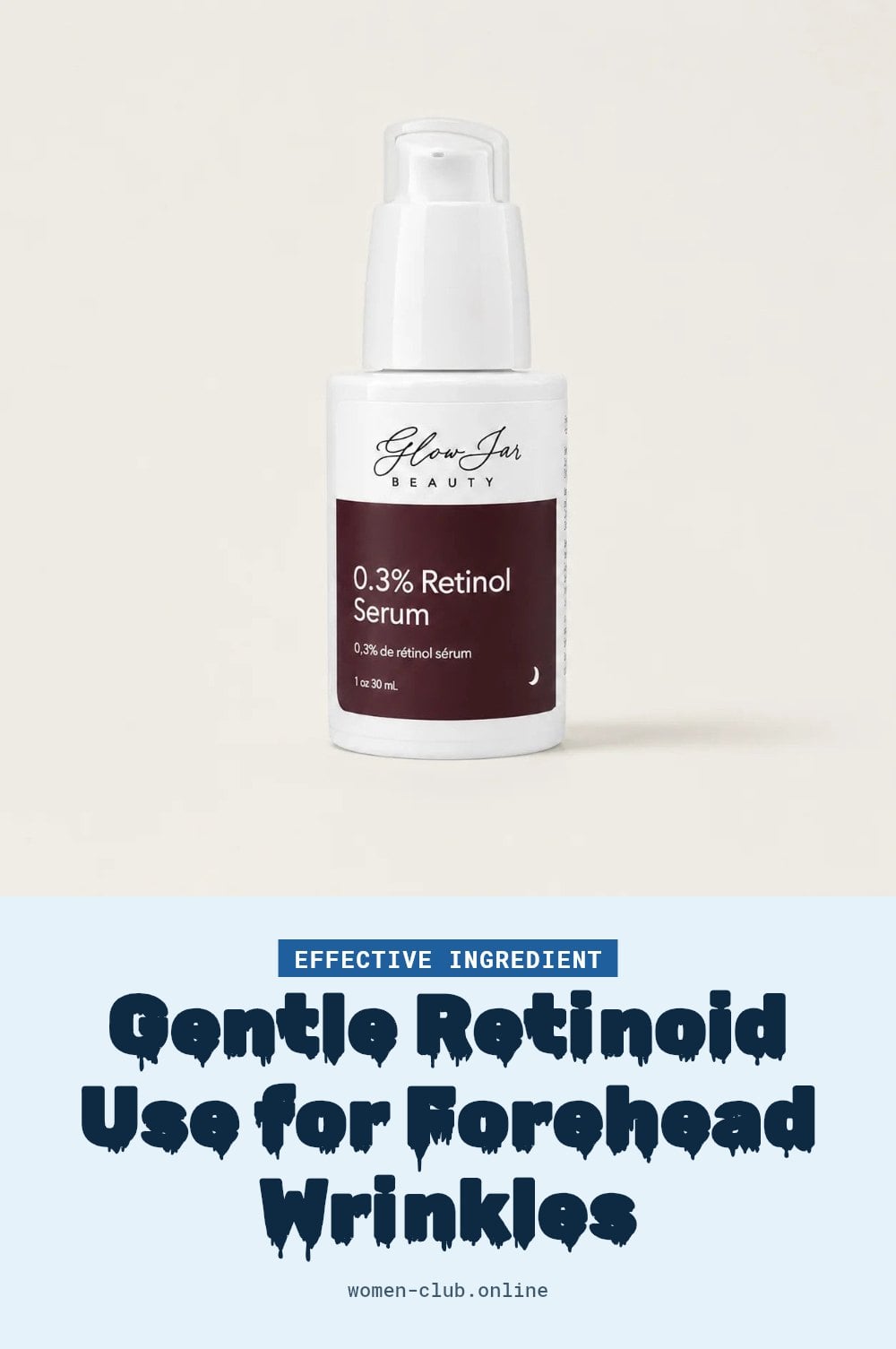
Retinoids, including retinol, are vitamin A derivatives that promote cell turnover and stimulate collagen production, making them highly effective for wrinkle reduction. My tip: Start with a low concentration and use every other night to allow your skin to adjust, as retinoids can cause initial dryness, redness, and sensitivity.
Always apply sunscreen diligently when using retinoids, as they can increase sun sensitivity. Patience during the adjustment period pays off with smoother, firmer skin over time.
4. Boost with Vitamin C Serum

Add a Vitamin C serum to your morning routine for antioxidant protection and a brighter complexion. Vitamin C neutralizes free radicals from environmental stressors like pollution and UV exposure, which can accelerate premature aging and wrinkle formation. It also supports collagen synthesis, helping maintain skin firmness over time.
Apply a few drops to clean, dry skin before moisturizer and sunscreen. Look for serums with ascorbic acid, the most studied form, and store them away from light to keep them stable.
5. Consider Peptides for Firmness
Peptides are short chains of amino acids that signal your skin to produce more collagen, which can improve firmness and soften the look of wrinkles over time. They are gentler than retinoids, making them a solid option if you have sensitive skin or are still building tolerance to stronger actives.
Tip: Peptides work best as a supportive ingredient layered under moisturizer, morning or night. Pair them with Vitamin C or hyaluronic acid for extra benefits without irritation.
6. Exfoliate Gently with AHAs
Alpha Hydroxy Acids (AHAs) like glycolic or lactic acid gently exfoliate the skin’s surface, promoting cell renewal and improving texture. This can soften fine lines and leave your forehead looking smoother and more radiant.
Caution: Over-exfoliating can irritate skin and compromise its barrier. Start with a low concentration once or twice a week, then gradually increase as your skin tolerates it. Always follow with moisturizer and sunscreen, since AHAs increase sun sensitivity.
7. Stay Hydrated Internally

Drinking enough water throughout the day supports your skin from within, helping it stay elastic and appear plumper. While topical moisturizers handle the surface, internal hydration keeps skin cells functioning well and can make fine lines less noticeable.
My tip: Keep a water bottle on your desk or in your bag as a visual reminder to sip regularly. Aim for steady intake rather than chugging large amounts at once.
8. Eat a Skin-Healthy Diet

What you eat directly affects your skin’s ability to fight damage. A balanced diet rich in fruits, vegetables, and healthy fats provides essential nutrients and antioxidants that protect skin from free radicals, which contribute to premature aging and wrinkle formation.
For a skin-loving boost, aim for colorful berries, leafy greens, nuts, and avocados. These foods supply vitamins C and E, along with healthy fats that support skin barrier function and collagen production.
9. Manage Facial Expressions
Forehead wrinkles are also called ‘expression lines’ because they form from repeated muscle contractions when you frown, raise your eyebrows, or squint. Over time, these dynamic wrinkles can become static and visible even at rest.
You can’t stop making expressions, but being mindful of excessive frowning or eyebrow raising helps. Wearing sunglasses and hats minimizes squinting and sun exposure to the forehead, reducing the need for those wrinkle-forming movements.
10. Quit Smoking for Healthier Skin
Smoking accelerates skin aging by reducing blood flow and damaging collagen and elastin fibers, making wrinkles more pronounced. This habit severely hinders your skin’s ability to repair itself and maintain elasticity.
Quitting smoking is one of the most impactful steps you can take for both your overall health and your skin’s appearance. The improvement in circulation and reduction in toxin exposure will be visible on your forehead and throughout your face.
11. Be Patient and Consistent
Consistent use of skincare products typically shows noticeable improvements in fine lines and skin texture within 3 to 6 months, with continued benefits over time. Don’t expect immediate results from topical products; consistency is truly key for long-term improvement and prevention.
My tip: stick with your routine even when you don’t see changes right away. Your skin’s natural renewal cycle takes time, and gradual collagen stimulation needs patience to show visible change.
When to Consult a Professional
If you experience persistent irritation, severe redness, or worsening of your skin condition after using a product, stop using it and consult a dermatologist. For deep forehead wrinkles, topical treatments may offer limited improvement, and professional procedures such as injectables or laser therapy might be more effective. Always seek personalized advice from a board-certified dermatologist, especially for health-sensitive skin concerns.
Frequently Asked Questions
Can drinking more water really help my forehead wrinkles?
Yes, staying hydrated internally supports your skin’s elasticity and can make fine lines less noticeable. While topical moisturizers handle the surface, drinking enough water keeps skin cells functioning well, which helps maintain a plumper, smoother appearance.
How often should I use retinoids for forehead wrinkles?
Start by using a low-concentration retinoid every other night to let your skin adjust. If you don’t experience irritation after a few weeks, you can gradually increase to nightly use. Always follow up with moisturizer and sunscreen, as retinoids increase sun sensitivity.
Are there any home remedies for forehead wrinkles?
Some people find that gentle facial massage or using a jade roller helps temporarily plump the skin, but there’s no strong evidence that home remedies can significantly reduce wrinkles. For lasting results, stick with proven ingredients like retinoids, vitamin C, and consistent sun protection.
What is the best age to start anti-wrinkle treatments?
There is no single best age, but many people start incorporating preventive ingredients like sunscreen, moisturizer, and antioxidants in their mid-to-late 20s. If you already notice fine lines, it’s never too late to start a routine focused on hydration, collagen support, and sun protection.
Can certain foods make forehead wrinkles worse?
A diet high in sugar and processed foods may contribute to inflammation and glycation, a process that damages collagen and elastin, potentially accelerating wrinkle formation. Eating a balanced diet rich in fruits, vegetables, and healthy fats supports your skin’s ability to repair itself and stay resilient.
Final Thoughts
My tip for getting the most out of your routine is to start with sunscreen and a good moisturizer, then add one active ingredient at a time. Realistic expectations matter here: you can see visible softening of fine lines within 3 to 6 months, but deep wrinkles may require a dermatologist’s help. Stick with it, and your skin will thank you in the long run.
This article is for informational purposes only and does not constitute medical advice. Skincare results vary by individual, and some products may cause irritation. For persistent skin concerns or deep wrinkles, consult a board-certified dermatologist.