
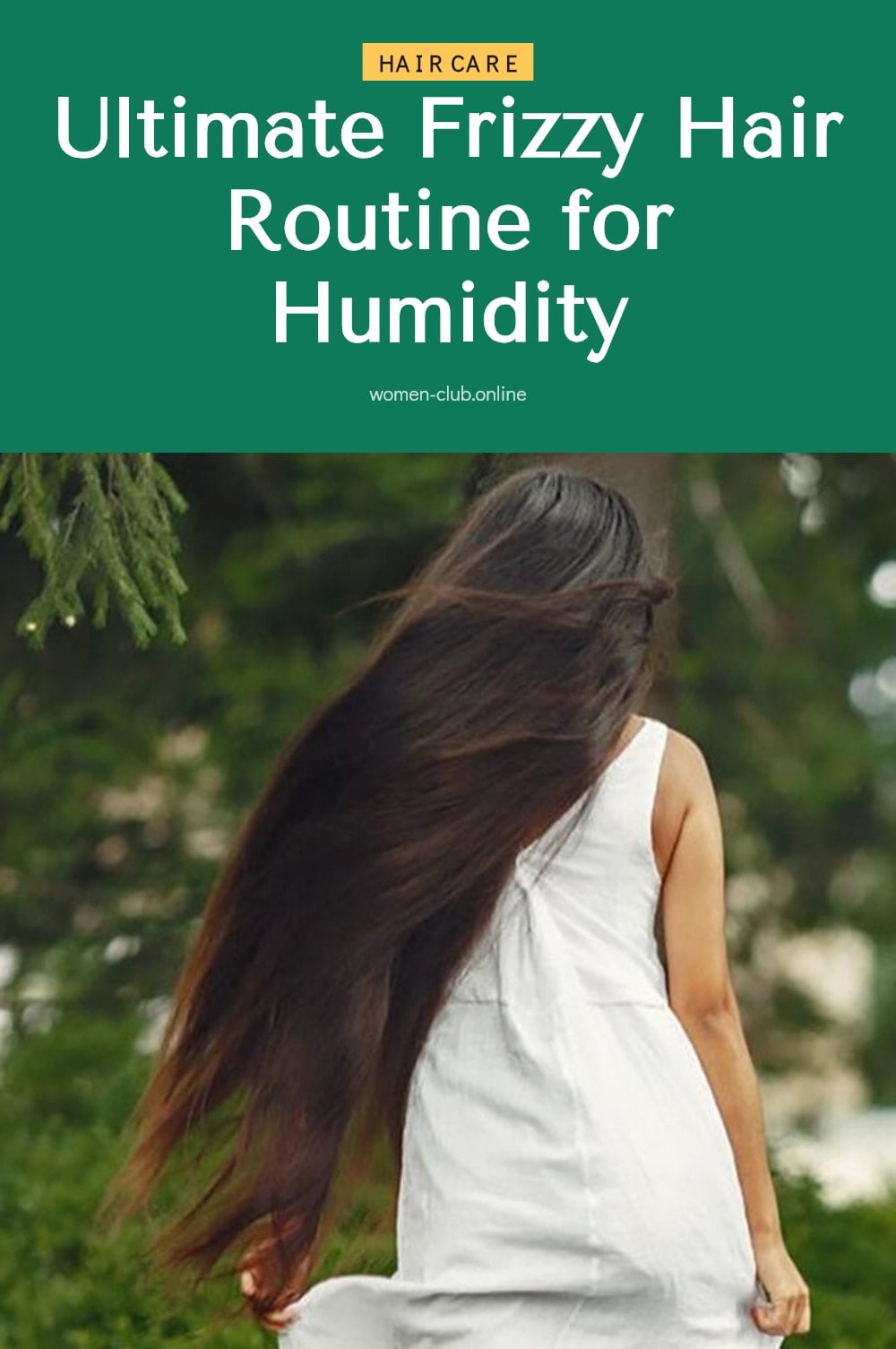
Humidity can turn even the most cooperative hair into a puffy, frizzy mess. The culprit? A raised cuticle that lets moisture from the air swell the hair shaft, leaving you with a rough, unruly texture. If you’ve been fighting this losing battle, you’re not alone, and the good news is that a consistent routine can make a real difference.
This article walks you through a step-by-step routine for taming frizz in humid weather, covering everything from the right products and techniques to common mistakes and prevention habits. You’ll learn how to keep your cuticle smooth and your hair hydrated, so you can step out with confidence, even on the muggiest days.
Key Takeaways
- Use sulfate-free shampoo and deep conditioner to keep hair hydrated and cuticle smooth.
- Apply coconut oil one hour before washing to protect hair from water damage.
- Micro-plop with a microfiber towel to dry hair without roughing up the cuticle.
- Always use a heat protectant before any heat styling to prevent damage.
- Deep condition weekly and sleep on silk or satin to maintain smoothness.
Why Your Hair Gets Frizzy in Humid Weather
Frizz happens when your hair’s outer layer, the cuticle, is raised. In humid weather, moisture from the air seeps in and swells the hair shaft unevenly. That expansion creates a rough, unruly texture. Dry or damaged hair is especially vulnerable because its cuticle is already compromised, making it even more likely to absorb humidity and frizz up.
Essential Tools and Products for Frizz Control
Stock your shower and styling drawer with these essentials for smoother hair:
- Sulfate-free shampoo: Cleanses without stripping natural oils.
- Deep moisturizing conditioner: Provides intense hydration to smooth the cuticle.
- Coconut oil: Use before washing to protect hair from water damage and protein loss.
- Microfiber towel or cotton t-shirt: Gently dries hair without disrupting the cuticle.
- Heat protectant: Shields hair from damage caused by styling tools.
- Leave-in conditioner: Seals in moisture and preps hair for styling.
- Scalp oil (argan, jojoba): Nourishes the scalp and hair.
- Gel serum: Tames frizz and adds shine.
- Shower head water filter: Removes chlorine and heavy metals from tap water.
Your Step-by-Step Routine to Tame Frizzy Hair
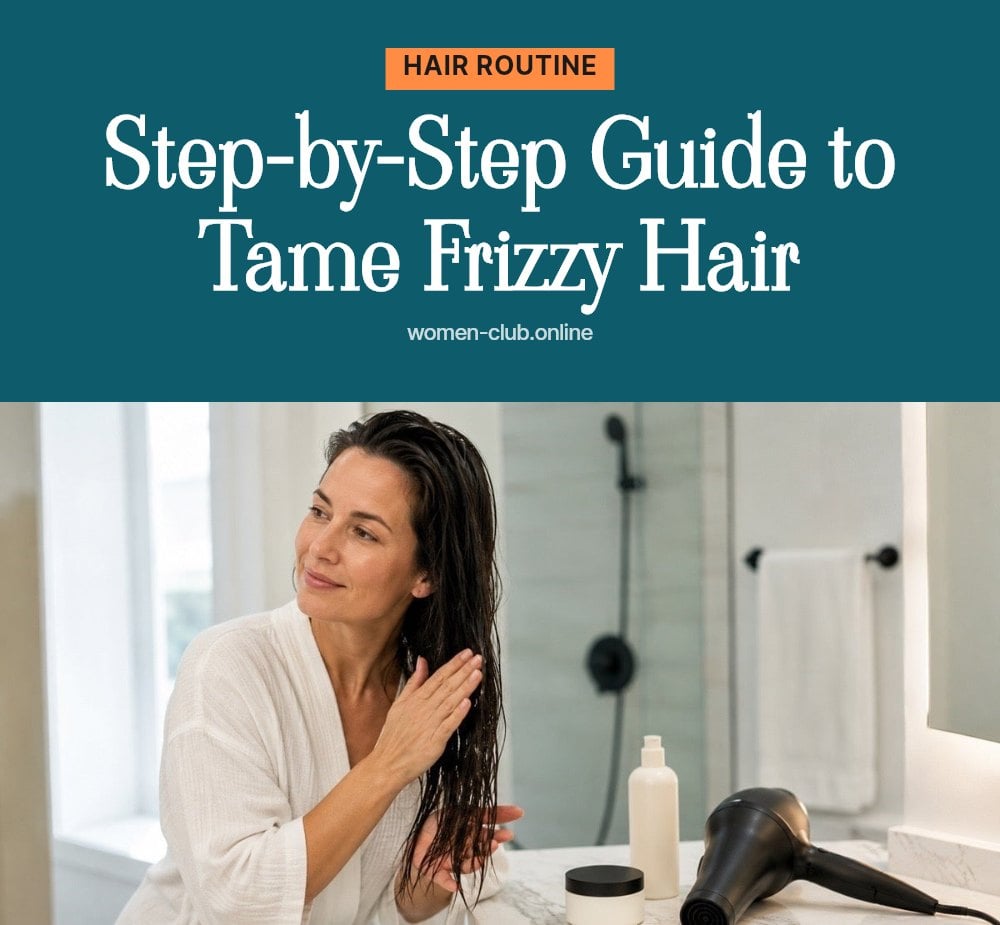
- Identify your hair and scalp type: Straight, wavy, curly, or kinky hair paired with a dry, oily, or sensitive scalp determines which products will work best.
- Apply coconut oil: Massage it into your hair an hour before washing. This is especially helpful for low porosity hair as it protects against water damage and protein loss.
- Wash 2-3 times a week: Use a double cleanse method. Start with a sulfate-free, moisturizing shampoo for your scalp type. Once every two weeks, use a clarifying shampoo on your scalp only to remove silicone buildup, and protect your ends with coconut oil. This infrequent use avoids stripping protective F-layers that keep the cuticle smooth.
- Gently massage your scalp: Use a scalp massager instead of vigorous scrubbing to clean roots without stress or damage.
- Apply deep moisturizing conditioner: Clip your hair up and leave it on for 5-10 minutes before rinsing thoroughly.
- Install a water filter on your shower head: This removes chlorine, heavy metals, and other chemicals that damage hair and contribute to frizz.
- Micro-plop your hair: Use a microfiber towel to gently scrunch and dry your hair, reducing friction and frizz. This technique can also reveal hidden waves.
- Apply heat protectant: Use it before any direct heat styling to shield the cuticle.
- Follow with a leave-in conditioner: This seals in moisture and preps your hair for styling products.
Here is the method in action: Beauty Theory demonstrates it in about 11 minutes. The how-to part starts at 1:04.
Common Frizz-Causing Mistakes to Avoid
Even a solid routine can backfire if you make these common missteps. Avoid them to keep your cuticles smooth:
- Using harsh products: Shampoos with sulfates, heavy metals, or drying alcohols strip natural oils and damage cuticles.
- Over-washing your hair: Washing more than 4 times a week strips protective F-layers, leading to raised cuticles and more frizz.
- Vigorous scalp scrubbing: Harsh scrubbing during washing stresses and damages your scalp and hair.
- Skipping a shower filter: Tap water often contains chlorine and heavy metals that damage hair and contribute to frizz.
- Aggressive towel drying: Rubbing hair vigorously with a standard towel roughens the cuticle, causing frizz.
- Brushing dry, curly hair: This disrupts curl patterns and increases frizz.
Expert Tips for Long-Lasting Frizz Control
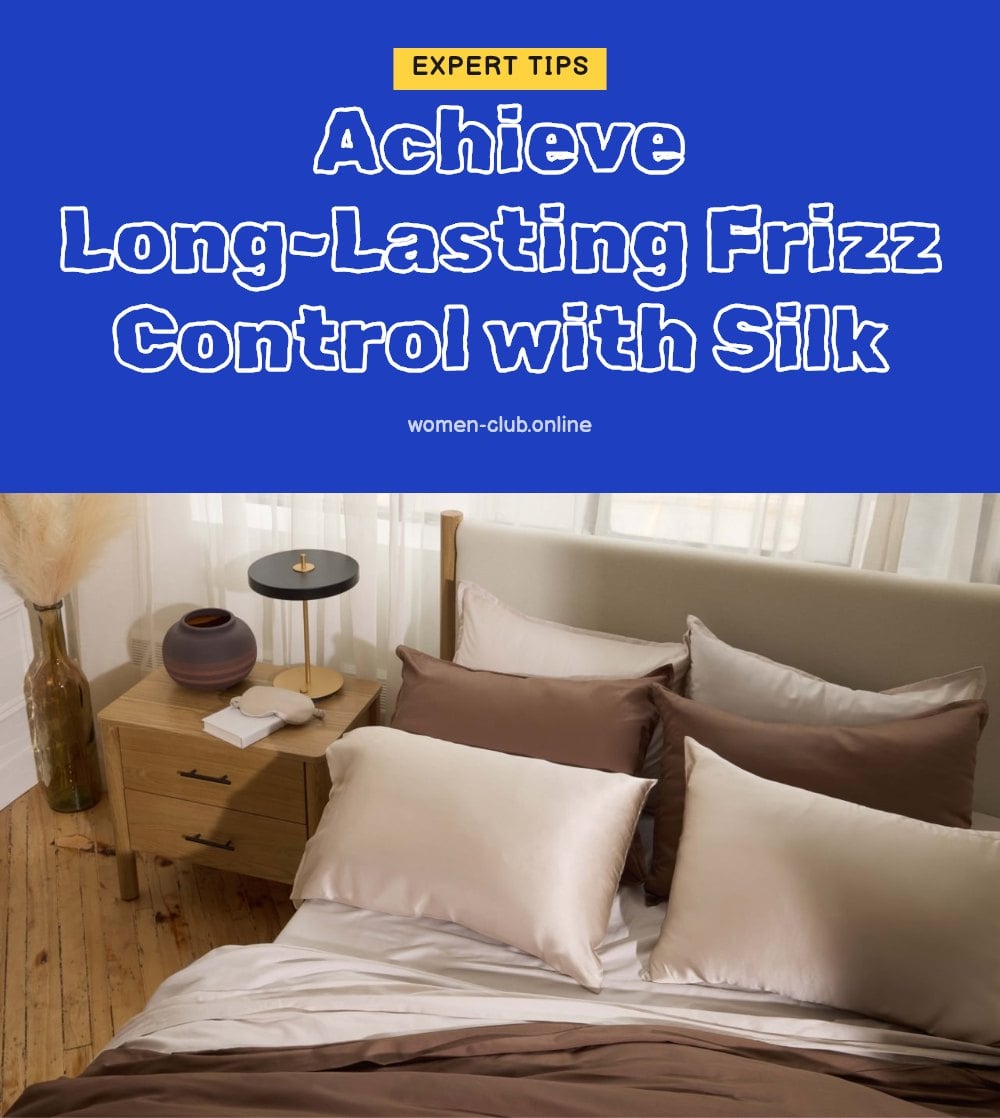
To keep frizz at bay longer, start with your hair’s porosity. Coconut oil works well as a pre-wash for low porosity hair, but other types may need different pre-treatments like aloe or honey-based masks. Apply all styling products to damp hair, not soaking wet or bone dry, for even distribution and better hold. My tip: Finish your shower with a cold water rinse to seal the cuticle, which boosts smoothness and shine. Swap your cotton pillowcase for a silk or satin one to reduce friction while you sleep, and avoid touching your hair after styling. Each touch can disrupt the cuticle and bring back frizz.
Preventing Frizz Before It Starts
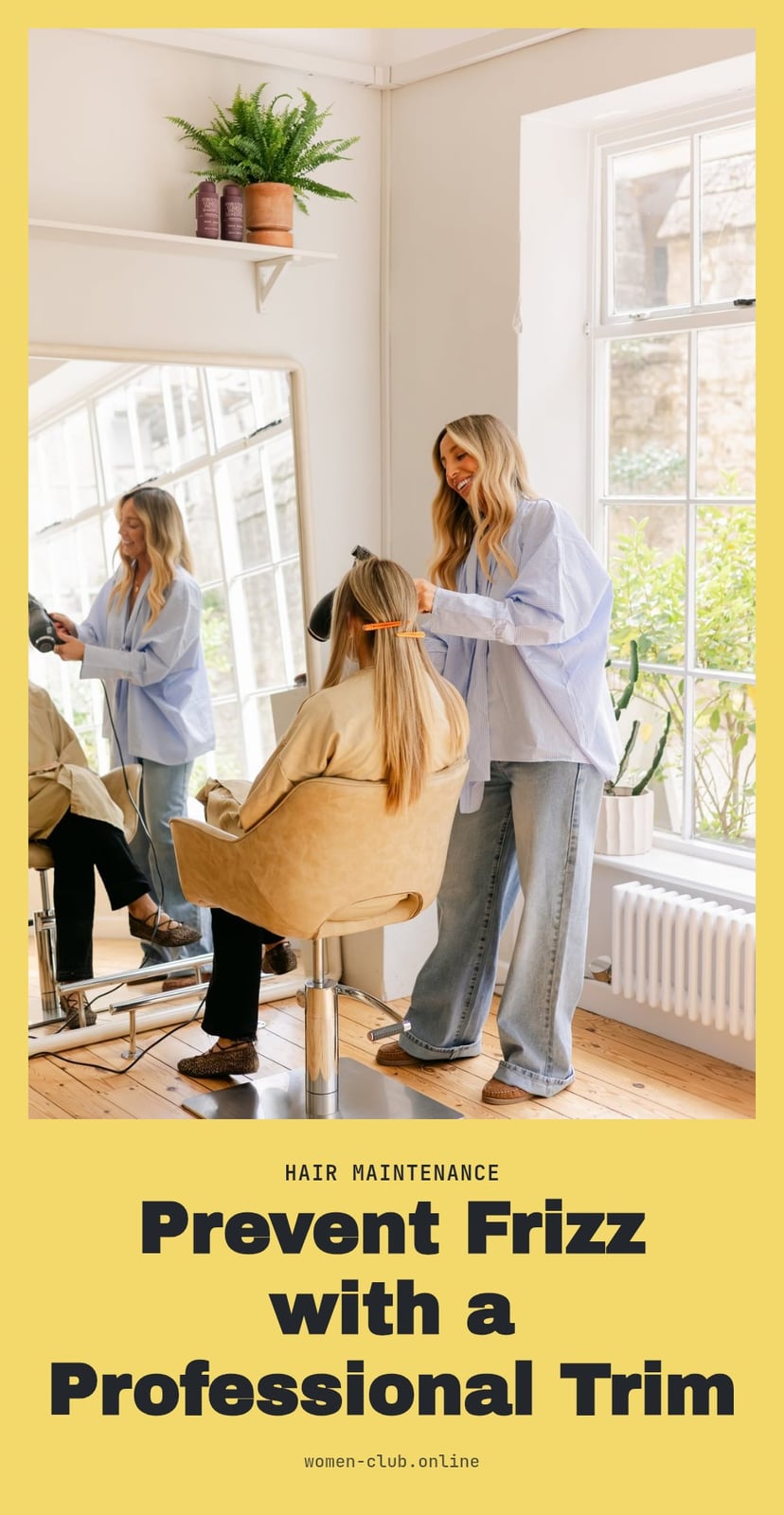
Stop frizz before it starts with these habits. Use a deep conditioning treatment weekly to keep hair hydrated and the cuticle smooth. Always apply a heat protectant before any heat styling to prevent cuticle damage. For drying, choose micro-plopping with a microfiber towel or air drying to minimize friction. A protein-rich diet, eggs, avocado, sweet potato, nuts, Greek yogurt, supports stronger, less frizzy hair. Tip: Schedule regular trims to remove split ends, which can make hair look more unruly and worsen frizz.
When to Consult a Professional for Frizzy Hair
If your frizz comes with significant hair loss, scalp irritation, redness, or persistent itching, see a dermatologist or trichologist. When consistent at-home care doesn’t improve the situation, a stylist can recommend personalized treatments or products. Frizz can sometimes signal an underlying scalp or hair health issue that needs professional attention.
Frequently Asked Questions
How often should I deep condition my hair for frizz?
For most hair types, a deep conditioning treatment once a week is ideal to keep hair hydrated and the cuticle smooth. If your hair is very dry or damaged, you might benefit from doing it twice a week, but avoid overdoing it as it can weigh hair down. Adjust based on how your hair responds.
Can diet really affect hair frizz?
Yes, a protein-rich diet supports overall hair health, which can indirectly help with frizz. Foods like eggs, avocado, sweet potato, nuts, and Greek yogurt provide nutrients that strengthen hair and may reduce breakage and dryness. While diet alone won’t eliminate frizz, it’s a helpful part of a holistic approach.
Is it bad to brush frizzy hair when it’s dry?
Brushing dry, frizzy hair can disrupt the cuticle and increase frizz, especially if you have wavy or curly textures. Instead, use a wide-tooth comb or detangling brush on wet hair, starting from the ends. If you must style dry hair, use your fingers or a very gentle brush to avoid roughing up the cuticle.
What’s the best way to dry my hair without causing frizz?
The best method is micro-plopping with a microfiber towel or an old cotton t-shirt. Gently scrunch and blot your hair to remove excess water without rubbing, which can rough up the cuticle. You can also air dry partially before blow-drying, using a diffuser on a cool setting to minimize frizz.
Should I avoid all silicones in my hair products?
No, silicones can actually help smooth the cuticle and repel humidity, which is beneficial for frizz control. However, they can build up over time, so use a clarifying shampoo once every two weeks to remove residue. If you have fine hair, opt for lighter silicones to avoid heaviness.
Final Thoughts
To tame frizz in humid weather, commit to a routine that hydrates and seals your cuticle. Start by swapping to sulfate-free products, pre-treating with coconut oil, and micro-plopping with a microfiber towel. These changes can show results within a few washes, with lasting benefits building over weeks of consistent care.
Expect that no routine will make frizz disappear completely on the most humid days, but you’ll see a noticeable improvement in smoothness and manageability. Stick with it, and your hair will thank you.
This article is for general informational purposes only and is not a substitute for professional medical or hair care advice. If you experience significant hair loss, scalp irritation, or other concerning symptoms, consult a dermatologist or trichologist for personalized guidance.








