Glycerin for Skin: How to Use This Budget Hydrator Effectively

If you’re looking for a simple, affordable way to give your skin a serious hydration boost, glycerin might be your new best friend. This colorless, odorless liquid is a humectant, which means it pulls moisture from the air into your skin, helping it stay plump and smooth. In this article, I’ll walk you through how to use glycerin effectively, from diluting it properly to adding it into your routine without common mistakes.
Key Takeaways
- Always dilute pure glycerin with water, rosewater, or a hydrosol to a 5-10% concentration before applying to skin.
- In very dry climates, even diluted glycerin can dehydrate skin, so use an occlusive layer like a moisturizer on top.
- Glycerin is non-comedogenic and generally safe for sensitive skin, but always patch test first.
- Results are immediate for hydration, with lasting barrier improvement after 1-2 weeks of consistent use.
- Avoid using pure, undiluted glycerin directly on your skin to prevent stickiness or moisture loss.
What is Glycerin and Why Your Skin Loves It
Glycerin, also called glycerol, is a colorless, odorless liquid that acts as a powerful humectant. This means it draws moisture from the air directly into your skin, making it an excellent hydrator. It also helps strengthen your skin’s natural barrier and protects against irritants. Best of all, it’s non-comedogenic, so it won’t clog pores, and it’s one of the most affordable skincare ingredients you can find.
How Glycerin Works to Hydrate Your Skin
Glycerin works by attracting water molecules from the surrounding air to the surface of your skin. As a humectant, it pulls moisture into the outer layer, where it can be held and used. This process helps keep your skin plump and hydrated.
Beyond just drawing moisture in, glycerin also supports your skin’s natural barrier. A stronger barrier means less water loss and better protection against environmental irritants. Over time, consistent use helps your skin hold onto its own moisture more effectively, preventing that tight, dry feeling.
Gather Your Essentials for DIY Glycerin Skincare
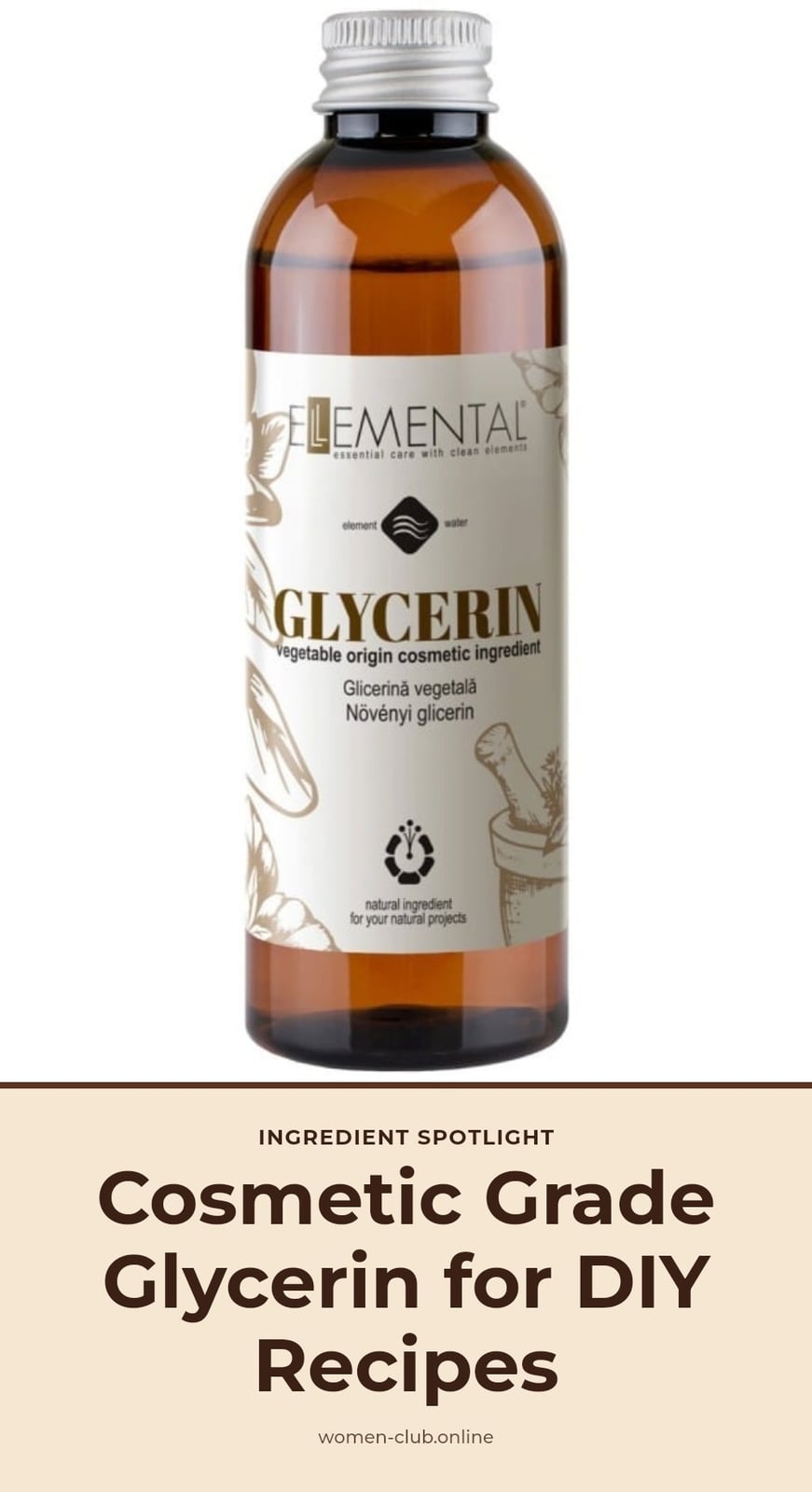
Before you start, gather these basics:
- Pure vegetable glycerin: This is your base ingredient, usually sold in small bottles at health stores or online.
- Distilled water or hydrosol: You need something to dilute the glycerin. Rosewater or lavender hydrosol add a light scent and extra benefits.
- Spray bottle or cotton pads: A spray bottle makes a fine facial mist, while cotton pads are perfect for applying the mixture like a toner.
Step-by-Step: DIY Glycerin Hydration for Your Face
Making your own glycerin hydration is simple, but the ratio matters.
- Dilute the glycerin: Start with a 5% glycerin solution. Mix 1 teaspoon of pure glycerin with 20 teaspoons of distilled water or rosewater. Shake well in a small bottle.
- Patch test first: Apply a drop of the diluted mixture to the inside of your wrist. Wait 24 hours to check for any reaction before using it on your face.
- Apply to damp skin: After cleansing, spritz the mixture onto your face or apply with a cotton pad while your skin is still slightly wet. This locks in extra moisture.
- Follow with moisturizer: If your environment is dry, layer a regular moisturizer on top to seal the glycerin in and prevent it from pulling moisture out.
Different Ways to Incorporate Glycerin into Your Routine
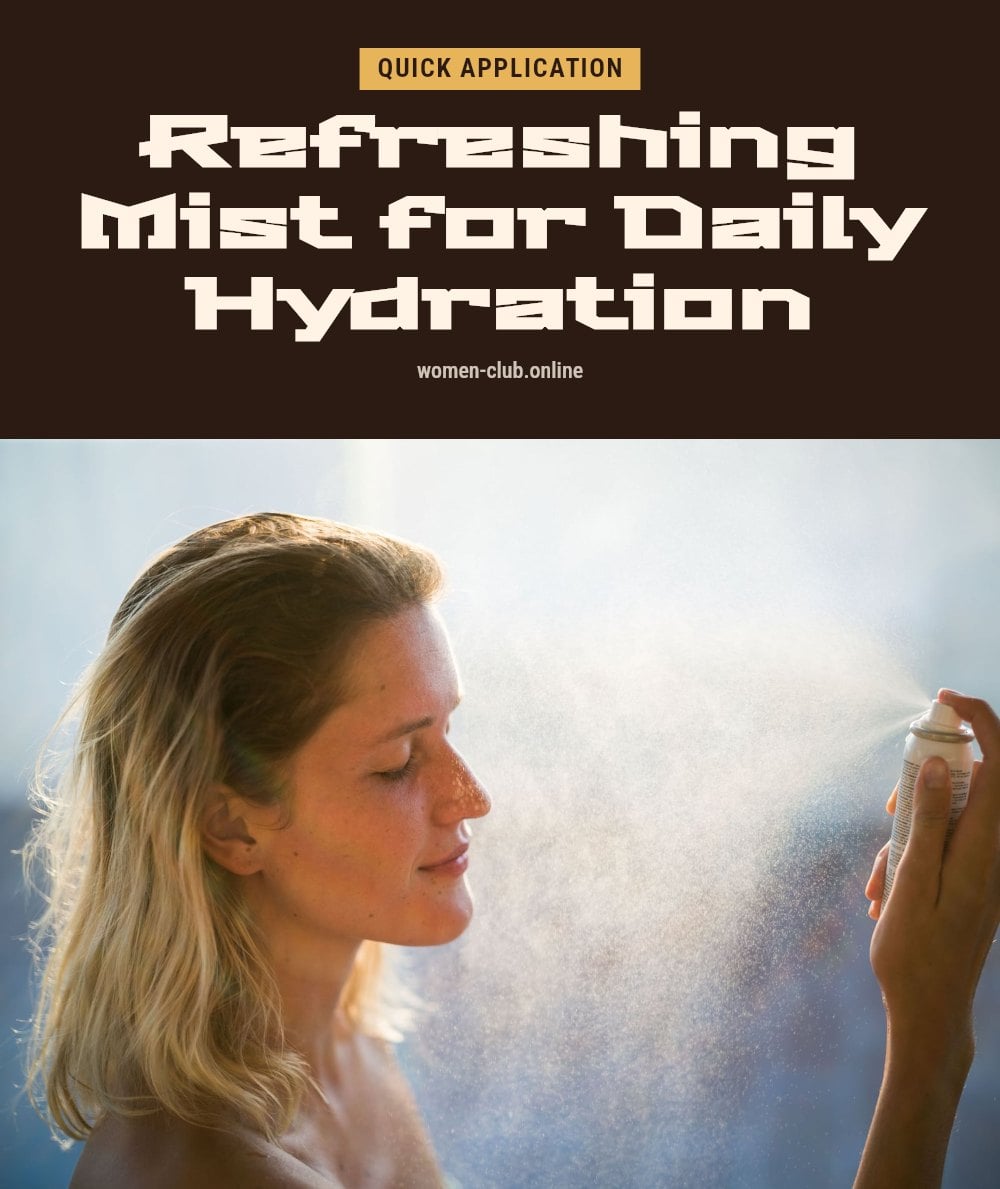
DIY facial mist: Fill a spray bottle with 1 cup distilled water and 2 tablespoons pure glycerin. Shake well and mist over your face after cleansing or throughout the day. Tip: Use rosewater instead of plain water for added soothing benefits. Store the mist in the fridge and use within one week.
Boost your moisturizer or serum: Add 2-3 drops of diluted glycerin (already mixed with water at a 1:20 ratio, which is a 5% solution) to your palm before applying your regular moisturizer. This gives an extra hydration punch without changing your routine. Caution: Do not add pure glycerin directly to products; pre-dilute it first.
Hydrating mask: Mix 1 tablespoon plain yogurt, 1 teaspoon honey, and 1 teaspoon diluted glycerin (5% solution). Apply to clean skin, leave on for 10-15 minutes, then rinse with lukewarm water. Use once or twice a week for a moisture boost.
Common Glycerin Mistakes and How to Avoid Them
Mistake 1: Using undiluted glycerin. Pure glycerin is too thick and can pull moisture from your skin instead of adding it. Always dilute with water, rosewater, or a hydrosol to a 5-10% concentration.
Mistake 2: Ignoring humidity. In very dry climates, even diluted glycerin can draw moisture from deep skin layers to the surface, leaving you drier. Tip: If you live in a dry area, apply a light occlusive layer (like a simple moisturizer with petrolatum) over your glycerin mist.
Mistake 3: Expecting a miracle cure. Glycerin is a hydrator, not a treatment for acne, wrinkles, or hyperpigmentation. It works best as part of a balanced routine that includes cleansers, exfoliants, and sun protection.
Timeline for Results and Cost-Effectiveness of Glycerin
You will notice immediate hydration after your first application, skin feels plumper and smoother. For lasting barrier improvement, use glycerin consistently for 1-2 weeks. The real win is the price: a bottle of pure vegetable glycerin costs a few dollars and lasts for months, making it one of the most cost-effective skincare ingredients you can buy.
Frequently Asked Questions
What is the best way to dilute glycerin for skin?
The safest and most effective dilution is a 5-10% glycerin solution. Mix 1 teaspoon of pure glycerin with 20 teaspoons of distilled water or rosewater. Shake well in a small bottle before each use. Always patch test first on a small area of skin.
Can glycerin cause dryness in some climates?
Yes, in very low humidity environments, even diluted glycerin can pull moisture from the deeper layers of your skin to the surface, leading to dryness. If you live in a dry climate, apply a moisturizer or occlusive layer over the glycerin to lock in the hydration.
Is glycerin safe for all skin types?
Glycerin is generally well-tolerated by most skin types, including sensitive and acne-prone skin, because it is non-comedogenic and gentle. However, if you have a specific skin condition or are prone to reactions, always do a patch test first and discontinue use if irritation occurs.
How often should I use glycerin on my face?
You can use a glycerin mist or diluted solution once or twice daily, typically after cleansing and before moisturizer. For best results, apply it to damp skin to help lock in moisture. Consistent use for 1-2 weeks can lead to noticeable improvement in skin barrier function.
Can I mix glycerin with my regular moisturizer?
Yes, you can add a few drops of diluted glycerin to your regular moisturizer or serum for an extra hydration boost. Just make sure the glycerin is already diluted to a safe concentration (5-10%) before mixing. This is a great way to customize your routine without making a separate product.
Final Thoughts
Glycerin is a powerhouse hydrator that works best when you use it correctly. My tip: start with a simple 5% dilution in a spray bottle and mist it over damp skin after cleansing. You’ll notice a difference right away, but for real barrier improvement, stick with it daily for a week or two. Keep it simple, and your skin will thank you.








