
You know the feeling: you wake up, glance in the mirror, and your roots already look slick. Between early meetings, school drop-offs, and everything else, a full wash just isn’t happening. This article covers the fastest, most effective ways to refresh greasy hair between washes, from dry shampoo tricks to clever hairstyles that buy you another day.
Key Takeaways
- Apply dry shampoo to roots before bed to absorb oil overnight.
- Use blotting papers on the scalp for a quick midday oil fix.
- Hairstyles like high ponytails and top knots hide greasy roots all day.
- Clean your hairbrush weekly to avoid transferring old oil back to your hair.
- Wash with lukewarm water and rinse cool to help manage oil production.
How to Quickly Fix Greasy Hair Without Washing It
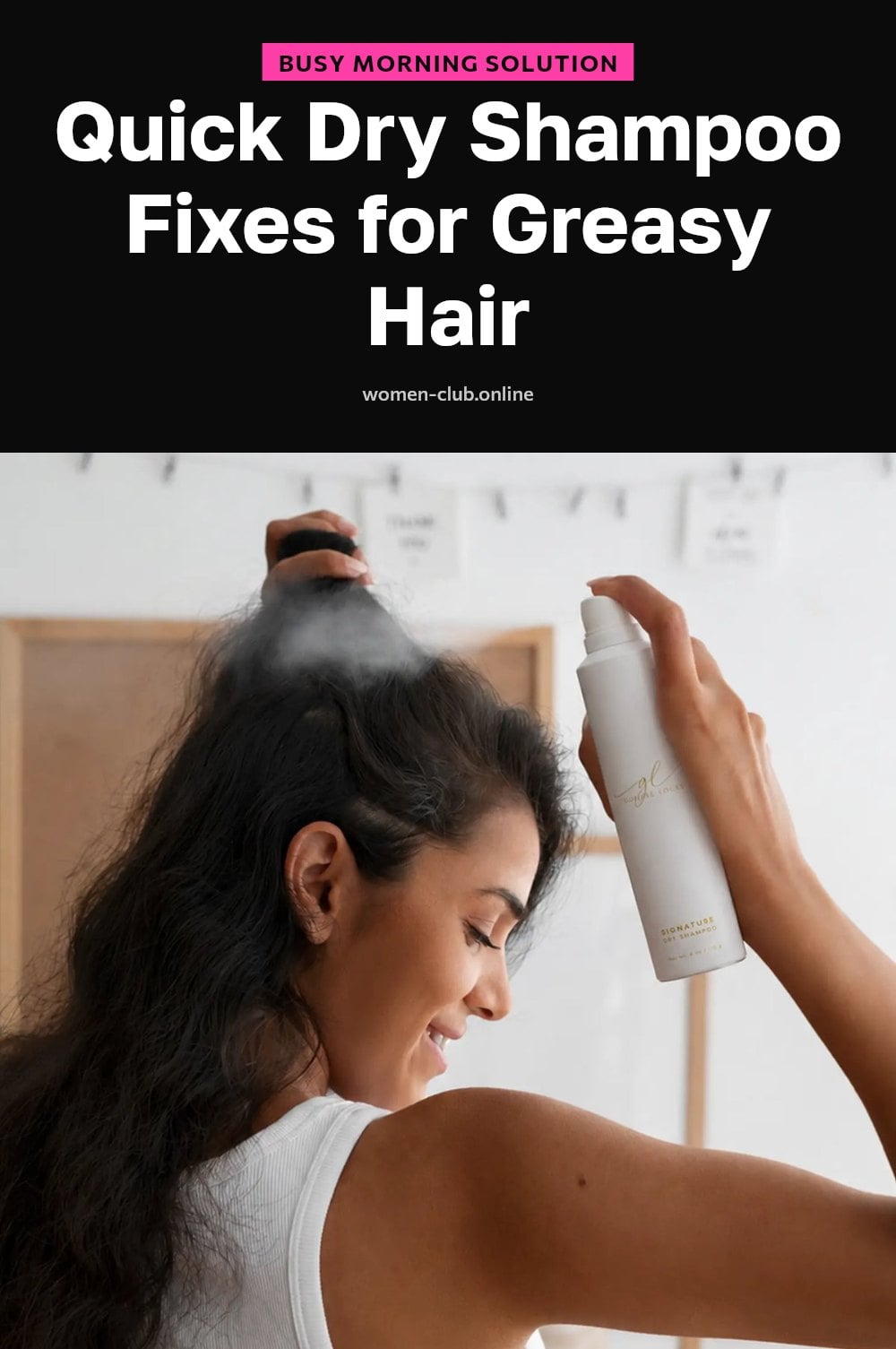
When you wake up with greasy roots and no time to wash, dry shampoo is your fastest fix. I always spray it directly onto my roots, let it sit for two to three minutes, then massage it in with my fingertips. That pause is what makes it work. If you need a backup plan, pull your hair into a sleek bun or braid. Both styles hide oil instantly and buy you a full day before your next wash.
Why Your Hair Gets Greasy So Quickly
Why Your Hair Gets Greasy So Quickly
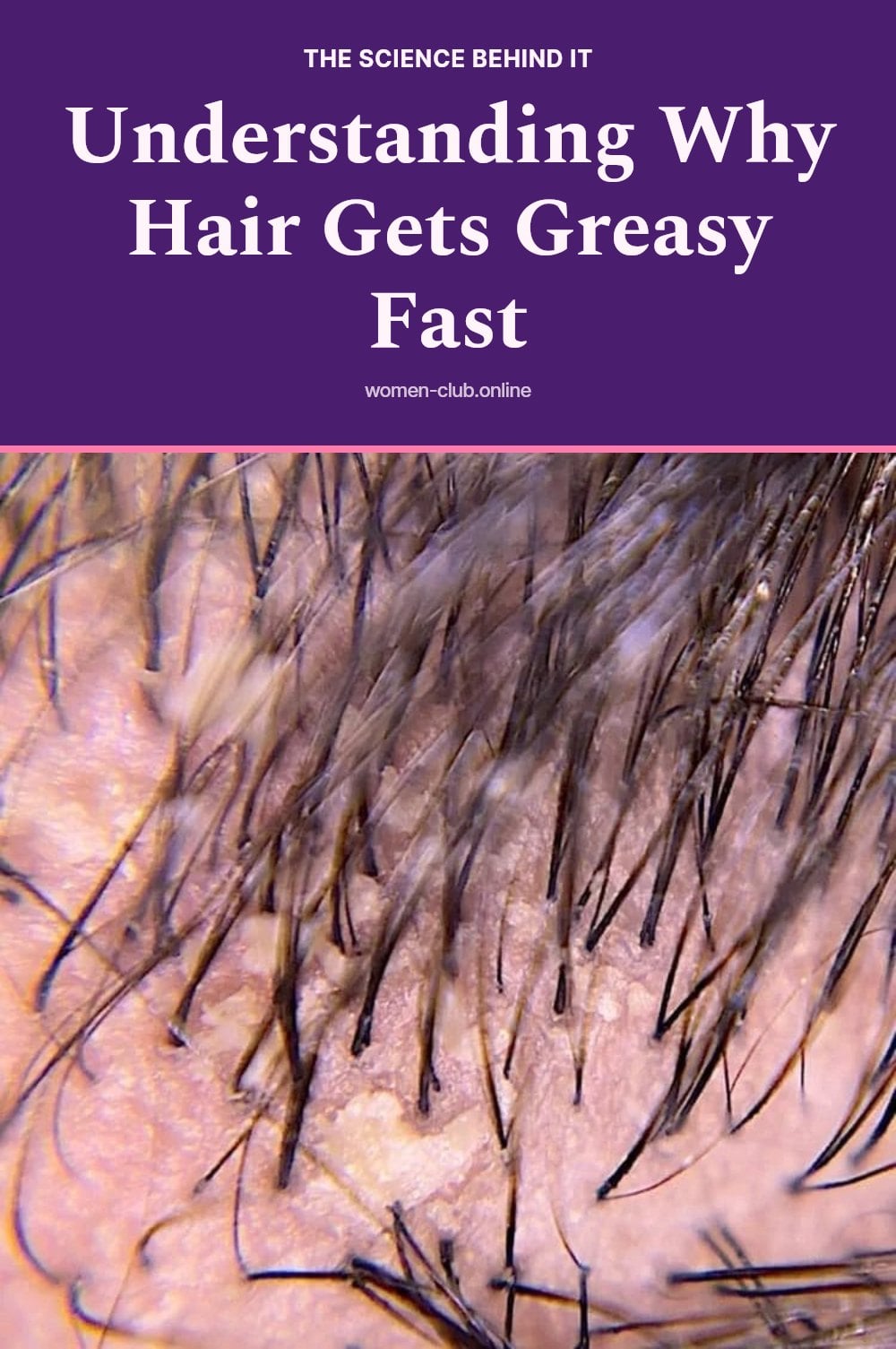
Your scalp produces sebum, a natural oil that keeps your hair and skin moisturized. The problem starts when your sebaceous glands make too much of it. I have learned that this overproduction often comes down to genetics, hormones, diet, or your daily hair care habits. For example, washing with very hot water can stimulate those glands, while a diet high in certain fats may add to the issue. Understanding that sebum itself is normal helps you target the excess without fighting your scalp’s natural function.
Essential Tools for Quick Greasy Hair Fixes
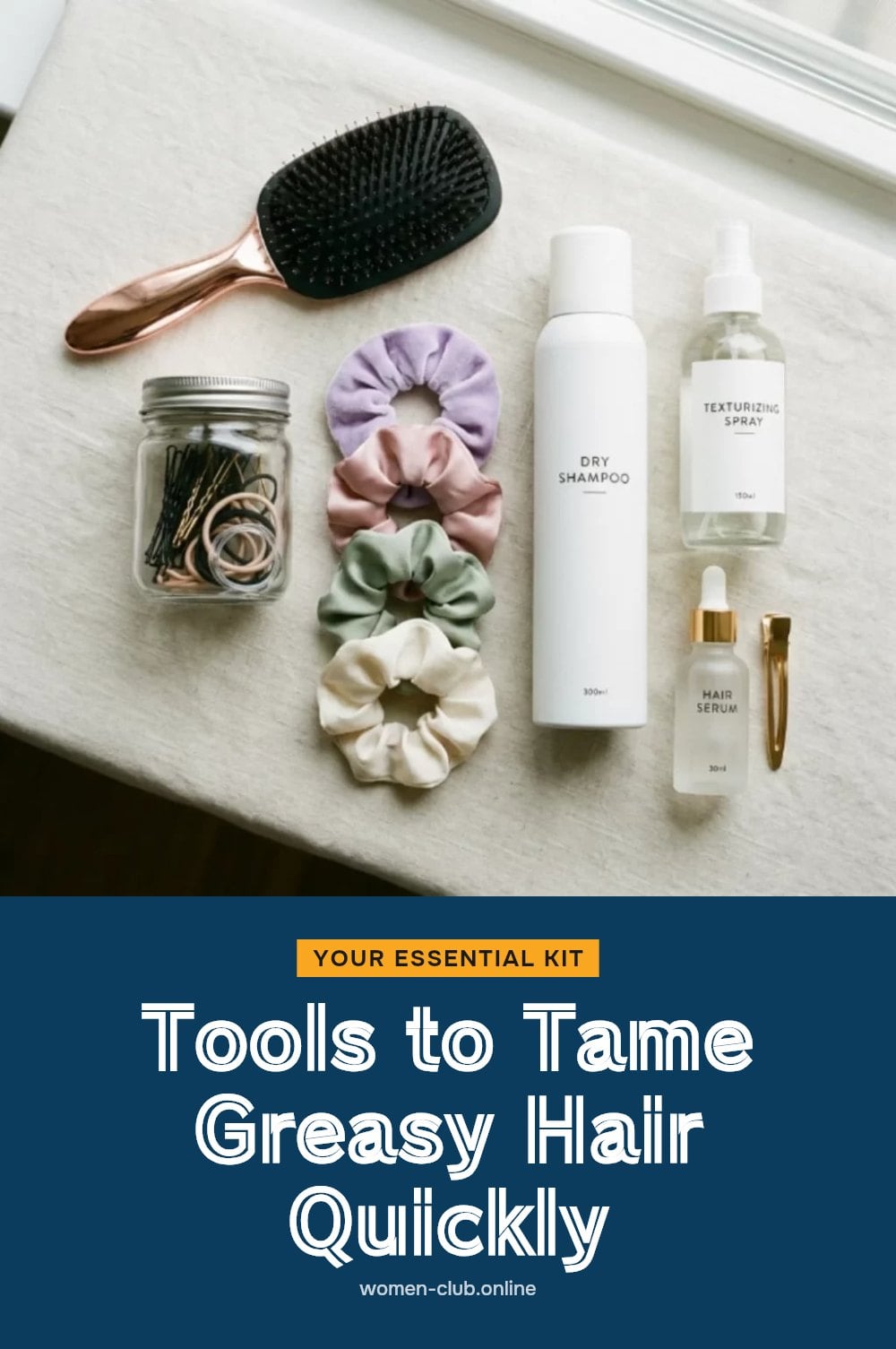
Keep these four tools handy for quick greasy-hair fixes. Dry shampoo, either aerosol or powder, is non-negotiable for absorbing oil at the roots. Hair powder, often made with cornstarch or arrowroot, works as an alternative and adds volume. A clean hairbrush prevents old oil and product from transferring back onto your strands. Headbands or scarves let you cover greasy roots in seconds when you are out the door.
Effective Ways to Combat Greasy Hair Between Washes

Effective Ways to Combat Greasy Hair Between Washes
Dry shampoo: Shake the can well, then hold it six to eight inches from your scalp. Spray only the roots, focusing on the crown and temples where oil collects first. Wait two to three minutes for the powder to absorb oil, then massage with your fingertips. My tip: apply dry shampoo before bed so it works overnight and you wake up with fresher roots.
Hair powders: If you prefer a non-aerosol option, sprinkle a starch-based powder directly onto your roots. Use your fingers or a brush to work it through the hair. It soaks up oil and gives your roots a lift. My tip: start with a small amount and add more if needed to avoid a heavy feel.
Blotting papers: Press a blotting paper flat against your scalp, especially along your part and hairline. Hold it there for a few seconds to pull surface oil away from the skin. These papers are small enough to keep in your bag for midday touch-ups.
Hairstyles: Braids, buns, and high ponytails pull hair away from your face and hide greasy roots. A top knot or a slicked-back low bun works especially well when you need a polished look fast. My tip: use bobby pins to secure any loose pieces so the style stays clean and intentional.
Common Mistakes When Fixing Greasy Hair
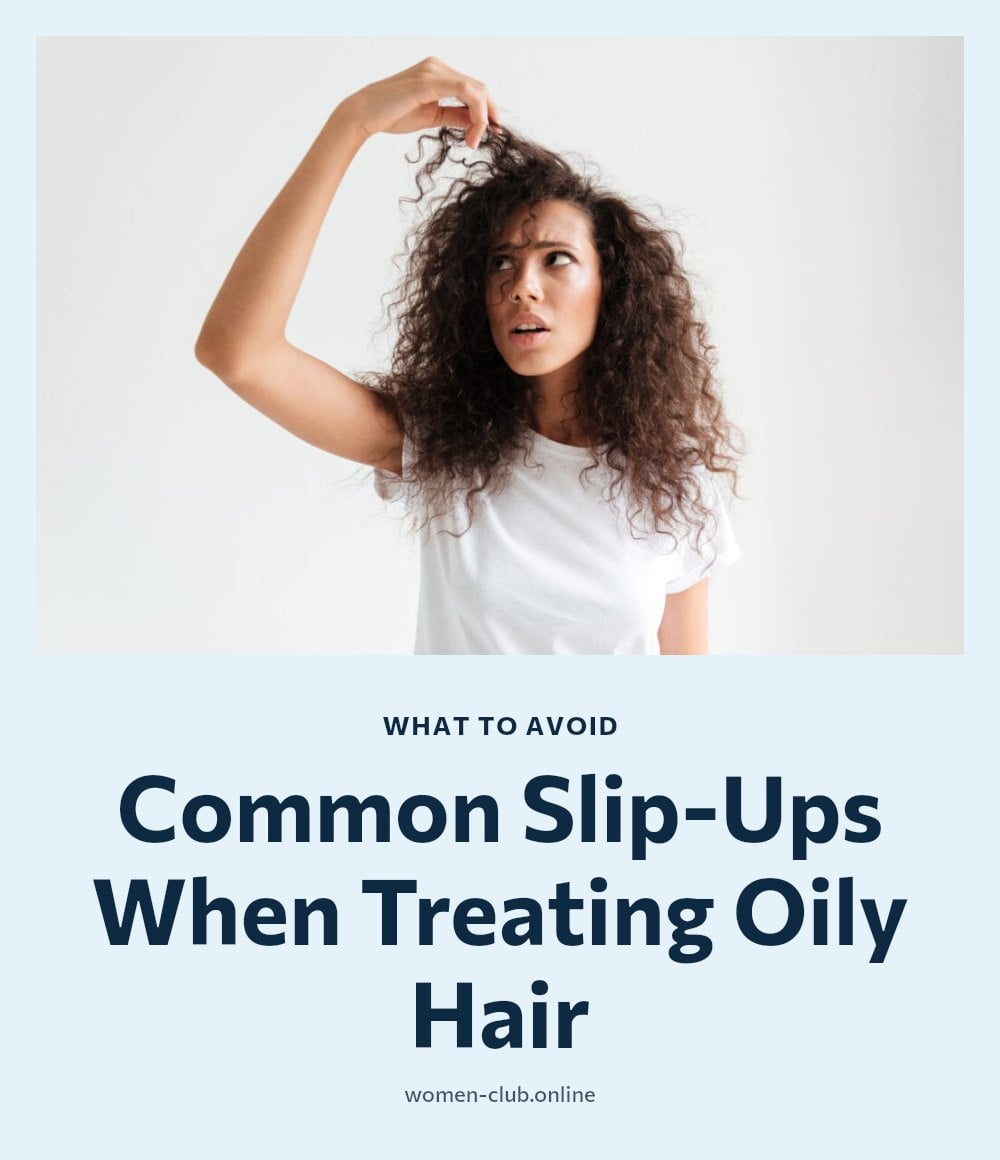
Even with the right products, a few common mistakes can leave your hair looking worse. Here is what to avoid.
- Over-applying dry shampoo: Too much product builds up on the scalp and makes hair look dull and gritty. Start with a light mist and add more only if needed.
- Waiting until hair is visibly greasy: Dry shampoo works best as a preventative measure. Apply it before bed or right after washing to absorb oil before it shows.
- Spraying too close to the scalp: Holding the can too near leaves a concentrated white cast. Keep it six to eight inches away.
- Brushing it out too soon: Dry shampoo needs a few minutes to soak up oil. Let it sit for 2 to 3 minutes before massaging or brushing.
- Skipping regular washes: Dry shampoo is a temporary fix, not a replacement for washing. Relying on it alone can clog follicles and irritate your scalp.
Smart Tips for Managing Oily Hair
Small daily habits make a real difference when you are managing oily hair. These are the ones I rely on most.
- Apply dry shampoo before bed: Spray it on your roots at night so it absorbs oil while you sleep. You will wake up with fresher hair and skip the morning rush.
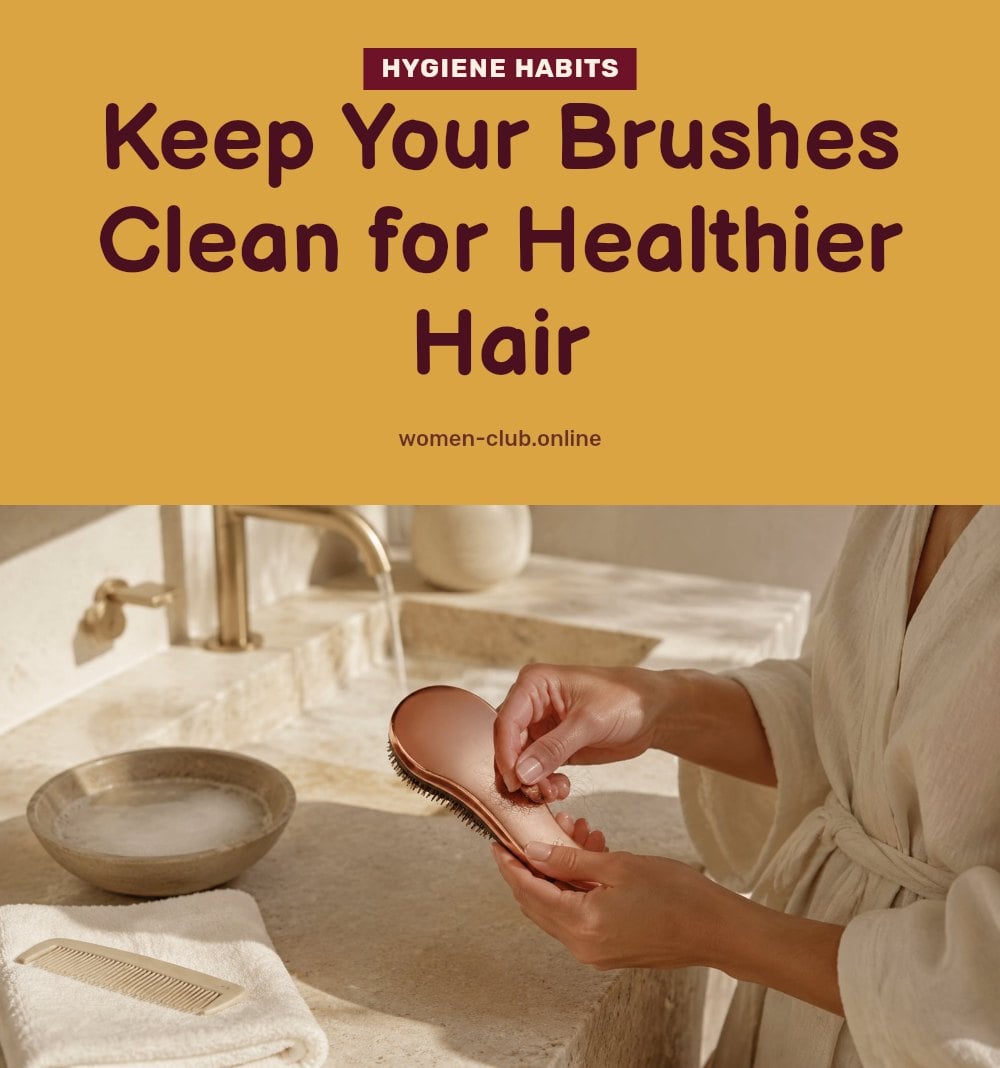
- Clean your brushes weekly: A dirty brush transfers old oil and product buildup straight back into clean hair. Remove hair and wash the bristles with mild shampoo once a week.
- Pull hair away from your face: High ponytails, top knots, and braids keep oil from your forehead from spreading into your roots.
- Keep your hands off: Touching your hair transfers oil from your fingers and stimulates glands. Over-brushing does the same, so brush only to style.
- Use a clarifying shampoo monthly: It removes product residue and excess oil that regular shampoo leaves behind. Use it once every two to four weeks.
Preventing Greasy Hair: Long-Term Strategies
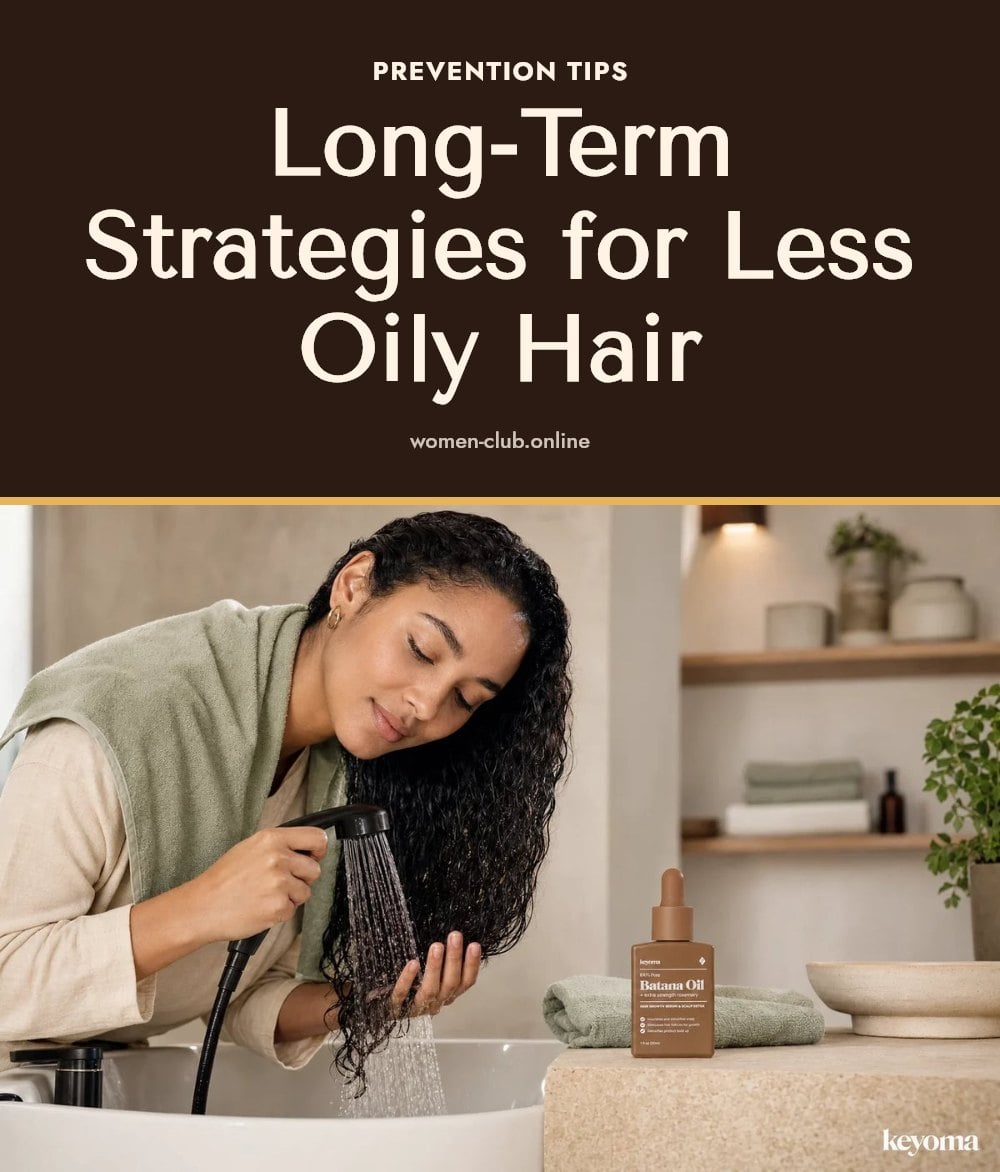
Long-term greasy hair control starts with how you wash and what you put on your strands. Here is what works for me.
- Wash with lukewarm water: Very hot water can stimulate your sebaceous glands and increase oil production. Rinse with cool water at the end to help seal the cuticle.
- Skip heavy products: Oil-based serums and thick creams sit on the scalp and add grease. Choose lightweight, water-based formulas instead.
- Stick to a schedule: Washing every day or every other day keeps oil in check. Skipping washes for too long allows buildup to trigger more oil.
- Watch your diet and hormones: Spicy foods and hormonal shifts can increase sebum production in some people. If you notice a pattern, adjust accordingly.
When to Consult a Professional About Greasy Hair
Most greasy hair is manageable at home, but some signs point to a deeper issue. See a dermatologist if you notice persistent scalp irritation, excessive flaking, or unusual hair loss. These can indicate conditions like seborrheic dermatitis or hormonal imbalances that need professional treatment.
Also, if any product causes burning, itching, or a rash, stop using it immediately and consult a professional. Your scalp health matters more than how your hair looks.
Frequently Asked Questions
How often should I use dry shampoo?
Dry shampoo is meant for occasional use between washes, not as a daily replacement. Using it two to three times a week is generally fine, but relying on it every day can lead to product buildup and scalp irritation. Always wash your hair with a regular shampoo after a day or two of dry shampoo use.
Can diet affect greasy hair?
Yes, diet may play a role. Some research suggests that high-glycemic foods and dairy can influence sebum production in some people, though the effect varies. Eating a balanced diet with plenty of fruits, vegetables, and healthy fats is a good starting point if you suspect a link.
What are the best hairstyles to hide greasy roots?
Styles that pull hair away from the face and scalp work best. High ponytails, top knots, braids, and buns all conceal oily roots effectively. A headband or scarf can also cover the hairline and add a polished look while hiding grease.
Is it bad to wash my hair every day if it’s greasy?
Washing every day can strip the scalp of its natural oils, which may cause it to produce even more oil to compensate. For most people, washing every other day or every two days with a gentle shampoo is better. If you need to wash daily, use a mild shampoo and focus on the scalp.
Can stress make my hair greasier?
Stress can trigger hormonal changes that increase sebum production, making hair appear greasier. Managing stress through exercise, sleep, or relaxation techniques may help reduce this effect. If you notice a sudden change in oiliness during a stressful period, it could be a contributing factor.
Final Thoughts
My go-to rule is to keep dry shampoo on my nightstand and apply it before bed so I wake up with fresher roots. Realistically, these fixes buy you one day between washes, not a week. Start with one or two of these strategies and adjust based on how your scalp responds.
This article is for general informational purposes only and does not constitute medical or professional advice. Always consult a dermatologist or healthcare provider for persistent scalp issues, irritation, or hair loss.








