
Getting the hang of a solid hair care routine doesn’t have to be complicated, even if product aisles feel overwhelming. The real secret isn’t about buying everything on the shelf, but understanding your hair type and sticking to a few key steps that protect its natural health. This article breaks down the basics for every hair type, from identifying your needs to a simple, effective 15-minute routine you can actually stick with.
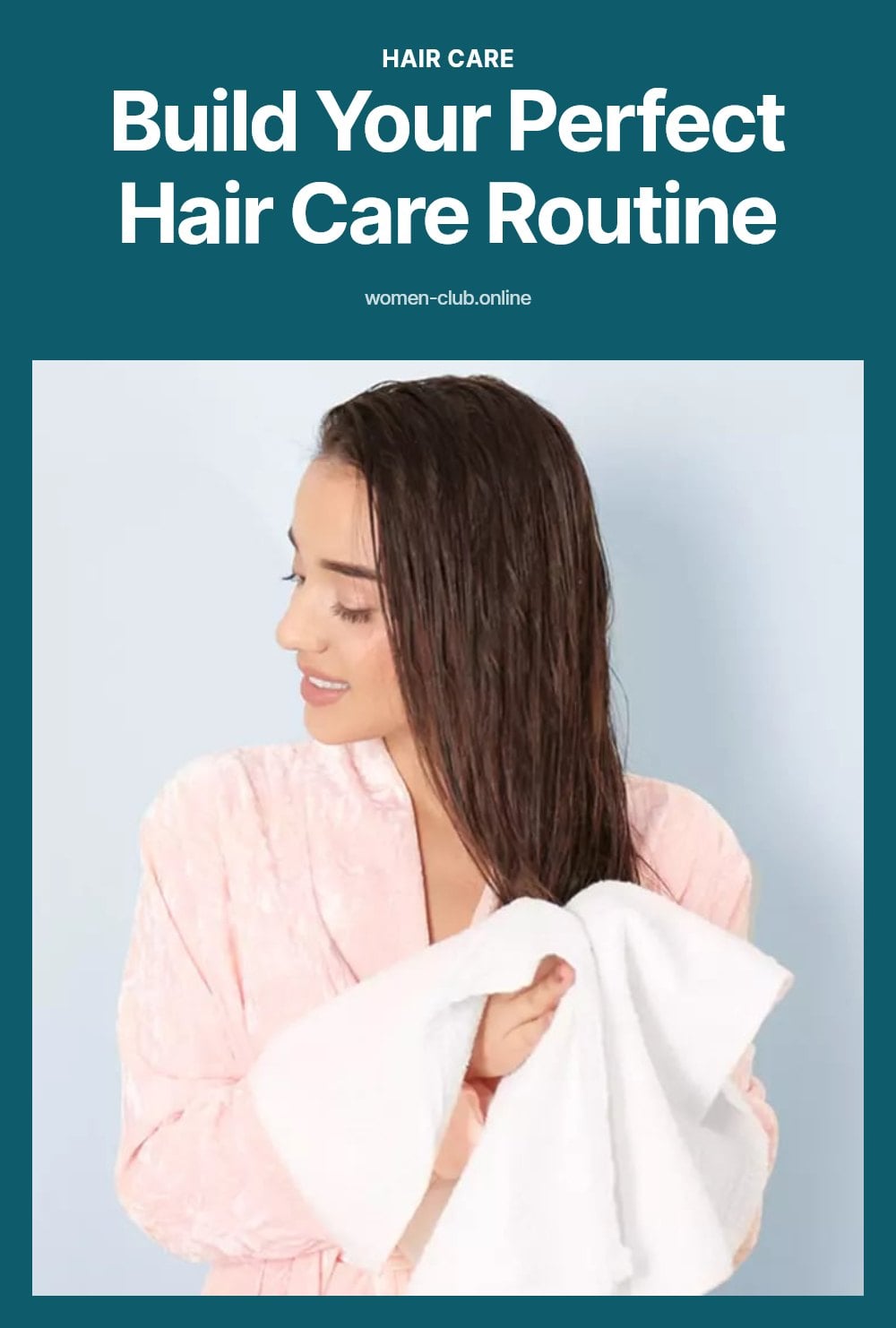
Key Takeaways
- Identify your hair type (straight, wavy, curly, coily) and its texture and porosity to choose the right products.
- Wash your hair 2-3 times per week, focusing shampoo only on the scalp and conditioner on the mids and ends.
- Use a microfiber towel to gently press hair dry instead of rubbing, which reduces friction and breakage.
- Get a trim every 6-12 weeks to remove split ends and prevent damage from traveling up the hair shaft.
- Apply a heat protectant before any heat styling to shield the hair cuticle from damage.
What is the Best Hair Care Routine for Healthy Hair?
The best hair care routine starts with understanding your hair type and its specific needs, then building a consistent regimen of gentle cleansing, targeted conditioning, and protection from damage. It’s about nourishing your scalp and strands while avoiding practices that cause harm, which leads to healthier, more manageable hair over time. Remember, a healthy scalp is fundamental to healthy hair growth, as hair follicles reside there.
Your Essential Hair Care Kit
To get salon-quality results at home, you need the right tools. Here’s what I consider essential:
- Professional shampoo and conditioner: These are formulated to cleanse and moisturize effectively without stripping your hair.
- Microfiber towel: It dries hair gently, minimizing friction and breakage compared to a regular towel.
- Leave-in conditioner spray: This creates a protective barrier that locks in moisture and smooths the hair shaft.
- Blow dry cream: Provides volume, softness, shine, and heat protection in one product.
- High-quality hair oil: Options like Moroccan oil or Olaplex 7 polish and nourish your strands.
- Wide-tooth comb or flexible bristle brush: Crucial for detangling wet hair without causing breakage.
Your 15-Minute Routine for Salon-Quality Hair
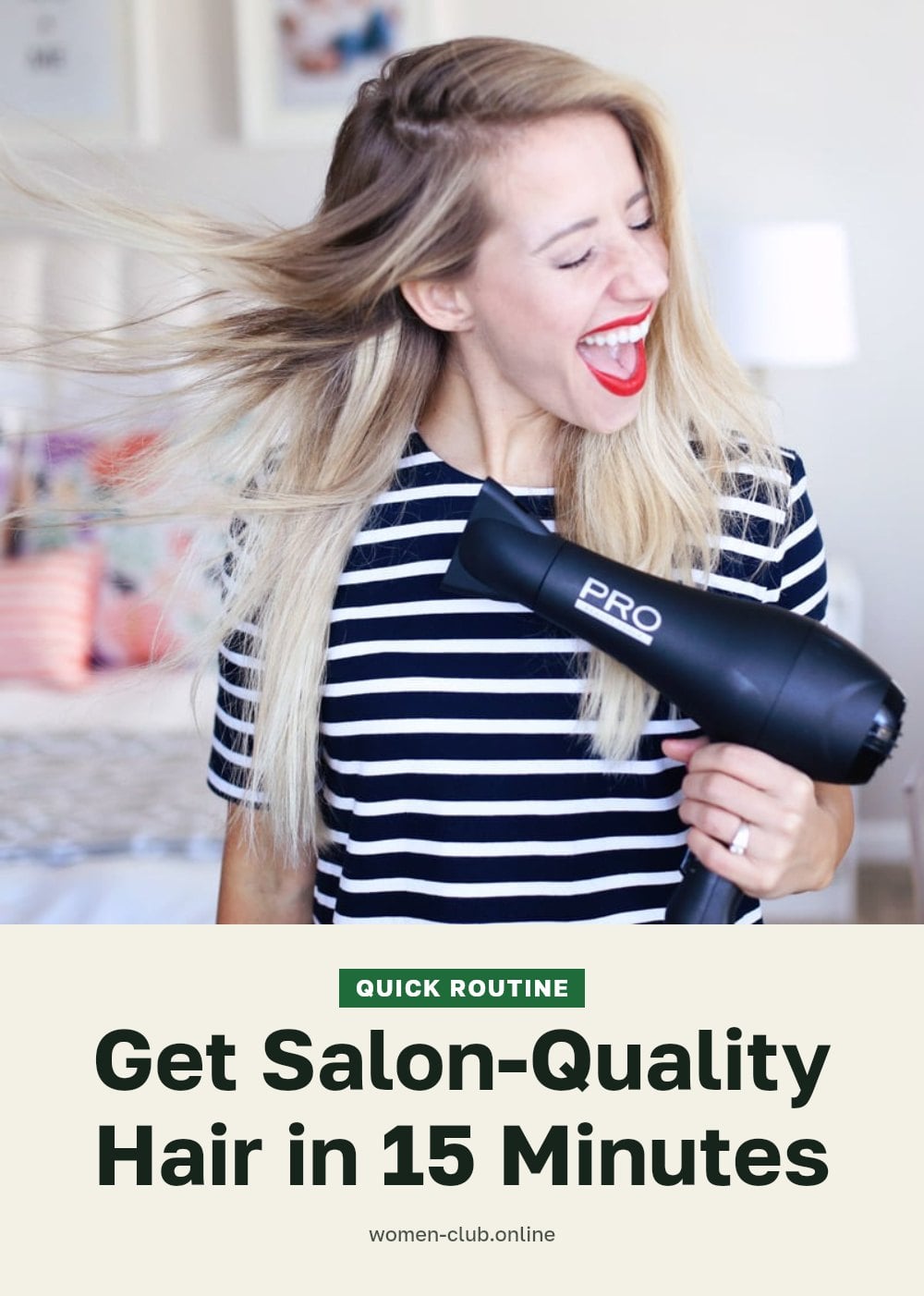
Follow this 15-minute routine for healthier, smoother hair.
- Wash twice: Apply shampoo only to your roots and scalp, scrubbing firmly with your fingertips. Rinse, then repeat. Apply conditioner only to your mids and ends, then rinse thoroughly.
- Press dry: Gently press a microfiber towel onto your hair to absorb water for about 1 minute. Avoid rubbing vigorously.
- Apply products: Spray leave-in conditioner evenly through your mids and ends (8-10 sprays for fine hair, 10-12 for medium, 12-16 for thick). Then apply a small amount of blow dry cream through the same areas. The blow dry cream acts as a heat protectant, so apply it last before heat styling.
- Pre-dry: Flip your hair over and blow dry the underneath layers. For straight hair, dry until it is about 80% dry. For curly or wavy hair, stop immediately when you notice frizz. This step should take about 1 minute.
- Detangle: Using a brush with flexible bristles, start at the bottom and slowly work up to remove knots. This should take 1-2 minutes.
- Style: Clip the top half of your hair up. Starting with the back bottom section, pull the blow dry brush through with gentle tension and a slight twist. Continue with all bottom sections, then release the top and style it the same way.
- Polish: Warm a small amount of high-quality hair oil between your palms and work it into the bottom of your mids and ends, gradually moving upward.
Prefer to watch? Blowout Professor walks through the whole method in this 14-minute video. The how-to part starts at 2:23.
Common Hair Care Mistakes to Avoid
Avoid these common mistakes to keep your hair healthy and reduce damage.
- Washing and styling too often: This can traumatize your hair. Aim to wash and style, then allow sufficient time between washes and styles to let your hair recover.
- Using too many products: Over-applying makes hair gunky and forces you to wash more often, creating a cycle.
- Applying shampoo to mids and ends: Shampoo is for the scalp; applying it elsewhere dries out your strands.
- Applying conditioner to roots: This makes your roots greasy quickly, undoing the cleansing.
- Washing only once: A single wash often leaves oil on the scalp, leading to odor and hair getting dirty faster.
- Vigorously rubbing hair with a regular towel: This creates friction, tangles, and breakage. Use a microfiber towel and gently press instead.
Smart Tips for Healthier Hair
Start by identifying your hair type, straight, wavy, curly, coily, and its texture and porosity. This determines which products will actually work for you. Choose shampoos and conditioners formulated for your specific needs, whether that’s oily, dry, fine, thick, or color-treated.
Regular trims every 6-12 weeks remove split ends before they travel up the hair shaft. Always apply a heat protectant before using any hot tools to shield the cuticle and protein structure. Tip: Switch to a silk or satin pillowcase to reduce friction and minimize breakage and frizz overnight. Protect your hair from harsh sun, chlorine, and saltwater to prevent environmental damage.
When to Consult a Professional
If you notice persistent scalp irritation, excessive hair loss, or sudden changes in hair texture, see a dermatologist or healthcare professional. Always perform a patch test before trying new hair dyes or chemical treatments to check for allergic reactions. Caution: DIY hair treatments can cause irritation or damage if used incorrectly. For complex issues or advanced styling, a professional stylist can provide tailored advice and treatments.
Frequently Asked Questions
How often should I wash my hair?
Most people do well washing their hair 2-3 times per week. If your hair is dry or color-treated, you might want to wash less often to avoid stripping natural oils. If it’s very oily, you may need to wash more frequently, but try to stretch the time between washes to let your scalp adjust.
What is hair porosity and why does it matter?
Hair porosity refers to how well your hair absorbs and retains moisture. Low porosity hair resists moisture and can feel dry, while high porosity hair soaks it up quickly but loses it just as fast. Knowing your porosity helps you choose the right products, like lighter formulas for low porosity or richer creams for high porosity.
Can I air dry my hair instead of blow drying?
Yes, air drying is a gentle option that avoids heat damage. However, it can take longer and may leave hair more prone to tangling if not handled carefully. If you air dry, use a leave-in conditioner and detangle with a wide-tooth comb while hair is damp to minimize breakage.
Should I use conditioner every time I shampoo?
Yes, it’s generally a good idea to condition every time you shampoo. Conditioner helps restore moisture, smooth the hair cuticle, and make detangling easier. Just focus it on the mids and ends of your hair, not the scalp, to avoid greasiness at the roots.
Final Thoughts
Start by picking one or two changes from this routine, like switching to a microfiber towel or washing your hair twice with shampoo only on the scalp. Stick with it for a few weeks, and you’ll likely notice less frizz and more shine without spending extra time or money. The goal is consistency, not perfection, so find what works for your hair and keep it up.
This article is for general informational purposes only and does not constitute medical or professional advice. Hair care needs vary by individual. If you experience persistent scalp irritation, excessive hair loss, or sudden changes in your hair, consult a dermatologist or healthcare professional for personalized guidance.








